

P1058 on 2013-2018 Mazda 3 2.2L SKYACTIV-D: Cylinder 4 Over-Fueling Causes and Fixes
This code means the engine computer detects that cylinder #4 is receiving too much fuel. The most common cause is a faulty #4 fuel injector. It is critical to address this immediately, as injector issues on this engine can lead to catastrophic engine failure due to leaking injector seals contaminating the engine oil.
- P1058 specifically means too much fuel is being injected into cylinder #4.
- The most likely cause is a bad #4 fuel injector.
- This code is a serious issue on the SKYACTIV-D 2.2L engine and should not be ignored.
- Driving the vehicle is not recommended due to the risk of severe engine damage.
- When replacing the injector, it is absolutely critical to also replace the copper injector seal and clean the injector bore to prevent catastrophic oil-related engine failure.
What's Unique About the 2013-2018 Mazda 3
The Mazda 2.2L SKYACTIV-D engine is notoriously sensitive to injector and injector seal issues. While P1058 points to an over-fueling injector, a related and more dangerous issue is the failure of the copper injector seals. When these seals fail, combustion gases can leak past them into the valve cover area and crankcase, carbonizing the engine oil. This sludgy, carbonized oil can then block the oil pump pickup strainer, leading to oil starvation, which destroys the turbocharger, camshafts, and ultimately the entire engine. Therefore, any injector-related fault code on this engine must be treated with high urgency, as many owners have experienced total engine failure from this exact sequence of events.
🎬 Watch: Why these Mazda diesel engines are prone to blowing up.Symptoms You May Notice
- Check Engine Light is on
- Engine juddering, stuttering, or 'hunting', especially under light throttle
- Rough or erratic idle
- Engine misfires, which may feel like jerky acceleration
- Loss of power
- Increased engine noise or knocking
- Frequent DPF regeneration cycles and/or DPF warning light
- High engine oil level on the dipstick (due to fuel dilution)
- Replacing other sensors (e.g., O2 sensor, MAF sensor) without diagnosing the fuel system. Generic code readers may give misleading definitions for this manufacturer-specific code.
- Attributing symptoms solely to DPF issues. While DPF problems are common, they are often a symptom of underlying injector problems causing poor combustion and excessive soot.
Most Likely Causes
- Faulty #4 Fuel Injector 🔴 High Probability The high-pressure piezo injectors used in this engine can fail internally, causing them to stick open or deliver an incorrect fuel quantity. This is a well-documented issue with the Denso injectors used in this engine platform.
How to confirm: A mechanic can perform a leak-off test to compare the return flow from each injector; excessive return flow from injector #4 indicates a fault. A diagnostic scan tool can also monitor injector correction values; however, a faulty injector may not always show bad correction values, as this can also indicate a compression issue.
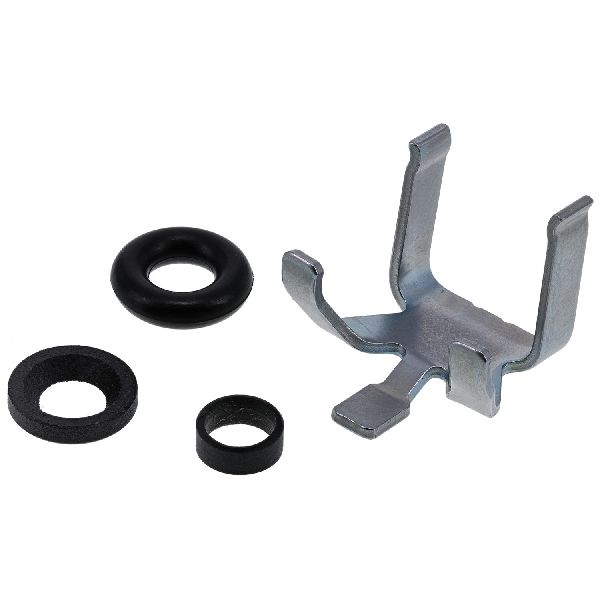
Typical fix: Replace the #4 fuel injector and its corresponding copper washer (seal), o-ring, and clamp. The new injector's calibration code must be programmed into the PCM using a Mazda-compatible scan tool.
Est. part cost: $250-$500 - Failed Injector Seal (Copper Washer) 🔴 High Probability The copper seals at the base of the injectors are a notorious failure point. Mazda revised the tightening torques after 2014 to mitigate this, but the issue persists on models up to 2018. Leaking combustion gases cook the engine oil, leading to widespread engine damage.
How to confirm: Visually inspect the area around the base of the injectors for black, tar-like carbon deposits ('coking') or listen for a 'chuffing' sound from the engine top end. An owner on the Back Room Forum confirmed their garage found the oil pickup strainer blocked by carbon, which was attributed by an engineer to leaking injector seals.
Typical fix: When replacing any injector, it is mandatory to replace the copper seal (washer), o-ring, and often the hold-down clamp. The injector seat in the cylinder head must be meticulously cleaned. Many owners and specialists recommend replacing all four sets of seals as a preventative measure.
Est. part cost: $15-$30 for a single genuine seal kit
Rare But Worth Checking
- Poor Fuel Quality: Contaminated or low-quality diesel fuel can damage the sensitive piezo injectors. The official Mazda diagnostic procedure lists this as a possibility.
- Mechanical Engine Malfunction: In rare cases, an internal engine issue like insufficient compression in an adjacent cylinder could theoretically cause the PCM to misinterpret crankshaft speed fluctuations, though this is highly unlikely to be the primary cause.
- PCM Malfunction: An internal fault in the Powertrain Control Module (PCM) could incorrectly set this code. This is extremely rare and should only be considered after all other possibilities have been exhausted. There is a TSB for other injector codes (P0201-P0204) related to PCM failure on some models, but not specifically P1058.
Diagnosis Steps
- Verify the code with a Mazda-capable scan tool. Confirm P1058 is present and check for any other stored fault codes.
- Visually inspect the top of the engine around the fuel injectors. Remove the plastic engine cover. Look for any signs of fuel leakage or black, tar-like carbon buildup around the base of injector #4.
- Listen for a 'chuffing' or puffing sound from the top of the engine at idle, which indicates a leaking injector seal. 🎬 Listen to what a leaking injector seal sounds like.
- Using a diagnostic scan tool, monitor the fuel injector correction values ('Injector Correction Value Cyl 1-4') at idle and while holding RPMs at 2000. While not always definitive, a value for cylinder #4 that is significantly different from the others can indicate a problem.
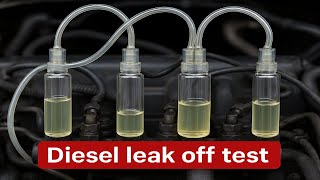
- Perform a fuel injector leak-off test. This involves connecting small hoses and collection bottles to the return ports of each injector. A significantly higher amount of fuel returned from injector #4 compared to the others over a set time period indicates it is internally faulty.
- If an injector is removed, inspect the copper seal for signs of damage, blackening, or blow-by. The condition of the seal is critical.
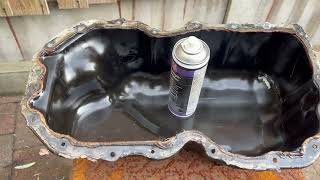
- If the oil pan is removed, inspect the oil pump pickup strainer for black, carbon/sludge buildup. This is a definitive sign of injector seal failure. 🎬 See how to replace the oil strainer to prevent engine failure.
- If the injector and seal appear fine, consider checking engine compression to rule out a rare mechanical issue.
Parts You'll Likely Need
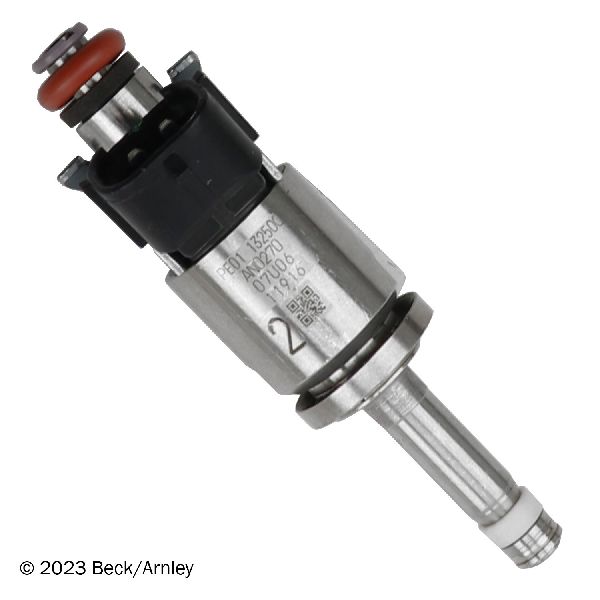
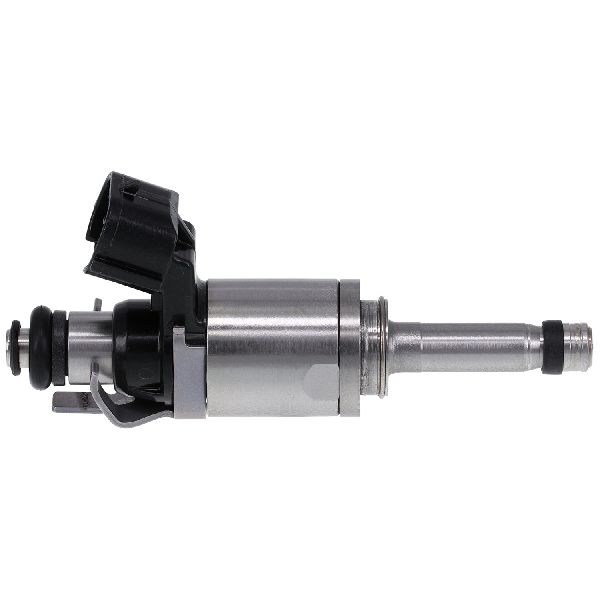
- Fuel Injector
(OEM #SH01-13-H50)— This is the most common cause for P1058. The injector for cylinder #4 is malfunctioning and delivering too much fuel.
Trusted brands: Denso (OEM)
OEM price range: $350-$500
Aftermarket price range: $250-$400 (Remanufactured) - Fuel Injector Seal Kit
(OEM #Seal Kit includes: Copper Washer (SH01-13-H51), Valve Cover Oil Seal (SH01-10-508). The injector clamp may also need replacement.)— This must be replaced whenever an injector is removed. Failure of the copper washer is a primary cause of catastrophic engine failure on the SKYACTIV-D engine.
Trusted brands: Mazda (OEM)
OEM price range: $25-$40 for the washer and oil seal per injector.
Aftermarket price range: $15-$25
Related Codes That Often Appear With This One
- P0087 — Fuel Rail/System Pressure - Too Low. A severely leaking injector can sometimes cause a drop in overall fuel rail pressure.
- P0304 — Cylinder 4 Misfire Detected. An improperly fueling injector can easily lead to a misfire condition in the same cylinder.
- P2263 — Turbo/Super Charger Boost System Performance. Injector and oil pressure issues on this engine often lead to turbocharger damage and related codes.
- P0299 — Turbo/Super Charger Underboost. Often seen alongside P2263 when oil starvation has damaged the turbocharger bearings.
Platform-Specific Known Issues
- Widespread issues with injector seals failing, leading to combustion gas leaking into the oil. This carbonizes the oil, clogs the oil pickup strainer, and causes oil starvation, resulting in turbo and engine failure.
- A Reddit user on r/mazda6 noted that even after Mazda revised tightening torques in 2014, the copper washers were used up to 2018 and still fail.
- Exhaust camshaft wear is another known issue on this engine, sometimes related to the oil contamination problem.
Mechanic-Grade Diagnostic Values
- Fuel Injector Correction Values (Live Data) — expected: Between -1.0 and +1.0 mm³/st at idle for a healthy injector.. Failure: A value significantly outside the -1.0 to +1.0 range on cylinder #4 can indicate a fault. However, this can also indicate a compression issue.
- Fuel Rail Pressure (Live Data) — expected: Must be 35 MPa (5,077 psi) or more for the PCM to run the P1058 diagnostic test. A healthy gasoline direct injection Mazda idles around 424-449 PSI, but diesel common rail pressures are much higher.. Failure: While not a direct indicator for P1058 (which is over-fueling, not low pressure), a rail pressure that cannot maintain target values could indicate a severely leaking injector.
- Engine Oil Pressure (Live Data, Warm Engine) — expected: Approximately 160 kPa at idle. At 2000 RPM, it should be around 180 kPa. At 3500 RPM, it should be around 400 kPa.. Failure: Pressure significantly below these values (e.g., 130-140 kPa at idle) is a strong indicator of a blocked oil pickup strainer, often caused by leaking injector seals.
- Leak-Down Test — expected: Less than 15% leakage is acceptable.. Failure: Leakage above 15% indicates a mechanical engine problem (rings, valves, head gasket). A very healthy engine may show as little as 3-4% loss.
Scan Tool Commands That Help
- Mazda M-MDS, FORScan: Fuel Injector Correction Factors (Injector Coding) — This is mandatory after installing a new fuel injector. The unique calibration code printed on the new injector must be programmed into the PCM to ensure correct fuel delivery.
- Mazda M-MDS, FORScan: Fuel Injector Data Reset — This procedure must be run after replacing a fuel injector to clear the old injector's learned data from the PCM.
- Mazda M-MDS, FORScan: Fuel Injector Injection Amount Correction (Pilot Quantity Learning) — This is a learning procedure the PCM performs to fine-tune the pilot injection of the new injector. It may need to be run after coding and data reset to ensure smooth idle and operation.
Wiring & Ground Locations
- Engine Bay Ground Points (General) — Common locations on related Mazda platforms include a ground on the passenger side motor mount, grounds on the transmission housing, and a primary chassis ground on the driver's side fender that connects to the negative battery terminal.. While not a primary cause, a corroded or loose engine ground can cause erratic voltage signals to and from the PCM, potentially affecting injector driver circuits or sensor readings. A visual inspection of all major ground straps is a wise step in any electronic diagnosis.
Real Owner Repair Stories
- Reddit user on r/mazda6 (2016 Mazda 6 2.2L Diesel) — After replacing the exhaust camshaft and injector seals, the engine would knock heavily when attempting to perform the injector calibration procedure with a scan tool.
❌ Tried (didn't work) Running the standard injector calibration procedure.
✅ What actually fixed it A responding user diagnosed the issue as a compression leak past the new injector washer due to an imperfectly cleaned or damaged injector seat in the cylinder head. The fix required ensuring the injector seats were meticulously cleaned and possibly resurfaced, and that the engine was fully warmed up (driven for 30 minutes) before attempting the calibration, as the procedure requires sufficient cylinder pressure to complete successfully.
OEM Part Supersession History
SH01-13-H50 (Mazda)→N/A— This part number appears to be consistent for the specified model years. No supersession information was found.
Heads up: The OEM manufacturer is Denso, and the equivalent Denso part number is 295900-0260. Ensure any replacement matches these numbers.
Model Year Variations Within This Range
- 2014-2018: Mazda reportedly revised the tightening torque specifications for the injector hold-down clamps starting in 2014 to reduce the likelihood of seal failure. However, the fundamental design using copper washer seals remained, and failures are still documented on post-2014 models.
Diagnostic Flowchart
Used vs. New Parts: Buying Guide for This Vehicle
When a used part is the smart pick: For this specific repair on this engine, using a used fuel injector is NOT recommended. The risk of installing a part that is already faulty, near failure, or has a compromised seal is extremely high, and the potential consequence is catastrophic engine failure.
What to inspect on the donor part:
- Not applicable, as used parts are not recommended.
OEM-only on this vehicle (don't cheap out):
- Fuel Injector Seal Kit (Copper Washer, O-rings): These parts are single-use, inexpensive, and absolutely critical. Only use genuine Mazda parts (e.g., washer SH01-13-H51). The cost savings of an aftermarket seal are negligible compared to the risk of engine failure.
Aftermarket brands forum-validated for this vehicle:
- Denso: Denso is the Original Equipment Manufacturer (OEM) for Mazda's injectors. A new Denso injector (part number 295900-0260) is equivalent to a genuine Mazda part.
Brands owners have reported issues with on this vehicle:
- Unbranded, no-name injectors from online marketplaces should be avoided. These are complex, high-precision piezo-electric components. The quality control and performance of cheap copies are highly suspect and pose a significant risk to the engine.
Real Owner Stories
Aggregated from forums and TSBs cited above. Mileages and costs reflect what owners reported in those sources.
2014-2018 Mazda 6 SKYACTIV-D 2.2L
Symptoms: A mechanic observed that even on post-2014 models with revised tightening torques, the copper injector washers are a persistent failure point.
What fixed it: This was a general observation about the vehicle platform, noting that the washers still fail and require replacement. The implied fix is replacing the failed copper washers.
Source hint: Reddit r/mazda6 thread titled 'Did Mazda fix the 2.2 Diesel engines?'
2013-2018 Mazda 3 SKYACTIV-D 2.2L
Symptoms: The owner was warned by another user that failing injector seals are a key problem that can be hard to detect initially.
What fixed it: This was a preventative warning, not a repair story. The user noted that if neglected, the failing seals can clog the oil system, cause low oil pressure, and lead to engine failure.
Source hint: Reddit r/mazda3 thread on engine reliability
2015 Mazda 3 SKYACTIV-D 2.2L
Symptoms: The garage discovered that the engine's oil pickup strainer was blocked by carbon buildup.
What fixed it: An engineer attributed the blocked strainer to leaking injector seals. The fix would involve cleaning the oil pickup strainer and replacing the failed injector seals to prevent recurrence.
Source hint: Back Room Forum, as cited in the article's diagnosis section
Related OBD-II Codes
Frequently Asked Questions
My mechanic says the injector seal failed on my 2016 Mazda 3. I thought Mazda fixed that problem after 2014?
Is it safe to use a cheaper, used fuel injector for this repair to save money?
What is the black, tar-like gunk I see around the base of the #4 fuel injector?
Can I reuse the copper washer seal when replacing the injector?
My mechanic suggested a Denso injector instead of a genuine Mazda part. Is this an acceptable alternative?
The oil level on my dipstick is high and smells like diesel. Is this related to the P1058 code?
Since only injector #4 has a code, should I replace all four injector seals as a precaution?
Helpful Videos

We Have This Part in Stock


The information in this article is provided for general reference and educational purposes only. Vehicle specifications, procedures, and part compatibility can vary by production date, trim level, and region. Always consult your vehicle's factory service manual and verify part numbers before purchasing or performing repairs. Safety-critical components such as airbags, seat belts, and braking systems should be installed by a qualified professional.
- Mazda 3:
- 🧭 Diagnostic Flowchart
- 🎬 Helpful Videos
- 🛍️ Shop This Part
- What's Unique About the 2013-2018 Mazda 3
- Symptoms You May Notice
- Most Likely Causes
- Rare But Worth Checking
- Diagnosis Steps
- Parts You'll Likely Need
- Related Codes That Often Appear With This One
- Platform-Specific Known Issues
- Mechanic-Grade Diagnostic Values
- Scan Tool Commands That Help
- Wiring & Ground Locations
- Real Owner Repair Stories
- OEM Part Supersession History
- Model Year Variations Within This Range
- Used vs. New Parts: Buying Guide for This Vehicle
- Real Owner Stories
- 2014-2018 Mazda 6 SKYACTIV-D 2.2L
- 2013-2018 Mazda 3 SKYACTIV-D 2.2L
- 2015 Mazda 3 SKYACTIV-D 2.2L
- Related OBD-II Codes
- Frequently Asked Questions
- 🎟️ Get 5% Off