

OBD-II Code P1063: Comprehensive Guide to Causes, Diagnosis, and Fixes
An expert-level breakdown of P1063, covering its primary meaning on BMWs (Valvetronic Failure) and its entirely different definitions on VW, Jeep, and Hyundai vehicles.
- P1063 is a manufacturer-specific code meaning Valvetronic failure on BMWs, fuel pressure issues on VW/Audi/Hyundai, and oil solenoid faults on Jeeps.
- On BMWs, 80% of P1063 codes stem from a failed eccentric shaft position sensor caused by oil leaking through a hardened $10 gasket.
- Replacing a BMW Valvetronic motor without checking the eccentric shaft for wear guarantees the $1,500+ repair will fail again.
- Jeep and Hyundai owners must check for open TSBs and warranty extensions first, as a $150 PCM software update or free dealer repair often resolves the code.
- Never clear a P1063 code and continue driving; forcing the engine to run in limp mode destroys the catalytic converter and adds over $1,200 to your final repair bill.
What Does P1063 Mean?

P1063 is a manufacturer-specific code with drastically different meanings depending on your vehicle. On BMWs, it signifies a critical fault in the Valvetronic (variable valve lift) system, forcing the engine into a protective 'limp-home' mode. On Volkswagen, Audi, and Hyundai models, it indicates a high-pressure fuel system failure. On Jeep and Fiat vehicles, it points to a stuck oil supply solenoid.
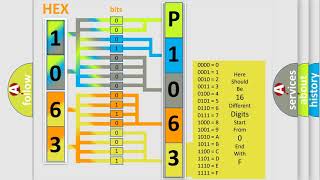
Technical definition: The technical definition varies by manufacturer. For BMW: 'Valvetronic (VVT) Limp Home Request - Air Mass Plausibility (Bank 1)'. For VW/Audi: 'Fuel Pressure Regulation: Control Range Not Reached'. For Jeep/Fiat: 'Cylinder 3 Oil Supply Solenoid Valve Stuck'. For Hyundai: 'Fuel Rail Pressure (FRP) Control'.
Can I Drive With P1063?
Yes, But With Caution. You can drive, but the engine enters a low-power 'limp-home' mode causing poor acceleration and potential stalling. Prolonged driving forces the engine to run rich, which destroys the catalytic converter and adds $1,200-$2,500 to your repair bill.
Common Causes

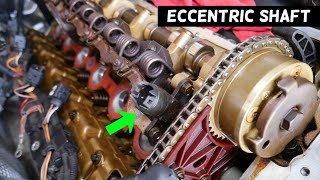
- Failing Eccentric Shaft Position Sensor (BMW) (Very Common) — The most frequent cause on BMWs. 🎬 Watch: How to locate and replace the eccentric shaft sensor. Engine oil leaks past a hardened gasket, contaminating the sensor's electrical connector and corrupting the Valvetronic position signal.
- Failing Valvetronic Motor / Servomotor (BMW) (Common) — The electric motor that physically adjusts the eccentric shaft wears out or fails electronically. This produces clicking or whirring noises from the engine cover right after shutting the car off.
- Worn Eccentric Shaft (BMW) (Common) — Over many miles, the gear teeth on the eccentric shaft wear down. This creates physical resistance as the Valvetronic motor tries to adjust it, triggering a fault when the resistance exceeds allowable tolerances.
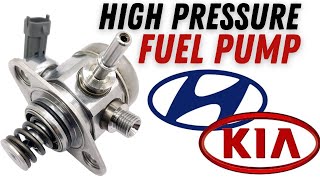
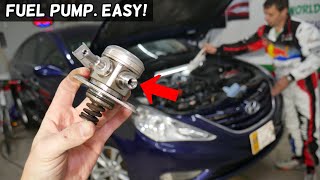
- Failing High-Pressure Fuel Pump (HPFP) (Hyundai) (Common) — On Hyundai GDI models, the high-pressure fuel pump fails to build or hold required pressure. It often leaks internally, diluting the engine oil with raw fuel. 🎬 See this walkthrough for replacing a Hyundai high-pressure fuel pump.
- Faulty Fuel Pressure Regulator or Sensor (VW/Audi) (Common) — For TDI engines, the fuel system cannot maintain target pressure. This stems from a faulty fuel pressure regulator (N276) on the high-pressure rail or a failing fuel pressure sensor (G247).
- Low or Dirty Engine Oil (Less Common) — Valvetronic (BMW) and MultiAir (Jeep/Fiat) systems rely on clean oil and proper pressure. Low levels or sludgy oil cause mechanical parts to bind and hydraulic actuators to respond slowly.
- Low Battery Voltage / Weak Battery (Less Common) — The Valvetronic system performs a startup self-test requiring stable voltage. A weak battery dropping below 10V during cranking causes this test to fail, throwing false Valvetronic codes.
- DME/ECU Software Glitch or Internal Fault (Rare) — The engine computer experiences software corruption. For Jeep/Fiat models, Technical Service Bulletins (TSBs) resolve this with a simple PCM software update. For BMWs, DME failure is a rare, last-resort diagnosis.
Symptoms

- Check Engine Light / Drivetrain Malfunction Warning — The most obvious sign is an illuminated Check Engine Light or a 'Drivetrain Malfunction' message on the vehicle's information display.
- Significant Loss of Power ('Limp Mode') — The car feels sluggish and accelerates slowly because the engine's computer intentionally restricts power output to prevent damage.
- Rough or Unstable Idle — The engine idles erratically, stumbles, or vibrates because airflow or fuel pressure is no longer precisely controlled.
- Increased Fuel Consumption — With the Valvetronic or fuel pressure systems operating in backup mode, the engine runs inefficiently, causing noticeably worse gas mileage.
- Clicking/Buzzing Noises from Engine (BMW) — A failing Valvetronic motor or binding eccentric shaft produces a distinct clicking or grinding sound from the top of the engine, often heard right after turning the engine off.
- Engine Stalling — The engine stalls unexpectedly at idle or after a restart, particularly with fuel pressure issues on Hyundai models or hot-start conditions on Jeeps.
Diagnostic Flowchart
Tap your situation to follow the diagnostic path that matches what you're seeing on this code.
Common Fixes & Costs

- Replace Eccentric Shaft Position Sensor and Gasket (BMW) — Parts: $350-$500, Labor: $400-$800, ~4.5 hr book time (Intermediate)
- PCM Software Update (Jeep/Fiat) — Parts: $0, Labor: $100-$200, ~0.8 hr book time (Professional)
- Replace High-Pressure Fuel Pump (HPFP) (Hyundai) — Parts: $350-$600, Labor: $110-$200, ~1.2 hr book time (Intermediate)
- Replace Fuel Pressure Regulator or Sensor (VW/Audi) — Parts: $150-$300, Labor: $100-$250, ~1 hr book time (DIY)
- Replace Valvetronic Motor (Servomotor) (BMW) — Parts: $300-$600, Labor: $300-$1000, ~5 hr book time (Professional)
- Replace Eccentric Shaft and Valvetronic Motor (BMW) — Parts: $800-$1500, Labor: $1500-$3000, ~8 hr book time (Professional)
Used vs. New Parts: Buying Guide
When a used part is worth it: Buying a used BMW Valvetronic motor or eccentric shaft is not recommended due to high wear and intense labor. A used part only makes sense if pulled from a verified low-mileage (under 50k miles) wrecked vehicle. Never buy a used eccentric shaft sensor.
Donor-vehicle mileage cap: roughly under 50000 miles for the part to have meaningful remaining life.
Donor quality checklist:
- Verify the donor vehicle's VIN to confirm low mileage and check its accident history.
- Visually inspect the eccentric shaft gear teeth for any signs of wear, scoring, or metal shavings.
- Match part numbers exactly, as BMW frequently supersedes part numbers requiring specific software.
Decision logic:
- If The part is an electronic sensor → Always buy new from an OEM supplier. The risk of premature failure on a used sensor is too high.
- If The part is a high-wear mechanical item → Strongly favor new. The savings do not justify repeating an 8-hour labor job.
- If Budget is the absolute primary concern → A used motor from a verified low-mileage donor is a calculated risk.
Warranty tradeoff: Salvage yards typically offer a 30-90 day warranty, which is insufficient for wear-related issues. New aftermarket parts offer 1-2 years, while Genuine BMW parts installed by a dealer carry a 2-year/unlimited-mileage warranty.
Worst-case if a used part fails: 1500-3000
What Happens If You Wait — Timeline
- 0-1 month: Check Engine Light appears, car enters 'limp mode'. Power is severely restricted, making acceleration sluggish and potentially unsafe in traffic. (MPG impact: 15-25%% · Added cost: $50-150)
- 1-4 months: On BMWs, the struggling Valvetronic motor puts immense strain on the eccentric shaft gear, accelerating wear. A motor-only repair now likely needs the shaft, too. (MPG impact: 20-30%% · Added cost: $1000-2500)
- 4-8 months: Running in a rich, inefficient limp mode overheats the catalytic converter. The internal substrate begins to crack or melt from being saturated with unburnt fuel. (MPG impact: 25-35%% · Added cost: $1200-2500)
- 8+ months: Complete failure of the catalytic converter causes extreme backpressure. On Hyundai GDI engines, a continuously leaking HPFP severely dilutes the engine oil with gasoline, leading to catastrophic engine wear. (MPG impact: 30-50%% · Added cost: $2500-7000+)
Cost of Not Fixing It
- 0-1 month: Driving in limp mode results in dangerously low power, poor fuel economy (15-25% reduction), and potential stalling. The car is unsafe in traffic. (Added cost: 50-150)
- 1-6 months: On BMWs, a struggling Valvetronic motor puts extra strain on the eccentric shaft, accelerating wear and turning a motor-only repair into a much more expensive motor-and-shaft repair. Running rich overheats and damages the catalytic converter. (Added cost: 1200-2800)
- 6+ months: Complete failure of the catalytic converter is guaranteed, causing an automatic emissions test failure. On Hyundai GDI engines, a leaking HPFP severely dilutes the engine oil with gasoline, leading to catastrophic engine wear. (Added cost: 2500-7000)
Diagnosis Steps
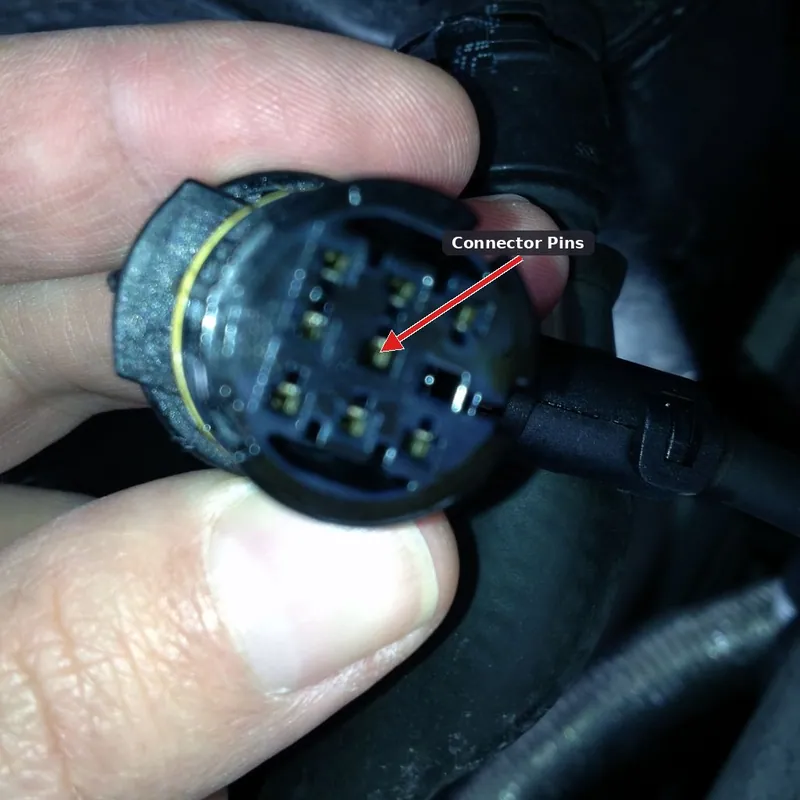
- Identify Vehicle Make & Scan for Codes
Use a manufacturer-specific OBD-II scanner. P1063 means different things per brand. Look for companion codes like P1017 (BMW sensor), 2A67 (BMW mechanical binding), or P0087 (VW/Hyundai low fuel pressure) to pinpoint the root cause.
Tools: Advanced OBD-II Scanner (Beginner) - Check Battery Voltage and Engine Oil
Verify the battery is fully charged (above 12.4V at rest). A cranking voltage dropping below 10.0V triggers false Valvetronic faults on BMWs. Ensure engine oil is clean and at the correct level.
Tools: Multimeter, Dipstick (Beginner) - Check for Technical Service Bulletins (TSBs)
For Jeep, Fiat, and Hyundai vehicles, check for open recalls or TSBs. For 2020+ Jeep Renegades, TSB 18-057-23 addresses this code with a PCM software update, avoiding expensive hardware replacement.
Tools: VIN, Internet Access or Dealer Call (Beginner) - Inspect the Eccentric Shaft Sensor Connector (BMW)
Locate the eccentric shaft sensor on the valve cover. Unplug its electrical connector and inspect for engine oil inside the plug. Oil contamination definitively proves the sensor and seal have failed.
Tools: Flashlight, Mirror (Beginner) - Listen for Valvetronic Motor Noises (BMW)
Have a helper cycle the ignition without starting the engine. A failing Valvetronic motor makes an audible clicking, grinding, or whirring noise as it attempts its initialization sweep.
Tools: Helper (Beginner) - Inspect Wiring Harnesses
Examine the wiring going to the relevant component (Valvetronic motor, fuel pressure sensor, MultiAir solenoid). Look for cracking, melting, rodent damage, or corrosion on wires and connectors.
Tools: Flashlight (Intermediate) - Pro Tip: Analyze Sensor Live Data (BMW)
Using ISTA, access live data for the eccentric shaft position sensor. Command the Valvetronic motor to perform a 'limit stop learn'. The position graph should show a smooth line; sudden jumps or dropouts indicate a failing sensor.
Tools: Advanced Diagnostic Scanner (ISTA, etc.) (Advanced) - Pro Tip: Monitor Valvetronic Motor Current Draw (BMW)
During the 'limit stop learn', monitor the motor's amperage. A spike above 20A for a sustained period strongly suggests the motor is struggling against physical resistance, indicating a worn eccentric shaft.
Tools: Advanced Diagnostic Scanner with Live Data or Oscilloscope with Amp Clamp (Advanced) - Pro Tip: Test Fuel Pressure (VW/Audi/Hyundai)
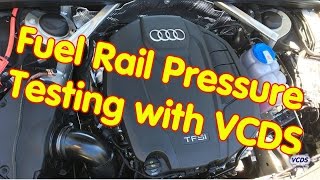
Use a scan tool to monitor requested versus actual fuel rail pressure. A significant deviation confirms a problem. At idle, pressure should be stable; fluctuating readings point to a failing high-pressure fuel pump.
Tools: Advanced OBD-II Scanner (VCDS, etc.) (Advanced) - Pro Tip: Test Solenoid Resistance (Jeep)
On a 1.3L MultiAir engine, disconnect the MultiAir actuator connector. Measure the resistance of the Cylinder 3 oil supply solenoid pins. A reading outside 0.2-1.0 Ohms confirms a failed solenoid coil.
Tools: Multimeter, Vehicle-specific wiring diagram (Advanced)
When This Code Triggers (Freeze-Frame Conditions)
- Engine Coolant Temp: 180-220°F (82-104°C) (Fully warmed up. Fault often occurs as the system tries to make fine adjustments during stable operation.)
- RPM: 700-2500 RPM (Idle or steady-state cruise. The fault is often logged when the DME requests a specific valve lift or fuel pressure and the system fails to achieve or maintain it.)
- Engine Load: 20-50% (Light to moderate acceleration or steady cruising. High-load, wide-open-throttle situations may not trigger this specific code, as the system may revert to a default map.)
- Vehicle Speed: 0-60 mph (0-97 km/h) (Can occur at startup (idle) or during city/highway driving when the Valvetronic or fuel system is actively adjusting.)
Related Codes
- P1017 — Diagnostic Tip (BMW): If present with P1063, the eccentric shaft sensor is definitively the root cause. P1017 directly flags the sensor's signal as unreliable.
- 2A67 — Diagnostic Tip (BMW): Indicates the eccentric shaft could not complete its full range of motion. This is the classic code for a physically worn, binding eccentric shaft.
- 2A61 — Diagnostic Tip (BMW): Means the Valvetronic system failed its self-calibration. It often appears with P1063 after a component fails or is replaced without proper initialization.
- P0087 — Diagnostic Tip (VW/Audi/Hyundai): Confirms the problem is in the fuel delivery system, pointing towards a weak high-pressure fuel pump or faulty pressure regulator.
Climate & Environmental Factors
- Cold Weather: Cold temperatures weaken a battery, causing voltage to drop below 10V during cranking, which triggers false Valvetronic faults on BMWs. A failing eccentric shaft sensor also causes pronounced cold-start problems.
- High Engine Temperature: Valvetronic motor failures are often heat-related. The motor functions correctly when cold but fails electronically at operating temperature, leading to an intermittent fault that disappears after cooling down.
How to Talk to a Mechanic About This Code
Say this: "{'BMW': "I have a P1063 code and the car is in limp mode. Please check for oil inside the eccentric shaft sensor connector and monitor the Valvetronic motor's current draw during a function test.", 'Jeep': 'I have a P1063 code. Before starting a deep diagnosis, please check my VIN to see if TSB 18-057-23 or any other software update applies.', 'Hyundai': 'My car has a P1063 code and is losing power. Please check my VIN for coverage under the T3G warranty extension campaign for the high-pressure fuel pump.', 'VW_Audi': "I'm getting a P1063 code. Please monitor the requested versus actual fuel rail pressure to confirm a deviation in the high-pressure fuel system."}"
This brand-specific language directs the technician to the most probable cause, saving diagnostic time. It proactively brings up known free fixes like TSBs and warranty extensions.
Avoid saying:
- 'My check engine light is on, can you just fix it?'
- 'I have no idea what's wrong, just do whatever you think is best.'
- 'A friend said it might be the...' (Unless the friend is a certified mechanic for that brand)
Questions to ask before authorizing the repair:
- For BMW: What was the motor's amperage draw? Will you perform the Valvetronic 'limit-stop learn' procedure?
- For Jeep: Was a TSB available? What diagnostic test confirmed the MultiAir actuator failed?
- For Hyundai/VW: What was the specific pressure difference between 'requested' and 'actual' on the fuel rail?
- Will this diagnostic fee be credited towards the final repair cost?
- What is the warranty on both the parts and the labor for this specific repair?
Where to Take It: Dealer vs Independent vs Chain
- Dealer:
Best for: Vehicles under warranty., First stop for Jeep/Hyundai to check for free TSB or warranty extension fixes., Complex BMW Valvetronic diagnostics requiring brand-specific ISTA software.
Downsides: Highest labor rates, often 1.5-2x an independent shop., May recommend replacing an entire assembly when only a smaller component has failed. (Typical cost: +75% vs. baseline) - Independent Shop:
Best overall value for out-of-warranty repairs, provided you choose a brand specialist. A general mechanic may lack the specific tools (ISTA, wiTECH) or knowledge for this code.
Best for: Out-of-warranty BMWs, but ONLY if it's a German/BMW specialist shop., Out-of-warranty VW/Audi fuel system repairs., Cost-effective diagnosis and repair after confirming no TSBs/warranties apply.
Downsides: A general mechanic may lack the specific tools (ISTA, wiTECH) or knowledge for this code., Quality varies greatly; vetting the shop's reputation and certifications is critical. (Typical cost: +0% vs. baseline) - Chain Shop:
AVOID. This code requires specialized knowledge typically not available at chain shops. The risk of paying for incorrect parts and repeat labor is very high.
Best for: Simple jobs like oil changes and brakes, not complex diagnostics.
Downsides: Extremely high risk of misdiagnosis due to lack of brand-specific knowledge and tools., Technicians may not be familiar with Valvetronic, MultiAir, or GDI high-pressure fuel systems. (Typical cost: -10% vs. baseline)
When to Walk Away From the Repair
If the total estimated repair cost exceeds 50% of your car's current private-party market value, seriously consider selling the car as-is or trading it in.
- Car worth $8000, fix is $5500: Walk away. A $5,500 repair on an $8,000 BMW E90 is not a sound financial decision.
- Car worth $18000, fix is $1800: Fix it. An $1,800 repair on an $18,000 Jeep or Hyundai is well below the threshold and restores the vehicle's value.
- Car worth $4000, fix is $2200: Borderline. This exceeds the 50% rule. Get a second opinion from an independent specialist to see if a cheaper fix is possible.
What Scan Tool You Need for This Code
Minimum: For BMW, a scanner with bidirectional control is required to perform the 'Valvetronic limit stop learn'. For other makes, a tool that reads manufacturer-specific codes and live data is necessary.
A basic $20 code reader cannot differentiate between a BMW, Jeep, or VW fault. It lacks live data capabilities and cannot perform the mandatory relearn procedures required for BMW repairs.
Budget: BlueDriver Pro (~$100) — Can read manufacturer-specific codes and display live data. It CANNOT perform the bidirectional Valvetronic relearn needed for BMW repairs.
Mid-range: Foxwell NT710 (with BMW software) (~$250) — Excellent choice for DIY. Provides full system diagnostics, reads live data streams, and has the bidirectional capability to perform the Valvetronic adaptation procedure.
Professional: Autel MaxiCOM MK808S-TS (~$550) — A professional-level tool offering comprehensive coverage for all makes. It has robust bidirectional controls for running tests and performing all necessary initializations.
Rent vs buy: For initial code reading, use a free rental scanner. For a BMW P1063 repair, you MUST buy a tool with bidirectional control for the final relearn step.
How to Clear the Code After You Fix It
- For BMW Valvetronic repairs, perform the 'limit stop learn' procedure with a diagnostic tool BEFORE starting the engine.
- Use an OBD-II scan tool to clear the P1063 and any related fault codes.
- Perform a complete drive cycle to allow the vehicle's readiness monitors to run.
Drive cycle (~30 minutes): A full BMW drive cycle involves: 1) Cold start and idle for 3 minutes. 2) Drive at a steady 20-30 mph for 4 minutes. 3) Accelerate to 40-60 mph and hold steady for 15 minutes. 4) Come to a stop and idle in gear for 5 minutes.
Readiness monitors affected: Catalyst Monitor, Oxygen Sensor (O2) Monitor, EVAP System Monitor, Fuel System Monitor
Before emissions retest: drive at least 100 miles to fully set monitors.
Watch out for:
- Disconnecting the battery clears the code but resets all readiness monitors to 'Not Ready', guaranteeing an emissions test failure.
- Forgetting to perform the BMW 'limit stop learn' after replacing Valvetronic parts causes the code to return instantly.
- The code returns on the next startup if the underlying mechanical or electrical fault is not repaired.
Will This Fail Emissions / State Inspection?
Yes — this code typically fails an OBD-II emissions inspection.
- California: An active P1063 code is an automatic failure. California requires all OBD readiness monitors to be 'Ready', so you must complete the full repair and drive cycle before testing.
- New York: The NYS DMV inspection includes an OBD-II scan. An illuminated Check Engine Light and a stored P1063 code result in an immediate emissions failure.
- Texas: In counties requiring emissions testing, an illuminated Check Engine Light from code P1063 is an automatic failure. The test also fails if readiness monitors are not set to 'Ready'.
Most Commonly Affected Vehicles
- BMW 3-Series (E90, F30) (2006-2018) — Extremely common on models with N52 and N55 engines. The F30 generation is particularly known for Valvetronic issues.
- BMW 5-Series (E60, F10) (2006-2016) — Affects models with N52 and N55 engines, particularly the 525i, 528i, 530i, and 535i.
- BMW X3 (E83, F25) (2007-2017) — Widespread issue on N52, N20, and N55 engines in these popular SUV models.
- BMW X5 (E70, F15) (2007-2018) — The N55 and N63 engines in the X5 are known for Valvetronic motor and eccentric shaft failures.
- BMW 1-Series (E82) (2008-2013) — The 128i (N52) and 135i (N55) are both highly susceptible to Valvetronic system faults that trigger P1063.
- Jeep Renegade, Compass (2020-2023) — On models with the 1.3L MultiAir engine, P1063 means 'Cylinder 3 Oil Supply Solenoid Valve Stuck'. Multiple TSBs exist; a PCM software update often resolves this.
- Volkswagen / Audi Touareg, Q7, A6 (TDI models) (2005-2015) — On many diesel (TDI) engines, P1063 indicates 'Fuel Pressure Regulation: Control Range Not Reached'. Diagnosis focuses on the high-pressure fuel pump, rail pressure sensor, and regulator.
- Hyundai Veloster N, Elantra N, Kona N (2019-2023) — On performance models with the 2.0T GDI engine, P1063 relates to 'Fuel Rail Pressure (FRP) Control'. These vehicles have a known issue with the high-pressure fuel pump (HPFP).
Manufacturer-Specific Notes
- BMW: The most common failure is oil leaking past the eccentric shaft sensor's gasket, contaminating the electrical pins. Always check this connector first; oil inside is a smoking gun for a bad sensor.
- Volkswagen/Audi: On TDI diesel engines, P1063 means 'Fuel Pressure Regulation: Control Range Not Reached.' It is a fuel system problem and has nothing to do with the valvetrain.
- Hyundai/Kia: On GDI turbo models, P1063 points to a failing high-pressure fuel pump (HPFP). Hyundai issued warranty extension Campaign T3G for this issue; check dealer coverage before paying for repairs.
- Jeep/Fiat: On 1.3L MultiAir engines, P1063 indicates a stuck oil supply solenoid. TSB 18-057-23 fixes this with a simple PCM reflash, making it the most cost-effective first step.
Real Owner Stories
2011 BMW 335i (N55) at 84K miles - A Classic Misdiagnosis
Noticed a loud clicking/binding noise from the engine when unlocking the car. Car drove fine but had an occasional rough start. An independent shop found a Valvetronic fault but couldn't reproduce the noise and recommended no action.
What they tried:
- Initial diagnosis at an independent shop was inconclusive.
- Took the car to a BMW dealership as the noise became more frequent.
- The dealer diagnosed a failing Valvetronic motor AND a worn eccentric shaft, quoting a very expensive repair.
Outcome: The owner faced a multi-thousand dollar repair after a dealer diagnosed a failing Valvetronic motor and worn eccentric shaft. Replacing only the motor is a costly misdiagnosis if the shaft is the true root cause of the binding.
Lesson: On a BMW N55, a failing Valvetronic motor is often a symptom of a worn eccentric shaft. Replacing only the motor can be a costly misdiagnosis if the shaft is the true root cause of the binding.
2022 Hyundai Veloster N at 14K miles - Intermittent Power Loss
While driving on the highway, the car suddenly lost power and would not accelerate past 3,000 RPM. Boost was limited to 1-3 psi. No Check Engine Light was on, but power was severely reduced and exhaust pops were gone.
What they tried:
- Owner suspected the High-Pressure Fuel Pump (HPFP) based on forum knowledge.
- Ordered an upgraded HPFP from a Sonata 2.0T.
Outcome: Installing a new, upgraded HPFP completely resolved the severe power loss. Hyundai has a warranty extension (Campaign T3G) for this part, so check with a dealer before paying out of pocket.
Lesson: On Hyundai N models, a sudden and severe loss of power, even without a Check Engine Light, is a classic symptom of a failing HPFP. Hyundai has a warranty extension for this part, so check with a dealer before paying out of pocket.
2020 Jeep Renegade 1.3L - The Software Fix
Check Engine Light on with code P1063, indicating 'Cylinder 3 Oil Supply Solenoid Valve Stuck'. The vehicle may have a rough idle or stalling.
What they tried:
- The owner or shop's first instinct might be to replace the expensive MultiAir actuator 'brick' where the solenoid is located.
Outcome: Jeep issued TSB 18-057-23, which resolves this code with a PCM software update. A dealer performs this flash for $150-$200, saving the owner from a $1,500 actuator replacement.
Lesson: For P1063 on a 1.3L MultiAir Jeep/Fiat, ALWAYS check for TSBs before replacing hardware. A simple software update costing under $200 often fixes the problem, saving you from a $1,500+ part replacement.
2007 BMW 323i (N52) at 298k KM - The "Smoking Gun" Sensor Leak
Car had a random misfire on cylinder 3. While replacing coils, the owner noticed the eccentric shaft sensor gasket was split and the electrical connector was full of engine oil.
What they tried:
- First, replaced all ignition coils, which smoothed out the engine but didn't address the underlying leak.
- Cleaned the oil out of the sensor connector with electronic parts cleaner.
- Replaced the small, inexpensive external sensor seal to try and stop the leak without removing the valve cover.
Outcome: The owner found the eccentric shaft sensor connector full of engine oil. The ultimate fix requires replacing the sensor itself, as they fail internally and leak oil up through the pins. Cleaning the connector is only a temporary fix.
Lesson: On a BMW, oil inside the eccentric shaft sensor connector is a definitive sign the sensor has failed. Don't just replace the cheap outer gasket; the sensor itself is leaking and must be replaced.
How to Prevent This Code From Triggering
- Perform regular oil changes with high-quality synthetic oil. (Every 7,500 miles or 1 year for BMW; 5,000-7,500 miles for Jeep/Hyundai.) — Clean oil prevents sludge that strains the Valvetronic motor and keeps seals pliable.
- Replace the BMW eccentric shaft sensor's external gasket. (Proactively, every 60,000 miles or whenever the valve cover is off.) — This $10 gasket is the primary failure point that allows oil to leak into the sensor.
- Use Top Tier rated gasoline. (Every fill-up.) — Higher levels of detergents keep high-pressure fuel injectors and pumps clean, preventing pressure regulation faults.
- Ensure your battery is healthy and fully charged. (Check annually, especially before winter.) — A weak battery causes the Valvetronic self-test to fail, logging false P1063 codes.
- Regularly check for software updates (TSBs). (Annually or if symptoms appear.) — A 1-hour dealer visit to flash the latest PCM software prevents false faults and is cheaper than replacing hardware.
Frequently Asked Questions
Can a simple oil change fix code P1063?
It is highly unlikely. While correct oil level and quality are critical for the Valvetronic and MultiAir systems, a hardware component has almost always failed by the time code P1063 is stored. An oil change is good practice but will not resolve the root cause.
Is it safe to keep driving with code P1063?
While you can drive the car in limp mode, it is highly discouraged. The severe lack of power is dangerous in traffic. Continued driving causes secondary damage, such as a worn eccentric shaft or a melted catalytic converter, significantly increasing repair costs.
Why is the BMW P1063 repair so expensive?
The primary parts—the eccentric shaft and servomotor—are located under the engine's valve cover. Replacing them is a labor-intensive job requiring 5-8 hours of work and special tools. The parts themselves are costly, with a full dealership repair often exceeding $5,000.
Can I replace the eccentric shaft sensor myself?
This is a job for an experienced DIY mechanic, not a beginner. It requires removing the valve cover, following specific torque sequences, and installing new gaskets. There is a high risk of causing oil leaks or dropping parts into the engine if done incorrectly.
What are common misdiagnoses for P1063?
On BMWs, a common mistake is replacing only the Valvetronic motor when the eccentric shaft is also worn, causing the code to return. On non-BMW vehicles, the biggest error is diagnosing a valve-lift issue when the code actually indicates a fuel pressure problem.
Does a new Valvetronic motor or sensor need to be programmed?
Yes. After replacing any core Valvetronic component on a BMW, a 'Valvetronic limit stop learn' procedure must be performed with a compatible diagnostic tool. This teaches the engine computer the new mechanical end-points, and skipping it causes immediate system failure.
My mechanic replaced the Valvetronic motor, but the code came back. Why?
This usually happens for one of three reasons. First, the underlying problem was a worn eccentric shaft causing the new motor to bind. Second, the new motor was not correctly initialized with the 'limit stop learn' procedure. Third, there is an overlooked wiring issue.
What is the difference between P1063 and 2A61 on a BMW?
They are directly related. Code 2A61 means the Valvetronic system failed its self-calibration test. P1063 is the consequence code, indicating the engine computer has shut down the Valvetronic system and entered limp mode as a safety precaution.
Can I just reset the code P1063 and keep driving?
No. Resetting the code is only a temporary measure. The engine computer re-runs its diagnostic checks on the next startup, immediately detects the persistent fault, and re-triggers the Check Engine Light and limp mode.
Key Takeaways
- P1063 is a manufacturer-specific code meaning Valvetronic failure on BMWs, fuel pressure issues on VW/Audi/Hyundai, and oil solenoid faults on Jeeps.
- On BMWs, 80% of P1063 codes stem from a failed eccentric shaft position sensor caused by oil leaking through a hardened $10 gasket.
- Replacing a BMW Valvetronic motor without checking the eccentric shaft for wear guarantees the $1,500+ repair will fail again.
- Jeep and Hyundai owners must check for open TSBs and warranty extensions first, as a $150 PCM software update or free dealer repair often resolves the code.
- Never clear a P1063 code and continue driving; forcing the engine to run in limp mode destroys the catalytic converter and adds over $1,200 to your final repair bill.
Helpful Videos



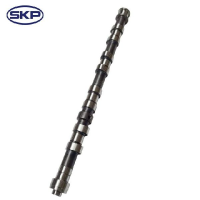
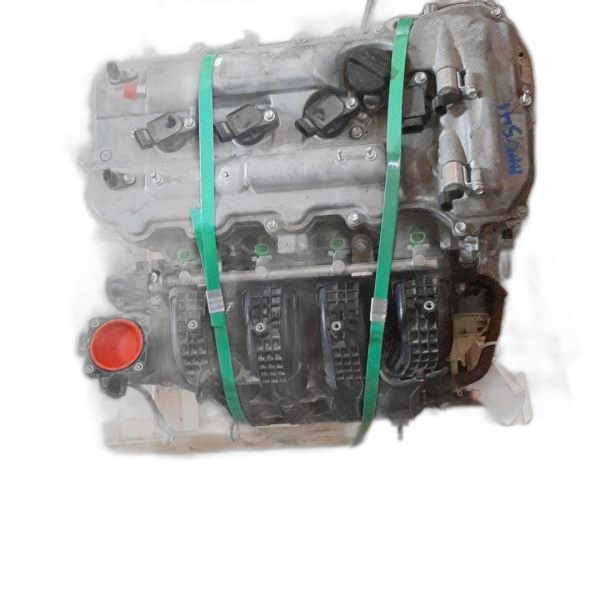
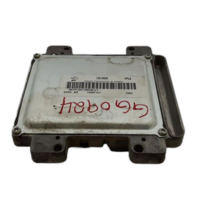
Shop the Parts Behind P1063
Below are the parts most often responsible for code P1063, ranked by how frequently each one is the actual culprit (per the diagnosis above). Tap any to see what we have for your vehicle.




The information in this article is provided for general reference and educational purposes only. Vehicle specifications, procedures, and part compatibility can vary by production date, trim level, and region. Always consult your vehicle's factory service manual and verify part numbers before purchasing or performing repairs. Safety-critical components such as airbags, seat belts, and braking systems should be installed by a qualified professional.
- 🧭 Diagnostic Flowchart
- 🎬 Helpful Videos
- 🛍️ Shop This Part
- What Does P1063 Mean?
- Can I Drive With P1063?
- Common Causes
- Symptoms
- Common Fixes & Costs
- Used vs. New Parts: Buying Guide
- What Happens If You Wait — Timeline
- Cost of Not Fixing It
- Diagnosis Steps
- When This Code Triggers (Freeze-Frame Conditions)
- Related Codes
- Climate & Environmental Factors
- How to Talk to a Mechanic About This Code
- Where to Take It: Dealer vs Independent vs Chain
- When to Walk Away From the Repair
- What Scan Tool You Need for This Code
- How to Clear the Code After You Fix It
- Will This Fail Emissions / State Inspection?
- Most Commonly Affected Vehicles
- Manufacturer-Specific Notes
- Real Owner Stories
- 2011 BMW 335i (N55) at 84K miles - A Classic Misdiagnosis
- 2022 Hyundai Veloster N at 14K miles - Intermittent Power Loss
- 2020 Jeep Renegade 1.3L - The Software Fix
- 2007 BMW 323i (N52) at 298k KM - The "Smoking Gun" Sensor Leak
- How to Prevent This Code From Triggering
- Frequently Asked Questions
- Can a simple oil change fix code P1063?
- Is it safe to keep driving with code P1063?
- Why is the BMW P1063 repair so expensive?
- Can I replace the eccentric shaft sensor myself?
- What are common misdiagnoses for P1063?
- Does a new Valvetronic motor or sensor need to be programmed?
- My mechanic replaced the Valvetronic motor, but the code came back. Why?
- What is the difference between P1063 and 2A61 on a BMW?
- Can I just reset the code P1063 and keep driving?
- Key Takeaways
- 🎟️ Get 5% Off