

P1066 on 2013-2016 Dodge DART: Cylinder 1 Oil Solenoid Fault Causes and Fixes
Code P1066 on a Dodge Dart points to a fault in the MultiAir valve system for cylinder 1. Before any expensive repairs, check your oil level and type are correct (API Certified SAE 0W-20). The most common fixes are a dealer-performed software update per TSBs #18-023-16 or #18-009-16 REV. B, or replacing the entire MultiAir actuator assembly (the 'brick').
- P1066 on a Dodge Dart is specific to the Cylinder 1 solenoid in the MultiAir valve control system.
- Your first and cheapest diagnostic step is to check the engine oil. Ensure the level is full and the correct SAE 0W-20 (for 2.4L) oil is being used.
- A PCM software update is a very common fix. Ask a dealer to check your VIN for open TSBs related to this code before replacing any parts.
- If the oil and software are correct, the fault is most likely the entire MultiAir actuator ('brick'), which is an expensive part to replace.
What's Unique About the 2013-2016 Dodge DART
The Dodge Dart's 2.0L and 2.4L engines use Fiat-Chrysler's MultiAir technology for intake valve control. This system is highly sophisticated but also very sensitive to engine oil quality, viscosity, and level. Unlike most cars, where a valve timing code might point to a simple camshaft sensor, on the Dart, codes like P1066 are intrinsically linked to the hydraulic MultiAir 'brick' and the oil that powers it. Widespread issues led the manufacturer to issue multiple software updates (TSBs) to adjust the PCM's sensitivity and logic for this system, as the original parameters were often too stringent.
Diagnostic Flowchart
Tap your situation to follow the diagnostic path that matches what you're seeing on this vehicle.
Symptoms You May Notice
- Check Engine Light is on
- Rough or unstable idle, especially on cold starts.
- Engine hesitation or stumbling during acceleration.
- Reduced engine power and performance
- Engine may stall unexpectedly, particularly at low speeds or when coming to a stop
- Noticeable shaking or vibration when accelerating.
- In some cases, flickering headlights, suggesting electrical load issues related to the engine struggling.
- Replacing spark plugs or ignition coils. While these can cause a misfire or rough idle, they will not trigger the P1066 code, which is specific to the valve control solenoid circuit. However, a user on a forum noted that new spark plugs temporarily resolved a misfire, suggesting the underlying MultiAir issue may have fouled the plugs.
Most Likely Causes
- Low or Incorrect Engine Oil 🔴 High Probability The MultiAir system is a hydraulic system that relies on a specific oil viscosity (SAE 0W-20) and pressure to function. The wrong oil type, low oil level, or degraded oil from extended drain intervals is a very common cause for MultiAir-related codes.
How to confirm: Check the engine oil dipstick for level. Verify the oil type used against the owner's manual specification (API Certified SAE 0W-20 for the 2.4L engine). An oil change is the cheapest and easiest first diagnostic step.
Typical fix: Perform an oil and filter change using the exact OEM-specified oil.
Est. part cost: $50-$100 - Outdated Powertrain Control Module (PCM) Software 🔴 High Probability → Shop Engine Control Module (ECM) The manufacturer released multiple Technical Service Bulletins (TSBs) to fix false or overly sensitive triggers for this code via a software update. The original software was too quick to flag a fault.
How to confirm: A Dodge dealership or a well-equipped independent shop can check your vehicle's VIN to see if TSBs #18-022-17 REV. A, #18-023-16, or #18-009-16 REV. B have been performed.
Typical fix: Reprogramming the PCM with the latest software at a dealership or qualified shop using a wiTECH tool.
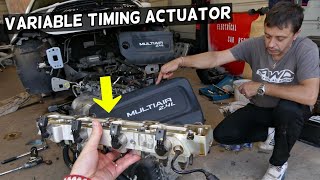
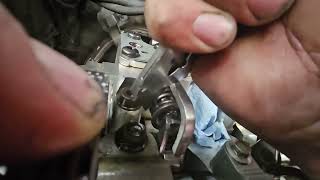
Est. part cost: $0 - Failed MultiAir Actuator Assembly ('Brick') 🟡 Medium Probability The oil supply solenoid is integrated into this complex assembly. Internal failure of the solenoid, seals, or hydraulic passages within the 'brick' is a known failure point on these engines. It is a non-serviceable unit.
How to confirm: After ruling out oil and software issues, diagnosis with an advanced scan tool can monitor solenoid commands. If the solenoid fails to respond correctly, the actuator is likely faulty. This is the default diagnosis if oil and software are correct.
Typical fix: Replacement of the entire MultiAir actuator assembly. The individual solenoids are not sold separately.
Est. part cost: $800-$1500
Rare But Worth Checking
- Wiring Harness or Connector Issue: A damaged wire or loose/corroded connector at the MultiAir actuator can interrupt the signal to the solenoid, mimicking a component failure. The harness can sometimes chafe against other components. This is worth inspecting before replacing expensive parts.
- Clogged Oil Passages: Engine sludge from infrequent oil changes can block the small passages that feed oil to the MultiAir brick, starving the solenoid and causing it to malfunction. An engine flush may be considered in high-mileage cases, but carries its own risks.
Diagnosis Steps
- Verify Engine Oil: Check the oil level and condition. Ensure it is full and that the correct viscosity (API Certified SAE 0W-20 for the 2.4L) is being used. If there is any doubt, perform a complete oil and filter change with high-quality, specified parts. This is the number one recommended first step.
- Check for TSBs: Contact a Dodge dealer with your VIN and ask if software updates from TSB #18-022-17 REV. A, #18-023-16, or #18-009-16 REV. B are available and have been performed. This is a critical and common fix that addresses overly sensitive fault triggers.
- Scan for Other Codes: Check for other related codes, especially for other cylinders (P1068, P106A, P106C), which strongly suggests a wider problem with the MultiAir system or its software calibration.
- Inspect Wiring: Visually inspect the wiring harness and connector going to the MultiAir actuator assembly on the back of the cylinder head. Look for any signs of damage, corrosion, chafing, or looseness.
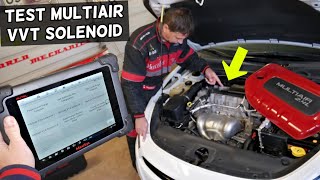
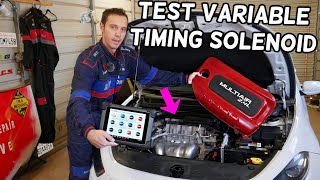
- Advanced Scan Tool Diagnosis: Use a bidirectional scan tool (like the dealer's wiTECH) to perform an active test on the Cylinder 1 oil supply solenoid. If the solenoid does not click or respond when commanded, and the wiring is confirmed to be good, the MultiAir actuator is likely faulty.
- Confirm Hardware Failure: If the oil is correct, the PCM software is up-to-date, and the wiring is intact, the most probable cause is a failed MultiAir actuator ('brick'), which will require replacement.
Parts You'll Likely Need
- MultiAir Actuator Assembly ('Brick')
(OEM #68245463AA)— This is the complete assembly that houses the failing solenoid. The solenoids are not serviceable individually. This part is often referred to as a 'Rocker Arm Assembly' in parts catalogs.
Trusted brands: Mopar
OEM price range: $1100-$1700
Aftermarket price range: $800-$1200 - Engine Oil (API Certified SAE 0W-20) — The MultiAir system is extremely sensitive to oil type and level. Using the correct oil is the first and most important step.
Trusted brands: Mopar, Pennzoil, Mobil 1
OEM price range: $8-$12 per quart
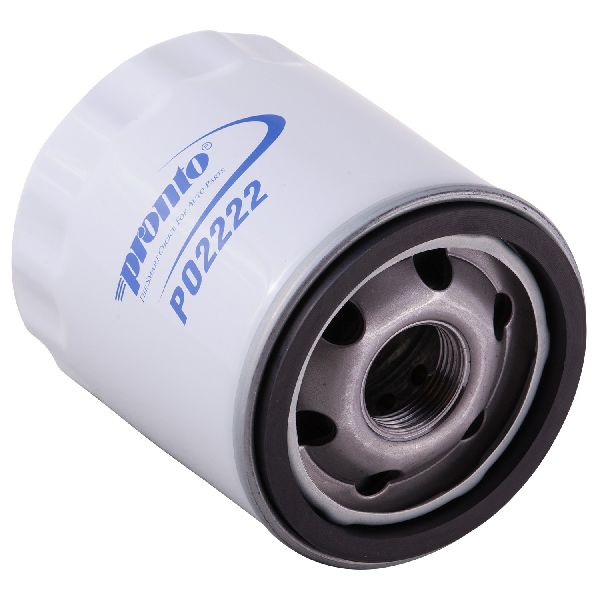
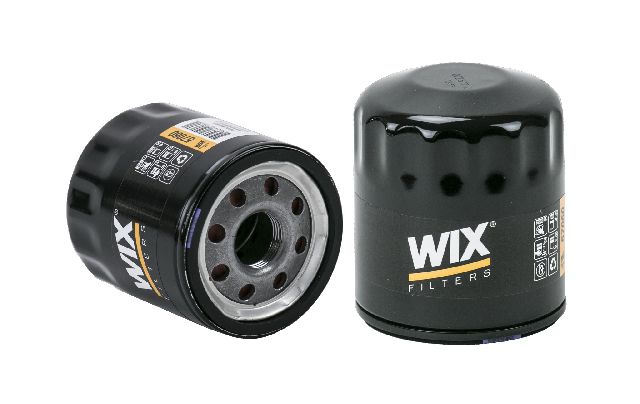
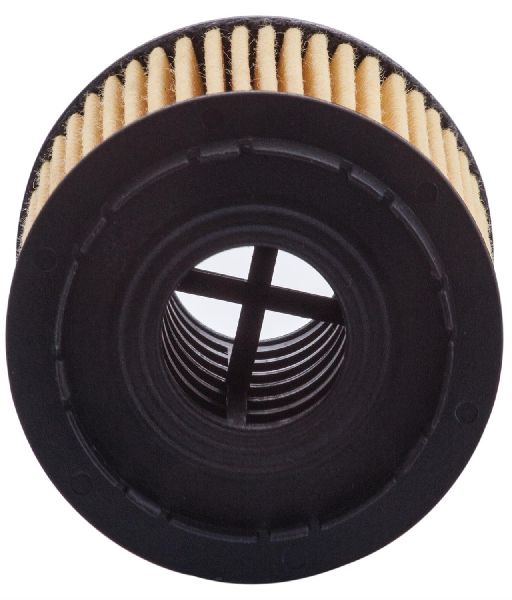
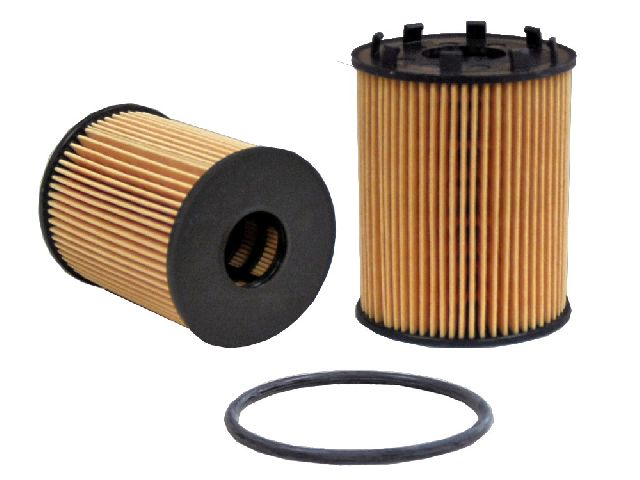
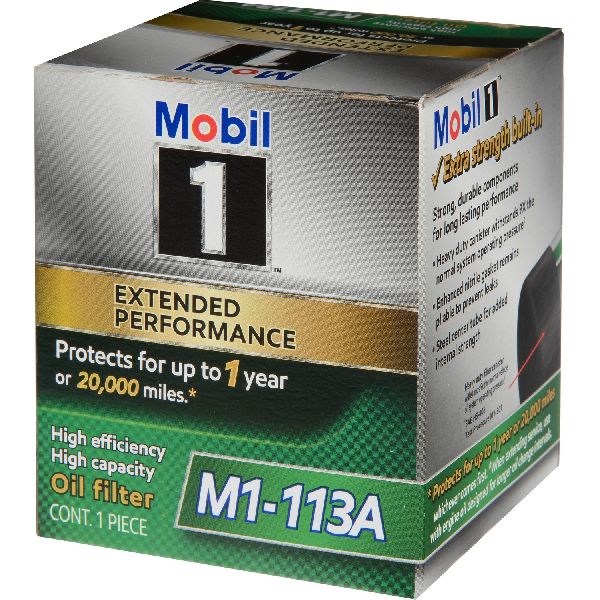
Aftermarket price range: $7-$10 per quart - Engine Oil Filter
(OEM #68191349AB (Mopar example))— Should always be replaced during an oil change to ensure proper filtration and oil pressure.
Trusted brands: Mopar, Wix, Bosch
OEM price range: $10-$20
Aftermarket price range: $8-$15 - Valve Cover Gasket Set — Required when replacing the MultiAir actuator, as the valve cover must be removed. The set typically includes spark plug tube seals.
Trusted brands: Mopar, Fel-Pro
OEM price range: $40-$70
Aftermarket price range: $25-$50
Related Codes That Often Appear With This One
- P1068 — This is the same fault ('Oil Supply Solenoid Valve Switch Off Time Out Of Range') but for Cylinder 2. It's common for multiple solenoids in the MultiAir brick to experience issues around the same time, and TSBs often list all four cylinder codes together.
- P106A — This is the same fault for Cylinder 3, as listed in TSB #18-023-16.
- P106C — This is the same fault for Cylinder 4, as listed in TSB #18-023-16.
- P0340 — Camshaft Position Sensor Circuit. A problem with valve timing control can sometimes lead the PCM to flag a correlated fault with the camshaft sensor, as noted in TSB #18-022-17 REV. A.
- P050D — Cold Start Rough Idle. This is a common symptom of the P106x family of codes and is specifically mentioned as a condition addressed by the PCM software updates in TSB #18-023-16.
- P0420 — Catalyst System Efficiency Below Threshold. A persistent misfire or incorrect valve timing from a faulty MultiAir system can lead to unburnt fuel entering the exhaust, damaging the catalytic converter over time.
Technical Service Bulletins (TSBs) & Recalls
- 18-022-17 REV. A: Addresses P1066 and other codes via a PCM software update for 2013-2015 models.
- 18-023-16: Addresses P1066 and other codes via software improvements for 2013-2015 models with 2.4L engines (Sales Codes ED6, ED8).
- 18-009-16 REV. B: Specifically for 2016 models, this TSB involves a PCM reprogram to address P1066 and other DTCs for vehicles built between July 2015 and July 2016.
Platform-Specific Known Issues
- The 2.0L (ED6) and 2.4L (ED8) Tigershark engines with MultiAir are known to be sensitive to oil maintenance. Failure to adhere to strict oil change intervals with the correct oil specification is a leading cause of MultiAir system failures.
- Multiple TSBs were issued by the manufacturer specifically to address codes P1066, P1068, P106A, and P106C by reprogramming the PCM, indicating this was a widespread calibration issue from the factory.
- There is an extended warranty (XB1) for some 2.4L engines concerning excessive oil consumption, which can be a contributing factor to MultiAir problems if the level drops too low between changes.
Helpful Videos
Used OEM Parts in Stock
New Aftermarket Parts Available


The information in this article is provided for general reference and educational purposes only. Vehicle specifications, procedures, and part compatibility can vary by production date, trim level, and region. Always consult your vehicle's factory service manual and verify part numbers before purchasing or performing repairs. Safety-critical components such as airbags, seat belts, and braking systems should be installed by a qualified professional.
- Dodge DART:
- 🧭 Diagnostic Flowchart
- 🎬 Helpful Videos
- 🛍️ Shop This Part
- What's Unique About the 2013-2016 Dodge DART
- Symptoms You May Notice
- Most Likely Causes
- Rare But Worth Checking
- Diagnosis Steps
- Parts You'll Likely Need
- Related Codes That Often Appear With This One
- Technical Service Bulletins (TSBs) & Recalls
- Platform-Specific Known Issues
- 🎟️ Get 5% Off