

OBD-II Code P1069: Comprehensive Diagnosis and Repair Guide
What P1069 means, manufacturer-specific variations, and how to fix it for good
- P1069 definitions vary by brand: it flags a VVT oil supply failure in Dodge/Jeep/Fiat, a Valvetronic sensor error in BMW, and a NOx sensor fault in VW/Audi.
- For FCA vehicles, low oil levels or incorrect viscosity cause 80% of P1069 codes; always verify oil condition and use an OEM filter before replacing parts.
- Check for Technical Service Bulletins (TSBs) before authorizing a $1,500+ MultiAir actuator replacement, as a $150 dealer PCM software update often resolves the code.
- A flashing check engine light indicates an active misfire that destroys the catalytic converter within 10 miles, adding up to $2,500 to your repair bill.
What Does P1069 Mean?

P1069 is a manufacturer-specific diagnostic trouble code (DTC) indicating a Powertrain Control Module (PCM) fault in a critical engine system. For Fiat-Chrysler (FCA) vehicles, it points to a Variable Valve Timing (VVT) system failure, which relies on precise oil pressure to adjust engine valve timing. The code signifies the control circuit for a specific VVT solenoid is unresponsive.
Technical definition: The official definition of P1069 varies by manufacturer. For Chrysler, Dodge, Jeep, and Fiat, it translates to 'Cylinder 3 Oil Supply Solenoid Valve Switch On Time Out of Range', indicating a timing issue with the MultiAir solenoid. For BMW, it means 'Valvetronic (VVT) Reference Sensor Parity Error', an electrical communication fault. For Volkswagen and Audi, it means 'Nitrogen oxides (NOX) sensor - heater control - short to earth', an unrelated emissions fault.
Can I Drive With P1069?
Yes, But With Caution. You can drive short distances, but continuing causes rough performance, high fuel consumption, and stalling. A flashing check engine light indicates a severe misfire that destroys the catalytic converter in miles, adding $800-$2500 to the total repair cost. Limit driving to reaching a repair shop promptly.
Common Causes

- Low or Dirty Engine Oil (Very Common) — The VVT and MultiAir systems are hydraulic and extremely sensitive to oil quality and pressure. Low oil levels, or old, sludgy oil, is the leading cause of this code.
- Incorrect or Low-Quality Oil Filter (Very Common) — An oil filter failing OEM specifications restricts oil flow, causes oil pressure lag on startup via a faulty anti-drainback valve, or allows debris to clog VVT solenoids.
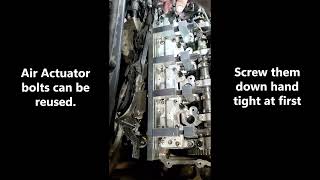
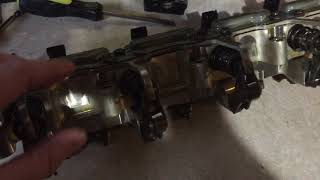
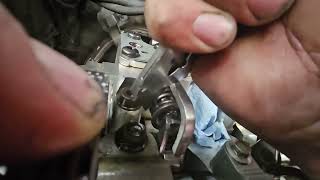
- Faulty MultiAir Actuator ('Brick') (Common) — On Fiat-Chrysler MultiAir engines, individual solenoids are integrated into a single assembly. Failure of one solenoid requires replacing this entire expensive unit. 🎬 See this installation hack to replace the actuator without specialty tools.
- Damaged Wiring or Electrical Connectors (Common) — The wiring harness or connector for the oil control valve frays, corrodes, or suffers oil contamination, interrupting the PCM's electrical signal.
- Faulty Oil Control Valve (OCV) / VVT Solenoid (Common) — This electronically controlled valve directs oil flow. It clogs with sludge or fails electrically with an internal short or open circuit.
- Faulty or Outdated PCM Software (Less Common) — The Powertrain Control Module (PCM) software sometimes contains glitches that falsely trigger P1069. Manufacturers release Technical Service Bulletins (TSBs) with software updates to resolve this.
- Failing Camshaft Phaser (Less Common) — The mechanical gear adjusting camshaft timing fails when internal seals leak or the locking pin mechanism sticks, causing slow responses to oil pressure changes.
- Clogged MultiAir Secondary Oil Filter (Uncommon) — Some MultiAir engines feature a small, secondary oil filter screen protecting the actuator. Sludge buildup starves the 'brick' of oil, triggering solenoid codes.
- Poor Engine Ground Connection (Uncommon) — A corroded or broken engine ground strap causes erratic voltage and unpredictable sensor behavior. On Dodge Darts, the cylinder head to strut tower ground is a known weak point.
Symptoms
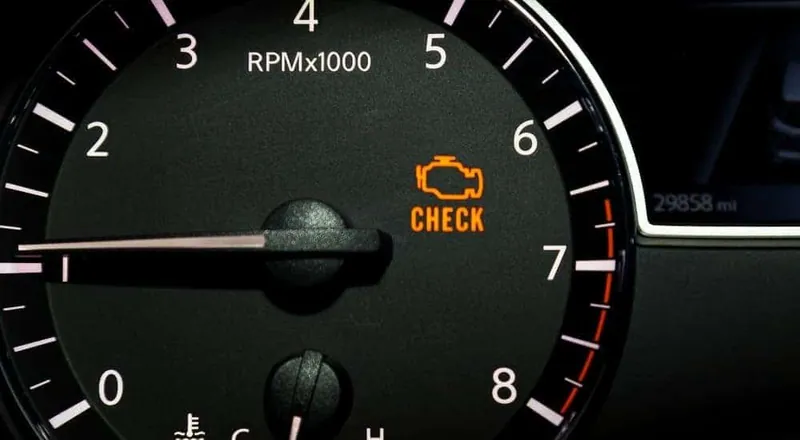
- Check Engine Light On — The PCM illuminates the Malfunction Indicator Lamp (MIL) on the dashboard to alert the driver of the fault.
- Rough Idle and Stalling — Incorrect valve timing at low engine speeds causes combustion instability, leading to a shaky idle or the engine shutting off completely when stopped.
- Reduced Engine Power and Acceleration — The engine cannot adjust its valve timing to produce optimal power, making the vehicle sluggish and slow to accelerate.
- Poor Fuel Economy — The engine runs inefficiently due to the timing fault, causing a noticeable increase in fuel consumption.
- Engine Rattling or Ticking Noise — A distinct rattling sound from the top of the engine on a cold start indicates a lack of oil pressure in the VVT system or a failing cam phaser.
- Stop/Start System Deactivated — On vehicles equipped with automatic engine stop/start, the system disables as a safety measure when a P1069 code is active.
- Flashing Check Engine Light — A flashing check engine light signals a severe, catalyst-damaging misfire. Pull over and shut off the engine immediately to prevent expensive repairs.
Diagnostic Flowchart
Tap your situation to follow the diagnostic path that matches what you're seeing on this code.
Common Fixes & Costs
- Engine Oil and Filter Change with OEM-Spec Parts — Parts: $40-$120, Labor: $30-$60, ~0.5 hr book time (DIY)
- Updating PCM Software at Dealership — Parts: $0, Labor: $125-$250, ~1 hr book time (Professional)
- Replacing the MultiAir Actuator ('Brick')
— Parts: $800-$1500, Labor: $500-$1000, ~5.5 hr book time
(Professional)
Dodge Dart, Jeep Renegade/Cherokee, Chrysler 200 (2.4L): OEM Mopar 5047980AE (Alt: Rebuilt OEM units are available from specialty suppliers.)
Jeep Renegade, Fiat 500X (1.3L Turbo): OEM Mopar 68439137AA (Alt: Limited availability.) - Repairing Damaged Wiring or Replacing Connector — Parts: $15-$60, Labor: $150-$500, ~2.5 hr book time (Intermediate)
- Replacing the Oil Control Valve (VVT Solenoid, Non-MultiAir)
— Parts: $50-$250, Labor: $75-$300, ~1.5 hr book time
(DIY)
Chrysler/Dodge/Jeep 2.4L: OEM Mopar 4884483AC (Alt: Dorman, Standard Motor Products (SMP)) - Replacing the Camshaft Phaser(s) — Parts: $250-$1200, Labor: $800-$2500, ~9 hr book time (Professional)
DIY vs Professional
- Engine Oil and Filter Change 🟢 Beginner
Tools: Basic hand tools (wrench set, oil filter wrench, drain pan). - Updating PCM Software 🟢 Beginner
Tools: Manufacturer-specific diagnostic tool (e.g., FCA wiTECH). - Replacing MultiAir Actuator ('Brick') 🟢 Beginner
Tools: Extensive toolset, torque wrenches, special valve spring compressor tool, bidirectional scan tool for relearn procedure. - Wiring/Connector Repair 🟢 Beginner
Tools: Multimeter, wire strippers, crimpers, heat shrink, soldering iron (optional). - Replacing External VVT Solenoid 🟢 Beginner
Tools: Socket set, torque wrench, rags. - Replacing Camshaft Phaser 🟢 Beginner
Tools: Full timing tool kit for the specific engine, extensive mechanical knowledge.
Used vs. New Parts: Buying Guide
When a used part is worth it: Given the high cost of a new OEM MultiAir actuator ($1000+), a used part from a low-mileage, accident-damaged vehicle is a cost-effective alternative, especially for an older, higher-mileage car where the repair cost approaches the vehicle's value.
Donor-vehicle mileage cap: roughly under 60000 miles for the part to have meaningful remaining life.
Donor quality checklist:
- Verify the donor vehicle was not scrapped due to engine failure.
- Obtain the VIN of the donor car to check its history.
- Ensure the part number matches exactly, as there are several superseded versions.
- Purchase from a reputable auto recycler that offers at least a 90-day warranty.
Decision logic:
- If The vehicle is under an extended warranty for the part (e.g., certain Chrysler 200 PZEV models) → Use a new OEM part installed by a dealer, as the cost should be covered.
- If The vehicle has low mileage (<80k miles) and you plan to keep it long-term → A new OEM part is the most reliable choice, despite the high cost.
- If The vehicle has high mileage (>120k miles) and the budget for repair is tight → A used or remanufactured actuator is a reasonable gamble to extend the vehicle's life, but acknowledge the higher risk of premature failure.
Warranty tradeoff: Used parts typically come with a 30-90 day part-only warranty. New aftermarket parts offer a 1-year warranty. A new OEM part installed by a dealer carries a 12-month/12,000-mile warranty on parts and labor.
Worst-case if a used part fails: 800-1500 if a used part fails shortly after installation, as you will have to pay for the labor a second time plus the cost of another replacement part.
What Happens If You Wait — Timeline
- 0-1 month: Check Engine Light illuminates. A slight rough idle is noticeable, especially on cold starts. Fuel economy drops. (MPG impact: 5-10%% · Added cost: $20-80 in wasted fuel)
- 1-3 months: Engine performance becomes noticeably worse. The vehicle feels sluggish, hesitates on acceleration, and stalls at stops. The rough idle is persistent. (MPG impact: 10-20%% · Added cost: $80-200 in wasted fuel)
- 3-6 months: The Check Engine Light begins to flash intermittently, signaling a severe misfire. Unburnt fuel enters the exhaust, overheating and damaging the catalytic converter. (MPG impact: 15-25%% · Added cost: $1200-2800 (for the now-damaged catalytic converter))
- 6+ months: The catalytic converter substrate melts down, causing a major exhaust restriction. The engine has very little power. Continued operation causes additional stress and wear on timing chain components. (MPG impact: 25-40%% · Added cost: $2500-5000+ (for catalytic converter and potential secondary engine damage))
Cost of Not Fixing It
- 0-1 month: Noticeable drop in fuel economy (10-25%), rough idle, and potential stalling. Failed emissions test. (Added cost: 50-150 in wasted fuel)
- 1-6 months: If the fault causes a persistent misfire (flashing CEL), the catalytic converter is damaged from being saturated with unburnt fuel. This is a very expensive secondary failure. (Added cost: 1200-2800)
- 6+ months: Continued operation with incorrect valve timing leads to increased carbon buildup on valves and pistons, and potential wear on other timing chain components due to erratic camshaft operation. (Added cost: 2500-5000+)
Diagnosis Steps

- Check Engine Oil Level, Condition, and Type
This is the most critical first step. Pull the dipstick and verify the oil level is correct. Examine the oil's color and smell. If it's black, thick, or smells burnt, it's overdue for a change. Crucially, verify that the oil viscosity (e.g., 0W-20, 5W-20) matches the manufacturer's specification, as MultiAir systems are extremely sensitive to this.
Tools: Rag or paper towel (Beginner) - Scan for Other Codes and Research TSBs
Use an OBD-II scanner to read all stored codes. Misfire codes (P0303) or correlation codes (P0016) provide valuable clues. Simultaneously, search for Technical Service Bulletins (TSBs) for your vehicle's year and model related to P1069. A dealer software update is often the required fix.
Tools: OBD-II Scanner (Beginner) - Inspect the Solenoid Wiring and Connector
Locate the oil control solenoid for the specified cylinder (e.g., Cylinder 3). On MultiAir engines, this is part of the 'brick' assembly. Carefully inspect the connector for broken locking tabs, corrosion, or oil intrusion. Trace the wiring harness as far as possible, looking for signs of rodent damage, chafing, or burns.
Tools: Flashlight, Mirror (optional) (Beginner) - Change Engine Oil and OEM-Spec Filter
If the oil condition is suspect or unknown, perform a full oil and filter change. Use only the manufacturer-specified oil viscosity and a high-quality, OEM-spec oil filter. This simple step resolves the fault entirely if a cheap aftermarket filter was restricting flow.
Tools: Wrench set, oil filter wrench, oil drain pan (Intermediate) - Monitor VVT Live Data with a Scan Tool
Using a scan tool, monitor VVT-related Parameter IDs (PIDs). Key PIDs include 'VVT Target Angle' and 'VVT Actual Angle' for the relevant camshaft. At a steady RPM, the 'Actual' value should closely mirror the 'Target' value. A significant lag or a stuck value indicates a problem with oil pressure, the solenoid, or the phaser.
Tools: Advanced OBD-II Scan Tool with Live Data (Advanced) - Test Solenoid Circuit and Resistance (Pro Tip)
Disconnect the solenoid's electrical connector. Use a multimeter to measure the resistance across the two pins on the solenoid itself. For Chrysler/Fiat MultiAir solenoids, the expected resistance is very low, between 0.2 and 1.0 ohms. A reading of 'OL' (open loop) or a much higher resistance indicates a failed solenoid.
Tools: Multimeter (Advanced) - Perform Active Solenoid Test (Pro Tip)
Using a bidirectional scan tool, access the engine control module's active tests. Command the specific VVT solenoid on and off. You should hear an audible click from the solenoid each time it's activated. If there's no click, but the wiring is good, the solenoid is stuck or has failed mechanically.
Tools: Bidirectional Scan Tool or Noid Light Set (Advanced) - Check Engine Oil Pressure with a Mechanical Gauge
This advanced step verifies the health of the oil pump and internal engine passages. Connect a mechanical oil pressure gauge in place of the oil pressure switch. Start the engine and compare the pressure readings to the manufacturer's specifications. Low pressure indicates a serious internal issue that must be addressed before replacing VVT components.
Tools: Mechanical oil pressure gauge, Wrench set (Advanced) - Inspect Engine Ground Connections
Locate and inspect the main engine-to-chassis ground straps. For a Dodge Dart, pay close attention to the strap from the passenger side of the engine to the strut tower and the battery ground point behind the driver's side wheel well. Ensure they are clean, tight, and free of corrosion.
Tools: Wrench set, Wire brush (Intermediate)
When This Code Triggers (Freeze-Frame Conditions)
- Engine Coolant Temp: 185-210°F (The fault typically sets when the engine is fully warmed up.)
- RPM: 1500-3000 RPM (Often triggered during steady-state cruising or light acceleration, not typically at idle or full throttle.)
- Engine Load: 25-70% (The VVT system is most active in the mid-range of engine load, making faults more likely to be detected under these conditions.)
- Vehicle Speed: 40-65 mph (Consistent with highway or arterial road cruising speeds where the engine operates in a steady state for a period of time.)
Related Codes
- P0303 — This is a misfire code for cylinder 3. It frequently appears with P1069 because the failure of the cylinder 3 oil supply solenoid prevents the intake valves from operating correctly, directly causing misfires on that cylinder.
- P0016 — Indicates a Crankshaft/Camshaft Position Correlation error. If seen with P1069, it points towards a severe mechanical timing issue, such as a jumped timing chain or a completely failed cam phaser.
- P0011 / P0012 — These generic codes indicate camshaft timing is over-advanced (P0011) or over-retarded (P0012). Seeing them with P1069 suggests the PCM is commanding a change, but a clogged solenoid, low oil pressure, or failing phaser prevents the camshaft from reaching the target position.
- P103B / P1043 — These are companion codes often seen with P1069 on Dodge/Jeep MultiAir engines. P103B is 'Cylinder 3 Oil Supply Valve Driver Open Circuit' and P1043 is 'Impossible Data From Cylinder 3 Oil Supply Solenoid'. Seeing this group strongly indicates an electrical fault or a failed solenoid within the MultiAir 'brick'.
Climate & Environmental Factors
- Cold Weather: Engine oil viscosity increases significantly in cold temperatures. On a cold start, thicker oil flows slowly through the small passages of the VVT system. This causes a delayed response from the solenoids and phasers, triggering 'performance' or 'time out of range' codes like P1069. The issue often disappears once the engine reaches operating temperature.
- High Altitude: At higher altitudes, lower air density requires the engine management system to make adjustments to maintain performance. The VVT system operates under different parameters, making it more sensitive to pre-existing borderline faults in the system.
How to Talk to a Mechanic About This Code
Say this: "When calling about a P1069 code, be specific to your vehicle. For a Dodge/Jeep/Chrysler: 'I have a P1069 code on my MultiAir engine. I've confirmed the oil level is correct. Before replacing any parts, I'd like you to check for software TSBs, inspect the cylinder 3 solenoid connector for damage, and test the solenoid's resistance.' For a BMW: 'My BMW has a P1069 Valvetronic error. Please inspect the eccentric shaft sensor connector for oil contamination before quoting a new sensor.' For a VW TDI: 'I have a P1069 for the NOx sensor heater. Please diagnose the sensor's wiring and heater circuit.'"
This language signals that you are an informed consumer. It directs the technician down a logical diagnostic path, starting with the least expensive fixes (software, wiring) before jumping to expensive part replacements (MultiAir 'brick' or Valvetronic sensor). It prevents you from being sold a costly part you do not need.
Avoid saying:
- 'Just fix my check engine light.'
- 'My car is running rough, can you look at it?'
- 'Do whatever you think is best.'
Questions to ask before authorizing the repair:
- Can you show me the damaged part or the oil in the connector?
- Did you check for any Technical Service Bulletins (TSBs) related to this code?
- What is the warranty on the recommended parts and your labor?
- Will you provide a written estimate with a full breakdown of parts and labor costs before starting the work?
- If the repair doesn't fix the code, what is the next step and will I be charged for this initial repair?
Where to Take It: Dealer vs Independent vs Chain
- Dealer:
Best for: Vehicles under warranty., Performing PCM software updates covered by a TSB., Complex, manufacturer-specific systems like BMW Valvetronic or when a MultiAir 'brick' replacement is confirmed needed.
Downsides: Highest labor rates, often 50-100% more than independent shops., Defaults to replacing expensive assemblies rather than performing a nuanced diagnosis. (Typical cost: +50% vs. baseline) - Independent Shop:
For FCA vehicles, start with a trusted independent shop for diagnosis. If a PCM flash is required, go to the dealer. For BMW/VW, a brand-specialist independent shop is the best balance of expertise and cost.
Best for: Out-of-warranty vehicles where cost is a major factor., Initial diagnosis of oil, filter, and wiring issues., Shops with specific brand experience (e.g., a trusted European auto specialist for a BMW or VW).
Downsides: Quality and expertise vary greatly; check reviews and ASE certifications., Lacks access to the latest manufacturer software or specialized tools for major jobs like a MultiAir actuator replacement. (Typical cost: +0% vs. baseline) - Chain Shop:
AVOID for diagnosing P1069. Their limited diagnostic capability leads to misdiagnosis and unnecessary parts replacement. Only use them if you have already diagnosed the problem and it requires a simple oil service.
Best for: Simple, confirmed fixes like an oil and filter change.
Downsides: Technician skill varies dramatically., Lacks advanced diagnostic tools and specific expertise for complex codes like P1069., High pressure to upsell services. (Typical cost: -10% vs. baseline)
When to Walk Away From the Repair
If the estimated repair cost exceeds 50% of the car's private-party value, seriously consider selling or trading in the vehicle instead of repairing it.
- Car worth $4000, fix is $2200: Walk away. A $2200 repair for a MultiAir 'brick' on a 2013 Dodge Dart worth $4000 is a poor investment. The repair cost is over 50% of the car's value.
- Car worth $15000, fix is $2500: Fix it. The repair cost is well below the 50% threshold, making it a reasonable investment to keep a more valuable vehicle on the road.
- Car worth $2000, fix is $450: Fix it. If the diagnosis for a P1069 on a BMW is a leaking sensor gasket and connector cleaning, a sub-$500 repair on a $2000 car is economically sound.
What Scan Tool You Need for This Code
Minimum: A scanner that reads manufacturer-specific codes and displays live data streams (PIDs) for VVT systems. A basic code reader that only gives a 'P-code' is insufficient for diagnosing P1069.
A basic $20 reader only tells you the code number. To diagnose P1069, you must see what the PCM commands the VVT system to do versus its actual performance. This requires viewing live data like 'VVT Target Angle' and 'VVT Actual Angle'. Advanced diagnosis requires bidirectional control to command the solenoid on and off.
Budget: BlueDriver Pro or Foxwell NT301 (~$70-120) — These tools read specific codes from systems beyond the engine and offer live data streaming, allowing you to watch the VVT system's performance in real-time—the first step in diagnosing a performance-related P1069 code.
Mid-range: Innova 5610 or XTOOL A30M (~$150-350) — Adds limited bidirectional control. This allows you to command the specific VVT solenoid on and off from the scanner. Hearing a 'click' from the engine confirms the wiring and PCM driver are working, pointing toward a mechanical issue with the solenoid itself.
Professional: Autel MaxiCOM MK808S or Launch X431 series (~$450-1200) — Offers full bidirectional control for all systems. They run automated tests on Valvetronic or MultiAir systems, perform the cam/crank relearn procedure required after replacing a MultiAir 'brick', and provide access to OEM-level diagnostic functions.
How to Clear the Code After You Fix It
- Use an OBD-II scan tool to erase the diagnostic trouble codes.
- Perform the specific manufacturer drive cycle to allow the readiness monitors to run.
- Check readiness monitor status with the scan tool to confirm the repair.
Drive cycle (~20 minutes): For FCA vehicles: Cold start and idle for 5 minutes to enter closed loop. Drive at a steady speed between 40-60 mph for 8 minutes. Stop and idle for 3 minutes. Drive again at a speed above 20 mph for 2 minutes. Turn the ignition off and let the vehicle sit for 10 minutes.
Readiness monitors affected: Catalyst Monitor, Evaporative System Monitor, O2 Sensor Monitor
Before emissions retest: drive at least 50 miles to fully set monitors.
Watch out for:
- Simply disconnecting the battery clears the code but also resets all readiness monitors, leading to an automatic emissions test failure for 'Not Ready' status.
- The code returns quickly if the underlying mechanical or electrical fault has not been properly repaired.
- Not having the fuel tank between 15% and 85% full prevents the EVAP monitor from running.
Will This Fail Emissions / State Inspection?
Yes — this code typically fails an OBD-II emissions inspection.
- California: An active Check Engine Light results in an automatic smog check failure. After repairs, a specific drive cycle must be completed to set all readiness monitors before the vehicle can be re-tested.
- New York: A vehicle with an illuminated Check Engine Light automatically fails the OBD-II portion of the annual state inspection.
- Texas: In counties requiring emissions testing, an illuminated Check Engine Light is an automatic failure. Clearing the code just before the test also results in a failure due to 'Not Ready' monitor status.
Most Commonly Affected Vehicles

- Dodge Dart (2013-2016) — Extremely common on models with the 2.4L Tigershark MultiAir engine. The code almost always points to a faulty MultiAir 'brick' actuator if oil and wiring are good. Repair often exceeds $2,000 at a dealership.
- Jeep Renegade (2015-2021) — Affects models with the 2.4L MultiAir and 1.3L Turbo MultiAir engines. TSBs 18-016-23 and 18-016-21 REV. B address this code with a PCM software update for certain model years.
- Chrysler 200 (2015-2017) — Equipped with the same problematic 2.4L MultiAir powertrain as the Dart and Renegade, leading to identical failure patterns. Certain PZEV models are covered by an extended warranty for the MultiAir actuator.
- Fiat 500X, 500L, Abarth (2015-2020) — Uses the same MultiAir technology and triggers P1069 and related codes for solenoid and actuator failures.
- Jeep Cherokee (KL) (2014-2020) — The 2.4L MultiAir engine in the Cherokee is highly susceptible to this code, sharing the same diagnostic path and common failure of the MultiAir 'brick'.
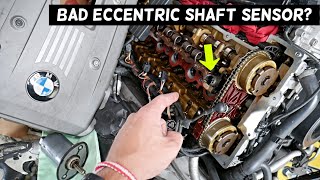
- BMW Various (2005-2015) — On BMWs, P1069 means 'Valvetronic VVT Reference Sensor Parity Error'. It is an electrical fault, often caused by oil leaking into the eccentric shaft sensor connector or the sensor itself failing.
- Volkswagen / Audi Jetta, Golf, A3 (TDI models) (2009-2015) — On these diesel models, P1069 means 'Nitrogen oxides (NOX) sensor - heater control - short to ground'. This is an emissions system fault, completely unrelated to the VVT system.
- Hyundai / Kia Various (2010-2020) — P1069 is a known, though less common, code pointing to a failure in the Continuously Variable Valve Timing (CVVT) system. Using non-OEM oil filters is a frequent cause of CVVT issues on these vehicles.
Manufacturer-Specific Notes
- Chrysler/Dodge/Jeep/Fiat: The MultiAir system is the primary quirk. Individual solenoids cannot be replaced; the entire actuator 'brick' must be changed as a unit. This job requires a special tool to compress the valve pistons during installation and a 'cam/crank relearn' procedure with a scan tool afterward. A class-action settlement extends the warranty on the MultiAir actuator for certain 2015-2017 Chrysler 200 PZEV vehicles to 15 years or 150,000 miles.
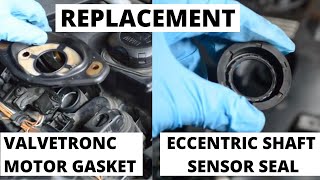
- BMW: The P1069 code is purely electrical, related to the Valvetronic system's eccentric shaft sensor. The primary diagnostic step is to inspect the sensor and its large electrical connector for oil contamination. The valve cover gasket and sensor seals are common leak points.
- Volkswagen/Audi: For VW/Audi TDI engines, P1069 is an emissions system code for the NOx sensor heater circuit. Diagnosis involves checking the wiring to the NOx sensor for a short to ground and testing the sensor's internal heater element. It has nothing to do with engine oil or valve timing.
- Hyundai/Kia: These manufacturers' VVT systems (called CVVT) are notoriously sensitive to oil filters. The use of aftermarket oil filters lacking a proper anti-drainback valve is a leading cause of VVT-related codes and engine noise on startup. Sticking to an OEM filter is cheap insurance.
Real Owner Stories
2014 Dodge Dart with 2.4L MultiAir at 101K miles
Check engine light came on with a noticeable, shaky misfire. Codes P1069, P1043, P103B, and P0303 were present.
What they tried:
- The owner took the vehicle to a diagnostic technician. Wiggling the electrical connector for the cylinder 3 solenoid on the MultiAir 'brick' made the misfire come and go.
Outcome: The locking tab on the solenoid was physically broken, causing a loose connection. The entire MultiAir actuator ('brick') had to be replaced because the individual solenoid was not serviceable.
Lesson: Before condemning the expensive MultiAir 'brick' for an electrical fault, carefully inspect the connectors and wiring harness for physical damage, especially if another repair was recently performed in that area.
2015 Fiat Abarth with 1.4L MultiAir
Engine light came on with code P1069. Mechanic suspected the MultiAir unit.
What they tried:
- Mechanic checked the oil system and found the small MultiAir filter was slightly clogged. He replaced the filter and cleared the codes.
Outcome: The check engine light returned a few days later. The clogged filter was a symptom, not the root cause. The ultimate diagnosis was a failing MultiAir actuator ('brick').
Lesson: Replacing the small, secondary MultiAir filter is a good maintenance step, but if it's clogged, it is a sign of a larger problem (sludge from infrequent oil changes) or an impending failure of the main actuator unit.
Jeep with 2.4L MultiAir engine
Check engine light came on with MultiAir-related fault codes.
What they tried:
- Owner checked the engine oil dipstick and found the oil level was very low.
Outcome: Topping up the engine oil to the correct level, clearing the codes, and driving the vehicle resolved the issue. The light did not return.
Lesson: The MultiAir system is entirely dependent on oil pressure. Always check the oil level and condition first. It is the simplest and most common fix for these codes.
BMW 330i with N52 engine
Car had a rough start in cold weather, then ran fine. Shadow codes, including P1069 equivalent (Valvetronic Plausibility), were found.
What they tried:
- Owner inspected the large electrical connector for the eccentric shaft sensor and found it was contaminated with engine oil.
Outcome: The owner cleaned the connector with MAF sensor cleaner as a temporary measure. The ultimate fix is to replace the leaking eccentric shaft sensor and its gasket to prevent oil from wicking into the wiring harness.
Lesson: On BMWs, P1069-related codes are electrical, not hydraulic. The first step is to pull the Valvetronic sensor connector and check for oil contamination, which is a very common failure pattern.
How to Prevent This Code From Triggering
- Use the correct, high-quality full synthetic engine oil (Every 5,000 miles or 6 months) — Clean, correct-viscosity oil is the lifeblood of the hydraulic VVT and MultiAir systems. Old, sludgy oil clogs the tiny passages in the solenoids and actuator, causing them to stick and fail.
- Use only OEM or high-quality OEM-equivalent oil filters (Every oil change) — Cheaper aftermarket filters have poor internal construction, restrictive filter media, and faulty anti-drainback valves. This leads to oil pressure drops and allows debris to circulate, directly causing VVT system faults.
- Check engine oil level regularly (Every other fuel fill-up) — The MultiAir system is highly sensitive to low oil levels. Many 2.4L MultiAir engines consume oil between changes, and letting the level drop too low starves the actuator, triggering codes and causing damage.
- Clean or replace the MultiAir secondary filter (Every 60,000 miles) — On some MultiAir engines, a small, secondary mesh filter protects the actuator. This filter clogs with sludge over time, restricting oil flow. Cleaning or replacing it is a cheap preventative measure.
Frequently Asked Questions
Can I fix a P1069 code myself?
Basic steps like an oil and filter change or inspecting wiring are DIY-friendly. Replacing an external VVT solenoid is manageable for an intermediate DIYer. However, diagnosing complex electrical faults, reprogramming a PCM, or replacing an internal MultiAir 'brick' requires special tools and expertise and should be left to a professional.
Will a simple oil change fix code P1069?
In many cases, yes. If the fault is triggered by low, old, or incorrect viscosity oil, a proper oil and filter change using OEM-spec products resolves the issue. It is always the most cost-effective first step.
What is the most common misdiagnosis for P1069?
The most common mistake is immediately replacing the VVT solenoid or MultiAir actuator without performing basic checks. The root cause is often the oil, oil filter, or outdated PCM software. A thorough diagnosis must be completed to avoid replacing expensive parts unnecessarily.
How much does it cost to fix P1069?
The cost varies drastically by cause and manufacturer. An oil change runs under $150, while a PCM software update costs $125-$250. Replacing a MultiAir actuator 'brick' is the most expensive fix, ranging from $1,300 to over $2,500.
What happens if I ignore code P1069?
Ignoring the code results in a persistently rough-running engine, terrible gas mileage, and failed emissions tests. Over time, it causes carbon buildup on valves and destroys the catalytic converter if a misfire is present. In severe cases, it leads to further wear on timing components.
Can using the wrong oil filter cause P1069?
Yes, absolutely. VVT systems are extremely sensitive to oil flow and pressure. A cheap or incorrectly designed oil filter restricts flow, has a faulty anti-drainback valve, or features poor filtration, all of which clog solenoids and trigger P1069.
Can I just replace the one bad solenoid on my MultiAir engine?
No. On Fiat-Chrysler MultiAir engines, the solenoids are integrated into a single, sealed assembly called the actuator or 'brick'. If one solenoid fails, the entire unit must be replaced.
What does a flashing check engine light mean with a P1069 code?
A flashing check engine light indicates a severe, active engine misfire. The P1069 fault prevents proper valve operation, dumping unburnt fuel into the exhaust and rapidly destroying the catalytic converter. Stop the vehicle immediately to prevent this $2,500 secondary failure.
Key Takeaways
- P1069 definitions vary by brand: it flags a VVT oil supply failure in Dodge/Jeep/Fiat, a Valvetronic sensor error in BMW, and a NOx sensor fault in VW/Audi.
- For FCA vehicles, low oil levels or incorrect viscosity cause 80% of P1069 codes; always verify oil condition and use an OEM filter before replacing parts.
- Check for Technical Service Bulletins (TSBs) before authorizing a $1,500+ MultiAir actuator replacement, as a $150 dealer PCM software update often resolves the code.
- A flashing check engine light indicates an active misfire that destroys the catalytic converter within 10 miles, adding up to $2,500 to your repair bill.
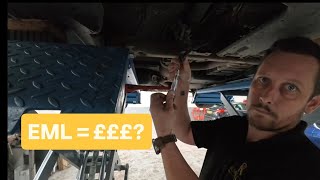
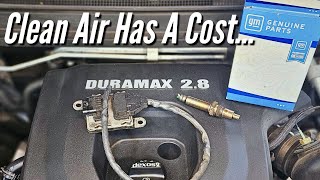
Helpful Videos
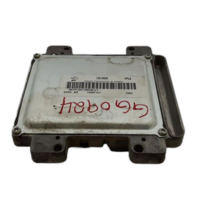
Shop the Parts Behind P1069
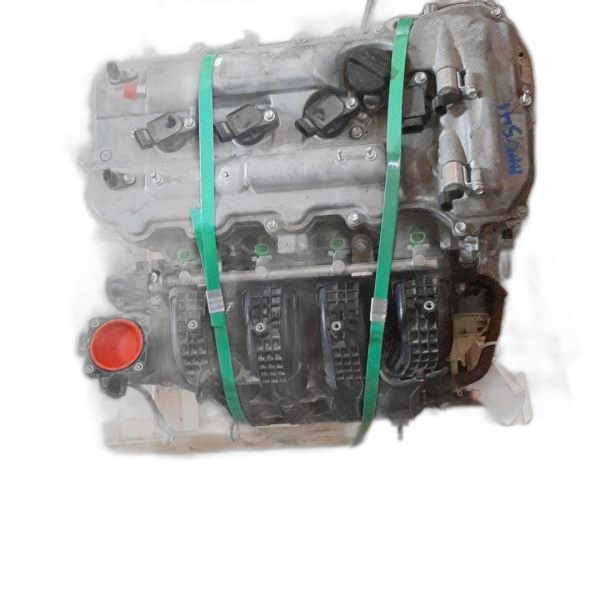
Below are the parts most often responsible for code P1069, ranked by how frequently each one is the actual culprit (per the diagnosis above). Tap any to see what we have for your vehicle.

The information in this article is provided for general reference and educational purposes only. Vehicle specifications, procedures, and part compatibility can vary by production date, trim level, and region. Always consult your vehicle's factory service manual and verify part numbers before purchasing or performing repairs. Safety-critical components such as airbags, seat belts, and braking systems should be installed by a qualified professional.
- 🧭 Diagnostic Flowchart
- 🎬 Helpful Videos
- 🛍️ Shop This Part
- What Does P1069 Mean?
- Can I Drive With P1069?
- Common Causes
- Symptoms
- Common Fixes & Costs
- DIY vs Professional
- Used vs. New Parts: Buying Guide
- What Happens If You Wait — Timeline
- Cost of Not Fixing It
- Diagnosis Steps
- When This Code Triggers (Freeze-Frame Conditions)
- Related Codes
- Climate & Environmental Factors
- How to Talk to a Mechanic About This Code
- Where to Take It: Dealer vs Independent vs Chain
- When to Walk Away From the Repair
- What Scan Tool You Need for This Code
- How to Clear the Code After You Fix It
- Will This Fail Emissions / State Inspection?
- Most Commonly Affected Vehicles
- Manufacturer-Specific Notes
- Real Owner Stories
- 2014 Dodge Dart with 2.4L MultiAir at 101K miles
- 2015 Fiat Abarth with 1.4L MultiAir
- Jeep with 2.4L MultiAir engine
- BMW 330i with N52 engine
- How to Prevent This Code From Triggering
- Frequently Asked Questions
- Can I fix a P1069 code myself?
- Will a simple oil change fix code P1069?
- What is the most common misdiagnosis for P1069?
- How much does it cost to fix P1069?
- What happens if I ignore code P1069?
- Can using the wrong oil filter cause P1069?
- Can I just replace the one bad solenoid on my MultiAir engine?
- What does a flashing check engine light mean with a P1069 code?
- Key Takeaways
- 🎟️ Get 5% Off