

P0172 on 2015-2018 Ford Edge 2.0L EcoBoost: Causes and Fixes for Rich Fuel Condition
This code is almost always a typo for P0172 (System Too Rich). On the 2.0L EcoBoost Edge, the most common cause is a faulty EVAP canister purge valve that gets stuck open, allowing unmetered fuel vapor into the engine. Replacing this valve is a common, affordable DIY fix, with the Motorcraft part (AU5Z-9C915-B) costing around $40-$60. A rough idle, especially after refueling, is a key symptom pointing to this specific failure.
- The code you have is P0172, not P1072. P1072 is not a valid code for this vehicle.
- The most likely cause is a bad EVAP purge valve, which is a cheap and easy part to test and replace.
- Check your engine oil for a gasoline smell. If present, stop driving and have the high-pressure fuel pump inspected immediately to prevent engine damage.
- Do not replace the oxygen sensor without first testing the purge valve, as the sensor is often just correctly reporting the problem.
- Ignoring this code will lead to failed emissions tests, poor fuel mileage, and potential damage to your catalytic converter.
What's Unique About the 2015-2018 Ford Edge
On many modern Ford vehicles with EcoBoost engines, including the Ford Edge, the canister purge valve is a very common failure point that directly leads to a P0172 code. This valve is part of the evaporative emissions (EVAP) system and is supposed to remain sealed at idle. When it fails by sticking open, it constantly allows unmetered fuel vapors from the gas tank to be sucked into the engine's intake manifold. This creates a rich condition that the computer struggles to correct, especially at idle. This issue is so prevalent across the Ford lineup (including the Fusion, Escape, and MKC which share this engine) that it's often the first part mechanics and experienced DIYers check.
Symptoms You May Notice
- Check Engine Light is on
- Reduced fuel economy
- Strong smell of raw gasoline from the exhaust
- Black smoke from the tailpipe
- Rough or unstable idle, sometimes worse after refueling
- Engine hesitation or stumbling during acceleration
- Difficulty starting, particularly after filling the gas tank 🎬 Watch: Why Ford vehicles struggle to start after refueling
- Replacing the downstream oxygen sensor (Bank 1, Sensor 2). This sensor's primary role is to monitor catalytic converter efficiency and it does not control the air-fuel mixture. The upstream sensor (Sensor 1) is the one responsible for fuel trim adjustments.
Most Likely Causes
- Faulty EVAP Canister Purge Valve 🔴 High Probability This is a well-documented, high-failure-rate part across many Ford models sharing the 2.0L EcoBoost engine, like the Fusion and Escape. It tends to get stuck in the open position, allowing a constant flow of fuel vapors into the intake.
How to confirm: With the engine running at idle, locate the purge valve on the engine. Disconnect the vapor line leading from the valve to the intake manifold. Place your finger over the valve's port; if you feel any suction, the valve is stuck open and needs to be replaced. This test should be done when the engine is fully warmed up and has been idling for a minute or two.
Typical fix: Replace the canister purge valve. It is often sold as a valve assembly. The OEM Motorcraft part number is AU5Z-9C915-B.
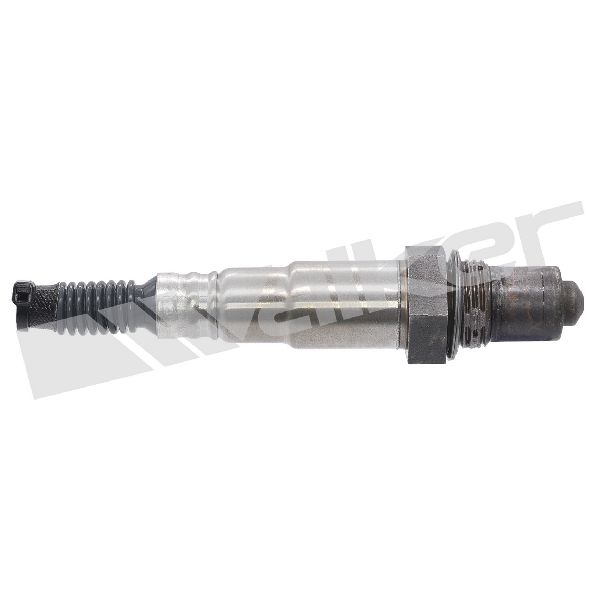
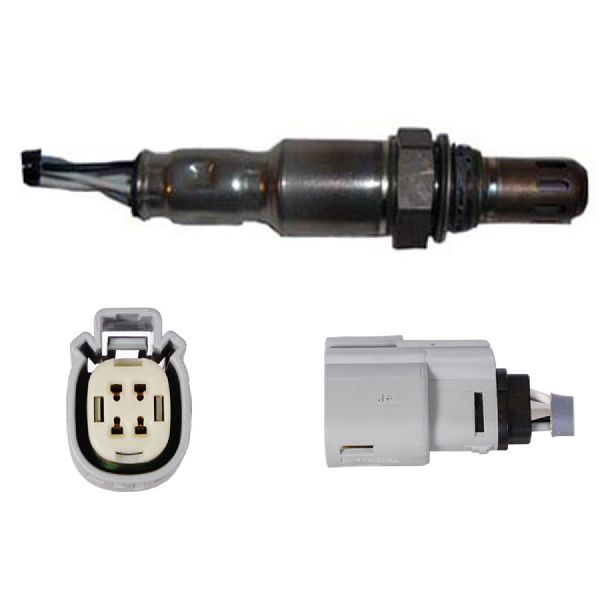
Est. part cost: $40-$80 - Faulty Upstream Oxygen Sensor (Bank 1, Sensor 1) 🟡 Medium Probability → Shop Oxygen Sensor The upstream O2 sensor (also called an Air/Fuel Ratio sensor) is the primary sensor the PCM uses to determine fuel mixture. It operates in a high-temperature environment and can degrade over time, sending slow or biased signals.
How to confirm: Use an OBD-II scanner with live data to monitor the Bank 1 Sensor 1 voltage. A healthy sensor will fluctuate rapidly between approximately 0.1 and 0.9 volts. A sensor that is stuck high (above 0.8V) or is very slow to respond is likely faulty and causing the PCM to incorrectly perceive a rich condition.
Typical fix: Replace the upstream oxygen sensor (Air/Fuel Ratio Sensor). The OEM Motorcraft part is generally recommended.
Est. part cost: $70-$150 - Leaking Fuel Injector(s) 🟡 Medium Probability Direct injection (GDI) fuel injectors operate under very high pressure (over 2,000 PSI under load) and can be prone to leaking over time, either from the nozzle into the cylinder or from their seals.
How to confirm: Perform a fuel pressure leak-down test after the engine is off. A rapid drop in rail pressure can indicate a leaking injector. Another method is to remove the spark plugs after the engine has sat and check for one that is wet with fuel or significantly blacker and more carbon-fouled than the others.
Typical fix: Replace the faulty fuel injector. Due to the labor involved, it is often recommended to replace all four injectors as a set.
Est. part cost: $50-$150 per injector - Dirty or Faulty Mass Airflow (MAF) Sensor ⚪ Low Probability
How to confirm: Inspect the MAF sensor wires for dirt or contamination (often from an over-oiled aftermarket air filter). You can try cleaning it with a dedicated MAF sensor cleaner. If cleaning doesn't work, monitor the sensor's readings with a scan tool to see if they are rational for the given engine speed and load. A faulty MAF can under-report airflow, causing the PCM to inject too much fuel for the actual amount of air entering the engine.
Typical fix: Clean the MAF sensor with a specialized cleaner. If the problem persists, replace the sensor.
Est. part cost: $15 (cleaner) or $100-$200 (sensor)
Rare But Worth Checking
- Leaking High-Pressure Fuel Pump (HPFP): The 2.0L EcoBoost is a GDI engine. The HPFP is mechanically driven by the camshaft and can develop internal leaks, allowing raw fuel to seep into the engine crankcase. A key symptom is a strong smell of gasoline in the engine oil, which can be checked on the dipstick. This requires immediate attention as it dilutes the oil, reduces its lubricating properties, and can cause severe engine damage.
Diagnosis Steps
- Confirm the code is P0172 using an OBD-II scanner. Note the original code P1072 is incorrect.
- Check Long-Term Fuel Trim (LTFT) for Bank 1. A value of -15% or more negative confirms the computer is actively removing fuel to correct a rich condition. 🎬 Watch: How to diagnose and fix a rich fuel mixture
- Perform a sensory check. Smell the engine oil on the dipstick. If it has a strong gasoline odor, suspect a leaking high-pressure fuel pump and seek professional service immediately.
- Test the EVAP canister purge valve. This is the most likely culprit. With the engine idling, disconnect the hose from the valve to the intake and check for vacuum with your finger. If suction is present, the valve is faulty and must be replaced.
- Inspect the air intake system. Check the engine air filter for dirt/clogs and the entire intake tract for any blockages or restrictions.
- Clean the Mass Airflow (MAF) sensor using a dedicated MAF sensor cleaner and perform a KAM (Keep Alive Memory) reset. Re-evaluate.
- Monitor the upstream oxygen sensor's voltage with a scan tool. If it's not fluctuating correctly or is stuck high (above 0.8V), it is likely the cause.
- If the above steps do not resolve the issue, the problem may be with the fuel delivery system. Perform a fuel pressure test and a fuel injector leak-down test to check for faulty injectors or a fuel pressure regulator issue.
Parts You'll Likely Need
- Canister Purge Valve / Vapor Canister Purge Solenoid
(OEM #AU5Z-9C915-B (Motorcraft CX-2409))— This is the most common failure part on Ford vehicles that causes a P0172 code. It's relatively inexpensive and easy to replace.
Trusted brands: Motorcraft, Bosch, Dorman
OEM price range: $40-$60
Aftermarket price range: $25-$50 - Upstream Oxygen Sensor (Air/Fuel Ratio Sensor)
(OEM #E1GZ-9F472-C (Motorcraft DY-1260))— This sensor directly measures the air-fuel ratio and is a common cause if it fails or becomes slow to respond.
Trusted brands: Motorcraft, Bosch, Denso, NTK
OEM price range: $100-$180
Aftermarket price range: $70-$150
Related Codes That Often Appear With This One
- P1450 — This code means 'Unable to Bleed Up Fuel Tank Vacuum'. It is very common to see this code alongside P0172 when the EVAP purge valve is stuck open, as the constant vacuum on the fuel tank prevents the system from managing tank pressure correctly. 🎬 Watch: How to fix a P1450 code yourself
- P2196 — This code means 'O2 Sensor Signal Stuck Rich (Bank 1 Sensor 1)'. This code can be a direct result of the condition causing P0172, or it can indicate the O2 sensor itself has failed in a 'rich' state.
- P0300, P0301, P0302, P0303, P0304 — These are misfire codes. A severely rich condition from a leaking injector can foul the spark plug in that cylinder, causing a misfire.
Technical Service Bulletins (TSBs) & Recalls
- SSM 48573 (NHTSA ID 10173523): While for the F-150, this bulletin links P0172 to a stuck open evaporative emissions purge valve, corroborating it as a known issue on Ford vehicles.
- TSB 19-2207 (for Ford Fusion): Specifically identifies a faulty canister purge valve as the cause for P0172 and P1450, which is highly relevant as the Fusion shares the same engine.
Platform-Specific Known Issues
- A stuck-open EVAP purge valve is a known pattern failure on many Ford platforms using the 2.0L EcoBoost and is a primary suspect for code P0172.
- Some Ford TSBs for other models (like F-150) point to PCM software needing an update to correct false rich/lean codes, which could be a possibility if mechanical causes are ruled out.
- The 2.0L EcoBoost engine in 2015-2018 models is susceptible to coolant intrusion into the cylinders due to a block design issue, which can cause misfires and potentially affect sensor readings, though it doesn't directly cause a P0172 code.
Mechanic-Grade Diagnostic Values
- Low-Pressure Fuel System Pressure (KOEO) — expected: 40-85 PSI. Failure: Pressure below this range could indicate a failing in-tank fuel pump or driver module, though this is not a primary cause of a rich condition.
- High-Pressure Fuel System Pressure (GDI) — expected: Varies with load, from ~200 PSI at idle up to 2,150+ PSI under acceleration.. Failure: While low pressure causes P0087, a faulty pressure sensor reporting incorrectly could contribute to a rich condition. Desired vs. Actual pressure should be closely matched on a scan tool.
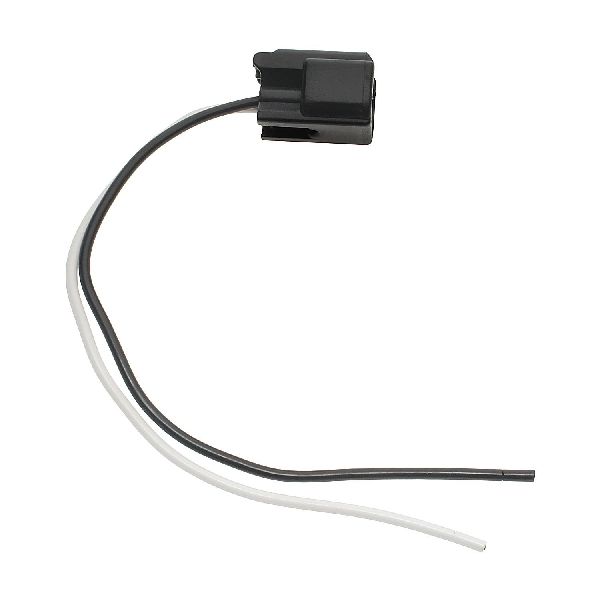
- Canister Purge Valve Solenoid Resistance — expected: 20-30 Ohms. Failure: An open circuit (infinite resistance) or a short (near zero ohms) indicates a failed solenoid coil within the valve.
- Purge Valve Connector Power Wire Voltage (Key On, Engine Off) — expected: Battery Voltage (approx. 11-14V). Failure: No voltage or significantly low voltage points to a blown fuse or an open in the power supply circuit.
- Scan Tool PID: EVAP Canister Purge Commanded Duty Cycle — expected: 0% at idle, increasing with engine speed and load.. Failure: If the scan tool commands 0% but you can feel vacuum at the valve port, the valve is mechanically stuck open.
Scan Tool Commands That Help
- Ford IDS / FORScan: KAM (Keep Alive Memory) Reset — After replacing a component like a MAF sensor or purge valve, performing a KAM reset clears the PCM's learned adaptive fuel trim values. This forces the computer to start fresh and relearn based on the new, functional parts, which can resolve persistent codes after a repair.
- Ford IDS / FORScan: EVAP System Test — This is a guided diagnostic function that commands the purge valve and vent solenoid to open and close while monitoring the fuel tank pressure sensor. It can confirm if the purge valve is responding to commands or is stuck.
Wiring & Ground Locations
- G104 / G105 — Located in the left front of the engine compartment, often near the battery junction box or under the battery tray.. These are primary engine compartment ground points. A corroded or loose connection here can cause erratic voltage for the PCM and various sensors (like O2, MAF, and fuel pressure sensors), leading to incorrect readings and false rich/lean codes.
- Purge Valve Connector (C158) — On the purge valve itself, which is part of a hose assembly located on the passenger side of the engine.. This is the primary point for electrical testing of the purge valve. Pin 1 (typically Violet/Red wire) should have battery voltage with the key on. Pin 2 (typically Yellow/Violet wire) is the control wire that the PCM pulses to ground to open the valve.
- PCM (Powertrain Control Module) — Located in the right rear of the engine compartment, near the firewall.. This is where all sensor signals are processed and actuator commands originate. Verifying clean, secure connections at the PCM is a last-resort step if wiring issues are suspected between a sensor and the computer.
Real Owner Repair Stories
- fordedgeforum.com (2016 Ford Edge 2.0L EcoBoost) — Check Engine Light with codes P0172 and P1450.
❌ Tried (didn't work) Initial diagnosis pointed towards the common causes.
✅ What actually fixed it The owner replaced the EVAP canister purge valve. The check engine light went off and did not return, confirming the faulty valve was the cause for both codes.
OEM Part Supersession History
F2GZ-9D289-A→Not explicitly superseded, but this is a part number for the purge valve *and hose assembly* for 2015-2018 models.— Component update/revision.
Heads up: The valve itself (AU5Z-9C915-B) is often serviced separately, but on some models, the entire hose assembly is replaced. It's crucial to verify by VIN if you need just the valve or the full assembly (F2GZ-9D289-A).
Model Year Variations Within This Range
- 2015-2018: The 2.0L EcoBoost in these years is a twin-scroll turbo design, an update from the prior generation. While the P0172 causes are similar, this engine was noted in TSBs for potential coolant intrusion issues (a more serious problem), which could present with misfires alongside other codes.
Diagnostic Flowchart
Other Known Issues on This Vehicle
Issues unrelated to this code that are worth knowing about as an owner of this generation:
- Engine Coolant Intrusion 🔴 High — Affects a notable percentage of 2015-2018 2.0L EcoBoost engines. Often presents as unexplained coolant loss, white exhaust smoke, and engine misfires. (Ref: TSB 19-2346 / TSB 21-2338)
- Torque Converter Failure / Transmission Shudder 🟠 Medium — Commonly reported as a shudder or vibration during light acceleration or between shifts, particularly in 2017-2019 models. Can require torque converter replacement. (Ref: Recall 17S16 (for certain 2017 models))
- Panoramic Vista Roof Leaks/Rattles 🟡 Low — Leaks are often caused by clogged drain tubes. The mechanism can also develop rattles or fail to close properly without regular cleaning and lubrication of the tracks.
- Carbon Buildup on Intake Valves 🟠 Medium — An inherent issue with all direct injection (GDI) engines. Over time (typically 60k+ miles), buildup can cause rough idle, hesitation, and reduced performance. Requires periodic walnut blasting or chemical cleaning.
Used vs. New Parts: Buying Guide for This Vehicle
When a used part is the smart pick: For expensive electronic modules like a PCM or a complex sensor assembly, a used OEM part from a low-mileage donor can sometimes be a better value than a new aftermarket part. However, for the common causes of P0172 on this vehicle, new parts are strongly recommended.
Donor-vehicle mileage cap: roughly under 75000 miles for the part to have meaningful remaining life.
What to inspect on the donor part:
- Check for signs of physical damage, corrosion on connectors, or heat stress on plastic components.
- For engine components, look for a donor vehicle with no signs of front-end collision or fire.
- Verify the part number on the used component matches the required OEM part number exactly.
OEM-only on this vehicle (don't cheap out):
- EVAP Canister Purge Valve: Given the high failure rate and critical function, the OEM Motorcraft part is highly recommended. Aftermarket versions have inconsistent reports of fitment and longevity.
Aftermarket brands forum-validated for this vehicle:
- Bosch or Denso/NTK for Oxygen Sensors
- Bosch for High-Pressure Fuel Pump
Brands owners have reported issues with on this vehicle:
- Unbranded/white-box purge valves from online marketplaces are frequently cited on forums as failing quickly or having poor connector fitment.
- Some users report issues with Dorman purge valves having connectors that do not clip in securely, though others have used them successfully.
Real Owner Stories
Aggregated from forums and TSBs cited above. Mileages and costs reflect what owners reported in those sources.
2012 Ford Edge 2.0L EcoBoost
Symptoms: Owner reported a code specifically for the canister purge valve, indicating a long-standing platform issue.
What fixed it: Replacement of the canister purge valve.
Source hint: fordedgeforum.com
Related OBD-II Codes
Frequently Asked Questions
Is there a specific TSB for the P0172/P1072 rich condition on the Ford Edge's platform mates?
What is the recommended replacement part for the EVAP purge valve on my 2.0L EcoBoost Edge?
I'm experiencing a rough idle specifically after refueling my Edge; is this related to the P0172 code?
Could the coolant intrusion issue on the 2015-2018 2.0L EcoBoost cause this rich code?
How can I tell if my high-pressure fuel pump is leaking into the engine?
Is there a software update for the PCM that addresses false rich codes?
Helpful Videos

Used OEM Parts in Stock
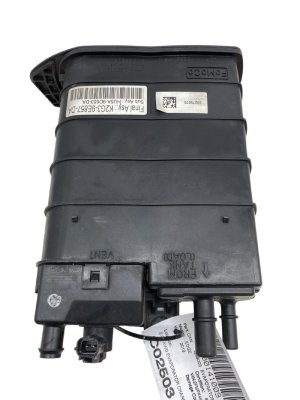

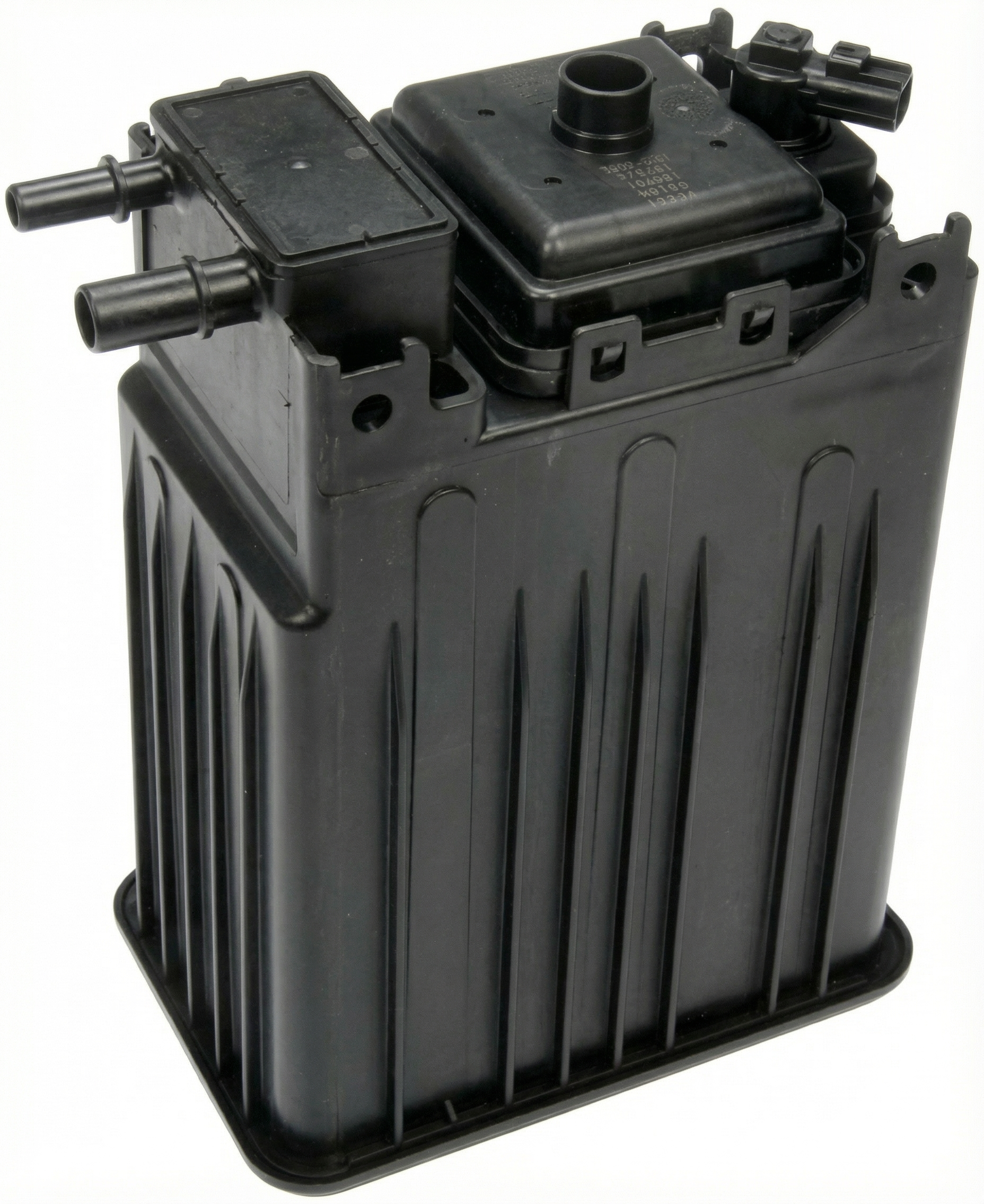
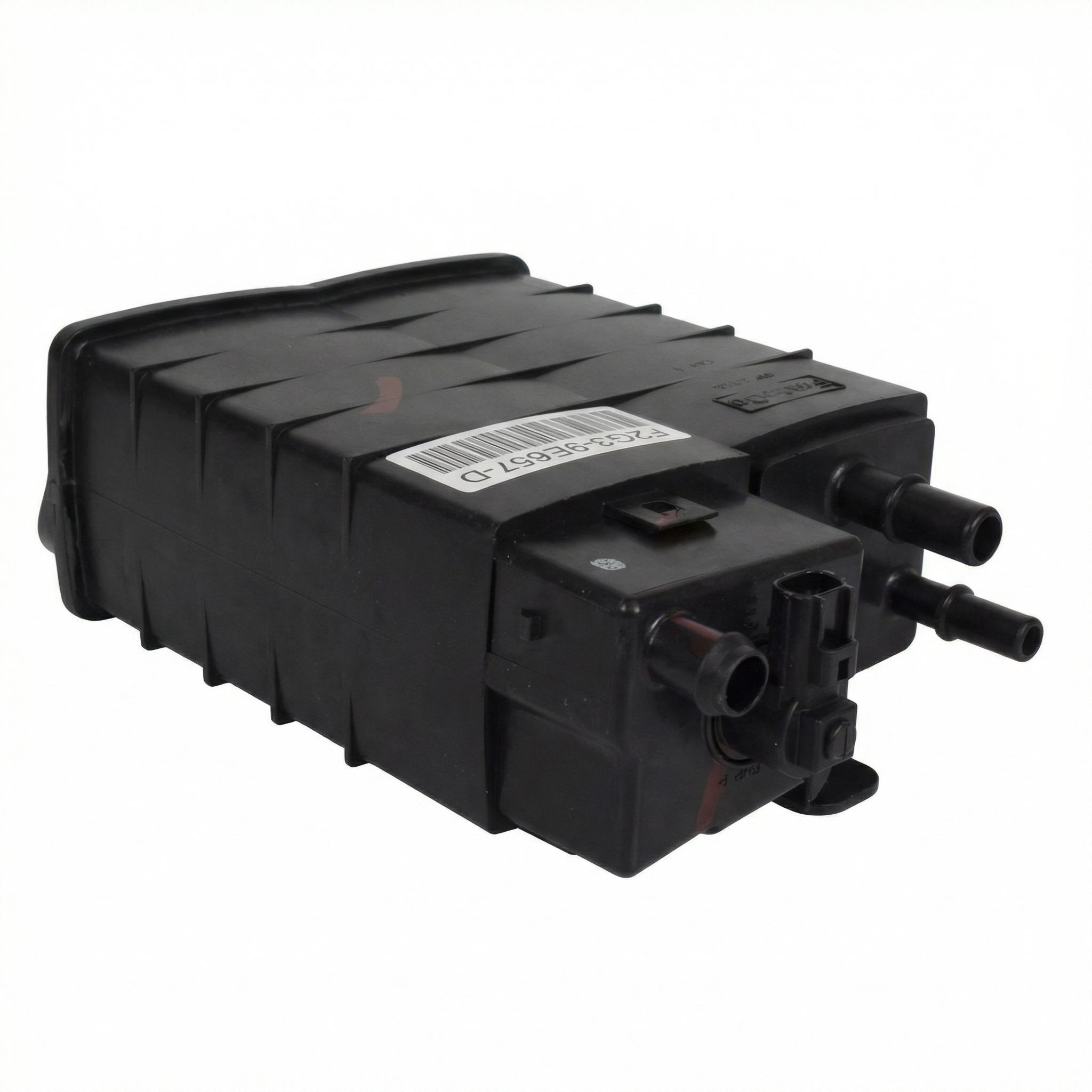
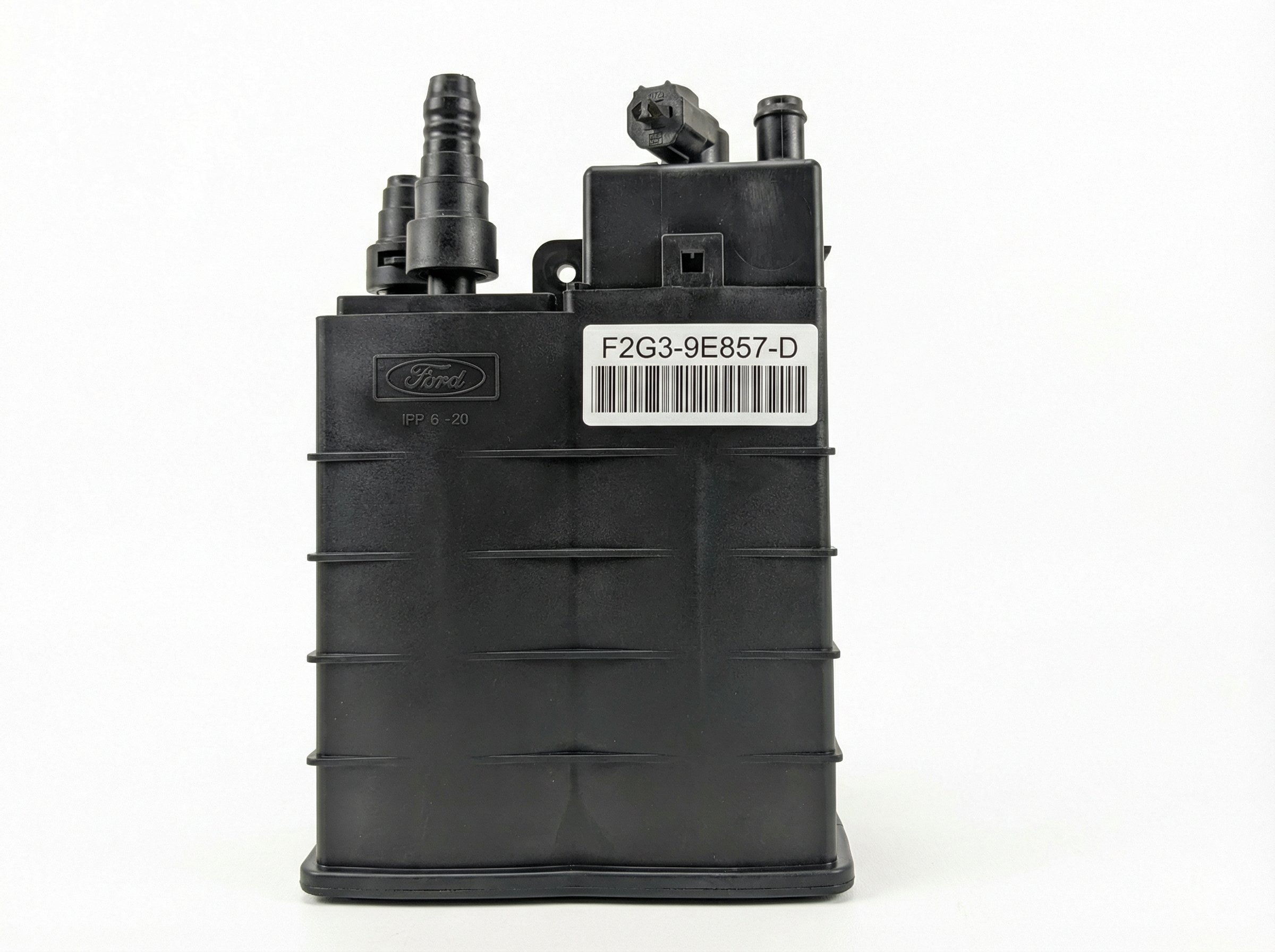
New Aftermarket Parts Available


The information in this article is provided for general reference and educational purposes only. Vehicle specifications, procedures, and part compatibility can vary by production date, trim level, and region. Always consult your vehicle's factory service manual and verify part numbers before purchasing or performing repairs. Safety-critical components such as airbags, seat belts, and braking systems should be installed by a qualified professional.
- Ford Edge:
- 🧭 Diagnostic Flowchart
- 🎬 Helpful Videos
- 🛍️ Shop This Part
- What's Unique About the 2015-2018 Ford Edge
- Symptoms You May Notice
- Most Likely Causes
- Rare But Worth Checking
- Diagnosis Steps
- Parts You'll Likely Need
- Related Codes That Often Appear With This One
- Technical Service Bulletins (TSBs) & Recalls
- Platform-Specific Known Issues
- Mechanic-Grade Diagnostic Values
- Scan Tool Commands That Help
- Wiring & Ground Locations
- Real Owner Repair Stories
- OEM Part Supersession History
- Model Year Variations Within This Range
- Other Known Issues on This Vehicle
- Used vs. New Parts: Buying Guide for This Vehicle
- Real Owner Stories
- 2012 Ford Edge 2.0L EcoBoost
- Related OBD-II Codes
- Frequently Asked Questions
- 🎟️ Get 5% Off