

OBD-II Code P1091: A Manufacturer-Specific Powertrain Fault
The Ultimate Guide to P1091: Causes, Symptoms, and Advanced Diagnostics for Subaru, Nissan, BMW, and More
- P1091 is a manufacturer-specific code requiring completely different repairs depending on whether you drive a Subaru (TGV), Nissan/Infiniti (VVEL), BMW/VW (Fuel Trim), or Hyundai/Kia (Fuel Pressure).
- Nissan and Infiniti owners must test the VVEL actuator motor relay and its associated fuse for internal resistance before replacing any $1,000+ modules.
- Subaru vehicles log P1091 when the Tumble Generator Valve (TGV) motor fails or carbon buildup physically jams the valve flaps closed.
- BMW, MINI, and VW engines trigger P1091 when running excessively rich, most frequently caused by a failing upstream oxygen sensor that requires replacement.
- Hyundai and Kia GDI engines typically throw P1091 due to a damaged or corroded fuel rail pressure sensor wiring harness rather than a failed sensor.
What Does P1091 Mean?
P1091 is a manufacturer-specific diagnostic trouble code (DTC) with definitions that change depending on the vehicle brand. For Subaru, it indicates a fault with the Tumble Generator Valve (TGV) system controlling cold-start emissions. For Nissan and Infiniti, it points to a power supply issue in the Variable Valve Event and Lift (VVEL) system. On BMW, MINI, and Volkswagen vehicles, it signifies the engine is running too rich in the pre-catalyst stage. For Hyundai and Kia models with GDI engines, it relates to a performance problem in the fuel rail pressure sensor circuit.
Technical definition: The official SAE/OBD-II definition for P1091 varies significantly by manufacturer. Common definitions include: - **Subaru:** Tumble Generator Valve (TGV) #1 (Right Hand) Malfunction (Stuck Close). - **Nissan/Infiniti:** VVEL Actuator Motor Relay Circuit. - **BMW/MINI:** Pre-Catalyst Fuel Trim Too Rich (Bank 1). - **Volkswagen:** Pre-Catalyst Fuel Trim Too Rich, Bank 2. - **Hyundai/Kia:** Fuel Rail Pressure Sensor 1 Circuit Range/Performance.
Can I Drive With P1091?
Yes, But With Caution. You can usually drive, but engine performance is severely compromised. On Nissan and Infiniti vehicles, the car enters a severe 'limp mode,' making it unsafe to keep up with traffic. On BMW, MINI, and VW models, driving with a persistent rich fuel condition overheats and destroys the catalytic converter, a repair costing $1,200 to $3,000. Diagnose the issue promptly to prevent further damage.
Common Causes
- Faulty VVEL Actuator Motor Relay (Nissan/Infiniti) (Very Common) — For Nissan and Infiniti vehicles, the most frequent cause is a failed relay supplying power to the VVEL system. This is an inexpensive part and a notorious failure point.
- Faulty Tumble Generator Valve (TGV) Motor or Sensor (Subaru) (Very Common) — On Subarus, the small electric motor actuating the TGV flaps fails, or the integrated position sensor stops reporting the correct position, causing the valve to register as stuck. 🎬 See this step-by-step guide to reinstalling and fixing Subaru TGV valves.
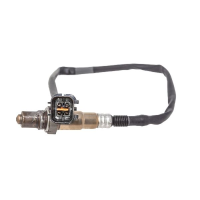
- Failing Pre-Catalyst Oxygen (O2) Sensor (BMW/MINI/VW) (Common) — On BMWs, MINIs, and Volkswagens, a degrading front oxygen sensor sends inaccurate data to the ECU, falsely indicating a rich fuel mixture and causing the computer to reduce fuel delivery.
- Damaged Fuel Rail Pressure Sensor Wiring (Hyundai/Kia) (Common) — On Hyundai/Kia GDI engines, the wiring harness to the fuel rail pressure sensor sustains damage from heat and vibration, causing intermittent open circuits or shorts. This is the true culprit more often than the sensor itself. 🎬 Watch: Diagnosing fuel rail pressure sensor codes on Hyundai and Kia models.
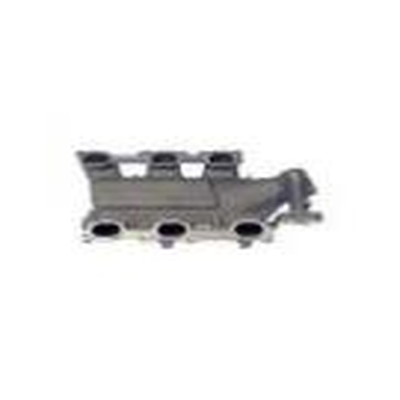
- Carbon Buildup on TGV Flaps (Subaru) (Common) — Carbon deposits from the crankcase and EGR systems accumulate on the TGV flaps and intake walls, physically preventing them from moving freely and causing them to stick.
- High-Resistance Fuse (Nissan/Infiniti) (Less Common) — A fuse for the VVEL system develops high internal resistance (e.g., 2-3 ohms) without completely blowing. This allows some voltage through, confusing diagnostics, but fails to properly power the system under load. Visual inspection cannot rule this out.
- Vacuum Leaks (BMW/VW) (Less Common) — A cracked, split, or disconnected vacuum hose introduces unmetered air into the intake, paradoxically leading to a rich code as the ECU overcompensates. This is a known issue on BMWs.
- Faulty Fuel Rail Pressure Sensor (Hyundai/Kia) (Less Common) — While wiring is the primary issue, the fuel rail pressure sensor itself fails and provides incorrect readings to the ECU.
- Faulty VVEL Control Module or Wiring (Nissan/Infiniti) (Rare) — The electronic module controlling the VVEL system fails, or the wiring to it becomes damaged or corroded, leading to a loss of power.
- Leaking Fuel Injectors (BMW/MINI/VW) (Rare) — A fuel injector stuck open continuously drips excess fuel into the cylinder, causing a rich condition and this code, often accompanied by a rough idle on cold starts.
- Failing High-Pressure Fuel Pump (HPFP) (BMW) (Rare) — On direct-injection BMW engines, the HPFP fails internally, leaking fuel into the engine oil. This fuel vapor recirculates through the PCV system into the intake, creating a rich condition.
Symptoms
- Check Engine Light is On — The Malfunction Indicator Lamp (MIL) illuminates on the dashboard. On Subaru models, this is accompanied by a flashing cruise control light.
- Reduced Engine Power / Limp Mode — The vehicle feels sluggish and struggles to accelerate. Nissan and Infiniti vehicles enter a severe 'limp mode,' limiting engine RPM to 1200-2000 to protect the engine.
- Rough Idle or Stalling — The engine runs unevenly, shakes at a stop, or stalls completely, particularly during cold starts on Subaru models or after stopping on affected BMWs.
- Poor Fuel Economy — An incorrect air-fuel mixture or inefficient engine operation leads to a noticeable decrease in gas mileage.
- Hard Starting — The vehicle takes longer than usual to start or requires multiple cranks, especially with fuel pressure or rich mixture issues.
- Audible Clicking or Whirring Noises — On Subarus, you hear the TGV motors cycling or clicking when the ignition turns on. On Nissans/Infinitis, a faulty VVEL system produces abnormal noises from the back of the engine.
Diagnostic Flowchart
Tap your situation to follow the diagnostic path that matches what you're seeing on this code.
Common Fixes & Costs
- Replace VVEL Actuator Motor Relay (Nissan/Infiniti) — Parts: $15-$50, Labor: $50-$150 (often part of a diagnostic fee, as replacement takes minutes), ~0.2 hr book time (DIY)
- Replace Tumble Generator Valve (TGV) Motor/Assembly (Subaru) — Parts: $150-$300, Labor: $300-$450, ~2.5 hr book time (Intermediate)
- Replace Pre-Catalyst Oxygen (O2) Sensor (BMW/MINI/VW) — Parts: $150-$300, Labor: $150-$400 (labor is higher if the sensor is seized), ~1.5 hr book time (Intermediate)
- Repair Fuel Rail Pressure Sensor Wiring (Hyundai/Kia) — Parts: $5-$20 (for wiring repair supplies), Labor: $150-$350 (for diagnosis and repair), ~1.8 hr book time (Intermediate)
- Replace High-Pressure Fuel Pump (HPFP) (BMW) — Parts: $400-$800, Labor: $200-$400, ~2.2 hr book time (Professional)
- Replace VVEL Control Module (Nissan/Infiniti) — Parts: $50-$400 (Used), $1600+ (New), Labor: $200-$400 (requires dealer-level programming), ~2 hr book time (Professional)
DIY vs Professional
- Replace VVEL Actuator Motor Relay (Nissan/Infiniti) 🟢 Beginner
Tools: None, or a small fuse/relay puller. - Replace Tumble Generator Valve (TGV) Motor/Assembly (Subaru) 🟢 Beginner
Tools: Socket set, torque wrench, pliers, screwdrivers. Intake manifold gaskets should be replaced. - Replace Pre-Catalyst Oxygen (O2) Sensor (BMW/MINI/VW) 🟢 Beginner
Tools: O2 sensor socket set (22mm), various ratchets and extensions, torque wrench, penetrating oil, basic hand tools to remove engine covers and belly pans. - Repair Fuel Rail Pressure Sensor Wiring (Hyundai/Kia) 🟢 Beginner
Tools: Multimeter, wire strippers, wire crimpers or soldering iron, heat gun, automotive-grade wire, heat-shrink connectors. - Replace High-Pressure Fuel Pump (HPFP) (BMW) 🟢 Beginner
Tools: Specialized fuel line disconnect tools, torque wrench, basic hand tools. - Replace VVEL Control Module (Nissan/Infiniti) 🟢 Beginner
Tools: Basic hand tools, plus a dealer-compatible diagnostic scan tool for programming.
Used vs. New Parts: Buying Guide
When a used part is worth it: For high-cost electronic modules like the Nissan VVEL Control Module, a used part from a reputable salvage yard with a warranty offers significant savings. For mechanical parts like a Subaru TGV assembly, a low-mileage donor is a viable option.
Donor-vehicle mileage cap: roughly under 80000 miles for the part to have meaningful remaining life.
Donor quality checklist:
- Verify the part number matches exactly.
- For electronic parts, ensure the donor vehicle was not scrapped due to electrical or flood damage.
- Obtain a part with at least a 30-90 day warranty.
Decision logic:
- If The part is a simple relay or sensor under $100 new (e.g., Nissan VVEL relay, most aftermarket O2 sensors) → Buy new. The risk and hassle of a used part failing are not worth the minimal savings.
- If The part is an expensive electronic module (>$800 new) → A used part with a warranty is a reasonable choice, but be aware of potential programming costs.
- If The part is a known wear item with a finite lifespan (e.g., Oxygen Sensor) → Strongly favor new. A used O2 sensor has unknown remaining life and performs poorly even if it works.
Warranty tradeoff: Used parts typically come with a 30-90 day functional warranty. New aftermarket parts often have a 1-year to limited lifetime warranty. New OEM parts carry a 1-2 year warranty.
Worst-case if a used part fails: $300-$600 if a used part fails after installation, primarily due to repeated diagnostic and labor costs.
What Happens If You Wait — Timeline
- 0-1 month: Code P1091 appears. For Nissan/Infiniti, intermittent limp mode occurs. For BMW/VW, a subtle drop in fuel economy begins. For Subaru, a slightly rough cold start is noticeable. (MPG impact: 0-5%% · Added cost: $0)
- 1-4 months: For Nissan/Infiniti, limp mode becomes more frequent and less predictable, creating a safety hazard. For BMW/VW, the rich condition soots up spark plugs and the catalytic converter runs hotter than normal. MPG loss is noticeable. (MPG impact: 5-10%% · Added cost: $50-$150 in wasted fuel and fouled spark plugs.)
- 4-8 months: For BMW/VW, the catalytic converter substrate begins to melt from sustained exposure to unburned fuel, leading to a permanent loss of efficiency and eventual blockage. For Subaru, heavy carbon buildup risks breaking off and causing damage to valve seats or the turbocharger. (MPG impact: 10-20%% · Added cost: $1,200-$3,000 (catalytic converter replacement is now likely required).)
- 8+ months: Catastrophic failure. On BMW/VW, the catalytic converter is completely clogged, causing severe backpressure that leads to engine damage. On Nissan/Infiniti, continued driving with a VVEL electrical fault stresses mechanical components. On all makes, multiple secondary codes for O2 sensors, misfires, and catalyst efficiency are present. (MPG impact: 20-40%+% · Added cost: $2,000-$4,000+ (includes catalytic converter, O2 sensors, and potential engine diagnosis/repair).)
Cost of Not Fixing It
- 0-1 month: Reduced fuel economy (5-15% drop) and potential for intermittent limp mode or stalling, creating a safety hazard. (Added cost: Negligible, other than increased fuel costs.)
- 1-6 months: For rich-running conditions (BMW/VW), the catalytic converter overheats from burning excess fuel, leading to irreversible damage to the internal substrate. (Added cost: $1,200-$3,000+)
- 6+ months: Prolonged rich conditions foul spark plugs and oxygen sensors, requiring replacement. On Nissan/Infiniti, continued operation with a VVEL fault causes mechanical wear on valvetrain components. (Added cost: $300-$800)
Diagnosis Steps
- Scan for All Diagnostic Trouble Codes (DTCs)
Use an OBD-II scanner to read all present codes. P1091 is often accompanied by specific codes that guide your diagnosis. Subaru TGV codes like P2006, Nissan VVEL codes like P1090, or BMW timing codes like P0012 provide critical context.
Tools: OBD-II Scanner (Beginner) - PRO TIP: Test the VVEL Relay and Fuse (Nissan/Infiniti)
Locate the VVEL actuator motor relay in the IPDM (Intelligent Power Distribution Module). Swap it with an identical, known-good relay (like the cooling fan relay) to see if the problem resolves. Remove the associated fuse and test it with a multimeter set to Ohms. A good fuse reads near 0.0 Ω. If it reads 1.0 Ω or higher, it has internal resistance and must be replaced.
Tools: Multimeter, Fuse puller (Beginner) - PRO TIP: Analyze Fuel Trims (BMW/MINI/VW)
Use a scan tool with live data capability to monitor Short-Term (STFT) and Long-Term Fuel Trim (LTFT) for Bank 1 (or Bank 2 for VW). For a P1091 rich code, the ECU attempts to compensate by pulling fuel. Look for a significantly negative LTFT value, typically -10% or lower at idle. This confirms the rich condition and points towards a faulty O2 sensor, leaking injector, or failing HPFP.
Tools: OBD-II Scanner (with Live Data) (Intermediate) - Test the Tumble Generator Valve (Subaru)
With the ignition on (engine off), listen for the TGV motors cycling. An advanced scanner commands the valves to open and close to test function. To test the sensor, back-probe the signal wire at the TGV connector. The voltage must change smoothly as the valve moves through its range (typically between ~0.5V and ~4.5V). A jumpy or non-responsive voltage indicates a bad sensor.
Tools: OBD-II Scanner (with bidirectional controls), Multimeter (Intermediate) - PRO TIP: Test Fuel Rail Pressure Sensor Circuit (Hyundai/Kia)
Disconnect the fuel rail pressure sensor. With key on, engine off, use a multimeter to verify the connector has a 5-volt reference wire and a good ground wire (near 0.0V). Check for continuity on the signal wire from the sensor connector back to the PCM connector while gently wiggling the harness; a fluctuating reading indicates an intermittent break. Back-probe the signal wire: voltage should be approximately 0.5V at KOEO, 1.3V at idle, and increase smoothly under load.
Tools: Multimeter, Wiring diagram, OBD-II Scanner (with Live Data) (Advanced) - Test the Oxygen Sensor Voltage (BMW/MINI/VW)
Using a scan tool's live data graph, monitor the voltage of the upstream (pre-catalyst) O2 sensor. A healthy zirconia sensor fluctuates rapidly and consistently between approximately 0.1V and 0.9V. If the sensor is stuck high (e.g., above 0.8V) or responds very slowly, it has failed and is causing the rich code.
Tools: OBD-II Scanner (with graphing) (Intermediate) - Perform a Detailed Visual Inspection
Carefully inspect all vacuum hoses for cracks, swelling, or disconnections, especially around the intake manifold on BMWs. Check the wiring harnesses and connectors going to the TGV motors (Subaru), VVEL components (Nissan/Infiniti), O2 sensors (BMW/MINI), and fuel rail pressure sensor (Hyundai/Kia) for any signs of melting, corrosion, or loose pins.
Tools: Flashlight, Inspection mirror (Beginner) - ADVANCED: Check Fuel Pressure and Injectors (BMW/MINI/VW)
Using a scan tool, monitor fuel pump readings. The Low-Pressure Fuel Pump (LPFP) must maintain a steady 72 PSI. The High-Pressure Fuel Pump (HPFP) should read 700-750 PSI at idle and exceed 2,000 PSI under acceleration. If pressures are normal but the engine runs rich, let the car sit overnight and remove the spark plugs; a wet or dark plug indicates a leaking injector.
Tools: OBD-II Scanner (with Live Data), Basic hand tools, Spark plug socket (Advanced)
When This Code Triggers (Freeze-Frame Conditions)
- Engine Coolant Temp: 170-210°F (77-99°C) (Fully warmed up. The ECU needs to be in closed-loop operation to accurately assess fuel mixture or component performance.)
- Engine RPM: 1500-2500 RPM (Steady cruise or light acceleration. The fault is logged when the system is under a stable load, not during idle or heavy acceleration.)
- Engine Load: 25-60% (Partial throttle application, consistent with maintaining speed on a level road or slight incline.)
- Vehicle Speed: 40-65 mph (65-105 kph) (Highway or steady arterial driving, where the systems are expected to be stable.)
Related Codes
- P2004, P2005, P2006, P2007 — Specific Subaru codes for the Tumble Generator Valves (TGV) being stuck open (P2004/P2005) or stuck closed (P2006/P2007). P1091 is a general TGV 'stuck closed' code for bank 1. If you have P2006, it confirms the bank 1 TGV is stuck closed.
- P1090, P1092, P1093 — On Nissan/Infiniti, P1091 specifically faults the VVEL actuator motor relay circuit. The other codes point to different VVEL system issues: P1090 (Control Module Power Supply), P1092 (Actuator Motor - Bank 2), and P1093 (Sensor - Bank 2).
- P0172, P0175 — On BMWs/MINIs/VWs, P1091 is a manufacturer-specific version of the generic 'System Too Rich' codes (P0172 for Bank 1, P0175 for Bank 2). The presence of P1091 alongside these codes strongly confirms a rich running condition.
- P0191, P0193 — On Hyundai/Kia vehicles, P1091 is used interchangeably with the generic code P0191 (Fuel Rail Pressure Sensor Circuit Range/Performance). P0193 indicates the sensor circuit voltage is high. Seeing these together strongly points to a wiring issue.
Climate & Environmental Factors
- Extreme Cold: On Nissan/Infiniti models, temperatures below -20°F (-30°C) cause aging VVEL power relays to fail, triggering an intermittent P1091 that disappears in warmer weather.
- Humidity & Cold Cycles: On Subaru models, humid climates or large temperature swings exacerbate condensation in the EGR system. This moisture causes the Tumble Generator Valve (TGV) shaft to corrode and seize.
- High Altitude: Lower air density at high altitude forces the ECU to adjust fuel maps. This amplifies underlying issues like a lazy oxygen sensor or minor vacuum leak, triggering a fuel-trim-related code on BMW/VW models.
How to Talk to a Mechanic About This Code
Say this: "I have a P1091 code on my [Make]. Based on my research, I'd like the diagnostic to start by specifically checking the [VVEL relay and fuse for Nissan/Infiniti | TGV motor and for carbon on Subaru | pre-cat O2 sensor and fuel trims for BMW | fuel rail pressure sensor wiring for Hyundai]."
This signals you are an informed customer and directs the technician to the most common, inexpensive failure point first. It prevents them from starting a broad, time-consuming diagnostic that leads to upselling unnecessary parts.
Avoid saying:
- 'Just fix whatever's wrong'
- 'My check engine light is on, can you look at it?' (too vague — invites upsell)
- 'My friend said it might be the...' (Stick to the code and the common fixes)
Questions to ask before authorizing the repair:
- Can you show me the test results confirming this part failed? (e.g., the bad relay, the O2 sensor graph, the resistance reading on the fuse).
- If the proposed fix is expensive (e.g., VVEL module, wiring harness), have all the simpler causes been definitively ruled out?
- What is the warranty on this specific repair, covering both the part and your labor?
Where to Take It: Dealer vs Independent vs Chain
- Dealer:
Best for: Vehicles still under powertrain or emissions warranty., Known software issues or TSBs (e.g., early G37 VVEL reflash)., Complex electronic issues where an independent shop is stumped.
Downsides: Significantly higher labor rates (1.5-2x)., Often recommends replacing an entire assembly when only a small component failed. (Typical cost: +50% vs. baseline) - Independent Shop:
Best overall fit for most P1091 scenarios, especially for out-of-warranty vehicles. A brand-specialist independent shop offers the best balance of expertise and value.
Best for: Out-of-warranty vehicles where cost is a factor., Diagnosing and fixing the most common P1091 causes (Nissan relay, BMW O2 sensor, Subaru TGV)., Wiring repairs (Hyundai/Kia), which dealers often refuse to perform.
Downsides: Quality varies; choose a shop specializing in your vehicle's brand (e.g., a German car specialist for a BMW). (Typical cost: +0% vs. baseline) - Chain Shop:
AVOID for diagnosis. High risk of misdiagnosis and being sold unnecessary parts. Only use if you are 100% certain of the failed part and just need labor.
Best for: Simple, directed parts replacement IF you have already diagnosed the issue (e.g., 'Please replace the VVEL relay').
Downsides: Technician skill varies dramatically; they rarely correctly diagnose a manufacturer-specific code like P1091., High pressure to upsell services like fuel system cleanings that do not fix the root cause. (Typical cost: -10% vs. baseline)
When to Walk Away From the Repair
Sell or trade the vehicle if the estimated repair cost exceeds 50% of its private-party value.
- Car worth $8000, fix is $350: Fix it. A common P1091 repair (like a relay or sensor) is a minor cost relative to the car's value.
- Car worth $4000, fix is $2200: Walk away. This repair cost suggests a worst-case scenario (e.g., a damaged catalytic converter on a BMW or a failed VVEL module on an Infiniti). The repair cost is over 50% of the car's value.
- Car worth $5000, fix is $7000: Walk away immediately. This quote (e.g., a full wiring harness replacement from a dealer) is financially unsound. Get a second opinion from an independent specialist before scrapping the car.
What Scan Tool You Need for This Code
Minimum: A scanner that reads and graphs live data, especially for fuel trims (BMW/VW) and sensor voltages (Hyundai/Kia). A basic code reader is not sufficient for diagnosis.
A $20 code reader only provides the 'P1091' code without the live data required to pinpoint a sensor, wiring, or mechanical failure. Relying on basic readers leads to guessing and replacing the wrong parts.
Budget: BlueDriver Pro / OBDLink MX+ (~$100) — These Bluetooth scanners connect to your smartphone and display the live data (fuel trims, O2 sensor voltage, fuel pressure) needed to diagnose rich conditions on a BMW or sensor circuit issues on a Hyundai.
Mid-range: Foxwell NT510 Elite / Kingbolen K7 (~$200) — Provides manufacturer-specific diagnostics and bidirectional controls. This allows you to command the Subaru TGV motors to cycle for testing, a feature missing on cheaper scanners.
Professional: Autel MaxiCOM MK808 / Launch X431 (~$500-1200) — Offers full, professional-level bidirectional controls, all-system access, and advanced diagnostic functions. Necessary for complex jobs like programming a new VVEL module on a Nissan/Infiniti.
Rent vs buy: AutoZone and other parts stores offer a loaner tool program where you pay a deposit for a basic scanner, refunded upon return. However, these are simple code readers. To diagnose P1091 correctly, you need live data, making the purchase of a budget-tier scanner a worthwhile investment.
How to Clear the Code After You Fix It
- Use an OBD-II scan tool to clear the diagnostic trouble codes.
- Perform a complete drive cycle to allow the vehicle's readiness monitors to run.
- Do not simply disconnect the battery, as this resets all monitors and fails to clear permanent codes.
Drive cycle (~20 minutes): A general drive cycle includes: a cold start (engine off for 8+ hours), idle for 2-3 minutes with electrical loads on (like A/C), accelerate to 55 mph and hold steady for 3-5 minutes, decelerate without braking to 20 mph, accelerate again to 55-60 mph and hold for 5 minutes, then come to a stop.
Readiness monitors affected: Catalyst Monitor, Oxygen (O2) Sensor Monitor, Evaporative (EVAP) System Monitor, Fuel System Monitor
Before emissions retest: drive at least 50 miles to fully set monitors.
Watch out for:
- Clearing the code without fixing the root cause results in the code returning.
- Not completing a full drive cycle leaves readiness monitors 'incomplete', causing an automatic emissions test failure even if the light is off.
- Some monitors, like the EVAP monitor, have specific requirements to run, such as fuel level being between 15% and 85%.
Will This Fail Emissions / State Inspection?
Yes — this code typically fails an OBD-II emissions inspection.
- California: An illuminated Check Engine Light is an automatic failure. After repair, all required readiness monitors must be 'complete' before a test can be passed. Driving 50-100 miles is typically required to set the monitors.
- New York: The NYS DMV inspection includes an OBD-II scan. An active P1091 code causes an automatic failure. The vehicle must be repaired and the monitors must be set before it can be re-inspected.
- Texas: In the 17 counties requiring emissions testing, an active Check Engine Light results in a failed OBD-II test. The underlying issue must be resolved for the vehicle to pass inspection.
Most Commonly Affected Vehicles
- Infiniti G37 / QX70 / EX37 / Q60 (2008-2015) — Extremely common issue due to VVEL relay failure. Early 2008-2009 models had a software issue resolved with a dealer reflash, though the relay is a more frequent cause.
- Subaru WRX / STI (2008-2021) — Very common for Tumble Generator Valve (TGV) motor failure or the valves sticking due to carbon. Prevalent across multiple engine generations.
- BMW 3-Series (E90, F30) / 1-Series (E82) / 5-Series (F10) (2006-2018) — Frequently triggers a 'rich fuel trim' code, most often caused by an aging pre-catalyst oxygen sensor. Less common causes include leaking fuel injectors or a failing HPFP.
- Subaru Forester / Outback / Legacy (2011-2018) — The FB series engines in these models experience TGV failure. TSB 02-182-19 notes that condensation from the EGR system causes corrosion on the TGV shaft.
- Nissan Patrol / Armada (2010-2022) — Similar to Infiniti models with the VK56VD engine, these vehicles experience P1091 due to faults in the VVEL power supply circuit, most often the relay or a related fuse.
- Hyundai Elantra / Sonata / Tucson (2011-2016) — On models with Gasoline Direct Injection (GDI) engines, P1091 is triggered by a faulty fuel rail pressure sensor or a damaged wiring harness leading to the sensor.
- MINI Cooper / Countryman (R56, R60) (2007-2016) — Triggered by a failing upstream oxygen sensor. Also related to VANOS solenoid or timing issues that indirectly affect the fuel mixture.
- Volkswagen Golf / Jetta / Passat / Tiguan / Touareg (2008-2017) — Indicates a 'fuel trim too rich' condition on Bank 2, pointing towards issues like a faulty oxygen sensor, leaking fuel injector, or a fuel pressure problem.
Manufacturer-Specific Notes
- Subaru: The Check Engine Light is accompanied by a flashing cruise control light and a solid brake light. This is Subaru's standard method of indicating a powertrain fault and disabling those systems as a precaution.
- Nissan/Infiniti: A failure in the VVEL power circuit puts the car into a very restrictive 'limp mode,' severely limiting engine power to protect the VVEL system. The issue is intermittent, sometimes clearing after a restart, only to return unexpectedly.
- BMW/MINI: This code is a classic early warning sign of a failing upstream (pre-catalyst) oxygen sensor. These sensors have a finite lifespan (typically 80k-120k miles) and their performance degrades over time, leading to incorrect fuel mixture calculations.
- Infiniti: On early G37 models (2008-2009), the P1091 code was caused by a software glitch in the VVEL module. A dealer reflash (software update) was the required fix.
- BMW: For N54 engines, BMW issued an extended warranty for the High-Pressure Fuel Pump (HPFP) to 10 years or 120,000 miles. A similar warranty was extended for fuel injectors on many of these models, which cause rich conditions when they fail.
- Hyundai: Hyundai's original 10-year/100,000-mile powertrain warranty covers fuel system components like the fuel pump or injectors for the first owner. Hyundai has also issued warranty extensions for HPFPs on certain performance models to 15 years/150,000 miles.
Real Owner Stories
2011 Infiniti G37 at 88K miles - The Easy Fix
Car suddenly went into limp mode (max 1200 RPM) with the Service Engine Soon light on.
What they tried:
- Read code P1091 (VVEL Actuator Motor Power).
- Cleared the code, but it returned instantly even without starting the car.
- Swapped the VVEL relay with an identical one in the IPDM.
- Tested the fuse associated with the VVEL circuit and found it had high resistance (3 ohms) despite looking visually intact.
Outcome: Replacing the faulty fuse resolved the issue completely, taking the car out of limp mode. The relay was not the problem, but a high-resistance fuse that was not supplying enough power.
Lesson: On a Nissan/Infiniti, always test the VVEL relay AND the fuse before suspecting the expensive VVEL module or motors. A simple multimeter test of the fuse's resistance saves hundreds in misdiagnosis.
2016 Subaru Forester at 18K km - A Misdiagnosis Story
All dashboard lights came on with engine misfires on all cylinders.
What they tried:
- Towed to the dealership, who diagnosed a faulty thermo control valve (covered by warranty).
- Dealership recommended an additional, expensive 'manual valve cleaning' for over $500, claiming it was necessary due to carbon buildup while the intake manifold was off.
Outcome: The owner questioned the necessity of the expensive cleaning service at such low mileage. The core issue was the warrantied part, and the valve cleaning was an upsell. While carbon buildup is a real issue for Subaru TGVs, it is addressed by independent shops for much less (e.g., walnut blasting for $300-$500) when actually needed.
Lesson: If a shop recommends an expensive service 'while they're in there' for a warranty repair, get a second opinion. A TGV-related code on a Subaru is often the valve/motor itself, not just carbon, especially on a low-mileage car.
2017 Hyundai Veloster - The Unusual Root Cause
Check engine light started flashing, car began to shake violently.
What they tried:
- Took the car to a dealership, assuming a simple misfire.
- Dealer diagnosed a damaged main wiring harness and quoted $10,000 for a full replacement, stating that Hyundai does not recommend splicing wires for safety systems.
Outcome: The owner opted to buy a new car. However, forum users noted this is a worst-case scenario. The actual problem was likely a single broken wire to a sensor, which an independent auto electrician repairs for a fraction of the cost by replacing a connector or carefully splicing the wire.
Lesson: For Hyundai/Kia P1091 codes pointing to a sensor circuit, a damaged wire is common. Don't immediately accept a full harness replacement quote from a dealer. An independent shop specializing in automotive electronics performs a safe and reliable wiring repair for $200-$500, saving thousands.
How to Prevent This Code From Triggering
- Perform a chemical intake cleaning for GDI engines (Subaru, Hyundai/Kia, BMW). (Every 10,000-15,000 miles.) — On GDI engines, fuel doesn't wash over the intake valves, allowing carbon from the PCV and EGR systems to build up. Using a PEA-based cleaner helps dissolve these deposits, preventing Subaru's TGVs from sticking and maintaining airflow.
- Use Top Tier certified gasoline. (Every fill-up.) — Top Tier fuels contain a higher concentration of detergents that keep fuel injectors clean and prevent deposits. This is crucial for preventing leaking injectors on BMWs and ensuring a clean burn to reduce carbon output on all GDI engines.
- Install an Air-Oil Separator (AOS) or high-quality catch can. (One-time installation.) — An AOS or catch can intercepts oil vapor from the PCV system before it enters the intake tract. This dramatically reduces the amount of oil and sludge that bakes onto intake valves and TGV flaps, directly combating the primary cause of carbon buildup.
- Replace upstream oxygen sensors as a maintenance item. (Every 80,000-100,000 miles.) — Oxygen sensors degrade with age, responding more slowly to changes in the air-fuel mixture. A lazy sensor causes the ECU to run the engine slightly rich, which over time overheats and damages the expensive catalytic converter. Proactive replacement on BMW/VW models prevents this failure.
- Ensure regular, longer drives at highway speeds. (At least once per week.) — Sustained engine operation at full operating temperature burns off moisture and light carbon deposits from the intake and exhaust systems. This prevents condensation-related corrosion on Subaru TGV shafts and keeps catalytic converters clean.
Frequently Asked Questions
What is the most common mistake when diagnosing P1091?
For Nissan/Infiniti, the biggest mistake is replacing the expensive VVEL Control Module before testing the inexpensive VVEL relay and fuse. For BMW/MINI, a common error is replacing fuel injectors when the root cause is a failing O2 sensor.
Can I just clear the P1091 code and keep driving?
You can clear the code, and it might not return immediately if it was an intermittent glitch. However, if there is an underlying fault, the code returns and the car re-enters limp mode at an inconvenient time.
What is a Tumble Generator Valve (TGV) on my Subaru?
It is a set of butterfly valves in the intake manifold that close during a cold start. This action forces the incoming air to 'tumble,' improving fuel atomization and air-fuel mixing. This results in a stable combustion process and cleaner emissions until the engine warms up.
What is the VVEL system on my Infiniti?
VVEL stands for Variable Valve Event and Lift. It is a mechanical system that continuously changes how far the intake valves open, allowing the engine to control airflow more precisely than a traditional throttle body. This improves throttle response, fuel efficiency, and power output.
Why does my Infiniti go into 'limp mode' with code P1091?
Limp mode is a pre-programmed safety feature. Because the VVEL system directly controls engine airflow, a power fault causes unpredictable engine behavior. The ECU severely limits power to prevent engine damage and allow you to safely pull over.
Can a bad battery cause a P1091 code?
While a weak battery causes strange electrical issues, it is not a direct cause for P1091. The code points to a fault in a specific component's circuit (like the VVEL relay or TGV motor) rather than a general low-voltage condition. Ensuring your battery is healthy is always a good first step.
Can extreme weather cause a P1091 code?
Yes, particularly on Nissan/Infiniti vehicles. Owners report the P1091 code appearing only during periods of extreme cold (below -20°F / -30°C). This suggests an aging VVEL relay fails to function correctly at very low temperatures.
What do 'fuel trims' mean in relation to P1091 on a BMW?
Fuel trims are the adjustments the engine computer makes to the amount of injected fuel. A P1091 'rich' code means the O2 sensor detects too much unburned fuel, so the ECU creates a negative fuel trim (e.g., -15%) to inject less fuel. Seeing a large negative LTFT confirms the rich condition.
Is a TGV delete a good fix for P1091 on a Subaru?
A 'TGV delete' removes the valves entirely, permanently preventing them from sticking. However, it is intended for off-road applications, causes emissions test failures, and requires a custom engine tune. For a street-driven vehicle, repairing the TGV system is the correct approach.
Key Takeaways
- P1091 is a manufacturer-specific code requiring completely different repairs depending on whether you drive a Subaru (TGV), Nissan/Infiniti (VVEL), BMW/VW (Fuel Trim), or Hyundai/Kia (Fuel Pressure).
- Nissan and Infiniti owners must test the VVEL actuator motor relay and its associated fuse for internal resistance before replacing any $1,000+ modules.
- Subaru vehicles log P1091 when the Tumble Generator Valve (TGV) motor fails or carbon buildup physically jams the valve flaps closed.
- BMW, MINI, and VW engines trigger P1091 when running excessively rich, most frequently caused by a failing upstream oxygen sensor that requires replacement.
- Hyundai and Kia GDI engines typically throw P1091 due to a damaged or corroded fuel rail pressure sensor wiring harness rather than a failed sensor.
Helpful Videos
![O2 Sensor Replacement Fixed Rough Idle & Limp Mode of E90 M3 [ENG SUB]](https://img.youtube.com/vi/9n33de17WiI/mqdefault.jpg)
Shop the Parts Behind P1091
Below are the parts most often responsible for code P1091, ranked by how frequently each one is the actual culprit (per the diagnosis above). Tap any to see what we have for your vehicle.




The information in this article is provided for general reference and educational purposes only. Vehicle specifications, procedures, and part compatibility can vary by production date, trim level, and region. Always consult your vehicle's factory service manual and verify part numbers before purchasing or performing repairs. Safety-critical components such as airbags, seat belts, and braking systems should be installed by a qualified professional.
- 🧭 Diagnostic Flowchart
- 🎬 Helpful Videos
- 🛍️ Shop This Part
- What Does P1091 Mean?
- Can I Drive With P1091?
- Common Causes
- Symptoms
- Common Fixes & Costs
- DIY vs Professional
- Used vs. New Parts: Buying Guide
- What Happens If You Wait — Timeline
- Cost of Not Fixing It
- Diagnosis Steps
- When This Code Triggers (Freeze-Frame Conditions)
- Related Codes
- Climate & Environmental Factors
- How to Talk to a Mechanic About This Code
- Where to Take It: Dealer vs Independent vs Chain
- When to Walk Away From the Repair
- What Scan Tool You Need for This Code
- How to Clear the Code After You Fix It
- Will This Fail Emissions / State Inspection?
- Most Commonly Affected Vehicles
- Manufacturer-Specific Notes
- Real Owner Stories
- 2011 Infiniti G37 at 88K miles - The Easy Fix
- 2016 Subaru Forester at 18K km - A Misdiagnosis Story
- 2017 Hyundai Veloster - The Unusual Root Cause
- How to Prevent This Code From Triggering
- Frequently Asked Questions
- What is the most common mistake when diagnosing P1091?
- Can I just clear the P1091 code and keep driving?
- What is a Tumble Generator Valve (TGV) on my Subaru?
- What is the VVEL system on my Infiniti?
- Why does my Infiniti go into 'limp mode' with code P1091?
- Can a bad battery cause a P1091 code?
- Can extreme weather cause a P1091 code?
- What do 'fuel trims' mean in relation to P1091 on a BMW?
- Is a TGV delete a good fix for P1091 on a Subaru?
- Key Takeaways
- 🎟️ Get 5% Off