

P1101 on 2014-2019 Cadillac CTS: Intake Air Flow System Causes and Fixes
On a 2014-2019 Cadillac CTS with the 2.0L turbo engine, code P1101 is most often caused by an unmetered air leak. The most likely culprit is a missing, dislodged, or damaged O-ring seal in the charge air cooler (CAC) coupler, a known issue cited in GM Technical Service Bulletin #PIP5402E. Before replacing any parts, a thorough inspection and smoke test of the intake system is the recommended first step. Cleaning the Mass Airflow (MAF) sensor is another common, inexpensive diagnostic step.
- For a 2014-2019 Cadillac CTS, P1101 strongly points to an unmetered air leak.
- Before buying any parts, carefully inspect the charge air cooler couplers for a missing or damaged O-ring, as this is a known GM issue (TSB #PIP5402E).
- The next most likely fix is cleaning the Mass Airflow (MAF) sensor with a dedicated cleaner.
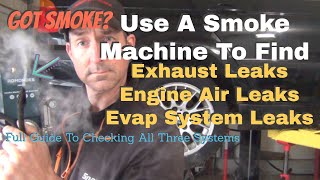
- A smoke test is the most reliable method to find hidden air leaks in the intake system.
- Do not immediately replace the MAF sensor, as the problem is more likely a cheap seal or a simple cleaning.
What's Unique About the 2014-2019 Cadillac CTS
The 2014-2019 Cadillac CTS, along with many other GM vehicles using the 2.0L LTG turbocharged engine, has a specific, well-documented vulnerability that triggers the P1101 code. 🎬 Watch: Understanding P1101 causes and intake system performance fixes. General Motors issued Technical Service Bulletin #PIP5402E, which directly links this code to a missing or damaged O-ring seal on the charge air cooler coupler. This seal is located on the passenger side of the charge air cooler where the air duct connects. This specific leak point is so common that it should be the first place to inspect when this code appears.
Diagnostic Flowchart
Tap your situation to follow the diagnostic path that matches what you're seeing on this vehicle.
Symptoms You May Notice
- Check Engine Light is on
- Reduced engine power message displayed on the Driver Information Center (DIC)
- Poor, hesitant, or sluggish acceleration
- Rough or erratic idling
- Engine stalling, especially at idle
- Decreased fuel economy
- A 'whooshing' or hissing sound from the engine bay during acceleration, indicating an air leak
- Immediately replacing the MAF sensor without checking for air leaks. Forum posts frequently show owners replacing the MAF sensor and air filter, only for the code to return because the root cause was the charge air cooler O-ring or another leak.
- Clearing the code without fixing the underlying leak. The code will almost certainly return, often within 30-60 minutes of driving, once the ECM's self-tests run again.
Most Likely Causes
- Missing or Damaged Charge Air Cooler Coupler O-Ring 🔴 High Probability → Shop Intercooler This is a widely documented issue for GM vehicles with the 2.0L LTG engine, as noted in TSB #PIP5402E. The seal can be easily dislodged during unrelated service, damaged from oil and heat over time, or may have been missing from the factory.
How to confirm: Visually inspect the charge air cooler coupler, located on the passenger side of the charge air cooler, for a missing or damaged O-ring seal. A smoke test of the intake system is the most effective way to confirm this or any other air leak. The TSB specifically recommends using a smoke machine like the GE-52250 Power Smoke tool.
Typical fix: Replace the O-ring seal on the charge air cooler coupler. Ensure the coupler and duct are clean before installing the new seal to ensure a proper fit.
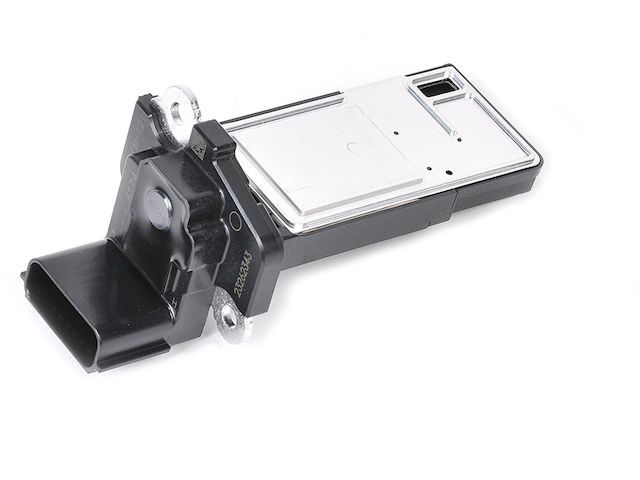
Est. part cost: $5-$25 - Dirty or Contaminated Mass Airflow (MAF) Sensor 🟡 Medium Probability → Shop Fuel Injection Air Flow Meter Oil vapor from the PCV system or the use of over-oiled aftermarket air filters (like K&N) can coat the sensitive wires of the MAF sensor, causing inaccurate readings. This is a common misdiagnosis, as owners often replace the MAF sensor when the actual problem is an air leak.
How to confirm: Remove the MAF sensor and visually inspect the sensing elements for dirt, oil, or debris. You can also monitor the sensor's readings with a scan tool; at idle, a reading significantly higher than 2-4 g/s on a warm engine could indicate a problem.
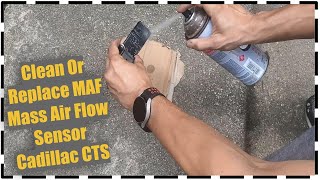
Typical fix: Clean the sensor using a dedicated MAF sensor cleaner spray. Do not use brake or carburetor cleaner. If cleaning does not resolve the issue, the sensor may need to be replaced.
Est. part cost: $5-$15 for cleaner, $80-$150 for a new sensor - Other Intake Air (Vacuum) Leaks ⚪ Low Probability Beyond the main CAC coupler seal, other common leak points on the LTG engine include cracked intake hoses, loose clamps, a faulty PCV valve/system (sometimes requiring valve cover replacement), or even small holes in the intercooler itself from road debris.
How to confirm: Perform a smoke test on the entire intake system to find the source of the unmetered air. Listen for hissing noises and check all connections between the MAF sensor and the engine.
Typical fix: Repair the cracked hose, tighten the loose clamp, or replace the faulty component that is causing the leak. A failed PCV system integrated into the valve cover will require replacing the entire valve cover.
Est. part cost: $10-$250 depending on the source of the leak - Clogged Engine Air Filter ⚪ Low Probability → Shop Air Cleaner Assembly
How to confirm: Visually inspect the engine air filter. If it is visibly dirty, clogged with debris, or has not been changed in a long time, it is restricting airflow.
Typical fix: Replace the engine air filter. This is a simple and inexpensive maintenance item that should be checked early in the diagnosis.
Est. part cost: $20-$50
Rare But Worth Checking
- Dirty Throttle Body: → Shop Fuel Injection Throttle Body Carbon buildup around the throttle plate can disrupt smooth airflow, particularly at idle and low speeds, contributing to the airflow calculation error that sets P1101. Cleaning the throttle body is a relatively simple step to perform during diagnosis.
- Faulty MAP Sensor: The ECM compares readings from the MAF and MAP sensors. If the MAP sensor is faulty and providing incorrect pressure readings, it can cause the ECM to believe the MAF sensor reading is implausible, triggering P1101.
Diagnosis Steps
- Read all stored fault codes with an OBD-II scanner. Note any other codes that appear with P1101, especially P0101, P015B, and P0171.
- Crucial First Step: Visually inspect the charge air cooler inlet duct on the passenger side of the vehicle. Check for the presence and condition of the O-ring seal, as detailed in TSB #PIP5402E. This is the most common failure point.
- If no obvious fault is found at the CAC coupler, perform a smoke test on the entire intake system. This is the most reliable method for finding leaks. Introduce smoke into the system after the MAF sensor and look for smoke escaping from any couplers, hoses, the intercooler itself, or the throttle body.
- While the system is being tested, inspect the engine air filter and replace it if it is dirty.
- If no leaks are present, remove and inspect the MAF sensor. If it appears dirty, clean it with dedicated MAF sensor cleaner and allow it to dry completely before reinstalling.
- After any repairs (like replacing a seal or cleaning the MAF), clear the codes, and perform a test drive that includes varied throttle inputs to see if the code returns.
- If the code persists after confirming there are no leaks, the MAF sensor itself may be faulty and require replacement.
- As a final step, inspect the throttle body for heavy carbon buildup and clean it if necessary.
Parts You'll Likely Need
- Charge Air Cooler Coupler Seal (O-Ring)
(OEM #12637353)— This is the most likely failure point according to GM's own Technical Service Bulletin (PIP5402E) for the P1101 code on this vehicle.
Trusted brands: ACDelco, GM Genuine
OEM price range: $10-$25
Aftermarket price range: $5-$15 - Mass Airflow (MAF) Sensor
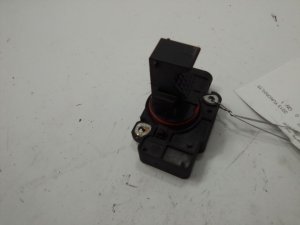
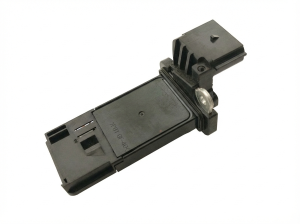
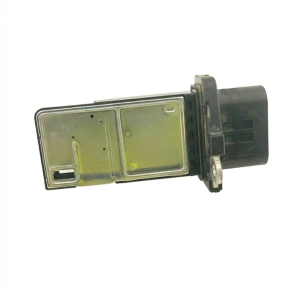
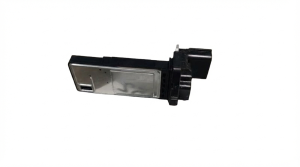
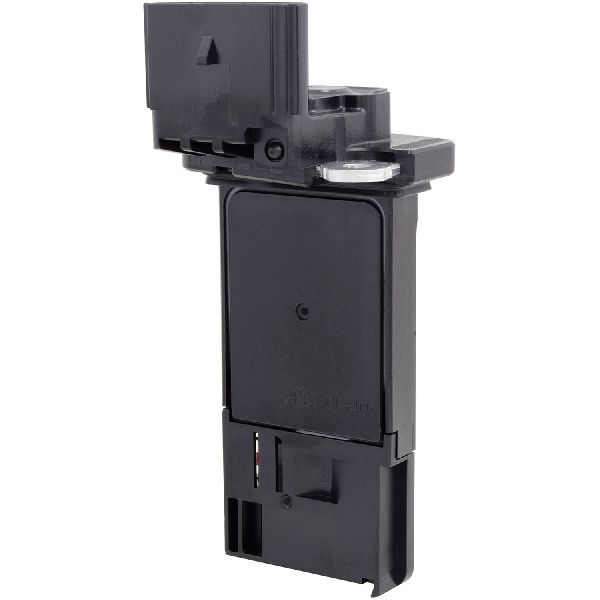
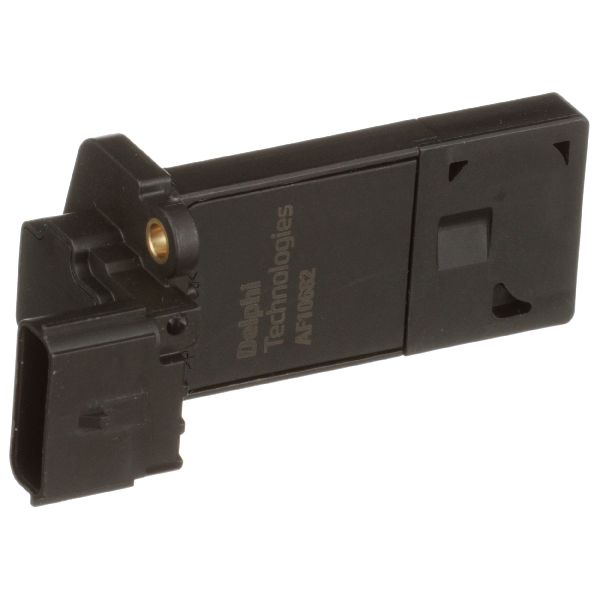
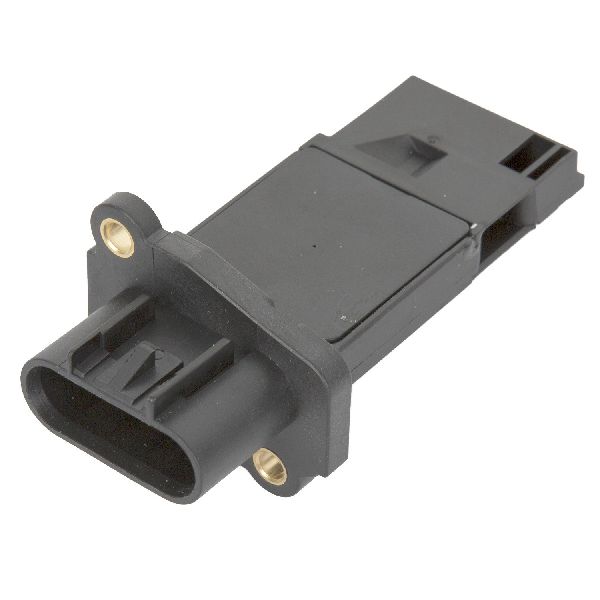
(OEM #ACDelco 213-4691 (GM 12671624))— If the sensor is dirty beyond cleaning or has failed electronically, it will need to be replaced. This is often replaced unnecessarily when the actual fault is an air leak.
Trusted brands: ACDelco, Bosch, Delphi
OEM price range: $120-$180
Aftermarket price range: $70-$120 - MAF Sensor Cleaner — Often, the MAF sensor is just dirty and does not need to be replaced. A specific cleaner is required to avoid damaging the sensitive components.
Trusted brands: CRC, WD-40 Specialist
OEM price range: $10-$15
Aftermarket price range: $5-$12
Related Codes That Often Appear With This One
- P0101 — This code also relates to MAF Sensor Performance Range/Performance. P1101 is the more specific GM code, while P0101 is a generic equivalent. They often appear together and are both mentioned in TSB #PIP5402E.
- P015B — This code indicates "O2 Sensor Delayed Response - Lean to Rich (Bank 1, Sensor 1)." An unmetered air leak causes a lean condition, and the fluctuating air/fuel mixture can cause the O2 sensor to respond sluggishly. TSB #PIP5402E explicitly lists P015B and P1101 together as a common pair.
- P0171 — This code means "System Too Lean (Bank 1)." An unmetered air leak introduces more air than the MAF sensor reports, leading to a lean condition that can trigger this code alongside P1101.
Technical Service Bulletins (TSBs) & Recalls
- PIP5402E: Recommends inspecting for a missing or damaged O-ring seal in the charge air cooler coupler when diagnosing DTC P1101, P015B
Platform-Specific Known Issues
- A known issue documented in TSB #PIP5402E points to a missing or damaged O-ring seal in the charge air cooler coupler as a primary cause for P1101, often accompanied by a reduced engine power message. The bulletin has been updated several times (from PIP5402A to E), indicating it is a persistent and widespread problem across many GM models with the 2.0L LTG engine.
Mechanic-Grade Diagnostic Values
- MAF Sensor Reading (Scan Tool PID) — expected: 2 to 7 g/s at warm idle. Should rise to 15 to 25 g/s at 2500 RPM.. Failure: A reading that is slow to respond, erratic, or significantly outside the expected range at a given RPM. A reading that rises too slowly can indicate a dirty sensor or a downstream air leak.
- MAF Sensor Frequency (Scan Tool PID or Multimeter with Hz) — expected: Approximately 3000 Hz (3 KHz) at idle, rising above 7000 Hz (7 KHz) at wide-open throttle.. Failure: A frequency signal that is stuck, erratic, or does not correspond to engine RPM changes.
- MAF Sensor Signal Voltage (Engine Running) — expected: 0.46V to 2.44V.. Failure: Voltage reading below 0.46V during the Key On Engine Running (KOER) self-test will trigger the code.
- MAF Sensor 12V Power Supply (Key On, Engine Off) — expected: 10 to 12 Volts DC on the Pink wire at the MAF sensor connector.. Failure: Low or no voltage indicates a wiring or fuse issue upstream of the sensor.
Scan Tool Commands That Help
- GDS2 or similar professional scan tool: Idle Learn / Throttle Relearn — After cleaning or replacing the throttle body, or after disconnecting the battery. The ECM needs to relearn the closed throttle position to ensure correct idle speed and airflow calculations. An incorrect idle position can contribute to airflow correlation codes like P1101.
- Scan Tool with Live Data Graphing: Graph MAF Sensor (g/s) vs. Engine RPM — To verify if the MAF sensor is responding linearly and correctly to changes in engine speed. The graph should show a steady, smooth upward curve as RPMs increase. Gaps, spikes, or a flat line indicate a faulty sensor or connection.
Wiring & Ground Locations
- Engine Control Module (ECM) — Located in the front driver-side wheel well, behind the fender liner. Requires removing the wheel and liner for access.. The ECM processes the MAF signal. Poor connections at the ECM or damage to the unit (though rare) can cause this code. Its location makes it susceptible to moisture and collision damage.
- Engine Block Ground — A main ground cable connects the engine block to the vehicle's frame. There are also specific ground wires for the PCM/ECM attached directly to the engine block.. A poor block ground can create a floating ground for sensors, causing incorrect voltage readings. The ECM may interpret this bad data from the MAF sensor as a performance fault, triggering P1101.
- MAF Sensor Connector Wires — At the MAF sensor on the intake tube.. On many GM vehicles, the wire colors are: Pink (12V ignition power), Black/White (Ground), and Yellow (Signal wire to ECM). Knowing these allows for direct testing of power, ground, and signal at the sensor connector.
Real Owner Repair Stories
- Reddit user in r/AskAMechanic (2016 Chevrolet Camaro 2.0L LTG (same engine and similar platform)) — P1101 check engine light, but only when stepping on the gas hard. Drives fine in town.
❌ Tried (didn't work) Cleaning the throttle body, Replacing the MAF sensor, Replacing the MAP sensor, Confirming PCV valve was good, Confirming air filter was clean
✅ What actually fixed it The user was directed to a TSB (similar to PIP5402E for the CTS) and inspected the passenger side intercooler seal (charge air cooler coupler seal). They confirmed this fixed the problem.
OEM Part Supersession History
13432262, 13505433→12671624 (also sold as ACDelco 213-4691)— GM regularly updates service parts to integrate new materials, technologies, or manufacturing processes.
Model Year Variations Within This Range
- 2014-2015: Early 2.0L LTG engines (2013-2015) are noted by some owners and mechanics as having issues with cracked pistons. While not a direct cause of P1101, a failing piston/ring can increase crankcase pressure, potentially overwhelming the PCV system and leading to unmetered air leaks that could trigger the code.
- 2016-2019: For the 2016 model year, the standard 6-speed automatic transmission was replaced by a new 8-speed 8L45 automatic. This does not directly affect the P1101 code but is a significant mechanical difference within the vehicle's generation.
Helpful Videos
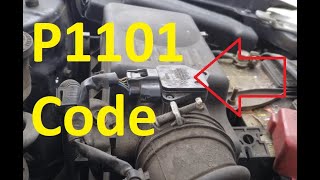
![How to Fix P1101 Engine Code in 3 Minutes [2 DIY Methods / Only $7.47]](https://img.youtube.com/vi/AWGlibhplBc/mqdefault.jpg)
Used OEM Parts in Stock
New Aftermarket Parts Available


The information in this article is provided for general reference and educational purposes only. Vehicle specifications, procedures, and part compatibility can vary by production date, trim level, and region. Always consult your vehicle's factory service manual and verify part numbers before purchasing or performing repairs. Safety-critical components such as airbags, seat belts, and braking systems should be installed by a qualified professional.
- Cadillac CTS:
- 🧭 Diagnostic Flowchart
- 🎬 Helpful Videos
- 🛍️ Shop This Part
- What's Unique About the 2014-2019 Cadillac CTS
- Symptoms You May Notice
- Most Likely Causes
- Rare But Worth Checking
- Diagnosis Steps
- Parts You'll Likely Need
- Related Codes That Often Appear With This One
- Technical Service Bulletins (TSBs) & Recalls
- Platform-Specific Known Issues
- Mechanic-Grade Diagnostic Values
- Scan Tool Commands That Help
- Wiring & Ground Locations
- Real Owner Repair Stories
- OEM Part Supersession History
- Model Year Variations Within This Range
- 🎟️ Get 5% Off