

P1101 on 2003-2007 Honda Accord: Understanding Diagnostic Challenges
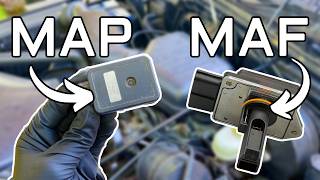
The code P1101 on a 2003-2007 Honda Accord presents a significant diagnostic challenge. Generic code readers define it as a Mass Airflow (MAF) sensor issue, but there is conflicting information on whether these cars have a MAF or a MAP sensor. The first step is to physically verify if a MAF sensor exists. The code is extremely rare on this platform, suggesting it may be a 'phantom code' from a generic scanner.
- P1101 on a 2003-2007 Accord is an uncertain and likely invalid code. The common definition refers to a MAF sensor, but your car may not have one.
- CRITICAL STEP: Physically inspect your air intake system to confirm if a MAF sensor is installed before taking any diagnostic action.
- Do not replace any parts based on this code alone. The high probability of it being a 'phantom code' from a generic scanner means re-testing with professional equipment is essential.
- Given the uncertainty, professional diagnosis is strongly recommended to avoid wasting time and money on incorrect repairs.
What's Unique About the 2003-2007 Honda Accord
The core issue is a conflict between generic OBD-II definitions and vehicle-specific hardware. The common P1101 definition is for a MAF sensor, but its existence on the 7th-gen Accord is inconsistent and poorly documented. Unlike GM vehicles where P1101 has specific TSBs related to PCV issues, Honda has no such documentation. The lack of a clear Honda definition and the absence of forum discussions about it strongly suggest P1101 is either a phantom code generated by non-compliant scan tools or an extremely rare fault that is being misinterpreted.
Symptoms You May Notice
- Check Engine Light illuminated
- Reduced engine power or hesitation
- Rough or unstable idle
- Decreased fuel economy
- Engine may stall when stopped
- Attempting to diagnose, clean, or replace a Mass Airflow (MAF) sensor without first physically confirming the vehicle is equipped with one.
- Replacing the MAP sensor, as it is a different system and not directly indicated by the generic P1101 definition.
Most Likely Causes
Rare But Worth Checking
- A faulty or incompatible generic OBD-II scan tool misinterpreting a different manufacturer-specific code as P1101.
- Plugged or restricted PCV system causing abnormal crankcase pressure (a known cause for P1101 on other manufacturers like GM, but not documented for Honda).
Diagnosis Steps
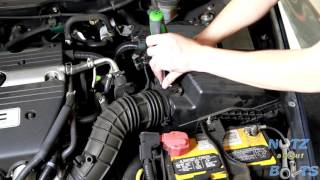
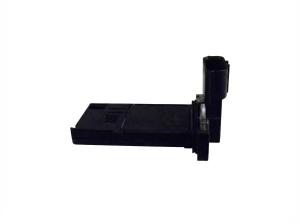
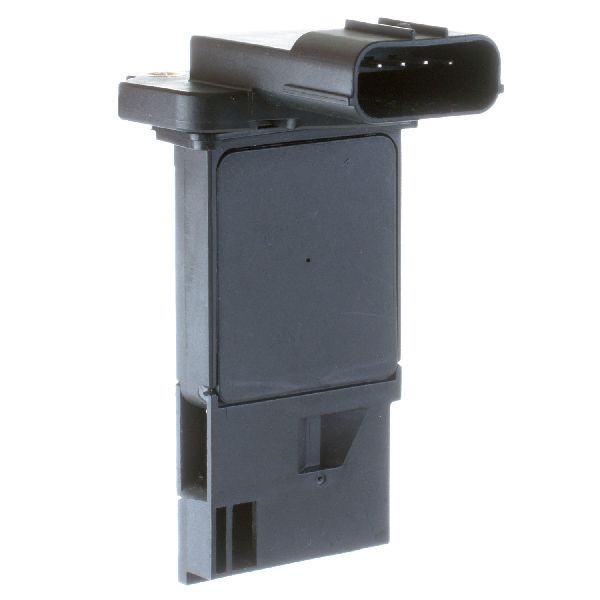
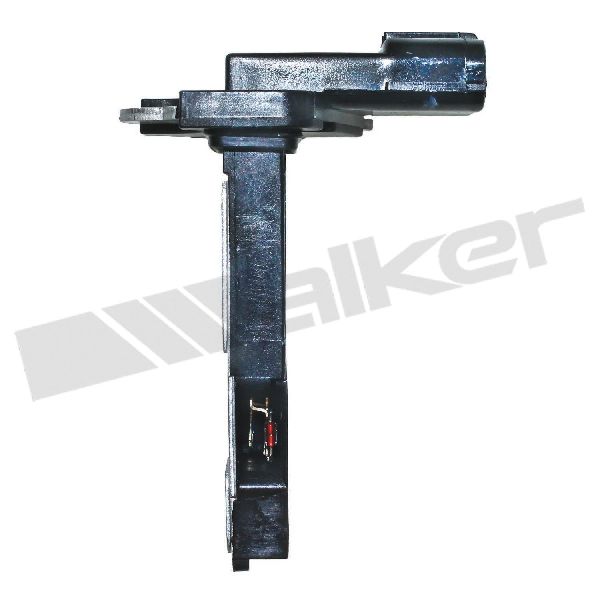
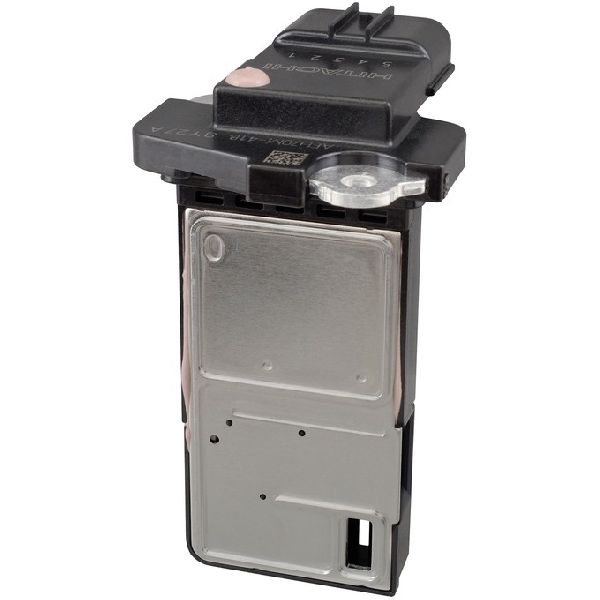
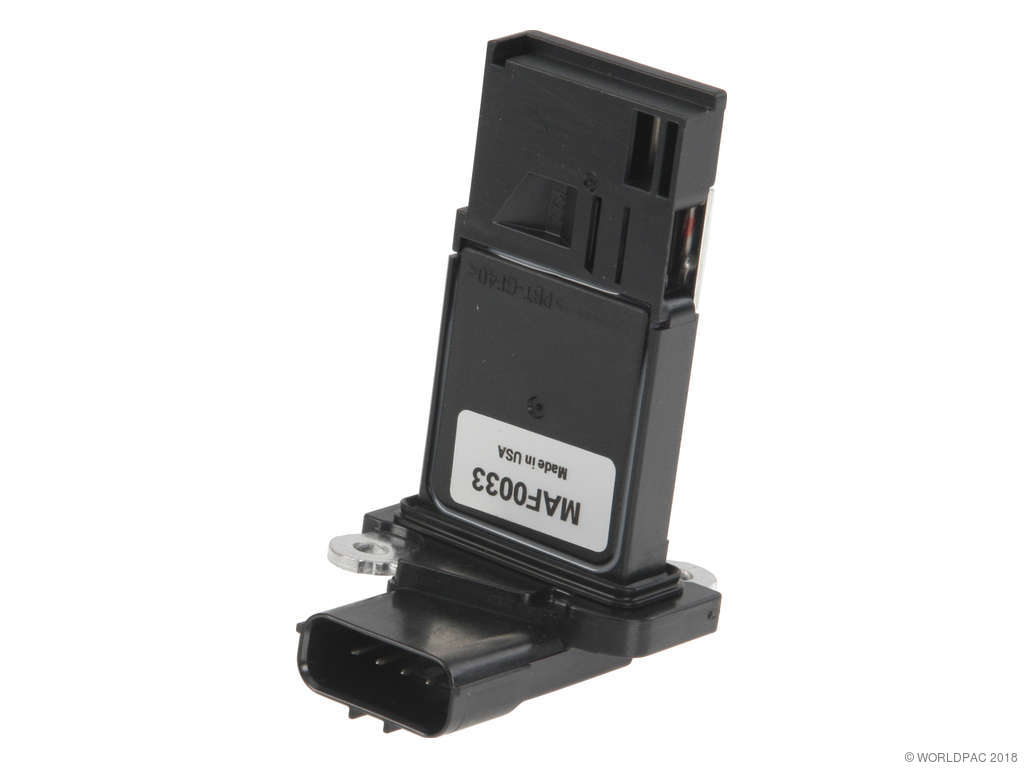
- CRITICAL FIRST STEP: Physically inspect the air intake tube between the air filter box and the throttle body. Confirm if your specific vehicle is equipped with a Mass Airflow (MAF) sensor. It would be a rectangular plastic block with an electrical connector. 🎬 Watch: How to replace the MAF sensor on your Accord.
- If a MAF sensor is present, inspect its electrical connector for damage or corrosion. Consider carefully cleaning the sensor using dedicated MAF sensor cleaner. Do not touch the internal wires.
- If no MAF sensor is present, the code is almost certainly a phantom error from your scan tool. Re-scan with a high-quality, professional-grade scanner to get a valid code.
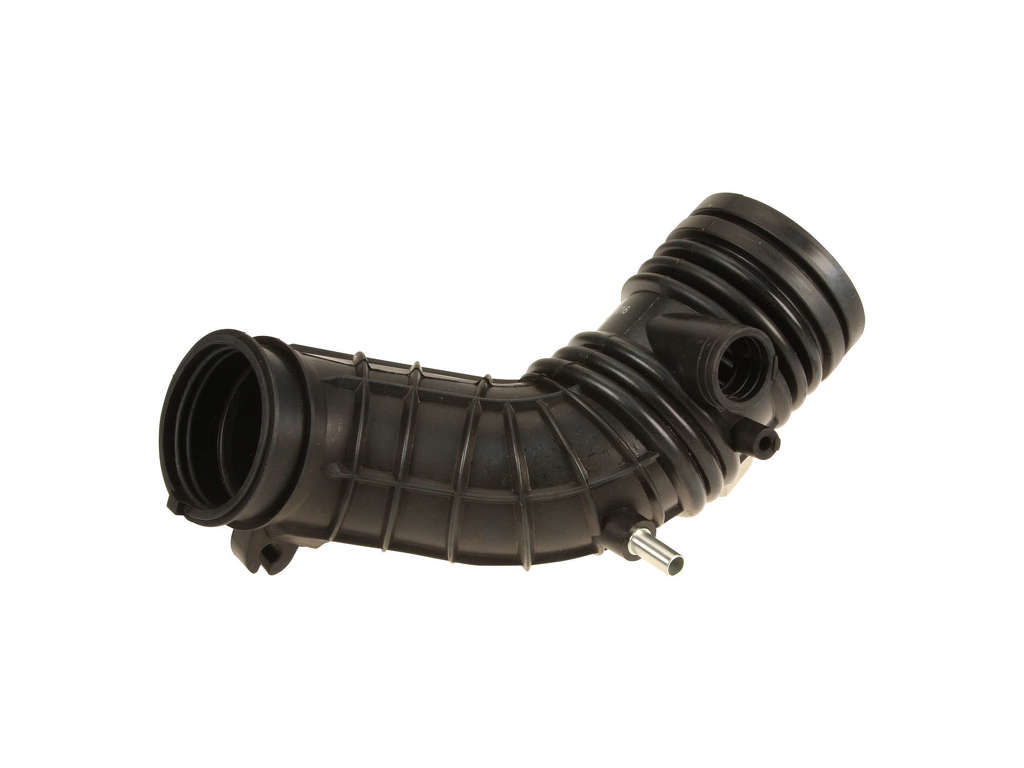
- If the code is confirmed by a professional scanner AND a MAF is present, check the entire air intake system for cracks, loose clamps, or disconnected hoses that could cause an unmetered air (vacuum) leak. 🎬 See how to diagnose vacuum leaks on this specific generation.
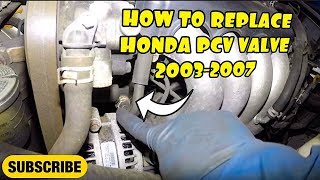
- As a speculative step if no MAF is found and other diagnostics fail, inspect the PCV valve and hoses for blockages, 🎬 Watch: Step-by-step PCV valve replacement for the 2.4L engine. as this is a known cause of P1101 on other vehicle platforms.
Parts You'll Likely Need
- Mass Airflow Sensor (IF EQUIPPED)
- MAF Sensor Cleaner
Platform-Specific Known Issues
- The primary issue is the conflict between the generic P1101 definition (MAF Sensor) and the conflicting information about whether these vehicles have one. Parts catalogs list the sensor, but community wisdom often states they are MAP-based only. This makes P1101 an 'untrusted' code until hardware is verified.
Mechanic-Grade Diagnostic Values
- MAF Sensor Voltage during Key-On Engine-Running (KOER) Self-Test — expected: 0.46 volts to 2.44 volts. Failure: A voltage reading below 0.46 volts during the self-test can trigger the P1101 code.
- MAF Sensor Live Data (Grams/Second) with Key On, Engine Off — expected: 0.0 g/s. Failure: Any reading significantly above zero indicates a sensor that is electrically faulted or reporting a phantom airflow.
Wiring & Ground Locations
- G101 — On the 2.4L engine, G101 is the main engine harness ground located at the top middle of the engine, often on the intake manifold. On the 3.0L V6, it is located at the rear of the engine.. A poor connection at G101 can cause a host of erratic sensor readings and phantom codes, including communication issues with the MAF sensor or PCM, potentially leading to a P1101 fault.
OEM Part Supersession History
37980-RAD-L11→37980-RNA-A01— Standard part evolution and consolidation across models.
Heads up: While 37980-RNA-A01 replaces 37980-RAD-L11, be aware of other similar-looking Hitachi sensors like AFH70M-41B and AFH70M-41C. Using the wrong revision, even if it fits physically, can cause idle instability or new codes on other Honda/Acura models, highlighting the need to match the part number exactly.
Model Year Variations Within This Range
- 2003-2005 (Pre-Refresh): Most 4-cylinder models from this period use the K24A4 engine and are predominantly MAP-based. However, some 2003-2004 SULEV models and 2005 LX-P models may be equipped with a MAF sensor. V6 models (J30A4) used Drive-By-Wire throttle from the start of the generation.
- 2006-2007 (Post-Refresh): The 2006 refresh introduced significant changes. The 4-cylinder engine was updated to the K24A8, and all 4-cylinder models switched to Drive-By-Wire (DBW) throttle control. The use of a MAF sensor (part # 37980-RAD-L11 or its successor) became common on 4-cylinder models from 2005/2006 onward. The V6 was updated to the J30A5.
Diagnostic Flowchart
Other Known Issues on This Vehicle
Issues unrelated to this code that are worth knowing about as an owner of this generation:
- Automatic Transmission Failure (V6 and 4-Cylinder) 🔴 High → Shop Transmission Assembly — Very common, especially in 2003-2004 models. V6 models were more prone, but 4-cylinder models were also affected. Failure can occur even under 100,000 miles. (Ref: NHTSA Recall #04V176000)
- Power Steering Hose Leak (V6 Models) 🟠 Moderate — Common enough to warrant a major recall. The power steering feed hose can deteriorate and leak fluid onto a hot catalytic converter, creating a fire risk. (Ref: NHTSA Recall #12V222000)
- Excessive Oil Consumption (K24 4-Cylinder) 🟠 Moderate — A widely reported issue, though not subject to a formal recall for this generation. Piston rings can stick, leading to oil burning. A class-action lawsuit covered later models, but the issue is known to exist in the 2003-2007 generation as well. (Ref: No recall for this generation, but Honda TSB 11-033 addresses it for later models.)
Used vs. New Parts: Buying Guide for This Vehicle
When a used part is the smart pick: For a speculative repair on a high-mileage vehicle where the code's validity is in question, a low-cost used OEM MAF sensor from a reputable salvage yard can be a reasonable diagnostic step. Given the low failure rate, a used OEM part is likely to be functional.
Donor-vehicle mileage cap: roughly under 120000 miles for the part to have meaningful remaining life.
What to inspect on the donor part:
- Verify the part number on the sensor itself matches your original part (e.g., AFH70M-41).
- Inspect the connector pins for any signs of corrosion or damage.
- Ensure the sensor housing is not cracked or physically damaged.
- Ask for the donor vehicle's mileage if possible.
OEM-only on this vehicle (don't cheap out):
- Mass Airflow Sensor
Aftermarket brands forum-validated for this vehicle:
- Hitachi (This is the Original Equipment Manufacturer, so it is the safest and most recommended choice).
Brands owners have reported issues with on this vehicle:
- Generic, unbranded sensors from online marketplaces are highly discouraged. Honda ECUs are sensitive to the precise voltage curves of the OEM sensor, and cheap aftermarket versions are a common cause of persistent, hard-to-diagnose performance issues.
Related OBD-II Codes
Frequently Asked Questions
Does my 2003-2007 Honda Accord actually have a Mass Airflow (MAF) sensor?
Could the P1101 code be a mistake by my scan tool?
Is there a recall for the 2003-2004 Accord regarding engine or transmission issues?
Which brand of MAF sensor should I buy for my Accord if I need a replacement?
Can an aftermarket air filter cause a P1101 code on this vehicle?
Is there a TSB for excessive oil consumption on the 2003-2007 Accord K24 engine?
Helpful Videos



Used OEM Parts in Stock
New Aftermarket Parts Available


The information in this article is provided for general reference and educational purposes only. Vehicle specifications, procedures, and part compatibility can vary by production date, trim level, and region. Always consult your vehicle's factory service manual and verify part numbers before purchasing or performing repairs. Safety-critical components such as airbags, seat belts, and braking systems should be installed by a qualified professional.
- Honda Accord:
- 🧭 Diagnostic Flowchart
- 🎬 Helpful Videos
- 🛍️ Shop This Part
- What's Unique About the 2003-2007 Honda Accord
- Symptoms You May Notice
- Most Likely Causes
- Rare But Worth Checking
- Diagnosis Steps
- Parts You'll Likely Need
- Platform-Specific Known Issues
- Mechanic-Grade Diagnostic Values
- Wiring & Ground Locations
- OEM Part Supersession History
- Model Year Variations Within This Range
- Other Known Issues on This Vehicle
- Used vs. New Parts: Buying Guide for This Vehicle
- Related OBD-II Codes
- Frequently Asked Questions
- 🎟️ Get 5% Off