

P1101 on 2004-2009 Mazda 3: MAF Sensor Out of Self-Test Range Causes and Fixes
On a 2004-2009 Mazda 3, code P1101 most often means the Mass Airflow (MAF) sensor is dirty. A thorough cleaning with dedicated MAF sensor cleaner is the most likely fix and costs less than $15 for a can of cleaner. If cleaning doesn't work, inspect the MAF sensor connector for a broken ground wire, another common issue on this platform.
- Start by cleaning the MAF sensor with dedicated cleaner; this is the most probable and cheapest solution.
- If cleaning doesn't work, carefully inspect the MAF sensor's wiring and connector, as a bad ground wire is a known issue on this car.
- Do not replace the MAF sensor until you have ruled out a dirty sensor, bad wiring, and vacuum leaks.
- While you're working on the intake, check the engine air filter and clean the throttle body, as these can also contribute to airflow-related codes.
What's Unique About the 2004-2009 Mazda 3
The first-generation Mazda 3 (2004-2009) shares its C1 platform with the Ford Focus and Volvo S40 of the same era. While P1101 is a generic MAF-related code for several brands, on this specific platform, it's notoriously linked to a few key issues. Besides the common dirty sensor, owners have frequently traced the problem to a faulty ground wire in the MAF sensor's electrical connector. A TSB for slightly older Mazda models (01-006/06) noted a poor connection at the airflow sensor connector could cause rich running codes, corroborating the known wiring weakness in this area. Before replacing an expensive sensor, checking this wire and ensuring the sensor is clean are critical, money-saving first steps for any Mazda 3 owner seeing this code.
Symptoms You May Notice
- Check Engine Light is on
- Rough or fluctuating idle
- Hesitation or stumbling during acceleration
- Reduced engine power
- Engine stalling, especially when coming to a stop
- Decreased fuel economy
- Immediately replacing the MAF sensor without cleaning it first. Cleaning the sensor is often all that is needed and is significantly cheaper.
- Replacing the MAF sensor when the actual problem is a bad ground wire in the connector or a vacuum leak elsewhere.
Most Likely Causes
- Dirty Mass Airflow (MAF) Sensor 🔴 High Probability → Shop Fuel Injection Air Flow Meter Oil vapor from the PCV system or fine dust and debris that gets past the air filter can bake onto the sensor's delicate hot wire, insulating it and causing incorrect readings. Oiled aftermarket air filters are a frequent source of contamination.
How to confirm: Visually inspect the MAF sensor's wire elements. If they appear coated in grime or dirt, they need cleaning. Unplugging the MAF sensor and seeing if the idle stabilizes is a common diagnostic trick; if it does, the sensor is likely faulty or dirty. A Reddit user with a Gen 1 Mazda 3 reported that cleaning the MAF sensor fixed their MAF-related codes every time over 18 years of ownership.
Typical fix: Clean the sensor using only a dedicated Mass Airflow Sensor cleaner spray. 🎬 Watch: How to clean your MAF sensor on a first-gen Mazda 3 Do not touch the wires. Allow it to dry completely before reinstalling.
Est. part cost: $10-$20 - Faulty MAF Sensor Wiring or Connector 🟡 Medium Probability → Shop Fuel Injection Air Flow Meter The ground wire for the MAF sensor plug is a known weak point on first-generation Mazda 3s, leading to intermittent connections and faulty readings. A TSB for the 2004-2005 Mazda 3 (01-006/06) specifically addresses poor connections at the MAF connector causing fuel trim issues. Owners on forums report the black wire in the connector breaking internally at the pin.
How to confirm: With the key on, wiggle the MAF sensor connector and harness while monitoring live data on a scan tool (specifically short-term fuel trims and AFR). If the readings fluctuate wildly, there is a wiring issue. Inspect the connector pins for corrosion and the wiring for breaks or chafing, paying special attention to the black ground wire.
Typical fix: Repair the broken wire (often the ground) or replace the connector pigtail. Clean any corrosion from the connector pins. Some owners have successfully soldered the broken wire back to the connector pin.
Est. part cost: $5-$30 - Vacuum Leak 🟡 Medium Probability Intake boots, vacuum lines, and gaskets can become brittle and crack with age, allowing unmetered air to enter the engine after the MAF sensor. Common failure points on this platform include the PCV hose and intake manifold gaskets, which are difficult to access, and the O-ring for the brake booster vacuum line at the intake manifold.
How to confirm: Perform a smoke test by introducing smoke into the intake manifold via a vacuum port, such as the brake booster line. Smoke will escape from the location of the leak. A hissing sound from the engine bay at idle is also a strong indicator.
Typical fix: Replace the cracked hose, intake boot, or faulty gasket.
Est. part cost: $10-$100 - Dirty Throttle Body ⚪ Low Probability → Shop Fuel Injection Throttle Body Carbon buildup around the throttle plate can disrupt airflow at idle and low speeds, which can sometimes cause the PCM to see a conflict between expected and actual airflow, triggering a MAF-related code.
How to confirm: Remove the intake boot from the throttle body and inspect for a thick ring of black carbon buildup around the throttle plate and bore.
Typical fix: Clean the throttle body bore and plate with throttle body cleaner and a soft brush or rag. A user on Reddit with a 2009 🎬 Watch: How to clean the throttle body on your Mazda 3 Mazda 3 reported this fixed their P0101 code after replacing the MAF sensor twice did not solve the issue.
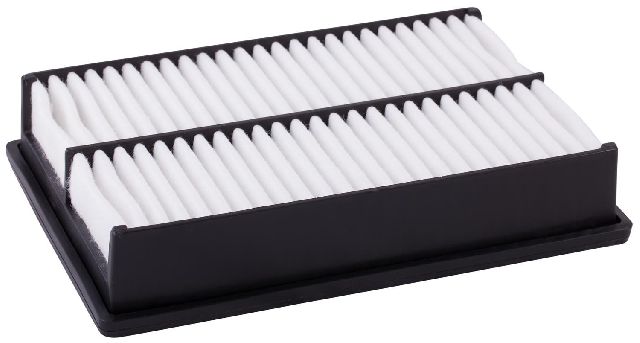
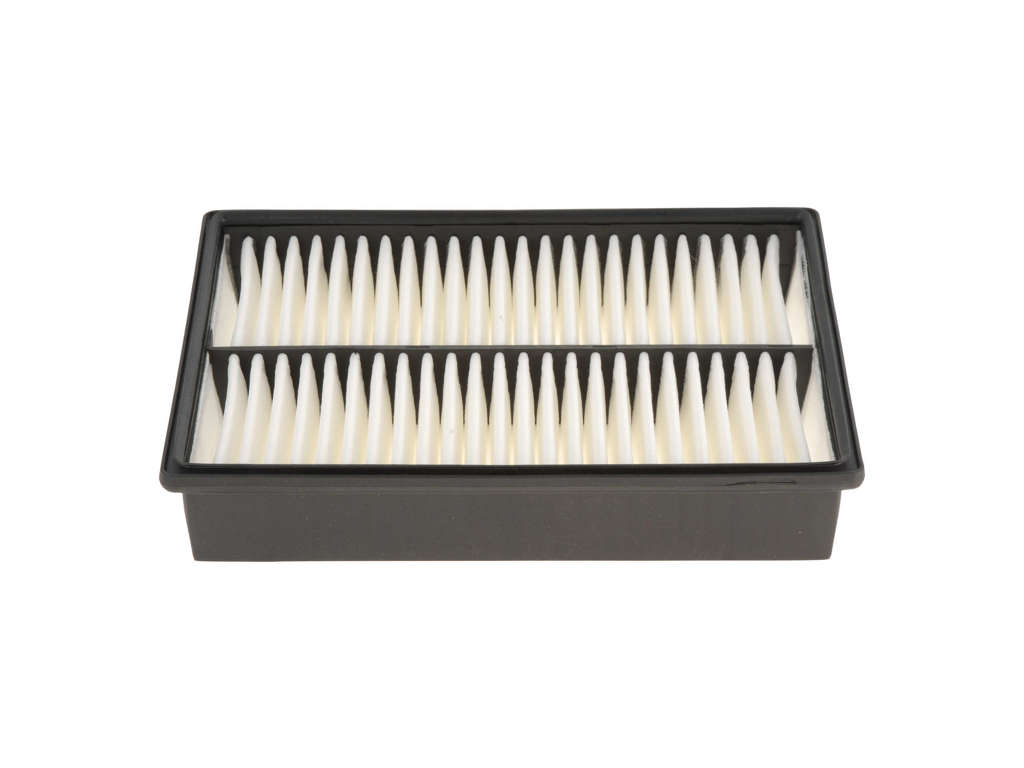
Est. part cost: $5-$15 - Clogged Engine Air Filter ⚪ Low Probability → Shop Air Cleaner Assembly
How to confirm: Visually inspect the air filter. If it is black, filled with debris, or has not been changed in over 15,000 miles, it is likely restricting airflow.
Typical fix: Replace the engine air filter.
Est. part cost: $15-$35
Rare But Worth Checking
- Faulty Powertrain Control Module (PCM): This is extremely rare. All other possibilities, especially wiring, should be exhaustively ruled out before considering PCM replacement.
Diagnosis Steps
- Read the trouble codes with an OBD-II scanner.
- Inspect the engine air filter. Replace if it is dirty or clogged.
- Inspect the air intake tube between the air filter box and the throttle body for any cracks, tears, or loose connections.
- Carefully unplug the MAF sensor. Inspect the electrical connector for corrosion, pushed-out pins, or damage. Check the integrity of the wiring harness, paying close attention to the black ground wire for internal breaks right at the connector.
- Remove the MAF sensor from its housing (usually two Phillips screws). Visually inspect the sensor elements. Do not touch them.
- If the sensor elements look dirty, spray them generously with a dedicated MAF sensor cleaner. Let it air dry completely.
- Reinstall the clean sensor, clear the codes, and perform a test drive to see if the code returns.
- If the code returns, the next step is to check for vacuum leaks. The most effective method is a smoke test, introducing smoke into a vacuum line like the one for the brake booster.
- If no vacuum leaks are found, inspect and clean the throttle body for carbon buildup.
- If the problem persists after these steps, the MAF sensor itself may have failed electronically and requires replacement. A user with a 2013 Mazda 3 🎬 See this walkthrough for replacing the MAF sensor yourself confirmed a bad sensor by observing a high g/s reading (40-50 g/s) with the key on and engine off, while a new sensor read 4-5 g/s in the same condition.
Parts You'll Likely Need
- Mass Airflow Sensor Cleaner — This is the most common and cheapest fix. The sensor element gets contaminated over time, and cleaning it often restores proper function.
Trusted brands: CRC, Liqui Moly, WD-40 Specialist
Aftermarket price range: $10-$20 - Mass Airflow (MAF) Sensor
(OEM #ZJ01-13-215 (for 1.8/2.0L), L321-13-215 (for 2.3L))— If cleaning and checking the wiring does not resolve the issue, the sensor itself has likely failed electronically. Note that part number L321-13-215 supersedes ZL01-13-215.
Trusted brands: Denso, Hitachi, Bosch
OEM price range: $280-$360
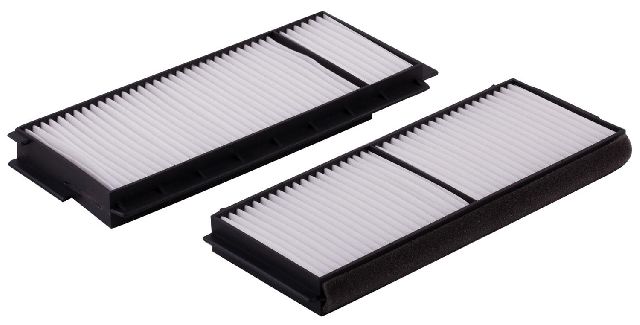
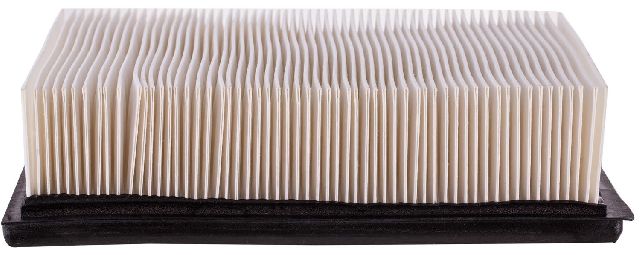
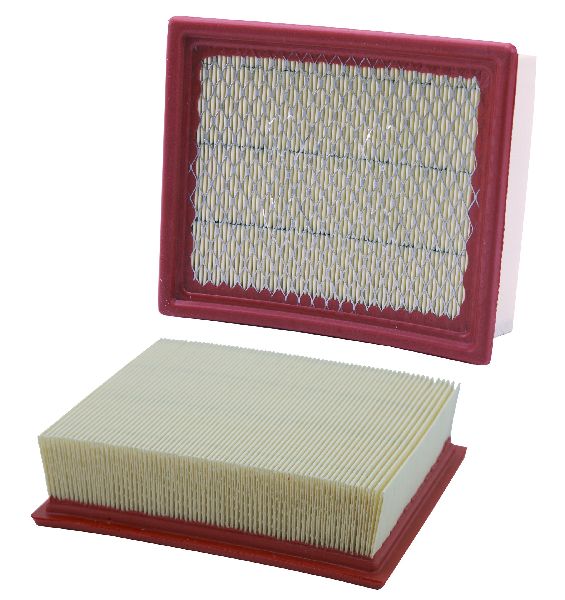
Aftermarket price range: $50-$150 - Engine Air Filter — A clogged air filter can restrict airflow and contribute to the code. It should be checked and replaced if dirty as part of the diagnosis.
Trusted brands: Wix, Fram, Purolator
OEM price range: $25-$40
Aftermarket price range: $15-$30
Related Codes That Often Appear With This One
- P0101 — P0101 is a more general 'Mass or Volume Air Flow Circuit Range/Performance' code. They are very closely related and often point to the same set of root causes, such as a dirty sensor, vacuum leak, or wiring issue.
- P0171 — This code means 'System Too Lean (Bank 1)'. A faulty MAF sensor can under-report the amount of air entering the engine, causing the PCM to inject too little fuel, leading to a lean condition. A vacuum leak is also a common cause for both P0171 and P1101.
- P2188 — This code means 'System Too Rich at Idle'. A TSB for the 2004-2005 Mazda 3 directly links this code to a poor electrical connection at the MAF sensor connector.
Technical Service Bulletins (TSBs) & Recalls
- TSB 01-006/06: For 2004-2005 Mazda 3s, this bulletin addresses MIL illumination with rich codes (P0172, P2178, P2188) caused by a poor connection between the terminal and harness wire at the airflow sensor connector.
Platform-Specific Known Issues
- MAF Connector Ground Wire Failure: A user on mazda3forums.com with a P0101 code was advised that the ground wire to the MAF plug is a 'notorious problem' on the first-generation 3. Another user on mazdas247.com with an '04 model confirmed their black wire broke from the connector and they were able to repair it by soldering.
- Throttle Body Cleaning as a Fix: → Shop Fuel Injection Throttle Body On a Reddit thread, a 2009 Mazda 3 owner who had replaced the MAF sensor twice without success finally fixed their persistent P0101 code by cleaning the throttle body. Another user confirmed that cleaning their throttle body also resolved the issue.
Mechanic-Grade Diagnostic Values
- MAF Sensor PID Voltage (Key-On, Engine-Off) — expected: < 0.69 Volts. Failure: A voltage reading equal to or greater than 0.69V after the ignition has been on for 30 seconds indicates a faulty MAF sensor.
- MAF Sensor Reading (grams/second) at warm idle — expected: Approx. 2.0 - 3.0 g/s. Failure: A reading significantly higher or lower than the engine's displacement in liters (e.g., 2.0L engine should read ~2.0 g/s) can indicate a fault. A reading of 0 g/s or an unusually high number at idle points to a sensor or wiring failure.
- Intake Air Temperature (IAT) Sensor Resistance — expected: Approx. 2.5 - 2.7 kΩ at 20°C (68°F) or 0.6 - 0.7 kΩ at 60°C (140°F). Failure: Readings far outside these ranges indicate a failure of the IAT portion of the integrated MAF sensor assembly. This test is performed on the sensor itself, disconnected from the harness.
Scan Tool Commands That Help
- Mazda M-MDS (or equivalent professional scanner): KOER Self-Test or MAF PID Data Display — To verify the P1101 code's trigger condition. The KOER (Key-On Engine-Running) test is what the PCM runs to generate this code. Manually running the test or observing the MAF PID voltage during the first 30 seconds after key-on can confirm if the sensor is out of its expected range.
Wiring & Ground Locations
- MAF Sensor Connector (5-Pin) — On the Mass Airflow Sensor, located on the air intake tube right after the air filter box.. This connector is a known failure point. The black ground wire often breaks internally right at the pin, causing an intermittent signal that triggers P1101. The pinout is: Pin A = 12V Battery Voltage, Pin B = MAF Signal to PCM, Pin C = Ground (via PCM), Pin D & E = IAT Sensor Signal.
Real Owner Repair Stories
- YouTube user @wannabe_tuners (2009 Mazdaspeed 3 (BK)) — Incorrect long-term fuel trims, forcing manual retuning to compensate. The underlying issue was an inaccurate MAF signal.
❌ Tried (didn't work) Initially suspected a vacuum/boost leak but found none.
✅ What actually fixed it The owner identified a weak electrical connection within the MAF connector, a common issue from wire fatigue. He confirmed this by wiggling the harness while watching short-term fuel trims and AFR on a scan tool, which caused the values to fluctuate wildly. The final fix was cutting off the old connector and soldering in a new replacement pigtail harness, which stabilized the MAF signal and fuel trims.
OEM Part Supersession History
ZL01-13-215→L321-13-215— Standard part update/revision by the manufacturer.
Heads up: None noted. L321-13-215 is the correct service replacement for ZL01-13-215.
Model Year Variations Within This Range
- 2004-2009: The MAF sensor part number differs between the 2.0L and 2.3L engines. The 2.3L engine uses part number L321-13-215. The 2.0L engine uses part number ZJ01-13-215. While some parts catalogs show overlap, it is critical to verify the correct part number by VIN before ordering.
Diagnostic Flowchart
Other Known Issues on This Vehicle
Issues unrelated to this code that are worth knowing about as an owner of this generation:
- Passenger-Side Engine Mount Failure 🔴 High — Very common. The hydraulic, passenger-side mount is prone to leaking and collapsing, typically noticed by excessive vibration at idle in Drive. (Ref: Multiple TSBs exist for various model years addressing vibration, including 01-017/19 and 01-001/06.)
- Automatic Transmission Control Module (TCM) Failure 🔴 High → Shop Transmission Assembly — Common on 2006-2009 models with automatic transmissions. Failure is often caused by heat and vibration from its mounting location directly on the transmission case.
- Rust on Rear Wheel Arches and Rocker Panels 🟠 Medium — Extremely common, especially for vehicles in the salt belt. Rust often starts at the rear fender lip and can become structural if not addressed.
- Shifting Issues (Automatic Transmission) 🔴 High — Often a direct symptom of TCM failure, includes harsh shifting, getting stuck in gear, and the 'AT' light illuminating.
- Suspension Noises 🟡 Low — Common at higher mileage. Clunking or rattling noises from the suspension are often due to worn rear shock mounts or front sway bar end links.
Used vs. New Parts: Buying Guide for This Vehicle
When a used part is the smart pick: A used OEM MAF sensor from a documented low-mileage (under 80,000 miles) donor vehicle can be a cost-effective alternative to a new OEM part. A MAF sensor connector pigtail is an excellent part to source from a junkyard, as only the plastic connector and a few inches of wire are needed for the repair.
Donor-vehicle mileage cap: roughly under 80000 miles for the part to have meaningful remaining life.
What to inspect on the donor part:
- For a used MAF sensor, check that the delicate sensor wires are intact and not physically damaged or coated in oil.
- For a connector pigtail, ensure the plastic isn't brittle or cracked and that the locking tab is functional.
- Check for any signs of corrosion (green or white powder) on the electrical pins of both the sensor and connector.
OEM-only on this vehicle (don't cheap out):
- Mass Airflow (MAF) Sensor
Aftermarket brands forum-validated for this vehicle:
- Denso (Confirmed OEM manufacturer for this part)
- Hitachi (Another reputable OEM supplier for MAF sensors)
Brands owners have reported issues with on this vehicle:
- Generic 'white-box' parts from online marketplaces.
- Store brands (e.g., Duralast, Spectra Premium, Cardone) have been reported by users to cause immediate running issues, incorrect readings, or premature failure on other vehicles, reinforcing the need to stick with OEM or the direct OEM manufacturer.
Real Owner Stories
Aggregated from forums and TSBs cited above. Mileages and costs reflect what owners reported in those sources.
2004 Mazda 3
Symptoms: The owner experienced MAF sensor problems and discovered the black wire had broken off right at the connector.
What fixed it: Repaired the connection by soldering the broken black wire back to the connector pin.
Source hint: mazdas247.com thread titled 'MAF-Sensor-Problems'
2009 Mazda 3
Symptoms: Persistent P0101 code that would not clear even after the owner replaced the MAF sensor twice.
What fixed it: Cleaned the throttle body to remove carbon buildup.
Source hint: r/mazda3 on Reddit thread titled 'p0101_code_not_clearing'
2013 Mazda 3
Symptoms: The owner observed a high g/s reading (40-50 g/s) on a scan tool with the key on and engine off.
What fixed it: Replacement of the MAF sensor (the new sensor correctly read 4-5 g/s under the same conditions).
Source hint: Diagnosis steps
Gen 1 Mazda 3 — ~150000 miles
Symptoms: Recurring MAF-related codes over 18 years of ownership.
What fixed it: Cleaning the MAF sensor with dedicated cleaner.
Source hint: Reddit user report in common_causes
Related OBD-II Codes
Frequently Asked Questions
Does TSB 01-006/06 apply to my 2004 Mazda 3 with fuel trim issues?
I've replaced my MAF sensor twice on my 2009 Mazda 3 but the code won't clear. What else should I check?
Is there a specific wire I should inspect on my first-generation Mazda 3 MAF connector?
Can I use any cleaner to fix a dirty MAF sensor on my Mazda?
My Mazda 3 vibrates heavily at idle in Drive; is this related to the P1101 code?
Could an aftermarket air filter be causing my MAF sensor issues?
Helpful Videos


We Have This Part in Stock

The information in this article is provided for general reference and educational purposes only. Vehicle specifications, procedures, and part compatibility can vary by production date, trim level, and region. Always consult your vehicle's factory service manual and verify part numbers before purchasing or performing repairs. Safety-critical components such as airbags, seat belts, and braking systems should be installed by a qualified professional.
- Mazda 3:
- 🧭 Diagnostic Flowchart
- 🎬 Helpful Videos
- 🛍️ Shop This Part
- What's Unique About the 2004-2009 Mazda 3
- Symptoms You May Notice
- Most Likely Causes
- Rare But Worth Checking
- Diagnosis Steps
- Parts You'll Likely Need
- Related Codes That Often Appear With This One
- Technical Service Bulletins (TSBs) & Recalls
- Platform-Specific Known Issues
- Mechanic-Grade Diagnostic Values
- Scan Tool Commands That Help
- Wiring & Ground Locations
- Real Owner Repair Stories
- OEM Part Supersession History
- Model Year Variations Within This Range
- Other Known Issues on This Vehicle
- Used vs. New Parts: Buying Guide for This Vehicle
- Real Owner Stories
- 2004 Mazda 3
- 2009 Mazda 3
- 2013 Mazda 3
- Gen 1 Mazda 3 — ~150000 miles
- Related OBD-II Codes
- Frequently Asked Questions
- 🎟️ Get 5% Off