

P1115 on 2014 Dodge Charger: Understanding the General Temperature Rationality Fault
On a 2014 Dodge Charger, especially with the 6.4L engine, code P1115 is most often caused by a software glitch in the Powertrain Control Module (PCM). The fix is typically a software update from a dealer, as specified in Technical Service Bulletin (TSB) #18-094-16, rather than a parts replacement.
- For a 2014 Dodge Charger with code P1115, the first step should always be to check if TSB 18-094-16 applies.
- The most probable solution is a PCM software update performed by a Dodge dealer, not a hardware replacement.
- This code is often accompanied by EVAP (P0456, P0441) and PCM timer (P2610) codes, which are also addressed by the same software update.
- If the software is already up-to-date, then diagnosis should focus on testing the Engine Coolant, Intake Air, and Ambient Air temperature sensors and their wiring.
What's Unique About the 2014-2014 Dodge CHARGER
For this specific vehicle and year, the P1115 code is strongly linked to a software issue rather than a hardware failure. Chrysler issued Technical Service Bulletin #18-094-16, which explicitly lists P1115 as one of several codes that can be resolved by reprogramming the PCM with updated software. This is particularly true for models with the 6.4L engine and when the code appears alongside others like P0456 (EVAP Leak) and P2610 (PCM Timer Performance).
Diagnostic Flowchart
Tap your situation to follow the diagnostic path that matches what you're seeing on this vehicle.
Symptoms You May Notice
- Check Engine Light (MIL) is illuminated
- Potential for incorrect cooling fan operation (running when not needed, or not running when needed)
- Possible gear hunting during cruise control at lower speeds (40-64 kph / 25-40 mph)
- In rare cases, erratic temperature gauge readings
- Replacing a temperature sensor without first checking if a PCM software update is available. Given the TSB, it's crucial to rule out the software issue before spending money on parts.
Most Likely Causes
- Outdated Powertrain Control Module (PCM) Software 🔴 High Probability → Shop Engine Control Module (ECM) Manufacturer TSB #18-094-16 was released specifically to address this code via a software update, indicating a known logic flaw in the original programming for the 6.4L engine.
How to confirm: A Dodge dealer or a qualified shop with a wiTECH scan tool can check the vehicle's current software calibration ID against the latest version available. If the TSB applies and the software is old, an update is needed.
Typical fix: Reprogramming (flashing) the PCM with the latest software version. This is a service performed by a dealership.
Est. part cost: $0 - Faulty Temperature Sensor (ECT, IAT, or AAT) ⚪ Low Probability
How to confirm: Use a scan tool to monitor live data from all three temperature sensors on a cold engine. The readings should be within a few degrees of each other. If one sensor is showing a drastically different temperature (e.g., -40°F), it is likely faulty.
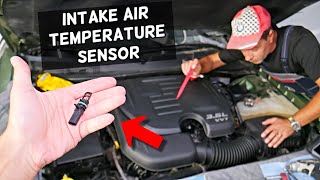
Typical fix: Replace the faulty sensor. The Engine Coolant Temperature (ECT) and Intake Air Temperature (IAT) sensors are the most common to fail. 🎬 See this guide on installing a new air temperature sensor
Est. part cost: $20-$60 - Wiring or Connector Issue ⚪ Low Probability
How to confirm: Visually inspect the wiring harnesses and connectors for the ECT, IAT, and AAT sensors. Look for any signs of damage, corrosion, or loose pins. A multimeter can be used to check for continuity and proper voltage at the sensor connectors.
Typical fix: Repair or replace the damaged section of wiring or the faulty connector.
Est. part cost: $10-$50
Rare But Worth Checking
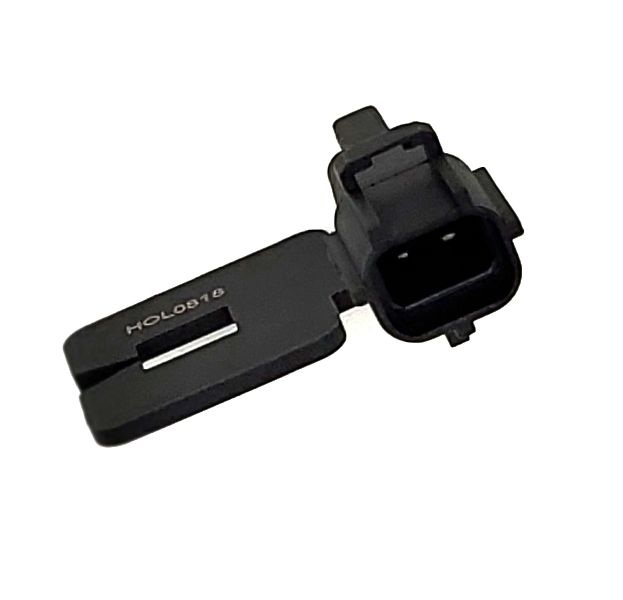
- Damaged Ambient Air Temperature (AAT) Sensor: → Shop Ambient Air Temperature Sensor
Diagnosis Steps
- Check for Technical Service Bulletins (TSBs): The first step is to confirm if TSB #18-094-16 applies to your vehicle's VIN and engine (6.4L).
- Verify PCM Software Version: Have a dealer or qualified shop check if the PCM has the latest software. If not, performing the update is the most likely fix.
- Scan for Other Codes: Note any other codes present. The presence of P0456, P0441, or P2610 strongly points to the software issue described in the TSB.
- Analyze Live Sensor Data: If the software is up-to-date, use a scan tool to view live data from the Engine Coolant Temp, Intake Air Temp, and Ambient Air Temp sensors. Compare their readings on a cold engine; they should be very close (within a few degrees of each other).
- Inspect the Ambient Air Temperature (AAT) Sensor: Visually check the AAT sensor located behind the front grille/bumper area for physical damage or a loose connection, as it is exposed to road debris.
- Inspect a Suspect Sensor: If one sensor's reading is illogical (e.g., reading 200°F on a cold engine), inspect its wiring and connector for damage, corrosion, or pushed-out pins.
- Test the Sensor Circuit: If wiring appears intact, test the sensor's resistance with a multimeter or test the circuit for proper voltage and ground from the PCM.
Parts You'll Likely Need
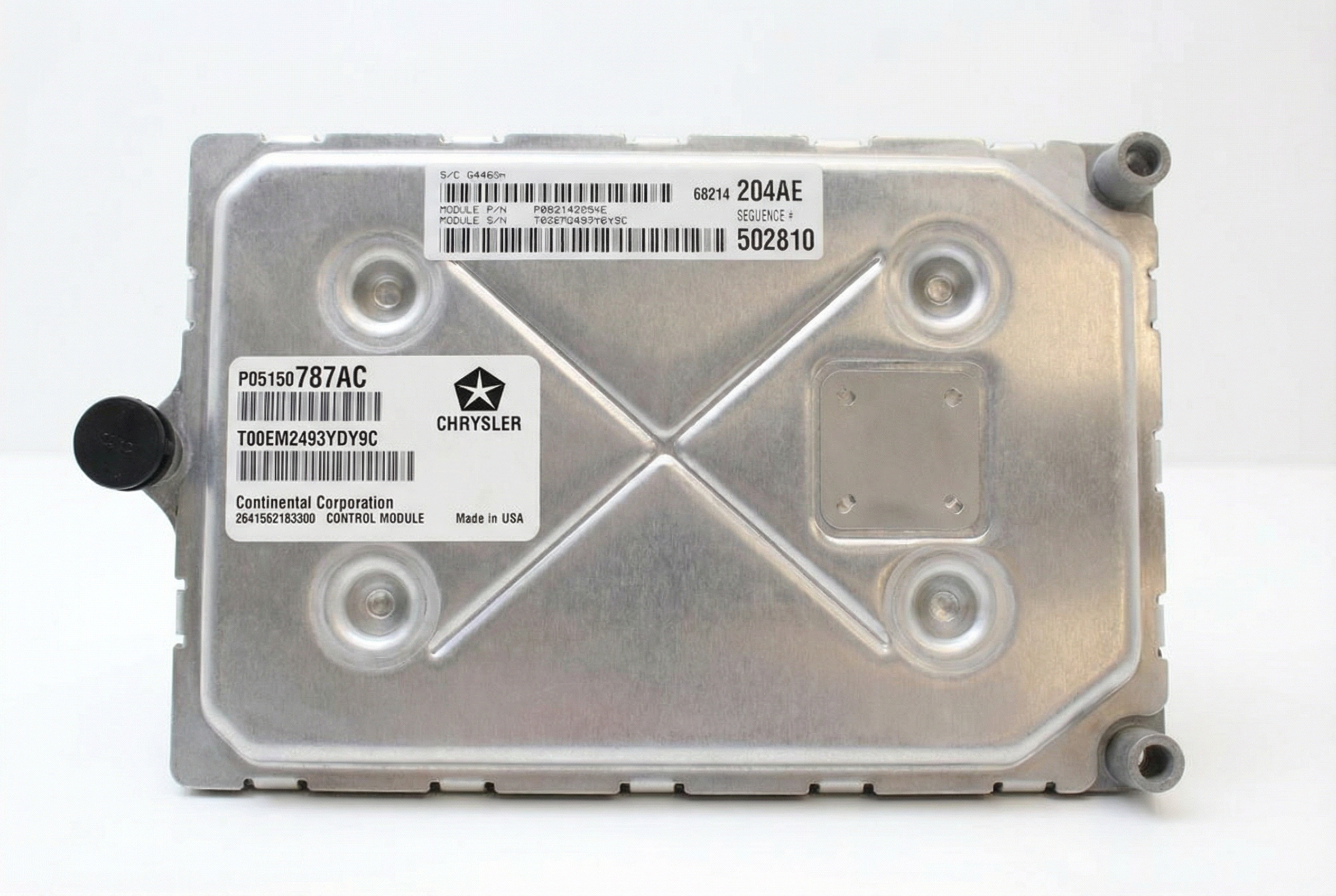
- PCM Software Update — This is not a physical part, but a service. It is the most common fix for P1115 on this vehicle, as documented in TSB 18-094-16. Owners report dealer costs for this flash are typically one hour of labor.
Trusted brands: Mopar (Dealer Service)
OEM price range: $120-$250
Aftermarket price range: N/A - Engine Coolant Temperature (ECT) Sensor
(OEM #05149077AB)— If a hardware failure is the cause, the ECT sensor is a possible culprit for providing an irrational reading. This part number supersedes 5149096AB.
Trusted brands: Mopar, NTK, Delphi
OEM price range: $30-$50
Aftermarket price range: $15-$30 - Intake Air Temperature (IAT) Sensor
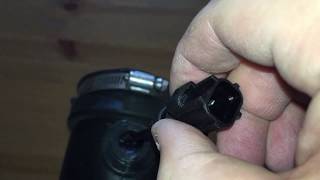
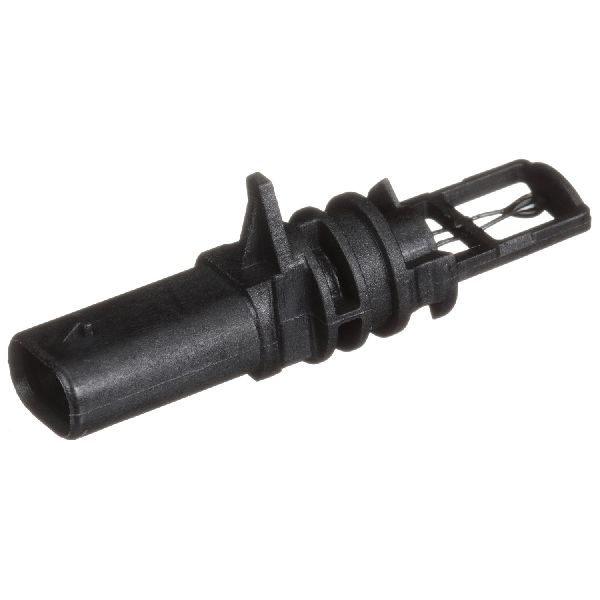
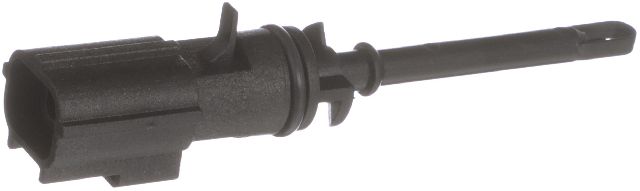
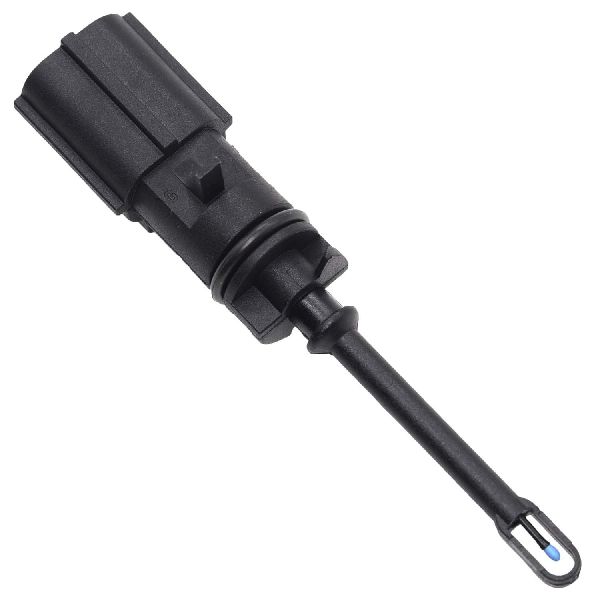
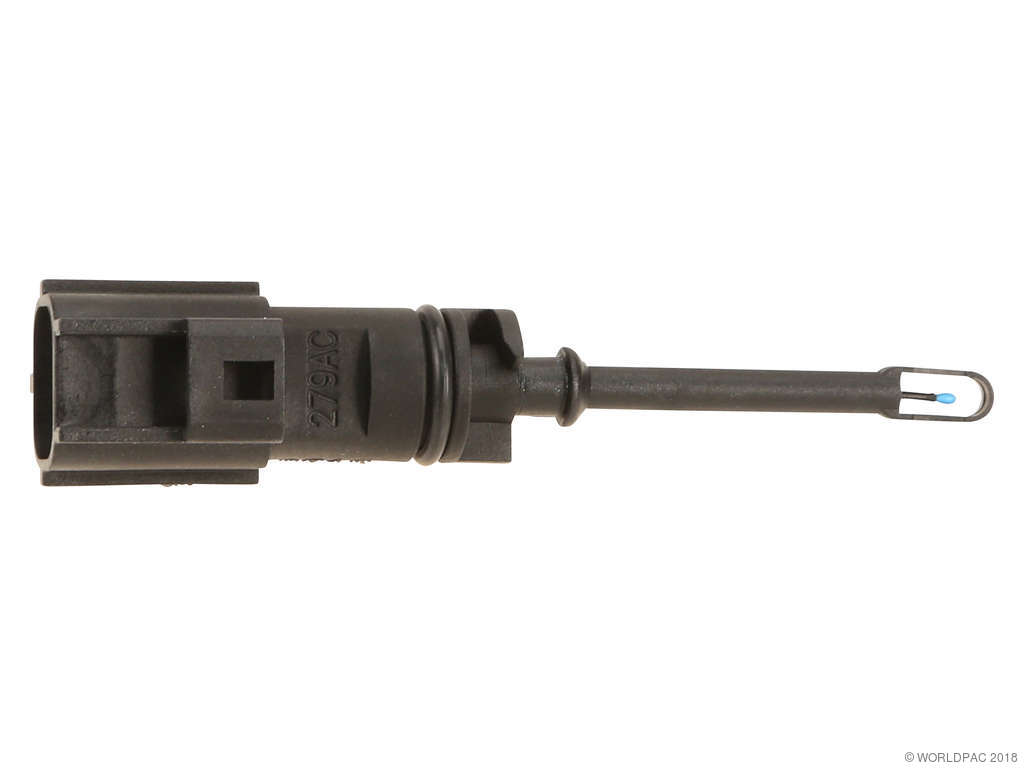
(OEM #05149279AC)— The IAT sensor is another of the three sensors checked in the rationality test and can fail, causing this code if the software is not the issue. This part number supersedes 5149279AB. 🎬 Watch: How to locate and remove the IAT sensor
Trusted brands: Mopar, Bosch, Standard Motor Products
OEM price range: $25-$45
Aftermarket price range: $10-$25
Related Codes That Often Appear With This One
- P0456 — EVAP System Small Leak - This code is listed in TSB 18-094-16 and is often resolved by the same PCM software update.
- P0441 — EVAP Purge System Performance - Also mentioned in TSB 18-094-16 as being addressed by the PCM reflash.
- P2610 — PCM Internal Engine Off Timer Performance - This code is directly related to the PCM's internal logic and is a strong indicator that the software update from TSB 18-094-16 is needed.
- P0300-P0308 — Misfire codes - TSB 18-094-16 also includes various misfire codes, suggesting the software update corrects logic that could falsely trigger them.
Technical Service Bulletins (TSBs) & Recalls
- 18-094-16: Involves reprogramming the PCM with updated software to resolve MIL illumination for a list of codes including P1115, P0456, P2610, and various misfire codes on 6.4L engine models.
Platform-Specific Known Issues
- A known software glitch in the Powertrain Control Module (PCM) can cause this code to be set erroneously, as documented in TSB 18-094-16 for 2014 models with the 6.4L engine.
Mechanic-Grade Diagnostic Values
- IAT/ECT Sensor Resistance (disconnected) — expected: Approximately 37 kΩ at 20°C (68°F), or 2.8 kΩ at 90°C (194°F). Resistance should decrease smoothly as temperature rises.. Failure: An open circuit (infinite resistance), a short (very low resistance), or values that do not correspond to the ambient temperature indicate a failed sensor.
- Sensor Signal Circuit Voltage (KOEO, sensor disconnected) — expected: 4.5 to 5.0 volts.. Failure: No voltage or low voltage suggests a wiring issue or a problem with the PCM's 5V reference circuit.
- Sensor Ground Circuit Resistance — expected: Less than 5.0 ohms to a known good chassis ground.. Failure: High resistance indicates a poor ground connection, which can cause incorrect sensor readings.
- Sensor Signal Circuit for Short to Ground — expected: High resistance (Mega-ohms).. Failure: Resistance below 100 Ohms indicates a short to ground in the signal wire.
Hidden / Shadow Codes Worth Checking
- Mode $06 Data (TID/CID): Mode $06 provides raw test data from the PCM's non-continuous monitors before a fault is severe enough to set a DTC. A technician can view the test values for the temperature sensor rationality checks. If the current value is close to the minimum or maximum limit, it indicates a sensor is performing marginally, even if no code is set yet. (see via A professional scan tool with Mode $06 capability. The specific Test ID (TID) for temperature rationality must be looked up in a service manual for the vehicle.)
Scan Tool Commands That Help
- wiTECH: PCM/ECM Programming — This is the primary repair for P1115 when TSB 18-094-16 applies. The function is used to flash the Powertrain Control Module with updated software that corrects the faulty logic.
- wiTECH: Clear All DTCs — After reprogramming a module, the wiTECH application automatically presents all resulting DTCs from the flash process and allows the technician to clear them from all modules.
Wiring & Ground Locations
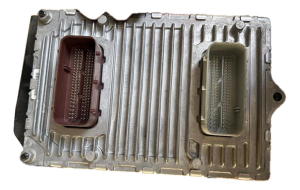
- PCM Location — Right rear of the engine compartment.. The PCM is the source of the 5V reference and ground for the sensors and is where the rationality check is performed. All sensor wiring terminates here.
- ECT Sensor Location (6.4L) — Left rear of the engine block.. Knowing the physical location is required for visual inspection, testing, and replacement of the Engine Coolant Temperature sensor.
- Engine Bay Ground Point — A dedicated ground post is provided for jump-starting and general grounding on the chassis, as the battery is in the trunk.. This is a known-good ground location to use as a reference point when testing sensor ground circuits with a multimeter.
- Chassis Ground Points — A factory ground post exists under the front passenger seat, and another is under the intake air box.. Poor body or engine grounds can cause floating reference voltages and lead to erroneous sensor readings, potentially triggering rationality codes like P1115.
"I Checked Everything" — The Actual Cause
- This is an electrical/logic code, so a smoke test is not applicable. However, a similar pattern exists: if all three temperature sensors (ECT, IAT, AAT) and their wiring test perfectly with a multimeter (correct resistance, good voltage, and ground), but the P1115 code persists (especially with P0456 and P2610), the root cause is almost certainly the PCM software logic flaw addressed by TSB 18-094-16.
When the Usual Fixes Don't Work
- The primary counter-evidence to a standard diagnostic path is the existence of TSB 18-094-16. A technician might follow standard procedure by identifying the one temperature sensor that reads differently from the other two on a cold start and replace it. However, for this specific vehicle, this action would likely be incorrect. The TSB indicates that a logic flaw in the PCM is the most probable cause, meaning the PCM itself is misinterpreting valid sensor data. Replacing sensors before verifying the PCM software version is the most common misdiagnosis and waste of money for this code.
OEM Part Supersession History
5149096AB→05149077AB— Standard part revision by the manufacturer.
Helpful Videos
Used OEM Parts in Stock
New Aftermarket Parts Available


The information in this article is provided for general reference and educational purposes only. Vehicle specifications, procedures, and part compatibility can vary by production date, trim level, and region. Always consult your vehicle's factory service manual and verify part numbers before purchasing or performing repairs. Safety-critical components such as airbags, seat belts, and braking systems should be installed by a qualified professional.
- Dodge CHARGER:
- 🧭 Diagnostic Flowchart
- 🎬 Helpful Videos
- 🛍️ Shop This Part
- What's Unique About the 2014-2014 Dodge CHARGER
- Symptoms You May Notice
- Most Likely Causes
- Rare But Worth Checking
- Diagnosis Steps
- Parts You'll Likely Need
- Related Codes That Often Appear With This One
- Technical Service Bulletins (TSBs) & Recalls
- Platform-Specific Known Issues
- Mechanic-Grade Diagnostic Values
- Hidden / Shadow Codes Worth Checking
- Scan Tool Commands That Help
- Wiring & Ground Locations
- "I Checked Everything" — The Actual Cause
- When the Usual Fixes Don't Work
- OEM Part Supersession History
- 🎟️ Get 5% Off