

P1128 on 2011-2017 Honda Odyssey: MAP Sensor Signal Low Causes and Fixes
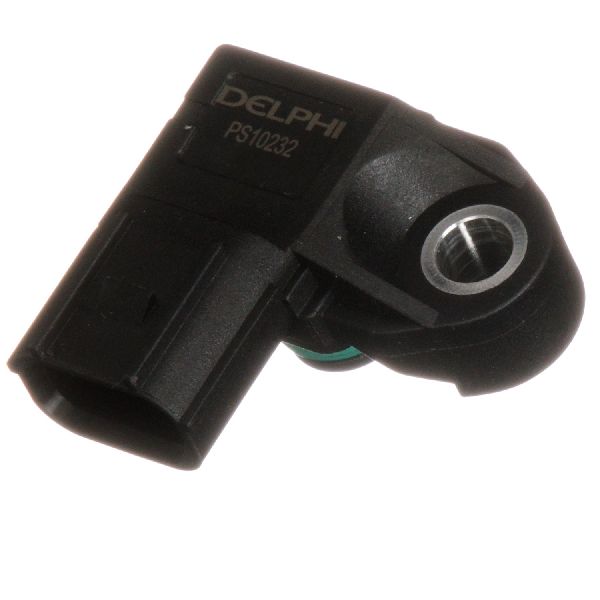
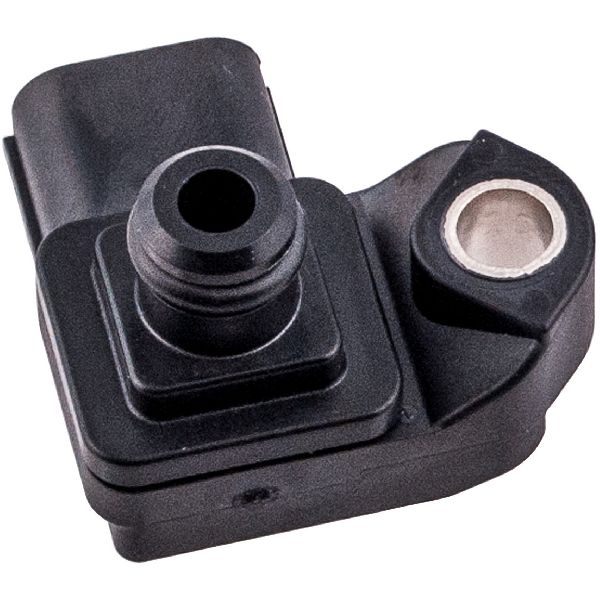
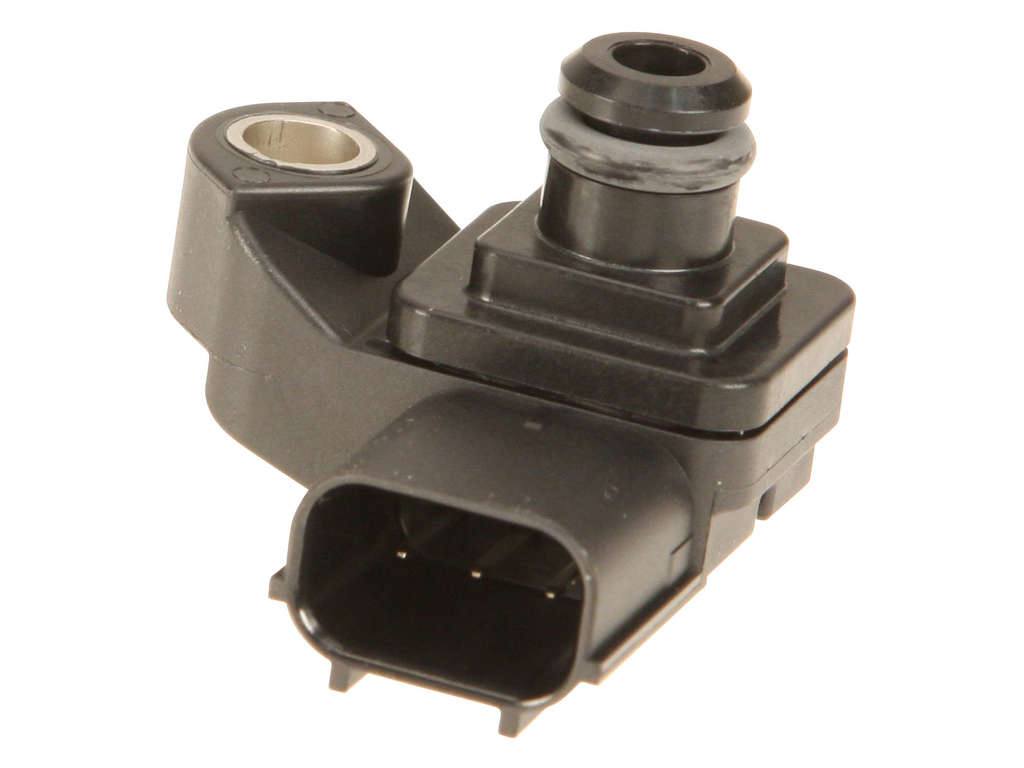
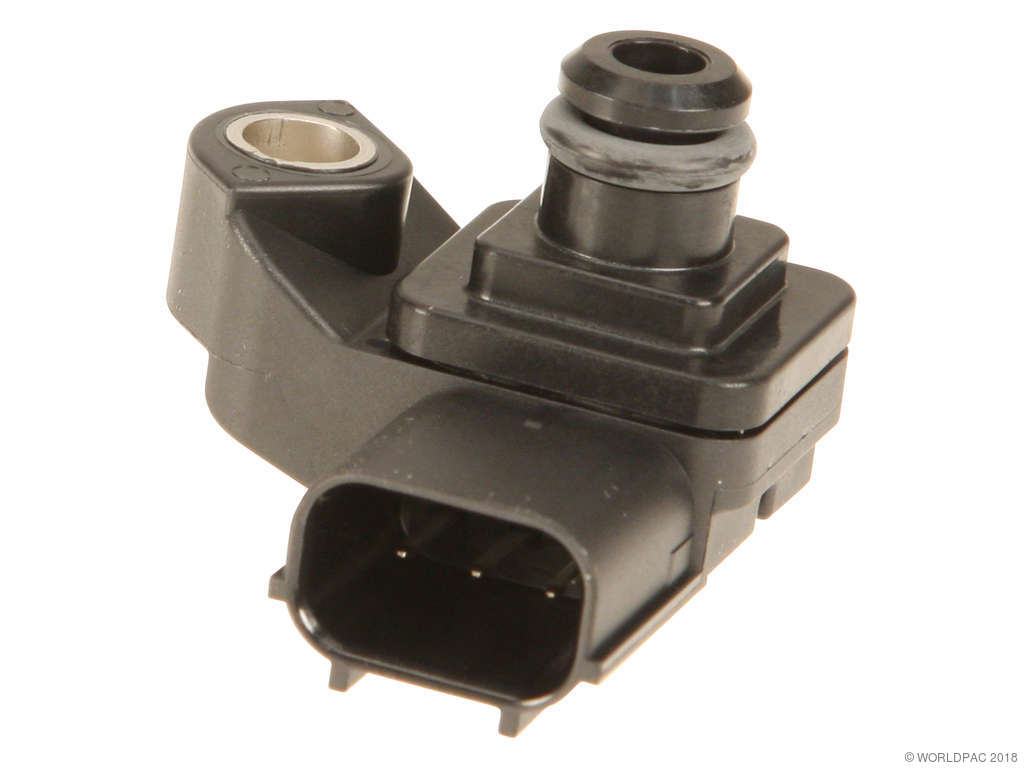
On a 2011-2017 Honda Odyssey, P1128 almost always means the Manifold Absolute Pressure (MAP) sensor is faulty. Replacing this sensor is a simple DIY fix, with the part costing between $30 for aftermarket and $100 for an OEM version. It is located on the intake manifold and is easily accessible.
- For a 2011-2017 Odyssey, P1128 means a problem with the MAP sensor circuit, NOT a general fueling issue.
- The most probable cause is a failed MAP sensor, part number 37830-RNA-A01.
- Replacement is a simple, 15-minute DIY job with a Phillips screwdriver.
- Do not waste money on oxygen sensors or fuel system parts for this code on this vehicle.
- Always check for a clean, tight electrical connection at the sensor before replacing it.
What's Unique About the 2011-2017 Honda Odyssey
It is critical to know that Honda defines P1128 differently than many other manufacturers. While generic code readers may define it as a 'Closed Loop Fueling Not Achieved Bank 1' issue, for this specific Honda Odyssey, it points directly to a problem in the MAP sensor circuit. This distinction is crucial, as it directs diagnosis away from the oxygen sensors and fuel trims and focuses squarely on the MAP sensor and its related components, 🎬 Watch: Diagnostic walkthrough for the P1128 MAP sensor code which is the overwhelmingly common failure point on this platform.
Symptoms You May Notice
- Check Engine Light is on
- Hesitation or sluggishness during acceleration
- Reduced fuel economy
- Rough or erratic idle
- Delay in acceleration or deceleration
- Replacing Oxygen (O2) Sensors
- Servicing Fuel Injectors
- Replacing the Fuel Pump
- Searching for a vacuum leak (while a leak can affect MAP readings, P1128 specifically points to a signal *lower* than expected, which is more characteristic of a sensor/circuit failure than a typical vacuum leak)
Most Likely Causes
- Faulty Manifold Absolute Pressure (MAP) Sensor 🔴 High Probability → Shop Manifold Absolute Pressure Sensor Sensors can fail over time due to heat cycles and internal electronic degradation. It is the most frequently reported failure part for this specific code on this vehicle, as confirmed by numerous owner and mechanic reports.
How to confirm: With the engine off and ignition on, check the MAP sensor reading on an OBD-II scanner. It should read atmospheric pressure (approx. 101 kPa or 29.9 inHg at sea level). Start the engine; the reading should drop significantly to indicate vacuum (e.g., 1-2 volts). If the reading is stuck low, does not change, or is otherwise nonsensical for the engine state, the sensor is likely bad.
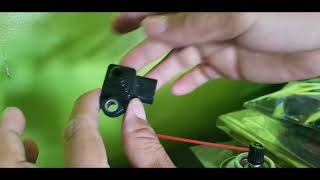
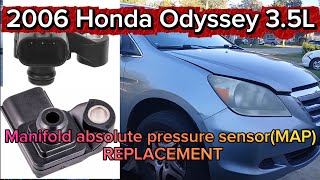
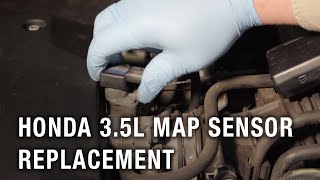
Typical fix: Replace the MAP sensor. It is located on top of the intake manifold, often near the throttle body, and is typically held in by a single Phillips head screw, making for an easy replacement.
Est. part cost: $30-$100 - Poor Electrical Connection 🟡 Medium Probability The engine bay environment can cause corrosion or damage to wiring and connectors over time. The connector to the MAP sensor or the pins in the Powertrain Control Module (PCM) can become loose or corroded.
How to confirm: Visually inspect the MAP sensor's electrical connector and wiring for any signs of corrosion, damage, or loose pins. Wiggle the connector with the engine running to see if it affects idle or sensor readings on a scan tool. Check for poor connections at the Powertrain Control Module (PCM) as well.
Typical fix: Clean the connector terminals with electrical contact cleaner or repair the damaged section of the wiring harness. Ensure a snug fit at both the sensor and PCM.
Est. part cost: $5-$50 - Blockage in Intake Manifold Port for MAP Sensor ⚪ Low Probability → Shop Manifold Absolute Pressure Sensor Carbon buildup from the EGR and PCV systems can, in rare cases, clog the small port where the MAP sensor reads manifold pressure. This is less common but still a possibility.
How to confirm: After removing the MAP sensor, inspect the port in the intake manifold. If it is clogged with carbon or debris, it will not allow the sensor to read pressure correctly.
Typical fix: Carefully clean the port using a small pick and a vacuum 🎬 See how to clean your Honda Odyssey MAP sensor to remove debris. Be extremely careful not to drop any debris into the intake manifold.
Est. part cost: $0 - Blockage in the Intake Air Duct ⚪ Low Probability A foreign object or severely clogged air filter can restrict airflow into the manifold, potentially causing the MAP sensor to read lower than expected under certain conditions.
How to confirm: Inspect the air filter and the intake ducting leading to the throttle body for any obstructions.
Typical fix: Replace the engine air filter and remove any blockages found in the intake tract.
Est. part cost: $20-$50
Rare But Worth Checking
- Faulty Powertrain Control Module (PCM): This is extremely rare. The PCM should only be considered after all other possibilities, including the sensor, wiring, and any blockages, have been exhaustively tested and ruled out.
Diagnosis Steps
- Confirm the code: Use an OBD-II scanner to confirm that P1128 is the only code present. Note any other codes and review freeze frame data to understand the conditions when the code was set.
- Verify the Definition: Using a reliable source, confirm that for your 2011-2017 Honda, P1128 refers to the MAP sensor ('MAP Sensor Signal Lower Than Expected'), not the generic 'Closed Loop Fueling' definition.
- Visual Inspection: Locate the MAP sensor on the intake manifold. Visually inspect the sensor, its electrical connector, and the nearby wiring for any obvious damage, corrosion, or loose connections.
- Live Data Test (Key On, Engine Off): With the ignition ON and engine OFF, use a scan tool to view live MAP sensor data. The reading should be close to atmospheric pressure (e.g., ~101 kPa, ~29.9 inHg, or ~4.5-5.0V at sea level). If it's reading very low (e.g., near zero), the sensor or its circuit is faulty.
- Live Data Test (Engine Running): Start the engine. The MAP reading on the scan tool should drop significantly to a low pressure/high vacuum reading (e.g., 1.0-2.0V at idle). Rev the engine; the reading should change instantly with throttle input. If the reading is stuck, slow to respond, or doesn't change, the sensor is the primary suspect.
- Check for Blockages: Remove the MAP sensor (usually one screw). Inspect the small port it sits in for any carbon buildup or blockage. Also, check the engine air filter and intake tract for obstructions. Clean any blockages found, being careful not to let debris fall into the manifold.
- Test Wiring (Optional but Recommended): If a new sensor doesn't fix the issue, check the sensor's wiring harness. Verify there is a 5V reference signal, a good ground (less than 100mV), and continuity on the signal wire back to the PCM.
- Replace the MAP Sensor: If the sensor test fails, replace the MAP sensor. This is the most common solution and a good starting point if you lack advanced diagnostic tools.
- Clear Code and Test Drive: After any repair, clear the DTC with the scanner and perform a test drive, including idling and acceleration, to ensure the code does not return. An idle learn procedure may be required.
Parts You'll Likely Need
- Manifold Absolute Pressure (MAP) Sensor
(OEM #37830-RNA-A01)— This sensor is the most common point of failure for the P1128 code on this specific vehicle.
Trusted brands: Denso (OEM supplier), Bosch, Standard Motor Products (SMP), Hitachi, TRQ
OEM price range: $70-$100
Aftermarket price range: $30-$60
Platform-Specific Known Issues
- Owner Experience: Quick DIY Fix: Multiple owners on Odyclub.com forums report that P1128 appeared along with sluggish performance. In nearly all cases, replacing the MAP sensor with an OEM or quality aftermarket part (like Denso) resolved the issue in under 15 minutes with just a Phillips screwdriver. Many emphasize using the Honda-specific code definition and ignoring generic advice about O2 sensors.
Mechanic-Grade Diagnostic Values
- MAP Sensor Signal Voltage (Key On, Engine Off) — expected: ~4.5V - 5.0V (at sea level, reflecting atmospheric pressure). Failure: A reading near zero or significantly below 4.5V indicates a sensor or circuit fault.
- MAP Sensor Signal Voltage (Engine Idling) — expected: ~1.0V - 2.0V. Failure: Voltage remains high (near KOEO value) or does not respond, indicating the sensor is not reading engine vacuum.
- MAP Sensor Signal Voltage (Engine at 2500 RPM, no load) — expected: ~1.4V - 1.9V. Failure: Reading is stuck, erratic, or does not correspond to engine speed changes.
- Honda PCM Fault Trigger Condition — expected: Signal voltage should remain above 1.61V during specific monitoring conditions.. Failure: The PCM will set code P1128 if the MAP sensor signal is less than 1.61V (54.1 kPa) for more than 5 seconds.
- MAP Sensor Connector Ground Pin Voltage — expected: Less than 0.1V (100mV). Failure: A reading higher than 0.1V indicates a poor ground, which can cause incorrect sensor readings.
- MAP Sensor Connector Reference Voltage — expected: ~5.0V. Failure: No voltage or significantly lower voltage indicates a problem with the PCM or the wiring between the PCM and the sensor.
Scan Tool Commands That Help
- Honda Diagnostic System (HDS) or equivalent: MAP Sensor Data List — Used to view live voltage and pressure readings from the MAP sensor to compare against expected values during KOEO and engine running tests.
- Honda Diagnostic System (HDS) or equivalent: Clear DTCs — Used after a repair to erase the P1128 code from the PCM's memory.
- Honda Diagnostic System (HDS) or equivalent: Idle Learn Procedure — This procedure should be performed after replacing the MAP sensor and resetting the PCM to allow the engine management system to recalibrate and adapt to the new sensor's readings.
Wiring & Ground Locations
- MAP Sensor Connector — On the MAP sensor itself, which is located on the top of the intake manifold near the throttle body.. This 3-pin connector is the primary interface for the sensor. Corrosion, damage, or a loose connection here is a common cause of the P1128 code, interrupting the 5V reference, ground, or signal transmission.
- PCM Connector — The Powertrain Control Module (PCM) is typically located in the engine bay or behind the dashboard. A specific wiring diagram is needed for the exact location and pinout for the 2011-2017 Odyssey.. A poor connection or corrosion at the PCM pins corresponding to the MAP sensor can mimic a failed sensor. This is a less common but important check if a new sensor and connector inspection don't solve the issue.
Real Owner Repair Stories
- Multiple threads on Odyclub.com and r/HondaOdyssey (2011-2017 Honda Odyssey (various trims)) — Check Engine Light on, sluggish acceleration, hesitation.
❌ Tried (didn't work) Ignoring the code, Getting a generic 'Closed Loop Fueling' definition and considering O2 sensor replacement
✅ What actually fixed it In the vast majority of documented cases, the owner confirmed that replacing the MAP sensor (Part No. 37830-RNA-A01) with an OEM or Denso part and clearing the code permanently resolved the P1128 code and associated symptoms. The repair was consistently described as taking less than 15 minutes with a single screwdriver.
OEM Part Supersession History
37830-RNA-A01→N/A— This part number appears to be stable and has been used by Honda for many years across a wide variety of models, including the 2011-2017 Odyssey.
Heads up: While one source indicated the part was discontinued, multiple official Honda parts retailers still list it as the correct and available part. No supersession or incompatibility issues are noted.
Model Year Variations Within This Range
- 2011-2017: While there was a mid-generation refresh in 2014 that changed aesthetics and interior technology, and a 6-speed transmission was phased in, there were no significant changes to the J35Z8 engine's MAP sensor or its management system that would alter the diagnosis or repair for code P1128.
Diagnostic Flowchart
Other Known Issues on This Vehicle
Issues unrelated to this code that are worth knowing about as an owner of this generation:
- VCM-Related Engine Misfires & Oil Consumption 🔴 High — Widespread issue. Can lead to fouled spark plugs (especially on rear bank), and in severe cases, requires piston ring replacement. (Ref: A class-action lawsuit resulted in warranty extensions (e.g., to 8 years/unlimited miles) for affected vehicles to cover piston ring repairs. Many owners proactively install a 'VCM Muzzler' device to disable the system.)
- Torque Converter Judder/Shudder 🟠 Medium — Common complaint of a shudder/vibration between 20-60 mph under light throttle. (Ref: Honda TSB 17-043 and 17-052 address this by recommending a transmission software update and a multi-flush of the transmission fluid.)
- Power Sliding Door Failures 🟠 Medium — Problems include doors not opening/closing, or reversing direction. Often caused by frayed cables, faulty motors, or water intrusion into connectors. (Ref: Multiple TSBs exist, such as 08-078 (for older models but relevant cause), and others for specific symptoms like noise or reversing.)
- VCM Spool Valve Oil Leak 🟡 Low — The VCM solenoid assembly (spool valve) gaskets are known to leak oil onto the alternator below, potentially causing alternator failure.
- Warped Front Brake Rotors 🟡 Low — Very common for the front brake rotors to warp prematurely, causing a vibration or steering wheel shake when braking.
Used vs. New Parts: Buying Guide for This Vehicle
When a used part is the smart pick: Almost never. A MAP sensor is a sensitive, relatively inexpensive electronic part. The cost savings of a used part are minimal and not worth the risk of getting a part that is near the end of its service life or already faulty.
Donor-vehicle mileage cap: roughly under 50000 miles for the part to have meaningful remaining life.
What to inspect on the donor part:
- Part must come from a vehicle with documented low mileage.
- Visually inspect for cracks in the plastic housing or corrosion on the electrical pins.
- Ensure the vacuum port is clean and free of oil residue.
OEM-only on this vehicle (don't cheap out):
- For this repair, while OEM is best, a quality aftermarket part is a very acceptable alternative.
Aftermarket brands forum-validated for this vehicle:
- Denso (often the original OEM supplier)
- NTK
- Standard Motor Products (SMP)
Brands owners have reported issues with on this vehicle:
- Unnamed, no-brand parts from online marketplaces.
- Some anecdotal forum evidence suggests avoiding Bosch for Honda electronic sensors, though this is not a widespread technical consensus.
Real Owner Stories
Aggregated from forums and TSBs cited above. Mileages and costs reflect what owners reported in those sources.
2011-2017 Honda Odyssey J35
Symptoms: The vehicle exhibited sluggish performance and the Check Engine Light was illuminated with code P1128.
What fixed it: Replacing the MAP sensor with an OEM or quality aftermarket part (like Denso) using just a Phillips screwdriver.
Source hint: odyclub.com forum discussions and vehicle_specific_issues: Owner Experience: Quick DIY Fix
2011-2017 Honda Odyssey
Symptoms: Check Engine Light on; users confirmed P1128 is almost always the MAP sensor.
What fixed it: A straightforward DIY repair replacing the MAP sensor.
Source hint: reddit.com/r/HondaOdyssey
Related OBD-II Codes
Frequently Asked Questions
I see P1128 defined as 'Closed Loop Fueling' online; is that what it means for my 2011-2017 Honda Odyssey?
Is there a specific brand of MAP sensor I should use for my Odyssey?
How difficult is it to replace the MAP sensor on the J35 engine?
Could my Odyssey's VCM system be related to engine issues like this?
My Odyssey shudders between 20-60 mph; is that caused by the P1128 code?
Can I just clean the MAP sensor port instead of buying a new part?
Helpful Videos
We Have This Part in Stock


The information in this article is provided for general reference and educational purposes only. Vehicle specifications, procedures, and part compatibility can vary by production date, trim level, and region. Always consult your vehicle's factory service manual and verify part numbers before purchasing or performing repairs. Safety-critical components such as airbags, seat belts, and braking systems should be installed by a qualified professional.
- Honda Odyssey:
- 🧭 Diagnostic Flowchart
- 🎬 Helpful Videos
- 🛍️ Shop This Part
- What's Unique About the 2011-2017 Honda Odyssey
- Symptoms You May Notice
- Most Likely Causes
- Rare But Worth Checking
- Diagnosis Steps
- Parts You'll Likely Need
- Platform-Specific Known Issues
- Mechanic-Grade Diagnostic Values
- Scan Tool Commands That Help
- Wiring & Ground Locations
- Real Owner Repair Stories
- OEM Part Supersession History
- Model Year Variations Within This Range
- Other Known Issues on This Vehicle
- Used vs. New Parts: Buying Guide for This Vehicle
- Real Owner Stories
- 2011-2017 Honda Odyssey J35
- 2011-2017 Honda Odyssey
- Related OBD-II Codes
- Frequently Asked Questions
- 🎟️ Get 5% Off