

P1128 on 2018-2024 Jeep Wrangler: "Closed Loop Fueling Not Achieved" Causes and Fixes
On a 2018-2024 Jeep Wrangler, code P1128 almost always points to a faulty upstream oxygen (O2) sensor on Bank 1. This sensor fails to send the correct signals for the engine to enter its efficient fuel-saving mode, often setting the code intermittently on a cold start. Replacing the Bank 1, Sensor 1 O2 sensor is the most common and confirmed fix.
- P1128 means your Wrangler's engine isn't entering its fuel-efficient 'closed-loop' mode, most likely due to a bad upstream O2 sensor on Bank 1 (passenger side on 3.6L).
- The most common fix is to replace the Bank 1, Sensor 1 oxygen sensor. Using a quality OEM (Mopar) or reputable aftermarket brand (NTK, Denso) is recommended.
- Before replacing parts, check the sensor's wiring connector for damage and ensure the main engine computer (PCM) connectors are secure.
- If you have the 3.6L V6, inspect the passenger-side valve cover for oil leaks that could be contaminating the sensor, as this will cause the new sensor to fail as well.
What's Unique About the 2018-2024 Jeep Wrangler
On the Wrangler JL, this code is known to appear intermittently, often within 30 seconds of a cold start, and can sometimes clear itself after a few drive cycles. This suggests a sensor that is failing or a connection that is becoming unstable during the engine's initial warm-up phase. While the root cause is typically the O2 sensor itself, owners have also reported resolving the issue by checking and reseating the main PCM electrical connectors located next to the windshield washer fluid reservoir, indicating that a poor connection can mimic a sensor failure. The code frequently appears alone, without other O2 sensor heater or performance codes, which can sometimes complicate diagnosis.
Generation note: The 2018 model year was a transition period where both the older 'JK' and the new 'JL' generation were sold. This guide is specific to the 2018-2024 'JL' Wrangler. Ensure you are buying parts for the correct generation as they may differ. The P1128 code is also seen on the older JK platform.
Symptoms You May Notice
- Check Engine Light illuminated
- Decreased fuel efficiency
- Rough or fluctuating idle
- Poor engine performance or hesitation
- Failing an emissions test
- Replacing the downstream (post-catalytic converter) O2 sensor instead of the upstream one.
- Replacing the PCM when the issue is a simple wiring or sensor fault.
- Assuming the code must be accompanied by a sensor heater code to indicate a bad sensor; for P1128, it often appears alone.
Most Likely Causes
- Defective Upstream Oxygen (O2) Sensor (Bank 1, Sensor 1) 🔴 High Probability → Shop Oxygen Sensor The O2 sensor's internal heating element or sensing element can degrade, preventing it from reaching operating temperature quickly enough to provide the necessary signal for closed-loop operation. Numerous forum discussions among JL and JT (Gladiator) owners confirm this is the most frequent fix, often solving an intermittent code that only appears on cold starts.
How to confirm: Use a scan tool to monitor the live data for the Bank 1 Sensor 1 O2 sensor on a cold start. A healthy sensor's voltage should start fluctuating within about a minute. A sensor that is slow to respond, has flatline voltage, or shows erratic readings is likely faulty. A clear failure is a sensor that reads a steady 5 volts. Given the high failure rate, many owners with this specific code opt to replace the sensor as the primary diagnostic step.
Typical fix: Replace the Bank 1, Sensor 1 (upstream) oxygen sensor. On the 3.6L V6, this is on the passenger side, before the catalytic converter. On the 2.0L Turbo, it is the upstream sensor located at the top rear of the engine, just after the turbocharger. 🎬 Watch: Locate the upstream O2 sensor on your Wrangler. It is recommended to warm the engine slightly before attempting removal to avoid damaging the threads 🎬 See this walkthrough for replacing your Wrangler's O2 sensors. in the exhaust manifold.
Est. part cost: $50-$150 - Wiring or Connector Issue 🟡 Medium Probability Connectors for O2 sensors are exposed to heat, vibration, and debris, which can lead to loose connections or corrosion. Some owners have fixed the issue by simply reseating the main PCM connectors on the firewall. Additionally, on the 3.6L V6, oil from a leaking valve cover gasket can saturate the O2 sensor connector, causing a short.
How to confirm: Visually inspect the wiring and connector for the Bank 1 upstream O2 sensor for any signs of damage, melting, or corrosion. On the 3.6L, check for oil residue around the connector. Disconnect, inspect the pins, clean with electrical contact cleaner if oily or corroded, add dielectric grease, and reconnect securely. Also, inspect and reseat the two large connectors at the PCM.
Typical fix: Repair the damaged wiring or clean/replace the connector. In some cases, simply unplugging and securely reconnecting the sensor and PCM connectors can resolve the issue.
Est. part cost: $0-$50 - Exhaust Leak Before the O2 Sensor ⚪ Low Probability → Shop Oxygen Sensor A crack in the exhaust manifold or a leaking gasket can allow unmetered oxygen into the exhaust stream. This skews the O2 sensor's readings, making the PCM believe the mixture is leaner than it is and preventing the system from entering closed loop.
How to confirm: Listen for ticking or hissing noises from the engine bay, especially on a cold start when the metal has contracted. A smoke test is the most effective way to pinpoint the location of an exhaust leak.
Typical fix: Replace the leaking exhaust manifold gasket or repair/replace the cracked manifold.
Est. part cost: $20-$400 - Faulty Engine Coolant Temperature (ECT) Sensor ⚪ Low Probability The PCM will not command closed-loop operation until the engine reaches a specific operating temperature. A faulty ECT sensor that incorrectly reports a cold engine can prevent this from happening.
How to confirm: Use a scan tool to compare the ECT sensor reading to the ambient air temperature sensor reading on a cold engine after it has sat overnight; they should be nearly identical. If the ECT reading is illogical (e.g., reads -40°F on a warm day), the sensor is likely bad.
Typical fix: Replace the engine coolant temperature sensor.
Est. part cost: $25-$75
Rare But Worth Checking
- Low or High Fuel Pressure: If the fuel pressure is out of specification due to a weak pump or clogged filter, the PCM may not be able to adjust the fuel mixture correctly to achieve closed loop. This is less common but worth checking if an O2 sensor replacement doesn't fix the code.
- Leaking Valve Cover Gasket (3.6L V6): On the 3.6L V6, the passenger side valve cover is known to leak oil directly onto the Bank 1 O2 sensor and its connector. This oil contamination can short the connector pins, causing erratic signals and triggering codes like P1128 and P0132. Cleaning the connector and replacing the valve cover gasket is the proper fix.
Diagnosis Steps
- Scan for other DTCs. P1128 often appears alone, but if other codes are present (like P0132 or fuel trim codes), they can provide valuable diagnostic clues.
- Perform a visual inspection. Check the Bank 1 upstream O2 sensor's wiring and connector for obvious damage, melting, or corrosion. On 3.6L V6 models, carefully inspect the passenger side valve cover above the sensor for any signs of an oil leak dripping onto the sensor or its harness.
- Analyze live sensor data. Using a scan tool, monitor the Bank 1 Sensor 1 O2 sensor voltage and the Engine Coolant Temperature (ECT) on a cold start. The O2 sensor should begin fluctuating between approximately 0.1V and 0.9V within 60 seconds. A slow or non-responsive sensor points to a failure. The ECT should rise steadily.
- Check for loose connections. Disconnect and reconnect the O2 sensor connector. It is also worth checking the two large electrical connectors at the PCM on the firewall for a secure fit, as some owners have reported this resolves the issue.
- Test for exhaust leaks. With the engine running, listen for any hissing or ticking sounds from the exhaust manifold area. A smoke test is the definitive method to find small leaks.
- Test the O2 Sensor. If all else looks good, the O2 sensor itself is the most likely failure point. Replacing it is the next logical step, 🎬 Watch: A mechanic's guide to fixing the P1128 code. and is a very common fix for this code.
- Test Fuel Pressure. If the problem persists after a new O2 sensor, check that fuel pressure is within the manufacturer's specifications to rule out a fuel delivery issue.
Parts You'll Likely Need
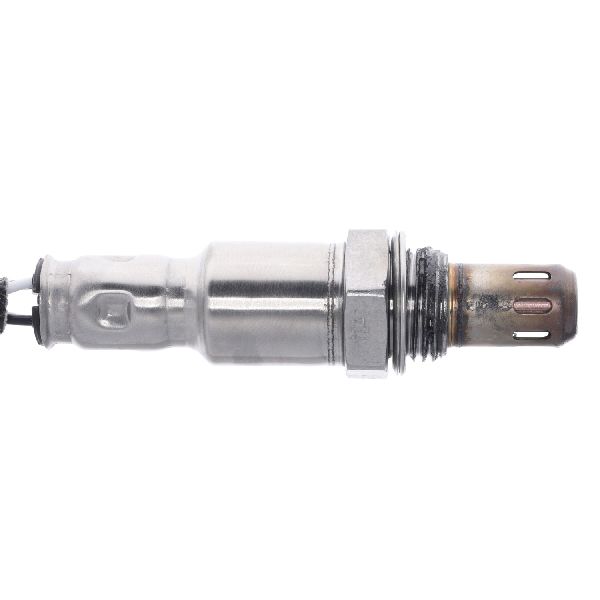
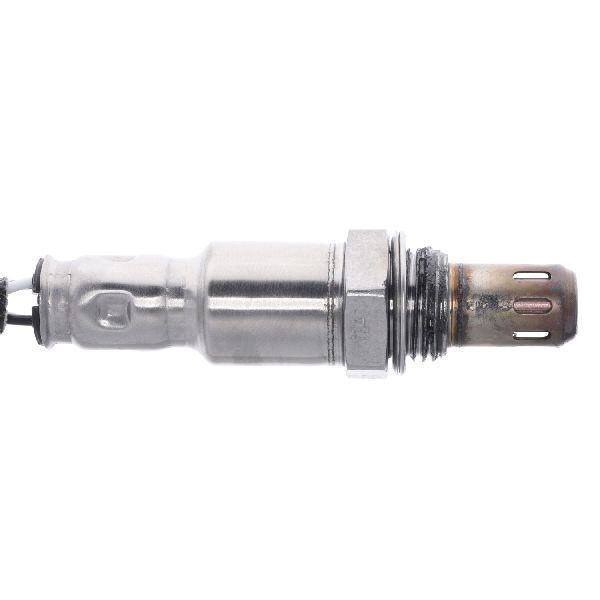
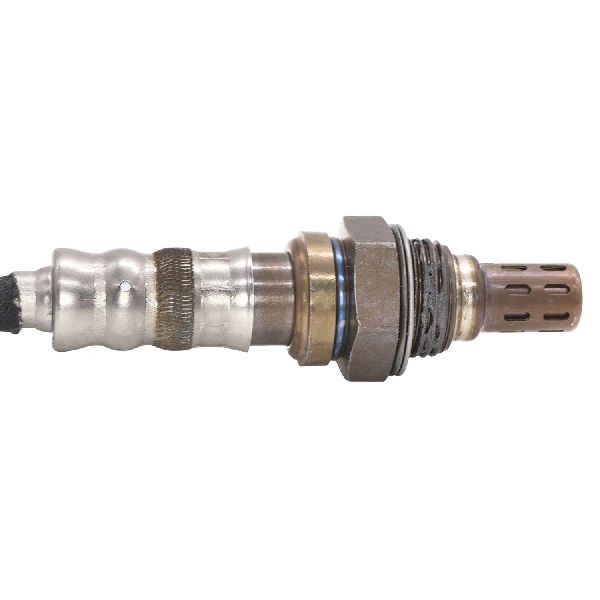
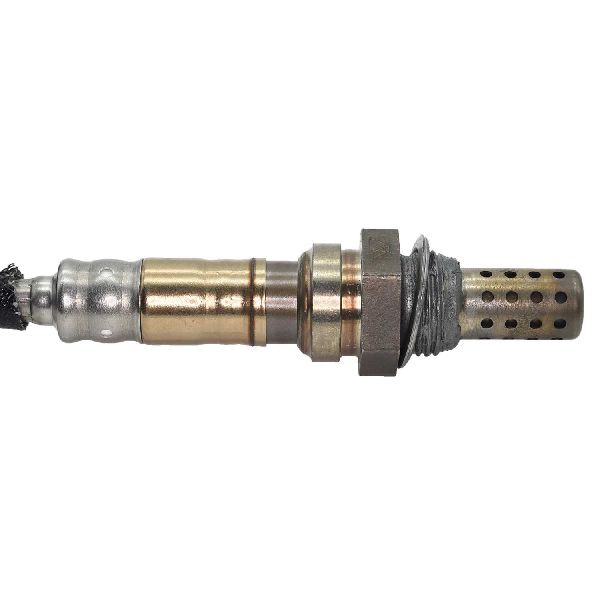
- Upstream Oxygen Sensor (Bank 1, Sensor 1)
(OEM #68224424AA)— This is the primary sensor the PCM uses for closed-loop fuel control. Its failure to respond quickly on startup is the most common reason for code P1128. NOTE: Part number 68224424AA is used for multiple sensor locations (Upstream/Downstream, Left/Right) on various Jeep/Dodge/Chrysler vehicles. Always verify the exact part number for your specific VIN and sensor location. For the 2.0L engine, part number 68217019AA has also been cited by owners.
Trusted brands: Mopar, NTK, Denso, Bosch
OEM price range: $100-$150
Aftermarket price range: $50-$100
Related Codes That Often Appear With This One
- P0132 - O2 Sensor Circuit High Voltage (Bank 1, Sensor 1): This code can appear alongside P1128, especially if the sensor is shorted or contaminated with oil.
Platform-Specific Known Issues
- Intermittent Nature on Cold Start: A key characteristic of P1128 on the JL Wrangler is its tendency to appear only during the first minute of a cold start. The Check Engine Light may then extinguish after several key cycles, only to return on a subsequent cold morning. This points directly to a lazy O2 sensor heater or sensing element.
Mechanic-Grade Diagnostic Values
- Upstream O2 Sensor (Bank 1, Sensor 1) Heater Element Resistance — expected: 4-5 Ohms at 70°F (21°C). Failure: A reading significantly outside this range indicates a faulty internal heater element.
- Upstream O2 Sensor (Bank 1, Sensor 1) Signal Voltage — expected: Fluctuating rapidly between 0.1V and 0.9V in closed loop.. Failure: A flatline voltage, especially one stuck high near 5V, indicates a shorted sensor or wiring issue.
- Fuel Injector Resistance (3.6L Pentastar) — expected: Approximately 12.0 - 12.1 Ohms. Failure: An open circuit (OL) or a reading significantly different from 12 Ohms indicates a failed injector coil.
- Fuel Pressure (3.6L Pentastar) — expected: Rated for 58 psi. Failure: Pressure significantly below 58 psi could indicate a weak pump or clogged filter, preventing closed loop.
Wiring & Ground Locations
- G915A / G915B / G916A — These are primary body ground points located in the engine bay and along the frame of the Jeep Wrangler JL.. The PCM and O2 sensors rely on clean, solid ground connections to provide accurate readings. A corroded or loose ground at one of these locations can introduce noise or voltage offsets into the O2 sensor circuit, causing the PCM to receive incorrect data and preventing the switch to closed-loop operation.
- PCM Connectors (C1/C2) — Located on the driver's side of the engine bay, near the firewall and windshield washer fluid reservoir.. These are the main interface between the engine sensors and the PCM. As noted in Pass 2, owners have reported that simply reseating these large connectors has resolved intermittent P1128 codes, indicating that a poor pin connection can mimic a sensor failure.
Real Owner Repair Stories
- JLWranglerForums.com user 'ym0bc1' (2021 Jeep Wrangler with 2.0L Turbo engine, 30k miles) — Check Engine Light with code P1128, appeared immediately after ignition.
✅ What actually fixed it The owner replaced the upstream O2 sensor located at the top rear of the engine. This extinguished the P1128-linked Check Engine Light. - JLWranglerForums.com user 'GrnMachin' (2021 Jeep Wrangler with 2.0L Turbo engine, 72k miles) — Intermittent P1128 code during very cold weather.
❌ Tried (didn't work) Waiting to see if the code would stay gone on its own.
✅ What actually fixed it Replaced the upstream O2 sensor (Mopar P/N 68217019AA). The user noted the new sensor came with anti-seize pre-applied and torqued it to 30 ft-lbs. The code did not return.
OEM Part Supersession History
Varies by catalog→Varies by catalog— Connector Shape Mismatch
Heads up: An owner of a 2018 3.6L model reported that parts stores consistently specified an O2 sensor with a square electrical connector, but their vehicle required an oval connector. This indicates a potential early-production variation or parts catalog error. Always visually inspect the connector on the vehicle before purchasing a replacement part, especially for 2018 models.N/A→N/A— Location-Specific Part Numbers
Heads up: On the 3.6L V6, the Bank 1 Sensor 1 (right/passenger side, upstream) O2 sensor has a unique part number and is not interchangeable with the other three sensors on the vehicle. Using the wrong sensor, even if it physically fits, will result in continued issues.
Model Year Variations Within This Range
- 2024: Some 2024 Jeep Wranglers with the 3.6L engine may have Technical Service Bulletins (TSBs) related to recurring oxygen sensor failures. The fix is not another sensor replacement, but a PCM software update performed by a dealer to correct issues that can cause O2 sensor circuit high voltage codes.
Diagnostic Flowchart
Other Known Issues on This Vehicle
Issues unrelated to this code that are worth knowing about as an owner of this generation:
- Loose Steering / Wander (Aluminum Steering Box) 🔴 High — Very common on 2018-2020 models. Owners complain of constant steering corrections and wandering at highway speeds. (Ref: TSB 08-074-20 REV. A: Involves replacing the original aluminum steering gear with an updated steel version and a software flash to improve steering feel.)
- Auxiliary Battery Failure (ESS Battery) 🟠 Medium — Extremely common across all years. The small auxiliary battery for the Engine Start-Stop system fails prematurely (often within 2-4 years), which can drain the main battery and cause a no-start condition or various electrical faults.
- Front Track Bar Frame Weld Failure 🔴 High — Affected a specific batch of early 2018-2019 models. Though not widespread, the failure could lead to a complete loss of steering control. (Ref: Recall U67 / NHTSA 18V-675: Issued in late 2018 for dealers to inspect and, if necessary, repair the track bar bracket weld on the frame.)
- Front End Shimmy / "Death Wobble" 🔴 High — A recurring issue for some owners, often triggered by hitting a bump at speed. It causes violent shaking of the steering wheel and front end. (Ref: TSB S1819000004: Addresses 'Shimmy Felt In Front End'. The fix often involves replacing the steering damper, but other components like ball joints or the track bar can also be culprits.)
Used vs. New Parts: Buying Guide for This Vehicle
When a used part is the smart pick: For this specific repair, sourcing used parts is not recommended for the sensor itself. However, if the issue is a damaged electrical pigtail/connector, a used connector from a junkyard harness is a viable and cost-effective repair option instead of replacing a larger section of the wiring harness.
Donor-vehicle mileage cap: roughly under 100000 miles for the part to have meaningful remaining life.
What to inspect on the donor part:
- For a used connector, inspect for any signs of melting, cracked plastic, or corrosion on the pins.
- Ensure the locking tab on the connector is intact and functional.
- Verify the wire colors match your vehicle's harness if cutting and splicing.
Aftermarket brands forum-validated for this vehicle:
- NTK (Often the Original Equipment Manufacturer for Mopar)
- Denso
Brands owners have reported issues with on this vehicle:
- Bosch: While a major brand, many Jeep owners on forums report compatibility issues and premature failures when using Bosch O2 sensors on Wrangler platforms.
Real Owner Stories
Aggregated from forums and TSBs cited above. Mileages and costs reflect what owners reported in those sources.
2019 Jeep Wrangler JL
Symptoms: The Check Engine Light would come on intermittently, but only ever during a cold start in the morning. The code was P1128 and it appeared by itself with no other codes.
What fixed it: Replacing the upstream oxygen sensor on Bank 1 (the passenger side sensor) resolved the issue completely.
Cost: $50-$150
Source hint: JLWranglerForums.com - 'Anyone seen P1128 Check Engine Light?'
Related OBD-II Codes
Frequently Asked Questions
Where is the Bank 1, Sensor 1 oxygen sensor on my 2018-2024 Jeep Wrangler?
My Check Engine Light for P1128 only comes on during cold mornings and then goes away. Is this normal for this code?
I have a 2021 Jeep Gladiator with a P1128 code. Is the diagnosis the same as for the Wrangler?
I noticed an oil leak on the passenger side of my 3.6L V6. Could this be related to my P1128 code?
Besides replacing the O2 sensor, is there anything simple I can check first for P1128?
How can I confirm my O2 sensor is bad without just replacing it?
Helpful Videos
We Have This Part in Stock

The information in this article is provided for general reference and educational purposes only. Vehicle specifications, procedures, and part compatibility can vary by production date, trim level, and region. Always consult your vehicle's factory service manual and verify part numbers before purchasing or performing repairs. Safety-critical components such as airbags, seat belts, and braking systems should be installed by a qualified professional.
- Jeep Wrangler:
- 🧭 Diagnostic Flowchart
- 🎬 Helpful Videos
- 🛍️ Shop This Part
- What's Unique About the 2018-2024 Jeep Wrangler
- Symptoms You May Notice
- Most Likely Causes
- Rare But Worth Checking
- Diagnosis Steps
- Parts You'll Likely Need
- Related Codes That Often Appear With This One
- Platform-Specific Known Issues
- Mechanic-Grade Diagnostic Values
- Wiring & Ground Locations
- Real Owner Repair Stories
- OEM Part Supersession History
- Model Year Variations Within This Range
- Other Known Issues on This Vehicle
- Used vs. New Parts: Buying Guide for This Vehicle
- Real Owner Stories
- 2019 Jeep Wrangler JL
- Related OBD-II Codes
- Frequently Asked Questions
- 🎟️ Get 5% Off