

OBD-II Code P1140: A Comprehensive Guide for Professionals and DIYers
What P1140 Means, Manufacturer Variations, and How to Get the Right Fix the First Time
- P1140 definitions vary by manufacturer: it flags a Bank 1 Air/Fuel sensor on Nissan/Infiniti, 'Water in Fuel' on Ford diesels, and intake vacuum leaks on BMWs.
- Nissan and Infiniti vehicles with a P1140 code experience a 10-15% drop in fuel economy, rough idling, and sluggish acceleration due to a failing Bank 1 Air/Fuel sensor.
- Diagnose Nissan V6 engines for free by swapping the Bank 1 and Bank 2 Air/Fuel sensors; if the code changes to P1145, the sensor is definitively broken.
- Fix a P1140 code within 1 to 2 months to prevent a rich fuel mixture from melting the catalytic converter, which turns a $200 sensor repair into a $2,000+ replacement.
- If replacing the sensor fails to clear the code, inspect the wiring harness for melted insulation or check the exhaust manifold for unmetered air leaks.
What Does P1140 Mean?
P1140 is a manufacturer-specific powertrain code with definitions that change entirely based on the vehicle make. For Nissan and Infiniti vehicles, it indicates a performance problem with the Air/Fuel Ratio (A/F) sensor circuit in Engine Bank 1. This wideband oxygen sensor measures exhaust oxygen content, allowing the engine control unit (ECU) to precisely manage the air-fuel mixture. For other manufacturers, this code points to entirely different systems, such as water in the fuel (Ford) or mass airflow sensor issues (BMW).
Technical definition: The Society of Automotive Engineers (SAE) designates P1140 as a manufacturer-controlled code. For Nissan/Infiniti, it is defined as 'Intake Valve Timing Control Position Sensor Circuit (Bank 1)'. This refers to the primary upstream Air/Fuel Ratio sensor on the side of the engine with cylinder #1. The ECU uses this sensor's feedback to verify variable valve timing performance. For Ford, Subaru, or BMW, the definition applies to completely different components.
Can I Drive With P1140?
Yes, But With Caution. Yes, you can drive with a P1140 code, but limit trips to essential travel. Continuing to drive with a faulty air-fuel sensor causes a rich fuel mixture, which overheats and melts the internal ceramic structure of the catalytic converter. This irreversible damage turns a $200 sensor repair into a $2,000+ catalytic converter replacement. Get the vehicle diagnosed within a few weeks.
Common Causes
- Faulty Air/Fuel Ratio Sensor (Bank 1) 🎬 Watch: How to replace the sensor on Nissan/Infiniti engines. (Very Common) — Over thousands of heat cycles, the sensor element degrades, gets contaminated by carbon, or wears out, sending slow or incorrect voltage signals to the ECU.
- Low or Incorrect Engine Oil (Nissan/Infiniti) (Common) — On Nissan/Infiniti V6 engines, the variable valve timing (VVT) system requires precise oil pressure. Low, dirty, or incorrect viscosity oil causes sluggish camshaft phaser response, which the ECU detects via the A/F sensor.
- Damaged Wiring or Connectors (Common) — The sensor's wiring harness sits exposed to extreme heat and road debris. Melted wires, frayed insulation, or corroded connectors interrupt the signal to the PCM.
- Exhaust System Leaks (Common) — A leak in the exhaust manifold or gasket before the A/F sensor allows unmetered oxygen into the exhaust stream. This tricks the sensor into reporting a lean condition, forcing the ECU to make incorrect fuel adjustments.
- Water in Fuel (Ford/GM Diesels) (Less Common) — On Ford Power Stroke and GM Duramax diesels, P1140 means 'Water in Fuel Condition'. A sensor in the fuel filter housing triggers this, completely unrelated to exhaust sensors.
- Faulty VVT Control Solenoid (Less Common) — The VVT solenoid manages oil flow to the cam phasers. A clogged or electrically failed solenoid prevents correct cam timing adjustments, leading to combustion inefficiency.
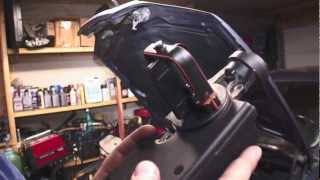
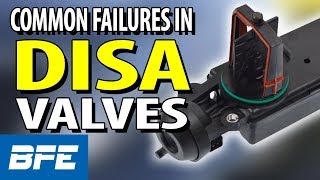
- Faulty Intake Manifold Runner Control (BMW) 🎬 Watch: Learn about common BMW DISA valve failure points. (Less Common) — On BMWs, a failing DISA valve creates improper air dynamics, causing an 'implausible load calculation' by the ECU. A distinct rattling from the intake manifold at idle confirms this.
- Faulty Powertrain Control Module (PCM) (Rare) — The PCM's internal driver circuit responsible for interpreting the A/F sensor signal burns out. Consider this only after exhaustively ruling out all other causes.
Symptoms
- Check Engine Light On — The Malfunction Indicator Lamp (MIL) illuminates on the dashboard, serving as the primary alert for this fault.
- Rough Idle or Stalling — An unstable air-fuel mixture causes the engine to sputter, vibrate excessively, or stall when stopped at a light.
- Poor Engine Performance — Drivers experience hesitation during acceleration and sluggish throttle response due to suboptimal combustion.
- Black Smoke or Rotten Egg Smell — A persistently rich fuel mixture forces unburned fuel into the hot exhaust, creating black smoke or a sulfur smell, indicating active catalytic converter damage.
- Decreased Fuel Economy (also visible on scanner) — The ECU defaults to a rich fuel mixture to protect the engine, causing a noticeable 10-15% drop in MPG.
Diagnostic Flowchart
Tap your situation to follow the diagnostic path that matches what you're seeing on this code.
Common Fixes & Costs
- Replace Air/Fuel Ratio Sensor (Bank 1) — Parts: $100 - $300, Labor: $100 - $200, ~1.1 hr book time (DIY)
- Change Engine Oil and Filter — Parts: $40 - $90, Labor: $20 - $50, ~0.5 hr book time (DIY)
- Repair Damaged Wiring or Connector — Parts: $10 - $60, Labor: $120 - $300, ~2.0 hr book time (Intermediate)
- Replace VVT Control Solenoid (Bank 1) — Parts: $50 - $200, Labor: $75 - $180, ~0.8 hr book time (Intermediate)
- Repair Exhaust Leak — Parts: $25 - $700, Labor: $150 - $1200, ~2.5 hr book time (Advanced)
Used vs. New Parts: Buying Guide
When a used part is worth it: Buying a used Air/Fuel Ratio sensor is never recommended. They are wear-and-tear items with a finite lifespan. A used sensor carries a high risk of premature failure and wasted labor.
Donor-vehicle mileage cap: roughly under 50000 miles for the part to have meaningful remaining life.
Donor quality checklist:
- Verify the donor vehicle was not scrapped for engine or emissions-related failures.
- Match the part number exactly.
- Avoid sensors from vehicles in rust-belt regions due to corrosion damage.
Decision logic:
- If The cost of a new OEM-equivalent sensor is under $200. → Always buy new. The small savings from a used part are not worth the risk of early failure.
- If The vehicle is very old and only needs to run for a short time. → A used part from a low-mileage wreck might be considered, but expect a significantly shorter lifespan.
- If The part is an electronic sensor with a known wear-out failure mode. → Strongly favor new parts from reputable brands to ensure proper performance.
Warranty tradeoff: Used parts typically offer a 30-day warranty that does not cover labor. New aftermarket parts come with a 1-year warranty. New OEM parts carry a manufacturer's warranty for 12 months.
Worst-case if a used part fails: $200-$450 if a used sensor fails after installation, accounting for the replacement part and repeated labor.
What Happens If You Wait — Timeline
- 0-2 weeks: Check Engine Light illuminates. Freeze frame data is stored. No perceptible change in driving performance or fuel economy. (MPG impact: 0-3%% · Added cost: $0)
- 2 weeks - 3 months: ECU defaults to a richer fuel map. A measurable drop in fuel economy occurs alongside slight hesitation or less-responsive throttle. (MPG impact: 5-10%% · Added cost: $30-$80 in wasted fuel.)
- 3-8 months: The consistently rich mixture causes the catalytic converter to run hotter than its designed operating temperature, cracking the internal ceramic substrate. (MPG impact: 10-15%% · Added cost: $100-$200 in wasted fuel, plus high risk of catalytic converter damage.)
- 8+ months: Sustained extreme temperatures cause a complete catalytic converter meltdown. The substrate breaks apart, clogging the exhaust and causing severe power loss. (MPG impact: 15-25%+% · Added cost: $1200-$3000+ for catalytic converter replacement.)
Cost of Not Fixing It
- 0-1 month: Noticeable drop in fuel economy and poor engine performance, such as hesitation. (Added cost: $20-$60 per month in wasted fuel.)
- 1-6 months: A rich fuel condition caused by the faulty sensor overheats and destroys the catalytic converter. (Added cost: $1200-$2800 for catalytic converter replacement.)
- 6+ months: Continued driving with a failed catalytic converter leads to severe engine performance loss and potential engine damage from excessive exhaust backpressure. (Added cost: $3000+ for catalytic converter and secondary engine repairs.)
Diagnosis Steps
- Verify Code and Review Freeze Frame Data
Use an OBD-II scanner to confirm P1140 is present. Analyze the freeze-frame data to see the exact engine conditions (RPM, speed, temperature) when the code triggered. Note any other codes, as they provide vital diagnostic clues.
Tools: OBD-II Scanner (Beginner) - Swap Bank 1 and Bank 2 A/F Sensors (Nissan/Infiniti)
This is the definitive diagnostic trick for V6 Nissans and Infinitis. Swap the identical Bank 1 and Bank 2 A/F sensors, clear the codes, and drive. If the code returns as P1145 (Bank 2), the sensor is definitively faulty. If P1140 returns, the problem lies in the wiring or VVT system.
Tools: 22mm Oxygen Sensor Socket, Ratchet, Penetrating Oil (Intermediate) - Check Engine Oil Level and Condition
For Nissan/Infiniti, pull the dipstick and check the oil. If it is low, black, or the wrong viscosity, perform an oil and filter change before further diagnosis. Low oil pressure directly impacts VVT operation, triggering this code.
Tools: Rag, Gloves (Beginner) - Analyze Live A/F Sensor Voltage
Using a graphing scanner, observe the live data PID for 'A/F Sensor 1'. For 6-wire sensors on Nissan VQ35DE engines, voltage holds steady near 1.5V at idle; 4-wire sensors target ~2.2V. A stuck voltage (0V or 4.8V) or one unresponsive to throttle changes indicates a failed sensor or circuit.
Tools: Graphing OBD-II Scanner (Advanced) - Perform a Detailed Visual Inspection
Inspect the Bank 1 A/F sensor wiring harness for melting, chafing, or rodent damage. Ensure the connector is secure and free of corrosion. For Ford diesels, inspect the Water-in-Fuel (WIF) sensor connector for moisture intrusion.
Tools: Flashlight, Safety Glasses (Beginner) - Check for Exhaust Leaks
Start the engine cold. Listen and feel for puffs of air around the exhaust manifold and the pipe leading to the sensor. Use a smoke machine to pressurize the exhaust system and visually identify the source of any leaks.
Tools: Mechanic's Stethoscope, Smoke Machine (Intermediate) - Test WIF Sensor Circuit (Ford Diesel)
Disconnect the Water-in-Fuel sensor. Probe the vehicle-side harness connector with a multimeter set to DC Volts; one pin must have a reference voltage. Test the sensor itself for approximately 82kΩ resistance. Erratic voltage while wiggling the harness indicates a short.
Tools: Digital Multimeter, Graphing OBD-II Scanner (Advanced) - Test VVT Solenoid Resistance (Nissan/Infiniti)
Disconnect the Bank 1 VVT solenoid. Measure resistance between the two pins on the solenoid using a multimeter. A healthy solenoid reads between 5 and 20 Ohms. A reading of OL (infinite resistance) or near 0 Ohms means the solenoid is faulty.
Tools: Digital Multimeter (Advanced) - Test Sensor Circuit with a Multimeter
Disconnect the sensor and the PCM connector. Check for continuity on the signal, power, and ground wires between both connectors. Test resistance from each wire to ground to check for shorts. The ground wire must have near-zero resistance to the chassis.
Tools: Digital Multimeter, Vehicle-Specific Wiring Diagram (Advanced) - Check Fuel Pressure
Connect a fuel pressure gauge to the service port. At idle, fuel pressure for a stock Nissan VQ35DE engine should be approximately 51 psi. Low pressure indicates a weak fuel pump or clogged filter, causing lean conditions that contribute to this code.
Tools: Fuel Pressure Gauge Kit (Advanced)
When This Code Triggers (Freeze-Frame Conditions)
- Engine Coolant Temp: 180-200°F (The engine has reached full operating temperature when the fault registers.)
- RPM: 1500-2500 (The code sets during steady-state cruising, not during hard acceleration or at idle.)
- Engine Load: 30-60% (A moderate and steady engine load provides the conditions for the ECU to run the diagnostic test.)
- Vehicle Speed: 45-60 mph (The fault triggers during constant highway driving, providing the stable conditions needed to detect a sensor performance issue.)
Related Codes
- P1145 — This is the identical fault but for Bank 2. On a Nissan/Infiniti V6, swapping the Bank 1 and Bank 2 A/F sensors changes P1140 to P1145, definitively proving the sensor is faulty.
- P0171 — This code for 'System Too Lean (Bank 1)' is caused by a failing A/F sensor stuck sending a high voltage signal. If P1140 and P0171 appear together, suspect an exhaust leak before the sensor.
- P0172 — This code for 'System Too Rich (Bank 1)' triggers when a slow A/F sensor sends a low voltage signal. Fixing the P1140 cause often resolves the P0172.
- P0340 — This code indicates a fault in the 'Camshaft Position Sensor Circuit'. A problem in the VVT system or its sensors triggers both P1140 and P0340 on Nissan/Infiniti vehicles.
Climate & Environmental Factors
- High Humidity / Heavy Rain: This is a primary trigger for the P1140 'Water in Fuel' code on Ford diesels. Moisture wicks into the WIF sensor's electrical connector, causing a short circuit that the PCM interprets as water detection.
- Cold Climates / Road Salt: Road salt accelerates corrosion on exposed wiring and connectors for A/F and WIF sensors. Saltwater intrusion destroys connector pins and causes intermittent electrical faults.
- High Altitude: Thinner air means the engine operates with less oxygen. A failing A/F sensor struggles to adapt quickly enough, making performance symptoms like hesitation more pronounced.
How to Talk to a Mechanic About This Code
Say this: "I have a P1140 code on my vehicle. For my Nissan, please check the live data from the Bank 1 A/F sensor and perform a sensor swap with Bank 2 to confirm the failure before replacing parts. For my Ford Powerstroke, please inspect the Water-in-Fuel sensor connector for corrosion per TSB 18-2133. For my BMW, please inspect the DISA valve and intake boots for leaks."
This signals you have researched the manufacturer-specific nature of the code. It directs the technician to the highest-probability cause and requests a specific, low-cost diagnostic step to prevent unnecessary parts replacement.
Avoid saying:
- 'My check engine light is on, can you just fix it?'
- 'I think I need a new oxygen sensor.'
- 'Just do whatever you think is best.'
Questions to ask before authorizing the repair:
- Can you show me the damaged part or a photo of it?
- What were the live data readings from the sensor that led you to this diagnosis?
- If the fix is replacing the sensor, what is the warranty on the new part and the labor?
- Could you provide a written estimate that breaks down all costs, including parts, labor, and taxes?
Where to Take It: Dealer vs Independent vs Chain
- Dealer:
Best for: Vehicles still under an emissions or powertrain warranty., Newer vehicles with known Technical Service Bulletins (TSBs), like the Ford Powerstroke WIF sensor issue., Complex German vehicles (BMW) where specialized diagnostic software is required.
Downsides: Significantly higher labor rates, often 50-100% more than independent shops., May be quicker to replace an entire assembly rather than performing a component repair. (Typical cost: +50% vs. baseline) - Independent Shop:
Best fit for the most common P1140 cause (Nissan/Infiniti A/F sensor). A well-regarded independent shop handles this diagnosis and repair effectively and affordably.
Best for: Out-of-warranty vehicles where cost is a primary concern., Common repairs on popular models, like an A/F sensor on a Nissan Altima or Pathfinder., Building a long-term relationship with a trusted mechanic.
Downsides: Quality and expertise vary widely; it is crucial to find a shop with ASE-certified technicians., May lack the latest manufacturer-specific tools for brand-new models. (Typical cost: +0% vs. baseline) - Chain Shop:
Acceptable for an oil change, but avoid for complex follow-up diagnosis if the first fix doesn't work.
Best for: Simple, routine maintenance like oil changes or tire rotations., Nationwide warranty coverage.
Downsides: Technician skill and diagnostic capability vary dramatically from one location to another., High pressure to upsell services leads to unnecessary repairs for a diagnostic code like P1140. (Typical cost: -10% vs. baseline)
When to Walk Away From the Repair
If the total estimated repair cost exceeds 50% of your car's private-party value, it is time to seriously consider not doing the repair.
- Car worth $4000, fix is $2500: Walk away. The repair cost is over 60% of the car's value, likely for a catalytic converter. It is not a sound investment.
- Car worth $12000, fix is $450: Fix it. A $450 repair for an A/F sensor is well below the threshold and restores the vehicle's performance and value.
- Car worth $2500, fix is $400: Borderline. The repair is less than 20% of the value. If the car is otherwise reliable, the fix is worth it.
What Scan Tool You Need for This Code
Minimum: A scanner that reads manufacturer-specific codes and displays live data with graphing capabilities.
A basic $20 code reader only shows the 'P1140' number. It cannot show live A/F sensor voltage on a Nissan to see if it is stuck, nor can it access manufacturer-specific definitions for Ford or BMW.
Budget: BlueDriver Pro (~$100) — Connects to your smartphone and provides live data graphing for critical PIDs like the A/F sensor voltage. It reads manufacturer-specific codes, making it sufficient for diagnosing the most common causes of P1140.
Mid-range: Foxwell NT510 Elite (~$180) — This handheld unit comes with one free manufacturer-specific software package. It offers deeper system access and bidirectional controls, allowing you to perform advanced diagnostics specific to your vehicle brand.
Professional: Autel MaxiCOM MK808S (~$450) — A full-featured diagnostic tablet providing extensive bidirectional controls to command components directly. This allows a user to test VVT solenoids without removing them.
Rent vs buy: For a one-time diagnosis, auto parts stores scan codes for free. If you plan to diagnose issues yourself more than once a year, buying a tool like the BlueDriver Pro is a worthwhile investment.
How to Clear the Code After You Fix It
- Use an OBD-II scan tool to clear the diagnostic trouble codes.
- Perform a complete drive cycle to allow the vehicle's readiness monitors to reset.
- Verify the Check Engine Light remains off after the drive cycle.
Drive cycle (~30 minutes): Start with a cold engine. Idle for 3 minutes with the A/C on. Accelerate to and maintain a steady speed of 55 mph for 10 minutes. Perform mixed city driving with stop-and-go traffic. Allow the vehicle to cool down completely and repeat if necessary.
Readiness monitors affected: Catalyst monitor, O2 sensor monitor, Heated O2 sensor monitor
Before emissions retest: drive at least 100 miles to fully set monitors.
Watch out for:
- Clearing the code with a scanner does not make the vehicle ready for an emissions test; the readiness monitors must be set to 'Ready'.
- The code returns quickly if the underlying cause of the fault was not correctly diagnosed and repaired.
Will This Fail Emissions / State Inspection?
Yes — this code typically fails an OBD-II emissions inspection.
- California: An active Check Engine Light results in an automatic smog check failure. After repairs, all required readiness monitors must be set to 'Ready,' requiring 100-200 miles of driving.
- New York: Any illuminated Check Engine Light is an automatic failure of the emissions inspection. The vehicle must complete a drive cycle to set readiness monitors before re-inspection.
- Texas: In the 17 populous counties requiring emissions testing, an active P1140 code causes an automatic OBD-II test failure. The vehicle will not pass until repairs are made and monitors run.
Most Commonly Affected Vehicles
- Nissan Pathfinder (2001-2004) — Extremely common on the R50 generation with the VQ35DE engine. Swapping the Bank 1 (passenger side) sensor with Bank 2 is the primary diagnostic step.
- Infiniti QX4 (2001-2003) — Mechanically identical to the Pathfinder, sharing the same VQ35DE engine and high failure rate for the A/F sensors.
- Nissan Altima (2002-2006) — V6 models with the VQ35DE engine are prone to this code. The cause is almost always the sensor itself or low engine oil affecting the VVT system.
- Nissan Murano (2003-2007) — First-generation models with the VQ35DE engine frequently log P1140. The sensor swap diagnostic method is highly effective.
- Infiniti G35 (2003-2007) — P1140 is a common code pointing to the Bank 1 A/F sensor, which is known to fail with age on this VQ35DE engine.
- Ford F-250/F-350 Super Duty (2017-2019) — On the 6.7L Power Stroke diesel, P1140 means 'Water in Fuel Condition'. This is often caused by water intrusion in the sensor connector per TSB 18-2133.
- Subaru Legacy, Outback, Forester (2005-2009) — P1140 indicates a 'Front Oxygen Sensor Heater Circuit Malfunction' for Bank 2 (driver's side on 6-cyl models), not Bank 1.
- BMW 3-Series (E46), 5-Series (E39) (1997-2006) — P1140 means 'Load Calculation Cross-Check'. This is frequently caused by vacuum leaks from cracked intake boots or a faulty DISA valve.
Manufacturer-Specific Notes
- Ford / GM (Diesel): P1140 means 'Water in Fuel Condition'. The fix involves inspecting the WIF sensor connector for water intrusion per Ford TSB 18-2133, which is more common than actual fuel contamination.
- Subaru: P1140 points to a heater circuit issue in the Bank 2 (driver's side) front oxygen sensor. This is a different sensor and bank than the code implies on other makes.
- BMW: The code means 'Mass Air Flow Implausible' or 'Load Calculation Signal Implausible'. Mechanics must inspect for vacuum leaks from torn intake boots or a broken DISA valve before touching an oxygen sensor.
- Hyundai: On models like the Terracan, P1140 means 'Inlet Air Temperature (IAT) Sensor Malfunction' or an illogical signal comparison between the MAF and Throttle Position Sensor.
- Infiniti / Nissan: The Air/Fuel Ratio Sensor is covered under the Federal Emissions Defect Warranty for 8 years or 80,000 miles. If your vehicle is within this window, a dealer replaces a failed sensor for free.
Real Owner Stories
2001 Nissan Pathfinder, 50K miles
Check Engine Light came on with code P1140. The vehicle ran fine otherwise.
What they tried:
- Swapped the Bank 1 (passenger side) and Bank 2 (driver's side) A/F sensors.
- Cleared codes and drove the vehicle.
- The code returned as P1145, confirming the original Bank 1 sensor was faulty.
Outcome: Purchased a new OEM sensor and installed it in the Bank 2 position. This permanently cleared the Check Engine Light.
Lesson: For Nissan/Infiniti V6 engines, the sensor swap is a free and definitive way to confirm a bad A/F sensor before spending money on parts.
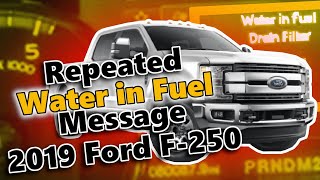
2019 Ford F-250 6.7L Power Stroke
Persistent 'Water in Fuel' messages on the dash with code P1140. Draining the fuel/water separator revealed no actual water.
What they tried:
- Took a fuel sample, confirming no water contamination.
- Inspected the Water-in-Fuel (WIF) sensor connector and found water intrusion in the back of the plug.
- Wiggling the harness caused the voltage reading on a scan tool to jump erratically.
Outcome: Replaced the WIF sensor pigtail connector per Ford TSB 18-2133. This stabilized the sensor voltage and permanently cleared the codes.
Lesson: On Ford Power Stroke diesels, P1140 is frequently caused by moisture in the sensor's electrical connector, not actual water in the fuel tank.
2001 Nissan Sentra 1.8L
Swapped the original engine with a used Japanese-spec engine. The car ran smoothly but immediately set a P1140 code.
What they tried:
- Replaced the Intake Valve Timing Control Sensor.
- Replaced the Camshaft Position Sensor.
Outcome: Discovered the Japanese-spec engine lacked the signal pickup portion on the camshaft that the sensor reads. Transferring the signal pickup part from the original engine's camshaft resolved the code.
Lesson: When swapping major components, verify regional differences. A missing mechanical signal rotor causes persistent, difficult-to-diagnose codes.
How to Prevent This Code From Triggering
- Perform regular engine oil and filter changes with manufacturer-specified oil. (Every 3,000-7,500 miles.) — Clean oil at the correct viscosity is critical for VVT solenoids and cam phasers. Sludge clogs solenoids, directly causing P1140 on Nissan/Infiniti engines.
- Use high-quality, top-tier gasoline. (Every fill-up.) — Top-tier fuels contain detergents that prevent carbon buildup, ensuring cleaner combustion and reducing contaminants that foul A/F sensors.
- Clean the Mass Airflow (MAF) sensor. (Every 20,000-30,000 miles.) — A dirty MAF sensor provides incorrect airflow data, leading to an improper air/fuel mixture that overworks the A/F sensor and shortens its life.
- Apply dielectric grease to critical sensor connectors. (Any time a sensor is disconnected.) — Dielectric grease prevents moisture and road salt intrusion, which is a leading cause of wiring-related failures for exposed sensors.
- Avoid long periods of engine idling. (Daily driving habit.) — Extended idling leads to faster carbon buildup on sensor elements due to lower exhaust gas temperatures and velocity.
Frequently Asked Questions
Can I fix P1140 myself?
Yes, replacing an A/F sensor is a common DIY task requiring a 22mm oxygen sensor socket and penetrating oil. The hardest part is removing a seized sensor from the exhaust pipe. On Nissan/Infiniti models, a simple oil change sometimes resolves the code.
I replaced the sensor but P1140 came back. What did I do wrong?
Three main reasons exist: you used a cheap aftermarket sensor instead of an OEM-equivalent like Denso, you have an undetected exhaust leak, or the wiring harness is damaged. On Nissan/Infiniti, low oil pressure or a bad VVT solenoid also triggers this code.
What is the biggest mistake people make when diagnosing P1140?
The biggest mistake is blindly replacing the A/F sensor without verifying the manufacturer-specific definition of the code. For Nissan/Infiniti owners, failing to perform the free Bank 1 to Bank 2 sensor swap wastes money on unneeded parts.
What is Bank 1 vs Bank 2?
Bank 1 is the side of the engine containing cylinder #1, which is usually the passenger side on US-market V6 and V8 vehicles. Bank 2 is the opposite side. Inline engines only have one bank.
What's the difference between an Air/Fuel Sensor and an Oxygen Sensor?
An Air/Fuel (A/F) Ratio Sensor is a wideband oxygen sensor that provides a precise, variable signal to the ECU for exact air-fuel ratio control. Traditional narrowband oxygen sensors only indicate if the mixture is rich or lean relative to the ideal 14.7:1 ratio. A/F sensors sit upstream of the catalytic converter, while narrowband sensors sit downstream.
Will my car pass an emissions test with code P1140?
No, an active P1140 code causes an automatic failure during state emissions inspections. The illuminated Check Engine Light and the code itself indicate a critical fault in the emissions control system.
Can a bad battery or alternator cause a P1140 code?
Unstable voltage from a failing battery or alternator causes a wide range of false electronic codes, including P1140. If the code appeared immediately after a dead battery, clear the codes and verify charging system health before replacing sensors.
Key Takeaways
- P1140 definitions vary by manufacturer: it flags a Bank 1 Air/Fuel sensor on Nissan/Infiniti, 'Water in Fuel' on Ford diesels, and intake vacuum leaks on BMWs.
- Nissan and Infiniti vehicles with a P1140 code experience a 10-15% drop in fuel economy, rough idling, and sluggish acceleration due to a failing Bank 1 Air/Fuel sensor.
- Diagnose Nissan V6 engines for free by swapping the Bank 1 and Bank 2 Air/Fuel sensors; if the code changes to P1145, the sensor is definitively broken.
- Fix a P1140 code within 1 to 2 months to prevent a rich fuel mixture from melting the catalytic converter, which turns a $200 sensor repair into a $2,000+ replacement.
- If replacing the sensor fails to clear the code, inspect the wiring harness for melted insulation or check the exhaust manifold for unmetered air leaks.
Helpful Videos

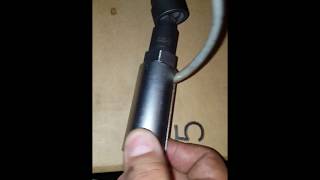

Shop the Parts Behind P1140
Below are the parts most often responsible for code P1140, ranked by how frequently each one is the actual culprit (per the diagnosis above). Tap any to see what we have for your vehicle.
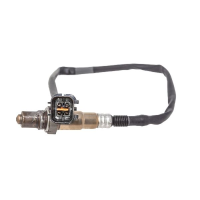
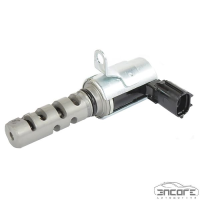

The information in this article is provided for general reference and educational purposes only. Vehicle specifications, procedures, and part compatibility can vary by production date, trim level, and region. Always consult your vehicle's factory service manual and verify part numbers before purchasing or performing repairs. Safety-critical components such as airbags, seat belts, and braking systems should be installed by a qualified professional.
- 🧭 Diagnostic Flowchart
- 🎬 Helpful Videos
- 🛍️ Shop This Part
- What Does P1140 Mean?
- Can I Drive With P1140?
- Common Causes
- Symptoms
- Common Fixes & Costs
- Used vs. New Parts: Buying Guide
- What Happens If You Wait — Timeline
- Cost of Not Fixing It
- Diagnosis Steps
- When This Code Triggers (Freeze-Frame Conditions)
- Related Codes
- Climate & Environmental Factors
- How to Talk to a Mechanic About This Code
- Where to Take It: Dealer vs Independent vs Chain
- When to Walk Away From the Repair
- What Scan Tool You Need for This Code
- How to Clear the Code After You Fix It
- Will This Fail Emissions / State Inspection?
- Most Commonly Affected Vehicles
- Manufacturer-Specific Notes
- Real Owner Stories
- 2001 Nissan Pathfinder, 50K miles
- 2019 Ford F-250 6.7L Power Stroke
- 2001 Nissan Sentra 1.8L
- How to Prevent This Code From Triggering
- Frequently Asked Questions
- Can I fix P1140 myself?
- I replaced the sensor but P1140 came back. What did I do wrong?
- What is the biggest mistake people make when diagnosing P1140?
- What is Bank 1 vs Bank 2?
- What's the difference between an Air/Fuel Sensor and an Oxygen Sensor?
- Will my car pass an emissions test with code P1140?
- Can a bad battery or alternator cause a P1140 code?
- Key Takeaways
- 🎟️ Get 5% Off