

OBD-II Code P1160: Comprehensive Diagnosis & Repair Guide
What P1160 means, why it triggers, and how to fix it for Honda, Subaru, Peugeot, BMW & more
- P1160 definitions change by brand: it signals a failed A/F sensor heater on Hondas, a ruptured PCV valve on Peugeots, and a sticking throttle body on Subarus.
- Expect a 10-15% drop in fuel economy on Hondas, a loud hissing noise from the engine bay on Peugeots, and a dangerous 2,000+ RPM surging idle on Subarus.
- Driving with an active P1160 code for more than 6 months forces the engine to run rich, which destroys the catalytic converter and guarantees a $1,200 to $2,800 repair bill.
- Before spending $200 on a new sensor, check the 15-amp A/F Heater fuse in the fuse box and visually inspect the wiring harness for rodent damage.
What Does P1160 Mean?
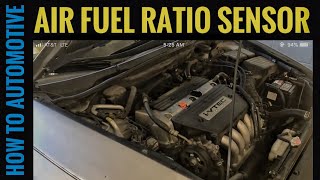
P1160 is a manufacturer-specific code, meaning its definition changes by vehicle brand. For Honda and Acura, it signals a failed heater inside the upstream air/fuel ratio sensor. This sensor must reach 600°F (315°C) to work correctly. When the heater fails, the sensor sends slow data to the Engine Control Module (ECM), harming gas mileage and increasing pollution. On Peugeot, Subaru, or BMW, this code points to entirely different systems like vacuum leaks or throttle bodies.
Technical definition: While P1160 is manufacturer-specific, its most common definition (Honda/Acura) is 'Air/Fuel Ratio (A/F) Sensor (Sensor 1) Heater Circuit Malfunction'. The ECM detects an electrical fault—typically an open circuit, short circuit, or excessive resistance—in the Bank 1 upstream sensor's heater circuit. On Peugeot, Subaru, or BMW, P1160 indicates large vacuum leaks, throttle body faults, or fuel trim abnormalities.
Can I Drive With P1160?
Yes, But With Caution. You can drive, but it risks severe damage. For heater circuit issues (Honda), you suffer poor fuel economy and risk destroying your catalytic converter over time, a repair costing $1,200-$2,800. For vacuum leaks (Peugeot) or throttle body failures (Subaru), you risk sudden stalling or surging, which is a safety hazard in traffic. Drive less than 100 miles before diagnosing.
Common Causes
- Failed Air/Fuel Ratio Sensor (Honda/Acura) (Very Common) — The internal heating element acts like a light bulb filament, burning out or fracturing after millions of heating cycles. This is the definitive cause for 90% of P1160 codes on Honda and Acura vehicles.
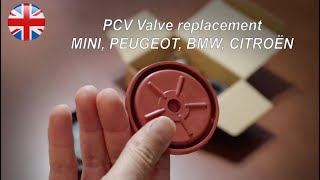
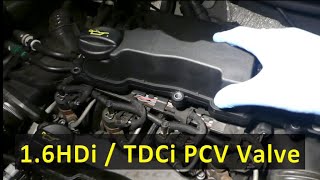
- Failed PCV Valve Diaphragm / Valve Cover (Peugeot/Citroën) (Very Common) — On Peugeot and Citroën vehicles with the 2.0L engine, P1160 signals a massive vacuum leak. The root cause is a ruptured PCV valve diaphragm integrated into the valve cover, which creates a loud hissing sound and allows unmetered air into the intake.
- Binding Throttle Body / Return Spring Failure (Subaru) (Common) — On many Subaru models (2008+), P1160 is defined as 'Throttle Actuator Control (TAC), Return Spring Failure'. This indicates a mechanical or electronic failure within the electronic throttle body, causing it to stick open or closed.
- Blown Fuse or Faulty Relay (Common) — The A/F sensor's heater circuit relies on a dedicated fuse and relay. A short in the wiring or the sensor itself blows the fuse instantly, cutting power to the heater.
- Damaged Wiring or Connectors (Common) — Wires leading to the sensor melt from exhaust heat, chafe against the engine block, or get chewed by rodents. The connector plug also corrodes or fills with oil, causing a dead connection.
- Cracked Intake Air Boot (BMW) (Less Common) — On BMWs and other European makes, the large rubber boot connecting the mass airflow sensor to the throttle body cracks from age and heat. This allows unmetered air to enter the engine, triggering fuel trim codes like P1160.
- Exhaust Leak (Less Common) — A crack in the exhaust manifold before the sensor lets in fresh oxygen. This skews the sensor's readings, forcing the ECM to flag the heater circuit as it struggles to interpret the implausible data.
- Low Battery Voltage or Poor Grounds (Less Common) — A weak battery or corroded engine ground straps cause low system voltage. The ECU interprets this voltage drop as a specific circuit fault, triggering phantom sensor codes.
- Faulty Engine Control Module (ECM) (Rare) — The driver circuit within the car's main computer that controls the sensor heater fails. Consider this only after exhaustively testing the sensor, wiring, fuses, and relays.
Symptoms
- Worse Gas Mileage — When the A/F sensor is cold, the engine runs in a default 'open-loop' mode. This intentionally rich mixture causes a 10-15% decrease in fuel economy.
- Audible Hissing or Whistling Noise — For Peugeot/Citroën vehicles, a failed PCV diaphragm creates a loud sucking or whistling sound from the engine bay near the valve cover.
- Failed Emissions Test — The air/fuel sensor heater is a critical emissions component. If it fails, the engine cannot precisely control the air-fuel mixture, leading to high NOx and CO pollutants and an automatic test failure.
- Check Engine Light is On (also visible on scanner) — The light illuminates as soon as the computer detects a fault during its self-test, which occurs shortly after startup for heater circuits.
- Rough Idle or Engine Stalling (also visible on scanner) — The engine runs rough, hesitates during acceleration, and loses power, especially when cold. On Peugeot or Subaru vehicles, the engine idles erratically and stalls completely at stoplights.
- Engine Surging or High Idle (also visible on scanner) — On Subaru models with a throttle body fault, the engine surges to 2,000-3,000 RPM and stays there even with your foot off the gas. It also bucks or jerks while cruising.
Diagnostic Flowchart
Tap your situation to follow the diagnostic path that matches what you're seeing on this code.
Common Fixes & Costs
- Replace the Air/Fuel Ratio Sensor (Sensor 1) — Parts: $50-$250, Labor: $100-$350, ~0.8 hr book time (DIY)
- Replace Valve Cover (with integrated PCV) — Parts: $80-$200, Labor: $150-$300, ~1.8 hr book time (Intermediate)
- Replace Throttle Body Assembly — Parts: $120-$300, Labor: $100-$200, ~1.2 hr book time (Intermediate)
- Replace Blown Fuse — Parts: $1-$5, Labor: $0, ~0.1 hr book time (DIY)
- Repair Damaged Wiring or Connector — Parts: $10-$50, Labor: $100-$250, ~1.5 hr book time (Intermediate)
- Replace Intake Air Boot — Parts: $40-$120, Labor: $50-$100, ~1.2 hr book time (DIY)
DIY vs Professional
- Replace Air/Fuel Ratio Sensor — Beginner: Yes, with caution.
Tools: Floor jack, jack stands, penetrating oil, O2 sensor socket (slotted socket), ratchet, torque wrench. - Replace Valve Cover (Peugeot) — Beginner: No, this is for intermediate DIYers.
Tools: Socket set, torque wrench, gasket scraper, screwdrivers. - Replace Throttle Body (Subaru) — Beginner: Yes, it is possible for a patient beginner.
Tools: Socket set, pliers for hose clamps, new gasket.
Used vs. New Parts: Buying Guide
When a used part is worth it: For complex electromechanical parts like a Subaru throttle body or a Peugeot valve cover, a used part from a low-mileage, accident-damaged vehicle is a cost-effective option. It is never a good idea to buy used O2/Air-Fuel sensors, as they are wear items with a finite lifespan.
Donor-vehicle mileage cap: roughly under 80000 miles for the part to have meaningful remaining life.
Donor quality checklist:
- Verify the donor vehicle was not scrapped for engine or emissions-related failures.
- Match the OEM part number exactly, as variations exist even within the same model year.
- For electronic parts, ensure there is no visible corrosion on the connectors.
Decision logic:
- If The part is an O2/Air-Fuel sensor → Always buy new. The savings on a used part are not worth the risk of premature failure and repeated labor costs.
- If The part is a throttle body or valve cover AND your vehicle is over 150K miles → A used part from a donor under 80K miles is an acceptable budget-conscious choice.
- If The part is under $200 new (aftermarket) → Buy new for the longer warranty and guaranteed performance.
Warranty tradeoff: Used parts typically offer a 30-90 day functional warranty on the part only, not the labor. New aftermarket parts usually carry a 1-year to limited lifetime warranty, while OEM parts installed by a dealer match the new vehicle warranty.
Worst-case if a used part fails: $250-$500 if a used part fails after the short warranty period, representing the cost of a new part plus the repeated labor for installation.
What Happens If You Wait — Timeline
- 0-2 weeks: Check Engine Light illuminates for P1160 (Honda A/F heater fault). Engine runs in open-loop during warm-up, causing a slightly rich mixture. No other noticeable symptoms. (MPG impact: 0-5%% · Added cost: $0)
- 2 weeks - 3 months: Engine stays in open-loop more often, leading to a consistent 10-15% drop in fuel economy. Soot begins to accumulate on the catalytic converter substrate. (MPG impact: 10-15%% · Added cost: $50-$150 in wasted fuel)
- 3-8 months: The constant rich mixture causes the catalytic converter to run excessively hot, starting to degrade and melt the internal honeycomb structure. Performance feels sluggish. (MPG impact: 15-20%% · Added cost: $400-$1000 (Catalytic converter damage is likely becoming irreversible))
- 8+ months: Catalytic converter is completely clogged or melted, leading to severe lack of power, a rattling noise from the exhaust, and a new code (P0420 - Catalyst Inefficiency). The car fails any emissions test and is undrivable. (MPG impact: 20-30%+% · Added cost: $1200-$2800 (Full cost of catalytic converter replacement plus the original A/F sensor repair))
Cost of Not Fixing It
- 0-1 month: A 10-15% drop in fuel economy occurs as the engine defaults to a rich 'open-loop' mode. (Added cost: $20-$60 in wasted fuel per month, depending on mileage.)
- 1-6 months: The catalytic converter overheats continuously to burn off excess fuel from the rich mixture, leading to irreversible damage to the precious metals inside. (Added cost: Negligible until the converter fails.)
- 6+ months: Complete failure of the catalytic converter triggers a P0420 code and causes an immediate emissions test failure. Performance is severely degraded. (Added cost: $1200-$2800 for replacement of the catalytic converter, depending on whether an OEM or aftermarket part is used.)
Diagnosis Steps
- Verify Code and Check for Other DTCs
Use an OBD-II scanner to confirm P1160 is present and check for other codes. The definition of P1160 is highly manufacturer-dependent. Codes like P0171 (System Too Lean), P2109 (Throttle Position Sensor), or P0107 (MAP Sensor) provide critical clues to the true fault.
Tools: OBD-II Scanner (Beginner) - Check the A/F Heater Fuse and Relay
Consult your owner's manual to find the fuse for the 'A/F Heater' or 'O2 Heater'. On Hondas, this is a 7.5A or 15A fuse in the under-dash or under-hood box. Visually inspect the fuse and replace it if blown. If the code returns immediately, a short circuit exists. Swap the associated relay with an identical non-critical one (like the horn) to test it.
Tools: Owner's Manual, Fuse Puller (Beginner) - Visually Inspect the System
For Honda: Inspect the upstream A/F sensor wiring for melting or rodent damage. For Peugeot: Listen for a loud hissing from the valve cover. For Subaru: Inspect the electronic throttle body for heavy carbon buildup. For BMW: Inspect the large rubber intake boot between the MAF sensor and throttle body for cracks.
Tools: Flashlight (Beginner) - Test the Sensor's Heater Resistance (Honda/Acura)
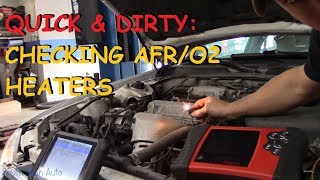
Unplug the A/F sensor. Use a digital multimeter set to Ohms (Ω). Measure the resistance between the two heater pins on the sensor itself (usually two wires of the same color). A good heater has low resistance (typically 1.0-15 Ohms at 70°F). An infinite reading (OL) means the heater element is broken, requiring sensor replacement.
Tools: Digital Multimeter, Sensor Pinout Diagram (Intermediate) - Test for Power and Ground at the Connector (Honda/Acura)
With the sensor unplugged and the key in the 'On' position (engine off), use a multimeter to check for battery voltage (12V) at the heater power pin on the vehicle's harness-side connector. Check for a solid ground on the corresponding ground pin. Missing power or ground indicates a wiring problem between the relay, fuse box, and ECM.
Tools: Digital Multimeter, Sensor Pinout Diagram (Intermediate) - Test Throttle Body (Subaru)
With the engine off, remove the intake ducting from the throttle body. Have a helper turn the key to 'On' (engine off) and slowly press the gas pedal. Watch the throttle plate to ensure it moves smoothly without binding or hesitation. Any sticking or jerky movement warrants a replacement.
Tools: Basic Hand Tools (Intermediate) - [PRO TIP] Analyze Live Fuel Trim Data
For suspected vacuum leaks (Peugeot, BMW), use an advanced scan tool to monitor Short-Term Fuel Trim (STFT) and Long-Term Fuel Trim (LTFT) at idle. Normal values are within ±5%. If LTFT is > +15%, a vacuum leak is present. Spray brake cleaner or unlit propane near suspected leak points; a sudden drop in STFT pinpoints the leak.
Tools: Advanced OBD-II Scanner, Brake Cleaner or Propane Torch (unlit) (Advanced) - [PRO TIP] Monitor A/F Sensor Voltage
Using a scan tool with live data, observe the voltage of the upstream A/F sensor (Bank 1, Sensor 1) once the engine is warm. A healthy sensor's voltage fluctuates rapidly between 0.1V and 0.9V. If the voltage is stuck high (>0.9V), low (<0.1V), or responds sluggishly, the sensor is faulty.
Tools: Advanced OBD-II Scanner (Advanced) - [PRO TIP] Perform a Smoke Test
This is the definitive method for finding vacuum and exhaust leaks. A smoke machine forces low-pressure, visible smoke into the intake manifold or exhaust system. Smoke pours out of any crack, loose gasket, or split hose. This is highly effective for finding elusive intake boot cracks on BMWs or exhaust manifold leaks.
Tools: Automotive Smoke Machine (Advanced)
When This Code Triggers (Freeze-Frame Conditions)
- Engine Coolant Temp: 180-200°F (The fault is detected during the warm-up phase but formally logged once the engine reaches full operating temperature.)
- RPM: 1500-2500 (The ECU runs heater circuit and fuel trim diagnostics under steady-state cruise, not just at idle.)
- Engine Load: 30-60% (A moderate, steady engine load provides a stable condition for the ECU to verify sensor performance and fuel mixture accuracy.)
- Vehicle Speed: 35-55 mph (Corresponds to steady highway driving, where the ECU expects to be in closed-loop fuel control and relies on accurate A/F sensor data.)
Related Codes
- P0135 — This is the generic SAE code for 'O2 Sensor Heater Circuit Malfunction (Bank 1 Sensor 1)'. P1160 is the Honda-specific equivalent. Diagnostically, they are identical.
- P1167 — This is another Honda-specific code for 'A/F Sensor 1 Heater System Malfunction'. It is used interchangeably with P1160 depending on the specific model and year, pointing to the exact same component.
- P0171 / P0174 — These codes mean 'System Too Lean'. A faulty A/F sensor (P1160 on a Honda) causes this. More commonly, a vacuum leak that triggers a P1160 code on a Peugeot or BMW is the root cause of the lean condition. Fix the P1160 fault first.
- P2109 — This code for 'Throttle/Pedal Position Sensor 'A' Minimum Stop Performance' often appears alongside P1160 on Subaru vehicles. This pair strongly indicates a failing electronic throttle body assembly.
Climate & Environmental Factors
- Extreme Cold Weather: In sub-freezing temperatures, the A/F sensor's heater struggles to reach its 600°F operating temperature quickly, triggering a heater circuit code. Condensation also forms on the sensor, causing temporary false readings.
- High Humidity / Moisture: Water infiltrates connectors and causes corrosion or short circuits, leading to heater circuit faults. Driving through deep puddles causes thermal shock to a hot sensor, cracking the ceramic element inside.
- Road Salt (Winter Climates): Road salt accelerates corrosion on underbody components. Salt eats away at the sensor's wiring, connector pins, and the sensor body itself, leading to electrical failure.
- High Altitude: At high altitudes, the air is less dense. While this doesn't directly cause a P1160 heater fault, it causes the vehicle to run richer, exposing borderline sensors to failure.
How to Talk to a Mechanic About This Code
Say this: "I have a P1160 code on my [Your Car's Make, e.g., Honda Accord]. I'd like to schedule a diagnostic. Based on my research for this specific car, the code likely points to [the upstream A/F sensor heater circuit/a throttle body fault/a vacuum leak]. Can you please start the diagnosis there and confirm the specific fault before recommending any part replacements?"
This signals you are an informed customer, specifies the likely problem area for your vehicle, and directs the mechanic to diagnose rather than just replace parts, preventing unnecessary costs.
Avoid saying:
- 'My check engine light is on, can you just fix it?'
- 'I think I need a new oxygen sensor.' (Don't diagnose for them, ask them to confirm)
- 'Just do whatever it takes to get the light off.'
Questions to ask before authorizing the repair:
- Can you show me the failed test result? (e.g., the resistance reading on the old sensor, the fuel trim data showing a leak, etc.)
- What is the specific part number you are recommending, and is it OEM or aftermarket?
- What is the warranty on both the part and your labor for this repair?
Where to Take It: Dealer vs Independent vs Chain
- Dealer:
Recommended for Subaru or European makes where specific diagnostic software or procedures are required. A good choice for any make if the vehicle is under warranty.
Best for: Vehicles under warranty, Complex manufacturer-specific issues (Subaru throttle body relearn, BMW fuel trim faults), When you want a guaranteed OEM part and nationwide warranty.
Downsides: Highest labor rates, May recommend replacing a whole assembly (like a throttle body) when a cleaning or wiring repair would suffice. (Typical cost: +40% vs. baseline) - Independent Shop:
Best overall fit for most P1160 scenarios, especially on Honda/Acura. Find a shop with good reviews and experience with your specific car brand.
Best for: Out-of-warranty vehicles, Common, well-documented problems like a Honda A/F sensor failure, Finding a specialist (e.g., a Subaru-specific or European car expert) provides dealer-level expertise at a lower cost.
Downsides: Quality and expertise vary widely; vetting is crucial, May lack the latest manufacturer-specific diagnostic tools for very new cars or complex electronic issues. (Typical cost: +0% vs. baseline) - Chain Shop:
Use with caution. Acceptable for a straightforward Honda A/F sensor replacement if you have already diagnosed it yourself. AVOID for diagnosing Subaru, Peugeot, or BMW variants of this code.
Best for: Simple, straightforward repairs like a fuse replacement.
Downsides: Technician skill varies dramatically, Often incentivized to upsell (e.g., turning a sensor fault into a catalytic converter replacement), May lack the diagnostic depth to correctly identify the root cause on less common P1160 variants (Peugeot, Subaru). (Typical cost: -10% vs. baseline)
When to Walk Away From the Repair
If the estimated repair cost exceeds 50% of the car's private-party value, you should seriously consider selling or trading it in instead of repairing it.
- Car worth $4500, fix is $2500: Walk away. The repair cost is over 50% of the car's value.
- Car worth $12000, fix is $750: Fix it. The repair cost is well below the threshold and is a reasonable investment to keep a more valuable car running well.
- Car worth $3000, fix is $800: Borderline. The cost is significant relative to the car's value. Consider the car's overall condition and if other major repairs are looming.
What Scan Tool You Need for This Code
Minimum: A scanner that can read manufacturer-specific codes and display live data streams (A/F sensor voltage, fuel trims).
A basic code reader only gives you the 'P1160' number, which is useless without knowing the manufacturer's specific definition. To properly diagnose, you need to see the live data that the car's computer is using to make decisions.
Budget: BlueDriver Pro (~$99) — Connects to your smartphone and reads manufacturer-specific codes, defines them, and graphs live data for A/F sensors and fuel trims. Excellent for diagnosing the Honda and BMW/Peugeot variants of this code.
Mid-range: Foxwell NT510 Elite (~$180) — A handheld unit that offers brand-specific software. It provides deep diagnostic capabilities, including the ability to perform some bidirectional controls and special functions like a throttle relearn, which is crucial for post-repair on a Subaru.
Professional: Autel MaxiCOM MK808 (~$500) — A professional-level tablet scanner with full bidirectional control. It commands components to activate (like a throttle motor), performs advanced resets and relearn procedures for all makes, and provides comprehensive OE-level diagnostics.
Rent vs buy: AutoZone's 'Loan-A-Tool' program allows you to borrow a scanner for free after paying a refundable deposit. This is a perfect option for a one-time diagnosis. Buy your own scanner only if you plan to do your own car repairs regularly.
How to Clear the Code After You Fix It
- Use an OBD-II scan tool to clear the fault code.
- Perform a complete OBD-II drive cycle to allow readiness monitors to run.
Drive cycle (~30 minutes): From a cold start, idle the engine for 2-3 minutes with electrical loads on (like A/C and rear defrost) to test the heater circuit. Drive for 5-10 minutes in stop-and-go traffic. Then, drive for 15 minutes at a steady highway speed (around 55 mph). Finally, let the vehicle cool down completely.
Readiness monitors affected: O2 Sensor / A/F Sensor Monitor, Catalyst Monitor, Heated O2 Sensor Monitor
Before emissions retest: drive at least 100 miles to fully set monitors.
Watch out for:
- Disconnecting the battery clears the code, but it resets all readiness monitors to 'Not Ready', causing an automatic emissions test failure.
- The code returns within a few drive cycles if the underlying root cause (bad sensor, wiring, fuse, vacuum leak) was not correctly repaired.
Will This Fail Emissions / State Inspection?
Yes — this code typically fails an OBD-II emissions inspection.
- California: An illuminated Check Engine Light is an automatic failure of the smog inspection. Additionally, if the code is cleared, the test cannot be passed until the O2 Sensor and Catalyst readiness monitors have successfully run.
- New York: The NYS Vehicle Inspection Program includes an OBD-II scan. An active P1160 code results in an automatic failure.
- Texas: In counties requiring emissions testing (e.g., Harris, Dallas, Tarrant), an active Check Engine Light for an emissions-related fault like P1160 is an automatic failure.
Most Commonly Affected Vehicles
- Honda Accord (2000-2012) — Extremely common for the 4-cylinder ULEV engines. P1160 points directly to the primary A/F sensor heater (Bank 1, Sensor 1).
- Honda CR-V (2002-2011) — The upstream A/F sensor heater is a very frequent failure point on 2nd and 3rd generation CR-V models.
- Honda Civic (2001-2011) — Like the Accord, the Civic often logs this code for a failed heater element in the primary oxygen sensor, especially on 1.7L and 1.8L engines.
- Acura MDX (2001-2006) — First-generation MDX models are known to set P1160 for the Bank 1, Sensor 1 A/F sensor heater circuit failure.
- Peugeot / Citroën Various (307, 408, C4, 206) (2004-2012) — On these French vehicles, P1160 indicates an 'Intake Manifold Air Leak'. This is commonly from a failed PCV valve diaphragm in the valve cover on 2.0L RFN/RFJ engines, causing a loud hissing sound.
- Subaru WRX, Outback, Forester, Impreza (2008-2016) — For many modern Subarus, P1160 means 'Throttle Return Spring Failure', pointing to a faulty electronic throttle body, not an O2 sensor. This is often accompanied by code P2109.
- BMW X5, 3-Series, 5-Series (2001-2008) — On certain BMWs (like the E46 and E53), P1160 is defined as 'Fuel Trim Adaptation Additive Bank 2 Low', indicating a lean condition caused by vacuum leaks from a cracked intake boot or bad CCV system.
- Volkswagen / Audi Various (Jetta, Golf, A4) (2002-2010) — On these German vehicles, P1160 points to 'Intake Air Temperature (IAT) Sensor Short to Ground', a completely different component and circuit than on other makes.
Manufacturer-Specific Notes
- Honda / Acura: This is the most common user of P1160, where it means the upstream Air/Fuel sensor heater circuit has failed. The A/F sensor is an emissions component and may be covered under Honda's Federal Emissions Warranty (typically 3 years/36,000 miles or 8 years/80,000 miles).
- Peugeot / Citroën: P1160 on these brands points to an 'Intake Manifold Air Leak'. This is caused by a ruptured PCV valve diaphragm in the valve cover, creating a large vacuum leak heard as a hissing sound.
- Subaru: On many Subaru models, P1160 is defined as 'Throttle actuator control (TAC), throttle return spring failure'. This requires diagnosis of the electronic throttle body, not the oxygen sensors.
- Volkswagen / Audi: For VW and Audi, P1160 is defined as 'Intake Air Temperature Sensor Short To Ground', pointing to a fault in the IAT sensor or its wiring.
- BMW: On certain BMWs, P1160 is defined as 'Fuel Trim Adaptation Additive Bank 2 Low', indicating the engine is running lean due to a vacuum leak from a cracked intake boot or faulty CCV system.
- Ford: On some Ford models, P1160 indicates 'Fuel Trim Inactive Bank 2 Low', suggesting a problem with the fuel control system on the second bank of cylinders due to a vacuum leak or a faulty O2 sensor.
- Ferrari: On models like the 360, P1160 indicates a fuel trim or MAF sensor issue. Swap MAF sensors from left to right bank; if the code follows the sensor, the MAF is faulty.
Real Owner Stories
2015 Subaru WRX with 45k miles
Check Engine Light came on, car bucked while cruising and stalled when the A/C was turned on. Codes P1160 and P2109 were present.
What they tried:
- Owner suspected a throttle body issue based on the code definitions ('Throttle Return Spring Failure' and 'Throttle/Pedal Position Sensor 'A' Minimum Stop Performance').
Outcome: Replaced the entire throttle body assembly. The part cost around $120 and took about an hour to install. This resolved the codes and symptoms, though the car had a high idle for a few days until the ECU completed its relearn process.
Lesson: On a Subaru, P1160 accompanied by P2109 almost always points to a faulty electronic throttle body, not an O2 sensor. Replacing the assembly is a direct and effective fix.
2015 Subaru Forester with 160k miles
Multiple warning lights (Check Engine, ABS, Hill Start) appeared, and the car had no throttle response, only able to move at ~5 mph. Initial codes were P2109, P050A, P2119. After a battery disconnect, only P1160 remained.
What they tried:
- Owner planned to inspect the throttle body for dirt or a failed spring.
- Upon visual inspection of the wiring harness near the throttle body, a chewed wire was discovered.
Outcome: A rodent had chewed through the throttle body wiring harness. The owner repaired the damaged wire, which resolved all symptoms and codes.
Lesson: Before replacing expensive components like a throttle body, always perform a thorough visual inspection of the wiring harness for damage, especially from rodents, which is a common and often overlooked cause of electrical faults.
Peugeot 307 2.0L
Car entered limp mode and set a P1160 'Intake Manifold Air Leak' code, especially when returning to idle after highway driving. Fuel consumption was also very high.
What they tried:
- Replaced MAP sensor, EGR valve, and a cracked crankcase breather hose, but the code kept returning.
- Performed a DIY leak test by spraying water around the intake area.
Outcome: The owner discovered a vacuum leak from a loose EGR-pipe neck and another leak from an aftermarket PCV hose that was missing an internal check valve. The ultimate fix for the P1160 code on these engines is replacing the entire valve cover, which contains an integrated PCV diaphragm that ruptures and causes a loud hissing sound.
Lesson: For Peugeot/Citroën with P1160, listen for a distinct hissing or whistling sound from the valve cover. This is a strong indicator of a ruptured PCV diaphragm, and the most reliable fix is replacing the valve cover assembly, not just individual sensors.
Honda/Acura (General)
Check Engine Light with code P1160 or P0135 appears, often with no symptoms other than a drop in MPG.
What they tried:
- Owner replaces the upstream A/F sensor, but the code returns within a few drive cycles.
Outcome: The actual fault was a blown 15A 'A/F Heater' fuse in the under-hood fuse box. The fuse was replaced, and the code was cleared successfully.
Lesson: If you replace an A/F sensor on a Honda and the P1160 code comes back, the very first thing to check is the associated fuse. A recurring code after a part replacement points to a problem in the electrical circuit (power or ground) rather than a second faulty part.
How to Prevent This Code From Triggering
- Use Top-Tier certified gasoline (Every fill-up) — Higher levels of detergents keep fuel injectors and intake valves clean, preventing deposit buildup that leads to lean/rich conditions, which overwork and contaminate O2/A-F sensors.
- Replace upstream A/F sensors proactively (Every 80,000-100,000 miles) — A/F sensors are wear items. As they age, their response time slows, leading to less accurate fuel control, reduced MPG, and increased stress on the catalytic converter, even before a code is triggered.
- Perform regular engine maintenance (Per manufacturer's schedule) — Addressing issues like leaking gaskets, worn spark plugs, or misfires prevents contaminants like oil and coolant from fouling the O2 sensor and stops unburnt fuel from damaging the catalytic converter.
- Periodically clean the electronic throttle body (Every 30,000-50,000 miles) — On vehicles like Subaru where P1160 means a throttle fault, removing carbon buildup from the throttle plate and bore prevents it from sticking, which causes return spring errors and high idle issues.
- Inspect wiring harnesses during other services (During every oil change) — A quick visual check of sensor wiring, especially under the car and around the engine, catches potential issues like melting, chafing, or rodent damage before they cause a circuit failure and trigger a code.
Frequently Asked Questions
I replaced the A/F sensor on my Honda and the P1160 code came back. What now?
If a new sensor doesn't fix the code, the problem lies in the power supply, ground, or wiring. Check the 15A 'A/F Heater' fuse first, as a shorted old sensor often blows it. If the fuse is intact, use a multimeter to verify 12V power and ground at the harness connector.
Is it worth replacing the A/F sensor myself to save money?
You save $100 to $350 in labor, but removing an old sensor requires a specialized slotted O2 socket and penetrating oil. Sensors frequently seize in the exhaust pipe due to extreme heat and rust, risking stripped threads if forced. Verify the sensor is actually dead via a multimeter resistance test before attempting removal.
My car is a Peugeot and I hear a hissing noise. Is P1160 related?
Yes, almost certainly. On Peugeot and Citroën engines, P1160 indicates a massive vacuum leak, and the hissing is air sucking through a ruptured PCV diaphragm. The permanent fix requires replacing the entire valve cover assembly.
What is a throttle body 'relearn' procedure for a Subaru?
After replacing a Subaru throttle body, the ECU must learn the new part's exact closed position to prevent a high idle. You can trigger this relearn using an advanced scan tool or by following a specific key-turn sequence. Alternatively, driving the car normally for a few days allows the ECU to adapt automatically.
Can a bad battery cause a P1160 code?
Yes, a weak battery causes low system voltage, which confuses the engine computer and triggers false electrical fault codes like P1160. If your battery is over 4 years old and you experience other electrical gremlins, test the battery and alternator first. Replacing a dying battery often clears phantom sensor codes.
What is the difference between an Air/Fuel sensor and an Oxygen sensor?
An Air/Fuel (A/F) ratio sensor is an advanced, wideband oxygen sensor located upstream of the catalytic converter. It provides a precise, variable signal about the exact air-fuel mixture, unlike traditional downstream sensors that only toggle between 'rich' and 'lean'. This precision allows the engine computer to maximize fuel economy and minimize emissions.
Is Sensor 1 the upstream or downstream sensor?
Sensor 1 is the upstream sensor located in the exhaust manifold before the catalytic converter, acting as the primary monitor for fuel control. Sensor 2 is the downstream sensor located after the catalytic converter. Sensor 2's sole job is to monitor the efficiency of the catalytic converter itself.
Key Takeaways
- P1160 definitions change by brand: it signals a failed A/F sensor heater on Hondas, a ruptured PCV valve on Peugeots, and a sticking throttle body on Subarus.
- Expect a 10-15% drop in fuel economy on Hondas, a loud hissing noise from the engine bay on Peugeots, and a dangerous 2,000+ RPM surging idle on Subarus.
- Driving with an active P1160 code for more than 6 months forces the engine to run rich, which destroys the catalytic converter and guarantees a $1,200 to $2,800 repair bill.
- Before spending $200 on a new sensor, check the 15-amp A/F Heater fuse in the fuse box and visually inspect the wiring harness for rodent damage.
Helpful Videos
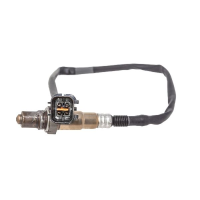
Shop the Parts Behind P1160
Below are the parts most often responsible for code P1160, ranked by how frequently each one is the actual culprit (per the diagnosis above). Tap any to see what we have for your vehicle.




The information in this article is provided for general reference and educational purposes only. Vehicle specifications, procedures, and part compatibility can vary by production date, trim level, and region. Always consult your vehicle's factory service manual and verify part numbers before purchasing or performing repairs. Safety-critical components such as airbags, seat belts, and braking systems should be installed by a qualified professional.
- 🧭 Diagnostic Flowchart
- 🎬 Helpful Videos
- 🛍️ Shop This Part
- What Does P1160 Mean?
- Can I Drive With P1160?
- Common Causes
- Symptoms
- Common Fixes & Costs
- DIY vs Professional
- Used vs. New Parts: Buying Guide
- What Happens If You Wait — Timeline
- Cost of Not Fixing It
- Diagnosis Steps
- When This Code Triggers (Freeze-Frame Conditions)
- Related Codes
- Climate & Environmental Factors
- How to Talk to a Mechanic About This Code
- Where to Take It: Dealer vs Independent vs Chain
- When to Walk Away From the Repair
- What Scan Tool You Need for This Code
- How to Clear the Code After You Fix It
- Will This Fail Emissions / State Inspection?
- Most Commonly Affected Vehicles
- Manufacturer-Specific Notes
- Real Owner Stories
- 2015 Subaru WRX with 45k miles
- 2015 Subaru Forester with 160k miles
- Peugeot 307 2.0L
- Honda/Acura (General)
- How to Prevent This Code From Triggering
- Frequently Asked Questions
- I replaced the A/F sensor on my Honda and the P1160 code came back. What now?
- Is it worth replacing the A/F sensor myself to save money?
- My car is a Peugeot and I hear a hissing noise. Is P1160 related?
- What is a throttle body 'relearn' procedure for a Subaru?
- Can a bad battery cause a P1160 code?
- What is the difference between an Air/Fuel sensor and an Oxygen sensor?
- Is Sensor 1 the upstream or downstream sensor?
- Key Takeaways
- 🎟️ Get 5% Off