

P1196 on 2010-2012 Audi Q7: O2 Sensor Heater Circuit Fault Causes and Fixes
On a 2010-2012 Audi Q7, code P1196 points to an electrical malfunction in the heater circuit of the Bank 1, Sensor 1 oxygen sensor. The most common fix is replacing the sensor itself, which costs between $70-$150 for an aftermarket part or $180-$250 for an OEM part. This is a manageable DIY repair for those with the right tools. Before replacing, always check the relevant fuse first, as corrosion or a blown fuse can cause the same code.
- P1196 specifically means there is an electrical fault in the heater of the upstream oxygen sensor on Bank 1 (passenger side).
- The most probable cause is a failed oxygen sensor, which requires replacement.
- Before buying parts, always check the O2 sensor heater fuse and its terminals for corrosion, as this is a known and cheaper fix.
- Verify the fault by testing the sensor's heater circuit resistance with a multimeter. A reading of infinite ohms (OL) confirms a failed heater element.
- This repair is DIY-friendly with the correct tools, primarily an O2 sensor socket. Using a direct-fit replacement sensor is strongly recommended over a universal one.
What's Unique About the 2010-2012 Audi Q7
For the first-generation Audi Q7 (Typ 4L), this fault is common enough that Audi issued a Technical Service Bulletin (TSB #01139020337671) acknowledging a 'heater circuit fault' for lambda sensors. This indicates a recognized pattern of failure for this component. The code is very specific, pointing directly to the pre-catalytic converter sensor on Bank 1 (passenger side in the US), which helps avoid guesswork often associated with more generic codes. The wiring for all four O2 sensors on V6 models converges near the firewall on the passenger side, making the connectors accessible from the engine bay.
Diagnostic Flowchart
Tap your situation to follow the diagnostic path that matches what you're seeing on this vehicle.
Symptoms You May Notice
- Check Engine Light is illuminated
- Decreased fuel efficiency
- Vehicle may run rough or idle poorly, especially on cold starts
- Failure to pass an emissions inspection
- Black smoke from the exhaust, particularly during acceleration.
- Noticeable loss of power when accelerating.
- Replacing the wrong oxygen sensor (e.g., Bank 2 instead of Bank 1, or the downstream sensor instead of the upstream one). On V6 Q7s, the connectors for Bank 1 and Bank 2 are located next to each other, often color-coded, making a mix-up possible.
- Replacing the catalytic converter when the issue is solely with the sensor's heater circuit.
- Using a 'universal fit' oxygen sensor. One forum user reported that replacing the sensors with universal Bosch units did not resolve the codes, highlighting the potential for issues with splicing wires versus using a direct-fit part.
Most Likely Causes
- Failed Bank 1, Sensor 1 Oxygen Sensor 🔴 High Probability → Shop Oxygen Sensor The internal heater element within the oxygen sensor is a common failure point due to constant heat cycles, as documented by Audi's own TSB. The sensor is designed to operate at very high temperatures, and the heater element is what gets it there quickly.
How to confirm: With the engine cold, disconnect the sensor and measure the resistance between the two heater circuit wires (often two white wires, but confirm with a wiring diagram) using a multimeter. An infinite resistance reading (OL) indicates an open circuit and a failed heater. A normal reading is typically between 2 and 30 ohms.
Typical fix: Replace the Bank 1, Sensor 1 oxygen sensor. Bank 1 is on the passenger side of the engine in the US. Sensor 1 is the upstream sensor, located before the catalytic converter in the exhaust manifold.
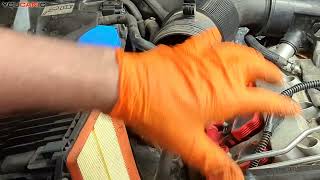
Est. part cost: $70 - $250 - Damaged Wiring or Connector 🟡 Medium Probability The wiring harness is exposed to high heat and road debris under the vehicle, which can lead to corrosion, melting, or physical damage over time. On the Q7, the main engine harness can suffer from corrosion at splice points, causing a variety of electrical faults. The O2 sensor connectors themselves are located in the engine bay plenum, where moisture can accumulate. 🎬 Watch: Locate your oxygen sensor connectors in the engine bay.
How to confirm: Visually inspect the entire wiring harness from the O2 sensor to its connection point at the firewall. Check for melted plastic, frayed wires, or corrosion inside the connector pins. Use a multimeter to check for 12V power and a good ground at the connector with the ignition on.
Typical fix: Repair the damaged section of the wiring harness or clean/replace the connector. Audi dealers have official wiring repair kits for this purpose.
Est. part cost: $10 - $100 - Blown Fuse or Faulty Relay ⚪ Low Probability An electrical short in the heater circuit can cause the corresponding fuse to blow as a protective measure. On some Q7s, the fuse box in the engine bay plenum is susceptible to water ingress and corrosion on the fuse terminals, which can interrupt the circuit even if the fuse isn't blown.
How to confirm: Locate the fuse boxes. The Q7 has multiple: one on each end of the dashboard, one in the luggage compartment, and one in the engine bay plenum on the driver's side. The O2 sensor heater fuse is often a 15A or 30A fuse located in the engine bay box. Visually inspect the fuse and its terminals for being blown or corroded. Test for continuity with a multimeter.
Typical fix: Replace the blown fuse and clean any corrosion from the terminals. If the new fuse blows immediately, it indicates a persistent short circuit in the wiring or sensor that must be diagnosed.
Est. part cost: $1 - $5
Rare But Worth Checking
- Faulty Engine Control Module (ECM): This is extremely rare. The ECM is the last component to suspect after all other possibilities (sensor, wiring, fuses) have been exhaustively tested and ruled out. The ECM driver for the heater circuit can fail, but it is much more likely the issue is external to the module.
Diagnosis Steps
- Read all fault codes with an OBD-II scanner to confirm P1196 and check for any other related codes.
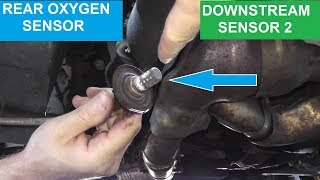
- Identify the correct sensor: Bank 1, Sensor 1. 🎬 See this guide to identifying Bank 1 and Bank 2 locations. On a US-spec Audi Q7, Bank 1 is the passenger side, and Sensor 1 is the upstream sensor before the catalytic converter.
- Check the fuse for the oxygen sensor heater circuit. The Q7 has several fuse boxes; the relevant fuse is typically in the engine bay plenum box on the driver's side. Inspect for blown fuses and corrosion on the contacts.
- Visually inspect the sensor's wiring harness and connector for any signs of melting, corrosion, or physical damage. The connectors for all O2 sensors are typically located together on the passenger side of the engine bay.
- With the engine cold, disconnect the sensor. Use a multimeter set to Ohms (Ω) to measure the resistance across the heater element pins on the sensor side. A reading of infinite ohms (OL) means the heater is broken. A normal reading is typically between 2 and 30 ohms.
- With the sensor still disconnected and the ignition key in the 'On' position (engine off), test the vehicle-side connector for power (should be ~12V) and ground. This confirms the wiring and fuse are supplying power correctly.
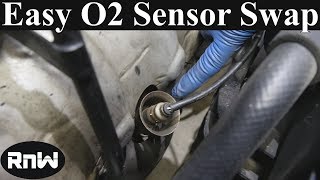
- If wiring, fuse, and power/ground are all good, the oxygen sensor itself is faulty and should be replaced. 🎬 Watch: Step-by-step walkthrough for replacing an Audi Q7 oxygen sensor.
- After replacement, clear the fault codes with the scanner and perform a drive cycle to ensure the code does not return.
Parts You'll Likely Need
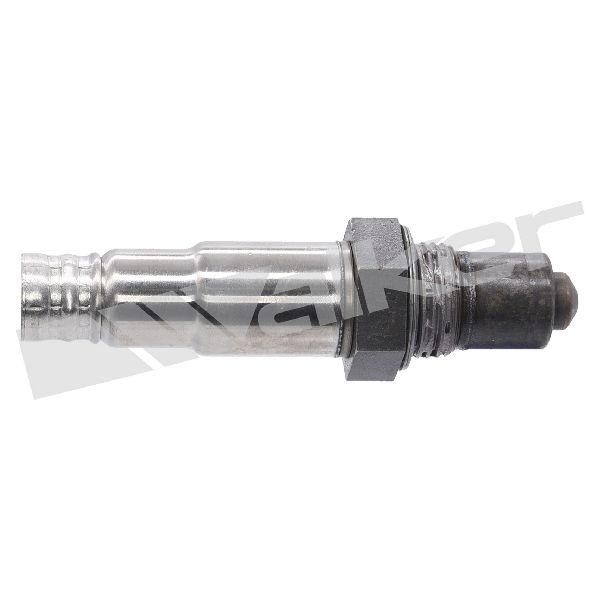
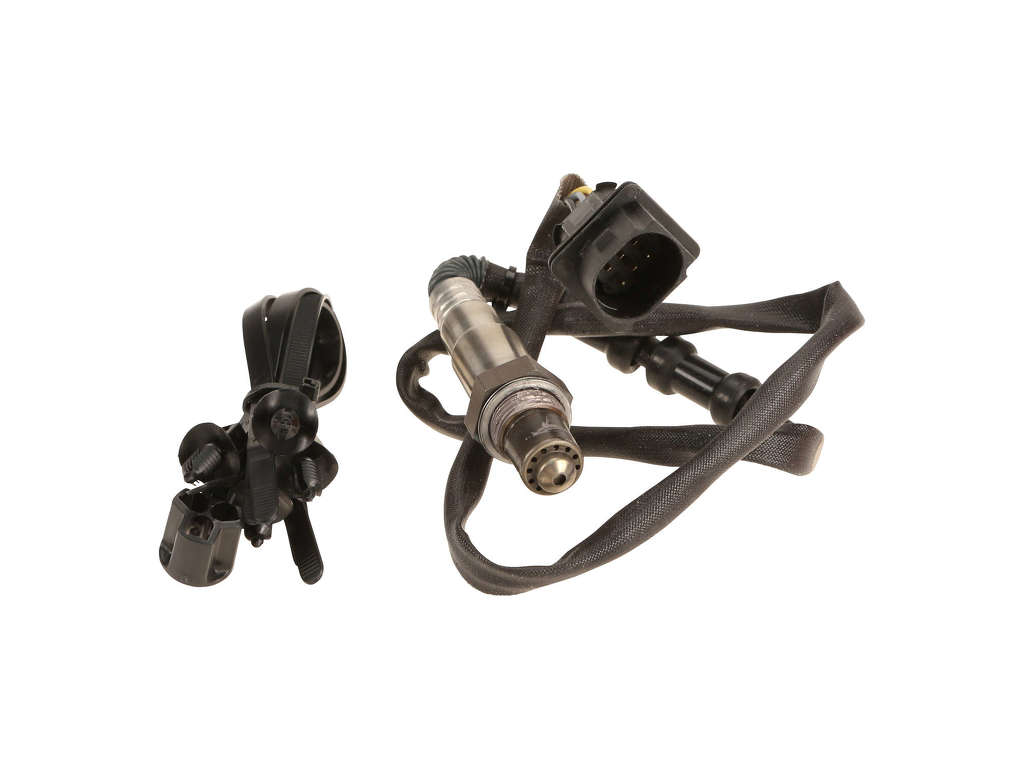
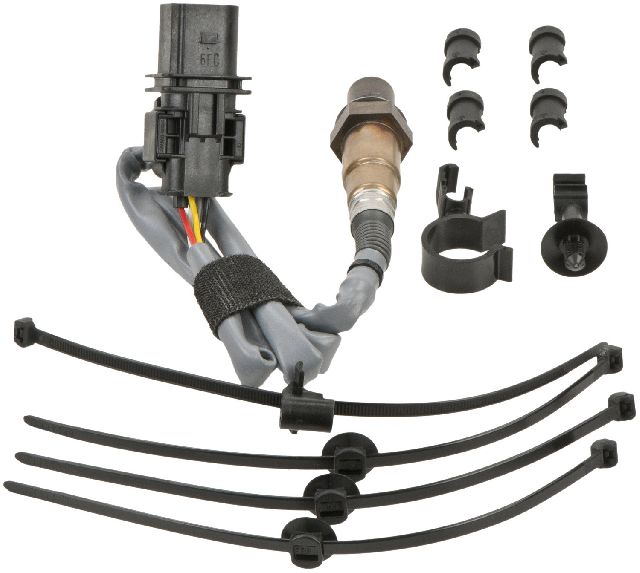
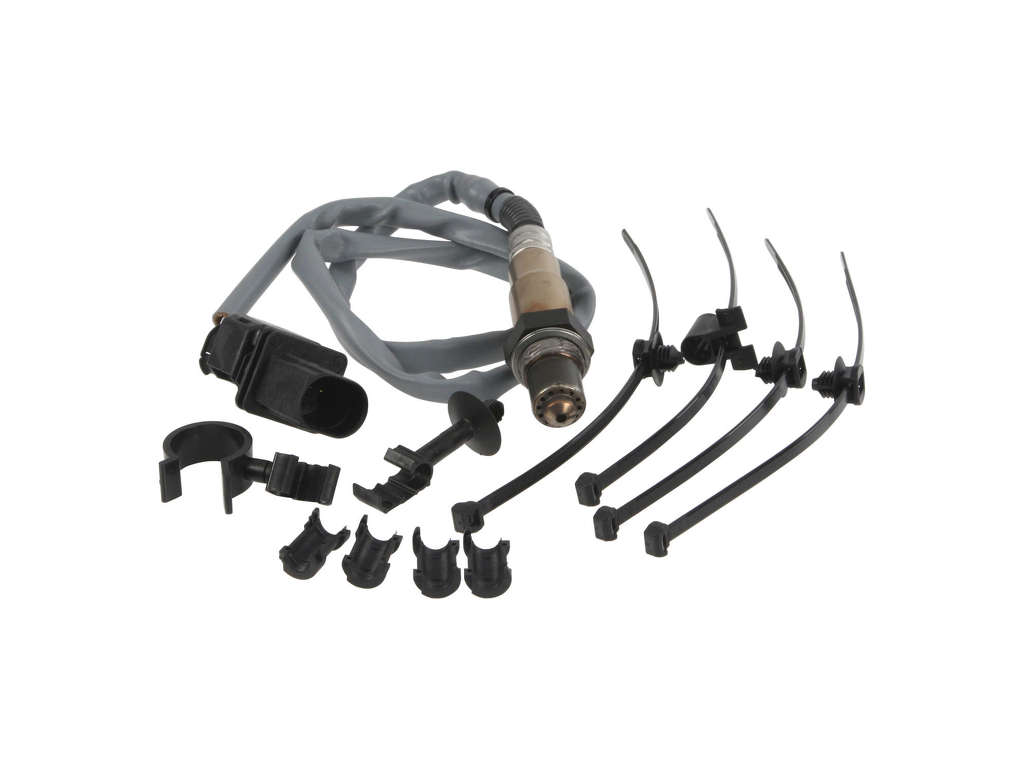
- Oxygen Sensor (Bank 1, Sensor 1)
(OEM #06E906265S (for 3.0T V6, verify by VIN))— This is the component identified by the fault code, and its internal heater element is the most common point of failure.
Trusted brands: Bosch (OEM supplier), NGK/NTK, Denso
OEM price range: $180-$250
Aftermarket price range: $70-$150
Related Codes That Often Appear With This One
- P1197 — This code is for the 'O2 Sensor Heater Circuit, Bank 2 Sensor 1 Electrical Malfunction'. It is common to see both upstream sensor heater circuits fail around the same time due to age and wear, as they are identical parts subjected to similar conditions.
- P0135 — This is the generic SAE equivalent of P1196, also meaning 'O2 Sensor Heater Circuit Malfunction (Bank 1 Sensor 1)'. Audi uses the manufacturer-specific P1196, but some scanners may show both.
- P0134 — This code means 'O2 Sensor Circuit No Activity Detected (Bank 1 Sensor 1)'. If the heater fails, the sensor may not warm up enough to start sending a signal, triggering this code alongside the heater fault.
Technical Service Bulletins (TSBs) & Recalls
- Bulletin #01139020337671 / 01-13-90: MIL on (DTC P1196/P1197/P0135, heater circuit fault lambda sensor) - Repair Authorization.
Platform-Specific Known Issues
- Audi issued Technical Service Bulletin #01139020337671 (also cited as 01-13-90 or 2033767/1) for 2010 models regarding MIL illumination with DTC P1196, P1197, or P0135, authorizing repair for a lambda sensor heater circuit fault.
- A forum user on AudiForums.com with a P1196 code replaced the sensor but the code remained, suggesting that a wiring or fuse issue should be thoroughly checked before assuming a new part is needed or that the new part is faulty.
- Another user on AudiWorld Forums with codes P1196 and P1197 did not solve the issue after replacing both sensors with universal-fit units, emphasizing the importance of using direct-fit parts and checking for other causes like fuses or relays.
- Corrosion in the engine bay fuse box is a known issue that can cause O2 sensor heater circuit codes. A YouTube video shows a case where cleaning heavy corrosion off the fuse terminals resolved the fault without replacing the sensors.
Mechanic-Grade Diagnostic Values
- O2 Sensor Heater Internal Resistance — expected: 2.5 to 10.0 Ohms (at approx. 20°C / 68°F). Failure: A reading of infinite ohms (OL) or a value significantly outside the specified range.
- Voltage supply at harness connector — expected: Battery Voltage (~12.5V). Failure: No voltage or significantly low voltage indicates a problem with the fuse or wiring from the power supply relay.
- Heater control signal wire resistance — expected: 1.5 Ohms maximum. Failure: Higher resistance indicates corrosion or a break in the wire running to the ECM.
- Live Data - Upstream O2 Sensor Voltage (VCDS) — expected: Continuously and rapidly switching between a low value (approx. 0.1V) and a high value (approx. 0.9V) at idle.. Failure: A static, non-switching voltage (pegged high or low) indicates a non-responsive sensor, which can be caused by a failed heater.
Scan Tool Commands That Help
- VCDS (VAG-COM): Output Tests (Function 03) — To command the ECM to activate the O2 sensor heater circuit directly. This allows a technician to verify if the circuit is functional by checking for voltage or current draw when the test is active, helping to isolate the fault between the ECM, wiring, and the sensor itself.
- VCDS (VAG-COM): Selective Output Tests — On control modules that support it, this is a more direct version of the sequential Output Test. It allows a user to immediately activate just the O2 sensor heater without cycling through other components, saving diagnostic time.
- VCDS (VAG-COM): Basic Settings - Group 034 — This function can run an aging test on the Bank 1 Sensor 1 oxygen sensor. The result will display as 'Test ON/Test OFF' and then 'B1-S1 OK' or 'B1-S1 not OK', providing a clear pass/fail result from the ECM's perspective.
Wiring & Ground Locations
- Main Chassis Ground Strap — Under the driver's side cowl panel in the engine bay, attached to the chassis with a 13mm nut.. This is a time-saving shortcut for disconnecting all vehicle power. Instead of removing the driver's seat to access the battery, a technician can simply disconnect this ground strap to safely work on the electrical system, such as when replacing the O2 sensor or testing wiring.
- O2 Sensor Connector Bank 1 — In the engine bay plenum (the area below the windshield), typically on the passenger side. The connectors for all four sensors are grouped together. Bank 1 connectors are often black, while Bank 2 may be a different color (e.g., brown/rust).. Knowing the physical location and potential color-coding of the connectors is critical for testing the correct sensor and avoiding misdiagnosis by replacing the wrong part.
- Heater Circuit Test Pins — On the 6-pin sensor connector, the heater element is tested across terminals 3 and 5. On the corresponding vehicle harness connector, power is at terminal 5 and the ECM control signal is at terminal 3.. These specific pin numbers are required for performing accurate resistance and voltage tests with a multimeter to confirm if the sensor heater has failed or if the fault is in the vehicle's wiring.
Real Owner Repair Stories
- AudiWorld Forums user 'jcrampton' (Vehicle year not specified, but behavior is relevant.) — Check Engine Light with codes P1196, P1197, and P0134.
❌ Tried (didn't work) Replaced both pre-cat O2 sensors with 'universal fit' Bosch sensors., Checked fuses in the driver side fuse panel., Replaced a blown maxi fuse under the steering column.
✅ What actually fixed it The thread did not have a final resolution, but the key takeaway is that replacing the sensors with universal-fit units that require splicing did not solve the heater circuit codes. This strongly suggests an issue with the universal parts or the splices, reinforcing the recommendation to use direct-fit sensors.
OEM Part Supersession History
06E906265F→06E906265S— Standard part revision by the manufacturer.
Model Year Variations Within This Range
- 2010 vs 2011-2012: The 2010 model year primarily used the 3.6L V6 and 4.2L V8 engines. For the 2011 model year, Audi introduced the 3.0L V6 supercharged (3.0T) engine, which became the main gasoline engine option. While the P1196 code applies across these engines, the specific OEM part numbers for the oxygen sensors are different. The part number 06E906265S is for the 3.0T engine. Always verify the correct part number by VIN.
Helpful Videos
We Have This Part in Stock

The information in this article is provided for general reference and educational purposes only. Vehicle specifications, procedures, and part compatibility can vary by production date, trim level, and region. Always consult your vehicle's factory service manual and verify part numbers before purchasing or performing repairs. Safety-critical components such as airbags, seat belts, and braking systems should be installed by a qualified professional.
- Audi Q7:
- 🧭 Diagnostic Flowchart
- 🎬 Helpful Videos
- 🛍️ Shop This Part
- What's Unique About the 2010-2012 Audi Q7
- Symptoms You May Notice
- Most Likely Causes
- Rare But Worth Checking
- Diagnosis Steps
- Parts You'll Likely Need
- Related Codes That Often Appear With This One
- Technical Service Bulletins (TSBs) & Recalls
- Platform-Specific Known Issues
- Mechanic-Grade Diagnostic Values
- Scan Tool Commands That Help
- Wiring & Ground Locations
- Real Owner Repair Stories
- OEM Part Supersession History
- Model Year Variations Within This Range
- 🎟️ Get 5% Off