

OBD-II Code P1206: Manufacturer-Specific Fuel & Air System Fault
What P1206 means, why it triggers, and how to fix it for your specific vehicle
- Identify your vehicle's specific P1206 definition first, as it means a clogged DPF on a Fiat but a Cylinder 6 injector fault on a VW.
- Inspect the Fuel Pump Control Module for corrosion on Dodge/Ram trucks, or check DPF soot levels on European diesels.
- Fix the root cause of a clogged DPF—like a sticking EGR valve or failed $50 pressure sensor—before spending $2,000 on a replacement filter.
- Stop driving within 50 miles if you experience limp mode to prevent a $500 cleanable DPF from turning into a $3,000 mandatory replacement.
- Use a bidirectional scan tool capable of reading live DPF differential pressure (normal is under 20 mbar at idle) to accurately diagnose this fault.
What Does P1206 Mean?
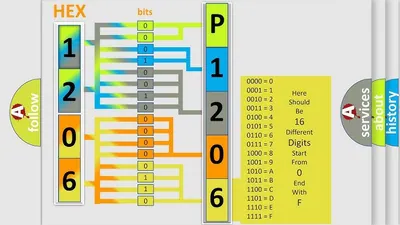
P1206 is a manufacturer-specific code indicating a critical fault in the fuel delivery or exhaust aftertreatment system. The Engine Control Unit (ECU) detects an abnormal or missing signal from a fuel injector, fuel pump control circuit, or Diesel Particulate Filter (DPF). This stems from electrical failures, mechanical breakdowns, or severe system blockages.
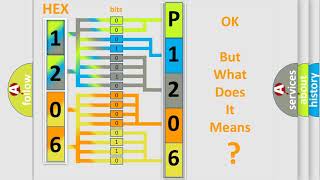
Technical definition: The SAE/OBD-II definition for P1206 is assigned by the manufacturer. Common interpretations include: 'Injector Circuit Open / Shorted - Cylinder #6' (VW, Audi, Jaguar), 'Particulate Filter Clogged or High Flow Resistance' (Fiat, Alfa Romeo, Peugeot), 'Fuel Pump Control Module Open Circuit' (Dodge, Ram, Jeep), 'High-Pressure Fuel Pump Failure' (Nissan), 'Cylinder 6 Misfire' (Honda, Acura), or 'Motor Control Module Lost Communication with DC-DC Converter' (Ford Hybrids).
Can I Drive With P1206?
Yes, But With Caution. You can drive, but expect reduced power (limp mode), poor fuel mileage, and a high risk of stalling in traffic. Continuing to drive with a DPF-related fault for more than 50 miles turns a cleanable filter into a non-serviceable one, escalating a $500 repair into a $3,000 replacement. An over-fueling injector destroys the catalytic converter, adding $2,000 to the repair bill.
Common Causes


- Faulty Fuel Injector (Very Common) — The fuel injector for a specific cylinder (often #6) suffers an internal electrical short, sticks open mechanically, or leaks fuel directly into the cylinder.
- Clogged Diesel Particulate Filter (DPF) (Very Common) — The DPF is saturated with soot and cannot regenerate. This stems from short-trip driving, a faulty EGR valve, or failed sensors blocking the regeneration cycle.
- Sticking or Faulty EGR Valve (Common) — A sticking EGR valve allows excessive exhaust gas into the intake, creating heavy soot that overwhelms the DPF and triggers a blockage code.
- Wiring Harness Damage (Common) — Wires leading to a fuel injector, fuel pump module, or DPF sensor are frayed, broken, or shorted to ground. This is a highly documented failure on Ford Power Stroke engines.
- Failed Fuel Pump Driver Module (FPDM/FPCM) (Less Common) — The dedicated control module for the fuel pump fails due to galvanic corrosion destroying the aluminum housing. 🎬 See this guide on how to test a fuel pump module. This is a known issue on Dodge/Ram and Ford vehicles.
- Faulty DPF Differential Pressure Sensor or Hoses (Less Common) — The sensor measuring DPF restriction fails, or its connecting rubber hoses crack and clog with soot, sending a false high-pressure signal to the ECU.
- Leaking Turbocharger Seals (Less Common) — Failing internal turbocharger seals leak engine oil into the exhaust. This oil burns into heavy deposits that rapidly clog the DPF and resist normal regeneration.
- Incorrect ECU Configuration or Software Glitch (Rare) — The ECU software requires an update, or a mandatory relearn procedure was skipped after replacing a component. On Jeep and Ram models, P1206 is a known software bug resolved by a PCM update.
- Low Engine Compression (Rare) — When P1206 indicates a misfire, poor compression in that cylinder due to worn piston rings or a bad valve leaves unburnt fuel, triggering fuel-related codes.
- Faulty Engine Control Unit (ECU) (Very Rare) — The internal driver circuit within the main engine computer that controls the fuel injector or pump fails. This requires ECU replacement or rebuilding.
Symptoms

- Check Engine Light is On — The Malfunction Indicator Lamp illuminates. It flashes to indicate a critical fault like a severe misfire or complete DPF blockage.
- Reduced Engine Power (Limp Mode) — The vehicle feels sluggish and refuses to accelerate. The ECU intentionally limits power to prevent catastrophic engine or exhaust damage.
- Rough Idle or Engine Misfire — The engine shakes and stumbles at idle or while driving because a cylinder lacks the correct fuel mixture or compression.
- Engine Stalling or Hard Starting — The engine struggles to start or shuts off unexpectedly while driving due to fuel pump circuit faults.
- Black or White Smoke from Exhaust — Excessive black smoke points to a leaking injector. Continuous white or bluish smoke indicates engine oil burning in the exhaust from a failed turbocharger seal.
- Poor Fuel Economy — The vehicle consumes significantly more fuel as engine efficiency drops due to over-fueling or excessive exhaust backpressure.
- Raw Fuel Smell — A strong smell of raw fuel indicates an injector is stuck open, dumping unburnt fuel into the exhaust system.
Common Fixes & Costs
- Replace a Faulty Fuel Injector — Parts: $150 - $600, Labor: $150 - $500, ~2.5 hr book time (Intermediate)
- Professional DPF Cleaning / Forced Regeneration 🎬 Watch: How to perform a forced DPF regeneration on a Fiat. — Parts: $0 - $50, Labor: $150 - $600, ~1.5 hr book time (Professional)
- Replace the Diesel Particulate Filter (DPF) — Parts: $1,500 - $5,000, Labor: $250 - $600, ~2.5 hr book time (Professional)
- Clean or Replace EGR Valve — Parts: $150 - $600, Labor: $150 - $400, ~2 hr book time (Intermediate)
- Repair or Replace Wiring Harness — Parts: $10 - $300, Labor: $200 - $800, ~3 hr book time (Professional)
- Replace Fuel Pump Driver Module (FPDM) — Parts: $120 - $400, Labor: $100 - $250, ~1.2 hr book time (Intermediate)
- Replace DPF Pressure Sensor and/or Hoses — Parts: $40 - $250, Labor: $75 - $150, ~0.8 hr book time (DIY)
DIY vs Professional
- Replace DPF Pressure Sensor 🟢 Beginner
Tools: Basic hand tools, socket set, pliers. - Replace Fuel Pump Driver Module (FPDM) 🟢 Beginner
Tools: Socket set, penetrating oil. - Replace Fuel Injector (Gasoline) 🟢 Beginner
Tools: Socket set, fuel line disconnect tools, torque wrench. - Replace Fuel Injector (Diesel) 🟢 Beginner
Tools: Specialized high-pressure line wrenches, torque wrench, slide hammer, advanced scan tool. - Replace Diesel Particulate Filter (DPF) 🟢 Beginner
Tools: Car lift, full exhaust and suspension tools, advanced scan tool.
Used vs. New Parts: Buying Guide
When a used part is worth it: For electronic modules like a Fuel Pump Driver Module (FPDM), a used part from a rust-free climate is viable. For a DPF, a professionally reconditioned unit with a warranty is a good compromise.
Donor-vehicle mileage cap: roughly under 100000 miles for the part to have meaningful remaining life.
Donor quality checklist:
- Avoid DPFs from vehicles scrapped due to engine failure, turbo issues, or high mileage.
- For injectors, 'remanufactured' is acceptable; 'refurbished' or 'used' is extremely risky for diesel engines.
- Verify the exact part number. Superseded numbers may not be compatible with your ECU's software.
Decision logic:
- If The part is a diesel fuel injector. → Buy new (OEM) or high-quality remanufactured from a reputable specialist. Avoid used.
- If The part is a DPF and the vehicle has over 150,000 miles. → A professionally reconditioned DPF with a warranty offers the best value.
- If The part is an electronic module (FPDM) and the failure was due to corrosion. → Buy a new aftermarket part with design improvements (spacers) or a used part from a rust-free donor.
Warranty tradeoff: Used parts offer a 30-90 day warranty covering only the part. New aftermarket parts have a 1-year to limited lifetime warranty. New OEM parts carry a 1-2 year warranty.
Worst-case if a used part fails: 800-2000 if a used DPF or injector fails shortly after installation, requiring repeat labor costs.
Cost of Not Fixing It
- 0-1 Month: Reduced fuel economy (5-15% drop), sluggish performance, and failed emissions tests. The DPF becomes progressively harder to clean. (Added cost: 50-150 in wasted fuel)
- 1-6 Months: Raw fuel destroys the catalytic converter. Excessive backpressure damages turbocharger seals and contaminates engine oil. (Added cost: 1500-5000 (Catalytic converter/DPF replacement), 1000-3000 (Turbocharger replacement))
- 6+ Months: Catastrophic failure. A severely leaking injector hydro-locks and bends a connecting rod, requiring an engine rebuild. (Added cost: 5000-10000)
Diagnosis Steps

- Confirm Your Vehicle's P1206 Definition
Search online for your specific vehicle (e.g., 'P1206 Fiat Ducato' or 'P1206 Ford F-250'). This confirms whether you are diagnosing a DPF, injector, or fuel pump issue, dictating the entire diagnostic path.
Tools: Internet access (Beginner) - Perform a Thorough Visual Inspection
Visually inspect the relevant component's wiring harness and connector (e.g., Cylinder #6 fuel injector, DPF pressure sensor, or Fuel Pump Driver Module). Look for chafed wires, rodent damage, and corroded connector pins.
Tools: Flashlight, Inspection Mirror (Beginner) - Analyze DPF Live Data (Diesel Only)
For DPF codes, use a scanner to view 'DPF Soot Mass' and 'Differential Pressure'. A healthy filter reads below 20 mbar at idle. Readings above 40 mbar confirm a severe blockage. A reading of 0 mbar with the engine off confirms sensor plausibility.
Tools: Advanced OBD-II Scanner (Intermediate) - Check for Injector Pulse with a Noid Light
For injector codes, unplug the suspect injector and insert a noid light. Start the engine. A consistent flash confirms the ECU is sending the command signal, isolating the problem to the injector itself rather than the wiring.
Tools: Noid Light Set (Intermediate) - Test Fuel Injector Circuit Resistance
Disconnect the injector and measure resistance across its pins. Standard gasoline injectors read 12-17 Ohms. VW/Audi TDI piezo injectors read 180-210 kOhms. Infinite resistance (OL) or zero Ohms confirms a failed internal coil.
Tools: Multimeter (Intermediate) - Inspect DPF Pressure Sensor Hoses
Locate the differential pressure sensor and inspect its two rubber hoses. Disconnect them and verify they are free of soot blockages, cracks, and condensation, which send false high-pressure signals to the ECU.
Tools: Flashlight, Pliers (Intermediate) - Pro Tip: Check for Root Causes of DPF Clogging
A clogged DPF is a symptom. Command the EGR valve open and closed with a scanner to check for sticking. Verify the 'Oil Degradation' monitor was reset at the last oil change, as an expired counter blocks regeneration.
Tools: Advanced OBD-II Scanner (Professional) - Advanced: Test DPF Differential Pressure Sensor Voltage
Back-probe the DPF pressure sensor signal wire. With the key on and engine off, voltage reads ~0.5V. At idle, it remains low and rises proportionally with RPM. A voltage stuck at 4.5V or 0V indicates a failed sensor.
Tools: Multimeter, Back-probes (Advanced) - Pro Tip: Analyze Injector Waveform with an Oscilloscope
Back-probe the injector control wire. A healthy waveform drops to near-zero volts, followed by a sharp inductive spike (>60V) when closing. A low spike confirms a shorted coil, while a high voltage floor indicates high circuit resistance.
Tools: Automotive Oscilloscope, Back-probes (Professional) - Advanced: Check Fuel System Pressures (Ford Power Stroke)
Monitor fuel pressure PIDs. On a 6.7L Power Stroke, low-pressure reads 53-73 PSI. While cranking, high-pressure rail pressure (FRP) must reach 5,000 PSI to start. Failure to meet desired FRP indicates a pump, regulator, or severe injector leak.
Tools: Advanced OBD-II Scanner (Advanced)
When This Code Triggers (Freeze-Frame Conditions)
- Engine Coolant Temp: 185-210°F (85-99°C) (Fully warmed up. The ECU ensures the engine is at optimal temperature before running DPF or fuel system tests.)
- RPM: 1800-2800 RPM (Steady cruise. DPF blockage codes set during highway driving when the ECU expects a pressure drop that doesn't occur.)
- Engine Load: 40-70% (Moderate load, such as climbing a grade. This demands consistent fuel delivery and generates heat for DPF regeneration.)
- DPF Differential Pressure: > 250 mbar (During an attempted regeneration. The ECU logs the fault when pressure across the DPF exceeds the maximum allowable threshold.)
Related Codes
- P0206 — 'Injector Circuit Malfunction - Cylinder 6'. The generic equivalent of the injector-specific P1206. If both are present, the fault is definitively electrical in the #6 injector circuit.
- P0306 — 'Cylinder 6 Misfire Detected'. P0306 identifies the misfire, while P1206 identifies the fuel injector fault causing it. Fix the P1206 code first.
- P2463 — 'Diesel Particulate Filter Restriction'. The generic equivalent of the DPF-related P1206 on Fiat/Alfa Romeo. Diagnosis requires checking live data for soot load and differential pressure.
- P1291 — On Ford 6.7L Power Stroke engines, this code for 'Injector High Side Short to Ground' points to a chafed wiring harness affecting an entire bank of injectors. Inspect the harness before replacing parts.
Climate & Environmental Factors
- Cold Weather: Engines struggle to reach the 1100°F (600°C) exhaust temperatures required for DPF regeneration in freezing conditions, causing rapid soot accumulation.
- Humidity and Road Salt: Road salt and high humidity destroy the aluminum housing of the Fuel Pump Driver Module (FPDM), allowing moisture to short the internal electronics.
- High Altitude: Lower oxygen density at high altitudes forces a richer air-fuel mixture, increasing soot production and overwhelming the DPF.
- Short-Trip Driving: Frequent trips under 15 minutes prevent the exhaust from reaching regeneration temperatures, guaranteeing a clogged DPF over time.
How to Clear the Code After You Fix It
- Use an advanced OBD-II scan tool to clear the DTC. Disconnecting the battery is not sufficient.
- Perform required relearn procedures (e.g., 'DPF Replacement Reset' or 'New Injector Coding').
- Complete a full OBD-II drive cycle to allow readiness monitors to run.
Drive cycle (~30 minutes): 1) Cold start (sit for 8+ hours). 2) Idle for 3 minutes. 3) Drive at a steady 55 mph for 15 minutes. 4) Perform 10 minutes of stop-and-go city driving. 5) Allow the vehicle to cool down.
Readiness monitors affected: Catalyst Monitor, Exhaust Gas (EGR) System Monitor, Oxygen Sensor Monitor, Fuel System Monitor
Before emissions retest: drive at least 100 miles to fully set monitors.
Watch out for:
- Failing to perform the specific 'relearn' procedure after replacing a DPF or injector causes the code to return immediately.
- Clearing the code without fixing the root cause results in the code returning once the ECU re-runs the diagnostic test.
- Taking the vehicle for an emissions test immediately after clearing the code results in a 'Not Ready' failure.
Will This Fail Emissions / State Inspection?
Yes — this code typically fails an OBD-II emissions inspection.
- California: Automatic failure. An illuminated check engine light results in an immediate fail. Using a used or non-CARB approved DPF is illegal and carries heavy fines.
- New York: Automatic failure. The NYVIP3 inspection includes an OBD-II scan. Any fault code that illuminates the check engine light causes a failure.
- Texas: Automatic failure in the 17 counties requiring emissions testing. An illuminated check engine light is an automatic fail.
Most Commonly Affected Vehicles
- Fiat Ducato, Croma, Doblo, Fiorino (2005-2019) — Extremely common for a clogged DPF. The root cause is frequently a sticking EGR valve causing excess soot, or failed regenerations from short trips.
- Alfa Romeo 159, Brera, Spider, GT (JTDm) (2005-2011) — P1206 indicates a saturated DPF. Often appears with P2455 (Differential Pressure Sensor fault), so always test the sensor and hoses before condemning the DPF.
- Ford F-250/F-350 Super Duty (Power Stroke) (2011-2016) — On the 6.7L Power Stroke, P1206 is very often paired with P1291. This combination strongly points to a chafed main wiring harness rubbing on the engine.
- Dodge / Ram Ram 1500/2500/3500, Durango (2010-2020) — P1206 means 'Fuel Pump Control Module Open Circuit'. Check wiring to the module on the frame rail for corrosion. For 2019+ models, TSB 18-055-19 fixes a software glitch.
- Nissan Navara, Pathfinder, Terrano II (Diesel) (1996-2015) — Repeated DPF clogging triggering P1206 is often caused by a failed exhaust gas temp sensor, damaged by overfueling from an aftermarket tuning box.
- Volkswagen / Audi Various with TDI & GDI engines (2006-2015) — P1206 almost always means 'Injector Circuit Open / Shorted - Cylinder #6'. Diagnosis focuses strictly on the injector and its specific wiring.
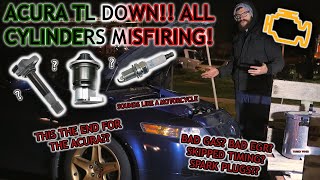
- Honda / Acura Various with V6 engines (e.g., Accord, Odyssey, MDX, TL) (2005-2015) — The definition is a straightforward 'Cylinder 6 Misfire'. The diagnostic path focuses on the ignition coil, spark plug, and fuel injector for cylinder #6.
- Peugeot / Citroën Various with HDi engines (e.g., C3, Nemo) (2002-2016) — P1206 indicates a 'Fuel Pressure Regulation Solenoid Valve Circuit Malfunction'. It points to a serious high-pressure fuel system fault, not a DPF issue.
Manufacturer-Specific Notes
- Fiat / Alfa Romeo: A sticking EGR valve or an unreset 'Oil Degradation' counter are the true root causes of DPF codes. Always reset the oil counter with a scan tool after an oil change.
- Ford: P1206 paired with P1291 guarantees a chafed main wiring harness near the driver's side valve cover. On older Hybrids, it means a DC-DC converter communication loss.
- Dodge / Ram / Jeep: Inspect the frame-mounted FPCM for corrosion. On 2019+ models, check TSB 18-055-19; a simple PCM software update often fixes a false P1206.
- Nissan: A failed exhaust gas temperature sensor prevents regeneration. These sensors frequently fail due to excessive heat from aftermarket tuning boxes.
Frequently Asked Questions
I replaced my DPF/Injector but the P1206 code came back. What now?
You likely skipped the mandatory ECU relearn procedure. Use a scan tool to run the 'DPF Replacement' or 'Injector Quantity Adjustment' reset. If you did this, you haven't fixed the root cause, such as a sticking EGR valve or leaking injector.
What should I check first when I get a P1206 code?
First, identify your car's specific definition of the code. For DPF codes, check live data for differential pressure. For injector codes, visually inspect the harness and use a noid light to confirm the ECU signal.
Can a bad battery or alternator cause a P1206 code?
Yes. Unstable or low system voltage causes electronic modules, including the ECU and injector drivers, to behave erratically and set false codes. Test your battery and charging system before starting complex fuel system diagnostics.
My scanner failed a forced DPF regen and gave an 'Injector Setting out of permitted range' error. What does that mean?
This means the ECU detected an injector performing outside expected parameters during the regeneration attempt. A faulty, over-fueling injector is likely the root cause of your excess soot. The ECU aborted the regen to prevent engine damage.
Can I just clean my fuel injector instead of replacing it?
If the injector is physically clogged, a professional off-car ultrasonic cleaning works. However, if the code indicates an electrical fault like an open or shorted circuit, cleaning is useless. The internal coil has failed and requires replacement.
What is DPF regeneration and why does it fail?
Regeneration heats the exhaust over 1000°F (550°C) to burn trapped soot into ash, requiring sustained highway driving. It fails due to frequent short trips, interrupted cycles, or faults in components like the EGR valve or temperature sensors.
Is it worth fixing, or should I just clear the code?
You must fix the underlying problem because clearing the code only temporarily hides the fault. Ignoring P1206 leads to catastrophic DPF failure, catalytic converter damage, or sudden engine stalling. Expect repair bills to multiply if left unaddressed.
Key Takeaways
- Identify your vehicle's specific P1206 definition first, as it means a clogged DPF on a Fiat but a Cylinder 6 injector fault on a VW.
- Inspect the Fuel Pump Control Module for corrosion on Dodge/Ram trucks, or check DPF soot levels on European diesels.
- Fix the root cause of a clogged DPF—like a sticking EGR valve or failed $50 pressure sensor—before spending $2,000 on a replacement filter.
- Stop driving within 50 miles if you experience limp mode to prevent a $500 cleanable DPF from turning into a $3,000 mandatory replacement.
- Use a bidirectional scan tool capable of reading live DPF differential pressure (normal is under 20 mbar at idle) to accurately diagnose this fault.
Helpful Videos



Shop the Parts Behind P1206
Below are the parts most often responsible for code P1206, ranked by how frequently each one is the actual culprit (per the diagnosis above). Tap any to see what we have for your vehicle.



The information in this article is provided for general reference and educational purposes only. Vehicle specifications, procedures, and part compatibility can vary by production date, trim level, and region. Always consult your vehicle's factory service manual and verify part numbers before purchasing or performing repairs. Safety-critical components such as airbags, seat belts, and braking systems should be installed by a qualified professional.
- 🎬 Helpful Videos
- 🛍️ Shop This Part
- What Does P1206 Mean?
- Can I Drive With P1206?
- Common Causes
- Symptoms
- Common Fixes & Costs
- DIY vs Professional
- Used vs. New Parts: Buying Guide
- Cost of Not Fixing It
- Diagnosis Steps
- When This Code Triggers (Freeze-Frame Conditions)
- Related Codes
- Climate & Environmental Factors
- How to Clear the Code After You Fix It
- Will This Fail Emissions / State Inspection?
- Most Commonly Affected Vehicles
- Manufacturer-Specific Notes
- Frequently Asked Questions
- I replaced my DPF/Injector but the P1206 code came back. What now?
- What should I check first when I get a P1206 code?
- Can a bad battery or alternator cause a P1206 code?
- My scanner failed a forced DPF regen and gave an 'Injector Setting out of permitted range' error. What does that mean?
- Can I just clean my fuel injector instead of replacing it?
- What is DPF regeneration and why does it fail?
- Is it worth fixing, or should I just clear the code?
- Key Takeaways
- 🎟️ Get 5% Off