

P1239 on 2014-2017 Jeep Wrangler: Engine Oil Temperature Too Low Causes and Fixes
On a 2014-2017 Jeep Wrangler, code P1239 is most often caused by a software glitch in the Powertrain Control Module (PCM). The primary fix is a software update (reflash) from a Jeep dealer, as outlined in multiple Technical Service Bulletins. Before replacing any parts, check if your vehicle's software is up to date, as many owners have wasted money on sensors when the root cause was software.
- P1239 on a 2014-2017 Wrangler almost always points to a needed PCM software update, not a bad part.
- Before replacing any parts, have a Jeep dealer check if your vehicle's software is up to date per TSBs #18-029-14, #18-029-15, or #1807117.
- If you must replace the oil temperature sensor, be aware it is a labor-intensive job requiring removal of the intake manifolds.
- Driving with the code is generally safe, but address it to prevent potential misfires or starting issues.
What's Unique About the 2014-2017 Jeep WRANGLER
For the JK generation Wrangler with the 3.6L Pentastar engine, this code is notoriously linked to software calibration issues. Multiple Technical Service Bulletins (TSBs) were issued by the manufacturer because the original PCM software was too sensitive, especially in colder climates. As a result, the first step in diagnosis is almost always to check for and perform a PCM software update, rather than immediately suspecting a hardware failure. This issue is so common across the Pentastar engine family that it affects numerous Jeep, Dodge, and Chrysler models.
Diagnostic Flowchart
Tap your situation to follow the diagnostic path that matches what you're seeing on this vehicle.
Symptoms You May Notice
- Check Engine Light (Malfunction Indicator Lamp) is on
- Perceived misfire during normal acceleration.
- Starter protection feature may be disabled (on manual transmission vehicles).
- In some cases, the code may appear intermittently and then go away on its own, only to return later.
- Replacing the Engine Oil Temperature sensor without first checking for a required PCM software update. Many owners and shops have replaced the sensor multiple times only to have the code return, because the root cause was the software calibration.
Most Likely Causes
- Outdated Powertrain Control Module (PCM) Software 🔴 High Probability → Shop Engine Control Module (ECM) Manufacturer TSBs #18-029-14, #18-029-15, and #1807117 directly call out a software update as the remedy for this specific code. The original logic was overly sensitive, falsely triggering the code in cold weather.
How to confirm: A Jeep dealership or a well-equipped independent shop can check the current software version of the PCM against the latest available version using a wiTECH scan tool. The scan tool will often show a lightning bolt icon next to the PCM, indicating an available flash update.
Typical fix: Reprogramming (flashing) the PCM with the updated software. This is a 1-hour labor job at a dealership.
Est. part cost: $0 - Faulty Engine Oil Temperature (EOT) Sensor 🟡 Medium Probability The sensor provides the direct temperature reading. If it fails or sends an inaccurate signal (e.g., stuck at -40°F), it can trigger the code. This is a common failure point for any vehicle, but on the 3.6L Pentastar, it's often replaced unnecessarily when the true cause is software.
How to confirm: Use a scan tool to monitor the EOT sensor data from a cold start. The temperature should rise steadily as the engine warms. If it's stuck at a low value (like -40°F), jumps erratically, or doesn't change, the sensor is likely bad. Wiggling the sensor connector while watching live data can also reveal a wiring issue.
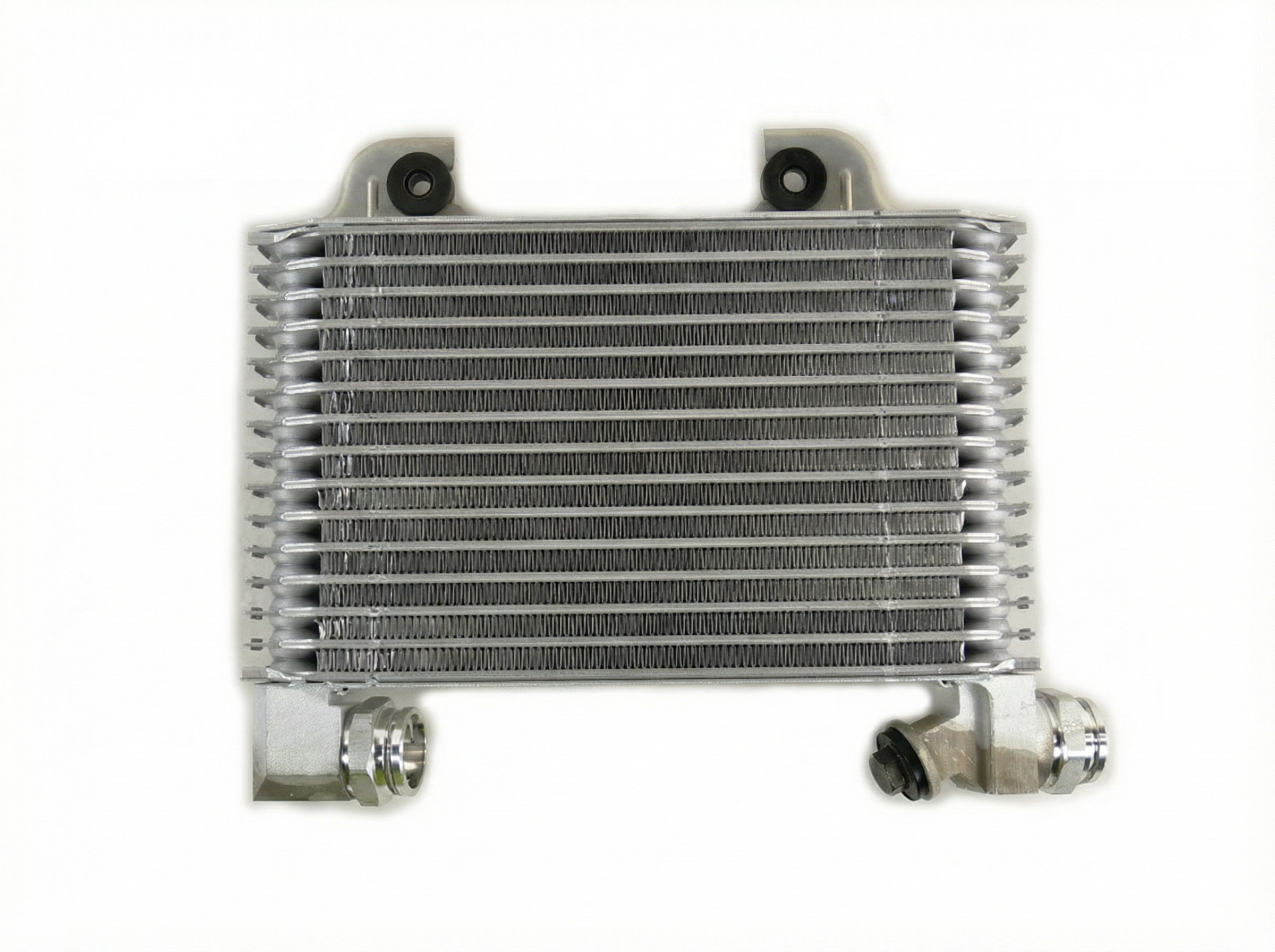
Typical fix: Replace the engine oil temperature sensor. This sensor is located on the oil cooler/filter housing assembly, deep in the engine valley, requiring removal of the upper and lower intake manifolds. Due to the high labor involved, it is often recommended to replace the entire oil cooler assembly (which includes new sensors) at the same time.
Est. part cost: $20-$50 for the sensor, $150-$300 for the full assembly. 🎬 See this full guide on replacing the oil cooler assembly.
- Stuck-Open Engine Thermostat ⚪ Low Probability → Shop Integrated Thermostat Housing Assembly If the thermostat is stuck open, coolant will circulate constantly through the radiator, preventing the engine from reaching its normal operating temperature in a timely manner. This slow warm-up can cause the oil temperature to lag behind what the PCM expects, triggering P1239. This would typically also set a P0128 code.
How to confirm: Monitor the Engine Coolant Temperature (ECT) on a scan tool or the dashboard gauge. If the engine takes an excessively long time to warm up, or if the temperature drops significantly at highway speeds, the thermostat is likely stuck open.
Typical fix: Replace the engine thermostat and housing.
Est. part cost: $30-$70 - Wiring or Connector Issue ⚪ Low Probability The EOT sensor is located in the engine valley, an area exposed to intense heat and potential oil leaks from the cooler housing. This can degrade the wiring or connector over time, causing high resistance or an open circuit. Rodent damage to the harness in this area is also a possibility.
How to confirm: Visually inspect the wiring and connector for the EOT sensor for any signs of damage, corrosion, or oil contamination. Perform a continuity and resistance test on the circuit from the PCM connector (Pin 16) to the sensor. Wiggling the harness while monitoring sensor voltage on a scan tool can expose intermittent connection problems.
Typical fix: Repair the damaged wiring or replace the connector pigtail.
Est. part cost: $15-$40
Rare But Worth Checking
- Incorrect Engine Oil Viscosity: Using an oil viscosity that is not recommended by the manufacturer (e.g., 5W-30 instead of 5W-20), especially a thicker oil in a cold climate, could potentially slow the rate at which the oil warms up.
- Internal Engine Problem: Extremely rare, but issues like coolant contaminating the engine oil could affect its thermal properties and trigger this code. This would typically be accompanied by other, more serious symptoms like milky oil or overheating.
Diagnosis Steps
- Check for Technical Service Bulletins (TSBs). Contact a Jeep dealer with your VIN to see if TSBs #18-029-14, #18-029-15, or #1807117 apply and if the PCM software update has been performed. This is the most critical first step.
- If no TSB is applicable or the software is current, connect a scan tool and monitor live data for the Engine Oil Temperature (EOT) and Engine Coolant Temperature (ECT) sensors.
- From a cold start, compare the EOT and ECT readings. They should be within a few degrees of each other and the ambient air temperature. 🎬 Watch: How to use an OBD2 reader to check your data.
- Start the engine and watch both temperature readings. They should rise smoothly. If the EOT reading is erratic, stuck at -40 degrees, or doesn't rise, suspect a faulty sensor or wiring.
- If the EOT sensor appears to be reading correctly but the engine takes a very long time to warm up (based on the ECT), investigate the engine thermostat to see if it's stuck open. This will usually be accompanied by code P0128.
- If the sensor and thermostat are functioning correctly, the issue most likely lies with the PCM software, even if a TSB wasn't immediately found. A PCM reflash is the next logical step.
Parts You'll Likely Need
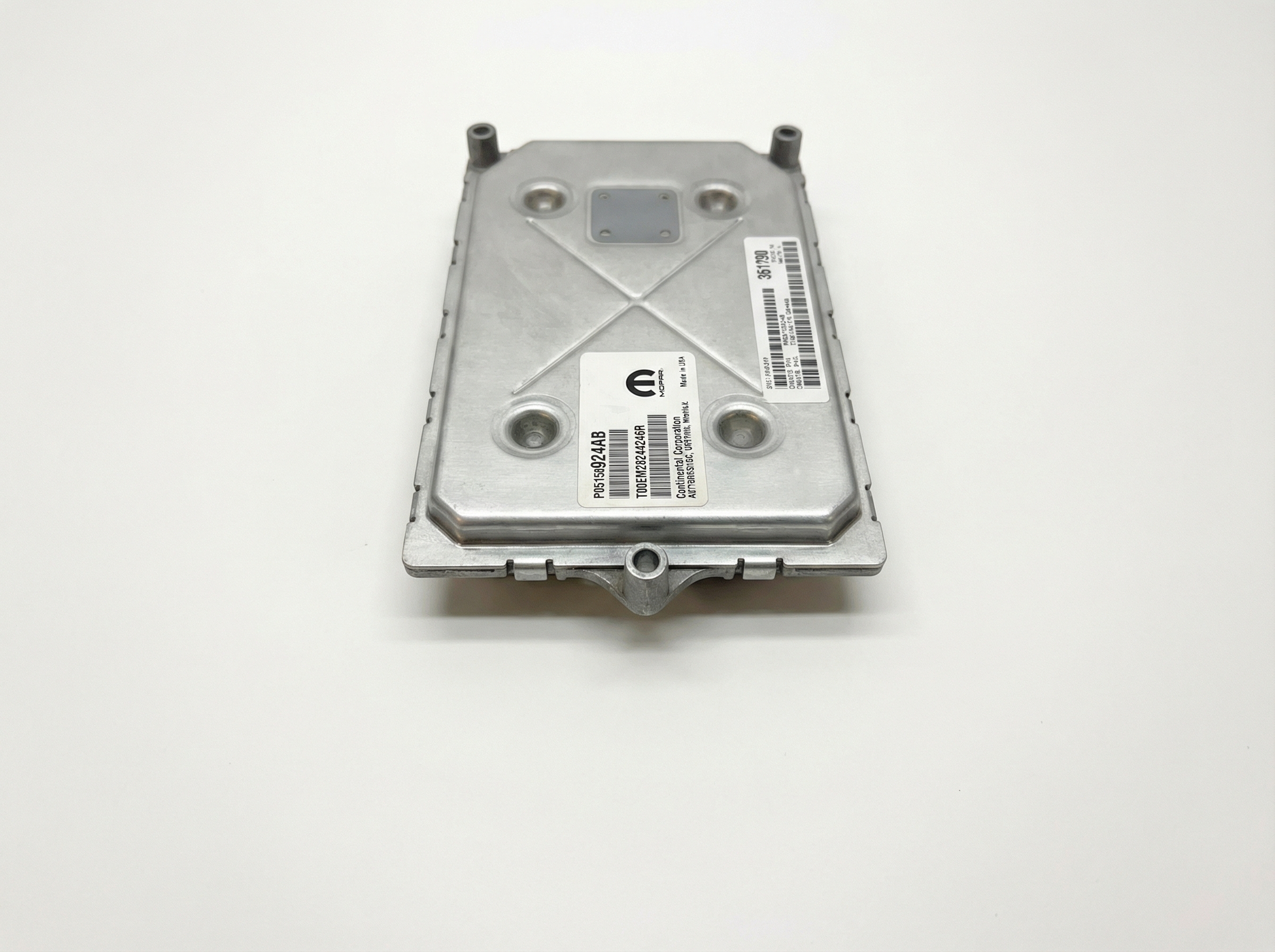
- PCM Software Reflash — This is the most common and manufacturer-recommended fix to correct the sensitive logic that triggers the P1239 code.
Trusted brands: Mopar (Dealer Service)
OEM price range: $150-$250
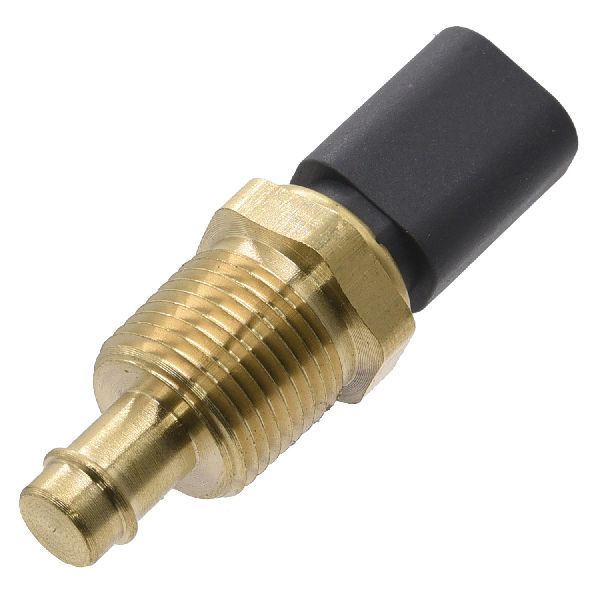
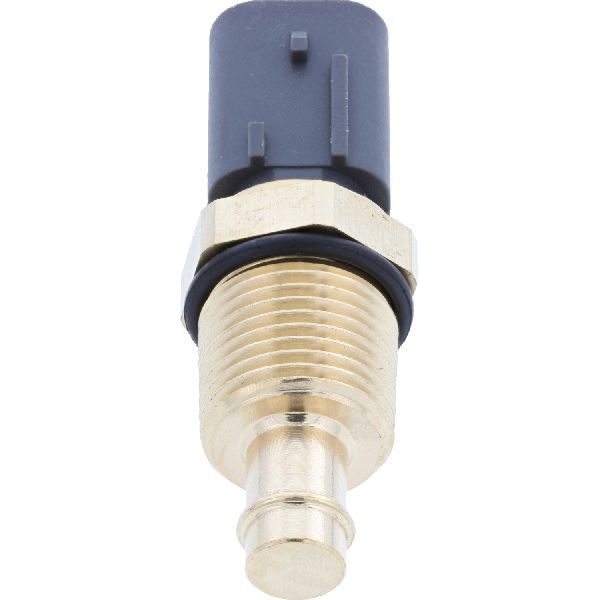
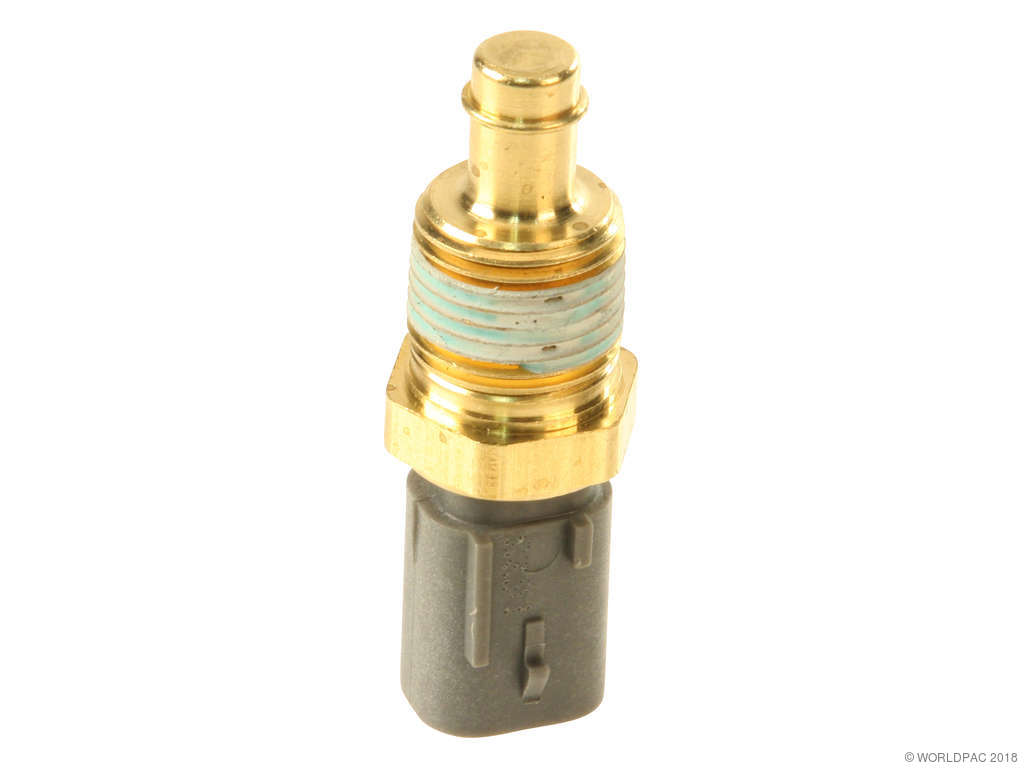
Aftermarket price range: N/A - Engine Oil Temperature Sensor
(OEM #68164627AA)— This is the second most likely cause if the PCM software is already up to date. The sensor provides the temperature reading to the PCM.
Trusted brands: Mopar, NTK, Standard Motor Products
OEM price range: $30-$50
Aftermarket price range: $15-$35 - Oil Cooler / Filter Housing Assembly
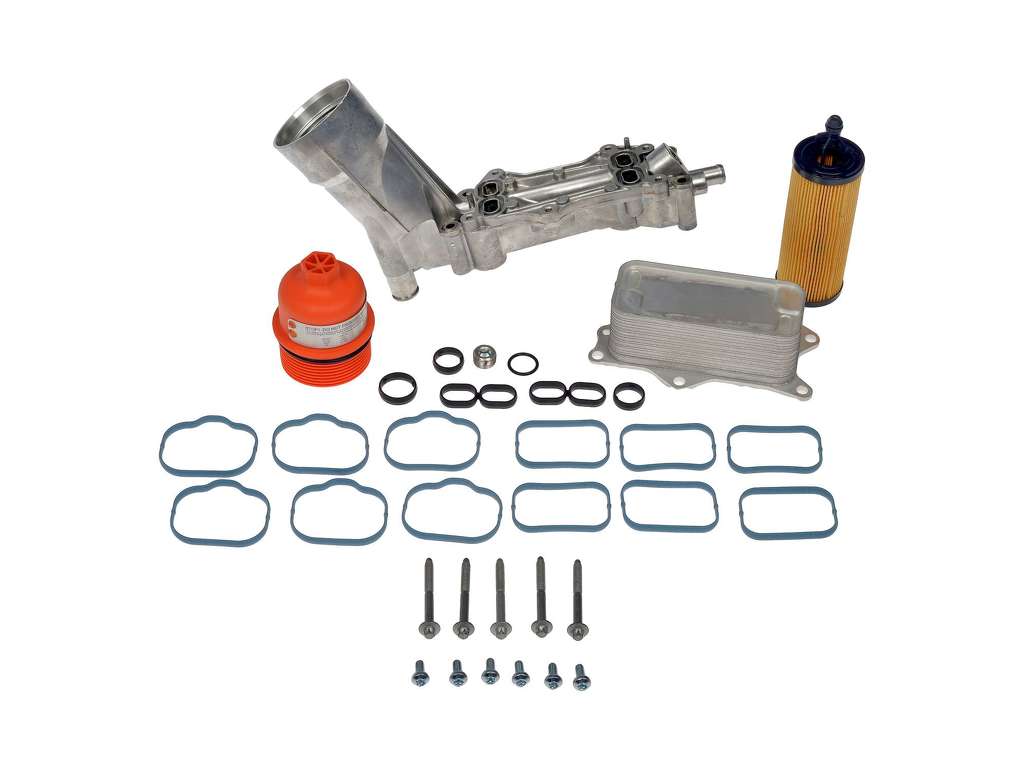
(OEM #68105583AG (or superseding part numbers))— The original plastic housings are prone to cracking and leaking. Since replacing the EOT sensor requires removing the intake manifolds, many owners and shops opt to replace the entire assembly with an updated Mopar or aftermarket aluminum version (like Dorman 926-959) to prevent future leaks. The assembly includes new oil temp and pressure sensors.
Trusted brands: Mopar, Dorman (Aluminum upgrade), Fel-Pro
OEM price range: $200-$300
Aftermarket price range: $150-$250
Related Codes That Often Appear With This One
- P0520 — This code is for 'Engine Oil Pressure Sensor/Switch Circuit'. The oil pressure and oil temperature sensors are located together on the same oil cooler housing. A failure of the housing itself (a common issue on the 3.6L Pentastar for leaking oil/coolant) or work in that area can trigger codes for both sensors.
- P0298 — This code means 'Engine Oil Temperature Too High'. Seeing P1239 and P0298 together, especially in cold weather, is a very strong indication of a PCM software glitch, as it is illogical for the oil to be both too hot and too low simultaneously. TSBs mention fixing both codes with a reflash.
Technical Service Bulletins (TSBs) & Recalls
- Bulletin #1807117: Notes MIL illumination and DTC P1239 - Engine Oil Temperature Too Low.
- Bulletin #18-029-15: Lists P1239 and symptoms like perceived misfire and disabled starter protection for 2015 models with manual transmissions.
- Bulletin #18-029-14 REV. A: Explicitly includes P1239 as a code addressed by a powertrain software update for 2014 models.
Platform-Specific Known Issues
- A known software issue causes the PCM to set P1239 incorrectly, especially in cold weather. The fix is a software update as per TSB #18-029-14, #18-029-15, and #1807117.
Mechanic-Grade Diagnostic Values
- Engine Oil Temperature Sensor Resistance — expected: The sensor is a thermistor, so resistance should be high when cold and decrease smoothly as temperature increases. For example, resistance might be in the tens of thousands of ohms when cold and drop to a few thousand ohms at operating temperature.. Failure: A reading of infinite resistance (open circuit), zero resistance (short circuit), or a value that does not change as the engine warms up. A scan tool reading stuck at -40°F is a strong indicator of an open circuit in the sensor or wiring.
Hidden / Shadow Codes Worth Checking
- Mode 6 Data Inaccuracy: This is not a hidden code, but a related diagnostic issue. The same TSBs that address P1239 also include a fix for a 'generic scan tool display issue regarding Mode 6 data accuracy'. This means that prior to the software update, Mode 6 data could be misleading, potentially causing a technician to misdiagnose the fault. (see via Mode 6 is a standard diagnostic function available on most professional-grade scan tools.)
Scan Tool Commands That Help
- wiTECH (Mopar Dealer Tool): Flash ECU / Reprogram PCM — This is the primary repair for code P1239. When a vehicle is connected, the tool may display a lightning bolt icon next to the PCM in the topology view, indicating a software update is available. Executing this function installs the revised software that corrects the overly sensitive monitoring strategy.
Wiring & Ground Locations
- PCM Connector C2, Pin 16 — On the Powertrain Control Module (PCM), which is typically located in the engine bay near the firewall or battery.. This is the specific pin for the Engine Oil Temperature (EOT) signal. A technician can test for voltage or continuity at this pin to determine if the signal from the sensor is reaching the PCM, which helps differentiate between a sensor, wiring, or PCM fault.
- EOT Sensor Wire — Runs from the sensor on the oil cooler housing, in the engine valley, to the PCM.. The wire color for the EOT signal is typically Violet/Brown (VT/BR). Knowing the color and pin location is essential for tracing the circuit and checking for breaks, shorts, or corrosion, especially in the heat-exposed engine valley.
- G100 / G104 — Main body and engine ground points located in the engine bay, typically on the passenger side inner fender near the battery (G100) and on the engine block itself (G104).. While not specific to the EOT sensor circuit, poor engine or body grounds can cause a wide range of erratic sensor readings and electrical issues. Verifying these grounds are clean and tight is a good practice when diagnosing any electronic fault code.
Real Owner Repair Stories
- Online Mechanic Tips (YouTube) (2017 Jeep Wrangler with 3.6L V6 and 92,000 miles) — Persistent check engine light with code P1239 (mislabeled as low oil pressure in video, but corrected to low oil temp based on TSB shown).
❌ Tried (didn't work) Replacing the oil temperature sensor three times., Replacing the entire oil cooler assembly twice, once with an aftermarket aluminum unit.
✅ What actually fixed it A technician at a different shop used a Mopar wiTECH scan tool, noted the available PCM flash update (indicated by a lightning bolt icon), and reprogrammed the PCM according to the TSB that specifically listed P1239 as a symptom. The software update permanently resolved the code.
When the Usual Fixes Don't Work
- The most common 'counter-evidence' to a hardware-based diagnosis is the high rate of failure to fix the P1239 code by replacing parts. A documented case on a 2017 Wrangler showed that even after replacing the oil temperature sensor three times and the entire oil cooler assembly twice (once with a premium aluminum unit), the code persisted. The ultimate and final fix was a simple PCM software reflash performed by a dealer-level scan tool, confirming the root cause was a software logic error, not a hardware failure.
OEM Part Supersession History
68105583AA, AB, AC, AD, AE, AF→68105583AG, which was later superseded by 68596317AB— Revisions to address the common problem of the plastic housing cracking or warping, leading to oil and/or coolant leaks.
Heads up: While all versions are physically interchangeable, using an older part number means installing a design known to be failure-prone. It is critical to use the latest available Mopar part number (or a quality aluminum aftermarket unit) to ensure a durable repair.OEM Plastic Oil Cooler Assembly (e.g., 68105583AG)→Dorman 926-959 (Aftermarket Aluminum Upgrade)— The aftermarket Dorman part replaces the entire failure-prone plastic housing with a more durable die-cast aluminum housing to prevent future cracking and warping from heat cycles.
Heads up: The Dorman kit often updates earlier engine models to the latest oil filter design, so it's important to use the filter specified by Dorman, not the original filter for the vehicle's model year.
Model Year Variations Within This Range
- 2016-2017: For the 2016 model year, the 3.6L Pentastar V6 was updated with features like two-stage variable valve lift (VVL), a higher compression ratio (11.3:1 vs 10.2:1), and cooled EGR. However, this engine update did not resolve the P1239 software issue, as the problem and its TSB-specified software fix persist on 2016 and 2017 models. The location of the oil temperature sensor on the oil cooler housing remained the same.
Helpful Videos
Used OEM Parts in Stock

New Aftermarket Parts Available


The information in this article is provided for general reference and educational purposes only. Vehicle specifications, procedures, and part compatibility can vary by production date, trim level, and region. Always consult your vehicle's factory service manual and verify part numbers before purchasing or performing repairs. Safety-critical components such as airbags, seat belts, and braking systems should be installed by a qualified professional.
- Jeep WRANGLER:
- 🧭 Diagnostic Flowchart
- 🎬 Helpful Videos
- 🛍️ Shop This Part
- What's Unique About the 2014-2017 Jeep WRANGLER
- Symptoms You May Notice
- Most Likely Causes
- Rare But Worth Checking
- Diagnosis Steps
- Parts You'll Likely Need
- Related Codes That Often Appear With This One
- Technical Service Bulletins (TSBs) & Recalls
- Platform-Specific Known Issues
- Mechanic-Grade Diagnostic Values
- Hidden / Shadow Codes Worth Checking
- Scan Tool Commands That Help
- Wiring & Ground Locations
- Real Owner Repair Stories
- When the Usual Fixes Don't Work
- OEM Part Supersession History
- Model Year Variations Within This Range
- 🎟️ Get 5% Off