

P1285 on 2007-2012 Hyundai Santa Fe: Code Definition and Common Cooling System Faults
The code P1285 is not a valid or recognized trouble code for Hyundai vehicles; it is specific to Ford. If your scanner shows P1285, it is an error. The actual issue is almost certainly related to the cooling system, with the most common underlying fault being a stuck-open thermostat, which correctly sets code P0128 (engine running too cool).
- P1285 is not a valid trouble code for a Hyundai Santa Fe; it is a Ford code.
- If your scanner displays P1285, the first step is to re-scan with a different tool to find the true code.
- The most likely underlying issue is a stuck-open thermostat, which would typically set a P0128 code.
- Symptoms of a stuck-open thermostat include a low temperature gauge reading and poor cabin heat.
- Do not replace any parts based on a P1285 code alone. Proper diagnosis is required to identify the actual fault.
What's Unique About the 2007-2012 Hyundai Santa Fe
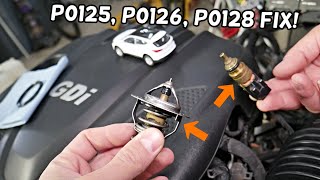
The core issue here is manufacturer-specific code definitions. While P1285 means 'overheating' on a Ford, Hyundai does not use this code. Instead, the 2007-2012 Santa Fe is very prone to cooling system codes like P0128, P0125, and P0126, which indicate the engine is running *too cool* due to a thermostat stuck in the open position. 🎬 Watch: How to diagnose and fix these common codes An owner seeing an unfamiliar P1xxx code should first suspect a scanner error and then investigate these more common, well-documented issues. While Hyundai has issued TSBs for P0128 on other models (like TSB 19-FL-004H for the Tucson or TLL for the Elantra), no specific campaign was launched for the Santa Fe, as the fix is a straightforward mechanical part replacement rather than a software issue.
Symptoms You May Notice
- Check Engine Light is on.
- Temperature gauge reading lower than normal (if the actual code is P0128).
- Temperature gauge drops at highway speeds as airflow increases cooling.
- Poor or lukewarm heater performance inside the cabin.
- Engine takes an unusually long time to warm up.
- Slight decrease in fuel economy.
- Temperature gauge reading higher than normal or in the red (if an actual overheat condition exists, which would set a different code).
- Replacing the Cylinder Head Temperature (CHT) sensor. This vehicle does not use a CHT sensor in the way Ford does, so this part does not apply to this code.
- Attempting to diagnose an overheating problem when the actual fault is an engine running too cool (P0128).
Most Likely Causes
- Scan Tool Error / Invalid Code 🔴 High Probability P1xxx codes are manufacturer-specific, and many aftermarket scanners have incomplete or inaccurate databases, leading them to display incorrect codes for a standard P0xxx fault.
How to confirm: Re-scan the vehicle with a different, professional-grade scan tool. Check for other standard OBD-II codes (P0xxx).
Typical fix: Confirming the correct trouble code, which is likely P0128.
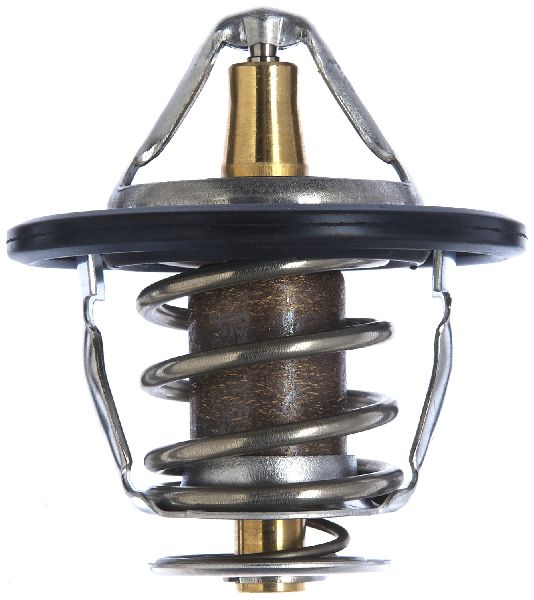
Est. part cost: $0 - Engine Thermostat Stuck Open (Actual code is likely P0128) 🔴 High Probability → Shop Integrated Thermostat Housing Assembly This is a very common failure on Hyundai/Kia vehicles of this era. The thermostat is designed to fail in the open position as a failsafe against overheating.
How to confirm: Monitor the engine coolant temperature on a scan tool's live data. The temperature will be slow to rise and may drop at highway speeds, often failing to go much past 160-180°F. The temperature gauge on the dash will stay below the normal halfway mark.
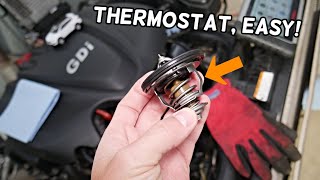
Typical fix: Replace the engine thermostat and gasket. On some engines, particularly the V6 models, it is recommended to replace the entire thermostat housing assembly. 🎬 See this step-by-step thermostat removal and replacement guide
Est. part cost: $20-$60 - Low Engine Coolant ⚪ Low Probability Leaks can develop over time in hoses, the radiator, or the water pump. If the level drops enough, the coolant temperature sensor can be left in an air pocket, giving a false low reading.
How to confirm: Visually inspect the coolant level in the reservoir and radiator (only when the engine is cold). Pressure test the cooling system to find leaks.
Typical fix: Find and repair the source of the coolant leak, then refill and bleed the system.
Est. part cost: $5-$500 depending on the leak source
Rare But Worth Checking
- Faulty Engine Coolant Temperature (ECT) Sensor: While much less common than a thermostat failure, a faulty ECT sensor can send incorrect data to the ECU, causing codes like P0128 or other temperature-related faults.
- Faulty Replacement Thermostat: → Shop Integrated Thermostat Housing Assembly Some owners have reported the P0128 code returning shortly after a repair, indicating the new thermostat (especially non-OEM brands) was faulty out of the box or failed prematurely.
Diagnosis Steps
- Confirm the code. Re-scan the ECU with a different, reliable scan tool to see if P1285 appears again or if a different code (like P0128) is present.
- If P1285 disappears and P0128 appears, proceed with diagnosing a 'too cool' condition.
- Check Engine Coolant Level: Ensure the coolant reservoir and radiator are full. Do this only when the engine is completely cool.
- Analyze Live Data: Using a scan tool, monitor the Engine Coolant Temperature (ECT) sensor reading. Start the cold engine and watch the temperature. It should rise steadily to ~195-215°F (88-102°C) and stabilize.
- Test Drive Analysis: If the ECT reading is slow to rise, hangs around 160-180°F, or drops significantly when driving at highway speeds, the thermostat is almost certainly stuck open.
- If an actual overheat condition is present (high temp gauge, steam), check for cooling fan operation, coolant leaks, or a stuck-closed thermostat. This would typically set a different code.
Parts You'll Likely Need
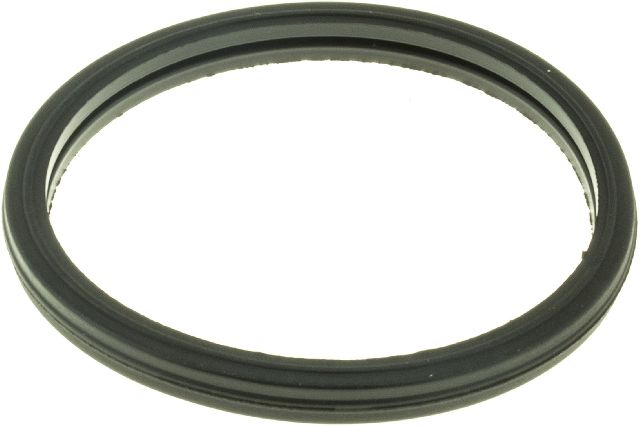
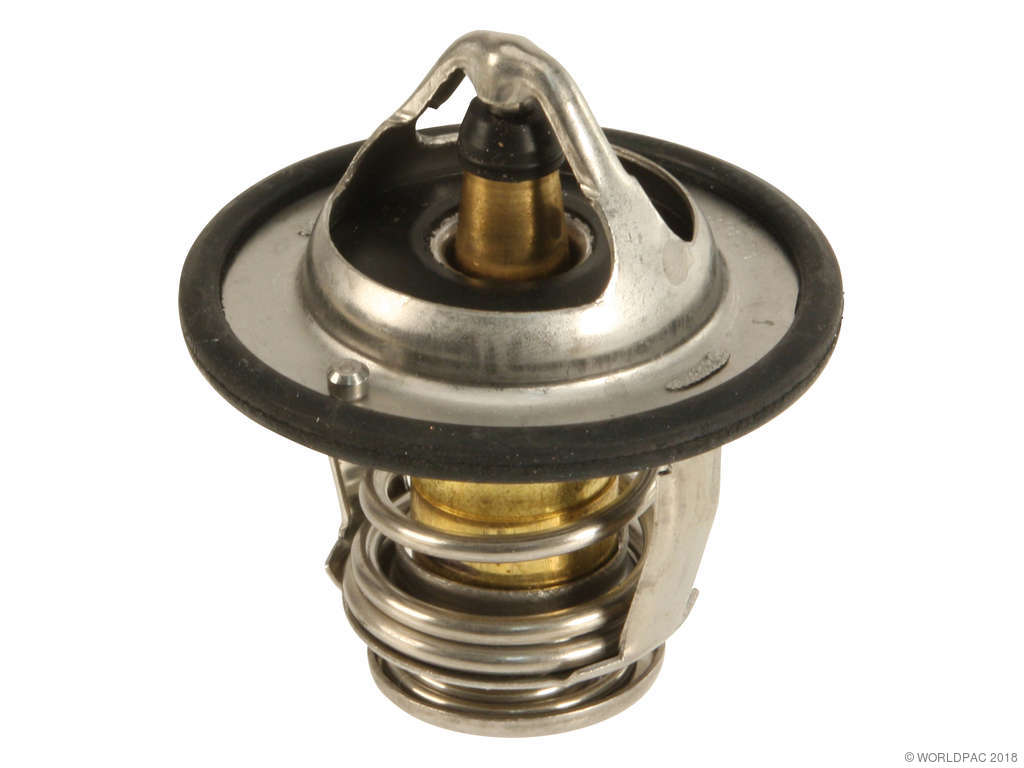
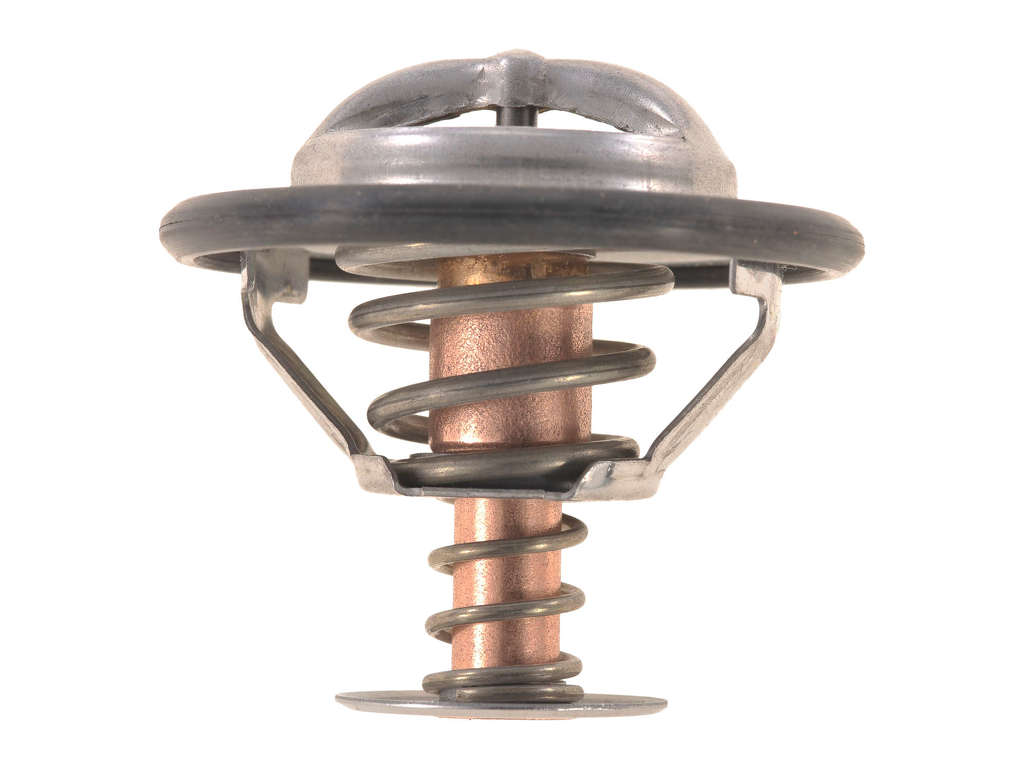
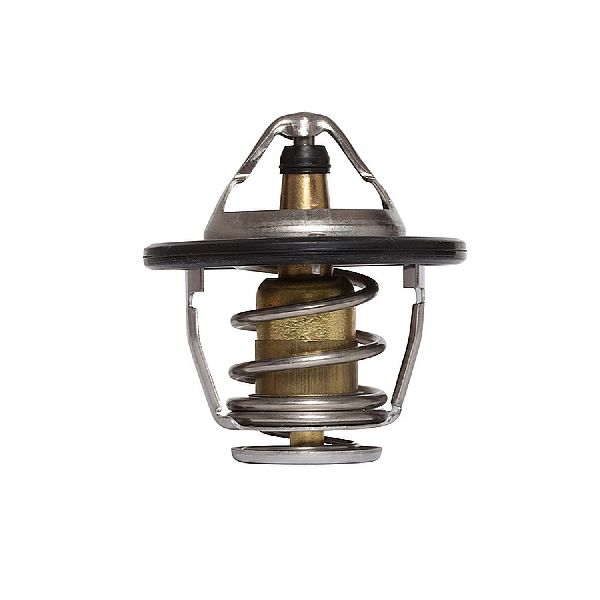
- Engine Thermostat and Gasket/Housing
(OEM #3.3L/3.5L/3.8L V6: 25500-3C100 / 25500-3C130. 2.7L V6: 25500-37200. 2.4L I4: 25600-2G500 (as housing assembly).)— This is the most likely part to have failed if the true underlying code is P0128, which is a very common issue for this vehicle.
Trusted brands: Hyundai OE, Mahle, Gates, Aisin, Dorman
OEM price range: $40-$90
Aftermarket price range: $20-$60
Related Codes That Often Appear With This One
- P0128 — This is the most likely *actual* code if the thermostat is stuck open, indicating 'Coolant Temperature Below Thermostat Regulating Temperature'. Your scanner may be misinterpreting it as P1285. 🎬 Watch: Understanding P0128 causes and fixes
- P0125 — Similar to P0128, this code for 'Insufficient Coolant Temperature for Closed Loop Fuel Control' points to the engine not warming up properly, often due to a stuck-open thermostat.
Technical Service Bulletins (TSBs) & Recalls
- TSB 19-01-016H-1 / Service Campaign T3T: While for newer Elantra/Veloster models, this TSB shows Hyundai has addressed P0128 with an ECM software update in some cases where the logic was too sensitive. This is not the case for the 2007-2012 Santa Fe, where the cause is mechanical.
- TSB 18-01-012 / Service Campaign TLL: For the 2017 Elantra, this TSB mandates a thermostat replacement for a P0128 condition, confirming the part is the typical failure point. The procedure is analogous to the Santa Fe repair.
Platform-Specific Known Issues
- A user on Reddit's r/MechanicAdvice with a 2008 Santa Fe 3.3L V6 confirmed the P0128 code was fixed by replacing the thermostat, noting it was a very easy job on that specific engine.
- Multiple YouTube videos demonstrate the thermostat replacement for P0128 on various Santa Fe engines, confirming it's a common DIY repair. The 2.7L V6, for example, requires removing the air filter housing for access.
Mechanic-Grade Diagnostic Values
- Engine Coolant Temperature (ECT) Sensor Resistance — expected: Approx. 2.2-3.0 kΩ at 20°C (68°F), dropping to approx. 0.2-0.3 kΩ at 90°C (194°F).. Failure: An infinite resistance reading (open circuit), a zero resistance reading (short circuit), or values significantly outside the expected range for a measured temperature indicates a faulty sensor.
- Engine Coolant Temperature (ECT) Sensor Signal Voltage (at ECM/PCM) — expected: Approx. 2.0V - 3.0V on a cold engine (20°C/68°F), decreasing to approx. 0.5V at normal operating temperature (90°C/194°F).. Failure: Voltage that is stuck high (e.g., near 5V) suggests an open circuit or bad ground. Voltage stuck low suggests a short circuit. Voltage that does not change as the engine warms up indicates a faulty sensor.
- Live Data - Engine Coolant Temperature (ECT) — expected: Should rise steadily from ambient temperature to a stable 195-215°F (90-102°C) and hold relatively steady.. Failure: Temperature is very slow to rise, fails to exceed 160-180°F, or drops significantly at highway speeds. This strongly indicates a thermostat stuck open.
Scan Tool Commands That Help
- Hyundai GDS (Global Diagnostic System): Resetting Adaptive Values — After replacing a major engine management component like an ECT sensor, it can be beneficial to use this function to clear the old learned values from the ECM, forcing it to re-adapt to the new sensor's readings.
- Hyundai GDS (Global Diagnostic System): Engine Coolant Filling Mode — After replacing the thermostat and refilling the coolant, this service function automatically cycles the engine RPM to specific levels to help bleed trapped air from the cooling system. This is critical to ensure the system is full and prevent air pockets from causing overheating or incorrect temperature readings.
Wiring & Ground Locations
- Main Engine/Transmission Ground — On the chassis frame rail, directly underneath the battery and battery tray.. While not specific to the ECT sensor, this is a primary ground for the engine and transmission control systems. Corrosion or looseness at this point can cause a wide range of sensor errors and communication faults, and it is a known weak point due to its location.
- ECT Sensor Connector — Directly on the thermostat housing assembly. Location varies by engine: on the 2.4L it's on the driver's side of the engine below the air intake duct; on V6 models it's typically near the upper radiator hose connection point on the engine.. This is the direct connection point for the sensor. The wiring pigtail can become brittle from heat cycles and break, or the terminals can corrode, causing an open or high-resistance circuit that would trigger a P0118 (high voltage) or erratic readings that could contribute to a P0128 fault.
Real Owner Repair Stories
- Reddit user in r/MechanicAdvice (2008 Hyundai Santa Fe 3.3L V6) — Check Engine Light with code P0128.
❌ Tried (didn't work) The user was asking if they should pre-emptively replace the coolant temperature sensor along with the thermostat.
✅ What actually fixed it The commenter, a mechanic, confirmed that replacing just the thermostat fixed the P0128 code on an identical vehicle (2008 Santa Fe 3.3L V6) they had just repaired, noting the job was 'very easy'.
OEM Part Supersession History
25500-3C100→N/A, still current— This part number remains the standard for many 3.3L and 3.8L V6 Hyundai/Kia engines from this era.
Heads up: While the part number is stable, there are numerous aftermarket cross-references available from brands like Gates, Mahle, Dayco, and Denso.25600-2G500→25600-2G545 (for some applications)— Minor revision to the plastic housing design for the 2.4L I4 engine.
Heads up: For the 2010-2012 2.4L Santa Fe, it is critical to order the entire housing assembly (e.g., 25600-2G500) as the plastic is a common failure point, not just the thermostat insert. Using an incompatible housing can lead to leaks.
Model Year Variations Within This Range
- 2007-2009: Primarily used the 2.7L and 3.3L V6 engines. The thermostat housings on these engines are typically metal and more robust, with failure usually limited to the thermostat mechanism itself.
- 2010-2012: Introduced the 2.4L I4 and 3.5L V6 engines. These models, particularly the 2.4L, began using plastic thermostat housings. These housings are known to become brittle over time and can crack, leading to leaks. For these engines, it is highly recommended to replace the entire housing assembly, not just the thermostat, when addressing a P0128 code.
Diagnostic Flowchart
Other Known Issues on This Vehicle
Issues unrelated to this code that are worth knowing about as an owner of this generation:
- Faulty Fuel Level Sensor 🟠 Medium — Very common on 2007-2009 models. The fuel gauge becomes erratic or reads empty, and the check engine light may illuminate. (Ref: No official recall, but a widely known issue. Repair requires replacing one or both sending units in the fuel tank.)
- Valve Cover Gasket Oil Leak (V6 Engines) 🔴 High — Extremely common on the 3.3L and 3.5L V6 engines. The front valve cover gasket leaks oil directly onto the alternator, causing alternator failure. (Ref: A recall was issued for the Hyundai Veracruz with the same engine, but not all Santa Fe models were covered despite having the identical issue.)
- Suspension Component Wear 🟡 Low — Ball joints, tie rods, and control arm bushings are known to wear prematurely, leading to suspension noise, poor alignment, and uneven tire wear.
- Faulty Oil Pressure Sensor/Switch 🟠 Medium — The oil pressure switch on V6 engines is prone to developing leaks, which can lead to oil loss and potential sensor failure.
- Engine Failure (2012 2.4L Theta II) 🔴 High — The 2012 model year with the 2.4L engine was particularly susceptible to catastrophic engine failure due to connecting rod bearing issues, often preceded by knocking noises. (Ref: Part of the larger Hyundai/Kia Theta II engine settlement, though coverage may vary by VIN.)
Used vs. New Parts: Buying Guide for This Vehicle
When a used part is the smart pick: For this specific repair, using a used part is strongly discouraged. The thermostat is a low-cost, high-wear item designed to fail. A used thermostat or ECT sensor carries a high risk of being at or near the end of its service life.
What to inspect on the donor part:
- Not applicable as used parts are not recommended.
OEM-only on this vehicle (don't cheap out):
- While not strictly 'OEM-only', using a genuine Hyundai/Kia thermostat (or one from an OEM supplier like Aisin or Mahle) is highly recommended. The cost difference is minimal, and it reduces the risk of premature failure that has been reported with some cheaper aftermarket brands.
Aftermarket brands forum-validated for this vehicle:
- Aisin
- Mahle
- Gates
- Calorstat by Vernet
- Motorad (Fail-Safe models are a popular option)
Brands owners have reported issues with on this vehicle:
- No-name, unbranded thermostats from online marketplaces should be avoided, as forum users have reported them failing out of the box or shortly after installation.
Real Owner Stories
Aggregated from forums and TSBs cited above. Mileages and costs reflect what owners reported in those sources.
2008 Hyundai Santa Fe 3.3L V6
Symptoms: The owner confirmed a P0128 code was present.
What fixed it: Replacing the thermostat, which the owner noted was a very easy job on that specific engine.
Source hint: Reddit's r/MechanicAdvice
2007 Hyundai Santa Fe
Symptoms: P0128 code on the dashboard.
What fixed it: Thermostat replacement.
Source hint: https://www.hyundai-forums.com/threads/p0128-code-on-my-07-santa-fe.129333/
Related OBD-II Codes
Frequently Asked Questions
My scan tool is showing code P1285 on my 2008 Santa Fe, but I can't find a definition for it. What is likely happening?
Does TSB 19-01-016H-1 regarding ECM software updates apply to the 2007-2012 Santa Fe for this code?
Is it necessary to replace the whole thermostat housing on my Santa Fe V6?
Why does my temperature gauge drop when I'm driving on the highway?
Can I use a used thermostat from a donor vehicle to save money?
Are there specific brands I should look for when buying a replacement thermostat for my Santa Fe?
Helpful Videos
We Have This Part in Stock


The information in this article is provided for general reference and educational purposes only. Vehicle specifications, procedures, and part compatibility can vary by production date, trim level, and region. Always consult your vehicle's factory service manual and verify part numbers before purchasing or performing repairs. Safety-critical components such as airbags, seat belts, and braking systems should be installed by a qualified professional.
- Hyundai Santa Fe:
- 🧭 Diagnostic Flowchart
- 🎬 Helpful Videos
- 🛍️ Shop This Part
- What's Unique About the 2007-2012 Hyundai Santa Fe
- Symptoms You May Notice
- Most Likely Causes
- Rare But Worth Checking
- Diagnosis Steps
- Parts You'll Likely Need
- Related Codes That Often Appear With This One
- Technical Service Bulletins (TSBs) & Recalls
- Platform-Specific Known Issues
- Mechanic-Grade Diagnostic Values
- Scan Tool Commands That Help
- Wiring & Ground Locations
- Real Owner Repair Stories
- OEM Part Supersession History
- Model Year Variations Within This Range
- Other Known Issues on This Vehicle
- Used vs. New Parts: Buying Guide for This Vehicle
- Real Owner Stories
- 2008 Hyundai Santa Fe 3.3L V6
- 2007 Hyundai Santa Fe
- Related OBD-II Codes
- Frequently Asked Questions
- 🎟️ Get 5% Off