

P1315 on 2013-2015 Land Rover LR2: Persistent Misfire Causes and Fixes
On a 2013-2015 LR2, code P1315 means 'Persistent Misfire' and is a serious issue. The most common causes, backed by Land Rover TSBs, are a faulty high-pressure fuel pump or failing ignition coils and spark plugs. Do not drive the vehicle, as this can quickly damage the catalytic converter. This issue is also common on the platform-mate Range Rover Evoque.
- P1315 is a serious 'Persistent Misfire' code on your LR2; stop driving immediately to prevent catalytic converter damage.
- The most likely causes are a faulty high-pressure fuel pump (a known issue per TSB LTB00730NAS1) or failing ignition coils/spark plugs.
- Check for specific misfire codes like P0301-P0304 to help pinpoint the problem to a single cylinder.
- Do not replace oxygen sensors if P1315 is present; the misfire is almost certainly the root cause of any O2 sensor codes.
- In some cases, a simple software update at the dealer (per TSB LTB00752NAS1) may be required, especially if the issue only happens in wet weather.
What's Unique About the 2013-2015 Land Rover LR2

The 2013-2015 Land Rover LR2 uses a 2.0L turbocharged four-cylinder engine, which is a version of the Ford EcoBoost engine also found in the Range Rover Evoque. This direct-injection engine is known for specific failure points that lead to code P1315. Land Rover has issued multiple Technical Service Bulletins (TSBs) acknowledging that issues with the high-pressure fuel pump (TSB LTB00730NAS1) and specific engine calibration problems in wet weather (TSB LTB00752NAS1) can trigger this code, making it more than just a simple spark plug or coil issue.
Diagnostic Flowchart

Tap your situation to follow the diagnostic path that matches what you're seeing on this vehicle.
Symptoms You May Notice

- Flashing or solid Check Engine Light
- Rough running engine or rough idle
- Noticeable loss of power and acceleration
- Engine hesitation or stumbling, may feel like 'chugging'
- Hard starting or extended crank time
- Restricted Performance message on the dashboard
- Engine will not rev past ~4,000 RPM
- Replacing oxygen sensors. A persistent misfire will cause incorrect readings from the O2 sensors, often triggering O2 sensor codes (like P0142). The misfire is the root cause, not the sensor. TSB SSM 75635 explicitly warns technicians not to replace the O2 sensor if P1315 is present, but to diagnose the misfire first.
Most Likely Causes

- Faulty High-Pressure Fuel Pump (HPFP) 🔴 High Probability → Shop Fuel Pump This is a well-documented failure point on this engine, as identified in Land Rover TSB #LTB00730NAS1. The internal metering valve in the pump is known to fail, causing fuel pressure drops and misfires. This part is shared with the Range Rover Evoque and Discovery Sport.
How to confirm: A technician will use a diagnostic scan tool to monitor fuel rail pressure. They will compare the requested pressure from the PCM to the actual pressure. A significant drop in actual pressure, especially under load, points to a failing HPFP. The pressure should be around 2000psi under load. The presence of code P0087 is also a strong indicator.
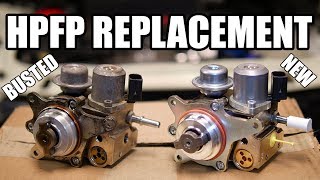
Typical fix: Replacement of the high-pressure fuel pump. The OEM part is made by Bosch. 🎬 See this walkthrough on how to replace a high pressure fuel pump.
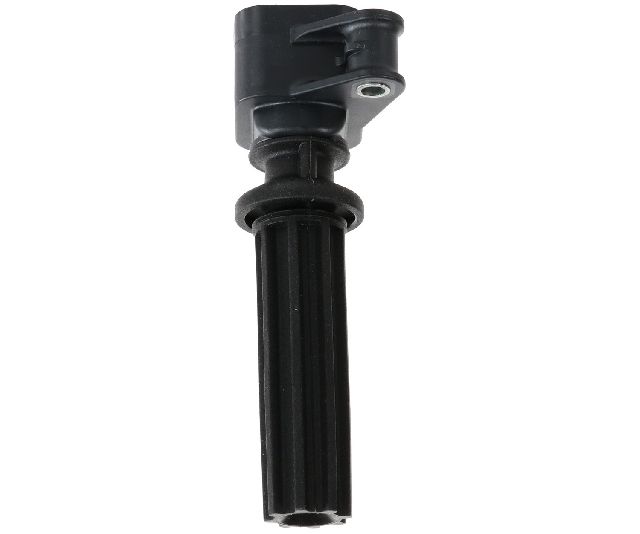
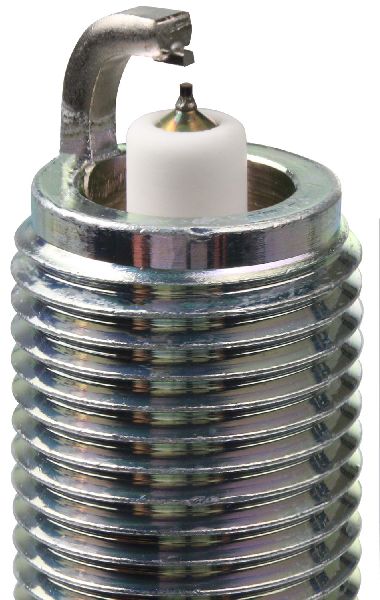
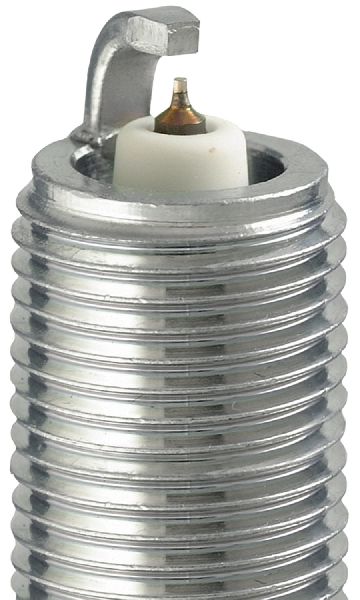
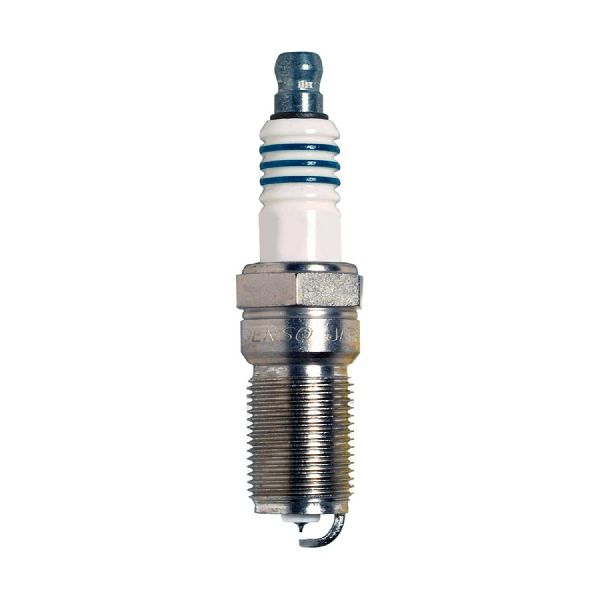
Est. part cost: $250-$600 - Worn Spark Plugs or Failing Ignition Coils 🔴 High Probability → Shop Ignition Coil As with any turbocharged, direct-injection engine, the ignition system is under high stress. Spark plugs have a finite life, and ignition coils can fail, leading to a weak or nonexistent spark. Iridium plugs are required for this engine.
How to confirm: Check for specific cylinder misfire codes (P0301-P0304) to isolate the issue. Swap the ignition coil from the misfiring cylinder with a coil from a known good cylinder. If the misfire code follows the coil, the coil is bad. Inspect spark plugs for wear, fouling, or incorrect gap.
Typical fix: Replace the faulty ignition coil(s) and/or all spark plugs. It is best practice to replace all spark plugs at the same time with the correct OEM-spec Iridium plugs.
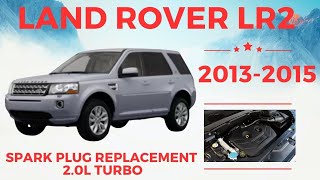
Est. part cost: $40-$150 for coils, $60-$100 for a set of 4 Iridium spark plugs 🎬 Watch: Step-by-step spark plug replacement for the LR2 2.0L engine.
- Vehicle Calibration Inconsistency 🟡 Medium Probability TSB #LTB00752NAS1 specifically calls out an issue where driving for long periods in wet conditions can cause moisture to enter the engine air intake, which, combined with certain vehicle software calibrations, can cause P1315 and restricted performance. Forum users report this can be related to a sensor for the turbo intercooler detecting humidity. Another TSB, LTB00799NAS2, also notes that an On-Board Diagnostics (OBD) calibration error can cause P1315 without any hardware fault.
How to confirm: This is difficult to confirm without a dealer-level diagnostic tool. The issue is most likely if the problem only occurs in very specific wet-weather driving conditions or if no other hardware faults can be found. The dealer tool (SDD) can check the current software version against the latest available.
Typical fix: The official fix is to update the Powertrain Control Module (PCM) with the latest software calibration at a Land Rover dealership or qualified independent shop. TSB LTB00799NAS2 outlines this procedure, which involves using the SDD tool to 'Configure existing module - Powertrain Control Module'.
Est. part cost: $0 (if covered) - $250 for labor
Rare But Worth Checking
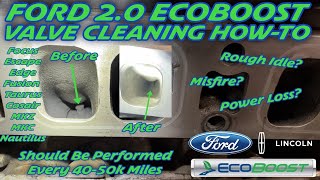
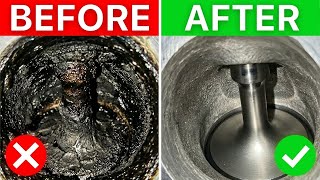
- Carbon Buildup on Intake Valves: As a Gasoline Direct Injection (GDI) engine, the LR2's 2.0L engine is susceptible to carbon buildup on the back of the intake valves over time. This can disrupt airflow into the cylinders and cause misfires. This is more common on higher-mileage vehicles and typically requires professional cleaning 🎬 Watch: How to clean carbon buildup on the 2.0L EcoBoost engine. (e.g., walnut blasting).
- Clogged or Faulty Fuel Injectors: → Shop Fuel Injector While less common than the HPFP failure, an individual fuel injector can become clogged or fail electronically, leading to a misfire on a single cylinder. Land Rover issued Special Service Message SSM71894 to investigate intermittent rough running and injector failures on this engine.
- Internal Engine Damage / Low Compression: In severe cases, TSB LTB01101NAS4 notes that P1315 can be caused by internal engine damage leading to a loss of compression. This is a worst-case scenario that can be caused by issues like coolant intrusion, a known problem on the wider Ford EcoBoost engine family, which can lead to a cracked block or damaged cylinder head. This would require a compression test to confirm and likely means engine replacement is necessary.
Diagnosis Steps
- Scan for all stored DTCs. Pay close attention to any P030x codes, as they will point to the specific misfiring cylinder(s), and P0087, which points to the fuel pump.
- If a specific cylinder is identified (e.g., P0302), swap the ignition coil from that cylinder with one from a known good cylinder (e.g., cylinder 3). Clear the codes and drive the vehicle to see if the fault code changes to the new cylinder (e.g., P0303). If it does, the ignition coil is faulty.
- If the misfire does not follow the coil, inspect the spark plug from the misfiring cylinder. Look for signs of excessive wear, carbon fouling, or oil contamination. Compare it to a plug from a good cylinder. Replace if necessary. Ensure correct Iridium plugs are used.
- If ignition components are good, the next step is to check fuel pressure. Using a capable scan tool, monitor the high-pressure fuel rail pressure. Compare the 'commanded' or 'desired' pressure with the 'actual' pressure under various engine loads. A significant and sustained discrepancy where actual pressure cannot keep up with commanded pressure points to a failing high-pressure fuel pump.
- If the problem is intermittent and only occurs in wet weather, consult a dealer or specialist about TSB #LTB00752NAS1 and the possibility of a needed PCM software update.
- For high-mileage vehicles where other causes have been ruled out, consider a compression test to check for internal engine damage, as warned in TSB LTB01101NAS4. Also consider investigating carbon buildup on the intake valves, which requires a borescope for inspection.
Parts You'll Likely Need
- High-Pressure Fuel Pump
(OEM #LR025599 (replaces LR030860))— A known high-failure item on this engine platform, as documented by Land Rover TSB #LTB00730NAS1, directly causing misfires and code P1315.
Trusted brands: Bosch (OEM Manufacturer), Genuine Land Rover
OEM price range: $450-$600
Aftermarket price range: $250-$400 - Ignition Coil
(OEM #LR030637)— A common cause of misfires on any modern engine. Failure leads to a lack of spark in a specific cylinder. The Ford equivalent part number is CM5E-12A366-CA.
Trusted brands: Bosch, Delphi, NGK, Genuine Land Rover
OEM price range: $70-$100
Aftermarket price range: $40-$70 - Spark Plug
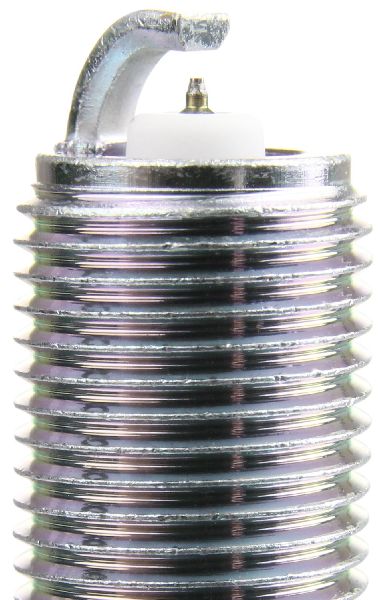
(OEM #LR025605 (NGK ILTR6R8G))— A standard maintenance item that wears out over time. Worn plugs can't create a strong enough spark, leading to misfires. The 2.0L Turbo engine uses Ford-manufactured Iridium plugs from the factory.
Trusted brands: NGK (OEM Manufacturer), Ford/Motorcraft, Bosch
OEM price range: $60-$100 (set of 4)
Aftermarket price range: $40-$60 (set of 4)
Related Codes That Often Appear With This One
- P0300 — Indicates a random, multi-cylinder misfire. P1315 is often set alongside it to signify the misfire is persistent and severe.
- P0301, P0302, P0303, P0304 — These codes pinpoint the specific cylinder(s) that are misfiring, helping to narrow down the diagnosis to a specific coil, plug, or injector.
- P0087 — Means 'Fuel Rail/System Pressure - Too Low'. This code is a strong indicator that the high-pressure fuel pump is failing and cannot supply the pressure demanded by the PCM.
Technical Service Bulletins (TSBs) & Recalls

- LTB00730NAS1: Misfire DTCs stored, caused by high pressure fuel pump internal fault.
- LTB00752NAS1: Restricted performance and P1315 in wet conditions due to calibration issues.
- LTB01101NAS4, LTB01101NAS3, LTB01101NAS2: Engine MIL on with DTCs P0300-P0304 and/or P1315.
- SSM 75635: Warns against replacing O2 sensors when P1315 is present, as the misfire is the true cause of the O2 sensor code.
Platform-Specific Known Issues
- TSB LTB00730NAS1: Addresses rough running, hard starting, and misfire codes (including P1315) caused by an internal fault with the metering valve in the high-pressure fuel pump.
- TSB LTB00752NAS1: Notes that P1315 can be stored due to restricted performance when accelerating after long drives in wet conditions, caused by a combination of moisture ingress and a specific software calibration.
- TSB LTB01101NAS4: Warns that P1315, along with other misfire codes, can be the result of severe internal engine damage leading to a loss of compression.
- TSB LTB00799NAS2: States that for 2014-2015 models, P1315 can be triggered by a PCM calibration error that can be resolved with a software update, even with no hardware faults present.
Mechanic-Grade Diagnostic Values
- Low-Pressure Fuel System Pressure (at idle) — expected: Approx. 65 PSI. Failure: Pressure drops to a default of ~31 PSI when a fault code sets. Cranking pressure should be near 90 PSI.
- High-Pressure Fuel Rail Pressure (at idle) — expected: 3.0-8.0 MPa (435-1160 PSI). Failure: Pressure is significantly lower (e.g., 100-130 PSI) and does not increase with engine RPM, pointing to a failing HPFP.
- Ignition Coil Primary Winding Resistance — expected: 0.49 - 0.57 Ohms. Failure: A reading outside this range indicates a faulty coil.
- Ignition Coil Secondary Winding Resistance — expected: 9.5 - 11.1 kOhms. Failure: A reading outside this range indicates a faulty coil.
- Injector Pulse Width (at idle) — expected: Typically 1-10 ms, with a common reading around 2.7 ms at 800 RPM.. Failure: While not a direct failure indicator on its own, an unusually high pulse width at idle could suggest the PCM is compensating for another issue like a vacuum leak or low fuel pressure.
Hidden / Shadow Codes Worth Checking
- P1315-00: This is the common format for the code on dealer-level scanners. The '-00' suffix indicates 'No sub type information,' confirming the general nature of the persistent misfire fault without pointing to a specific component failure. (see via Land Rover SDD (Symptom Driven Diagnostics) or a professional scan tool with manufacturer-specific capabilities.)
- Mode 6, Test ID $53: This is not a DTC, but a specific monitor within the OBD-II system that tracks misfire counts per cylinder for the current and last 10 driving cycles. It can show which cylinder is misfiring even before the count is high enough to trigger a P030x code and Check Engine Light. (see via A scan tool that can display OBD-II Mode 6 data.)
Scan Tool Commands That Help
- Land Rover SDD: Datalogger / Live Data — Used to diagnose a failing high-pressure fuel pump by graphing 'Fuel Rail Pressure - Requested' vs. 'Fuel Rail Pressure - Actual' under load. A significant lag or inability for the actual pressure to meet the requested pressure indicates a fuel delivery problem.
- Land Rover SDD: Configure existing module - Powertrain Control Module — This function is required to perform a software update on the PCM to fix calibration errors that can cause P1315, as detailed in TSBs LTB00799NAS2 and LTB00752NAS1.
- Land Rover SDD: Powertrain control module adaption clear — After performing a PCM software update, this function must be run to clear learned values and ensure the new software operates correctly.
Wiring & Ground Locations
- G1D130A — Located at the left front of the engine compartment.. This is a primary ground point for components in the engine bay. A corroded or loose connection here can cause erratic behavior in various sensors and actuators, including the ignition system and fuel pump driver module, potentially leading to misfires.
- Engine Control Module (ECM) — Located at the top center of the firewall in the engine compartment.. Knowing the physical location of the ECM is critical for inspecting its connectors for corrosion or damage and for testing wiring continuity between the module and components like ignition coils, fuel injectors, and the high-pressure fuel pump.
Real Owner Repair Stories
- landroverforums.com user (Range Rover Evoque (platform mate) with 2.0L engine) — P0303 (Cylinder 3 misfire) and P1315
❌ Tried (didn't work) Initial diagnosis pointed to a general misfire.
✅ What actually fixed it The user replaced the ignition coil on cylinder 3, which resolved both the specific P0303 code and the persistent misfire P1315 code.
OEM Part Supersession History
LR030860→LR025599— Standard part revision and update by the manufacturer.
Heads up: The parts are interchangeable; LR025599 is the current replacement for the original LR030860 high-pressure fuel pump.
Helpful Videos

We Have This Part in Stock


The information in this article is provided for general reference and educational purposes only. Vehicle specifications, procedures, and part compatibility can vary by production date, trim level, and region. Always consult your vehicle's factory service manual and verify part numbers before purchasing or performing repairs. Safety-critical components such as airbags, seat belts, and braking systems should be installed by a qualified professional.
- Land Rover LR2:
- 🧭 Diagnostic Flowchart
- 🎬 Helpful Videos
- 🛍️ Shop This Part
- What's Unique About the 2013-2015 Land Rover LR2
- Symptoms You May Notice
- Most Likely Causes
- Rare But Worth Checking
- Diagnosis Steps
- Parts You'll Likely Need
- Related Codes That Often Appear With This One
- Technical Service Bulletins (TSBs) & Recalls
- Platform-Specific Known Issues
- Mechanic-Grade Diagnostic Values
- Hidden / Shadow Codes Worth Checking
- Scan Tool Commands That Help
- Wiring & Ground Locations
- Real Owner Repair Stories
- OEM Part Supersession History
- 🎟️ Get 5% Off