

P1315 on 1996-2002 Toyota 4Runner 3.4L V6: Igniter Circuit Malfunction Causes and Fixes
On a 3.4L V6 4Runner, P1315 almost always means a faulty ignition coil has failed. The 5VZ-FE engine has three coil packs on the passenger side, with the coil on cylinder #1 also firing cylinder #4 via a long wire. The easiest way to confirm a bad coil is to swap the #1 coil pack with another (e.g., #3 or #5) and see if the igniter code moves. A new OEM-quality coil from a brand like Denso costs about $50-$90 and is a simple 15-minute DIY fix.
- P1315 points to a problem in the ignition circuit for cylinder #4, most often a bad ignition coil.
- The easiest and fastest diagnostic test is to swap the #1/#4 ignition coil with another one and see if the trouble code follows the coil.
- If your check engine light is flashing, pull over as soon as safely possible to prevent expensive damage to your catalytic converter.
- This is a very common and simple DIY repair that usually requires only a 10mm socket and 15-20 minutes.
What's Unique About the 1996-2002 Toyota 4Runner
The 5VZ-FE engine in the 3rd Gen 4Runner uses a 'waste spark' ignition system with only three ignition coils for its six cylinders. The coils are mounted on the passenger-side cylinders (1, 3, 5), and each coil fires its own cylinder directly and a companion cylinder on the driver's side (2, 4, 6) via a long spark plug wire. The coil for cylinder #1 also fires cylinder #4. While the code specifically names cylinder #4, the fault lies with the coil pack on cylinder #1 or the wire going to cylinder #4. The igniter component is integrated directly into the coil-on-plug unit, making a single coil failure the most common cause for this code, rather than a separate, single igniter module that controls all cylinders.
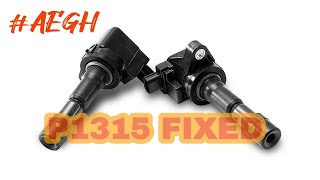
🎬 Watch: Diagnosing and fixing a P1315 code on this engineSymptoms You May Notice
- Engine misfire, felt as shaking or stumbling, especially under acceleration.
- Rough or unstable idle.
- Noticeable loss of engine power and hesitation.
- Flashing Check Engine Light (CEL).
- Engine is hard to start, or starts and then immediately stalls.
- In some cases, a crank-no-start condition.
- Replacing only the spark plug for cylinder #4. While a good maintenance item, a bad plug alone will typically set a P0304 misfire code, not the P1315 igniter circuit code.
- Replacing the fuel injector for cylinder #4. A fuel issue will not cause an igniter circuit fault and would typically set a P0304 misfire code without an accompanying P13xx code.
- Replacing the wrong ignition coil. Technicians unfamiliar with the 5VZ-FE's waste spark system may try to find a coil on cylinder #4, which doesn't exist. The fault is with the coil on cylinder #1.
Most Likely Causes
- Faulty Ignition Coil 🔴 High Probability → Shop Ignition Coil The igniter component, which sends the confirmation signal (IGF) back to the computer, is integrated into the coil itself. Over time, heat cycles and vibration cause this internal electronic component to fail, which is a very common issue on the 5VZ-FE engine.
How to confirm: Swap the ignition coil from cylinder #1 (front cylinder on the passenger's side) with another coil on that bank (like for cylinder #3 or #5). Clear the codes and run the engine. If the code changes to P1310 (for cyl #3) or P1320 (for cyl #5), the coil is bad. This is the most definitive DIY test.
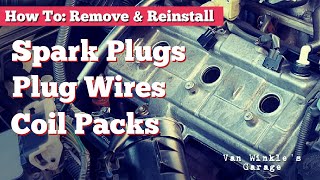
Typical fix: Replace the single faulty ignition coil. It is held on by a single 10mm bolt and is easily accessible on the passenger side of the engine. 🎬 See this step-by-step coil and wire replacement walkthrough
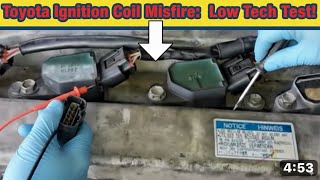
Est. part cost: $50-$90 - Damaged Wiring or Connector 🟡 Medium Probability The engine bay environment leads to brittle plastic connectors and wire insulation over 20+ years. Rodents can also chew on the accessible wiring. The IGF signal wire is shared between coils, so a short or open in the harness can cause this code. 🎬 Watch: How to test Toyota's four-wire ignition coils
How to confirm: Visually inspect the wiring harness and connector for the #1 ignition coil. Look for cracks, corrosion on the pins, loose connections, or signs of melted plastic. Pay close attention to the B-Y (Black with Yellow stripe) wire, which is the IGF signal wire to the ECM.
Typical fix: Repair the damaged section of wire or replace the connector pigtail.
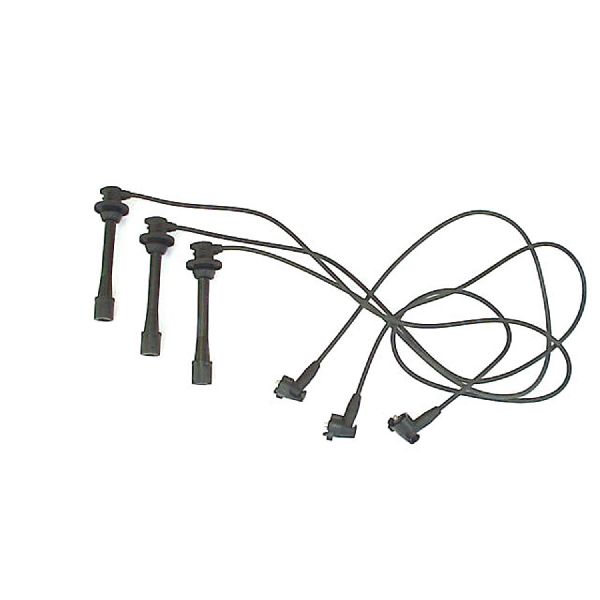
Est. part cost: $10-$25 - Worn Spark Plug Wire ⚪ Low Probability → Shop Spark Plug The 5VZ-FE uses three long spark plug wires to connect the passenger-side coils to the driver-sire cylinders. The wire from the #1 coil to the #4 cylinder is long and can degrade over time from heat and vibration, causing high resistance or a break in continuity.
How to confirm: Inspect the spark plug wire running from the #1 coil to the #4 cylinder for cracks, burns, or corrosion at the terminals. You can also test its resistance with a multimeter; a good wire should typically be under 25k ohms.
Typical fix: Replace the spark plug wires as a set of three. It is best practice to use quality OEM-style wires from brands like NGK or Denso.
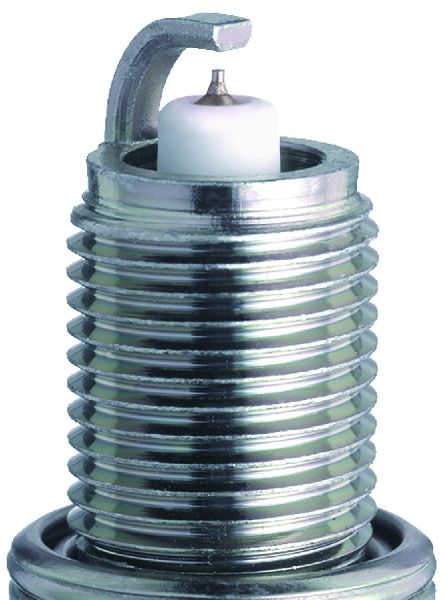
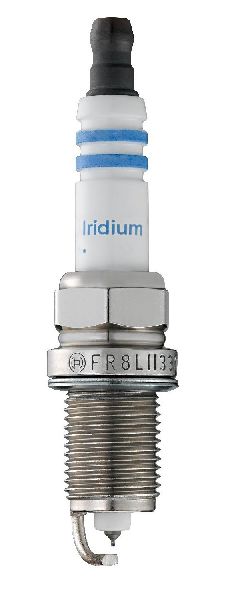
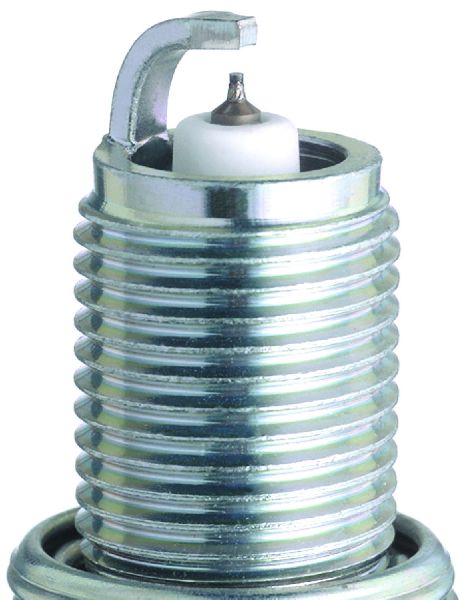
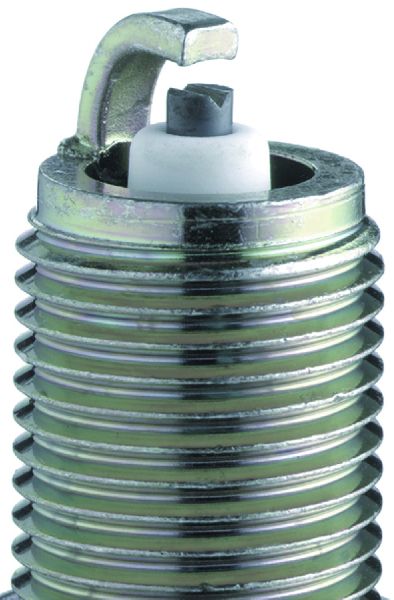
Est. part cost: $40-$80 - Worn or Incorrect Spark Plugs ⚪ Low Probability → Shop Spark Plug A heavily worn or fouled spark plug in cylinder #4 can increase the resistance in the ignition circuit, potentially stressing and overheating the ignition coil, which can lead to an igniter circuit fault. The 5VZ-FE also specifically requires dual-ground electrode plugs; using standard single-electrode plugs can cause ignition problems.
How to confirm: Remove and inspect the spark plug for cylinder #4. Look for signs of heavy wear, fouling (black, oily, or white deposits), or an incorrect gap. Confirm the correct dual-electrode plugs are installed (Denso K16TR11 or NGK BKR5EKB-11).
Typical fix: Replace the spark plugs. It is best practice to replace all six at the same time with the correct OEM-spec dual-electrode plugs.
Est. part cost: $30-$50
Rare But Worth Checking
- Faulty Engine Control Module (ECM): This is very rare. The ECM should only be considered after all other possibilities, including coils, wires, plugs, and the wiring harness, have been definitively ruled out with testing.
Diagnosis Steps
- Read the code with an OBD-II scanner to confirm P1315 is present. Check for any other codes like P0304, P0300, or P1300.
- Locate the cylinder banks. On the 5VZ-FE, the passenger side is Bank 1 (cylinders 1-3-5, front to back) and the driver's side is Bank 2 (cylinders 2-4-6, front to back).
- Identify the correct coil. The code P1315 for cylinder #4 corresponds to the ignition coil located on cylinder #1 (the front-most cylinder on the passenger side).
- Perform a coil swap. Unplug and unbolt the #1 coil pack. Swap it with another coil pack on the same bank, for example, the #3 coil pack (middle cylinder, passenger side). Make sure to mark the coils so you know which one was originally on cylinder #1.
- Clear the codes with the scanner, start the engine, and let it idle or rev it slightly for a minute. Re-scan for codes.
- Analyze the results. If the code has moved and you now have a P1310 (Igniter Circuit Malfunction No. 3), the ignition coil you moved is faulty and must be replaced.
- If the code P1315 returns, the problem is not the coil. The next step is to inspect the spark plug wire running from the #1 coil to the #4 cylinder. Check for damage and test its resistance. Also, inspect the spark plug in cylinder #4.
- If the wire and plug are good, carefully inspect the wiring harness and connector at the #1 ignition coil for any damage, corrosion, or looseness. If no visible issues are found, the problem may be a wiring issue between the coil and the ECM, which may require more advanced electrical diagnosis.
Parts You'll Likely Need
- Ignition Coil
(OEM #90919-02212)— This is the most common failure point. The internal igniter fails, preventing the IGF confirmation signal from being sent to the ECM.
Trusted brands: Denso (673-1201), NGK (U4016)
OEM price range: $75-$120
Aftermarket price range: $40-$80 - Spark Plug Wires (Set of 3)
(OEM #90919-22386)— If the coil is not the cause, the high-voltage wire carrying the spark to cylinder #4 may have failed due to age, heat, and vibration.
Trusted brands: Denso, NGK (RC-TE66 / 4412)
OEM price range: $50-$70
Aftermarket price range: $30-$50 - Spark Plugs (Set of 6)
(OEM #90919-01192 (Denso K16TR11) / 90919-01193 (NGK BKR5EKB-11))— Crucial for proper ignition. The 5VZ-FE requires specific twin ground electrode plugs. Using incorrect single-electrode plugs can cause poor performance and potential ignition issues.
Trusted brands: Denso, NGK
OEM price range: $30-$50
Aftermarket price range: $20-$40
Related Codes That Often Appear With This One
- P0304 — P1315 indicates a fault in the ignition circuit for cylinder #4. This almost always results in an incomplete burn or no burn in that cylinder, which the ECM then logs as a 'Cylinder 4 Misfire Detected' (P0304). They often appear together.
- P0300 — If the misfire is severe and consistent, the ECM may initially log a 'Random/Multiple Cylinder Misfire' (P0300) before it successfully isolates the problem to the specific circuit of cylinder #4.
- P1300 — Since the same coil fires cylinders 1 and 4, a fault in this coil pack can sometimes trigger the code for cylinder 1 (P1300) either along with, or instead of, P1315. If both codes appear, it strongly points to a failure of the #1 coil pack.
Platform-Specific Known Issues
- Rodent Damage to Wiring: Owners on forums frequently report that the soy-based wiring insulation used on some Toyota models can attract rodents, who then chew through the ignition coil and injector harnesses, causing codes like P1315.
Mechanic-Grade Diagnostic Values
- Ignition Coil Primary Resistance (Cold) — expected: 0.67 – 1.05 Ω. Failure: Reading outside this range indicates a faulty coil.
- Ignition Coil Secondary Resistance (Cold) — expected: 9.3 – 16.0 kΩ. Failure: Reading outside this range indicates a faulty coil.
- Spark Plug Wire Resistance — expected: Under 25 kΩ per wire. Failure: A reading significantly higher than 25 kΩ indicates a bad wire.
- IGF Signal Voltage at ECM (Ignition ON, coil connector disconnected) — expected: 4.5 – 5.5 V. Failure: Voltage outside this range suggests a wiring issue or a faulty ECM.
- IGT Signal Voltage at ECM (Engine Cranking) — expected: 0.1 – 4.5 V (pulsing). Failure: No voltage or a steady voltage indicates a problem with the ECM or wiring.
Scan Tool Commands That Help
- Techstream: Active Test - Ignition — While not a direct test for P1315, Techstream's active test functions can be used to check the overall health of the ignition system by commanding sparks and monitoring responses, which can help in a deeper diagnosis if a simple coil swap is inconclusive.
Wiring & Ground Locations
- ECM Connector E7, Pin 2 — Behind the glove compartment, connected to the Engine Control Module (ECM).. This is the specific pin for the IGF (Ignition Confirmation) signal. The wire is typically Black with a Yellow stripe (B-Y). Testing voltage here can confirm if the confirmation signal is missing between the igniter and the ECM.
- Ground Point EC — On the intake manifold.. This is a primary engine ground point. A corroded or loose connection here can cause various electrical issues, including erratic ignition system behavior and intermittent igniter codes.
- Ground Point EB — On the front side of the right cylinder head cover.. This ground point is for the engine wire harness and sensor wire. A poor connection can disrupt signals from various engine components, potentially affecting the ignition system.
- Ignition Coil Connector (Cylinder #1) — Front-most ignition coil on the passenger side of the engine.. This is the connector for the coil that fires cylinder #4. The pins are: Pin 1 (12V+ Power), Pin 2 (IGT Signal from ECM), Pin 3 (Tachometer Signal), and Pin 4 (IGF Signal to ECM). The IGF wire is Black with a Yellow stripe (B-Y).
Real Owner Repair Stories
- ScannerDanner Forum (2002 Toyota Celica GTS (Different vehicle, but same igniter logic)) — Throwing multiple igniter codes (P1300, P1305, P1310, P1315) and a random misfire code (P0300) after 15-20 minutes of driving or during right-hand turns.
❌ Tried (didn't work) Replaced Coil Packs, Replaced Spark Plugs, Replaced O2 sensors, Replaced ECM
✅ What actually fixed it The root cause was a corroded main ground point for the coil packs. Cleaning up 5-6 engine ground points, especially the main battery ground cable which was heavily oxidized, and adding a grounding kit resolved all codes.
OEM Part Supersession History
90919-02212→N/A— This part number remains the current OEM part number for this application.
Heads up: While this is the correct part, be aware that many aftermarket versions exist. Owner forums strongly recommend using the OEM Toyota/Denso part for longevity and to prevent premature failure.
Model Year Variations Within This Range
- 2001-2002: Some 2001-2002 4Runner models were equipped with an Electronic Throttle Control System (ETCS), also known as 'drive-by-wire'. While this does not directly change the diagnosis for P1315, it's a notable system difference in the later years of this generation.
Diagnostic Flowchart
Other Known Issues on This Vehicle
Issues unrelated to this code that are worth knowing about as an owner of this generation:
- Automatic Transmission 'Pink Milkshake' 🔴 High — Common on higher-mileage (150k+) vehicles with original radiators. The internal transmission cooler inside the radiator fails, mixing coolant and ATF, destroying the transmission.
- Lower Ball Joint Failure 🔴 High — A well-documented failure point. The original design can wear and fail catastrophically, causing the wheel to separate from the lower control arm. Recommended preventative replacement every 100k-120k miles with OEM parts. (Ref: A recall was issued for 2001-2002 models, but the issue affects all years.)
- Rear Axle Seal Leak 🟠 Medium — Common after 100k miles. The rear axle seals fail, allowing gear oil to leak into the drum brakes and onto the wheels. Often caused by a clogged differential breather.
- Frame Rust 🔴 High — Very common in regions that use road salt. The frame is susceptible to severe rust-through, particularly near the rear control arm mounts and spare tire crossmember, which can render the vehicle unsafe. (Ref: Toyota had a frame replacement program/recall, but it has long since expired.)
- Leaking Valve Cover Gaskets 🟡 Low — Extremely common. The gaskets become brittle with age and heat, causing oil to seep down the sides of the engine. It is a relatively simple and common maintenance item.
Used vs. New Parts: Buying Guide for This Vehicle
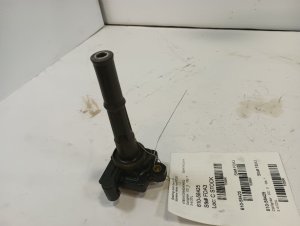
When a used part is the smart pick: For ignition coils, a used OEM Denso part from a low-mileage donor vehicle is a reasonable choice. Given the high reliability of the original parts, a used OEM coil is often a better bet than a new, cheap aftermarket coil.
Donor-vehicle mileage cap: roughly under 120000 miles for the part to have meaningful remaining life.
What to inspect on the donor part:
- Check for any cracks in the plastic housing.
- Inspect the electrical connector for corrosion or damage.
- Look at the high-tension terminal (where the plug wire connects) for signs of white or green corrosion, which could indicate moisture intrusion.
- Ask for the mileage of the donor vehicle if possible.
OEM-only on this vehicle (don't cheap out):
- Ignition Coils (Strongly Recommended): While aftermarket brands like NGK are reputable, cheap, unbranded aftermarket coils are a frequent source of premature failure. Sticking with OEM Denso is the safest option for reliability.
Aftermarket brands forum-validated for this vehicle:
- Denso (OEM supplier)
- NGK
Brands owners have reported issues with on this vehicle:
- Unbranded, low-cost ignition coils found on sites like Amazon or eBay are frequently cited on forums as failing quickly, sometimes within weeks or months.
Real Owner Stories
Aggregated from forums and TSBs cited above. Mileages and costs reflect what owners reported in those sources.
1997 Toyota 4Runner 3.4L 5VZ-FE
Symptoms: Engine died while driving, then crank-no-start. Had spark and fuel pressure.
What fixed it: The report indicates a failure in the ignition circuit; diagnosis typically points to the ignition coil or associated wiring (IGF signal).
Source hint: YotaTech Forums
Related OBD-II Codes
Frequently Asked Questions
Which specific spark plugs should I use for my 3.4L V6 to avoid P1315 issues?
Is there a recall for the lower ball joint failure mentioned in the common issues?
I have a P1315 code; which cylinder should I be looking at on my 4Runner?
Can I just replace the spark plug wires to fix this?
Is the 'Pink Milkshake' transmission issue related to the P1315 code?
Why is the ignition coil failing on my high-mileage 5VZ-FE?
Helpful Videos

Used OEM Parts in Stock
New Aftermarket Parts Available


The information in this article is provided for general reference and educational purposes only. Vehicle specifications, procedures, and part compatibility can vary by production date, trim level, and region. Always consult your vehicle's factory service manual and verify part numbers before purchasing or performing repairs. Safety-critical components such as airbags, seat belts, and braking systems should be installed by a qualified professional.
- Toyota 4Runner:
- 🧭 Diagnostic Flowchart
- 🎬 Helpful Videos
- 🛍️ Shop This Part
- What's Unique About the 1996-2002 Toyota 4Runner
- Symptoms You May Notice
- Most Likely Causes
- Rare But Worth Checking
- Diagnosis Steps
- Parts You'll Likely Need
- Related Codes That Often Appear With This One
- Platform-Specific Known Issues
- Mechanic-Grade Diagnostic Values
- Scan Tool Commands That Help
- Wiring & Ground Locations
- Real Owner Repair Stories
- OEM Part Supersession History
- Model Year Variations Within This Range
- Other Known Issues on This Vehicle
- Used vs. New Parts: Buying Guide for This Vehicle
- Real Owner Stories
- 1997 Toyota 4Runner 3.4L 5VZ-FE
- Related OBD-II Codes
- Frequently Asked Questions
- 🎟️ Get 5% Off