

P1326 on 2011 Kia Sorento: Knock Sensor Warning, Limp Mode, and Engine Failure Guide
P1326 on a 2011 Kia Sorento is a critical code indicating the Knock Sensor Detection System (KSDS) has detected vibrations consistent with internal engine bearing failure. Stop driving immediately and have it towed to a Kia dealer. The engine replacement is likely covered by a lifetime warranty resulting from a class-action lawsuit, provided a specific KSDS software update was previously performed.
- P1326 is a critical code indicating likely engine failure. Do not drive; tow to a Kia dealer immediately.
- This code is the primary trigger for a potential engine replacement under a lifetime warranty extension, but only if the KSDS software update was previously performed.
- The dealer MUST perform a specific 'Bearing Clearance Test' to condemn the engine; do not let them simply clear the code or replace the knock sensor without this test.
- A 'false positive' is possible but rare, usually caused by a faulty knock sensor or wiring interference. The dealer has a specific procedure to check for this if the engine passes the bearing test.
What's Unique About the 2011-2011 Kia Sorento
The 2011 Sorento, particularly models with the 2.4L Theta II engine, is part of a large group of Kia/Hyundai vehicles known for premature connecting rod bearing failure, often caused by metal debris left from the manufacturing process. In response to class-action lawsuits (e.g., In re: Hyundai and Kia Engine Litigation II), Kia implemented the KSDS software update and a subsequent lifetime engine warranty for this specific failure. Therefore, P1326 is not just a diagnostic code; it is a specific flag tied to a major, acknowledged mechanical defect. The presence of this code is the primary trigger for initiating a warranty claim for a new engine at a dealership.
Symptoms You May Notice
- Flashing Check Engine Light
- Vehicle enters 'Limp Mode' (severely reduced power and acceleration)
- Engine RPM limited to approximately 1800-2000 RPM
- Engine knocking, ticking, or rattling noise
- Engine stalling or running rough
- Burning smell or smoke from the engine bay
- Replacing the knock sensor. The P1326 code almost always means the knock sensor is *working correctly* by detecting a real, severe mechanical problem. Replacing the sensor without performing the dealer-mandated Bearing Clearance Test is a waste of money and does not fix the underlying issue, which can lead to engine seizure.
Most Likely Causes
- Excessive Connecting Rod Bearing Wear 🔴 High Probability Manufacturing defects in the Theta II engine crankshaft machining process could leave behind metallic debris, leading to blocked oil passages, oil starvation, and premature failure of the connecting rod bearings.
How to confirm: A Kia dealership must perform an 'Engine Bearing Clearance Test' (BCT) using a special tool (SST KQ231-2T110QQK) after verifying the P1326 code is active. This test uses pressure and vacuum in the cylinders to measure bearing play with a dial indicator. If the test fails, the engine is condemned. If it passes, further diagnosis is required.
Typical fix: Complete engine long block replacement. This is covered under Kia's lifetime engine warranty extension if the KSDS software update (Campaign PI2101) was previously installed and the vehicle passes the dealer's inspection criteria.
Est. part cost: $0 (under warranty) - $9000+
Rare But Worth Checking
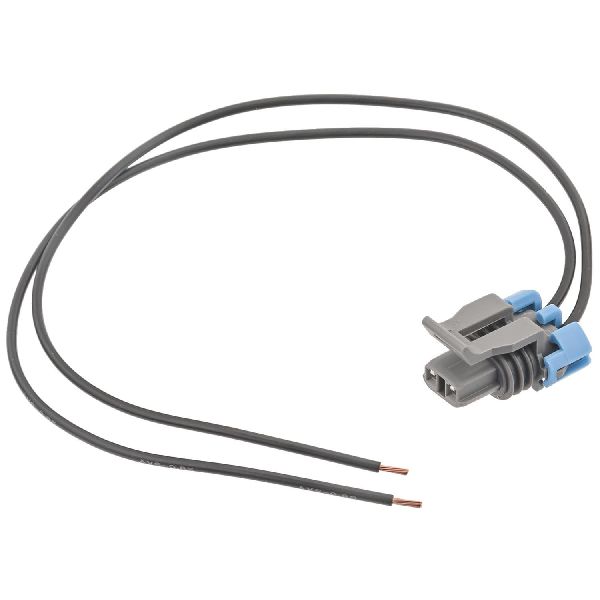
- Faulty Knock Sensor or Wiring Harness: → Shop Ignition Knock (Detonation) Sensor While rare for this specific code, a malfunctioning knock sensor, a short in the wiring, or electrical interference from an adjacent harness (like a fuel injector harness) can theoretically trigger a false P1326. The dealer will typically investigate this only after the engine passes the Bearing Clearance Test. Owners report frustration when this is diagnosed, as they fear the underlying engine issue was missed.
Diagnosis Steps
- Confirm the P1326 code is active and the check engine light is flashing. DO NOT CLEAR THE CODE.
- Immediately stop driving the vehicle and have it towed to an authorized Kia dealership.
- Inform the service advisor that the vehicle has code P1326, is in limp mode, and you are aware of the engine warranty extension.
- The dealer will verify the vehicle's VIN is covered by the warranty extension and that the KSDS software update (Campaign PI2101 for this model) was performed.
- The dealer must follow the procedure in the relevant TSB (e.g., PI2101Y/Z, PI1803W/X), which involves creating a Vehicle Diagnosis Number (VDN), checking wiring, and performing the Engine Bearing Clearance Test (BCT).
- If the engine fails the BCT, the dealer will initiate a warranty claim for an engine replacement.
- If the engine passes the BCT, a 'Wiring Signal Interference Check' is performed using the dealer scan tool. If that also passes, the knock sensor itself is typically replaced.
Parts You'll Likely Need
- Engine Long Block — This is the standard, manufacturer-prescribed fix when the engine fails the bearing clearance test triggered by code P1326.
Trusted brands: Kia Genuine
OEM price range: $7000-$9000+
Aftermarket price range: $4800-$6200 - Knock Sensor
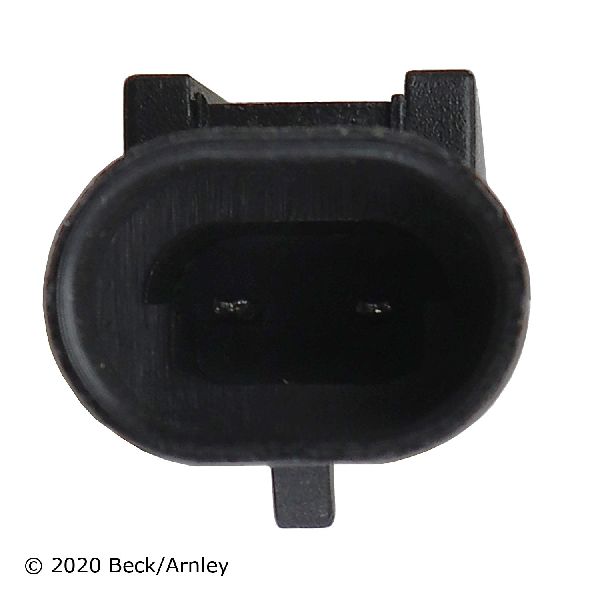
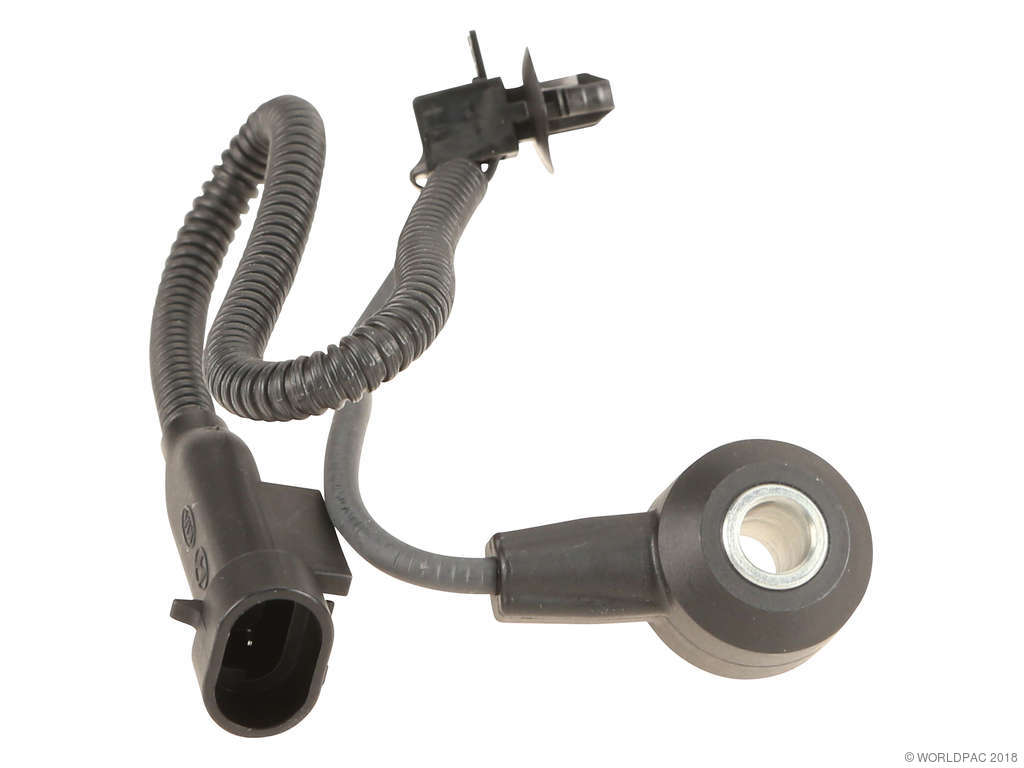
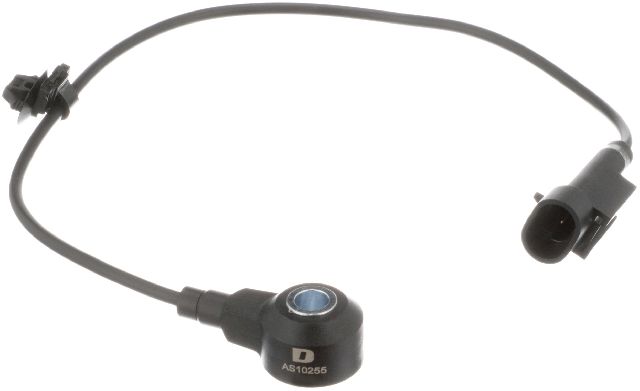
(OEM #39250-2G100)— This is only replaced if the engine passes the bearing clearance test and the sensor or its wiring is proven to be faulty, which is a rare outcome for this code.
Trusted brands: Kia Genuine, Bosch
OEM price range: $73-$106
Aftermarket price range: $40-$90
Technical Service Bulletins (TSBs) & Recalls
- PI2101: 'Knock Sensor Detection System - ECU Logic Improvement' - The initial software update campaign for the 2011 Sorento 2.4L MPI to install the KSDS. Initially provided a 15yr/150k mile warranty, later superseded by the lifetime warranty.
- PI2101Y/Z: 'Engine Replacement Instructions for DTC P1326' - The subsequent bulletin detailing the diagnostic and repair procedure for a vehicle that returns with P1326 after the PI2101 update. It mandates the Bearing Clearance Test.
- PI1802/PI1803/PI2002: Similar KSDS update campaigns and P1326 diagnostic procedures for other affected Kia models and years, such as the Optima, Sportage, and Soul.
- SC200: A related safety recall campaign that also involved installing the KSDS software update and inspecting for fuel/oil leaks to mitigate fire risk.
Platform-Specific Known Issues
- As a result of the 'In re: Hyundai and Kia Engine Litigation II' class-action lawsuit, Kia extended the warranty on the engine short block to a lifetime warranty for certain vehicles, including the 2011 Sorento, that have had the KSDS software update installed and subsequently experience this specific failure.
- Dealerships have a very specific diagnostic flowchart they must follow (outlined in TSB PI2101Y/Z) to approve a warranty engine replacement. This includes not clearing the code and performing a bearing clearance test. Some owners report dealers requesting extensive maintenance records to avoid 'exceptional neglect' clauses in the warranty.
Mechanic-Grade Diagnostic Values
- Connecting Rod Bearing Oil Clearance (manual measurement) — expected: 0.002 in (0.053 mm). Failure: Significant deviation from this value when measured with Plastigauge during an engine rebuild.
Scan Tool Commands That Help
- Kia KDS / GDS: Engine Bearing Clearance Test (BCT) — This is the mandatory first diagnostic step after confirming DTC P1326 is active. The scan tool guides the technician through a physical test using a special tool (SST) to measure bearing play and determine if the engine must be replaced.
- Kia KDS / GDS: Wiring Signal Interference Check — This is a mandatory test run from the 'S/W Management' -> 'Engine Control' menu if, and only if, the engine PASSES the Bearing Clearance Test (BCT). It checks for electrical noise from other components that could cause a false P1326 code. A 'NOT OK' result directs the technician to inspect or replace the knock sensor wiring.
Wiring & Ground Locations
- Knock Sensor — On the engine block, underneath the intake manifold, typically near the cylinder 3 fuel injector area.. This location makes replacement labor-intensive, as the intake manifold must be removed. Its proximity to other harnesses (fuel injectors) makes it susceptible to electrical interference, which can cause a false P1326 code.
- Engine Ground Wiring Assembly — The main ground strap for the engine. The assembly is identified by Kia part number 918601U020 for the 2011 Sorento 2.4L.. A poor engine ground can cause a multitude of floating voltages and electrical noise issues, which could theoretically interfere with the sensitive knock sensor signal, contributing to a false positive code.
- Knock Sensor Extension Harness — This is a special harness (p/n 91400-2T100QQK mentioned in a TSB for Optimas with the same engine) installed to reroute the knock sensor wiring away from sources of electrical interference.. Its existence proves that electrical interference is a known cause for false P1326 codes, reinforcing why the 'Wiring Signal Interference Check' is a critical diagnostic step when the engine itself tests good.
Real Owner Repair Stories
- Reddit user in r/kia (2016 Kia Optima, 76k miles) — P1326 code, flashing CEL, limp mode, but no audible engine knock.
❌ Tried (didn't work) N/A - Towed directly to dealer.
✅ What actually fixed it The engine passed the dealer's Bearing Clearance Test (BCT). The dealer determined the knock sensor itself was 'operating out of specification' and replaced only the sensor under the extended warranty. The owner was left feeling apprehensive about a potential future failure. - Reddit user in r/kia (2014 Kia Optima) — P1326 code, flashing CEL, limp mode, triggered immediately after a touchless car wash.
❌ Tried (didn't work) N/A - Towed to dealer.
✅ What actually fixed it The engine passed the Bearing Clearance Test (BCT). The dealer only updated the knock sensor software and returned the car. They informed the owner that if the code returned, the knock sensor would need to be replaced at the owner's expense (~$600), as the sensor itself is not part of the engine warranty extension.
OEM Part Supersession History
39250-2G000→39250-2G100— Standard part revision/update.
Diagnostic Flowchart
Other Known Issues on This Vehicle
Issues unrelated to this code that are worth knowing about as an owner of this generation:
- Door Latch / Actuator Failure 🟠 Medium — Very common; doors fail to open from the outside handle. (Ref: TSB CS1603 / WTY005: Customer satisfaction program for front doors and a 10-year/unlimited mileage warranty extension for rear door latches.)
- Melting Low-Beam Headlight Connector 🟠 Medium — Common; causes intermittent or total failure of one low-beam headlight. The plastic connector socket melts. (Ref: Voluntary Service Campaign SC102 for certain 2011-2012 models.)
- Peeling Exterior Paint 🟡 Low — Frequently reported, especially for 'Snow White Pearl' paint color. Paint delaminates in large sheets.
- Faulty Brake Light Switch 🔴 High — Widespread enough to cause a recall. Can prevent brake lights from illuminating or cause them to stay on. (Ref: Recall RC084G.)
- Intermediate Shaft Wear (2.4L AT) 🔴 High — Affects early production 2011 models. Causes noise and can lead to transmission damage. (Ref: Recall RC079.)
Used vs. New Parts: Buying Guide for This Vehicle
When a used part is the smart pick: For this specific P1326 repair, a used part is almost never a smart choice for the engine itself. If the engine has failed the BCT, the only viable options are a new engine from Kia (ideally under warranty) or a professionally remanufactured long block from a specialist. A used knock sensor from a junkyard could be used in a pinch if the engine passes the BCT, but given the relatively low cost of a new OEM sensor, it's not recommended.
What to inspect on the donor part:
- For a used engine: DO NOT BUY. The inherent manufacturing defect means any used Theta II engine of this vintage is a high-risk purchase, regardless of mileage.
- For a used knock sensor: Ensure the connector is not cracked or brittle. Check for any physical damage to the sensor body.
OEM-only on this vehicle (don't cheap out):
- Engine Long Block - Due to the specific nature of the failure and the associated lifetime warranty, only a Kia Genuine engine replacement makes sense. Aftermarket remanufactured engines exist, but they will not be covered by Kia's warranty programs.
Aftermarket brands forum-validated for this vehicle:
- NTK (for knock sensor)
- Bosch (for knock sensor)
Brands owners have reported issues with on this vehicle:
- Unknown/unbranded 'white box' sensors should be avoided, as the KSDS system is sensitive to signal quality.
Real Owner Stories
Aggregated from forums and TSBs cited above. Mileages and costs reflect what owners reported in those sources.
2011 Sorento LX 2WD 2.4 L MFI DOHC
Symptoms: Vehicle went into 'Limp Mode'. The owner connected a code reader and found code P1326.
What fixed it: The owner was advised to take it to a Kia dealership for potential coverage under the class action lawsuit/extended warranty for engine replacement.
Source hint: r/KiaSorento - New to this group and own a 2011 Sorento LX 2WD 4 Cylinder...
2011 Kia Sorento
Symptoms: P1326 code triggered, but the engine passed the bearing clearance test. The owner experienced a frustrating battle with Kia corporate after only the knock sensor was replaced.
What fixed it: Knock sensor replacement (though the owner remained dissatisfied as the engine was not replaced).
Source hint: https://www.reddit.com/r/kia/comments/x7w5do/the_nightmare_continues_p1326_experience_from_hell/
2011 Kia Sorento
Symptoms: Owner was asked for a complete maintenance history before the dealer would begin the P1326 diagnosis.
What fixed it: Dealer diagnosis initiation (pending maintenance record verification to avoid 'exceptional neglect' clauses).
Source hint: https://www.reddit.com/r/kia/comments/s8z98c/p1326_experience/
Related OBD-II Codes
Frequently Asked Questions
Does the PI2101 software update apply to my 2011 Kia Sorento with the 2.4L engine?
What specific test will the dealer perform to see if my Sorento needs a new engine?
I have a flashing check engine light and limp mode; can I just replace the knock sensor myself?
Is there a limit to the warranty extension for the P1326 issue on the 2011 Sorento?
Are there other recalls I should be aware of for my 2011 Sorento while it's at the dealer for P1326?
Why did my 2011 Sorento engine fail even though I changed the oil regularly?
Helpful Videos
We Have This Part in Stock


The information in this article is provided for general reference and educational purposes only. Vehicle specifications, procedures, and part compatibility can vary by production date, trim level, and region. Always consult your vehicle's factory service manual and verify part numbers before purchasing or performing repairs. Safety-critical components such as airbags, seat belts, and braking systems should be installed by a qualified professional.
- Kia SORENTO:
- 🧭 Diagnostic Flowchart
- 🎬 Helpful Videos
- 🛍️ Shop This Part
- What's Unique About the 2011-2011 Kia Sorento
- Symptoms You May Notice
- Most Likely Causes
- Rare But Worth Checking
- Diagnosis Steps
- Parts You'll Likely Need
- Technical Service Bulletins (TSBs) & Recalls
- Platform-Specific Known Issues
- Mechanic-Grade Diagnostic Values
- Scan Tool Commands That Help
- Wiring & Ground Locations
- Real Owner Repair Stories
- OEM Part Supersession History
- Other Known Issues on This Vehicle
- Used vs. New Parts: Buying Guide for This Vehicle
- Real Owner Stories
- 2011 Sorento LX 2WD 2.4 L MFI DOHC
- 2011 Kia Sorento
- 2011 Kia Sorento
- Related OBD-II Codes
- Frequently Asked Questions
- 🎟️ Get 5% Off