

P1326 on 2019 Kia Sportage: KSDS Warning, Limp Mode, and Engine Failure Explained
P1326 on a 2019 Kia Sportage indicates the Knock Sensor Detection System (KSDS) has detected vibrations consistent with internal engine bearing failure. This is a critical warning that will put the car in 'limp mode'. Do not drive; tow it to a Kia dealer for a warranty-covered inspection and likely engine replacement.
- P1326 is a critical code indicating the engine is likely failing due to a known manufacturing defect.
- Do NOT clear the code or continue driving. The vehicle's limp mode is a protective measure before an imminent failure.
- The repair should be covered under a lifetime warranty extension resulting from a class-action lawsuit, but dealer processes must be followed exactly.
- The official dealer diagnosis involves a specific 'Bearing Clearance Test'; passing this test may result in only a knock sensor replacement, which may not be a permanent fix.
What's Unique About the 2019-2019 Kia SPORTAGE
The 2019 Kia Sportage is equipped with a Theta-II GDI engine, which has a well-documented history of premature connecting rod bearing failure. P1326 is not a standard diagnostic code but is part of a specific solution Kia engineered to manage this widespread issue. The code's appearance is the primary trigger for a special diagnostic and warranty process at Kia dealerships, which often culminates in a complete engine replacement under an extended warranty program established due to a class-action settlement, officially known as *In re: Hyundai and Kia Engine Litigation II*. 🎬 Watch: A detailed explanation of the Theta II bearing failure and lawsuit. Eligibility is contingent on the vehicle having the KSDS update and showing no signs of 'Exceptional Neglect'.
Diagnostic Flowchart
Tap your situation to follow the diagnostic path that matches what you're seeing on this vehicle.
Symptoms You May Notice
- Flashing Check Engine Light
- Vehicle enters 'limp mode' (reduced engine power, RPM limited to approximately 1800-2000)
- Inability to accelerate past a certain speed (approx. 65 mph or less)
- Audible chime when the MIL starts flashing
- Audible metallic knocking, tapping, or rattling sound from the engine
- Engine stalling or seizing [ODI #11526957]
- Replacing the knock sensor only. The P1326 code is a signal *from* the knock sensor system about a mechanical failure; the sensor itself is usually functioning correctly. Replacing it will not solve the underlying bearing wear and the code will likely return. [25, ODI #11693750]
- Changing the oil or using fuel additives. While low oil can accelerate wear, once P1326 is triggered, the mechanical damage is typically already done and cannot be reversed with fresh oil or additives. A mechanic attempting this fix is a sign to take the vehicle to a dealer instead.
Most Likely Causes
- Excessive Connecting Rod Bearing Wear 🔴 High Probability Manufacturing defects in the Theta-II engine family, specifically debris left in the crankshaft during manufacturing, can lead to oil flow blockages and premature bearing failure. This known defect is the basis for the class-action lawsuit and extended warranty.
How to confirm: A Kia dealership must perform a 'Bearing Clearance Test' (BCT) as outlined in TSB PI1805Y/Z. This test uses a special tool (SST KQ231-2T110QQK) that applies air and vacuum to the cylinders to measure bearing play without full engine disassembly. This is not a DIY check.
Typical fix: Complete engine long block replacement, typically performed under Kia's lifetime engine warranty for this specific failure, provided the vehicle is eligible and has no signs of maintenance neglect.
Est. part cost: $0 (if under warranty) - $7000+
Rare But Worth Checking
- Faulty Knock Sensor or Wiring: → Shop Ignition Knock (Detonation) Sensor While possible, this is far less common than actual bearing failure. If the engine passes the Bearing Clearance Test, the dealer's next step per TSB PI1805Y/Z is often to replace the knock sensor and/or check the wiring. However, many owner accounts report the P1326 code returning after only a sensor replacement, eventually leading to an engine replacement. [25, ODI #11693750]
- Outdated Engine Control Module (ECM) Software: → Shop Engine Control Module (ECM) If the vehicle never received the initial KSDS software update (Service Campaign 953 or TSB PI1805), it may trigger related faults. However, the P1326 code itself is specifically designed to appear only on vehicles where the KSDS is already active. In some cases, a software update is performed after a passed bearing test, before a knock sensor is replaced.
Diagnosis Steps
- Confirm the P1326 code is active using an OBD-II scanner. Do NOT clear the code. The dealer must see the active or historical code to initiate the warranty process.
- Check for a flashing check engine light and confirm the vehicle is in limp mode 🎬 Watch: What to do when your Sportage check engine light starts blinking. (RPM limited to ~2000).
- Check engine oil level and condition. A low oil level can be a contributing factor and may be used by the dealer to scrutinize maintenance history. [13, ODI #11686894] Top up if necessary before towing.
- Have the vehicle towed to an authorized Kia dealership. Driving is not safe.
- Inform the service advisor that the vehicle has code P1326 and is in limp mode. Mention the lifetime engine warranty for this issue.
- The dealer will verify the vehicle's VIN is covered by the warranty extension and that the KSDS update (e.g., PI1805) was previously performed.
- The dealer must create a Vehicle Diagnosis Number (VDN) before proceeding, which is required for the warranty claim.
- Per TSB PI1805Y/Z, the first step is the 'Bearing Clearance Test' (BCT) using tool KQ231-2T110QQK.
- If the engine fails the BCT, it will be approved for replacement under warranty. The dealer will submit a Prior Authorization (PA) request to Kia.
- If the engine passes the BCT, the dealer may update the software or replace the knock sensor. If the code returns, the process repeats, and an engine replacement may still be approved after further diagnosis.
Parts You'll Likely Need
- Engine Long Block Assembly
(OEM #G4KJ-Gen2 (for 2.4L))— This is the definitive fix for the underlying connecting rod bearing failure that triggers the P1326 code.
Trusted brands: Kia (OEM)
OEM price range: $5000-$8000+
Aftermarket price range: N/A - Knock Sensor
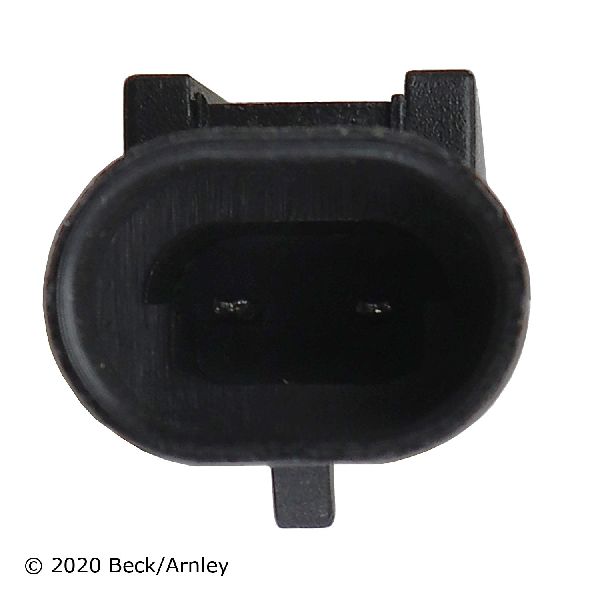
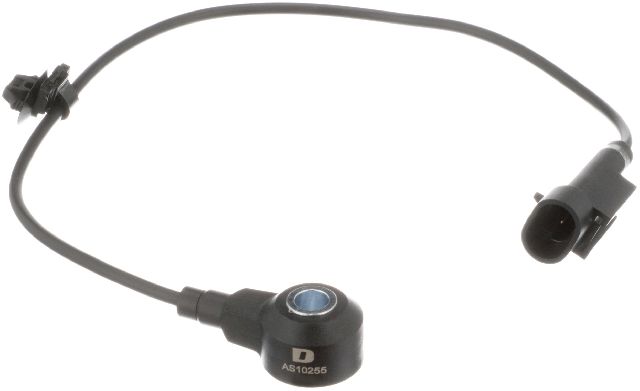
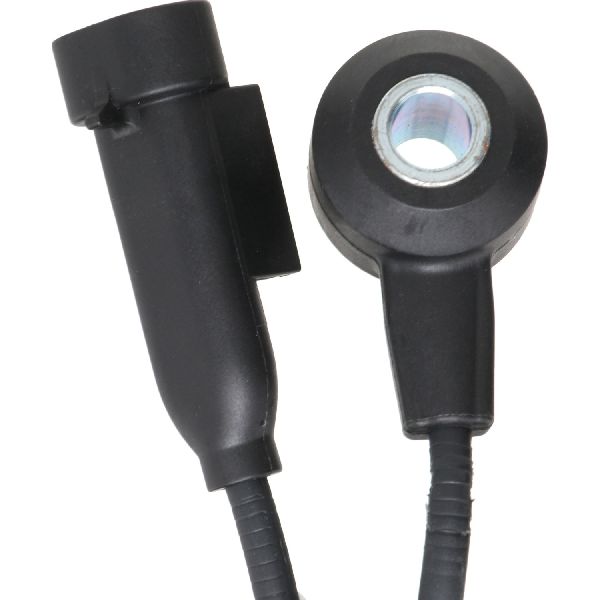
(OEM #39250-2GGB0)— This part is sometimes replaced as part of the diagnostic process if the engine passes the Bearing Clearance Test, but it is rarely the root cause of the P1326 code on its own.
Trusted brands: Kia (OEM), Bosch
OEM price range: $70-$120
Aftermarket price range: $40-$80
Related Codes That Often Appear With This One
- P0014 — This code relates to 'Exhaust Camshaft Position Timing - Over-Advanced.' It can appear alongside P1326 when engine timing is disrupted by severe internal mechanical problems, as noted in one NHTSA complaint. [ODI #11573436]
Technical Service Bulletins (TSBs) & Recalls
- PI1805Y/Z: Provides dealers with instructions on how to proceed when a vehicle returns with DTC P1326 after the KSDS installation. It mandates the Bearing Clearance Test (BCT) and outlines the flowchart 🎬 See this professional walkthrough of the P1326 diagnosis and sensor replacement. for engine replacement or further sensor diagnosis.
- PI1802: The initial Product Improvement Campaign that installed the KSDS on many affected models to detect bearing wear.
- Service Campaign 953 (or Hyundai's 966/T3G): The initial software update campaign that installed the Knock Sensor Detection System (KSDS). This is the foundational update that enables the P1326 code to be triggered.
Platform-Specific Known Issues
- This code is directly related to the Kia/Hyundai Theta-II GDI engine settlement (*In re: Hyundai and Kia Engine Litigation II*), which extended the powertrain warranty to a lifetime warranty for original and subsequent owners for this specific failure.
- Eligibility for the warranty extension is dependent on the vehicle having received the KSDS software update (Service Campaign 953 or TSB PI1805) prior to the failure.
- Dealers are required to follow a specific TSB (like PI1805Y/Z) to diagnose the code, which mandates a Bearing Clearance Test before an engine replacement is approved.
- Some owners report dealers attempting to deny warranty coverage by requesting extensive maintenance records or claiming the issue is a faulty sensor not covered by the engine warranty. Persisting and contacting Kia corporate is often necessary.
Mechanic-Grade Diagnostic Values
- Knock Sensor Bolt Torque — expected: 15 ft-lbs. Failure: Incorrect torque can lead to improper vibration detection, causing false codes or missed detection.
- Knock Sensor Resistance — expected: 93 - 110 Ohms. Failure: A reading outside this range indicates a faulty sensor.
Hidden / Shadow Codes Worth Checking
- Permanent DTC P1326: Even after clearing the active P1326 code, a 'permanent' version may remain stored in the ECU. This is a feature of OBD-II diagnostics for serious faults and cannot be erased with a standard scanner; it clears itself after a certain number of drive cycles without the fault reoccurring. (see via Visible with most standard OBD-II scan tools after an attempt to clear codes.)
Scan Tool Commands That Help
- Kia GDS/KDS: Create Vehicle Diagnosis Number (VDN) — This is a mandatory first step for a dealer technician when diagnosing P1326. According to TSB PI1802W/X, failure to create a VDN can cause warranty claim submission issues.
- Kia GDS/KDS: Wiring Signal Interference Check — This is a specific diagnostic test run from the dealer scan tool to check for electrical noise that could cause a false P1326. It is performed if the engine passes the initial bearing clearance test.
- Kia GDS/KDS: Reset Adaptive Values — This function, found in the 'Software Management' menu, must be performed after replacing a knock sensor to clear the ECU's learned values and prevent the code from returning due to old data.
Wiring & Ground Locations
- Knock Sensor — On the engine block (left side), under the intake manifold, often near the #3 fuel injector.. This is the primary sensor providing the signal. Access requires removing the intake manifold.
- Knock Sensor Harness Routing — The harness runs from the sensor, up past the intake manifold, and is secured to other harnesses.. A known issue is the knock sensor harness picking up electrical interference (feedback) from the fuel injector harness if they are touching. The harness must be routed away from the injector harness to prevent false signals.
- Engine Block Ground — Main grounding points are typically on the cylinder head and engine block.. A poor engine ground can introduce electrical noise into the entire sensor system, potentially causing false knock signals.
Real Owner Repair Stories
- Reddit user in r/kia (2016 Kia Optima, 165,000 miles) — Heard a knock, then flashing check engine light and limp mode (limited to 1,750 RPM).
❌ Tried (didn't work) The dealer performed a 'Bearing Clearance Test' which the engine passed.
✅ What actually fixed it The dealer performed a software update which cleared the P1326 code. The user drove 350 miles afterward with no return of the knock or code, though the long-term success is unknown. Another user in the same thread reported a software update only fixed their issue for 5 miles before limp mode returned. - YouTube video by SES Garge (2017 Hyundai Sonata 2.4L) — Flashing check engine light, P1326 code present.
❌ Tried (didn't work) The engine passed the official Bearing Clearance Test, ruling out an immediate engine replacement under warranty.
✅ What actually fixed it Following the TSB for a passed bearing test, the technician replaced the knock sensor. This involved removing the intake manifold for access. After replacement, the technician used a scan tool to 'Reset Adaptive Values' as a final critical step.
When the Usual Fixes Don't Work
- While the overwhelming cause of P1326 is mechanical bearing failure, there are documented cases where the engine passes the dealer's mandatory 'Bearing Clearance Test'. In these instances, the dealer's next step is not engine replacement, but further diagnosis focusing on the sensor and its wiring. One owner reported their dealer performed only a software update after a passed test, which resolved the code for at least 350 miles. Another technician's video showed the official procedure after a passed test is to replace the knock sensor and then perform a 'Reset Adaptive Values' with a dealer scan tool. This shows that while P1326 is a critical warning, it does not *always* result in an immediate engine replacement, and there is a diagnostic path for a 'false positive' signal.
OEM Part Supersession History
39250-2G200→39250-2G700— Part revision or manufacturer change.
Heads up: The new part number (39250-2G700) is the correct replacement for the 2.0L and 2.4L Sportage engines.39250-2G000→39250-2G100— Part revision or manufacturer change.
Heads up: This is another valid knock sensor part number for the 2.4L Sportage. Always verify the correct part number by VIN.
Helpful Videos

We Have This Part in Stock


The information in this article is provided for general reference and educational purposes only. Vehicle specifications, procedures, and part compatibility can vary by production date, trim level, and region. Always consult your vehicle's factory service manual and verify part numbers before purchasing or performing repairs. Safety-critical components such as airbags, seat belts, and braking systems should be installed by a qualified professional.
- Kia SPORTAGE:
- 🧭 Diagnostic Flowchart
- 🎬 Helpful Videos
- 🛍️ Shop This Part
- What's Unique About the 2019-2019 Kia SPORTAGE
- Symptoms You May Notice
- Most Likely Causes
- Rare But Worth Checking
- Diagnosis Steps
- Parts You'll Likely Need
- Related Codes That Often Appear With This One
- Technical Service Bulletins (TSBs) & Recalls
- Platform-Specific Known Issues
- Mechanic-Grade Diagnostic Values
- Hidden / Shadow Codes Worth Checking
- Scan Tool Commands That Help
- Wiring & Ground Locations
- Real Owner Repair Stories
- When the Usual Fixes Don't Work
- OEM Part Supersession History
- 🎟️ Get 5% Off