

OBD-II Code P1428: Manufacturer-Specific Fault Guide
What P1428 means, why it triggers, and how to fix it on your specific vehicle
- Code P1428 has no universal definition; you must scan your specific vehicle make to determine if it indicates a brake, emissions, or intake fault.
- On Volkswagen and Audi models, P1428 signals a failed brake vacuum pump circuit, requiring immediate attention due to a 50%+ increase in stopping distances.
- Ford and Nissan owners can often resolve this code with a $15 can of MAF sensor cleaner, while Toyota diesels usually need replacement of clogged $50 DPF pressure hoses.
- BMW diesel owners face the highest repair costs for P1428, with intake manifold swirl flap replacements often exceeding $1,100 to prevent catastrophic engine damage.
What Does P1428 Mean?
P1428 is a manufacturer-specific code with entirely different definitions based on your vehicle's brand. On a Volkswagen or Audi, it points to a failed brake vacuum pump. On a Mitsubishi or Toyota, it relates to a sensor in the diesel exhaust system. On a Ford or Nissan, it indicates a fault with the Mass Airflow (MAF) Sensor. For GM and Hyundai/Kia, it signals an issue with the EGR temperature sensor. On a BMW diesel, it points to a problem with the intake manifold swirl flaps.
Technical definition: The Society of Automotive Engineers (SAE) reserves P1xxx codes for manufacturer-specific use. There is no single universal definition for P1428. Common definitions include: * **Volkswagen/Audi:** Brake System Vacuum Pump Activation Short To Ground. * **Mitsubishi:** No. 3 Exhaust Gas Temperature Sensor (DPF Temperature) Circuit High Input. * **Toyota:** Differential Pressure Sensor Circuit High. * **General Motors / Hyundai / Kia:** EGR Temperature Sensor 1 / Intake Air Temperature 2 Not Plausible. * **Ford:** Electronic Gas Injection (EGI) Mass Airflow (MAF) Sensor Failed Open Circuit. * **Nissan:** EGI Mini MAF Failed Open Circuit. * **BMW:** Intake Manifold Air Control Solenoid (Swirl Flaps) - Output Stage Overtemperature or Plausibility Fault.
Can I Drive With P1428?
Yes, But With Caution. Driving is possible for most makes, but exercise extreme caution. For VW/Audi, a hard brake pedal significantly increases stopping distances, posing a major safety risk; do not drive. For other makes, limit driving to under 50 miles to prevent damaging the catalytic converter or Diesel Particulate Filter (DPF), which costs $1,500 to $3,000 to replace.
Common Causes
- Faulty Brake Vacuum Pump (VW/Audi) (Very Common) — On Volkswagen and Audi models, the electric brake vacuum pump's internal motor fails or develops leaks, causing a loss of brake assist and a hard pedal.
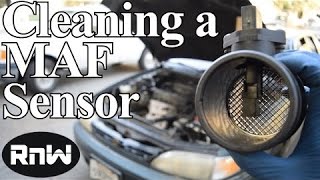
- Faulty or Dirty Mass Airflow (MAF) Sensor (Ford/Nissan) (Common) — On Ford and Nissan vehicles, this code points to an open circuit in the MAF sensor. The sensing element gets dirty or fails electronically, providing no signal to the ECM.
- Clogged or Cracked DPF Hoses/Pipes (Toyota) (Common) — On Toyota diesels, the small rubber hoses leading to the differential pressure sensor clog with soot or crack, causing incorrect pressure readings even when the sensor is perfectly fine.
- Failed Exhaust Gas Temperature (EGT) Sensor (Mitsubishi) (Common) — For Mitsubishi diesels, the No. 3 EGT sensor fails, preventing the system from managing DPF regeneration and leading to reduced power.
- Failed EGR Temperature Sensor (GM/Hyundai/Kia) (Common) — For General Motors and Korean diesels, the EGR temperature sensor clogs with carbon or fails electrically, providing readings that contradict the intake air temperature.
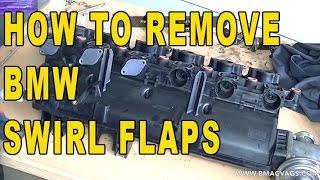
- Faulty Intake Manifold Swirl Flaps (BMW) (Common) — On BMW diesel engines, the plastic swirl flaps inside the intake manifold break or the actuator motor fails, restricting air delivery to the cylinders.
- Wiring or Connector Issues (Less Common) — The wiring harness or electrical connectors going to the specific sensor, pump, or actuator become damaged, corroded, or disconnected, causing an open-circuit or short-to-ground fault.
- Blown Fuse or Faulty Relay (VW/Audi) (Less Common) — A simple electrical fault in the control circuit, such as a blown 15A fuse or a stuck relay, mimics a completely failed vacuum pump.
- Failed DPF Differential Pressure Sensor (Toyota) (Less Common) — While the hoses are the primary culprit on Toyota diesels, the differential pressure sensor itself occasionally fails electronically.
- Failed Engine Control Module (ECM) (Rare) — A failed driver circuit within the engine computer mimics a sensor or component fault. This is extremely rare and requires ruling out all other electrical issues first.
Symptoms
- Check Engine Light is On — The engine control module (ECM) detects the manufacturer-specific fault and illuminates the dashboard light.
- Hard or Stiff Brake Pedal (VW/Audi) — The brake pedal becomes significantly harder to press, and the vehicle takes much longer to stop due to a loss of vacuum assist.
- Reduced Engine Power or Hesitation — The vehicle enters a reduced-power 'limp mode' to protect the engine and emissions systems, causing sluggish acceleration.
- Rough Idle or Stalling (Ford/GM/Nissan) — A faulty MAF sensor or EGR sensor causes the engine to idle erratically, surge, or stall completely at stops.
- Poor Fuel Economy — A faulty MAF or EGT sensor forces the ECU to inject incorrect amounts of fuel, leading to a 10-20% decrease in MPG.
- Rattling Noise from Engine (BMW) — A distinct rattling or clicking sound emerges from the intake manifold as broken plastic swirl flaps are ingested by the engine.
- Failed Emissions Test (also visible on scanner) — The vehicle automatically fails a smog check due to the active fault and disabled readiness monitors.
Diagnostic Flowchart
Tap your situation to follow the diagnostic path that matches what you're seeing on this code.
Common Fixes & Costs
- Replace Brake Vacuum Pump (Volkswagen/Audi) — Parts: $300-$600, Labor: $200-$450, ~1.5 hr book time (Intermediate)
- Replace Mass Airflow (MAF) Sensor (Ford/Nissan) — Parts: $100-$250, Labor: $50-$100, ~0.5 hr book time (DIY)
- Replace DPF Differential Pressure Sensor & Hoses (Toyota) — Parts: $50-$200, Labor: $100-$200, ~0.8 hr book time (Intermediate)
- Replace Exhaust Gas Temperature (EGT) Sensor (Mitsubishi) — Parts: $70-$220, Labor: $100-$200, ~1 hr book time (Intermediate)
- Replace EGR Temperature Sensor (GM/Hyundai/Kia) — Parts: $90-$250, Labor: $50-$100, ~0.7 hr book time (Intermediate)
- Replace Intake Manifold Assembly (BMW) — Parts: $500-$900, Labor: $400-$700, ~4.5 hr book time (Professional)
DIY vs Professional
- Replace Brake Vacuum Pump (VW/Audi) — Beginner: No
Tools: T30 Torx socket, ratchet, extensions, torque wrench (Nm), fuel line tools. - Replace Mass Airflow (MAF) Sensor (Ford/Nissan) — Beginner: Yes
Tools: T20 Torx bit (security type), screwdriver. - Replace DPF Differential Pressure Sensor & Hoses (Toyota) — Beginner: Yes
Tools: Pliers, socket set, flashlight. - Replace EGT or EGR Sensor (Mitsubishi/GM) — Beginner: No
Tools: Flare nut wrench set, penetrating oil, heat source (torch), OBD-II scanner. - Replace Intake Manifold (BMW) — Beginner: No
Tools: Extensive socket/Torx set, torque wrench, fuel line disconnect tools, code reader.
Used vs. New Parts: Buying Guide
When a used part is worth it: For expensive mechanical components like a VW/Audi brake vacuum pump or a BMW intake manifold, a used part from a low-mileage, accident-damaged vehicle offers significant savings.
Donor-vehicle mileage cap: roughly under 80000 miles for the part to have meaningful remaining life.
Donor quality checklist:
- Verify the part number matches exactly, as multiple revisions exist.
- For electronic sensors (MAF, EGT), buying new is mandatory as their calibration degrades over time.
- Ask the seller for the VIN of the donor car to check its history and mileage.
Decision logic:
- If Part is an electronic sensor (MAF, EGT, DPF Pressure) → Buy new. Used sensors are a gamble and drift out of calibration.
- If Part is a high-cost mechanical assembly (Vacuum Pump, Intake Manifold) and vehicle has over 100k miles → A quality used part from a reputable recycler is a reasonable choice to save money.
- If Part has a known wear-out failure mode (e.g., BMW swirl flaps) → Favor new or refurbished parts with updated designs over a standard used part.
Warranty tradeoff: Used parts typically come with a 30-90 day part-only warranty. Aftermarket new parts have a 1-year or longer warranty. Labor is never covered on a standard used part warranty.
Worst-case if a used part fails: 500-1000 if a major used component fails after installation, requiring repeat labor costs plus the price of another part.
What Happens If You Wait — Timeline
- 0-2 weeks: Fault code P1428 logs, and the Check Engine Light turns on. For VW/Audi, the brake pedal feels intermittently hard. For others, no symptoms are noticeable. (MPG impact: 0-5%% · Added cost: $0)
- 2 weeks - 3 months: For sensor faults, fuel economy drops noticeably and the engine hesitates. For VW/Audi, the hard brake pedal becomes frequent, dangerously increasing stopping distances. (MPG impact: 5-15%% · Added cost: $50-200 in wasted fuel)
- 3-9 months: For diesels, the DPF clogs because regeneration is inhibited, causing 'limp mode'. For gasoline cars, the catalytic converter is damaged by a prolonged rich/lean mixture. (MPG impact: 15-25%% · Added cost: $1500-3500 (DPF or catalytic converter replacement))
- 9+ months: Catastrophic failure. For BMW diesels, a broken swirl flap is ingested, destroying the engine. For VW/Audi, a complete loss of brake assist leads to an accident. (MPG impact: N/A% · Added cost: $4000-10000+ (Engine or turbo replacement))
Cost of Not Fixing It
- 0-1 month: Reduced fuel economy (5-15% drop), failed emissions test, and sluggish performance or stalling. (Added cost: 50-150 in wasted fuel)
- 1-6 months: For diesel vehicles, a clogged DPF due to failed regeneration. For gasoline cars, damage to the catalytic converter from an overly rich or lean fuel mixture. (Added cost: 1500-4000 for DPF or catalytic converter replacement)
- 6+ months: Severe engine damage. For BMW, ingestion of broken swirl flaps causes catastrophic piston and cylinder head damage. For others, prolonged improper fuel mixtures damage pistons or turbochargers. (Added cost: 4000-10000+ for major engine repair or replacement)
Diagnosis Steps
- Identify Your Vehicle's P1428 Definition
You MUST know what P1428 means for your specific car before opening the hood. Use a quality OBD-II scanner that provides manufacturer-specific definitions, or consult your service manual.
Tools: OBD-II Scanner (Beginner) - Check for Related Trouble Codes
Scan the vehicle for companion codes. P050F with a VW confirms a brake vacuum fault. P0102 with a Ford confirms a MAF fault. P2453 with a Toyota/Mitsubishi confirms a DPF sensor or hose fault.
Tools: OBD-II Scanner (Beginner) - Visual Inspection of the Suspect Component
Locate the specific component (Brake Vacuum Pump, EGT Sensor, MAF Sensor, etc.). Inspect the electrical connector and surrounding wires for damage, melting, or loose connections. For Toyota DPF sensors, meticulously check the two rubber hoses for cracks or blockages.
Tools: Flashlight (Beginner) - Clean the Sensor (Ford MAF / GM EGR)
Carbon or dirt buildup is the primary cause of failure for Ford MAF and GM EGR sensors. Remove the sensor and spray it thoroughly with a dedicated MAF or electrical contact cleaner. Do not touch the delicate sensing elements. Reinstall and clear the code.
Tools: MAF Sensor Cleaner, Basic hand tools (Intermediate) - Test the Component's Circuit (VW/Audi Brake Pump)
Check fuse #F14 (15A) and the associated relay first. If good, use a multimeter to check for voltage at the brake vacuum pump's electrical connector with the engine running. You should have battery voltage at one pin and a solid ground at the other when the pump is commanded on.
Tools: Multimeter (Advanced) - Analyze Live Data (Ford MAF)
Monitor the MAF sensor reading (in grams per second, g/s) at idle with a warm engine. A healthy Ford MAF reads 2-7 g/s at idle. A reading of 0 g/s confirms an open circuit (P1428), requiring sensor replacement or wiring repair.
Tools: OBD-II Scanner with Live Data (Advanced) - Test DPF Pressure Sensor (Toyota)
View the DPF pressure sensor reading with the engine off; it should be 0 kPa. At idle, it should be under 2 kPa. A 'Circuit High' code sets if the sensor's output voltage is stuck above 4.5V. Verify the sensor receives a 5V reference and has a good ground.
Tools: OBD-II Scanner with Live Data, Multimeter (Advanced) - Test the Sensor's Voltage and Resistance (Mitsubishi/GM)
Disconnect the EGT or EGR sensor and check for a 5V reference and ground signal at the connector with the key on. Test the sensor's internal resistance; an EGT sensor reads around 220 ohms at room temperature and increases as heated. Infinite resistance means the sensor is dead.
Tools: Multimeter, Vehicle-specific repair manual (Advanced) - Inspect Swirl Flap Operation (BMW)
Visually inspect the swirl flap actuator link arm for movement when the engine is started and stopped. No movement indicates a failed actuator. Removing the intake manifold is often required to inspect the flaps themselves for catastrophic damage.
Tools: Flashlight, Basic hand tools (Intermediate) - Perform a Smoke Test (Ford/Nissan MAF)
Unmetered air entering after the MAF sensor causes erratic readings that mimic a failed sensor. Feed low-pressure smoke into the intake system to quickly and visually identify cracked hoses or leaking gaskets.
Tools: Smoke machine (Advanced)
When This Code Triggers (Freeze-Frame Conditions)
- Engine Coolant Temp: 175-210°F (80-99°C) (The fault logs when the engine is fully warmed up and operating in closed-loop fuel control.)
- RPM: 1200-2800 RPM (Occurs during steady-state cruising or light acceleration, rarely at idle or full throttle.)
- Engine Load: 25-70% (The ECU actively monitors sensor plausibility under normal driving loads.)
- Vehicle Speed: 30-65 mph (50-105 kph) (Faults related to emissions components (EGT/MAF) are detected during city or highway driving.)
Related Codes
- P050F — Appears with the VW/Audi P1428. P1428 indicates an electrical short in the pump's circuit, while P050F indicates the resulting low vacuum. Test the electrical circuit first.
- P0102 — Appears with Ford P1428. P1428 indicates an open circuit (0 volts, broken wire/dead sensor). P0102 indicates a low signal (reading is present but below range, pointing to a dirty sensor or vacuum leak).
- P0401 — Appears with GM P1428. P1428 is a sensor plausibility fault (bad EGR temp sensor). P0401 indicates the entire EGR system is not flowing enough gas, usually caused by a clogged EGR valve.
- P2453 — Appears with Toyota/Mitsubishi P1428. P1428 is an electrical 'circuit high' code (failed sensor). P2453 is a performance code (illogical pressure readings, pointing to clogged hoses or a blocked DPF).
Climate & Environmental Factors
- Cold Weather: Cold temperatures exacerbate VW/Audi brake vacuum pump issues. Rubber seals become stiff, leading to vacuum leaks that cause a hard pedal on the first few brake applications of the day.
- High Humidity / Damp Climates: High humidity accelerates the contamination of Ford/Nissan MAF sensor elements, leading to incorrect readings. Moisture also contributes to internal corrosion of VW/Audi brake vacuum pumps.
- High Altitude: Less dense air at high altitudes affects MAF sensor readings and vacuum production. A marginal sensor or small vacuum leak becomes significantly more pronounced at altitude.
How to Talk to a Mechanic About This Code
Say this: "{'VW/Audi': "I have a P1428 code and a hard brake pedal. I'd like a diagnostic focusing on the brake vacuum pump circuit. Please check the fuse and relay before quoting a pump replacement.", 'Ford/Nissan': 'I have a P1428 code for the MAF sensor. Please diagnose it by checking the live data and looking for vacuum leaks before recommending a new sensor.', 'BMW': "I have a P1428 code pointing to the swirl flaps. I'd like a quote for an inspection of the intake manifold and your recommendation on repair versus a delete kit.", 'Toyota/Mitsubishi': 'I have a P1428 code for an exhaust sensor. Before replacing the sensor, please thoroughly inspect the associated hoses for cracks or blockages.'}"
This directs the technician to the most likely cause and requests specific diagnostic steps, preventing them from blindly replacing the most expensive part first.
Avoid saying:
- 'Just fix whatever's wrong'
- 'My check engine light is on, can you look at it?'
- 'My brakes feel weird, I think it's the vacuum pump'
Questions to ask before authorizing the repair:
- For VW/Audi: Did you confirm there is power and ground at the pump connector and that the fuse and relay are good?
- For Ford: What was the MAF sensor reading in grams per second at idle? Did you perform a smoke test for vacuum leaks?
- For BMW: Can you show me a picture of the carbon buildup or damage to the swirl flaps?
- For Toyota: Were the DPF sensor hoses clear and in good condition? Can you show me the old ones?
- What is the warranty on the recommended part and your labor?
Where to Take It: Dealer vs Independent vs Chain
- Dealer:
Recommended for the VW/Audi brake issue and BMW swirl flap problem due to their complexity and safety implications. For other makes, an independent shop is better.
Best for: Vehicles still under powertrain or emissions warranty., Complex issues like BMW swirl flaps or VW/Audi brake systems where TSBs or recalls apply.
Downsides: Significantly higher labor rates (1.5-2x independent shops)., May recommend replacing a large assembly when a smaller component or cleaning suffices. (Typical cost: +50% vs. baseline) - Independent Shop:
Best overall fit for most P1428 variants (Ford, Toyota, GM, Mitsubishi). For German brands, choose a specialized independent shop.
Best for: Out-of-warranty vehicles., Common sensor replacements like a Ford MAF, GM EGR sensor, or Toyota DPF sensor.
Downsides: Quality and diagnostic tool capability vary widely. A European specialist is crucial for VW/Audi/BMW., May lack access to the latest manufacturer TSBs. (Typical cost: +0% vs. baseline) - Chain Shop:
AVOID for diagnosing P1428. The manufacturer-specific nature of this code requires expertise and tools they lack.
Best for: Simple, clear-cut part replacements where diagnosis is not required.
Downsides: Technician skill varies dramatically., Lack the advanced, manufacturer-specific scan tools needed to correctly diagnose P1-codes., High pressure to upsell services. (Typical cost: -10% vs. baseline)
When to Walk Away From the Repair
If the estimated repair cost exceeds 40-50% of the car's current private-party value, seriously consider selling or trading in the vehicle instead of repairing it.
- Car worth $3500, fix is $1800: Walk away. The repair cost is over 50% of the car's value. It's not a sound investment.
- Car worth $15000, fix is $1200: Fix it. The repair cost is well under the threshold and is a reasonable investment to keep a valuable car running.
- Car worth $8000, fix is $3500: Borderline. At 44% of the vehicle's value, get a second opinion and consider the car's overall condition before proceeding.
What Scan Tool You Need for This Code
Minimum: A scanner that reads manufacturer-specific codes and displays live data. A generic $20 reader will not define P1428 correctly and cannot show live sensor data.
A basic reader only shows 'P1428' without the manufacturer-specific definition. For a Ford MAF, you need live g/s data. For a Toyota DPF sensor, you need live pressure data. A basic reader cannot do this.
Budget: BlueDriver Pro (~$99) — Reads manufacturer-specific codes to correctly identify the P1428 definition. It graphs live data, essential for diagnosing MAF and DPF sensor issues.
Mid-range: Foxwell NT510 Elite / NT710 (~$180) — Offers OE-level diagnostics for a specific brand. It has full bidirectional controls to command the VW vacuum pump on/off or cycle the BMW swirl flap actuator.
Professional: Autel MaxiCOM MK808BT (~$550) — Provides full-system diagnostics and bidirectional controls for most major brands. It runs active tests, performs service resets (like DPF regeneration), and displays extensive live data.
Rent vs buy: If you only need the specific definition, auto parts stores scan it for free. If you need to diagnose with live data or bidirectional controls, buying is necessary. Buying a mid-range tool is cheaper than paying for one hour of dealer diagnostic time.
How to Clear the Code After You Fix It
- Use an OBD-II scan tool to clear the diagnostic trouble codes.
- Perform a complete drive cycle to allow readiness monitors to run.
- Check for pending or current codes again after the drive cycle.
Drive cycle (~30 minutes): A generic drive cycle includes a cold start (engine temp below 122°F/50°C), 2-3 minutes of idling, followed by mixed city and highway driving. Include steady cruising at 55 mph for at least 5 minutes and periods of coasting down without braking.
Readiness monitors affected: Catalyst Monitor, EGR System Monitor, O2 Sensor Monitor, EVAP System Monitor
Before emissions retest: drive at least 50-100 miles to fully set monitors.
Watch out for:
- Clearing the code resets all readiness monitors to 'Not Ready'; the vehicle automatically fails an emissions test until they are set again.
- The code returns immediately if the underlying mechanical or electrical fault is not properly repaired.
- The EVAP monitor requires specific conditions to run (e.g., fuel level between 1/4 and 3/4 tank) and takes days to set.
Will This Fail Emissions / State Inspection?
Yes — this code typically fails an OBD-II emissions inspection.
- California: An active P1428 code is an automatic failure. After repair, all readiness monitors must be set to 'Ready' on 2000+ model year vehicles. You must drive 100+ miles through varied conditions to set all monitors before a retest.
- New York: The NYS DMV inspection includes an OBD-II scan. An illuminated Check Engine Light from code P1428 causes an automatic failure.
- Texas: In counties requiring emissions testing, an active Check Engine Light is an automatic failure. You must complete a drive cycle (50-100 miles) to reset the readiness monitors before passing inspection.
Most Commonly Affected Vehicles
- Volkswagen Jetta, Golf, Passat (2010-2018) — Commonly experience failure of the electric brake vacuum pump, triggering a short-to-ground fault. Ensure you use the latest part revision.
- Mitsubishi Triton, L200, Outlander (Diesel) (2015-2022) — Prone to failure of the No. 3 DPF exhaust gas temperature sensor on the 4N15 engine, preventing DPF regeneration.
- Audi A4, Q5 (2.0T) (2009-2016) — Shares the same brake vacuum pump issue as Volkswagens with the 2.0T engine. An updated pump and relay are required.
- BMW 320d, 530d, X3, X5 (Diesel) (2008-2017) — N47 and N57 diesel engines are notorious for intake manifold swirl flaps breaking or the actuator failing. Many owners preemptively remove the flaps.
- Toyota Corolla, Avensis, Rav4 (Diesel) (2007-2014) — The DPF differential pressure sensor hoses frequently become clogged or cracked. TSB EG-0038T-0311 addresses this specific hose inspection.
- Chevrolet Cruze (Diesel) (2014-2015) — Known for issues with exhaust gas temperature sensors providing implausible readings to the EGR system.
- Nissan Pathfinder, Frontier (2005-2012) — Models using the 'EGI Mini MAF' frequently fail with an open circuit, triggering P1428.
- Ford Ranger, Everest (Diesel) (2016-2022) — On 2.2L and 3.2L Puma engines, P1428 relates to an EGT sensor fault, similar to the Mitsubishi definition.
Manufacturer-Specific Notes
- Volkswagen/Audi: The issue is almost always the brake vacuum pump itself, not the wiring. A hard brake pedal is the key symptom. Check TSB 2025603/4 for updated pump part numbers. A recall (NHTSA #15V705) was issued for 2015-2016 models regarding the camshaft lobe that drives the pump.
- Mitsubishi: The code specifically points to the third EGT sensor located on the DPF. Failure prohibits DPF regeneration. The sensor is extremely difficult to remove without breaking due to rust; heating the bung is mandatory.
- Ford: P1428 indicates an 'open circuit' for the MAF sensor. While a dead sensor is common, always check for vacuum leaks between the sensor and the throttle body, which cause identical symptoms.
- Toyota: The code usually points to clogged hoses going to the differential pressure sensor rather than the sensor itself. Always check for cracked or incorrectly routed hoses first (TSB EG-0038T-0311).
- BMW: This code relates to the swirl flaps inside the diesel intake manifold. The plastic flaps break and get ingested by the engine, causing severe damage. Many owners professionally remove them as a preventative measure.
Real Owner Stories
2012 VW Jetta TDI with 115K miles
Intermittent hard brake pedal on the first few stops of the day. Check engine light for P1428 came on.
What they tried:
- Used a hand vacuum pump to test the brake booster, which held vacuum, ruling it out.
- Noticed the plastic connector on the vacuum pump itself was loose and leaking vacuum.
- Attempted a temporary fix by sealing the connector.
Outcome: The temporary seal failed. The owner replaced the entire tandem (vacuum/fuel) pump assembly. This permanently fixed the hard pedal and cleared the P1428 code.
Lesson: On VW TDIs, a hard pedal with P1428 points directly to the vacuum pump. A loose vacuum port on the pump is a tell-tale sign of failure requiring full replacement.
2010 BMW 320d (N47 engine) at 130K miles
Engine vibrated on startup with a P1428 'swirl flap plausibility' code. The issue improved once the engine warmed up.
What they tried:
- A mechanic cleaned the intake manifold and swirl flaps, which were heavily caked in carbon.
- The fix was temporary; the code and vibration returned within a few weeks.
Outcome: The owner installed a 'swirl flap delete kit', removing the flaps entirely and plugging the holes with aluminum blanks. This resolved the P1428 code and eliminated the risk of engine failure.
Lesson: On BMW N47/N57 diesel engines, cleaning carbon-clogged swirl flaps is a temporary solution. A permanent fix is installing a delete kit to prevent catastrophic engine damage.
2008 Ford Ranger with 95K miles
Check Engine Light came on with a P1428 code. The truck had a rough idle and hesitated during acceleration.
What they tried:
- Bought a can of MAF sensor cleaner for $10.
- Removed the sensor, sprayed the delicate wires with the cleaner, and let it dry completely.
- The code returned immediately.
Outcome: The owner replaced the MAF sensor with a new one. This immediately fixed the rough idle and hesitation, and the code did not return.
Lesson: For a Ford P1428 (MAF open circuit), cleaning the sensor is a cheap first step. If the code returns immediately, the sensor's electronics have failed internally, and replacement is necessary.
2017 Mitsubishi L200 / Triton with 70K miles
Vehicle went into 'limp mode' with reduced power and a P1428 'EGT Sensor Circuit High' code. DPF regeneration was disabled.
What they tried:
- A visual inspection found damaged wiring to the No. 3 EGT sensor on the DPF.
- The mechanic attempted to repair the wiring harness.
- The code persisted, indicating the sensor itself had failed internally from the short.
Outcome: The No. 3 EGT sensor was replaced. The sensor was seized and required significant heat to remove. After replacement, a forced DPF regeneration restored normal operation.
Lesson: A 'Circuit High' code on a Mitsubishi EGT sensor points to an open circuit from a broken wire or failed sensor. These sensors are prone to seizing and require heat for safe removal.
How to Prevent This Code From Triggering
- Regularly replace the engine air filter (Ford/Nissan) (Every 15,000-30,000 miles) — A clean air filter prevents dirt and oil particles from bypassing and contaminating the delicate MAF sensor wires, ensuring accurate readings.
- Clean the intake manifold (BMW Diesels) (Every 60,000-80,000 miles) — Carbon buildup from the EGR system clogs the swirl flaps, causing them to stick or break. Periodic cleaning extends their life.
- Use high-quality diesel fuel and additives (Every fill-up) — Quality fuel with cleaning additives reduces soot formation, lessening the load on the DPF and reducing the chance of sensor and hose clogging.
- Perform an 'Italian Tune-Up' (Once a month) — For diesel vehicles, sustained highway driving (20-30 minutes at 2,500+ RPM) raises exhaust temperatures to passively burn off soot from the DPF, preventing blockages.
- Inspect vacuum lines during oil changes (VW/Audi) (Every 5,000-10,000 miles) — Plastic and rubber vacuum lines become brittle from engine heat. Visual checks catch leaks before they cause a hard brake pedal.
Frequently Asked Questions
What are the most common misdiagnosis mistakes for P1428?
The most common mistake is replacing the wrong part. For Toyota, technicians often replace the DPF pressure sensor when the real problem is a $5 clogged rubber hose. For Ford, a MAF sensor is frequently replaced when simply cleaning it or fixing a vacuum leak solves the problem.
I cleared the P1428 code but it came back immediately. What does that mean?
This indicates a 'hard fault,' meaning the problem is constant rather than intermittent. The ECM detects the fault immediately upon running its self-test. This points to a completely failed component, a disconnected plug, or a severed wire.
Can I still drive my car with a P1428 code?
For VW or Audi, do not drive; braking assist is significantly reduced, creating a major safety hazard. For other makes, you can drive short distances, but you risk damaging expensive emissions components. A ruined DPF or catalytic converter costs over $2,000 to replace.
Why can't I find a single definition for P1428?
OBD-II codes starting with 'P1' are manufacturer-specific, allowing carmakers to assign unique faults to their proprietary systems. This is why P1428 refers to a brake pump on a VW but an exhaust sensor on a Mitsubishi.
How much does it cost to fix code P1428?
Costs range from $15 for a DIY sensor cleaning to over $1,100 for a BMW intake manifold replacement. A typical sensor replacement (MAF, EGT, EGR) costs $150 to $300 at an independent shop. A VW/Audi brake vacuum pump replacement generally runs $500 to $750.
Is P1428 a serious problem?
On a VW or Audi, it is a critical safety issue requiring immediate repair. On other vehicles, ignoring it causes engine stalling or failure of expensive emissions components. A ruined DPF costs over $2,000 to replace.
Can a bad battery cause a P1428 code?
Low system voltage from a failing battery or alternator sometimes causes modules to report erroneous sensor circuit faults. However, this is typically accompanied by other electrical-related trouble codes and symptoms like slow cranking.
What does 'Circuit High Input' mean for a sensor?
'Circuit High Input' means the ECM sees a voltage signal from the sensor that is higher than the normal operating range, often near the 5-volt reference signal. This almost always indicates an open circuit caused by a broken wire, disconnected plug, or internally failed sensor.
Key Takeaways
- Code P1428 has no universal definition; you must scan your specific vehicle make to determine if it indicates a brake, emissions, or intake fault.
- On Volkswagen and Audi models, P1428 signals a failed brake vacuum pump circuit, requiring immediate attention due to a 50%+ increase in stopping distances.
- Ford and Nissan owners can often resolve this code with a $15 can of MAF sensor cleaner, while Toyota diesels usually need replacement of clogged $50 DPF pressure hoses.
- BMW diesel owners face the highest repair costs for P1428, with intake manifold swirl flap replacements often exceeding $1,100 to prevent catastrophic engine damage.
Helpful Videos
Shop the Parts Behind P1428
Below are the parts most often responsible for code P1428, ranked by how frequently each one is the actual culprit (per the diagnosis above). Tap any to see what we have for your vehicle.




The information in this article is provided for general reference and educational purposes only. Vehicle specifications, procedures, and part compatibility can vary by production date, trim level, and region. Always consult your vehicle's factory service manual and verify part numbers before purchasing or performing repairs. Safety-critical components such as airbags, seat belts, and braking systems should be installed by a qualified professional.
- 🧭 Diagnostic Flowchart
- 🎬 Helpful Videos
- 🛍️ Shop This Part
- What Does P1428 Mean?
- Can I Drive With P1428?
- Common Causes
- Symptoms
- Common Fixes & Costs
- DIY vs Professional
- Used vs. New Parts: Buying Guide
- What Happens If You Wait — Timeline
- Cost of Not Fixing It
- Diagnosis Steps
- When This Code Triggers (Freeze-Frame Conditions)
- Related Codes
- Climate & Environmental Factors
- How to Talk to a Mechanic About This Code
- Where to Take It: Dealer vs Independent vs Chain
- When to Walk Away From the Repair
- What Scan Tool You Need for This Code
- How to Clear the Code After You Fix It
- Will This Fail Emissions / State Inspection?
- Most Commonly Affected Vehicles
- Manufacturer-Specific Notes
- Real Owner Stories
- 2012 VW Jetta TDI with 115K miles
- 2010 BMW 320d (N47 engine) at 130K miles
- 2008 Ford Ranger with 95K miles
- 2017 Mitsubishi L200 / Triton with 70K miles
- How to Prevent This Code From Triggering
- Frequently Asked Questions
- What are the most common misdiagnosis mistakes for P1428?
- I cleared the P1428 code but it came back immediately. What does that mean?
- Can I still drive my car with a P1428 code?
- Why can't I find a single definition for P1428?
- How much does it cost to fix code P1428?
- Is P1428 a serious problem?
- Can a bad battery cause a P1428 code?
- What does 'Circuit High Input' mean for a sensor?
- Key Takeaways
- 🎟️ Get 5% Off