

P1429 on 2012-2019 Volkswagen Beetle: Brake Vacuum Pump Circuit Fault Causes and Fixes
On a 2012-2019 VW Beetle, code P1429 indicates an electrical failure in the auxiliary brake vacuum pump circuit, causing a hard brake pedal. The most common causes are a failed pump, a blown fuse, or damaged wiring at the pump's connector. This is a critical safety issue that severely impacts braking and requires immediate attention.
- P1429 on your Beetle is a critical safety fault. Do not drive the vehicle until it is repaired.
- The problem is electrical. Your power brakes have lost their auxiliary vacuum source, resulting in a very hard pedal and long stopping distances.
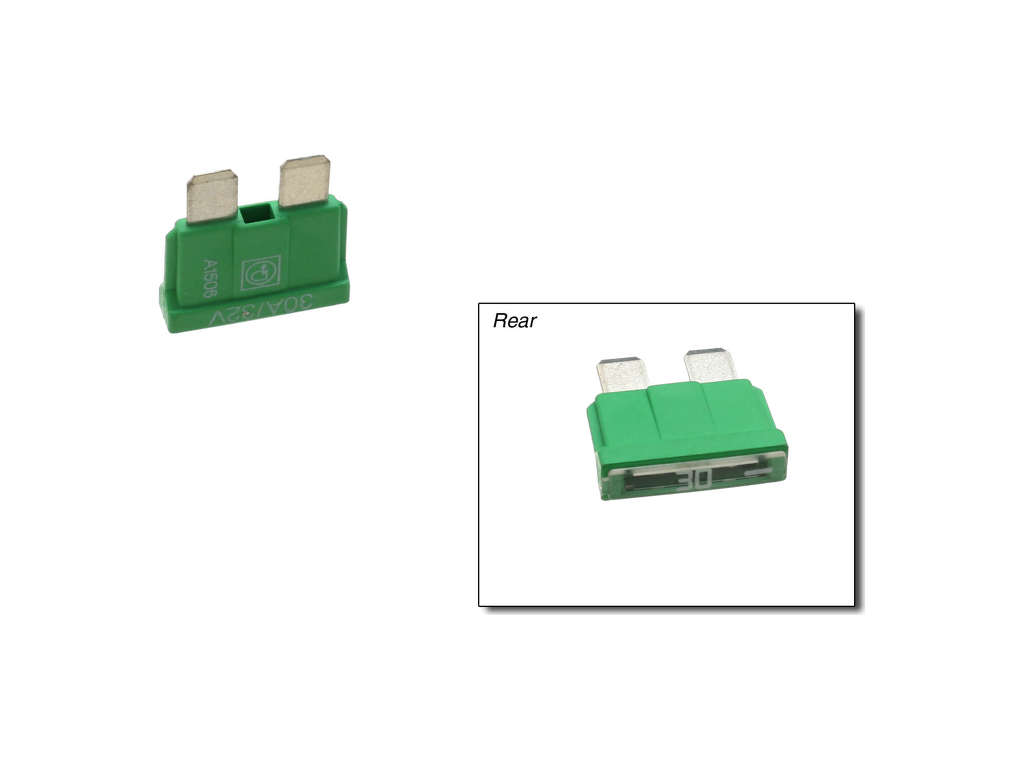
- Always check the fuse first—it's the cheapest and easiest potential fix. For this platform, it is often a 30A fuse in the engine bay fuse box.
- The most likely causes, in order, are a failed vacuum pump, a damaged wiring connector at the pump, or a blown fuse.
- Code P0556 will almost always be present with P1429; fixing the P1429 issue will resolve both codes.
What's Unique About the 2012-2019 Volkswagen Beetle
The Volkswagen Beetle from this era, along with many other VW/Audi models using the EA888 engine, relies on a supplemental electric vacuum pump for consistent brake assist. This design choice makes the braking system dependent on this electrical circuit. The fault code P1429 is very specific to an electrical failure in this pump's circuit and is almost always accompanied by code P0556 (Brake Booster Pressure Sensor), which flags the resulting low vacuum condition. The pump's location on the subframe makes its wiring susceptible to damage. Fixing the electrical cause of P1429 will typically resolve both codes.
Symptoms You May Notice
- Check Engine Light (Malfunction Indicator Light) is on.
- Extremely hard brake pedal.
- Significantly increased stopping distance.
- Loss of power brake assist.
- A 'Brake booster faulty' message may appear on the instrument cluster.
- ABS and Traction Control lights may also illuminate.
- Driver-assist features like Adaptive Cruise Control (ACC) may be disabled.
- Replacing the brake booster pressure sensor (for code P0556) without addressing the P1429 fault. The P0556 code is a symptom of the pump not working, not the cause.
- Replacing the brake booster itself. The booster is usually fine; it's simply not receiving the vacuum it needs to operate.
- Replacing cracked vacuum lines. While vacuum leaks can cause a hard pedal, the P1429 code specifically points to an electrical circuit failure, not a vacuum leak.
Most Likely Causes
- Failed Electric Brake Vacuum Pump 🔴 High Probability → Shop Vacuum Pump The electric motor within the pump assembly (often a Pierburg unit) can burn out or fail due to age or water ingress, causing an internal open circuit. This is the most common failure. The pump is located on the driver's side of the subframe, exposed to the elements.
How to confirm: After confirming the fuse and wiring are good, test for 12V power and ground at the pump's 2-pin connector with the ignition on. If power and ground are present, but the pump does not run (it cannot be activated with a scan tool), the pump has failed internally. An ohmmeter test across the pump's two pins will show infinite resistance (open loop).
Typical fix: Replace the electric brake vacuum pump assembly.
Est. part cost: $250-$500 - Blown Fuse 🟡 Medium Probability A failing pump motor drawing excessive current before it completely fails will often blow the fuse as a protective measure. A short circuit in the wiring can also cause this.
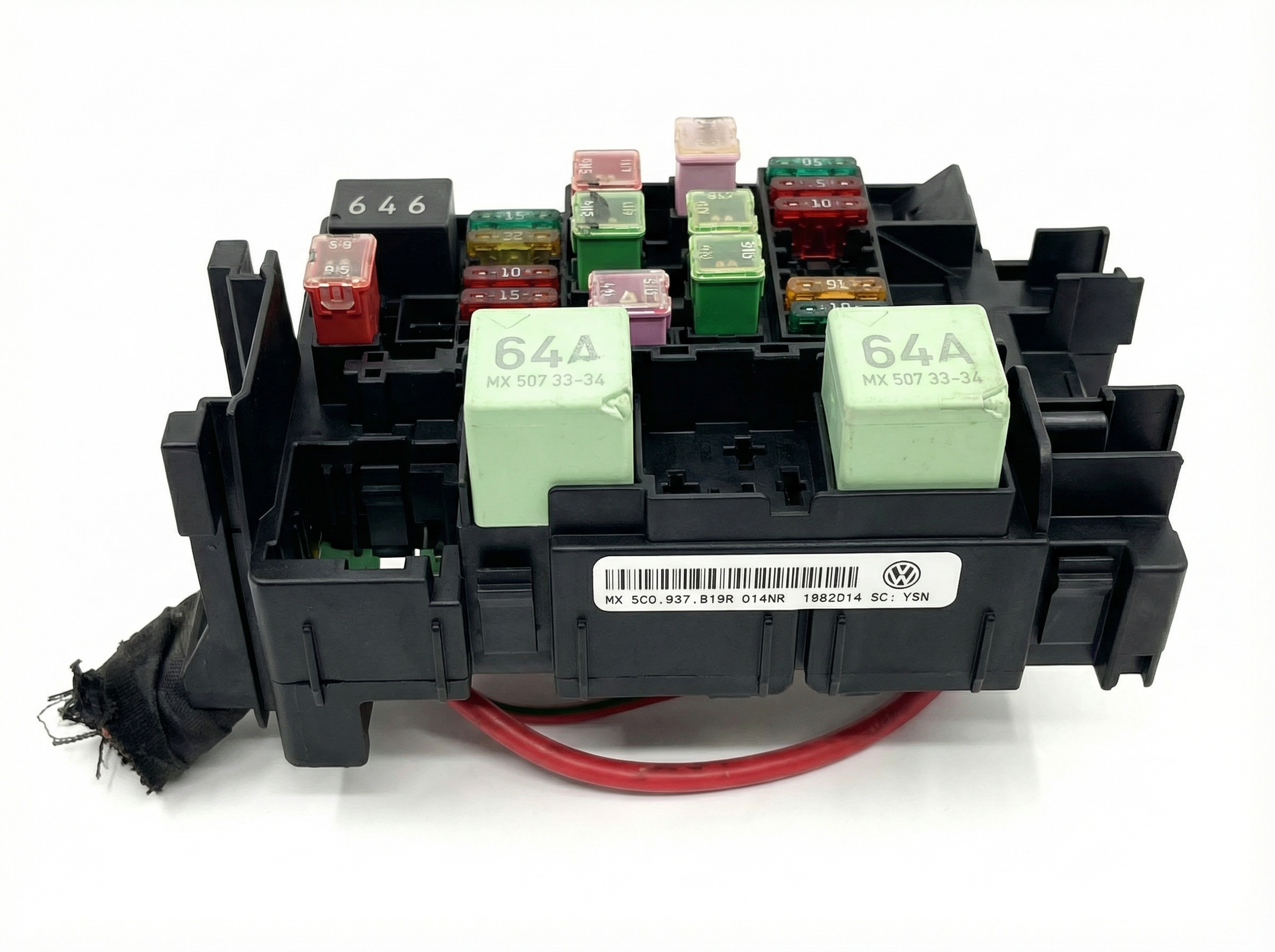
How to confirm: Locate the fuse for the brake vacuum pump in the engine bay fuse box. For many EA888 platforms like the Golf/GTI, this is fuse F31 (a 15A or 30A fuse). For the A5 Beetle, this is often a 30A fuse in the engine bay box, but some diagrams show fuse F26 for 2013-2015 models. Always verify the exact location and rating in your vehicle's diagram. Visually inspect if it is blown and test with a multimeter for continuity.
Typical fix: Replace the blown fuse. If it blows again immediately, there is a short circuit in the wiring or the pump that must be diagnosed.
Est. part cost: $1-$5 - Damaged Wiring or Connector 🟡 Medium Probability The pump is located underneath the vehicle, exposing its wiring to road debris, moisture, and corrosion. Wires often break or corrode right at the 2-pin connector body.
How to confirm: Visually inspect the wiring harness and the 2-pin connector at the vacuum pump for any signs of breaks, corrosion, melted plastic, or loose pins. Perform a continuity test on the power and ground wires from the fuse box to the pump connector.
Typical fix: Repair the broken wire or replace the damaged connector pigtail. In many cases, a new pigtail needs to be spliced in.
Est. part cost: $15-$60
Rare But Worth Checking
- Faulty Brake Booster Control Module (J542) or Relay: → Shop Power Brake Booster While rare, the control module or relay that commands the pump to turn on can fail. This is typically the last item to check after verifying the pump, fuse, and wiring are all in good condition. On some models, this is controlled by a relay in the main fuse box.
Diagnosis Steps
- Scan the vehicle for all fault codes. Confirm the presence of P1429 and the likely companion code P0556.
- Turn the vehicle off. Locate the engine bay fuse box next to the battery.
- Check the fuse for the brake vacuum pump (often a 30A fuse for this platform, but verify with a diagram for your specific model year as variations exist). Replace if blown.
- If the fuse is good, safely raise and support the vehicle to access the electric vacuum pump, which is bolted to the driver's side of the front subframe.
- Thoroughly inspect the pump's electrical connector and the first few inches of wiring for any visible damage, corrosion, or broken wires right at the connector.
- Disconnect the connector. With the ignition on, use a multimeter to test for battery voltage (approx. 12V) at the power pin (Pin 2) and for good continuity to ground at the ground pin (Pin 1).
- If voltage or ground is missing, trace the corresponding wire back toward the fuse box or chassis ground point to find the break.
- If both voltage and ground are present at the connector, the electric vacuum pump has an internal open circuit and needs to be replaced.
Parts You'll Likely Need
- Electric Brake Vacuum Pump
(OEM #06H145100AD (or supersessions like 06H145100AK))— This is the most common point of failure. The internal motor burns out, creating the 'open circuit' condition detected by the ECU.
Trusted brands: Pierburg (OEM supplier, P/N: 7.01341.03.0), Bosch, Genuine VW/Audi
OEM price range: $400-$500
Aftermarket price range: $250-$380 - Fuse
(OEM #N10254802 (30A Mini Fuse, example))— A short circuit in the pump or wiring will cause the fuse to blow. It is the first and cheapest part to check.
Trusted brands: Littelfuse, Bussmann
OEM price range: $1-$5
Aftermarket price range: $1-$5 - Vacuum Pump Connector Pigtail
(OEM #1J0973702 (example, verify fit))— The wiring is prone to breaking right at the connector due to its exposed location, requiring a new connector to be spliced into the harness.
Trusted brands: Genuine VW/Audi, Dorman
OEM price range: $30-$50
Aftermarket price range: $15-$30
Related Codes That Often Appear With This One
- P0556 — P0556 (Brake Booster Pressure Sensor Implausible Signal) is almost always present with P1429. If the pump's circuit is open (P1429), the pump cannot run to generate vacuum, causing the pressure sensor to report an illogical value (P0556).
Technical Service Bulletins (TSBs) & Recalls
- TSB Bulletin #VIN4APIN20190628 and TSB Bulletin #VIN4APIN20190617 confirm that customers frequently report the Malfunction Indicator Lamp (MIL) on with P1429 and/or P0556 as a known issue on this platform.
- While no specific TSB for the Beetle was found, related TSBs for other VW models with the same engine (like TPI 2045383 for the Jetta) address the P0556 code and point to diagnosing the vacuum pump system, confirming the linked nature of these faults.
Platform-Specific Known Issues
- On VWVortex forums, owners of EA888-powered vehicles frequently report this failure occurring between 80,000 and 120,000 miles. The cause is almost universally traced back to either the pump itself failing or the wiring connector being damaged.
- Some owners report hearing the pump run erratically or make a loud buzzing noise for several weeks before it fails completely and triggers the P1429 code.
Mechanic-Grade Diagnostic Values
- Resistance across the two pins of the electric brake vacuum pump (V192) — expected: A specific resistance value is not commonly published, but a low reading (typically a few ohms) should be present, indicating a complete circuit through the motor windings.. Failure: Infinite resistance (OL or 'Open Loop' on a multimeter) confirms an internal open circuit within the pump motor, which is the direct cause of a P1429 code.
- Voltage at the vacuum pump 2-pin connector — expected: Approximately 12V (battery voltage) should be present between Pin 2 (power) and a known good chassis ground with the ignition on.. Failure: Absence of voltage at Pin 2 (with a confirmed good fuse) indicates a break in the power wire between the fuse box and the pump.
- Ground continuity at the vacuum pump 2-pin connector — expected: Near-zero ohms of resistance should be measured between Pin 1 (ground) and a clean, unpainted point on the vehicle's chassis.. Failure: High or infinite resistance indicates a break in the ground wire, which will cause an open circuit.
Scan Tool Commands That Help
- VCDS (VAG-COM): Selective Output Test in ABS Control Module (Address 03) for 'Brake Booster Vacuum Pump -V192-' — This is the most direct way to diagnose the pump. After confirming the fuse is good, a technician can use this function to command the pump to turn on. If the pump does not run despite having confirmed power and ground at its connector, it definitively proves the pump has failed internally.
- VCDS (VAG-COM): Basic Settings in Brakes Module (Address 03), Group 008 — On some models, this function initiates a 'short trip' self-test. The system may prompt the user to press the brake pedal several times to activate the pump and verify system function after a repair has been completed.
Wiring & Ground Locations
- Vacuum Pump Connector — On the electric vacuum pump (V192) itself, located on the driver's side of the front subframe, under the vehicle.. This 2-pin connector is the primary test point. Pin 1 is Ground, and Pin 2 is the 12V+ power supply. Damage or corrosion here is a common cause of the open circuit.
- Engine Bay Fuse Box (-SB-) — Located in the engine compartment, next to the battery.. This box contains the main fuse (often 30A) that provides power to the vacuum pump circuit. A blown fuse here is a common cause and the first place to check.
- Chassis Ground Point (Example: G12) — A common ground point for components in the engine bay is located on the left side frame rail, sometimes below the battery tray.. The vacuum pump requires a solid connection to the chassis ground to complete its circuit. A loose or corroded ground connection at this point can create high resistance or an open circuit, triggering P1429.
- Ground Point 44 — Located at the bottom of the left A-pillar, inside the passenger cabin.. While less likely to be the direct ground for the pump motor, control modules related to the brake system may use this ground. An issue here could theoretically interrupt the signal that activates the pump relay.
OEM Part Supersession History
06H145100AD→06H145100AK, 06H145100AB— Standard part revisions by the manufacturer for improvements or supplier changes.
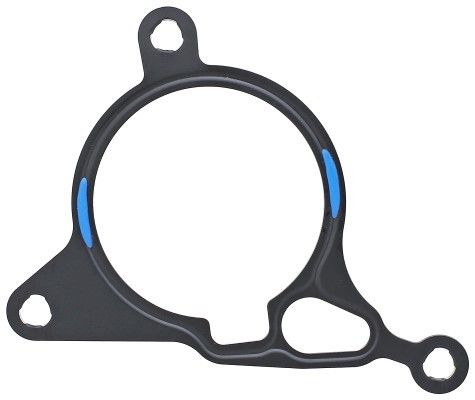
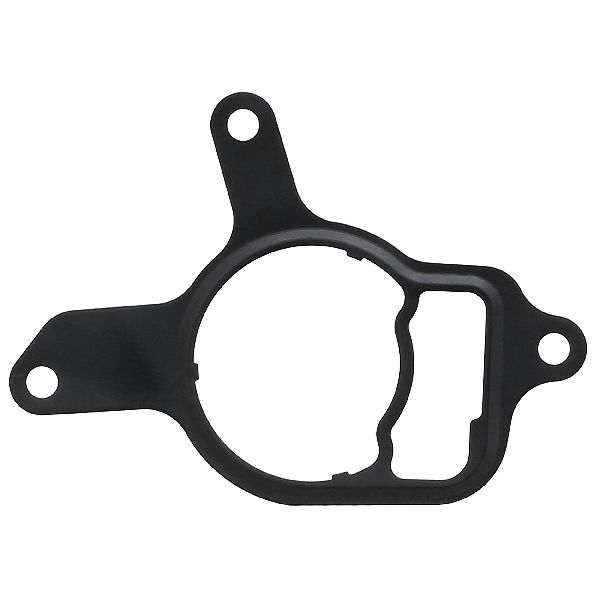
Heads up: These part numbers are generally interchangeable for the specified application. However, always verify fitment with the vehicle's VIN before purchasing. Note that seal/rebuild kits (e.g., from RKX) are for fixing oil leaks from the pump and will NOT fix the P1429 electrical open circuit fault.
Model Year Variations Within This Range
- 2012-2019: The 2.0T EA888 engine had several revisions during this period (Gen1, Gen2, Gen3). While the function of the auxiliary vacuum pump remains the same, there can be minor differences in part numbers or wiring. The CCTA engine code is common for much of this generation.
- 2013-2015 vs. other years: There is conflicting information on fuse locations. While most sources point to a single high-amperage (e.g., 30A) fuse in the engine bay fuse box for the pump motor, at least one fuse diagram for 2013-2015 models lists a lower amperage fuse (5A/10A) at position F26 for the 'Vacuum pump for brakes'. This could be for a control circuit rather than the motor itself. It is critical to check the vehicle-specific fuse diagram.
Diagnostic Flowchart
Used vs. New Parts: Buying Guide for This Vehicle
When a used part is the smart pick: A used electric vacuum pump is generally not recommended. It is a wear-and-tear item with a known failure rate, and its location exposes it to the elements. The risk of installing a used part that fails shortly after is high. A new part offers significantly more reliability.
Donor-vehicle mileage cap: roughly under 60000 miles for the part to have meaningful remaining life.
What to inspect on the donor part:
- Inspect the electrical connector for any signs of corrosion, melting, or broken locking tabs.
- Check the pump housing for cracks or signs of physical damage.
- Ask for the donor vehicle's mileage; lower is always better as the motor has a finite lifespan.
- There is no practical way to test the pump's motor at a junkyard without a 12V source.
OEM-only on this vehicle (don't cheap out):
- Electric Brake Vacuum Pump
Aftermarket brands forum-validated for this vehicle:
- Pierburg (OEM supplier)
- Bosch
Brands owners have reported issues with on this vehicle:
- Unbranded, low-cost pumps found on online marketplaces are frequently cited in forums as being unreliable or failing prematurely. Sticking with the OEM supplier (Pierburg) is the safest option for this critical safety component.
Real Owner Stories
Aggregated from forums and TSBs cited above. Mileages and costs reflect what owners reported in those sources.
2013 Volkswagen GTI 2.0T
Symptoms: The user experienced P1429/P0556 codes and noted an extremely hard brake pedal as the primary symptom.
What fixed it: The solution was replacing the electric vacuum pump after confirming the fuse was intact.
Source hint: vwvortex.com Forum Thread 'Brake Booster Faulty Warning Light'
2015 Volkswagen Golf GTI 2.0T
Symptoms: Multiple users experienced the P1429 code and a 'Brake Booster Faulty' warning message on their dashboards.
What fixed it: Replacing the pump (Pierburg OEM) and the associated 30A fuse resolved the issue.
Source hint: golfmk7.com Forum Thread 'P1429 - Circuit for Brake Vacuum Pump: Open Circuit'
2014 Volkswagen Beetle 2.0T — ~95000 miles
Symptoms: Some owners report hearing the pump run erratically or make a loud buzzing noise for several weeks before it fails completely and triggers the P1429 code.
What fixed it: The cause was traced back to the pump itself failing, which required replacement of the vacuum pump assembly.
Source hint: vehicle_specific_issues
Related OBD-II Codes
Frequently Asked Questions
Where is the brake vacuum pump fuse on my 2013 Beetle 2.0T?
My brake pedal is suddenly very hard to press and the check engine light is on. What is the most likely cause for P1429 on this car?
I have a 'Brake booster faulty' message on my dash along with the P1429 code. Are these related?
My Beetle has 105,000 miles. Is it common for the vacuum pump to fail at this mileage?
Is it a good idea to buy a used vacuum pump from a junkyard to save money?
I have code P0556 along with P1429. What does this mean?
My mechanic found a broken wire at the pump connector. Is this a known issue?
Used OEM Parts in Stock
New Aftermarket Parts Available

The information in this article is provided for general reference and educational purposes only. Vehicle specifications, procedures, and part compatibility can vary by production date, trim level, and region. Always consult your vehicle's factory service manual and verify part numbers before purchasing or performing repairs. Safety-critical components such as airbags, seat belts, and braking systems should be installed by a qualified professional.
- Volkswagen Beetle:
- 🧭 Diagnostic Flowchart
- 🛍️ Shop This Part
- What's Unique About the 2012-2019 Volkswagen Beetle
- Symptoms You May Notice
- Most Likely Causes
- Rare But Worth Checking
- Diagnosis Steps
- Parts You'll Likely Need
- Related Codes That Often Appear With This One
- Technical Service Bulletins (TSBs) & Recalls
- Platform-Specific Known Issues
- Mechanic-Grade Diagnostic Values
- Scan Tool Commands That Help
- Wiring & Ground Locations
- OEM Part Supersession History
- Model Year Variations Within This Range
- Used vs. New Parts: Buying Guide for This Vehicle
- Real Owner Stories
- 2013 Volkswagen GTI 2.0T
- 2015 Volkswagen Golf GTI 2.0T
- 2014 Volkswagen Beetle 2.0T — ~95000 miles
- Related OBD-II Codes
- Frequently Asked Questions
- 🎟️ Get 5% Off