

P1440 on 2004-2008 Acura TL: EVAP Purge Valve Causes and Fixes
On a 2004-2008 Acura TL, code P1440 is almost always caused by a faulty EVAP Canister Purge Valve. This often appears after seeing a "Tighten Fuel Cap" message. Replacing the valve is a common DIY fix, with the part costing around $40-$100.
- P1440 on a 2004-2008 Acura TL is an EVAP system code, not a hybrid system code.
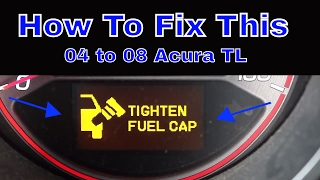
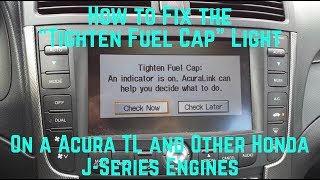
- The most common symptom is the "Tighten Fuel Cap" message, which is a strong indicator of a failing EVAP Canister Purge Valve.
- Don't waste money on a new gas cap first; the purge valve (P/N 36162-RDV-J01) is the most likely culprit.
- Replacing the purge valve is a simple, 15-minute DIY job located in the engine bay, requiring only basic tools like a 10mm socket and pliers.
- This issue is extremely common and well-documented in Acura enthusiast communities for this specific vehicle generation.
What's Unique About the 2004-2008 Acura TL
The 3rd generation Acura TL (2004-2008) is well-known for issues with its EVAP Canister Purge Valve. Many owners first experience a persistent "Tighten Fuel Cap" message on their multi-information display before the Check Engine Light and code P1440 appears. Unlike on many other vehicles where a loose gas cap is the primary suspect for EVAP codes, on this specific TL, the purge valve is the most frequent point of failure. It is critical to note that on Honda *Hybrid* vehicles of the same era (like the Accord Hybrid), P1440 indicates a completely different and much more severe problem: 'Motor Power Inverter (MPI) Module Output Circuit Malfunction', a high-voltage system failure. This article specifically addresses the non-hybrid TL's common EVAP issue.
Symptoms You May Notice
- "Tighten Fuel Cap" message on the multi-information display (MID)
- Check Engine Light is on
- Possible slight decrease in fuel economy
- Potential fuel smell (less common)
- Rough idle immediately after refueling (less common)
- Replacing the gas cap repeatedly. Many owners buy a new gas cap only to find the "Tighten Fuel Cap" message and P1440 code return, because the actual fault is the purge valve.
Most Likely Causes
- Faulty EVAP Canister Purge Valve / Solenoid 🔴 High Probability → Shop Vapor Canister This specific part is a widely documented failure item on the 3rd generation TL and other J-Series Honda/Acura vehicles.
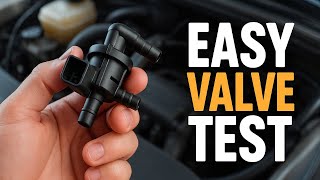
How to confirm: Remove the purge valve from the engine bay. With no power applied, try to blow through it. It is a normally-closed valve; if air passes through, it is stuck open and faulty. A definitive test involves removing the valve, which is held by two 10mm nuts on the intake manifold.
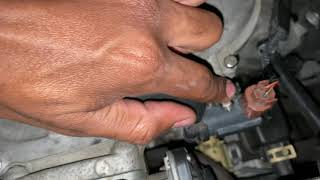
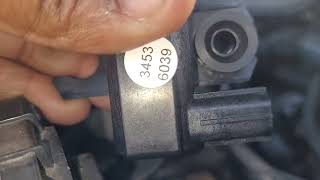
Typical fix: Replace the EVAP Canister Purge Valve. It is located on the intake manifold and is accessible for DIY replacement, typically taking 15-30 minutes. 🎬 Watch: Step-by-step purge valve replacement for J-Series engines
Est. part cost: $40 - $100
Rare But Worth Checking
- Loose or Faulty Gas Cap: → Shop Fuel Tank Cap While this is the first thing to check due to its simplicity, it is rarely the root cause on this specific vehicle if the "Tighten Fuel Cap" message persists after retightening.
- Cracked or Disconnected EVAP Hoses: Visually inspect the vacuum lines running to and from the purge valve and around the charcoal canister for any visible cracks or loose connections. Hoses can become brittle with age.
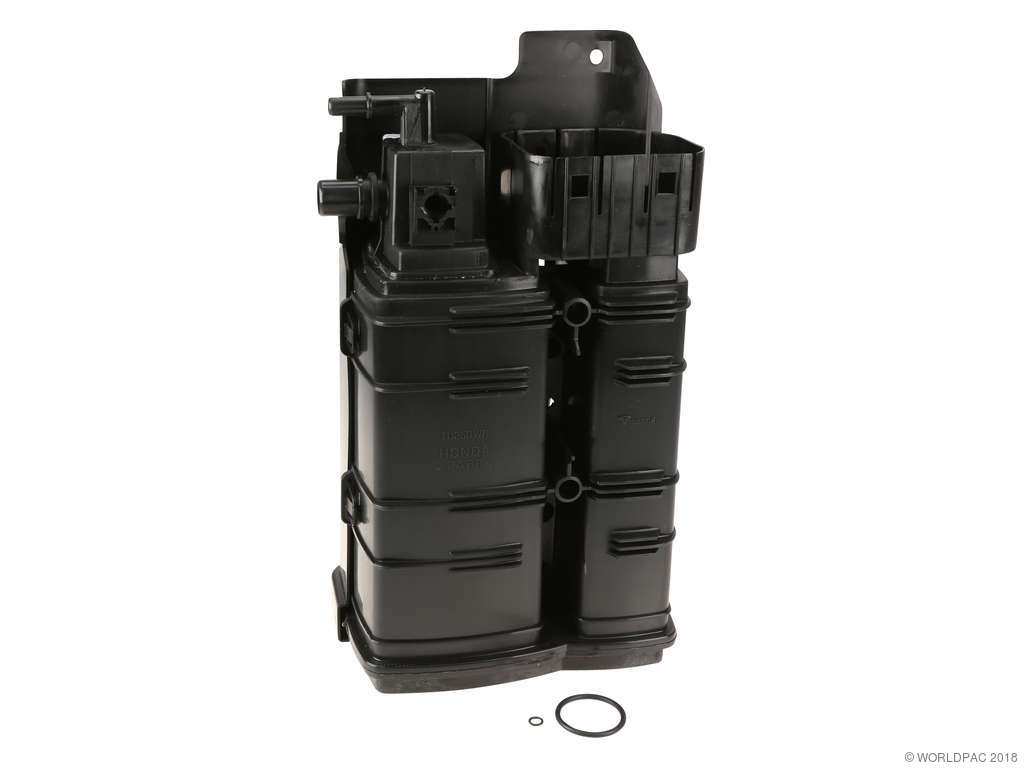
- Faulty EVAP Vent Solenoid: → Shop Vapor Canister This valve is located near the charcoal canister at the rear of the car. It is less likely to fail than the purge valve in the engine bay, but can cause similar EVAP codes.
Diagnosis Steps
- Check the gas cap to ensure it is tight and the seal is not cracked or worn. This is a simple first step.
- If the 'Tighten Fuel Cap' message or Check Engine Light returns, locate the EVAP Canister Purge Valve on the intake manifold in the engine bay.
- Visually inspect the vacuum hoses connected to the purge valve for cracks or disconnection.
- Disconnect the electrical connector and the two hoses from the purge valve. The hoses can be twisted with pliers to break them loose if stuck.
- Attempt to blow air through the valve. If air can pass through, the valve 🎬 See this DIY guide for testing your purge valve is stuck open and must be replaced.
- If the valve holds air, the issue may be electrical. Using a multimeter, check for battery voltage at the electrical connector with the key on. Using a scan tool to command the valve on and off is the definitive electrical test.
- If the purge valve and its wiring are good, the next step is to inspect the EVAP lines and the vent solenoid near the charcoal canister for faults, potentially requiring a smoke test to find a leak.
Parts You'll Likely Need
- EVAP Canister Purge Valve / Solenoid
(OEM #36162-RDV-J01)— This is the most common failure point on the 2004-2008 Acura TL that causes the P1440 code and the associated 'Tighten Fuel Cap' message.
Trusted brands: Denso (OEM supplier), Standard Motor Products (SMP), Dorman
OEM price range: $70-$100
Aftermarket price range: $40-$70
Related Codes That Often Appear With This One
- P0443 — P0443 specifically points to an electrical circuit malfunction in the purge valve. It is very common to see this code, as the purge valve is the root cause of P1440 on this car.
- P0497 — This code indicates 'EVAP System Low Purge Flow,' which is another direct symptom of a malfunctioning purge valve that isn't opening correctly.
- P0455 / P0456 — These codes indicate a large or small EVAP system leak. A purge valve stuck open can be interpreted by the ECU as a system leak.
- P0457 — This code means 'EVAP Leak Detected (Fuel Cap Loose/Off)'. It is often triggered alongside the others when the system cannot hold pressure, which a faulty purge valve can cause.
Technical Service Bulletins (TSBs) & Recalls
- Acura TSB 08-057: Details the diagnosis and cause of a parasitic battery drain from a faulty HandsFreeLink (HFL) control unit, a common unrelated problem on this vehicle.
- Acura TSB Bulletin #B20-021: While for a different Acura model, this bulletin notes that P1440 can indicate an MPI Module Output Circuit Malfunction due to a defective solder joint in the intelligent inverter unit (IIU).
Platform-Specific Known Issues
- A persistent 'Tighten Fuel Cap' message on the MID is a hallmark symptom pointing directly 🎬 Watch: How to clear the Tighten Fuel Cap message to the purge valve on this model, often appearing long before a Check Engine Light.
Mechanic-Grade Diagnostic Values
- EVAP Canister Purge Valve internal resistance — expected: 15 - 30 Ohms at room temperature.. Failure: A reading significantly outside this range (open circuit/OL or a dead short) indicates a failed internal coil.
- Voltage at EVAP Purge Valve connector, Pin 1 (Black/Yellow wire) — expected: Battery voltage (~12V) with key on, engine off.. Failure: No voltage indicates a wiring issue or a blown fuse (No. 18 ACG 15A fuse in under-dash fuse box).
- Voltage at EVAP Purge Valve connector, Pin 2 (Red/Yellow wire) — expected: This is the ground side controlled by the PCM via Pulse Width Modulation (PWM). A scan tool is needed to observe the duty cycle.. Failure: A constant ground or constant open when the valve should be cycling indicates a PCM or wiring fault.
Scan Tool Commands That Help
- Honda HDS / i-HDS: PGM-FI EVAP Test — This is a comprehensive, automated system test that commands the valves and monitors the system's ability to seal and purge. It is the definitive dealer-level test to run after a repair to confirm the fix or to diagnose an intermittent issue.
- Advanced OBD2 Scanner: EVAP Purge Duty Cycle (%) Live Data — Monitor this PID while driving or revving the engine to see if the PCM is attempting to command the purge valve open. If the percentage changes but the valve doesn't click or flow air, the valve itself is faulty.
Wiring & Ground Locations
- EVAP Purge Valve Connector — On the EVAP purge valve, top of the intake manifold.. The Black/Yellow wire is the 12V+ power feed, and the Red/Yellow wire is the ground control from the PCM. Verifying power here is a critical first electrical check.
- G101 — Main engine ground point located on the left side of the engine, near the cylinder head.. This is a primary ground termination point for the ECU and multiple engine sensors. A corroded or loose G101 can cause a wide range of intermittent electrical faults and incorrect sensor readings, potentially affecting EVAP system operation.
Real Owner Repair Stories
- AcuraZine Forum User (2008 Acura TL Type-S, 70k miles) — Repeated "tighten fuel cap" message.
❌ Tried (didn't work) Replaced the original EVAP purge valve with a new, non-OEM part.
✅ What actually fixed it The "tighten fuel cap" message returned, but now with a Check Engine Light for code P145C (low purge flow). The issue was suspected to be the low-quality replacement part. Another user in the thread confirmed that they solved a similar problem by using a used OEM (Denso) purge valve after their new replacement failed. - CarKiller Q&A Submission (2007 Acura TL-S) — Codes P0497 & P145C, hard to start after refueling.
❌ Tried (didn't work) Replacing the EVAP purge valve.
✅ What actually fixed it After replacing the valve, the car was hard to start after getting gas and new codes appeared (P0496, P0497, P145C). The owner discovered the bottom mounting nut for the newly installed purge valve was completely missing. The fix required properly securing the valve to the intake manifold to ensure it was sealed and mounted correctly.
Documented NHTSA Reports
- An owner reported in NHTSA ODI #11591884 that P1440 was associated with an MPI internal circuit malfunction, which caused the 12V battery to lose its charge.
- NHTSA ODI #11485532 describes a situation where the vehicle jerked while braking and triggered code P1440, causing the car to feel as if it were dragging.
- In NHTSA ODI #11534323, a diagnostic confirmed P1440 alongside other codes, all of which were listed in a manufacturer service bulletin regarding the MPI module.
- A report in NHTSA ODI #11666879 notes that a diagnosis for P1440 pointed to the IMA inverter needing replacement, mirroring symptoms found in manufacturer service bulletins.
OEM Part Supersession History
36162-RDM-A01, 36162-RJA-A01→36162-RDV-J01— Part consolidation and revision by the manufacturer.
Heads up: The part for the Honda Odyssey (36162-RJA-A01) is functionally identical and significantly cheaper than the Acura-branded part. Some users report it is a direct fit, while one noted they had to shave a small amount of plastic from the connector area for a perfect fit.
Model Year Variations Within This Range
- 2004-2008: While the 3G TL had a mid-cycle refresh in 2007-2008 with cosmetic and feature updates, there are no documented changes to the EVAP purge valve or its related system that would affect the diagnosis or repair of code P1440. The same part number (36162-RDV-J01) is used across all model years.
Diagnostic Flowchart
Other Known Issues on This Vehicle
Issues unrelated to this code that are worth knowing about as an owner of this generation:
- Cracked Dashboard 🟠 Medium — Extremely common. Cracks often start near the passenger airbag and spread. Not a matter of 'if' but 'when' for many owners in sunny climates.
- Automatic Transmission Failure / Judder 🔴 High — A well-known weakness, particularly in 2004-2006 models. Issues range from torque converter judder to complete failure of the 3rd gear clutch pack. A recall was issued for early 2004 models for a lubrication issue. (Ref: NHTSA Recall 04V176000 (for early 2004 models))
- HandsFreeLink (HFL) Module Parasitic Battery Drain 🟡 Low — Very common. The HFL Bluetooth module fails to go to sleep, causing a parasitic draw that drains the battery in 1-3 days. The common owner fix is to simply unplug the module in the overhead console. (Ref: Acura TSB 08-057)
- Lower Control Arm (LCA) Compliance Bushing Failure 🟠 Medium — Widespread failure item. The large, fluid-filled rear bushing on the front lower control arm tears, causing clunking over bumps, poor tracking, and premature tire wear. Can fail as early as 40,000 miles.
- Power Steering Pump Whine / Hose Leaks 🟡 Low — Common. A whining noise, especially on cold starts, is often caused by a cheap, easily replaceable O-ring on the power steering pump inlet hose that allows air into the system. High-pressure hoses can also develop leaks over time.
Used vs. New Parts: Buying Guide for This Vehicle
When a used part is the smart pick: A used OEM Denso purge valve from a reputable salvage yard is often considered a smarter purchase than a new, non-OEM aftermarket part. Forum members have reported new aftermarket valves being faulty out of the box, while a used OEM part solved the issue.
Donor-vehicle mileage cap: roughly under 150000 miles for the part to have meaningful remaining life.
What to inspect on the donor part:
- Ensure there are no visible cracks in the plastic housing.
- Confirm it is a genuine Denso part, ideally one made in Japan, as some users report issues with Mexico-made versions.
- If possible, test the valve by attempting to blow through it; no air should pass.
- Grab the part from any compatible J-series Honda/Acura at the yard (e.g., Odyssey, Pilot, Accord V6) to increase your options.
OEM-only on this vehicle (don't cheap out):
- While not strictly 'OEM-only', the EVAP Purge Valve is a part where sticking to the OEM supplier (Denso) is highly recommended to avoid immediate failure and additional diagnostic time.
Aftermarket brands forum-validated for this vehicle:
- Denso (OEM supplier, best choice)
- Standard Motor Products (SMP) (Generally regarded as a reliable alternative)
- WVE (Some parts are reportedly re-boxed Denso parts)
Brands owners have reported issues with on this vehicle:
- Dorman (Specifically cited by a user as failing prematurely)
- Cheap, unbranded parts from Amazon or eBay (Often implicated in stories where new codes appear after replacement)
Real Owner Stories
Aggregated from forums and TSBs cited above. Mileages and costs reflect what owners reported in those sources.
2004-2008 Acura TL 3.2L V6
Symptoms: The 'Tighten Fuel Cap' message appeared on the multi-information display (MID) and a Check Engine Light followed. The owner noted that replacing the valve is a common DIY fix found on AcuraZine.
What fixed it: Replacement of the EVAP Canister Purge Valve (P/N 36162-RDV-J01).
Source hint: AcuraZine - 3G TL Problems & Fixes
2004-2008 Acura TL 3.2L V6
Symptoms: The owner experienced a parasitic battery drain where the car would die in 1-3 days, unrelated to the EVAP system but common on this platform.
What fixed it: Unplugging the HandsFreeLink (HFL) module in the overhead console.
Source hint: Honda-Tech - 'Acura TL battery problem - changed bluetooth already'
2004-2008 Acura TL 3.2L V6
Symptoms: The owner followed a video guide to address EVAP issues, demonstrating how to disconnect the electrical connector and two vacuum hoses from the intake manifold valve.
What fixed it: EVAP Purge Canister Valve Replacement.
Source hint: YouTube - 'EVAP Purge Canister Valve Replacement on a 04-08 Acura TL' by 'Chris LaBoo'
Related OBD-II Codes
Frequently Asked Questions
My Acura TL is displaying a 'Tighten Fuel Cap' message on the MID, but the cap is tight. Is this related to code P1440?
Does TSB 08-057 explain why my battery keeps dying along with this EVAP issue?
Can I use a purge valve from a Honda Odyssey or Pilot to fix my TL?
Is there a specific brand of purge valve I should avoid for my J32A3 engine?
How can I manually confirm if my purge valve is the cause of the P1440 code?
Helpful Videos
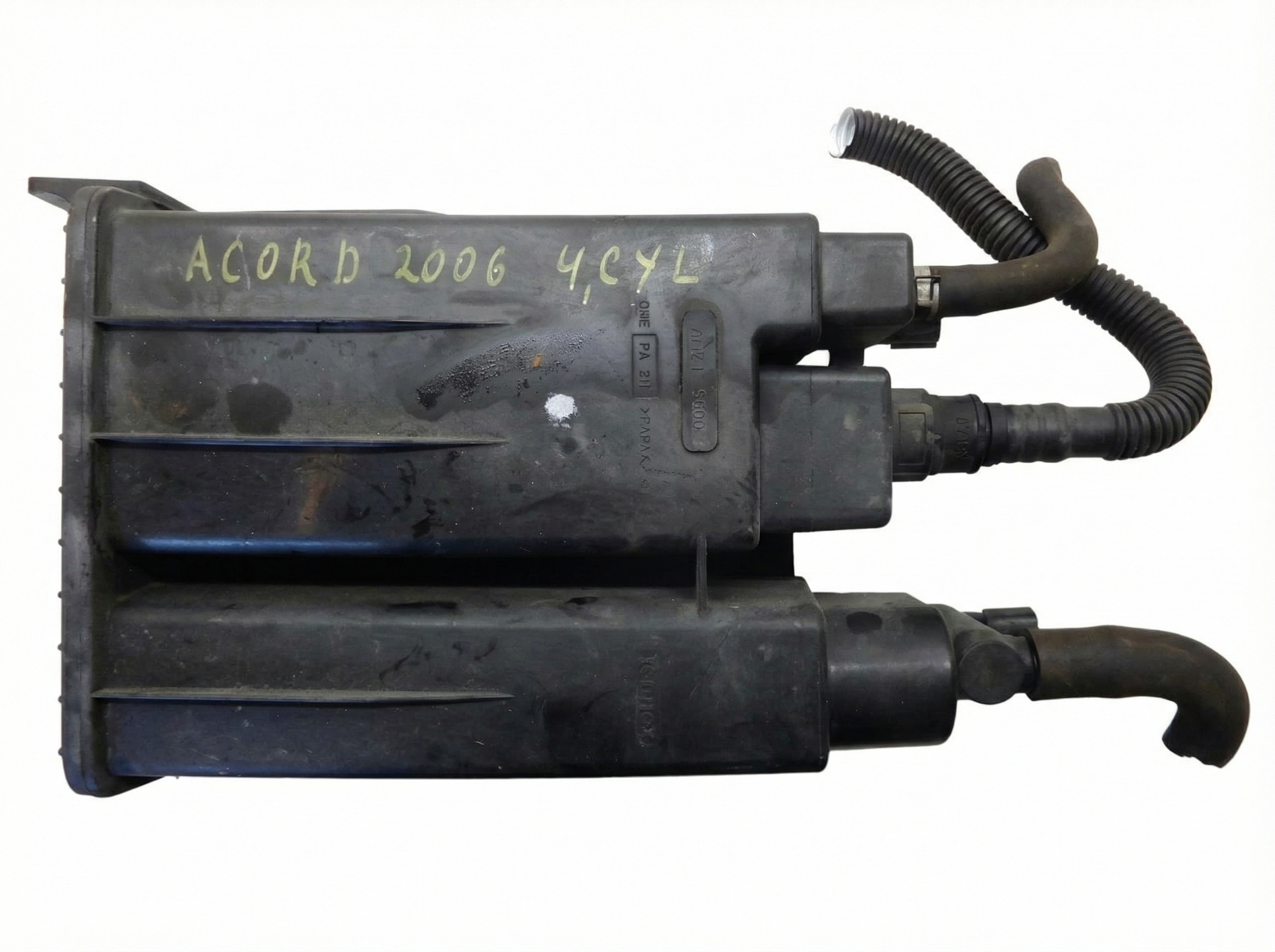
Used OEM Parts in Stock
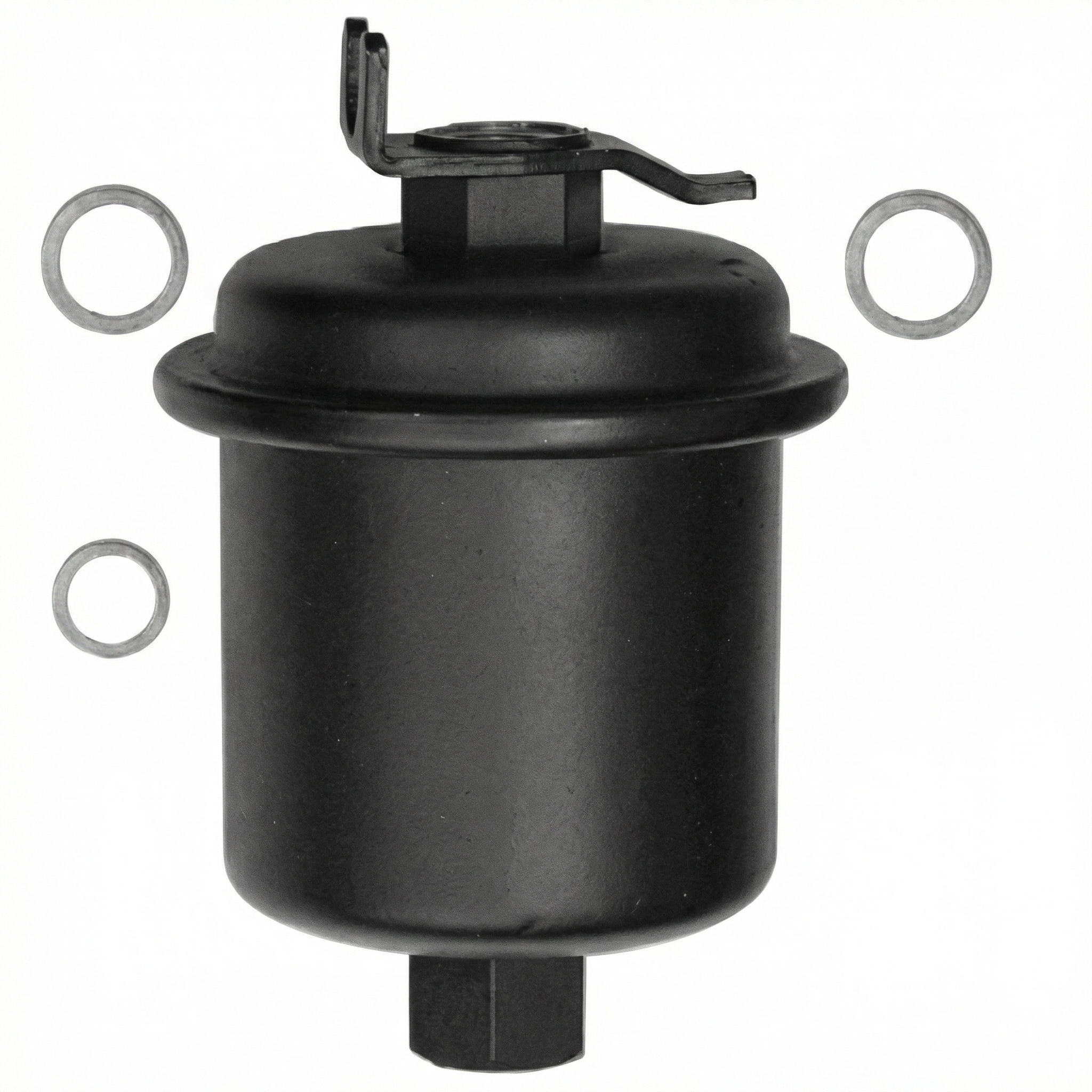
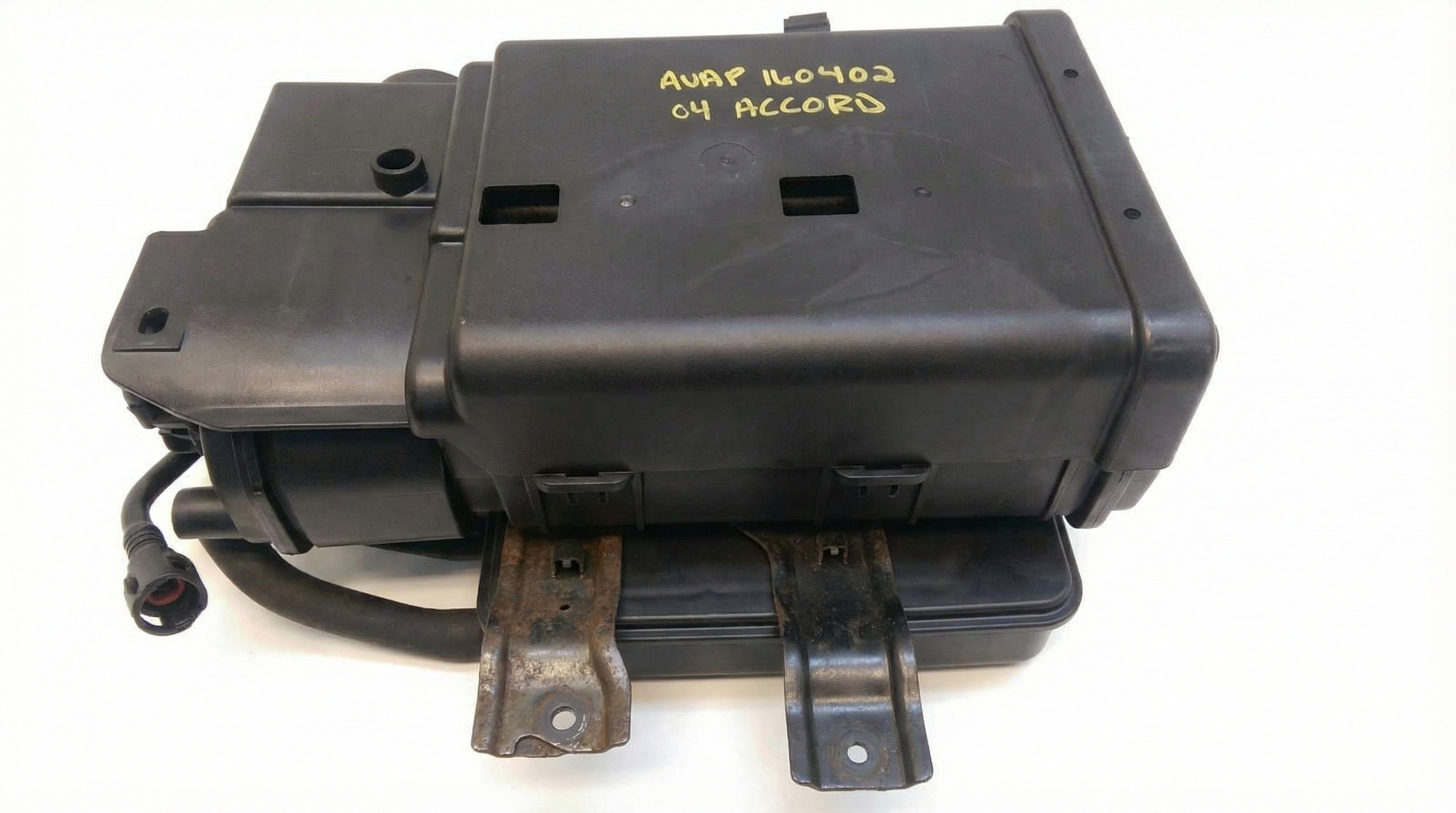
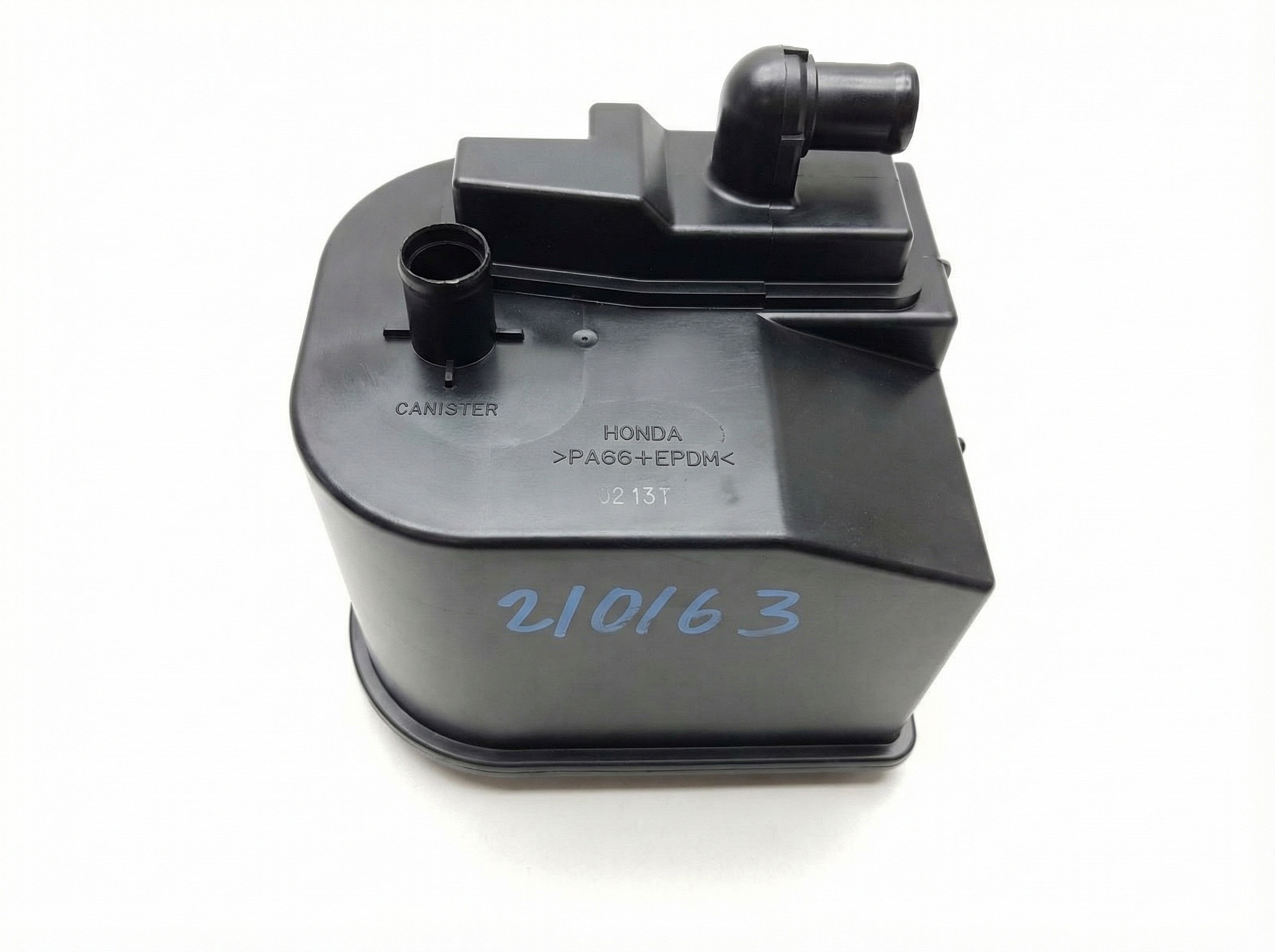
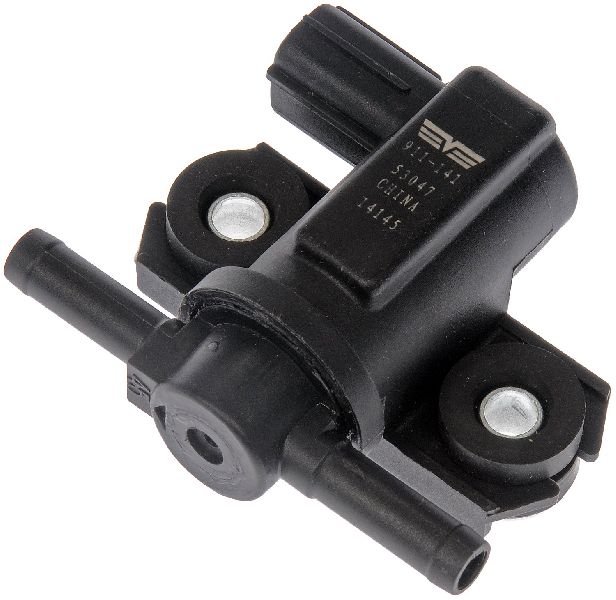
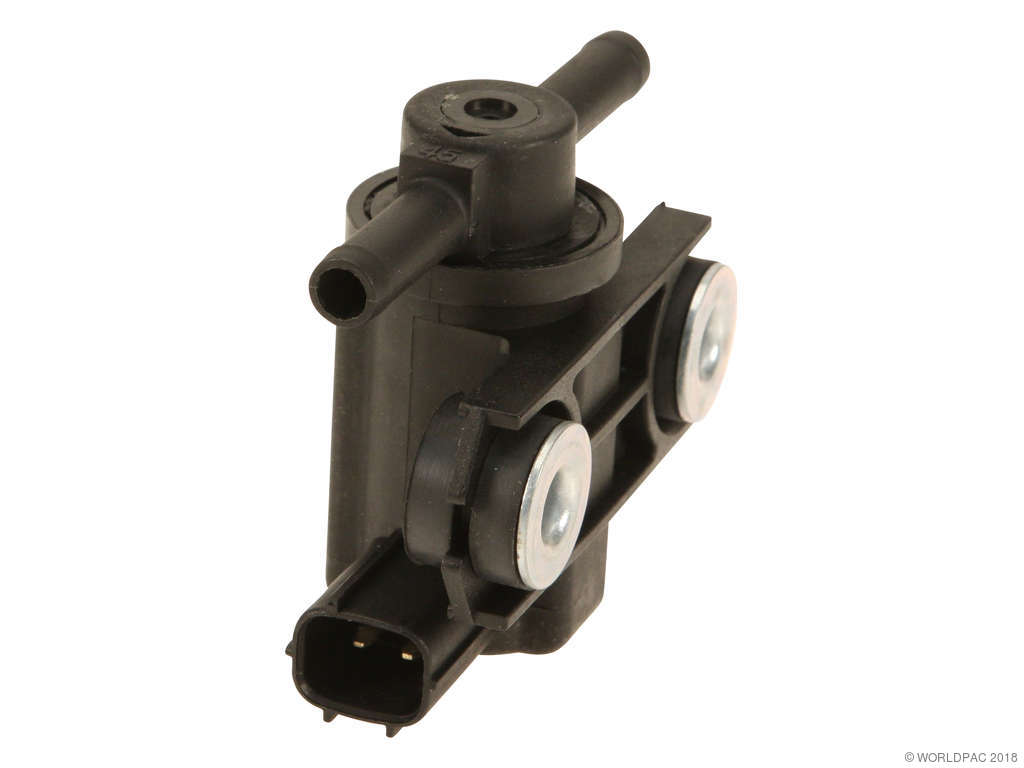
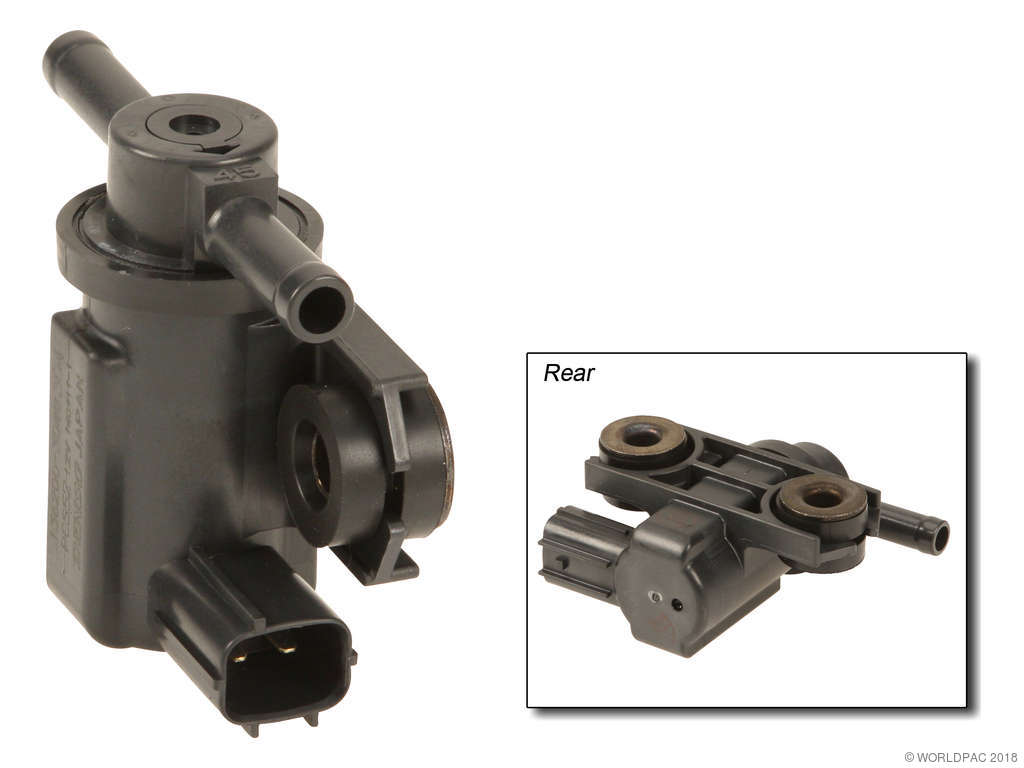
New Aftermarket Parts Available


The information in this article is provided for general reference and educational purposes only. Vehicle specifications, procedures, and part compatibility can vary by production date, trim level, and region. Always consult your vehicle's factory service manual and verify part numbers before purchasing or performing repairs. Safety-critical components such as airbags, seat belts, and braking systems should be installed by a qualified professional.
- Acura TL:
- 🧭 Diagnostic Flowchart
- 🎬 Helpful Videos
- 🛍️ Shop This Part
- What's Unique About the 2004-2008 Acura TL
- Symptoms You May Notice
- Most Likely Causes
- Rare But Worth Checking
- Diagnosis Steps
- Parts You'll Likely Need
- Related Codes That Often Appear With This One
- Technical Service Bulletins (TSBs) & Recalls
- Platform-Specific Known Issues
- Mechanic-Grade Diagnostic Values
- Scan Tool Commands That Help
- Wiring & Ground Locations
- Real Owner Repair Stories
- Documented NHTSA Reports
- OEM Part Supersession History
- Model Year Variations Within This Range
- Other Known Issues on This Vehicle
- Used vs. New Parts: Buying Guide for This Vehicle
- Real Owner Stories
- 2004-2008 Acura TL 3.2L V6
- 2004-2008 Acura TL 3.2L V6
- 2004-2008 Acura TL 3.2L V6
- Related OBD-II Codes
- Frequently Asked Questions
- 🎟️ Get 5% Off