

P1440 on 2008-2013 BMW 1-Series: EVAP System Fault Causes and Fixes
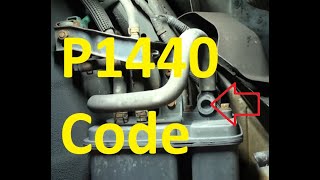
On a 2008-2013 BMW 1-Series, code P1440 typically points to a fault in the evaporative emissions (EVAP) system. The most common causes are a failed fuel tank breather (purge) valve or a faulty Diagnostic Module Tank Leakage (DMTL) pump. Always check the gas cap first as a simple, low-cost starting point.
- P1440 on a 2008-2013 BMW 1-Series is an EVAP system code, not a critical engine problem.
- Always check that the gas cap is tight and its seal is intact before buying any parts.
- The two most likely failed parts are the fuel tank breather (purge) valve in the engine bay or the DMTL pump in the rear passenger-side wheel well.
- A smoke test is the most effective way to find a leak if the cause isn't an obvious component failure.
- You can safely drive the car, but you won't pass an emissions test until the issue is resolved.
What's Unique About the 2008-2013 BMW 1-Series
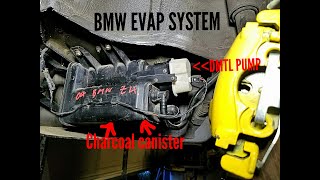
The 2008-2013 1-Series (E82/E88 chassis) uses a Diagnostic Module Tank Leakage (DMTL) pump as a key part of its EVAP system. This is an electric pump that pressurizes the system to check for leaks after the car is turned off. While the purge valve in the engine bay is a common failure point, this DMTL pump, located near the charcoal canister in the rear passenger-side wheel well, is also a frequent cause for EVAP codes on this platform and related E90 3-Series models. Owners often misdiagnose the normal buzzing sound of the DMTL pump running its test cycle as a problem. A failed pump, however, will often be accompanied by code P1447.
Symptoms You May Notice
- Check Engine Light is on
- A faint smell of fuel around the vehicle, particularly near the rear.
- Difficulty starting immediately after refueling (strongly points to a stuck-open purge valve).
- Slightly rough idle in some cases
- Audible clicking or buzzing from the purge valve in the engine bay when it shouldn't be active
- Replacing the charcoal canister. The canister itself, which contains activated charcoal to absorb vapors, rarely fails unless it is physically cracked or has been saturated with liquid fuel from repeatedly overfilling the tank. The problem is almost always one of the attached components like the DMTL pump or a control valve.
Most Likely Causes
- Faulty Fuel Tank Breather Valve (Purge Valve) 🔴 High Probability → Shop Fuel Tank This valve cycles continuously, leading to eventual wear and tear. It can get stuck open or closed, or have an electrical failure. A stuck-open valve allows unmetered air into the intake, which can cause rough idle and starting issues after refueling.
How to confirm: With the engine running, disconnect the electrical connector and the line running from the valve to the charcoal canister. There should be no vacuum present at the valve. A simple 'blow test' can also be performed; you should not be able to blow through the valve when it is unpowered. A scan tool can also be used to command the valve open and closed to check for a response and listen for a click.
Typical fix: Replace the fuel tank breather valve. It is typically located on the side of the intake manifold in the engine bay and is relatively easy to access.
Est. part cost: $70-$150 - Faulty Diagnostic Module Tank Leakage (DMTL) Pump 🟡 Medium Probability The pump contains a small motor and moving parts that can fail over time. It is also located in a spot (rear passenger-side wheel well) where it is exposed to road debris and moisture, which can corrode its electrical connector and wiring. Failure is common enough that it is a well-documented issue on forums for this platform.
How to confirm: Diagnosis often requires a BMW-specific scan tool to run the EVAP leak test. If the pump fails to run or the test fails, and the wiring is intact, the pump is the likely cause. Often, a P1440 code will be accompanied by P1447 ('DMTL Pump Malfunction'), which strongly points to the pump itself.
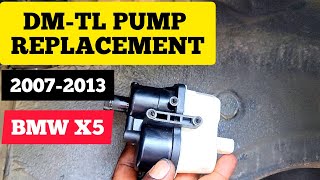
Typical fix: Replace the DMTL pump. This requires removing the passenger-side rear wheel and wheel well liner to access the pump, which is attached to the charcoal canister.
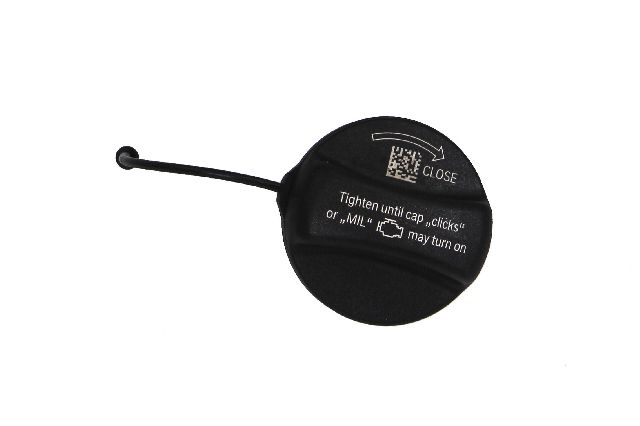
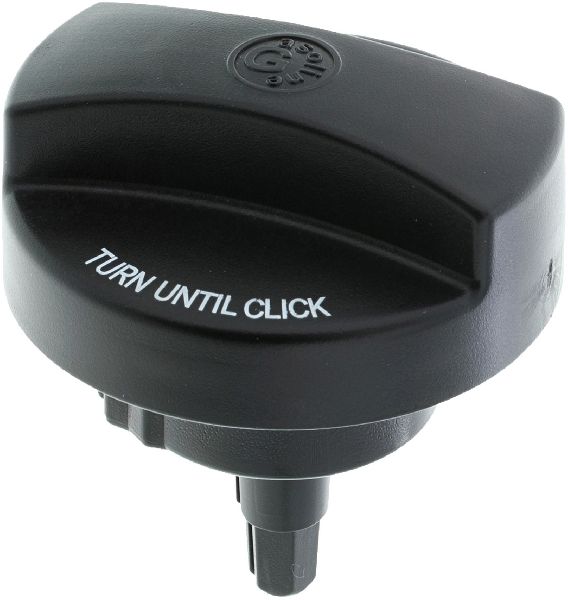
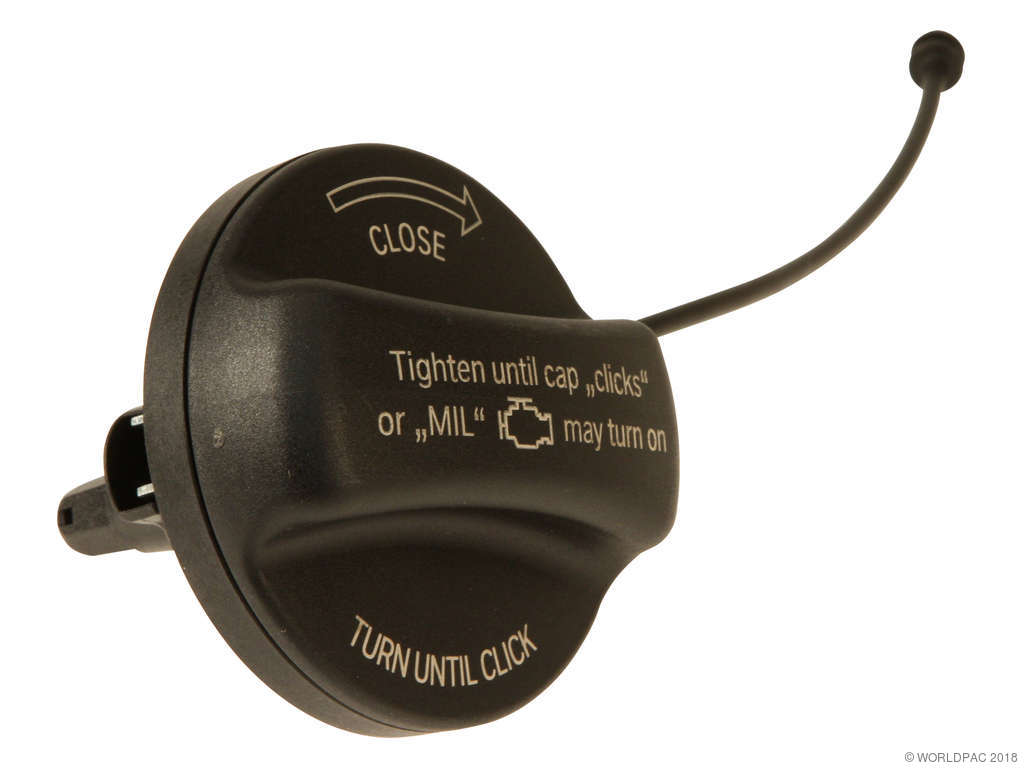
Est. part cost: $100-$200 - Loose or Defective Gas Cap ⚪ Low Probability → Shop Fuel Tank Cap The rubber seal on the gas cap can dry out, crack, or get dirty over time, preventing a proper seal. It's a common issue on all vehicles and the easiest first check. Using a non-OEM gas cap can also cause sealing issues.
How to confirm: Inspect the gas cap for any visible cracks or damage to the seal. Ensure it is tightened until it clicks at least once. If the seal looks worn, it's a cheap and easy first part to replace. Clear codes after tightening/replacing and see if they return.
Typical fix: Clean the seal and mating surface on the filler neck, or replace the gas cap with a Genuine BMW part for best results.
Est. part cost: $20-$40
Rare But Worth Checking
- Cracked or Disconnected EVAP Hoses: The plastic and rubber hoses in the EVAP system can become brittle with age and heat, leading to small cracks that cause leaks. A smoke test is the most effective way to find these hard-to-see leaks. Pay close attention to the lines connecting to the purge valve in the engine bay and around the charcoal canister assembly.
- Failed Fuel Tank Pressure Sensor: → Shop Fuel Tank This sensor monitors the pressure within the EVAP system. If it provides an incorrect reading to the engine computer (DME), it can trigger a fault code even if there are no leaks. This is less common than valve or pump failure.
Diagnosis Steps
- Check the gas cap. Ensure it is tight and the seal is in good condition. Clear the code and see if it returns.
- Visually inspect the fuel tank breather (purge) valve and its hoses in the engine bay for any obvious cracks or loose connections.
- If you have a capable scan tool, command the purge valve to open and close to test its function. Listen for a clicking sound. You can also perform a manual 'blow test' by removing the valve and trying to blow air through it; it should be closed when unpowered.
- Inspect the DMTL pump and charcoal canister area, located in the passenger-side rear wheel well. Check the wiring harness and connector for any corrosion or damage, as this area is exposed to the elements.
- If no obvious issues are found, perform a smoke test on the EVAP system. This involves introducing low-pressure smoke into the system's service port and looking for where it escapes. This is the most reliable way to find small leaks in hoses or gaskets.
- If a BMW-specific scan tool (like ISTA or a high-end aftermarket tool) is available, run the full DMTL tank leakage test. This will command the pump to run and will confirm if the pump itself is functioning correctly and if the system can hold pressure.
- Based on the results, replace the component identified as faulty (gas cap, purge valve, DMTL pump, or leaking hose).
Parts You'll Likely Need
- Fuel Tank Breather Valve (Purge Valve)
(OEM #13907618643)— This is one of the most common failure points in the BMW EVAP system that will trigger P1440. This part number supersedes 13907572234 and 13904588396.
Trusted brands: Bosch, Pierburg, Genuine BMW
OEM price range: $100-$150
Aftermarket price range: $70-$120 - Diagnostic Module Tank Leakage (DMTL) Pump
(OEM #16137193479)— This pump is a known failure item on this platform and will directly cause EVAP system fault codes. Bosch is the OEM supplier.
Trusted brands: Bosch, Genuine BMW
OEM price range: $150-$200
Aftermarket price range: $100-$160 - Gas Cap
(OEM #16117222391)— A worn seal can cause a system leak. It's an inexpensive and simple first step in diagnosis. Using a genuine OEM cap is highly recommended for a proper seal.
Trusted brands: Genuine BMW, Blau
OEM price range: $25-$40
Aftermarket price range: $15-$25
Related Codes That Often Appear With This One
- P1447 — This is another BMW-specific code for 'DMTL Pump Malfunction'. If you see P1440 and P1447 together, the DMTL pump is almost certainly the culprit.
- P0440 — This is a generic code for a general EVAP system malfunction. It often appears with more specific codes like P1440 as the car's computer flags both a general system issue and a more specific component fault.
- P0442 — This code indicates a small leak in the EVAP system. It can appear alongside P1440 if the root cause is a cracked hose or a failing seal rather than a purely electrical component failure.
- P1449 — This code often indicates a 'DMTL pump too high during switching' fault. Seeing it with P1440 can also point towards a failing DMTL pump or a related circuit issue.
Technical Service Bulletins (TSBs) & Recalls
- SI B16 01 08: While not directly for the E82/P1440, this TSB for other models discusses contamination in the EVAP system pressure switch, showing that sensitive components in the system are a known point of concern for BMW.
Platform-Specific Known Issues
- DMTL Pump as the Culprit: A user on e90post.com with a similar chassis reported getting a P1440 code, and the final fix was replacing a bad DMTL pump for just over $100 in parts cost at the time. This highlights it as a common, confirmed failure point.
- Confusion with other codes: In a thread on bimmerpost, a user with P1440 was advised the issue could be the gas cap, EVAP (purge) valve, or charcoal canister, confirming the common diagnostic path.
Mechanic-Grade Diagnostic Values
- Fuel Tank Breather (Purge) Valve Solenoid Resistance — expected: 27 to 29 Ohms. Failure: A significantly higher reading (e.g., over 100 Ohms) or an open circuit (OL) indicates an internal failure of the solenoid coil.
- DMTL Pump Current Draw — expected: A specific milliamp (mA) value is expected by the DME during the reference leak test phase.. Failure: A current draw reading that is too high (e.g., >30 mA) will trigger a fault like 2A17 or P1449, indicating a struggling pump motor or internal system fault.
Hidden / Shadow Codes Worth Checking
- 2A17: DMTL, System Fault. This is a common BMW-specific code that often corresponds to P1440 or P1447. It can indicate excessive current draw from the pump motor or a general failure of the DMTL module to complete its test. (see via BMW-specific diagnostic software like ISTA or INPA, or advanced aftermarket scan tools.)
- 2A18: DMTL, Heater Activation. This code points specifically to a fault in the DMTL pump's internal heater circuit, which is used to ensure consistent test conditions. It indicates an open or short in the heater's wiring or the heater element itself. (see via BMW-specific diagnostic software like ISTA or INPA.)
- 2B3A: DMTL, Pump motor, activation: Pump current too high during reference measurement. This is a very specific fault pointing to the pump motor drawing too much electrical current, often a sign of it seizing or failing. (see via BMW-specific diagnostic software like ISTA or INPA.)
Scan Tool Commands That Help
- ISTA (Rheingold): DMTL System Test (or Fuel tank leakage test) — This is the primary diagnostic function for the EVAP system. It commands the DMTL pump to run through its entire test sequence: a reference leak check, a major leak test, and a minor leak test. The software provides a pass/fail result and can help determine if the pump is operational and if the system can hold pressure.
- ISTA / INPA: Component Triggering / Activation — This allows for individual activation of the purge valve (TEV) and the DMTL pump motor. It's useful for confirming if a component is receiving a signal and if it responds with an audible click (for a valve) or hum (for a motor), helping to isolate an electrical issue from a mechanical one.
Wiring & Ground Locations
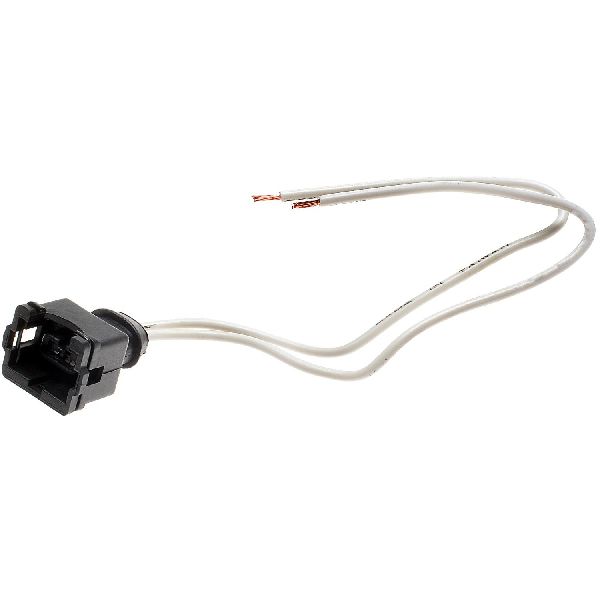
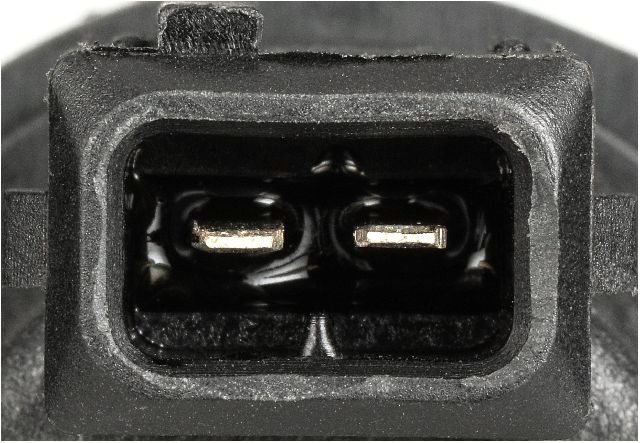
- DMTL Connector X1714 — At the DMTL pump, located in the passenger-side rear wheel well area, attached to the charcoal canister.. This 4-pin connector is the single electrical interface for the entire DMTL assembly. Pin 4 is power (Red/White wire), while Pins 1, 2, and 3 are the individual ground-switched control lines from the DME for the pump motor (Brown/Blue), heater (Black/Red), and changeover valve (Black/Green), respectively. Testing for power at Pin 4 and for a ground signal from the DME at the other pins during activation is a key diagnostic step.
- EVAP System Wiring Harness — Runs from the DME in the engine bay E-box, along the vehicle's underbody, to the DMTL pump in the rear.. This long wiring run is susceptible to damage from road debris or corrosion, especially near the rear wheel well. A break in the power wire or one of the control wires can cause a fault code even with a perfectly good DMTL pump. A continuity test from the DME connector (e.g., X60002) to the DMTL connector (X1714) can verify the integrity of the harness.
Real Owner Repair Stories
- 1addicts.com forum user (2010 BMW 135i) — Service Engine Soon light with code 2B3A (Pump current too high during reference measurement).
❌ Tried (didn't work) The user went straight to replacing the part based on the code.
✅ What actually fixed it Replacing the DMTL pump. The user provided a detailed DIY guide, confirming the location and procedure on a 1-Series, which took about 45 minutes. - e90post.com forum user 'Calhoun' (2007 BMW 328xi (E90 chassis, similar EVAP system)) — Service Engine Soon light with code P1449, which translated to the BMW-specific code 2A17 (DMTL Pump Current Too High).
❌ Tried (didn't work) Clearing the code, which would return.
✅ What actually fixed it Replacing the DMTL pump resolved the problem. The user noted it was a very simple 20-minute job. - e90post.com forum user 'vapore0n' (2011 BMW 335i (E90 chassis)) — Service Engine Soon light with code P1447.
❌ Tried (didn't work) The dealer wanted to replace the DMTL pump, but this was not the root cause.
✅ What actually fixed it The actual problem was a faulty power cable leading to the pump. The user repaired the wire, which fixed the issue without needing to replace the pump itself.
"I Checked Everything" — The Actual Cause
- If a smoke test is performed and no leaks are found, the fault is likely not a physical leak but an electrical or functional failure of a component. A common scenario is a purge valve or DMTL pump that is mechanically intact (and thus holds pressure during a smoke test) but has an internal electrical failure, such as a bad solenoid coil or motor. In this case, the component will not respond when commanded by a scan tool, even though it doesn't leak smoke. This is why bidirectional control tests are critical after a passed smoke test.
OEM Part Supersession History
16136752551, 16136764191→16137193479— Redesign and component updates by the manufacturer to improve reliability.
Heads up: The newest part number, 16137193479, is the correct replacement for the entire 2008-2013 1-Series range and is backward compatible with the older parts.
Diagnostic Flowchart
Other Known Issues on This Vehicle
Issues unrelated to this code that are worth knowing about as an owner of this generation:
- High-Pressure Fuel Pump (HPFP) Failure (N54 Engine) 🔴 High — Very common on the twin-turbo N54 engine. Can occur at various mileages, sometimes multiple times. Symptoms include long crank times, engine misfires, and sudden loss of power ('limp mode'). (Ref: BMW issued several recalls and extended warranties for this part over the years.)
- Electric Water Pump & Thermostat Failure (All Engines) 🔴 High — A notorious failure item on N52, N54, and N55 engines, typically failing between 60,000 and 100,000 miles. Failure is often sudden and can cause rapid overheating, risking severe engine damage.
- Oil Filter Housing Gasket (OFHG) Leak (All Engines) 🟠 Medium — Extremely common leak point. The gasket hardens over time and leaks oil onto the serpentine belt. If the belt slips off from oil saturation, it can be ingested by the main crank seal, causing catastrophic engine failure.
- Valve Cover & Gasket Leak (All Engines) 🟠 Medium — The plastic valve cover can crack and the gasket will inevitably leak oil, often onto the hot exhaust manifold, causing a burning oil smell. A very common repair needed around 60,000-80,000 miles.
- Turbocharger Wastegate Rattle (N54 Engine) 🟠 Medium — Common on the N54 engine as it ages. The wastegate actuator rod and bushing wear, causing a distinct rattling noise on deceleration. Can eventually lead to low boost fault codes. (Ref: BMW extended the warranty on turbochargers for this issue on many vehicles.)
- Fuel Injector Failure (N54/N55 Engines) 🔴 High — Direct injectors on the N54 and early N55 engines are known to fail. A leaking injector can cause misfires, rough running, and in severe cases, wash out cylinder walls, requiring engine replacement. (Ref: BMW had extended warranty programs for certain index injectors.)
Used vs. New Parts: Buying Guide for This Vehicle
When a used part is the smart pick: For EVAP system components like the purge valve and DMTL pump, buying used is generally not recommended. These parts have a known failure rate due to constant use (purge valve) or exposure to elements and internal motor wear (DMTL pump). The cost savings of a used part are minimal compared to the risk of premature failure and the labor to replace it again.
Donor-vehicle mileage cap: roughly under 60000 miles for the part to have meaningful remaining life.
What to inspect on the donor part:
- For a DMTL pump, inspect the electrical connector pins for any signs of green or white corrosion.
- Check the plastic housing of both the pump and purge valve for any hairline cracks, especially around the hose nipples.
- Avoid any parts that show significant rust on metal components or brittleness in the plastic.
OEM-only on this vehicle (don't cheap out):
- Gas Cap: While seemingly simple, many owners report that only a Genuine BMW gas cap provides a perfect seal to satisfy the EVAP system's sensitive pressure test. Aftermarket caps are a frequent cause of recurring, hard-to-diagnose small leak codes.
Aftermarket brands forum-validated for this vehicle:
- Bosch: Bosch is the Original Equipment Manufacturer (OEM) for the DMTL pump. Buying a Bosch-branded pump is identical to the Genuine BMW part but typically costs significantly less.
- Pierburg: Pierburg is a reputable OEM supplier for many BMW components, including the fuel tank breather (purge) valve.
Brands owners have reported issues with on this vehicle:
- Unbranded, low-cost parts from online marketplaces should be avoided for both the DMTL pump and purge valve, as their internal components and seals may not meet the precise tolerances required by the BMW system, leading to repeat failures.
Real Owner Stories
Aggregated from forums and TSBs cited above. Mileages and costs reflect what owners reported in those sources.
2008-2013 BMW 335i (E9x) N54/N55
Symptoms: The owner reported a P1440 code on the E90 chassis, which shares the same platform and EVAP components as the 1-Series.
What fixed it: Replacing the DMTL pump.
Cost: $100-$110
Source hint: e90post.com/forums/showthread.php?t=188959
2008-2013 BMW 1-Series / 3-Series
Symptoms: The user was seeking advice for a P1440 code and was presented with a diagnostic path involving the gas cap, EVAP (purge) valve, or charcoal canister.
What fixed it: Diagnostic path confirmed as gas cap, purge valve, or charcoal canister.
Source hint: Bimmerpost thread cited in vehicle_specific_issues
Related OBD-II Codes
Frequently Asked Questions
I'm having trouble starting my 1-Series right after I fill up at the gas station. Is this related to P1440?
Where is the DMTL pump located on the 2008-2013 BMW 1-Series?
Can I use an aftermarket gas cap to fix this code?
Does TSB SI B16 01 08 apply to my E82 1-Series?
How can I manually test the fuel tank breather valve in my engine bay?
Why is the DMTL pump so prone to failure on this specific chassis?
Helpful Videos
We Have This Part in Stock


The information in this article is provided for general reference and educational purposes only. Vehicle specifications, procedures, and part compatibility can vary by production date, trim level, and region. Always consult your vehicle's factory service manual and verify part numbers before purchasing or performing repairs. Safety-critical components such as airbags, seat belts, and braking systems should be installed by a qualified professional.
- BMW 1-Series:
- 🧭 Diagnostic Flowchart
- 🎬 Helpful Videos
- 🛍️ Shop This Part
- What's Unique About the 2008-2013 BMW 1-Series
- Symptoms You May Notice
- Most Likely Causes
- Rare But Worth Checking
- Diagnosis Steps
- Parts You'll Likely Need
- Related Codes That Often Appear With This One
- Technical Service Bulletins (TSBs) & Recalls
- Platform-Specific Known Issues
- Mechanic-Grade Diagnostic Values
- Hidden / Shadow Codes Worth Checking
- Scan Tool Commands That Help
- Wiring & Ground Locations
- Real Owner Repair Stories
- "I Checked Everything" — The Actual Cause
- OEM Part Supersession History
- Other Known Issues on This Vehicle
- Used vs. New Parts: Buying Guide for This Vehicle
- Real Owner Stories
- 2008-2013 BMW 335i (E9x) N54/N55
- 2008-2013 BMW 1-Series / 3-Series
- Related OBD-II Codes
- Frequently Asked Questions
- 🎟️ Get 5% Off