

P1440 on 2015-2022 BMW X1: Causes and Fixes for the Fuel Tank Breather Valve
On the 2015-2022 BMW X1 with the B48 engine, code P1440 almost always indicates a failed Fuel Tank Breather Valve (also called a purge valve). This is a very common issue, and BMW has issued an extended warranty (15 years/150,000 miles) for this specific part under TSB SI B01 02 24. It's an easy DIY replacement located on top of the engine, often taking less than 15 minutes.
- For a 2015-2022 BMW X1, P1440 almost certainly points to a bad Fuel Tank Breather Valve (Purge Valve).
- Check with a BMW dealer about the 15-year/150,000-mile extended warranty (SI B01 02 24) for this part before paying for a repair.
- The repair is very simple for a DIYer, typically taking less than 15 minutes with no special tools required.
- This issue is shared across many BMW and Mini models that use the B48 engine.
What's Unique About the 2015-2022 BMW X1

The B48 engine used in this generation of X1 has a known, widespread issue with the Fuel Tank Breather Valve (purge valve). The internal diaphragm can tear or the valve can stick, causing a vacuum leak that leads to a variety of symptoms and fault codes. The problem is so prevalent that BMW of North America issued a component-specific Extended Limited Warranty (SI B01 02 24) covering the valve for 15 years or 150,000 miles, making this a well-documented weak point.
Symptoms You May Notice

- Check Engine Light (MIL) is on
- Rough or unstable idle, sometimes climbing to a high RPM at a stop
- Engine stalling or shutting off, especially immediately after refueling
- Hard starting, particularly after filling the gas tank
- Audible loud clicking or metallic noise from the top of the engine
- Reduced fuel economy
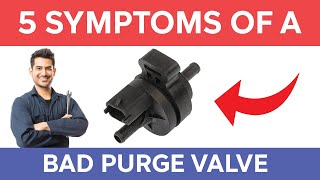
- Difficulty refueling (gas pump nozzle clicks off repeatedly) 🎬 Watch: 5 common symptoms of a failing purge valve
- Fuel smell is possible but less common
- Replacing the DMTL pump or charcoal canister when the issue is the much more accessible and common Fuel Tank Breather Valve.
- Replacing oxygen sensors due to lean or rich codes (e.g., P0171) that are actually induced by the vacuum leak from the faulty breather valve.
- Assuming a fuel pump or injector issue is causing the stalling after refueling, when it's actually the purge valve stuck open.
Most Likely Causes

- Failed Fuel Tank Breather Valve (Purge Valve) 🔴 High Probability → Shop Fuel Tank The valve's internal diaphragm is prone to tearing or the mechanism can stick open or closed. This is a well-documented failure on the B48 engine and its platform mates, leading BMW to issue an extended warranty (SI B01 02 24).
How to confirm: Listen for a loud, rhythmic clicking sound from the valve on top of the engine. A BMW-specific scan tool can actuate the valve to test its function. Visual inspection with an endoscope may reveal a torn internal diaphragm. Often accompanied by lean (P0171), rich running codes, or BMW-specific EVAP codes like 190F08.
Typical fix: Replace the Fuel Tank Breather Valve. It is located on top of the engine and held in by clips, making for a quick replacement, often under 10-15 minutes.
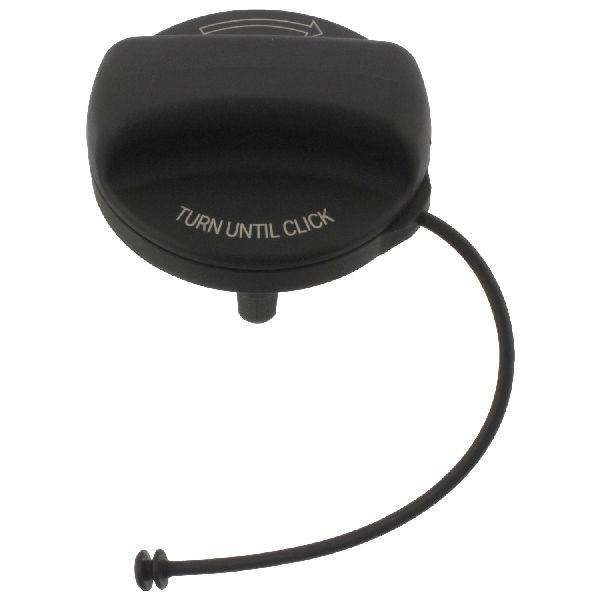
Est. part cost: $70-$120 - Loose or Faulty Gas Cap ⚪ Low Probability → Shop Fuel Tank Cap
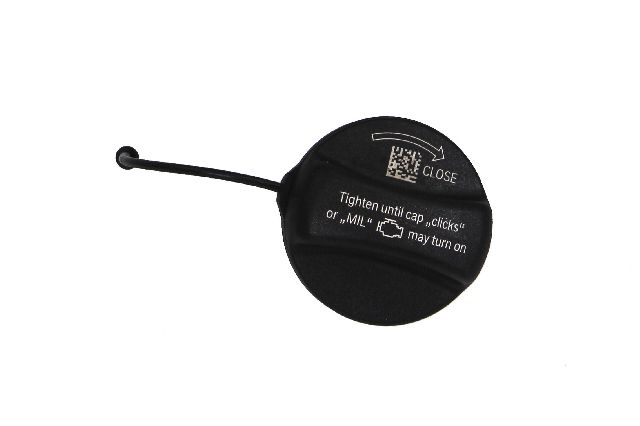
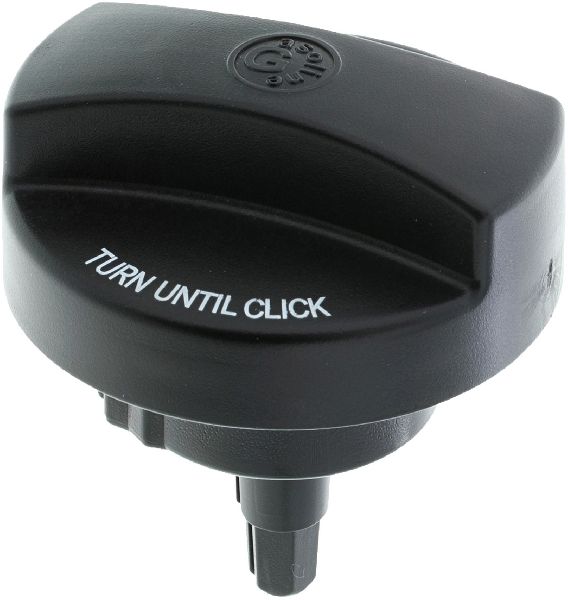
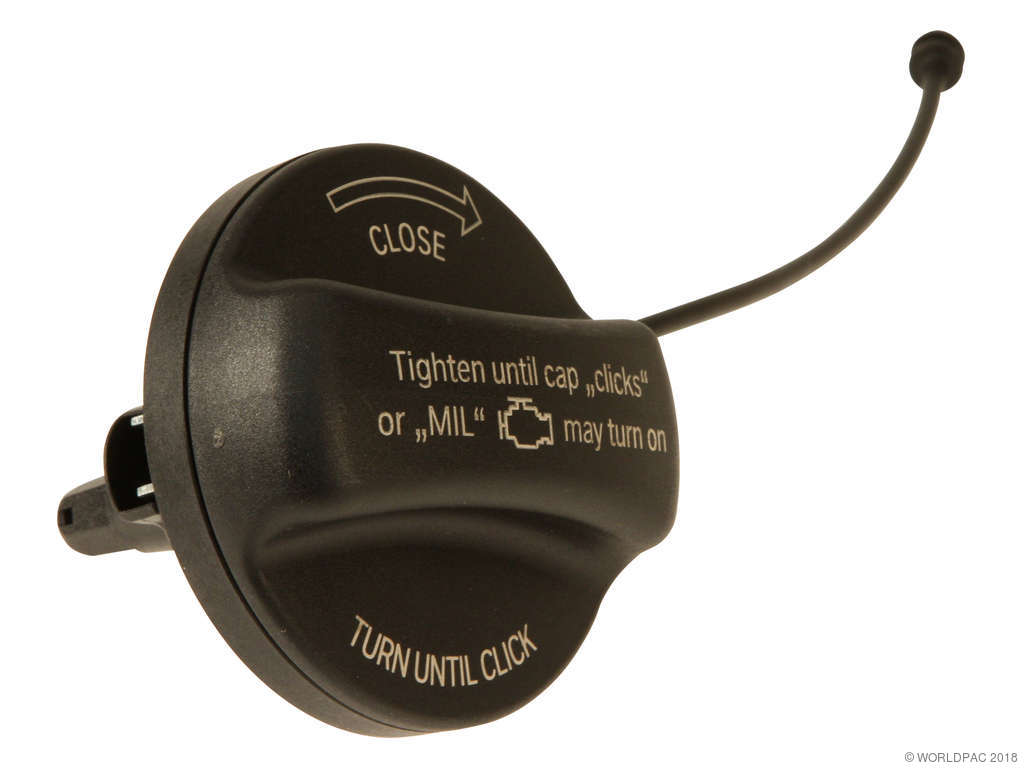
How to confirm: Ensure the gas cap is tightened until it clicks. Inspect the cap's rubber seal for cracks, tears, or signs of aging. A damaged seal will not allow the system to hold pressure. A loose cap can trigger EVAP codes, though P1440 on this platform strongly points to the valve.
Typical fix: Tighten or replace the gas cap. It is recommended to use an OEM part to ensure a proper seal.
Est. part cost: $25-$40
Rare But Worth Checking
- Cracked EVAP Hose: While less common than the valve itself, the plastic and rubber hoses connected to the EVAP system can become brittle over time and crack, creating a vacuum leak. The plastic connectors on the hoses to the breather valve can also break during replacement.
- Faulty Diagnostic Module Tank Leakage (DMTL) Pump: The DMTL pump tests the EVAP system for leaks. While a failure here can cause EVAP codes, it is a much less common culprit for P1440 on the F48 X1 compared to the breather valve. This was a more common issue on older BMW models.
- Clogged Charcoal Canister: → Shop Vapor Canister In rare cases, a failing purge valve can lead to a saturated or clogged charcoal canister, which may cause recurring EVAP codes even after the valve is replaced.
Diagnosis Steps

- Check for BMW Extended Warranty SI B01 02 24. Contact a BMW dealer with your VIN to see if your vehicle is covered for a free replacement of the Fuel Tank Breather Valve. This is the most important first step.
- Listen for Symptoms: With the engine running, listen for a loud, rhythmic clicking noise from the top of the engine cover. This is a classic sign of a failing breather valve.
- Inspect the Gas Cap: Remove the gas cap and inspect its seal for any cracks, stiffness, or damage. Ensure it is tightened properly (at least one click). While a less likely cause, it is simple to check.
- Scan for Other Codes: Check for accompanying codes like P0171 (lean), P0440 (general EVAP), or especially 190F08/191C02, which strengthen the diagnosis of a failed breather valve.
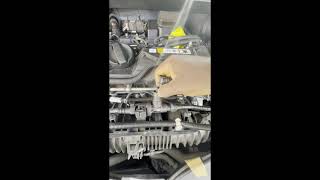
- Visual Inspection/Replacement of Breather Valve: The valve is the most likely cause. It is located directly on top of the engine and is simple to replace. It has two hoses with quick-connect fittings and one electrical connector. The entire job can often be done in under 15 minutes. 🎬 See this quick 2017 BMW X1 purge valve install guide
- Smoke Test: If a new breather valve and gas cap do not resolve the issue, a smoke test is the next step. This involves filling the EVAP system with smoke under low pressure to visually identify any leaks from cracked hoses or other components.
Parts You'll Likely Need
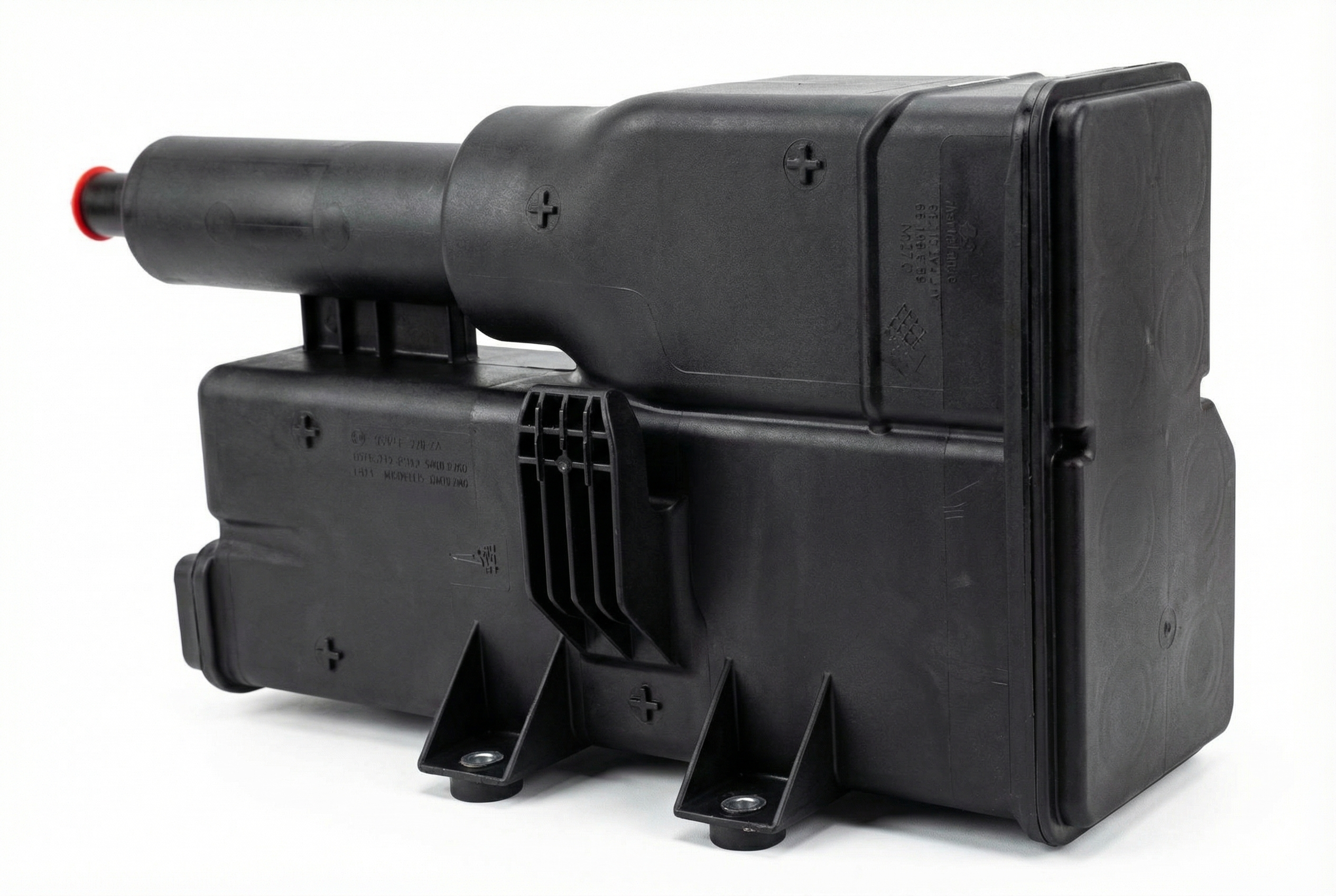
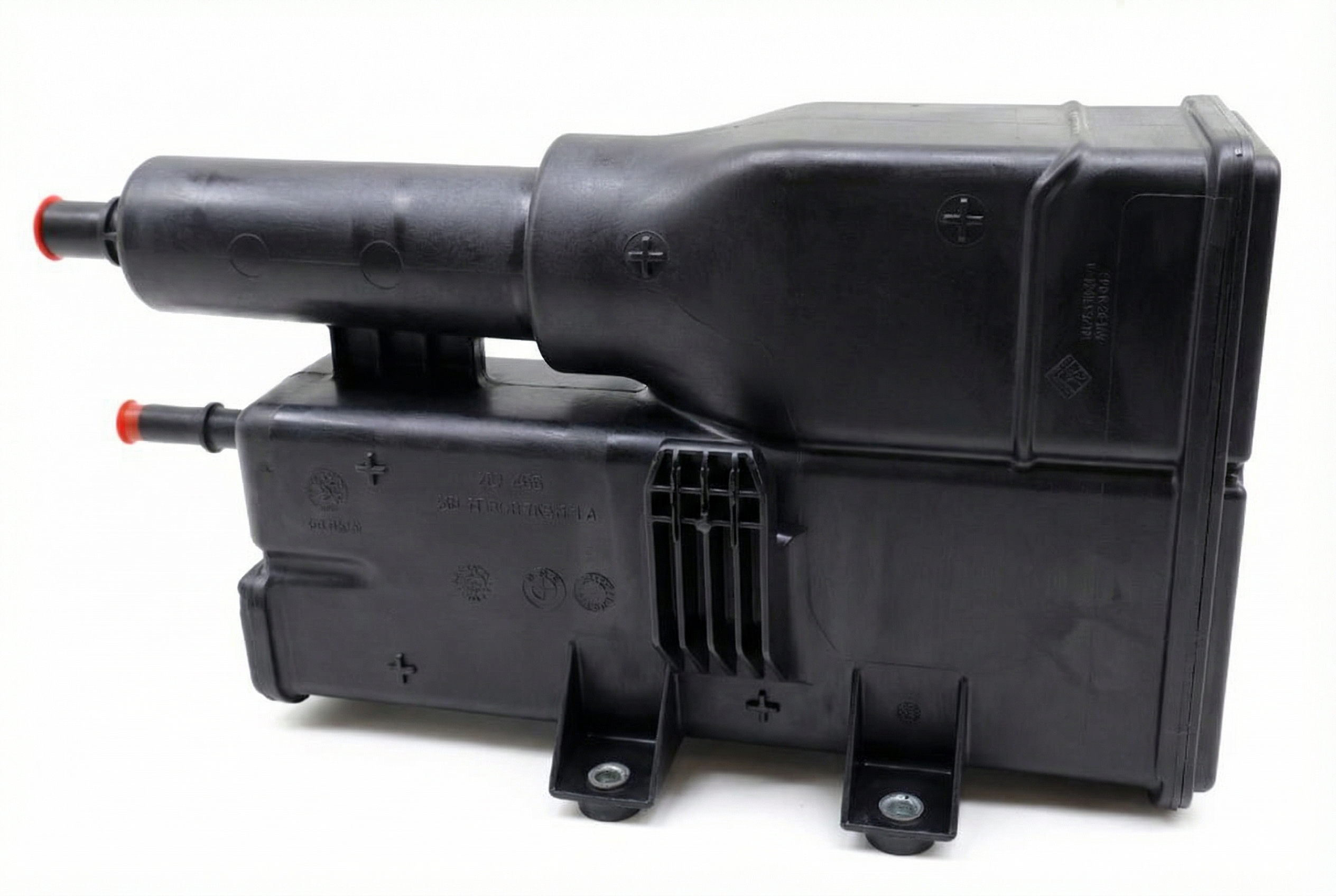
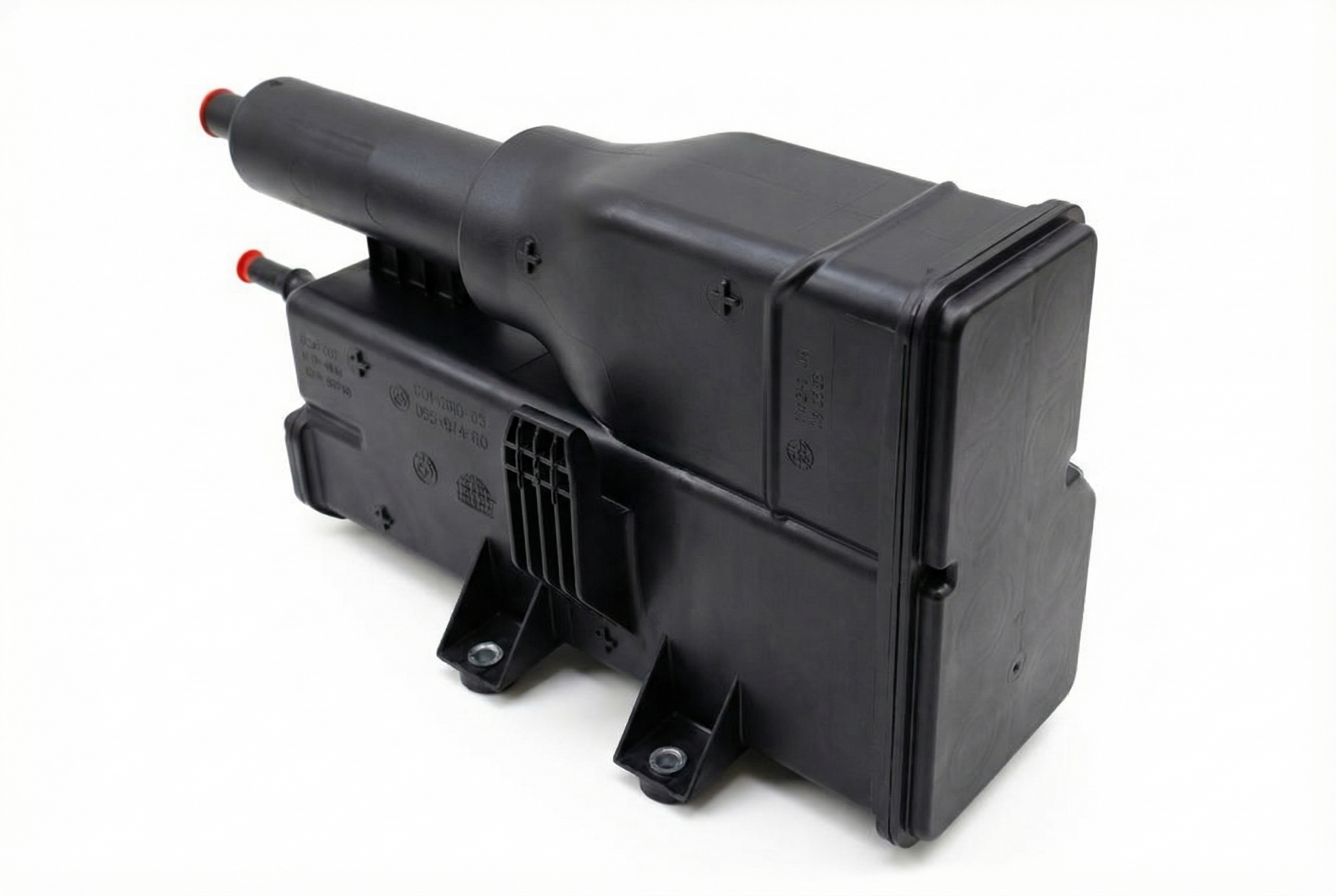
- Fuel Tank Breather Valve (Purge Valve)
(OEM #13907643106)— This is the primary failure point for EVAP system issues on the B48 engine, responsible for the vast majority of P1440 codes and related symptoms. It supersedes part number 13907645860.
Trusted brands: Genuine BMW, Bosch (OEM)
OEM price range: $90-$120
Aftermarket price range: $70-$100
Related Codes That Often Appear With This One
- P0171 — System Too Lean. A stuck-open breather valve creates a vacuum leak, allowing unmetered air into the intake manifold, which the engine computer interprets as a lean condition.
- P0440 — Evaporative Emission Control System. This is a generic code indicating a general EVAP system fault, often triggered by the same conditions that set P1440.
- P0507 — Idle Air Control System RPM Higher Than Expected. The vacuum leak from the faulty valve can cause the engine idle to become unstable and rise.
- 190F08 / 191C02 — BMW-specific codes for 'Tank Ventilation System: Malfunction'. These are the manufacturer's internal codes that directly point to a fault in the purge valve circuit or function.
Technical Service Bulletins (TSBs) & Recalls

- SI B01 02 24: Extends the warranty on the EVAP system purge (vent) valve to 15 years/150,000 miles due to potential material and operational issues causing rough running and fault codes.
- SI B01 04 19: An earlier version of the extended warranty, which was updated and expanded by SI B01 02 24, covering the same purge valve on B46 engines.
Platform-Specific Known Issues
- BMW has issued an Extended Limited Warranty (SI B01 02 24) for the EVAP system's purge (vent) valve to 15 years/150,000 miles for the F48 X1, among other models. Owners experiencing symptoms should check with a dealer for potential free repair.
- The ride quality, especially on models with run-flat tires, is often criticized by owners as being overly stiff and bumpy, transmitting every road imperfection into the cabin.
- Premature wear on front lower control arm bushings is a known issue, leading to clunking noises, steering wander, and alignment problems.
Mechanic-Grade Diagnostic Values
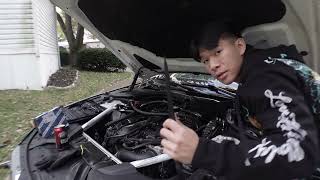
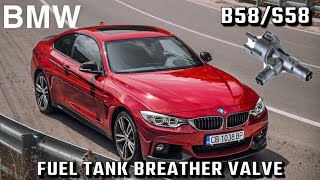
- Fuel Tank Breather Valve Solenoid Resistance — expected: 27 - 29 Ohms. 🎬 Watch: In-depth B48 fuel tank breather valve tutorial Failure: A significantly higher reading (e.g., 190+ Ohms) or an open circuit indicates a failed solenoid coil.
- Manual Valve Leak Test — expected: Valve should hold a vacuum and not allow air to pass when not energized.. Failure: If you can suck air through the valve from the intake side, the internal diaphragm has failed and it is creating a vacuum leak.
- ISTA Tank Ventilation System Test — expected: A pressure drop (vacuum) of 12-40 mbar when the DME commands the valve to open.. Failure: Pressure reading stays at zero or atmospheric pressure when the valve is commanded open, indicating a blockage or failed valve.
Hidden / Shadow Codes Worth Checking
- 190F08: Tank ventilation system: malfunction. This is a general fault for the purge system and is the most common code logged alongside P1440 when the breather valve fails. (see via BMW-specific scan tools like ISTA, BimmerLink, or other professional-grade scanners.)
- 191C02: Fuel tank ventilation system, second inlet/discharge point: malfunction. This code points to a problem in the secondary path of the ventilation system. It can be caused by the main valve, but if it persists after valve replacement, it often indicates a blockage or failure in the separate venturi hose connected to the valve. (see via BMW-specific scan tools like ISTA or BimmerLink.)
- 195014: Differential pressure sensor, tank vent valve, signal: fixed/stuck. This code often appears with 190F08 and 191C02, indicating the pressure sensor reading is not changing as expected when the valve is supposed to operate. (see via BMW-specific scan tools like ISTA.)
Scan Tool Commands That Help
- ISTA: Tank Ventilation System Test (ABL - Test Plan) — This is the primary diagnostic function. When a fault like 191C02 is present, ISTA will generate a test plan (ABL) that automatically runs a guided diagnostic, actuating the valve and monitoring pressure sensors to pinpoint the failure.
- ISTA: Delete engine adaptation values (Reset Adaptations) — This is a CRITICAL step after replacing the Fuel Tank Breather Valve. The DME learns and compensates for the old, failing valve. If adaptations are not reset, the DME may continue to operate with incorrect fuel trim and valve control parameters, causing the fault code to return even with a new part.
Wiring & Ground Locations
- Fuel Tank Breather Valve Connector — Directly on the valve, located on top of the B48 engine cover. It is a 2-pin oval-shaped connector.. This is the power and signal connection for the valve. The valve receives a 12V supply and is ground-side controlled (pulse-width modulated) by the DME. A damaged connector or wiring here will cause a fault.
- Engine Ground Strap — On the F48 X1 and similar platforms, a primary engine-to-chassis ground strap is typically located on the driver's side, running from an engine mount bracket to the vehicle's frame/unibody.. While not a direct cause of P1440, a corroded or broken main engine ground strap can cause a wide range of seemingly unrelated electrical issues, including erratic sensor readings and DME problems. It is a common wear item in areas with road salt and is worth inspecting for any electrical fault diagnosis.
Real Owner Repair Stories
- Bimmerpost user 'darkfires102' (BMW 340i (B58 engine, which uses the same valve and system logic)) — Annoying 190F08 code and Check Engine Light. The original valve was making a horrible knocking noise.
❌ Tried (didn't work) Replaced the Fuel Tank Breather Valve (P/N 13907643106). The code and CEL remained.
✅ What actually fixed it Using ISTA-D to reset the mixture adaptations. The user noted that this was the last step in the official service plan, and failing to do it caused the permanent error to remain. - Bimmerpost user 'hollovoid7' (BMW F3x with B48/N20 series engine) — Codes 191C02, 190F08, 195014, and P0440.
❌ Tried (didn't work) Replacing the gas cap., Replacing the Fuel Tank Breather Valve (this fixed 190F08 and 195014, but 191C02 persisted)., Blowing compressed air through the venturi line (it seemed clear).
✅ What actually fixed it Replacing the separate Venturi hose that connects to the tank vent valve line (related to the 'second inlet point'). This finally cleared the persistent 191C02 code.
"I Checked Everything" — The Actual Cause
- In cases where the BMW-specific code 191C02 ('second inlet point: malfunction') is present, a smoke test may show no leaks, but the code persists even after replacing the main purge valve. The actual cause is often not a leak but a blockage or malfunction within the small venturi hose assembly connected to the main purge line. The DME detects this when it fails to see an expected pressure change via the differential pressure sensor during the purge cycle.
OEM Part Supersession History
13907645860→13907643106— Part revision and improvement by the manufacturer.N/A→13907614013— This is another valid OEM part number for the F48 X1 platform, likely from a different production period or supplier. Always verify with VIN.
Heads up: While both 13907643106 and 13907614013 are listed for the F48, it is critical to check compatibility against the vehicle's VIN in a parts catalog like ETK or Realoem before ordering.
Diagnostic Flowchart
Other Known Issues on This Vehicle
Issues unrelated to this code that are worth knowing about as an owner of this generation:
- Coolant System Leaks 🟠 Medium — Becomes common between 40,000-80,000 miles. Leaks often originate from the plastic thermostat housing, water pump, or a brittle cylinder head ventilation line. (Ref: A service bulletin exists for the cylinder head ventilation hose on some B48 models.)
- Front Lower Control Arm Bushing Failure 🟠 Medium — Can occur as early as 50,000-60,000 miles (90,000 km). Symptoms include clunking noises over bumps, vague steering, and uneven tire wear.
- Carbon Buildup on Intake Valves 🟡 Low — A long-term issue common to all direct-injection engines. Typically requires cleaning (e.g., walnut blasting) every 60,000-80,000 miles to prevent rough idle and performance loss.
- Cracked Oil Filter Housing 🟠 Medium — The plastic oil filter housing can develop cracks at higher mileage (50,000-100,000 miles), leading to significant oil or coolant leaks.
- Premature Brake Wear 🟡 Low — Owners frequently report faster-than-average wear on brake pads and rotors, sometimes requiring replacement as early as 20,000-30,000 miles.
Used vs. New Parts: Buying Guide for This Vehicle
When a used part is the smart pick: For this specific repair, a used Fuel Tank Breather Valve is NEVER recommended. The part contains a rubber diaphragm that degrades with time and heat cycles, and it is a known high-failure component. The low cost of a new, warrantied part makes a used one a poor economic choice.
What to inspect on the donor part:
- Not applicable, do not purchase this part used.
OEM-only on this vehicle (don't cheap out):
- While a 'Genuine BMW' part is not required, it is strongly recommended to use the part from the Original Equipment Manufacturer (OEM).
Aftermarket brands forum-validated for this vehicle:
- Bosch: Bosch is the OEM supplier to BMW for this valve. Purchasing the Bosch-branded part is identical to the Genuine BMW part, often at a lower cost.
Brands owners have reported issues with on this vehicle:
- Unbranded 'white box' parts from online marketplaces. While a specific bad brand is not consistently reported, forum wisdom suggests avoiding the cheapest options as they often have high premature failure rates, leading to repeated repairs.
Real Owner Stories
Aggregated from forums and TSBs cited above. Mileages and costs reflect what owners reported in those sources.
2016-2022 BMW X1 (F48) B48
Symptoms: Owner experienced a Check Engine Light with codes P0440 and P0171. Investigation revealed a torn diaphragm in the tank venting valve.
What fixed it: Replacement of the tank venting valve.
Source hint: Bimmerpost (x1-forums) thread titled 'Another issue (yay!) P0440, P0171, and...'
BMW B48 Engine Platform
Symptoms: Owner reported a 190F08 Tank vent valve fault, which led to difficulty refueling the vehicle and a persistent CEL.
What fixed it: Replacement of the tank vent valve (part #13907643106).
Source hint: Bimmerpost (f30.bimmerpost.com) thread titled '190F08 Tank vent valve'
2016-2022 BMW X1 (F48) B48
Symptoms: Vehicle exhibited multiple misfire codes; a technician identified the fuel tank vent valve as the most common source of the vacuum leak causing the issue.
What fixed it: Replacement of the fuel tank vent valve.
Source hint: Reddit (r/BmwTech) thread discussing F48 X1 vacuum leaks
Related OBD-II Codes
Frequently Asked Questions
Is there an extended warranty for the fuel tank breather valve on my BMW X1?
Why does my X1 struggle to start or stall specifically after I fill up the gas tank?
I hear a loud clicking noise coming from the top of my B48 engine. Is this related to code P1440?
Can I use a used breather valve from a salvage yard to save money?
Is the P1440 code related to the clunking noise I hear in my front suspension?
How long does it take to replace the fuel tank breather valve on the X1?
Helpful Videos
Used OEM Parts in Stock
New Aftermarket Parts Available


The information in this article is provided for general reference and educational purposes only. Vehicle specifications, procedures, and part compatibility can vary by production date, trim level, and region. Always consult your vehicle's factory service manual and verify part numbers before purchasing or performing repairs. Safety-critical components such as airbags, seat belts, and braking systems should be installed by a qualified professional.
- BMW X1:
- 🧭 Diagnostic Flowchart
- 🎬 Helpful Videos
- 🛍️ Shop This Part
- What's Unique About the 2015-2022 BMW X1
- Symptoms You May Notice
- Most Likely Causes
- Rare But Worth Checking
- Diagnosis Steps
- Parts You'll Likely Need
- Related Codes That Often Appear With This One
- Technical Service Bulletins (TSBs) & Recalls
- Platform-Specific Known Issues
- Mechanic-Grade Diagnostic Values
- Hidden / Shadow Codes Worth Checking
- Scan Tool Commands That Help
- Wiring & Ground Locations
- Real Owner Repair Stories
- "I Checked Everything" — The Actual Cause
- OEM Part Supersession History
- Other Known Issues on This Vehicle
- Used vs. New Parts: Buying Guide for This Vehicle
- Real Owner Stories
- 2016-2022 BMW X1 (F48) B48
- BMW B48 Engine Platform
- 2016-2022 BMW X1 (F48) B48
- Related OBD-II Codes
- Frequently Asked Questions
- 🎟️ Get 5% Off