

P1440 on 2008-2012 Ford Kuga: EVAP System Fault Causes and Fixes
On a 2008-2012 Ford Kuga with the 2.5L Turbo petrol engine, code P1440 is almost always caused by a faulty canister purge valve that is stuck open. The most telling symptom is difficulty starting or stalling right after refueling. Replacing the purge valve is the most common fix, with the part costing around $30-$80.
- P1440 on a petrol Ford Kuga almost always points to a faulty canister purge valve.
- The most reliable symptom is the engine struggling to start immediately after filling the tank.
- The 2.5T engine is shared with several Ford and Volvo models, making their forums and parts catalogs a valuable resource.
- The repair is straightforward and can typically be done by a DIYer with basic tools.
What's Unique About the 2008-2012 Ford Kuga
The first-generation Ford Kuga with the 2.5L Turbo engine shares its C1 platform and this specific Volvo-derived 5-cylinder engine with the Ford Focus ST, Ford Mondeo, and Volvo models like the C30, S40, and V50. On all these vehicles, the canister purge valve is a known common failure item. While the code definition is general, the real-world cause on this platform is almost always the purge valve sticking open. This specific failure creates a highly recognizable symptom: the engine struggles to start immediately after you put gas in the tank, which is a key clue for diagnosis.
Symptoms You May Notice
- Difficulty starting, sputtering, or stalling immediately after refueling
- Check Engine Light is on
- Rough idle, especially after filling the fuel tank
- Slight decrease in fuel economy
- Possible fuel smell
- Replacing the fuel pump. While a faulty fuel pump can cause starting issues, it typically won't be isolated to only occurring immediately after refueling.
- Replacing oxygen (O2) sensors. A stuck purge valve can cause rich or lean running conditions that may trigger other codes, but the O2 sensors are usually reporting the problem, not causing it.
Most Likely Causes
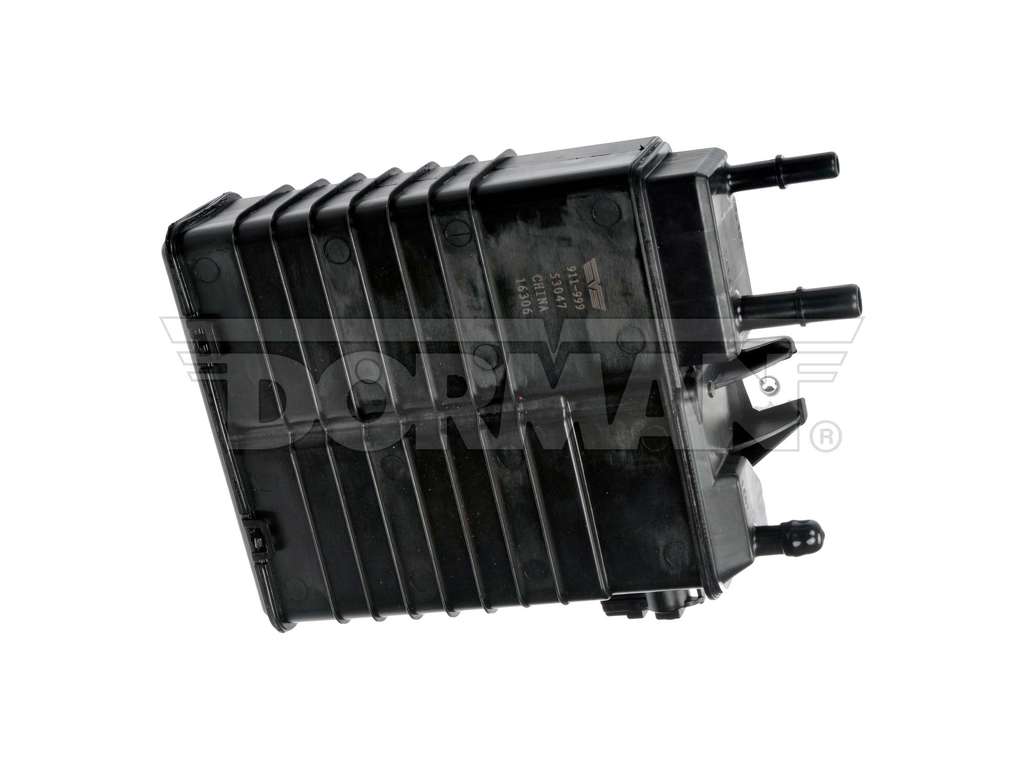
- Faulty Canister Purge Valve (Stuck Open) 🔴 High Probability → Shop Vapor Canister This is a very common wear-and-tear component on this Ford/Volvo 2.5T engine platform. The valve's internal diaphragm or solenoid fails, causing it to remain open and create a constant vacuum leak of fuel vapors into the intake manifold.
How to confirm: The strongest indicator is the engine struggling to start right after refueling. For a definitive test, disconnect the valve's outlet hose (leading to the intake manifold). With the engine running, there should be no vacuum felt at the valve's port. If you feel suction, the valve is stuck open and must be replaced.
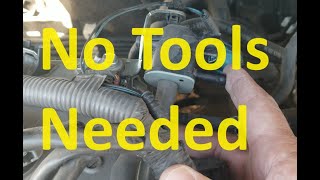
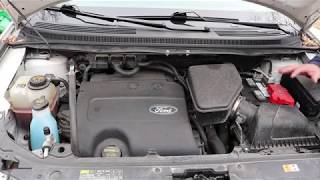
Typical fix: Replace the canister purge valve. It is often recommended to replace the associated hoses if they appear brittle or cracked. 🎬 See this walkthrough on how to replace the purge valve The part is typically located on or near the intake manifold.
Est. part cost: $30 - $80 - Leaking or Damaged EVAP Hoses 🟡 Medium Probability Over time, the plastic and rubber hoses in the engine bay can become brittle from heat cycles and age, leading to cracks and vacuum leaks. This is especially true for connections near the hot engine.
How to confirm: Visually inspect all accessible EVAP system hoses between the charcoal canister, purge valve, and intake manifold for cracks, splits, or loose connections. A mechanic would use a smoke machine to feed low-pressure smoke into the EVAP system to easily spot leaks.
Typical fix: Replace the specific section of hose that is found to be leaking.
Est. part cost: $10 - $50 - Loose or Faulty Gas Cap ⚪ Low Probability → Shop Fuel Tank Cap While many Kuga models use a capless system, those with a traditional cap can experience this issue. The cap's seal can degrade over time, preventing the system from sealing properly. A loose cap is a common cause for many EVAP codes.
How to confirm: Ensure the gas cap is tightened until it clicks. Inspect the rubber O-ring on the cap for cracks or damage. If the vehicle has a capless filler neck, check the internal flap for debris preventing a proper seal.
Typical fix: Replace the gas cap with a new OEM part to ensure a proper seal. Aftermarket caps can sometimes cause sealing issues.
Est. part cost: $15 - $35
Rare But Worth Checking
- Faulty EVAP Canister Vent Solenoid: → Shop Vapor Canister This valve, typically located near the charcoal canister under the car, can also stick open or closed. It's less common than the purge valve failure but can cause similar EVAP system codes.
- Saturated Charcoal Canister: → Shop Vapor Canister If the canister becomes saturated with liquid fuel (often from habitually overfilling the gas tank), it can restrict vapor flow and trigger various EVAP codes.
Diagnosis Steps
- Scan the vehicle's computer to confirm P1440 is the primary code stored.
- Confirm the symptoms. Note if the engine is difficult to start specifically after refueling. If so, the purge valve is the prime suspect.
- Inspect the fuel filler area. If you have a gas cap, check that it's tight and the seal is intact. If you have a capless system, check for debris around the flap.
- Locate the canister purge valve in the engine bay. On the 2.5T engine, it is typically mounted near the intake manifold.
- Visually inspect the EVAP hoses connected to the purge valve and running to the intake manifold for any obvious cracks, brittleness, or disconnections.
- Perform a functional test of the purge valve. Disconnect the electrical connector and the vacuum line running from the valve to the intake manifold. Start the engine. Place your finger over the valve's outlet port; there should be NO suction. If vacuum is present, the valve is stuck open and is faulty.
- If the purge valve tests good, the next step is a professional smoke test to find potential hairline cracks or leaks in other parts of the EVAP system.
Parts You'll Likely Need
- Vapor Canister Purge Valve / Solenoid
(OEM #Volvo P/N: 8653909)— This is the most frequent point of failure for code P1440 on this platform, directly causing the symptom of hard starting after refueling. As the engine is Volvo-sourced, the Volvo part number is often used for cross-reference.
Trusted brands: Motorcraft, Bosch, Delphi, Genuine Volvo
OEM price range: $50 - $90
Aftermarket price range: $30 - $60
Related Codes That Often Appear With This One
- P1450 — This code means 'Unable to Bleed Up Fuel Tank Vacuum' and is very closely related. It's often triggered by the exact same failure: a stuck-open canister purge valve.
- P0456 — Indicates a 'very small leak' in the EVAP system. A purge valve that isn't sealing perfectly can be interpreted by the PCM as a small leak.
- P0171 / P0172 — These codes indicate a lean (P0171) or rich (P0172) fuel mixture. A stuck-open purge valve allows un-metered fuel vapor into the engine, disrupting the air-fuel ratio and potentially triggering one of these codes.
Platform-Specific Known Issues
- Engine Sourced from Volvo: The 2.5L Turbo engine in the Mk1 Kuga is a Volvo-designed 5-cylinder engine. This means that many engine-related parts, including the purge valve, are shared with Volvo models from the same era (C30, S40, V50 T5). When searching for parts or repair information, it is often helpful to include these Volvo models in your search.
Mechanic-Grade Diagnostic Values
- Vapor Canister Purge Valve Solenoid Resistance — expected: Approximately 15 to 30 Ohms. A Volvo-specific video showed a reading of 21.3 Ohms on a similar valve.. Failure: A reading of 0 Ohms (short circuit), infinite resistance (OL - open circuit), or a value significantly outside the expected range indicates a faulty solenoid coil.
- Voltage at Purge Valve Connector (Key On, Engine Off) — expected: One pin should show battery voltage (approx. 12V). The other pin is the control, which is grounded by the PCM.. Failure: No voltage indicates a problem with the power supply circuit, potentially a blown fuse (check fuse F11 in the engine compartment fuse box).
- Fuel Tank Pressure (FTP) Sensor Voltage (Key On, Engine Off, via Scan Tool) — expected: Approximately 2.6V to 2.65V when the system is vented to the atmosphere.. Failure: A significantly lower voltage at startup could indicate a pre-existing vacuum, possibly from a stuck-open purge valve from the previous drive cycle.
Hidden / Shadow Codes Worth Checking
- Mode $06, Test ID $81 (or similar): This is not a DTC, but a non-continuous monitor test result for the EVAP system. A scan tool that can read Mode 6 data can show the raw test values for system leak checks. If the measured value is very close to the maximum limit, it indicates the system is borderline failing and may set a code like P1440 soon, even if it passes the test at that moment. (see via A scan tool capable of reading Mode $06 data, such as FORScan or the Ford IDS.)
Scan Tool Commands That Help
- Ford IDS (or equivalent professional scanner): Vapor Management Valve (VMV) / Canister Purge Valve Duty Cycle Control — This bidirectional control allows a technician to command the purge valve open and closed while monitoring fuel tank pressure and short-term fuel trims. When commanding the valve open, fuel tank pressure should drop and short-term fuel trims should go negative (rich). When commanding it closed, the opposite should occur. This definitively tests the valve's electronic and mechanical function.
Wiring & Ground Locations
- C902 — The electrical connector for the Evaporative Emission Canister Purge Valve itself.. This is the primary connection to test for power and control signals. A 2011 Kuga wiring diagram shows this connector in section 303-13.
- Fuse F11 (Engine Compartment Fuse Box) — Located in the fuse box in the engine compartment.. On the related Ford S-Max platform, a 10A fuse at position F11 powers the purge valve. A blown fuse here would result in no power at the valve connector.
- PCM Ground (e.g., G105) — PCM grounds are typically located on the body or cylinder head near the PCM itself. For example, on a similar-era Focus, a key PCM ground (G105) is on the cylinder head.. The PCM controls the purge valve by switching its ground path. A poor PCM ground can cause a wide range of erratic electronic issues, including incorrect operation of emission components. A voltage drop test on the PCM ground pins is a critical step if direct valve testing is inconclusive.
Real Owner Repair Stories
- YouTube channel 'Wilkinson Family Farms' (2017 Buick Enclave (demonstrates identical symptom and fix)) — Difficulty starting after filling up with fuel.
✅ What actually fixed it The canister purge valve was stuck open. The fix was confirmed by starting the car with the EVAP line disconnected from the valve and feeling for vacuum (a piece of paper was held to the inlet by suction). Replacing the valve resolved the issue. - YouTube channel 'DLM Garage' (Ford Focus (demonstrates identical symptom and fix)) — Crank no-start condition specifically after refueling.
✅ What actually fixed it The video explains that a stuck-open EVAP purge valve allows excess fuel vapor into the intake manifold, creating a flooded condition. The immediate workaround is to hold the throttle wide open while cranking to clear the excess fuel. The permanent fix shown is replacing the purge valve.
"I Checked Everything" — The Actual Cause
- A standard EVAP smoke test may show no leaks even with a P1440 code present. This is because the most common failure, a stuck-open purge valve, creates an internal leak from the EVAP system directly into the engine's intake manifold. This is not a leak to the atmosphere that a smoke machine is designed to reveal. The correct diagnostic step is not a smoke test first, but rather checking for engine vacuum being pulled through the purge valve when it is commanded closed (or disconnected electrically).
OEM Part Supersession History
8653642→8653909— Standard part revision and update by Volvo.
Diagnostic Flowchart
Other Known Issues on This Vehicle
Issues unrelated to this code that are worth knowing about as an owner of this generation:
- Powershift Transmission Failures (Diesel Models) 🔴 High — Common on pre-2016 2.0 TDCi models, with failures sometimes occurring before 100,000 km. Issues include clutch slippage, TCM failure, and broken internal plastic components.
- Haldex AWD System Failure 🟠 Medium — The pump and filter for the Haldex clutch can become clogged with sludge, leading to 'AWD Malfunction' warnings and loss of rear-wheel drive. Ford considers it 'non-serviceable', but specialists recommend oil/filter changes every 40,000-50,000 miles to prevent failure.
- Tailgate and Door Rust 🟡 Low — Corrosion can appear on the lower inside seams of the doors and around the tailgate handle/seams. This is sometimes due to inadequate sealant from the factory. (Ref: While no specific recall, TSBs for similar rust issues on other Ford models exist, and warranty claims may be possible if bodywork inspection records are complete.)
- Diesel Particulate Filter (DPF) Blockage 🟠 Medium — Common on 2.0 TDCi diesel models, especially those used primarily for short journeys. Failure to complete regeneration cycles leads to blockage, limp mode, and potential need for forced regeneration or replacement.
Used vs. New Parts: Buying Guide for This Vehicle
When a used part is the smart pick: For this specific repair, a used part is NOT recommended. The canister purge valve is a known high-failure-rate component with a relatively low cost for a new part. The labor to replace it is minimal, but the risk of getting a used part that has failed or is near the end of its life is high.
What to inspect on the donor part:
- Not applicable as a used part is not advised.
OEM-only on this vehicle (don't cheap out):
- While not strictly 'OEM-only', using a Genuine Volvo/Ford Motorcraft part or a reputable OEM supplier like Bosch is highly recommended over no-name online parts to ensure longevity and proper operation.
Aftermarket brands forum-validated for this vehicle:
- Bosch
- Delphi
- Standard Motor Products (SMP)
Brands owners have reported issues with on this vehicle:
- Unbranded, low-cost parts from online marketplaces should be avoided as their internal components may not meet the required specifications for flow and durability, leading to a repeat failure.
Real Owner Stories
Aggregated from forums and TSBs cited above. Mileages and costs reflect what owners reported in those sources.
2009 Ford Kuga 2.5T
Symptoms: The engine was difficult to start, sputtering and stalling immediately after refueling. A rough idle was also noted specifically after filling the tank.
What fixed it: Replacement of the EVAP canister purge valve located near the intake manifold.
Source hint: kugaownersclub.co.uk
2008 Ford Focus ST (Mk2) 2.5L I5 Turbo
Symptoms: Owner reported hard starting symptoms and the presence of P1440/P1450 codes, which are documented as a common problem for this shared engine platform.
What fixed it: Replacement of the purge valve; owners often use the Volvo-sourced part as a direct replacement.
Source hint: Ford Focus ST Owners (focusstoc.com)
Related OBD-II Codes
Frequently Asked Questions
Why does my Ford Kuga 2.5T struggle to start only after I fill up the gas tank?
Can I use Volvo parts to fix the P1440 code on my Mk1 Kuga?
Is there a specific test I can do at home to check the purge valve on my Kuga?
Does the Kuga's capless fuel system cause P1440?
Are there other common issues I should look out for on a 2008-2012 Kuga while fixing this?
Helpful Videos
Used OEM Parts in Stock
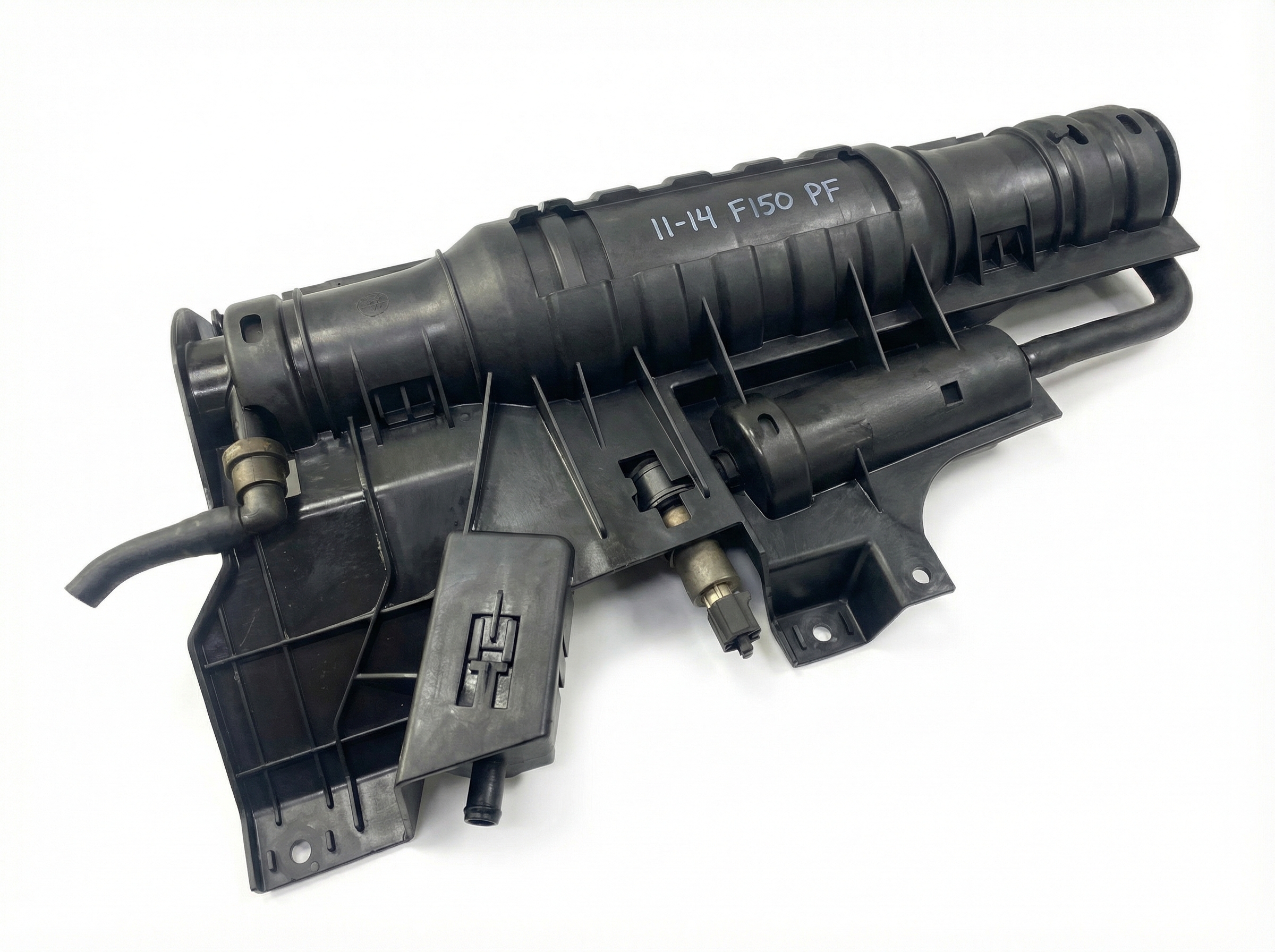
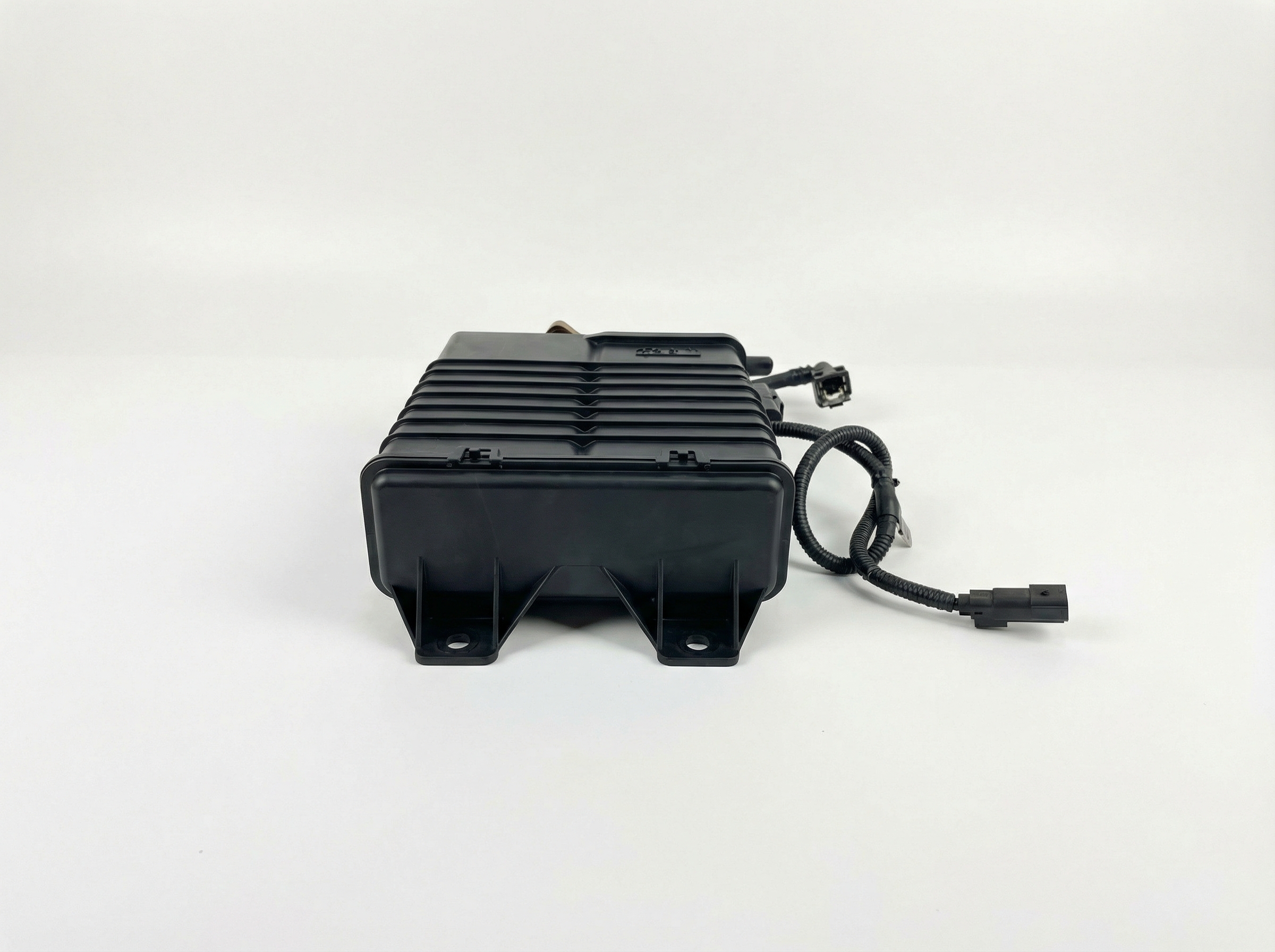

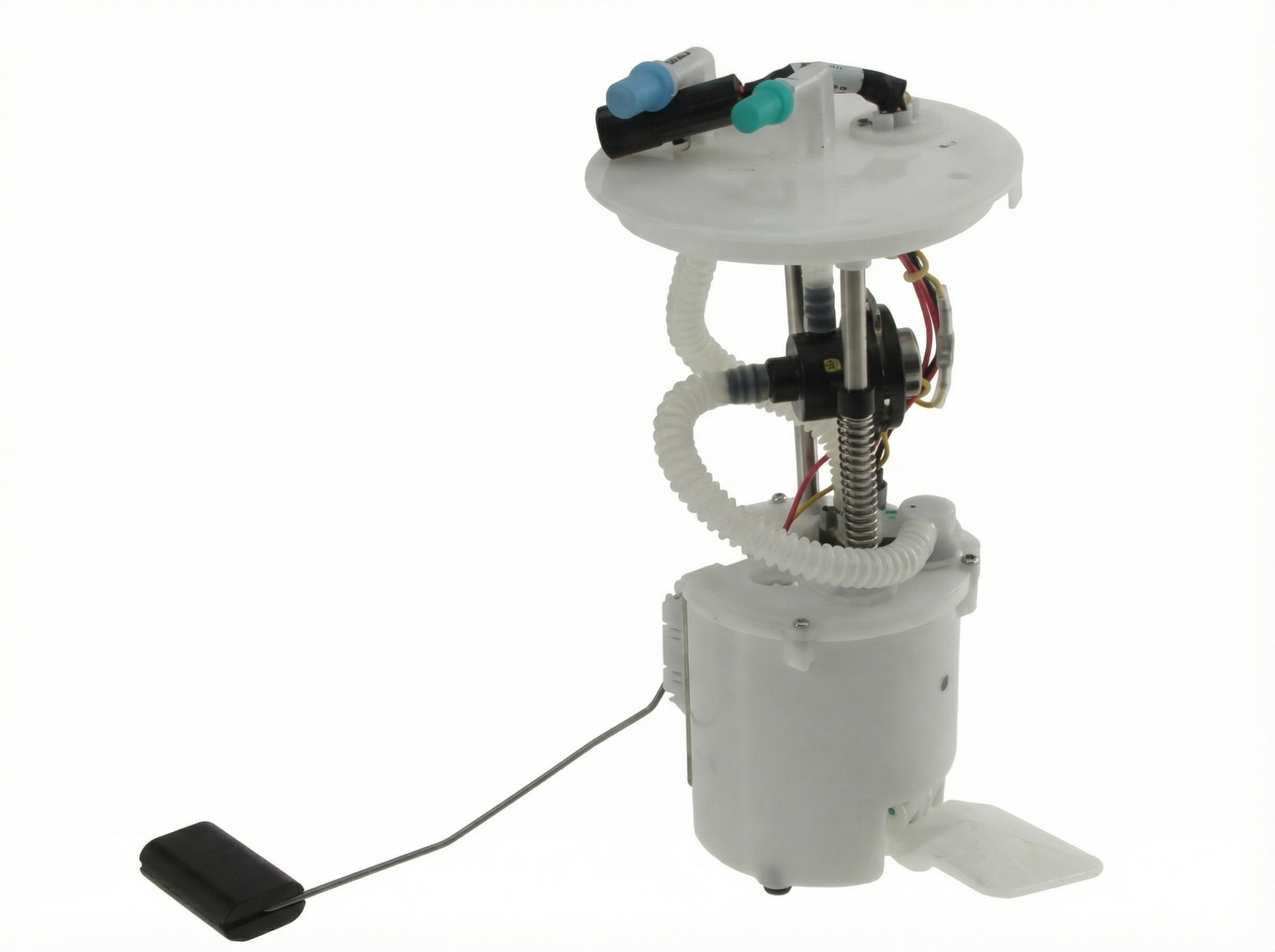
New Aftermarket Parts Available

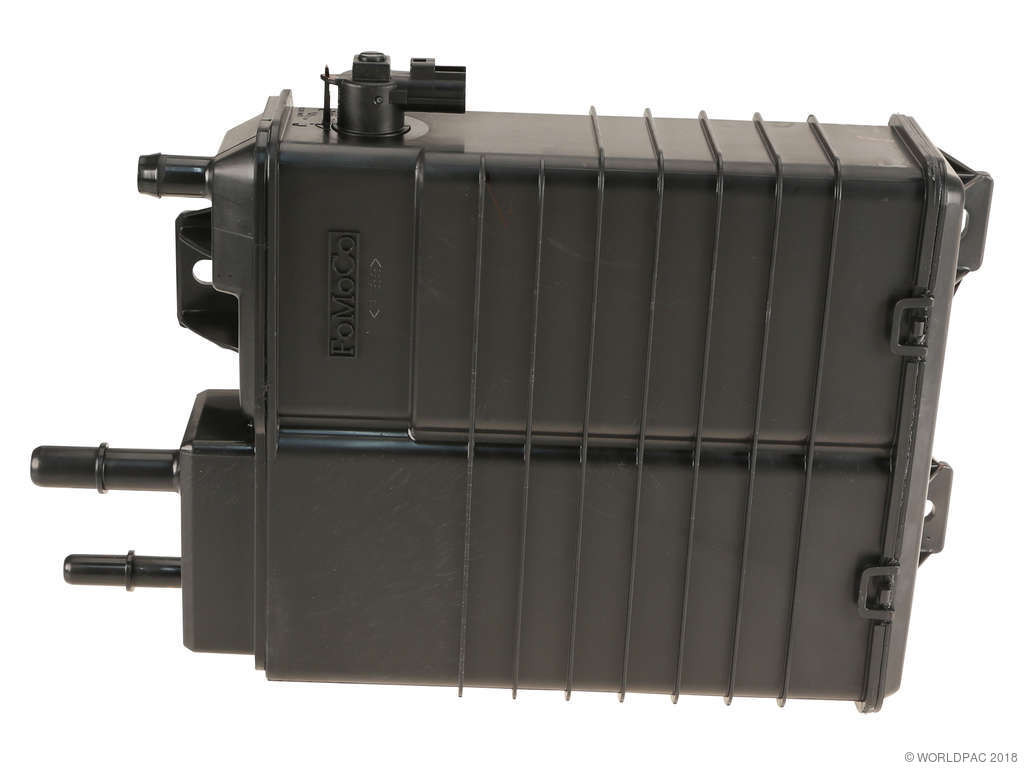

The information in this article is provided for general reference and educational purposes only. Vehicle specifications, procedures, and part compatibility can vary by production date, trim level, and region. Always consult your vehicle's factory service manual and verify part numbers before purchasing or performing repairs. Safety-critical components such as airbags, seat belts, and braking systems should be installed by a qualified professional.
- Ford Kuga:
- 🧭 Diagnostic Flowchart
- 🎬 Helpful Videos
- 🛍️ Shop This Part
- What's Unique About the 2008-2012 Ford Kuga
- Symptoms You May Notice
- Most Likely Causes
- Rare But Worth Checking
- Diagnosis Steps
- Parts You'll Likely Need
- Related Codes That Often Appear With This One
- Platform-Specific Known Issues
- Mechanic-Grade Diagnostic Values
- Hidden / Shadow Codes Worth Checking
- Scan Tool Commands That Help
- Wiring & Ground Locations
- Real Owner Repair Stories
- "I Checked Everything" — The Actual Cause
- OEM Part Supersession History
- Other Known Issues on This Vehicle
- Used vs. New Parts: Buying Guide for This Vehicle
- Real Owner Stories
- 2009 Ford Kuga 2.5T
- 2008 Ford Focus ST (Mk2) 2.5L I5 Turbo
- Related OBD-II Codes
- Frequently Asked Questions
- 🎟️ Get 5% Off