

P1440 on 2012-2017 Mazda CX-5: EVAP Purge Malfunction Causes and Fixes
On a 2012-2017 Mazda CX-5, code P1440 almost always points to a faulty EVAP purge valve solenoid that is stuck open. A key symptom is a rough idle or stalling right after refueling. Replacing the purge valve is a common DIY fix, with the part costing between $40 for an aftermarket replacement and $160 for an OEM part. The OEM part number is PE01-18-740.
- P1440 on a 2012-2017 CX-5 strongly suggests the EVAP purge valve is stuck open.
- The most telling symptom is a rough idle or stalling immediately after getting gas.
- Always check that the gas cap is tight and its seal is intact before buying any parts.
- Replacing the purge valve (OEM Part #PE01-18-740) is a relatively simple DIY job that requires basic tools and is the most likely fix.
- If a new purge valve and gas cap do not solve the issue, a smoke test is the next step to find a leak.
What's Unique About the 2012-2017 Mazda CX-5
For the first-generation Mazda CX-5 with Skyactiv engines, the P1440 code is a very common and straightforward EVAP issue. Unlike some other Mazdas that had issues with spider-web blockages in vent lines, the CX-5's problem is most frequently traced back to a simple component failure: the purge valve solenoid. A very distinct and frequently reported symptom on this platform is the engine running rough, idling erratically, or stalling immediately after filling the gas tank, which strongly suggests the purge valve is stuck open and overwhelming the engine with fuel vapors at idle.
Symptoms You May Notice
- Check Engine Light is on
- Rough idle, stalling, or difficulty starting, especially right after refueling
- Slightly reduced fuel economy
- A faint smell of fuel
- Engine RPMs fluctuating or dipping very low (around 600 RPM) when stopped or in park.
- Replacing the oxygen sensors. While an EVAP leak can affect the air-fuel ratio, the code P1440 points directly to the EVAP system, not the sensors themselves.
- Replacing the EVAP vent valve. While part of the same system, the vent valve (near the tank) is a different component and less likely to be the cause of P1440 than the purge valve (in the engine bay).
Most Likely Causes
- Faulty EVAP Purge Valve Solenoid 🔴 High Probability → Shop Vapor Canister This component cycles frequently and can fail over time, either by getting stuck open from wear or carbon buildup, or through electrical failure. It is the most cited cause for P1440 in owner forums for this vehicle.
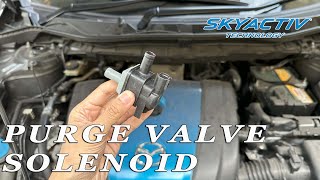
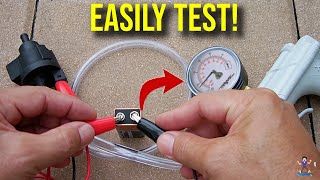
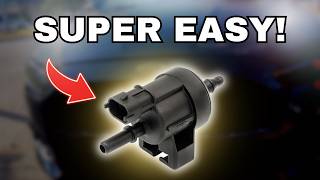
How to confirm: With the engine off, disconnect the purge valve and try to blow through it. If air passes through, the valve is stuck open and has failed. You can also use a scan tool to command the valve open and closed while listening for an audible click. A failing valve may also cause an erratic, low idle. 🎬 Watch: How to replace the purge valve and fix a low idle
Typical fix: Replace the EVAP purge valve solenoid. It is located in the engine bay, mounted near the intake manifold, and is typically held in place by a single bolt and two hoses.
Est. part cost: $40-$160 - Loose or Faulty Gas Cap 🟡 Medium Probability → Shop Fuel Tank Cap The gas cap's rubber O-ring seal can dry out, crack, or degrade over time, preventing the EVAP system from holding a proper seal. It's also common for the cap to simply not be tightened enough after refueling, which can trigger various EVAP codes.
How to confirm: First, ensure the gas cap is tightened until it clicks several times. If the code returns, visually inspect the rubber seal on the cap for any cracks, stiffness, or damage. A loose cap more commonly triggers a P0455 (gross leak) code, but it's a simple and free check.
Typical fix: Replace the gas cap with a new OEM or high-quality aftermarket part. The OEM part number is often KD53-42-250.
Est. part cost: $15-$40 - Damaged or Disconnected EVAP Hoses ⚪ Low Probability The plastic and rubber hoses in the EVAP system can become brittle with age and exposure to engine heat, leading to cracks or loose connections, particularly at the fittings on the purge valve itself.
How to confirm: Visually inspect all accessible EVAP lines between the engine, purge valve, and charcoal canister for any visible cracks, breaks, or disconnections. A smoke test is the most definitive way to find a hard-to-see leak. Mazda outlines this procedure in TSB 01-002/18 for related EVAP codes.
Typical fix: Replace the specific section of the cracked or broken hose.
Est. part cost: $10-$50
Rare But Worth Checking
- Damaged Purge Valve Wiring: → Shop Vapor Canister Rodents can be attracted to the wiring insulation. A user on a CX-5 forum discovered that a mouse had chewed through the wires leading to the purge valve connector, causing this code. It's worth a quick visual check of the two wires leading to the connector, especially if the vehicle is parked outdoors.
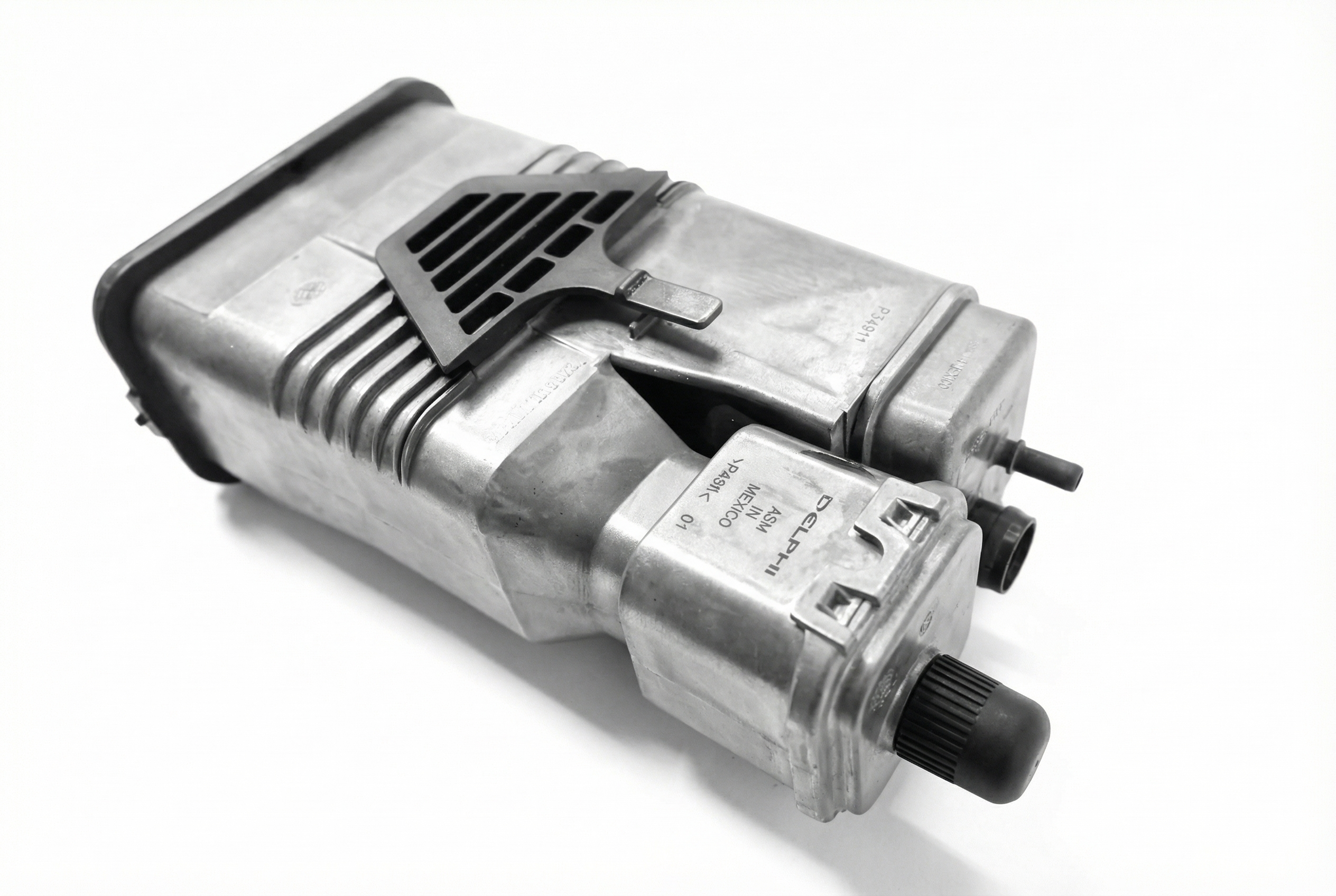
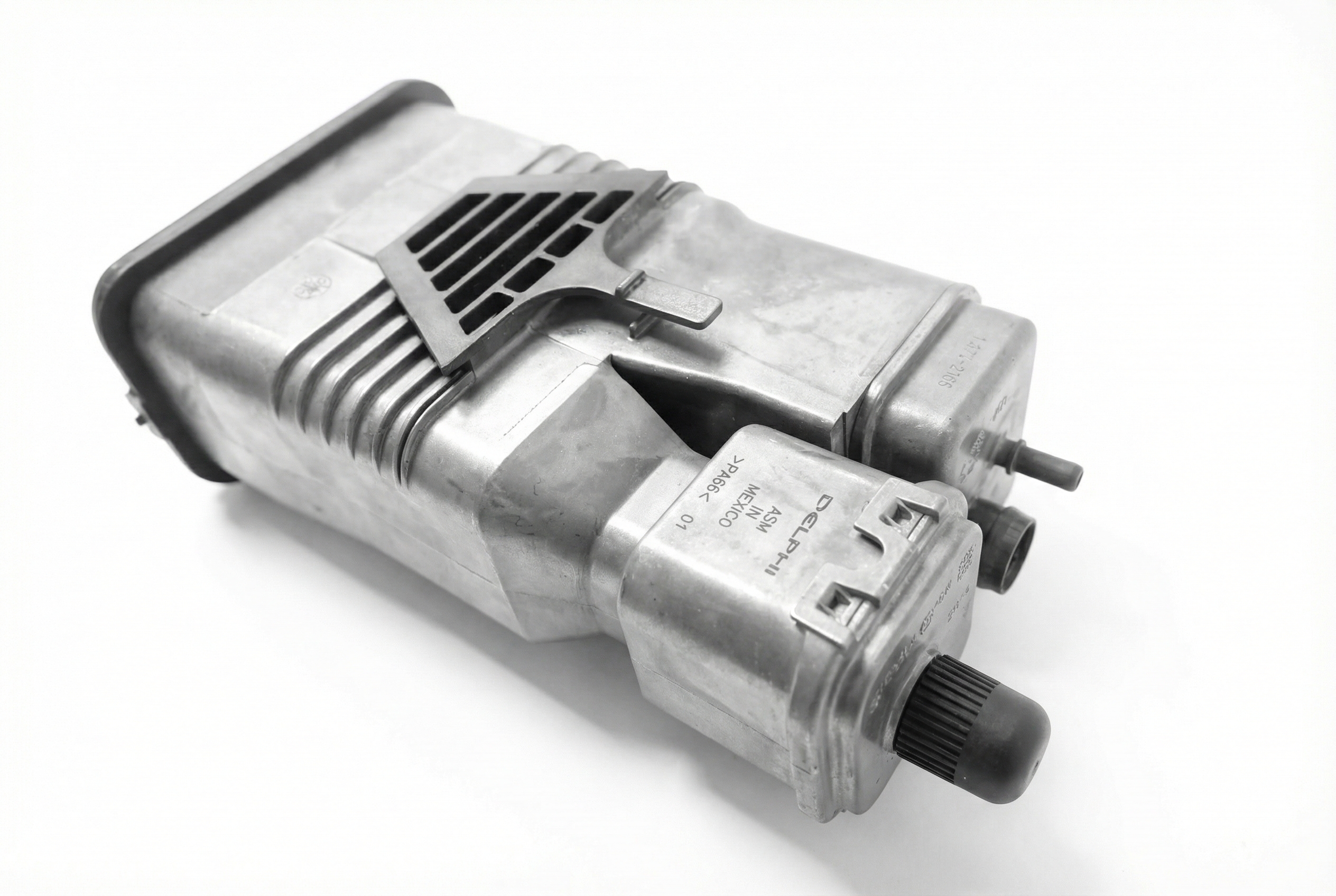
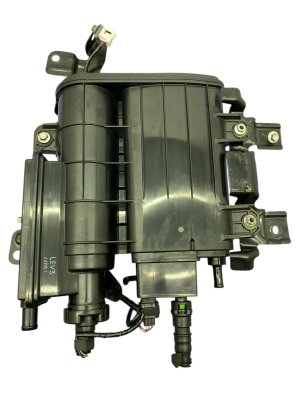
- Saturated or Failed Charcoal Canister: → Shop Vapor Canister Habitually overfilling the fuel tank (i.e., continuing to pump after the nozzle clicks off) can force liquid fuel into the charcoal canister, saturating it with raw fuel and causing it to fail or send fuel slugs to the purge valve.
Diagnosis Steps
- Check the Gas Cap: Ensure it is tight and clicks. Inspect the seal for cracks or damage. Clear the code and drive to see if it returns.
- Inspect the Purge Valve: Locate the purge valve in the engine compartment. On the Skyactiv engines, it's typically mounted to the side of the intake manifold. Check for any visible damage to the valve or its electrical connector and hoses.
- Test the Purge Valve: Disconnect the valve. With the engine off, it should be closed. Try blowing through it; if air passes, it's stuck open and needs replacement. This is the most common failure mode. 🎬 See this step-by-step guide to replacing your purge valve
- Inspect Hoses and Wiring: Visually check all accessible EVAP hoses for cracks, especially at connection points. Check the wiring to the purge valve for any signs of damage, such as from chafing or rodents.
- Perform a Smoke Test: If the cause is not obvious, a smoke test is the most effective method to find leaks in the EVAP system. This involves injecting smoke into the system and looking for where it escapes. This is a professional-level step but is the definitive way to find a hairline crack in a hose.
Parts You'll Likely Need
- EVAP Canister Purge Valve Solenoid
(OEM #PE01-18-740)— This is the most common failure point for code P1440 on this vehicle, typically getting stuck open.
Trusted brands: Mazda (OEM), Bosch, Dorman
OEM price range: $140-$160
Aftermarket price range: $40-$90 - Fuel Cap
(OEM #KD53-42-250)— A worn or damaged gas cap seal is a common cause of EVAP system codes and is an inexpensive first step in diagnosis.
Trusted brands: Mazda (OEM), Stant
OEM price range: $25-$40
Aftermarket price range: $15-$25
Related Codes That Often Appear With This One
- P0441 — This code means 'Incorrect Purge Flow'. It often appears with P1440 because a stuck-open purge valve (the cause of P1440) directly creates an incorrect flow condition.
- P0455 — This code indicates a 'Large EVAP Leak'. If the cause of P1440 is a completely disconnected hose or a missing gas cap, the leak will be large enough to trigger P0455 as well.
- P0300-P0304 — Misfire codes (e.g., P0304 for cylinder 4) can occur if a stuck-open purge valve creates a significant vacuum leak, leading to a lean condition and rough running.
Technical Service Bulletins (TSBs) & Recalls
- TSB 01-002/18: While not for P1440 specifically, this bulletin details the official Mazda procedure for smoke testing the EVAP system to diagnose leaks that cause codes P0442, P0455, and P0456, which can be related.
Mechanic-Grade Diagnostic Values
- EVAP Purge Valve Solenoid Coil Resistance — expected: 15 to 30 Ohms. Failure: A reading of infinite Ohms indicates an open coil, while a reading near zero Ohms indicates a shorted coil. Either requires replacement.
- Purge Valve Connector Voltage (Key On, Engine Off) — expected: One pin should have battery voltage (approx. 12V), the other is the ground-side control from the PCM.. Failure: No voltage suggests a wiring or fuse issue upstream. Voltage on both pins could indicate a wiring short.
Hidden / Shadow Codes Worth Checking
- Mode $06, Test ID $3A: This test ID on some Mazda platforms relates to EVAP monitor tests for vapor generation or leak checks. A failure logged here can be a precursor to a full P1440 diagnostic trouble code being set. (see via A professional-grade scan tool or an advanced DIY tool with Mode $06 capability is required.)
Scan Tool Commands That Help
- Advanced Scan Tool (e.g., FORScan, Mazda IDS): EVAP Purge Valve Active Test / Duty Cycle Control — This command allows a technician to manually open and close the purge valve while the engine is running. You should hear an audible click from the valve and see a corresponding change in short-term fuel trim and fuel tank pressure PIDs. If there is no click or no change in data, it confirms a failure in the valve or its circuit.
- Advanced Scan Tool (e.g., FORScan, Mazda IDS): EVAP Canister Vent Valve Command — Used in conjunction with the purge valve test. By commanding the vent valve closed, you can isolate the system and use the fuel tank pressure sensor to check if the purge valve is leaking vacuum when it's commanded off. A dropping pressure indicates a stuck-open purge valve.
Wiring & Ground Locations
- Purge Solenoid Connector — On the purge solenoid itself, located in the engine bay, typically mounted to the side of the intake manifold. It is a 2-wire connector.. This is the primary point for electrical testing (voltage and resistance) and is a common site for rodent damage.
- Engine Bay Ground Points — Key grounds for the engine bay are located on the chassis near the passenger side, on the engine block itself, and on the transmission housing. A specific multi-wire ground point is often found on the frame under the driver's side headlight assembly.. The PCM controls the purge valve by providing a ground. A corroded or loose engine or chassis ground can cause erratic voltage and prevent the solenoid from operating correctly, potentially triggering a P1440 code.
Real Owner Repair Stories
- Reddit user on r/CX5 (High-mileage CX-5 (340,000 miles)) — Intermittent rough idle, especially after driving for an hour or more. Idle drops from ~700 RPM to ~500 RPM.
❌ Tried (didn't work) Replaced MAF sensor, Replaced MAP sensor, Replaced spark plugs, Replaced both O2 sensors, Replaced VVT Solenoid, Replaced PCV valve, Cleaned throttle body, Cleaned intake valves, Checked for vacuum leaks with starting fluid
✅ What actually fixed it The user had already replaced the Vapor Canister Purge Solenoid as part of their extensive troubleshooting, which is the most common fix for these symptoms.
OEM Part Supersession History
PE01-18-740→PE01-18-751— Part number update or minor revision by the manufacturer.
Heads up: The parts are interchangeable for the specified vehicle range.
Diagnostic Flowchart
Other Known Issues on This Vehicle
Issues unrelated to this code that are worth knowing about as an owner of this generation:
- LED Daytime Running Light (DRL) Failure 🟠 Medium — Primarily affects the 2016 model year. The light may flicker or fail completely. (Ref: Recall 4320A (NHTSA Campaign 20V063000) was issued for 2016 models. The cause is a sealing gasket that releases sulfur, corroding the LED circuit.)
- Tailgate Lift Support Failure 🟠 Medium — Affects 2013-2016 models. The lift supports can corrode, especially in salt-belt regions, causing them to break and the tailgate to fall unexpectedly. (Ref: Recall 9916H was issued to replace the liftgate supports.)
- Intake Valve Carbon Buildup 🟡 Low — A potential long-term issue for all gasoline direct injection (GDI) engines, including the Skyactiv-G. Onset is typically over 100,000 miles and may be exacerbated by frequent short trips.
- Broken Rear Coil Springs 🟡 Low — Some vehicles may experience a broken rear coil spring, leading to a knocking noise or the rear of the vehicle sitting lower than normal. (Ref: TSB #02-015-18-3499a addresses this issue.)
Used vs. New Parts: Buying Guide for This Vehicle
When a used part is the smart pick: For the primary failure part, the EVAP purge valve, buying used is generally not recommended. It is a relatively low-cost electro-mechanical part that fails from wear and tear (internal diaphragm, coil). The labor to replace it is minimal, so the savings from a used part do not justify the risk of premature failure.
Donor-vehicle mileage cap: roughly under 40000 miles for the part to have meaningful remaining life.
What to inspect on the donor part:
- Ensure the part is from a vehicle that was not in a front-end collision.
- Inspect the plastic housing for any cracks or heat damage.
- Check the electrical connector pins for corrosion or damage.
- If possible, perform a 'blow-through' test on the spot; no air should pass when de-energized.
OEM-only on this vehicle (don't cheap out):
- While not strictly 'OEM-only', using a high-quality OEM or reputable aftermarket gas cap is critical. Cheap, poorly-made aftermarket gas caps are a frequent cause of recurring EVAP codes after a repair.
Aftermarket brands forum-validated for this vehicle:
- Bosch
- Dorman
- Standard Motor Products
- Wells
Brands owners have reported issues with on this vehicle:
- Unbranded, no-name parts from online marketplaces, as their internal components and seals may not meet the required specifications, leading to quick failure or improper operation.
Real Owner Stories
Aggregated from forums and TSBs cited above. Mileages and costs reflect what owners reported in those sources.
2014 Mazda CX-5 2.5L
Symptoms: The engine was idling up and down wildly while in park and in gear.
What fixed it: The owner noted that online consensus pointed toward a faulty purge valve as the likely cause for the fluctuating idle.
Source hint: Reddit r/mazda - '2014 2.5 cx5 idling up and down in park and in gear.' (2025)
2014 Mazda CX-5
Symptoms: Rough engine idle, with the owner specifically questioning if refueling the vehicle could be related to the issue.
What fixed it: The symptoms described are the classic failure mode for the EVAP purge valve solenoid.
Source hint: Mazdas247 Forum - 'Need help - '14 CX-5 rough engine idle after replacing spark plugs' (2020)
2013-2017 Mazda CX-5 Skyactiv-G — ~100000 miles
Symptoms: Potential for rough idle or performance issues; onset typically occurs over 100,000 miles.
What fixed it: While not the fix for P1440, the context notes intake valve carbon buildup as a known long-term issue for these GDI engines.
Source hint: Article Context - Known Issues (Intake Valve Carbon Buildup)
Related OBD-II Codes
Frequently Asked Questions
Does TSB 01-002/18 apply to my Mazda CX-5 if I have an EVAP code?
Is there a specific Mazda part number I should look for if I need a new gas cap?
Why does my CX-5 struggle to start or have a rough idle specifically after I go to the gas station?
Can I use a used purge valve from a salvaged Mazda3 or Mazda6 to fix my CX-5?
Are there any other recalls for the 2013-2016 CX-5 I should be aware of while fixing my EVAP system?
Where is the purge valve located on the Skyactiv-G engine in my CX-5?
Helpful Videos
We Have This Part in Stock

The information in this article is provided for general reference and educational purposes only. Vehicle specifications, procedures, and part compatibility can vary by production date, trim level, and region. Always consult your vehicle's factory service manual and verify part numbers before purchasing or performing repairs. Safety-critical components such as airbags, seat belts, and braking systems should be installed by a qualified professional.
- Mazda CX-5:
- 🧭 Diagnostic Flowchart
- 🎬 Helpful Videos
- 🛍️ Shop This Part
- What's Unique About the 2012-2017 Mazda CX-5
- Symptoms You May Notice
- Most Likely Causes
- Rare But Worth Checking
- Diagnosis Steps
- Parts You'll Likely Need
- Related Codes That Often Appear With This One
- Technical Service Bulletins (TSBs) & Recalls
- Mechanic-Grade Diagnostic Values
- Hidden / Shadow Codes Worth Checking
- Scan Tool Commands That Help
- Wiring & Ground Locations
- Real Owner Repair Stories
- OEM Part Supersession History
- Other Known Issues on This Vehicle
- Used vs. New Parts: Buying Guide for This Vehicle
- Real Owner Stories
- 2014 Mazda CX-5 2.5L
- 2014 Mazda CX-5
- 2013-2017 Mazda CX-5 Skyactiv-G — ~100000 miles
- Related OBD-II Codes
- Frequently Asked Questions
- 🎟️ Get 5% Off