

P1440 on 2008-2017 Mitsubishi Lancer: EVAP System Small Leak Causes and Fixes
This code indicates a small leak in the evaporative emissions (EVAP) system. The most common causes are a loose or faulty gas cap or a failing EVAP purge valve. A new gas cap is under $30, while a purge valve can cost between $50 and $185.
- P1440 on your Lancer means the computer has detected a small leak in the fuel vapor recovery system.
- Always start by checking the gas cap; make sure it's tight and the seal isn't cracked. This is the cheapest and most common fix.
- If the gas cap isn't the issue, the next most likely culprits are a faulty EVAP purge valve or a cracked vacuum hose.
- A professional smoke test is the fastest and most accurate way to find the source of the leak if it's not obvious.
- You can continue to drive the car, but you won't pass an emissions test until the issue is resolved.
What's Unique About the 2008-2017 Mitsubishi Lancer
The P1440 code is not widely documented or frequently discussed by owners for the 2008-2017 Lancer or its platform-mate, the Outlander Sport. This rarity suggests it's not a common pattern failure. Therefore, it is crucial to follow a systematic diagnostic process, like a smoke test, rather than assuming a common failure part based on anecdotal evidence from other vehicles.
Generation note: The 2008-2017 year range covers the entire lifecycle of the Lancer's final generation (often called Lancer X), including the base models, Ralliart, and the Evolution X (2008-2015). No significant differences in the EVAP system related to this code have been noted across these models, as many core components are shared.
Symptoms You May Notice
- Check Engine Light illuminated
- A faint smell of fuel, especially around the gas cap area.
- Slight decrease in fuel economy.
- Potential for rough idle or difficulty starting immediately after refueling.
- Replacing the oxygen (O2) sensors, as a fuel smell might be incorrectly attributed to a rich running condition.
Most Likely Causes
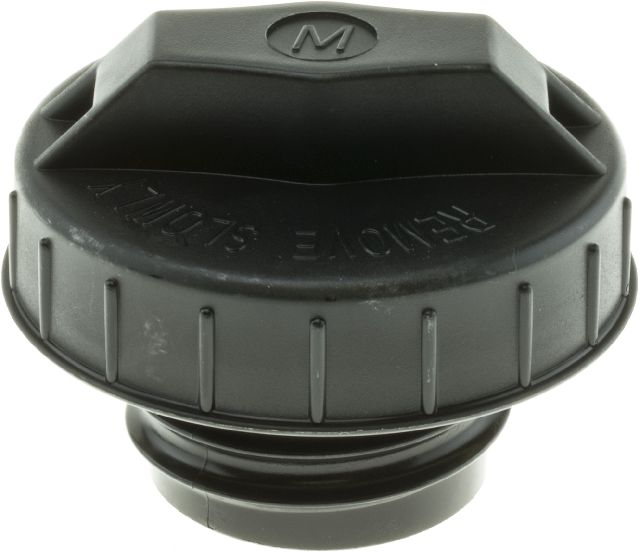
- Loose or Faulty Gas Cap 🔴 High Probability → Shop Fuel Tank Cap The gas cap is a frequently used component and its seal can wear out over time, which is a common issue on all vehicles. A loose, damaged, or incorrect gas cap can allow fuel vapors to escape, triggering the code.
How to confirm: Ensure the cap is tightened until it clicks. Inspect the rubber O-ring or seal on the cap for cracks, brittleness, or damage. A forum user on EvolutionM.net reported a recurring 'loose gas cap' code that was ultimately resolved by replacing the cap.
Typical fix: Replace the gas cap. It is highly recommended to use an OEM (Original Equipment Manufacturer) cap, as some aftermarket caps may not seal correctly.
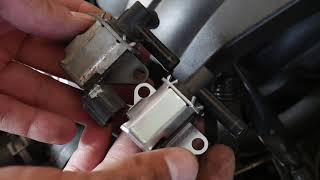
Est. part cost: $15-$40 - Failed EVAP Purge Valve / Solenoid 🟡 Medium Probability → Shop Vapor Canister The purge valve is an electromechanical part that cycles frequently and can get stuck open or closed due to age or carbon buildup, causing a leak.
How to confirm: The valve is typically located in the engine bay. With a capable scan tool, you can command the valve to open and close to check its operation. It can also be removed and tested for leaks using a hand-held vacuum pump or by trying to blow through it when it should be closed.
Typical fix: Replace the EVAP purge valve solenoid.
Est. part cost: $50-$185 - Cracked or Disconnected EVAP Hose 🟡 Medium Probability Rubber and plastic hoses in the engine bay and under the vehicle become brittle with age and exposure to heat cycles, leading to cracks.
How to confirm: Visually inspect all accessible EVAP hoses for obvious cracks, damage, or loose connections. A professional smoke test is the most effective method to pinpoint a small, hard-to-see leak.
Typical fix: Replace the damaged section of hose.
Est. part cost: $10-$50
Rare But Worth Checking
- Faulty EVAP Vent Valve / Solenoid: → Shop Vapor Canister This valve, located near the charcoal canister by the fuel tank, can also stick open or closed, causing a system leak. It's less common to fail than the purge valve but should be tested if other components check out.
- Cracked Charcoal Canister: → Shop Vapor Canister The plastic housing of the charcoal canister can develop hairline cracks over time, creating a leak. This is often found during a smoke test.
- Faulty Fuel Tank Pressure (FTP) Sensor: → Shop Fuel Tank The sensor that monitors system pressure can fail and send incorrect data to the ECU, making it think there is a leak when there isn't one.
- Rusted or Cracked Fuel Filler Neck: → Shop Fuel Filler Neck On vehicles operated in rust-belt regions, the metal fuel filler neck can corrode and develop pinhole leaks, which will trigger an EVAP code. This was common enough on related Mitsubishi platforms to warrant a recall.
Diagnosis Steps
- Confirm the code with an OBD-II scanner.
- Inspect the gas cap. Ensure it is tight and the seal is in good condition. If in doubt, replace it with an OEM part.
- Clear the code and drive the vehicle for a few days to see if the code returns. If it does, proceed with further diagnosis.
- Visually inspect all visible EVAP hoses in the engine bay and under the car for any obvious cracks, breaks, or disconnections.
- Locate the EVAP purge solenoid in the engine bay. With the engine off, try to blow through it; it should be closed. You can also use a scan tool to command it open and closed while checking for flow.
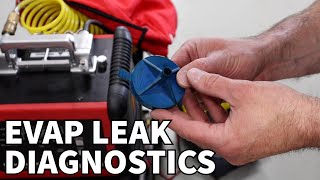
- If no obvious issues are found, the most effective next step is to have a smoke test performed. This involves injecting harmless, visible smoke into the EVAP system to quickly reveal the source of any small leaks. 🎬 See how to perform a professional EVAP smoke test
- Based on the smoke test results, replace the leaking hose, canister, or valve.
- If no leaks are found, further testing of the vent valve and fuel tank pressure sensor may be required.
Parts You'll Likely Need
- Vapor Canister Purge Solenoid / Valve
(OEM #MN149173 (for turbocharged models like Ralliart/Evo), MR507781 (for non-turbo models))— This valve is a common failure point that gets stuck open, causing a constant small leak in the EVAP system.
Trusted brands: Genuine Mitsubishi, Standard Motor Products (CP593), Wells (2M1363), Dorman (911-389, 911-392)
OEM price range: $70-$200
Aftermarket price range: $50-$70 - Fuel Cap / Gas Cap
(OEM #1711A015 (replaces MN120145, MN120700, MR526784, MR987080))— The gas cap seal is a critical part of the EVAP system. A worn, cracked, or incorrect cap is the simplest and most frequent cause of small EVAP leaks.
Trusted brands: Genuine Mitsubishi, Gates (31832), Stant (10834), Motorad (MGC817)
OEM price range: $25-$40
Aftermarket price range: $15-$25
Related Codes That Often Appear With This One
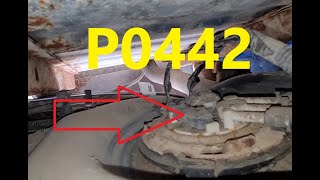
- P0442 — P0442 is the generic SAE code for a small EVAP leak. P1440 is Mitsubishi's manufacturer-specific equivalent, so they represent the same fundamental issue. 🎬 Watch this video on diagnosing small EVAP leaks
- P0455 — This code indicates a large EVAP leak. If you have both codes, it suggests a significant breach in the system, like a completely disconnected hose or a very bad gas cap seal.
- P0441 — This code means 'Incorrect Purge Flow' was detected. It can appear alongside P1440 if the purge valve is stuck open or closed, causing both a leak and improper flow.
Mechanic-Grade Diagnostic Values
- EVAP Canister Purge Valve/Solenoid Resistance — expected: 22 - 26 Ω at 20°C (68°F). Failure: A resistance reading significantly outside this range indicates a faulty internal coil.
- Fuel Tank Pressure (FTP) Sensor Reference Voltage — expected: 4.9 - 5.1 Volts DC. Failure: No voltage or significantly lower voltage at the sensor's connector (with key on, engine off) points to a wiring or ECU problem, not necessarily a bad sensor.
- Fuel Tank Pressure (FTP) Sensor Signal Voltage (Gas Cap Off) — expected: 1.3V - 2.5V (1,500 - 3,500 millivolts). Failure: Voltage stuck at 0V, 5V, or a reading that doesn't change when pressure/vacuum is applied indicates a faulty sensor or wiring.
Scan Tool Commands That Help
- Mitsubishi M.U.T.-III: Actuator Test: EVAP Purge Solenoid — This command allows a technician to manually cycle the purge solenoid on and off to verify its mechanical and electrical operation without removing it from the vehicle.
- Mitsubishi M.U.T.-III: Special Function: Emission Test / EVAP SYSTEM CLOSE — This function commands the entire EVAP system to seal (closing both purge and vent valves). It is used in conjunction with a hand pump or smoke machine to pressurize the system and check for leaks under controlled conditions, as instructed by the scan tool.
Wiring & Ground Locations
- Engine Bay Chassis Grounds — Key grounding points are located on the left and right front chassis rails (shock tower area) and on the intake manifold.. A poor ground connection for the ECU or related sensors can cause incorrect readings and false codes. Ensuring these grounds are clean and tight is a crucial step in diagnosing electrical faults.
- Fuel Tank Pressure Sensor Connector — On top of the fuel tank, typically accessed by removing the rear seat bottom cushion.. This is the primary connector to back-probe for testing the FTP sensor's 5V reference, ground, and signal voltage to determine if the sensor or its wiring is faulty.
Diagnostic Flowchart
Other Known Issues on This Vehicle
Issues unrelated to this code that are worth knowing about as an owner of this generation:
- Premature CVT Transmission Failure 🔴 High — Widespread concern, especially on earlier models. Problems like shuddering, delayed engagement, and overheating can occur. A class-action lawsuit was filed alleging defects in the CVT. (Ref: NHTSA Recall 16V563000 was issued for some 2015-2016 models for delayed acceleration.)
- Clear Coat / Paint Peeling 🟡 Low — Commonly reported issue where the clear coat, particularly on darker colors, peels or fails, leading to a poor appearance and potential for rust. (Ref: No specific recall, but widely discussed among owners. Some owners reported dealers offering assistance on a case-by-case basis.)
- SST Transmission Faults (Ralliart / Evo X) 🔴 High — The Getrag dual-clutch SST can suffer from overheating, mechatronic unit failure, and shift fork issues, often requiring expensive repairs. Frequent fluid changes (every 30k-45k km) are critical for longevity.
- Engine Overheating due to Fan Control Module Failure 🟠 Medium — The cooling fan controller can fail, preventing the radiator fans from activating. This can lead to engine overheating, especially in slow traffic.
- 4B11 Engine Timing Chain Stretch 🟠 Medium — Pre-2009/2010 models were more prone to premature timing chain stretching, causing rattling noises on startup and potential engine instability if not addressed. (Ref: Mitsubishi revised the timing chain design in later models to mitigate this issue.)
- Front Crossmember Corrosion 🔴 High — In regions that use road salt, the front crossmember is susceptible to severe rust, which could lead to lower control arm detachment. (Ref: NHTSA Recall SR-20-003 / 20V279000 was issued for vehicles in salt-belt states to inspect and either treat or replace the crossmember.)
Used vs. New Parts: Buying Guide for This Vehicle
When a used part is the smart pick: For major, non-wear components like the charcoal canister or the fuel filler neck (if sourced from a dry, rust-free region), a used part can be a cost-effective option. Electronic solenoids can be bought used, but should be tested for resistance and operation before installation.
Donor-vehicle mileage cap: roughly under 80000 miles for the part to have meaningful remaining life.
What to inspect on the donor part:
- For charcoal canisters, ensure there are no cracks in the plastic housing and no signs of being saturated with fuel.
- For fuel filler necks, inspect thoroughly for any signs of rust, especially at the seams and mounting brackets.
- For solenoids, check that the electrical connector pins are clean and not corroded.
OEM-only on this vehicle (don't cheap out):
- Gas Cap - Aftermarket gas caps are notoriously unreliable and often do not seal correctly, leading to recurring EVAP codes. It is strongly recommended to use a Genuine Mitsubishi cap.
Aftermarket brands forum-validated for this vehicle:
- Standard Motor Products (SMP)
- Dorman
- Wells
Brands owners have reported issues with on this vehicle:
- No-name, unbranded parts from online marketplaces should be avoided, especially for electronic components like purge or vent solenoids.
Real Owner Stories
Aggregated from forums and TSBs cited above. Mileages and costs reflect what owners reported in those sources.
Mitsubishi Lancer (Evolution/GSR/ES)
Symptoms: A recurring 'loose gas cap' warning and check engine light that would not stay cleared.
What fixed it: Replacing the gas cap with a new unit resolved the issue.
Source hint: EvolutionM.net - 'Lose gas cap keeps coming back' - https://www.evolutionm.net/forums/lancer-engine-tech/357286-lose-gas-cap-keeps-coming-back.html
Related OBD-II Codes
Frequently Asked Questions
I have a recurring 'loose gas cap' message on my Lancer; should I buy an aftermarket one from the local auto parts store?
Could my Lancer's P1440 code be related to the front crossmember corrosion recall?
Is the P1440 code common on the Mitsubishi Outlander Sport as well?
Could a failing CVT transmission cause the P1440 code?
My Lancer has a rough idle after I fill up the tank; is this related to P1440?
Can I use a used charcoal canister from a donor car to fix this?
Helpful Videos
Used OEM Parts in Stock
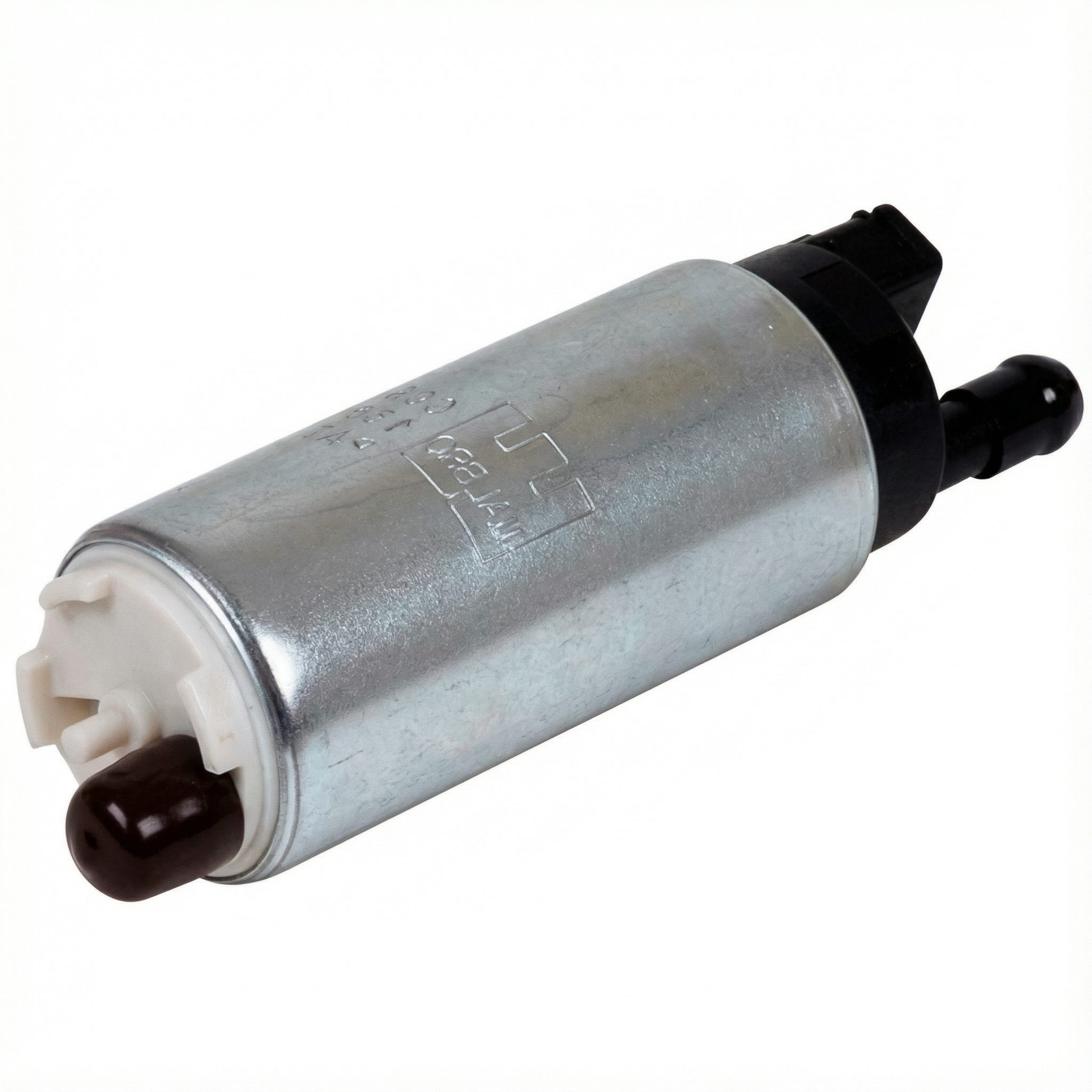
New Aftermarket Parts Available


The information in this article is provided for general reference and educational purposes only. Vehicle specifications, procedures, and part compatibility can vary by production date, trim level, and region. Always consult your vehicle's factory service manual and verify part numbers before purchasing or performing repairs. Safety-critical components such as airbags, seat belts, and braking systems should be installed by a qualified professional.
- Mitsubishi Lancer:
- 🧭 Diagnostic Flowchart
- 🎬 Helpful Videos
- 🛍️ Shop This Part
- What's Unique About the 2008-2017 Mitsubishi Lancer
- Symptoms You May Notice
- Most Likely Causes
- Rare But Worth Checking
- Diagnosis Steps
- Parts You'll Likely Need
- Related Codes That Often Appear With This One
- Mechanic-Grade Diagnostic Values
- Scan Tool Commands That Help
- Wiring & Ground Locations
- Other Known Issues on This Vehicle
- Used vs. New Parts: Buying Guide for This Vehicle
- Real Owner Stories
- Mitsubishi Lancer (Evolution/GSR/ES)
- Related OBD-II Codes
- Frequently Asked Questions
- 🎟️ Get 5% Off