

P1440 on 1998-2004 Nissan Frontier 2.4L: EVAP System Causes and Fixes
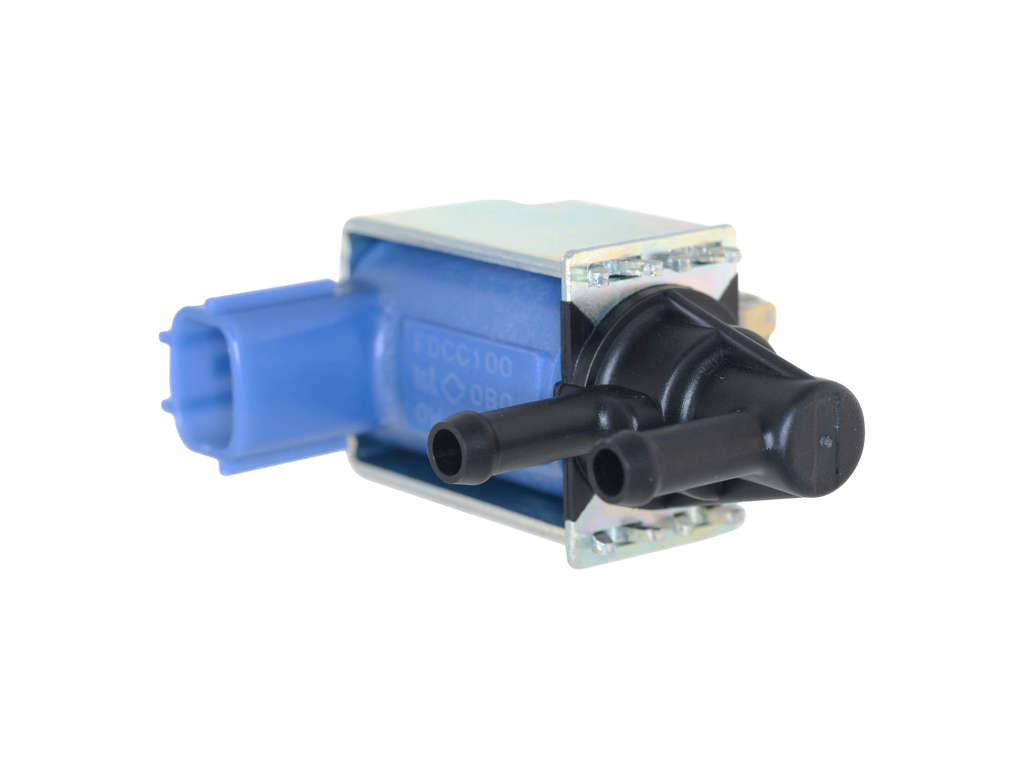
On a 1998-2004 Nissan Frontier, code P1440 is almost always caused by a rusted and failed EVAP Canister Vent Control Valve located on the charcoal canister at the rear of the truck. Expect to pay $70-$120 for the part, but be prepared for the mounting bolts to be severely rusted and difficult to remove.
- P1440 on your Frontier almost certainly points to a problem with the EVAP system, not a major engine issue.
- The most likely cause by a wide margin is the EVAP Canister Vent Control Valve at the rear of the truck, which fails due to rust.
- Before buying any parts, always check that the gas cap is tight and its seal is intact.
- When replacing the vent control valve, be prepared for the mounting bolts to snap and require extraction.
What's Unique About the 1998-2004 Nissan Frontier
The first-generation Nissan Frontier is well-known for this specific code. The primary reason is the design and location of its EVAP components. The EVAP Canister Vent Control Valve is mounted on the charcoal canister near the rear axle, making it highly exposed to road salt, water, and debris. This constant exposure leads to severe rust and corrosion, causing the valve's plunger to stick or its electronics to fail, making it the signature failure point for P1440 on these trucks.
Symptoms You May Notice
- Check Engine Light is on
- A faint fuel smell near the rear of the vehicle (less common)
- Slight decrease in fuel economy (rare)
- Difficulty fueling, with the pump clicking off repeatedly (can indicate a stuck-closed vent valve or clogged canister).
- Replacing the O2 sensors. This code is specific to the EVAP system and is not related to oxygen sensors.
- Replacing the purge solenoid in the engine bay first. While possible, the vent control valve at the rear of the truck is the far more common failure point for this code on this specific vehicle.
Most Likely Causes
- Failed EVAP Canister Vent Control Valve 🔴 High Probability → Shop Vapor Canister Vent Valve The valve is located at the rear of the truck on the charcoal canister, where it is exposed to road salt, moisture, and debris, causing it to rust and seize.
How to confirm: Visually inspect the valve for heavy rust. Apply 12V power to the valve's electrical connector and listen for a 'click'. If it is silent or the plunger doesn't move, it has failed. The bolts holding it are often 10mm. You may need to lower the spare tire for access.
Typical fix: Replace the EVAP Canister Vent Control Valve. Be aware that the mounting bolts are often rusted solid and may break, requiring drilling and extraction. Soaking bolts in penetrating oil overnight is highly recommended.
Est. part cost: $70-$120 - Loose or Faulty Gas Cap 🟡 Medium Probability → Shop Fuel Tank Cap Gas cap seals degrade over time, and aftermarket caps may not seal correctly. It's a common failure point for all EVAP systems.
How to confirm: Ensure the cap is tightened until it clicks. Inspect the rubber seal on the cap for cracks or damage. If the seal is worn, replace the cap.
Typical fix: Replace the fuel filler cap, preferably with an OEM part to ensure a proper seal. Aftermarket caps are a frequent source of EVAP codes.
Est. part cost: $15-$30 - Cracked or Disconnected EVAP Hoses ⚪ Low Probability
How to confirm: Visually inspect all rubber hoses connected to the charcoal canister, purge valve, and fuel tank for cracks, brittleness, or loose connections. A smoke test is the most effective way to find a small hose leak.
Typical fix: Replace the damaged section of hose.
Est. part cost: $10-$20 - Rusted Fuel Filler Neck ⚪ Low Probability → Shop Fuel Filler Neck Similar to the vent valve, the filler neck is exposed to the elements and can rust through, creating a leak in the EVAP system. This was a known issue on related Nissan trucks of the era.
How to confirm: Visually inspect the metal fuel filler neck (the tube you put the gas nozzle into) for heavy rust, flaking, or pinholes, especially on the upper portion near the gas cap seat and along any seams.
Typical fix: Replace the fuel filler neck assembly. This may require removing the truck bed's side bolts to gain clearance.
Est. part cost: $100-$200
Rare But Worth Checking
- Cracked Charcoal Canister: → Shop Vapor Canister The plastic body of the canister can become brittle and crack over time, especially if the mounting bolts for the vent valve are over-tightened or if the vehicle has been subjected to impacts from below. Cracks often form near the mounting points.
- Faulty EVAP Canister Purge Volume Control Solenoid Valve: → Shop Vapor Canister This valve is located in the engine bay, typically on the driver's side near the airbox. It is less likely to fail than the rear-mounted vent control valve, but it can get stuck or fail electrically. TSB NTB99-066 notes that rust contamination from the solenoid bracket can cause this valve to stick open.
- Faulty EVAP Control System Pressure Sensor: This sensor monitors pressure inside the EVAP system. A malfunction can cause the ECM to receive incorrect data, triggering P1440 even without a leak.
Diagnosis Steps
- Check the gas cap. Ensure it is tight and the seal is not cracked or worn. Clear the code and drive to see if it returns. Consider an OEM replacement if unsure.
- Visually inspect the EVAP Canister Vent Control Valve, located on the charcoal canister at the rear of the truck (the spare tire may need to be lowered for access). Look for excessive rust on the valve body and its mounting bolts.
- Test the Vent Control Valve. With the ignition on, disconnect the electrical connector and apply 12V and a ground to the pins on the valve. Listen for a distinct 'click'. If it is silent or heavily corroded, it has failed and needs replacement.
- If the valve clicks, inspect the EVAP hoses connected to the canister and filler neck for any visible cracks or loose connections.
- Inspect the fuel filler neck for any signs of rust perforation, which can cause a persistent leak.
- If no obvious issues are found, the most reliable next step is to have a professional perform a smoke test. This involves filling the EVAP system with a visible vapor to pinpoint the exact location of any small leaks.
Parts You'll Likely Need
- EVAP Canister Vent Control Valve
(OEM #14935-54U0D (replaces earlier numbers for some years, always verify with VIN))— This is the most frequent cause of code P1440 on this vehicle due to its exposed location, which leads to failure from rust and corrosion.
Trusted brands: Bosch, Hitachi, Dorman, Genuine Nissan
OEM price range: $100-$150
Aftermarket price range: $70-$120 - EVAP Canister Purge Volume Control Solenoid Valve
(OEM #14930-5M00A (replaces 14930-5M000, verify with VIN))— Located in the engine bay, this is a less common but possible failure point. TSBs mention it can get stuck due to contamination.
Trusted brands: Nissan, Dorman
OEM price range: $110-$160
Aftermarket price range: $50-$90
Related Codes That Often Appear With This One
- P1448 — This Nissan-specific code for 'EVAP Canister Vent Control Valve Close Malfunction' directly points to the most common cause of P1440. If both codes are present, service manuals recommend diagnosing P1448 first.
- P0442 — This is the generic OBD-II code for 'EVAP System Small Leak Detected'. P1440 is the manufacturer-specific equivalent, and they share the same potential causes.
- P0440 — A generic code for 'EVAP System Malfunction'. It can appear with P1440 if a general system fault is detected by the ECM.
Technical Service Bulletins (TSBs) & Recalls
- NTB99-066: Addresses MIL ON with DTC P1440, P1444, or P1491 on 1998-99 Frontiers. It suggests the cause may be contamination (rust) from the purge volume control valve's metal bracket getting into the valve and causing it to stick open. The fix involves inspecting for contamination and replacing the valve and/or bracket if rust is found.
Platform-Specific Known Issues
- The bolts securing the vent control valve to the canister are notoriously prone to rusting and snapping off during removal. It is highly recommended to soak them in penetrating oil for several hours or overnight before attempting removal. Be prepared with a drill and screw extractor in case they break.
- Owner Experience: A user on a Nissan forum reported finally solving their persistent P1440 by replacing a rusted-through fuel filler neck after having already replaced the vent valve and gas cap.
Mechanic-Grade Diagnostic Values
- EVAP Canister Purge Volume Control Solenoid Valve (Engine Bay) Resistance — expected: 30-36 Ohms. Failure: A reading of infinity (open circuit) or zero (short circuit) indicates a failed solenoid coil.
- EVAP Canister Vent Control Valve (Rear of Vehicle) Resistance — expected: 15 to 30 Ohms. Failure: A reading outside this range indicates a damaged solenoid winding.
- EVAP Canister Vent Control Valve Power Supply — expected: Battery voltage (~12V) at one terminal of the connector with the ignition ON.. Failure: No voltage points to a problem in the power supply circuit (fuse, wiring) rather than the valve itself.
Scan Tool Commands That Help
- Nissan CONSULT-II / CONSULT-III: DTC WORK SUPPORT > EVAP SML LEAK P1440 — This is a guided diagnostic test within the factory scan tool specifically for diagnosing DTC P1440. It walks the technician through the steps to verify the leak.
- Nissan CONSULT-II / CONSULT-III: ACTIVE TEST > VENT CONTROL/V — This bidirectional command allows the technician to manually open and close the EVAP Canister Vent Control Valve to check its operation without having to physically apply voltage at the rear of the vehicle.
- Nissan CONSULT-II / CONSULT-III: ACTIVE TEST > PURGE VOL CONT/V — This allows for the manual operation of the EVAP Purge Volume Control Solenoid Valve in the engine bay to confirm it clicks and opens/closes on command, verifying its electrical and mechanical function.
Wiring & Ground Locations
- Engine Ground (Braided Strap) — Typically runs from the back of the cylinder head to the firewall on the driver's side.. A poor or missing main engine-to-chassis ground can cause a variety of electrical issues and erratic sensor behavior. While not a direct cause, it can create confusing symptoms during diagnosis.
- Engine Ground (Harness) — Two ground wires coming from the main engine harness are typically grounded to the cylinder head.. These grounds are essential for the proper operation of sensors and solenoids controlled by the ECM. A loose connection here could potentially affect the operation of the EVAP purge solenoid.
- Battery Ground — The main negative battery cable grounds to the chassis/body near the battery tray and also to the intake manifold.. Corrosion or a loose connection at these primary ground points can lead to system-wide low voltage issues, affecting all electronic components including the ECM and EVAP solenoids.
- EVAP Canister Vent Control Valve Connector — At the rear of the vehicle, on the EVAP canister, near the spare tire.. This 2-pin connector is the direct electrical interface for the most common failed part. It is highly susceptible to corrosion and physical damage from its exposed location. Checking for power, ground, and a clean connection here is a critical diagnostic step.
Real Owner Repair Stories
- Go-Parts Repair Database, citing a case on a similar Nissan platform (Nissan vehicle (similar platform)) — Persistent P1440 code.
❌ Tried (didn't work) Passed a smoke test., Purge and vent solenoids clicked when actuated with a scan tool.
✅ What actually fixed it Replacing an aftermarket gas cap with a new OEM Nissan gas cap. The aftermarket cap was not sealing correctly under the specific vacuum conditions of the EVAP self-test, even though it appeared to seal well enough to pass a static smoke test.
"I Checked Everything" — The Actual Cause
- In a documented case on a similar Nissan platform, a persistent P1440 was resolved by replacing an aftermarket gas cap with an OEM one, even after the system had passed a smoke test. This suggests the aftermarket cap's seal was failing only under the specific vacuum pulled during the EVAP self-test, a condition not replicated by the smoke test's light pressure.
OEM Part Supersession History
14935-54U01, 14935-54U02, 14935-54U04, 14935-6B700, 14935-6B701→14935-54U0D— Standard part revisions and updates by the manufacturer.
Heads up: These part numbers are generally interchangeable for the 1998-2001 model years, but you should always confirm with a dealer using your VIN.
Model Year Variations Within This Range
- 1998-2001 vs 2002-2004: The OEM part number for the EVAP Canister Vent Control Valve changed around the 2002 model year. For example, 14935-54U0D is cited for 1998-2001 models, while 14935-5S600 is for 2002-2004 models. Aftermarket manufacturers also list different parts for these year ranges (e.g., Dorman 911-501 for early, 911-510 for late). Always verify the correct part for your specific year.
Diagnostic Flowchart
Other Known Issues on This Vehicle
Issues unrelated to this code that are worth knowing about as an owner of this generation:
- Timing Chain Rattle 🟠 Medium — Common on high-mileage engines (100k+ miles). Caused by wear of the plastic timing chain guides. Initially an annoyance, but if ignored, can lead to the chain skipping timing, causing engine damage.
- Distributor Failure 🟠 Medium — Common due to age. The internal bearings or electronics can fail, leading to no-start, stalling, or rough running conditions.
- Valve Cover Gasket Oil Leak 🟡 Low — Very common as the vehicle ages. The rubber gasket becomes hard and brittle, allowing oil to seep out, most noticeably onto the exhaust manifold causing a burning oil smell.
- Exhaust Manifold Crack 🟠 Medium — The factory cast iron exhaust manifold is prone to cracking from thermal stress over many heat cycles, causing an exhaust leak noise (ticking, especially when cold) and potentially an exhaust smell in the cabin.
- Frame Rust 🔴 High — Especially prevalent in regions that use road salt. The frame, particularly in the area of the leaf spring shackles and around the spare tire crossmember, is susceptible to severe rust that can compromise structural integrity. (Ref: There was a recall for steering column corrosion, but widespread frame rust is also a well-documented owner complaint.)
Used vs. New Parts: Buying Guide for This Vehicle
When a used part is the smart pick: For the EVAP Canister Vent Control Valve and the entire charcoal canister assembly, a used part can be a smart, cost-effective choice, but only if it is sourced from a vehicle in a dry, salt-free climate (e.g., Southwest USA). This minimizes the risk of getting another part that is already seized with rust.
Donor-vehicle mileage cap: roughly under 150000 miles for the part to have meaningful remaining life.
What to inspect on the donor part:
- Check for zero visible rust on the valve body and mounting bolts.
- Ensure the electrical connector pins are clean and free of corrosion.
- Inspect the plastic canister body for cracks, especially around the valve mounting points.
- If possible, apply 12V to the valve to confirm it clicks before purchase.
OEM-only on this vehicle (don't cheap out):
- Fuel Cap: Aftermarket gas caps are notorious for improper sealing, which can cause EVAP codes to return. It is strongly recommended to use a genuine Nissan OEM cap for this repair.
Aftermarket brands forum-validated for this vehicle:
- Bosch
- Hitachi
- Dorman
Real Owner Stories
Aggregated from forums and TSBs cited above. Mileages and costs reflect what owners reported in those sources.
1998-2004 Nissan Frontier
Symptoms: Persistent P1440 code that remained even after replacing the vent valve and the gas cap.
What fixed it: Replacing a rusted-through fuel filler neck.
Source hint: vehicle_specific_issues - 'Owner Experience: A user on a Nissan forum reported finally solving their persistent P1440 by replacing a rusted-through fuel filler neck'
Nissan Frontier / Maxima
Symptoms: P1440 code with no obvious solution; potential for a bent rubber tube or damaged O-ring on the vent valve.
What fixed it: Checking the fuel filler neck for rust as suggested by forum users referencing the Factory Service Manual.
Source hint: Maxima Forums - 'The P1440 That just wont go away !'
Nissan Frontier
Symptoms: Fuel splashing back during fill-ups and a P1440 code.
What fixed it: Addressing a clogged EVAP canister or a stuck vent valve.
Source hint: Reddit r/nissanfrontier - 'Fuel tank filler neck'
Nissan Frontier
Symptoms: P1440 code where a smoke test found no leaks.
What fixed it: Investigating intermittent solenoid failure, cracks in the charcoal canister body near the bolts, or a clogged canister.
Source hint: NICOclub Forums - 'P1440 Code, No Obvious Solution'
Related OBD-II Codes
Frequently Asked Questions
Does TSB NTB99-066 apply to my 1998 Nissan Frontier?
I'm trying to replace the vent control valve on my Frontier but the bolts won't budge. What should I do?
Where is the EVAP Canister Vent Control Valve located on the 2.4L Frontier?
Can a bad gas cap really cause a P1440 code on this truck?
Why is my Frontier clicking off repeatedly when I try to pump gas?
Is the P1440 code common on the Nissan Xterra as well?
Helpful Videos
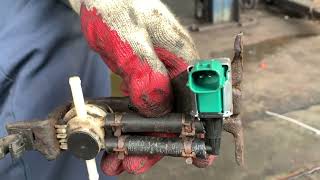
We Have This Part in Stock


The information in this article is provided for general reference and educational purposes only. Vehicle specifications, procedures, and part compatibility can vary by production date, trim level, and region. Always consult your vehicle's factory service manual and verify part numbers before purchasing or performing repairs. Safety-critical components such as airbags, seat belts, and braking systems should be installed by a qualified professional.
- Nissan Frontier:
- 🧭 Diagnostic Flowchart
- 🎬 Helpful Videos
- 🛍️ Shop This Part
- What's Unique About the 1998-2004 Nissan Frontier
- Symptoms You May Notice
- Most Likely Causes
- Rare But Worth Checking
- Diagnosis Steps
- Parts You'll Likely Need
- Related Codes That Often Appear With This One
- Technical Service Bulletins (TSBs) & Recalls
- Platform-Specific Known Issues
- Mechanic-Grade Diagnostic Values
- Scan Tool Commands That Help
- Wiring & Ground Locations
- Real Owner Repair Stories
- "I Checked Everything" — The Actual Cause
- OEM Part Supersession History
- Model Year Variations Within This Range
- Other Known Issues on This Vehicle
- Used vs. New Parts: Buying Guide for This Vehicle
- Real Owner Stories
- 1998-2004 Nissan Frontier
- Nissan Frontier / Maxima
- Nissan Frontier
- Nissan Frontier
- Related OBD-II Codes
- Frequently Asked Questions
- 🎟️ Get 5% Off