

P1440 on 1995-1999 Nissan Sentra: EVAP Purge System Fault Causes and Fixes
On a 1995-1999 Nissan Sentra, code P1440 almost always points to a faulty EVAP canister vent control valve or purge solenoid. These parts can stick or fail due to rust and debris, causing a small leak in the emissions system. The most common failure is the vent control valve located near the charcoal canister at the rear of the car. Expect to pay $40-$120 for the faulty valve.
- P1440 on your Sentra means there's a small leak or malfunction in the EVAP (emissions) system.
- Before buying any parts, check that your gas cap is tight and its seal is intact.
- The most likely culprit is the EVAP Canister Vent Control Valve, located near the gas tank, which often gets stuck due to rust.
- Testing the vent and purge valves with a 12V power source is a simple way to see if they are working.
- If you can't find the leak visually, a professional smoke test is the fastest way to pinpoint the problem.
What's Unique About the 1995-1999 Nissan Sentra
For Nissans of this era (including the B14 Sentra and its coupe counterpart, the 200SX), the P1440 code is notoriously linked to the EVAP system components located near the charcoal canister at the rear of the vehicle. These parts are exposed to road debris, moisture, and salt, which can lead to heavy rust and premature failure of the valves and solenoids. While the gas cap is a possible cause for general EVAP codes, owners of these specific models often find the issue lies with a stuck vent control valve, which may even have its mounting bolts rusted solid.
Symptoms You May Notice
- Check Engine Light is on
- A faint smell of gasoline, particularly around the rear of the vehicle near the fuel tank and charcoal canister.
- Slightly reduced fuel economy.
- Difficulty starting the engine right after refueling (less common).
- In many instances, no symptoms other than the Check Engine Light will be noticeable.
- Replacing the gas cap without first testing the vent control valve. While a bad cap can cause other EVAP codes, P1440 on this platform is more frequently caused by a faulty valve.
- Replacing the purge solenoid in the engine bay when the more common failure point is the vent control valve at the rear of the car.
Most Likely Causes
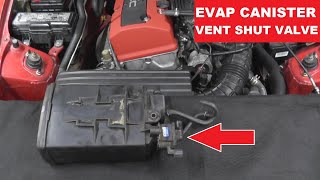
- Faulty EVAP Canister Vent Control Valve 🔴 High Probability → Shop Vapor Canister Vent Valve Located under the vehicle near the charcoal canister, this valve is highly exposed to the elements. Its internal plunger sticks or the solenoid fails due to rust and debris ingress. The mounting bolts are also known to rust and snap off during removal attempts.
How to confirm: Locate the valve on or near the charcoal canister at the rear of the car, driver's side. Apply 12V power to its terminals; a healthy valve will make an audible 'click'. If it doesn't, or if it's audibly stuck, it has failed. Often, the part will be visibly rusted to a severe degree.
Typical fix: Replace the EVAP canister vent control valve. Be prepared for the mounting bolts to break, which may require drilling and tapping or replacing the canister itself if the bolt bosses are damaged.
Est. part cost: $50-$120 - Faulty EVAP Canister Purge Volume Control Solenoid/Valve 🟡 Medium Probability → Shop Vapor Canister This valve, typically located in the engine bay, can become clogged with charcoal particles from an aging canister or fail electrically over time.
How to confirm: Locate the valve in the engine bay, usually with vacuum lines running to the intake manifold. Test it for an audible 'click' by applying 12V power. You can also test its resistance with a multimeter (should be around 36 ohms at room temperature) and check if it holds vacuum when de-energized.
Typical fix: Replace the purge volume control solenoid/valve. 🎬 See this walkthrough for replacing the purge valve solenoid.
Est. part cost: $40-$90 - Cracked or Disconnected EVAP Hoses 🟡 Medium Probability After 25+ years of heat cycles and exposure, the rubber vacuum and vapor hoses become brittle and can easily crack, creating a small leak.
How to confirm: Visually inspect all accessible EVAP hoses in the engine bay and around the canister for cracks, brittleness, or loose connections. A smoke test is the most effective way to find a leak that isn't visually obvious.
Typical fix: Replace the cracked section of hose.
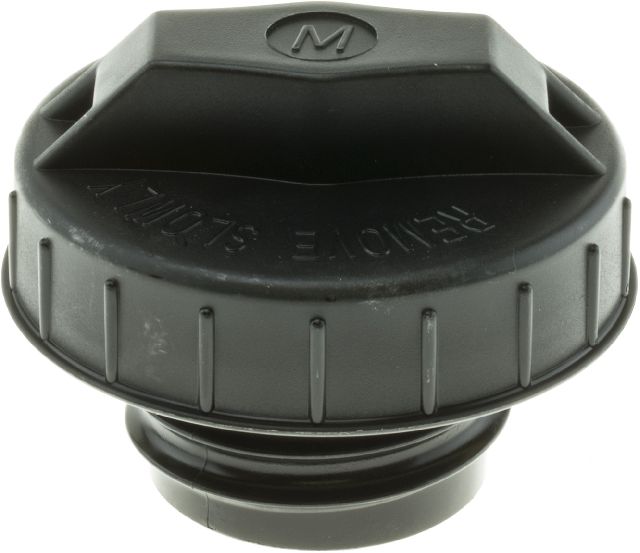
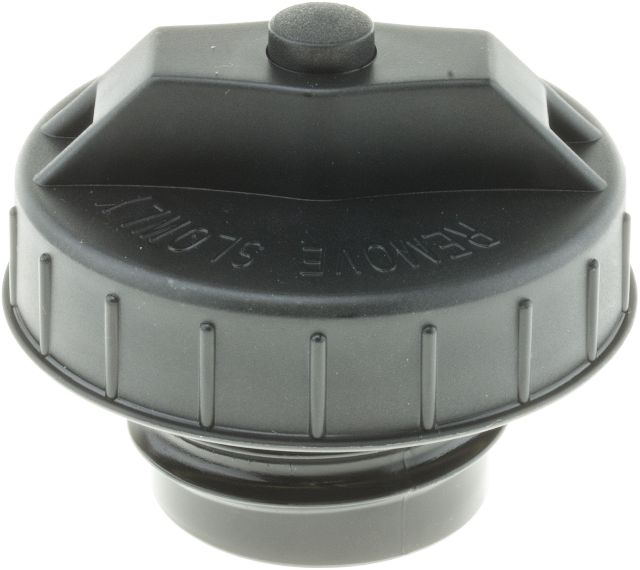
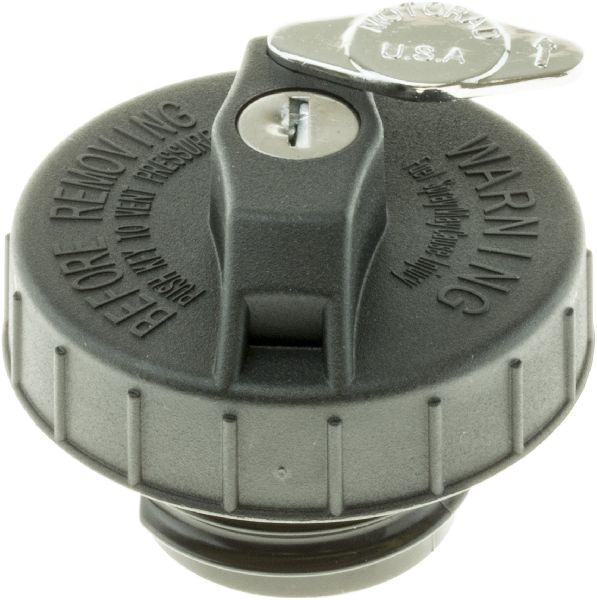
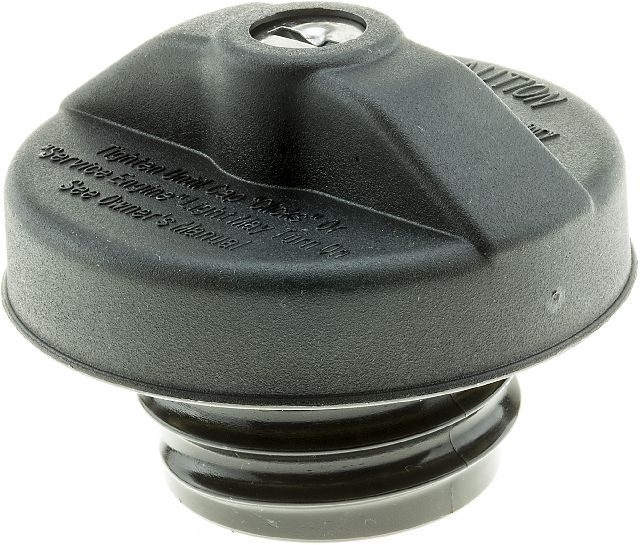
Est. part cost: $5-$20 - Loose or Defective Gas Cap ⚪ Low Probability → Shop Fuel Tank Cap While a common cause for EVAP codes in general, for this specific Nissan code, it's less likely to be the primary culprit than the valves. The cap's seal can degrade over time. Many owners report replacing the cap with no success, especially with aftermarket caps.
How to confirm: Ensure the gas cap is tightened until it clicks. Inspect the rubber O-ring for cracks or deformities. If the code returns after clearing, a faulty cap is possible. Using a non-OEM cap can also cause issues.
Typical fix: Replace the gas cap, preferably with an OEM part to ensure a proper seal.
Est. part cost: $15-$35
Rare But Worth Checking
- Cracked EVAP Charcoal Canister: → Shop Vapor Canister The plastic body of the canister itself can develop hairline cracks from age or impact, especially around the mounting bolt holes. This type of leak is very difficult to spot without a smoke test.
- Rusted Fuel Filler Neck: → Shop Fuel Filler Neck On many Nissans from this era, the metal fuel filler neck can rust through, creating a leak in the EVAP system. This was common enough on other models like the Pathfinder/QX4 to warrant a recall and is a known possibility on the Sentra.
- Faulty EVAP Control System Pressure Sensor: This sensor monitors the pressure within the EVAP system to detect leaks. If the sensor itself fails, it can send incorrect data to the ECM, triggering a P1440 code even if no leak exists.
Diagnosis Steps
- Read the code with an OBD-II scanner to confirm P1440 is the only code present.
- Inspect the gas cap for a tight fit and a healthy seal. Tighten it, clear the code, and drive for a day to see if it returns.
- Perform a thorough visual inspection of all EVAP hoses and lines running from the engine bay to the charcoal canister at the rear of the vehicle. Look for obvious cracks, loose connections, or damage.
- Locate the EVAP Canister Vent Control Valve near the fuel tank (rear driver's side). It is often a rectangular plastic valve bolted directly to the charcoal canister. Visually inspect for heavy rust.
- Test the Vent Control Valve. Disconnect the electrical connector and apply 12V from the battery to the two electrical pins. Listen for a distinct click. If there is no click, the valve is seized and needs replacement.
- If the Vent Control Valve clicks, it may still be leaking internally. The next most reliable step is a professional smoke test. This will push low-pressure smoke through the system, revealing the exact location of any small leaks from hoses, the canister, or the filler neck.
- Locate the EVAP Purge Volume Control Solenoid in the engine bay and perform the same 12V click test. Also test its resistance with a multimeter (should be ~30-40 ohms).
- If a leak is traced to the fuel filler neck, inspect it carefully for rust and perforation, especially on the upper portion.
- After any repair, clear the code and perform a drive cycle to allow the EVAP monitor to run and confirm the fix.
Parts You'll Likely Need
- EVAP Canister Vent Control Valve (or Solenoid)
(OEM #14935-5M00A (or superseded numbers like 14935-5M001, 14935-5M00B))— This is the most common failure point for code P1440 on this vehicle due to its exposed location under the car, leading to sticking from rust and debris.
Trusted brands: Hitachi, Dorman (p/n 911-501), Standard Motor Products (p/n CVS10)
OEM price range: $90-$150
Aftermarket price range: $50-$120 - EVAP Canister Purge Volume Control Solenoid — The second most likely component to fail, either by getting stuck open/closed or failing electrically.
Trusted brands: Bosch, Hitachi, Denso
OEM price range: $70-$120
Aftermarket price range: $40-$90 - Fuel Cap
(OEM #17251-10A00)— A simple and inexpensive part to replace if the seal is worn, which can cause an EVAP system leak. Always a good first step if the seal looks questionable, but less likely to be the sole cause of P1440 on this car.
Trusted brands: Nissan (OEM)
OEM price range: $25-$40
Aftermarket price range: $15-$30
Technical Service Bulletins (TSBs) & Recalls
- NTB98-018b: While not directly for the Sentra, this TSB for the 1996-98 Pathfinder addresses a P1440 code caused by a faulty EVAP Vent Control Valve. It provides diagnostic steps that are highly relevant, as the system and failure mode are similar. 🎬 Watch: Diagnosing common Nissan vent valve codes and rust issues. It involves checking valve operation with a hand-held vacuum pump and ensuring it closes and holds vacuum when voltage is applied.
Platform-Specific Known Issues
- Rusted Vent Control Valve Bolts: → Shop Vapor Canister Vent Valve A very common repair story involves the two small bolts holding the vent control valve to the canister being rusted solid. Attempts to remove them often result in the bolt heads snapping off. One owner on a forum noted that when a bolt broke off in the canister, they had to replace the entire canister as well. Applying penetrating oil generously and working the bolts back and forth slowly is recommended.
Mechanic-Grade Diagnostic Values
- EVAP Canister Vent Control Valve Solenoid Resistance — expected: Approximately 11.5 ohms. Failure: A significantly higher or lower reading, or an open circuit (infinite resistance), indicates a failed solenoid coil.
- EVAP Fuel Tank Pressure (FTP) Sensor Reference Voltage — expected: Approximately 5.0 volts. Failure: No voltage indicates a wiring or ECM issue, not a sensor failure.
- EVAP Fuel Tank Pressure (FTP) Sensor Signal Voltage (Key On, Engine Off, Gas Cap Off) — expected: Approximately 1.5 - 2.5 volts. Failure: Voltage significantly outside this range (e.g., close to 0V or 5V) suggests a faulty sensor or a system pressure issue.
Scan Tool Commands That Help
- Nissan CONSULT-II or equivalent professional scanner: EVAP System Leak Test / Vent Valve Control — This bidirectional command allows the technician to manually close the EVAP canister vent valve and command the purge solenoid to apply engine vacuum to the system. Monitoring the fuel tank pressure sensor during this test can confirm if the system is holding vacuum, quickly identifying a leak or a non-functional valve without manual testing.
Wiring & Ground Locations
- EVAP Canister Vent Control Valve — Located at the left rear of the engine compartment on a 1997 Sentra 1.6L.. This is a primary component tested by the ECM that triggers P1440. Knowing its exact location is critical for testing and replacement.
- EVAP Control System Pressure Sensor — Found in the left rear of the engine compartment for the 1997 Sentra 1.6L.. This sensor provides the pressure readings to the ECM. A fault here or in its wiring can mimic a leak, causing a false P1440.
- EVAP Canister Purge Volume Control Valve — Positioned at the top right rear of the engine on a 1997 Sentra 1.6L.. This valve controls the flow of vapors to the engine. If it's stuck or fails, it can contribute to the P1440 code.
- G407 — A ground point located in the center rear of the trunk.. A poor ground connection at this location could potentially affect the electrical circuit for the rear-mounted EVAP components like the vent control valve, leading to intermittent operation and fault codes.
Real Owner Repair Stories
- Maxima.org forum user 'defiance' (4th Generation Nissan Maxima (1995-1999), similar EVAP system) — Persistent P1440 code that would return ~45 miles after clearing.
❌ Tried (didn't work) Replacing the gas cap with an aftermarket (Stant) cap., Inspecting hoses and canister for visible leaks.
✅ What actually fixed it The user first found and cleaned a heavily rusted EVAP canister vent control valve. However, the code still returned. The final fix was reinstalling the original OEM gas cap, after which the code cleared itself and did not return. The conclusion was the vehicle's system was incompatible with the aftermarket gas cap. - YouTube user '2003bluefronty' (Nissan vehicle with P1448 (Vent Control Valve) and P0440 (EVAP System) codes) — Service Engine Soon light with EVAP codes.
❌ Tried (didn't work) Attempting to remove the vent control valve, but a mounting bolt was seized and stripped the nut inside the canister.
✅ What actually fixed it Instead of replacing the part, the user tested it in place by applying 12V and found the solenoid plunger was stuck. They sprayed silicone lubricant and used compressed air to free the plunger. After confirming the valve clicked freely, they cleared the codes and the light did not return after two weeks and 200 miles of driving. This was considered a temporary fix, but it resolved the code.
"I Checked Everything" — The Actual Cause
- In a documented case on a Nissan forum for a 2002 Q45 (which uses a similar EVAP system), a user reported a persistent P1440 code even after a professional smoke test found no leaks and confirmed all solenoids were activating. The user had already replaced the OEM gas cap. Forum members suggested the cause could be an intermittent electrical issue with a solenoid, hairline cracks in the canister near the mounting bolts that only open under specific conditions, or a clogged canister, none of which would be revealed by a standard smoke test.
OEM Part Supersession History
14935-54U01, 14935-54U02, 14935-54U04, 14935-6B700, 14935-6B701→Dorman 911-501 (Aftermarket)— These are some of the many OEM part numbers that the popular Dorman 911-501 aftermarket vent control valve replaces for this vehicle generation.
Heads up: While the Dorman part is listed as compatible from 1997 onwards, owners should verify the connector shape and mounting style against their original part, as mid-generation changes can occur.
Model Year Variations Within This Range
- 1997-1998: There are known ECU and wiring harness differences between 1995-1996 and 1997-1998 Sentra models with the GA16DE engine. A guide for swapping ECUs between these years notes that the EVAP pressure sensor must be unplugged and several pins related to the O2 sensors must be relocated on the harness for the older ECU to function in a newer car. This implies that the wiring for EVAP components may differ between early and late B14 models, and a technician should use the correct wiring diagram for the specific model year.
Diagnostic Flowchart
Used vs. New Parts: Buying Guide for This Vehicle
When a used part is the smart pick: For this repair, sourcing a used charcoal canister assembly from a junkyard can be a cost-effective option, especially if your original canister is cracked or has a broken-off bolt boss. The solenoids themselves are often included.
Donor-vehicle mileage cap: roughly under 80000 miles for the part to have meaningful remaining life.
What to inspect on the donor part:
- Inspect the plastic body of the canister for any hairline cracks, especially around the mounting points and hose connections.
- Check the electrical connectors on the valves for corrosion or damage.
- If possible, source the part from a vehicle in a dry, salt-free climate to minimize the risk of rust on the internal valve components.
- Avoid canisters that appear to have been sitting in water or are full of dirt.
OEM-only on this vehicle (don't cheap out):
- Gas Cap: As demonstrated in forum posts, Nissan systems of this era can be sensitive to the specific pressure relief characteristics of the fuel cap. Using an aftermarket cap is a common cause of persistent, hard-to-diagnose EVAP codes. It is strongly recommended to use an OEM Nissan cap.
Aftermarket brands forum-validated for this vehicle:
- Dorman (for Vent Control Valve, p/n 911-501)
- Standard Motor Products (for Vent Control Valve, p/n CVS54)
- Hitachi (OEM supplier for many Nissan electronics)
Brands owners have reported issues with on this vehicle:
- Stant (for Gas Cap): At least one detailed repair story showed a Stant gas cap failed to resolve the P1440 code when the original OEM cap did.
Real Owner Stories
Aggregated from forums and TSBs cited above. Mileages and costs reflect what owners reported in those sources.
1999 Nissan Sentra XE (4cyl 1.6L)
Symptoms: Check engine light was on, registering codes P1440 and 0213.
What fixed it: The owner did not report a fix. A smoke test performed at a shop was unable to find the leak, and they were considering taking it to a dealership for further diagnosis.
Source hint: Reddit r/Cartalk
4th Generation Nissan Maxima
Symptoms: The valve was 'rusted to hell' and a bolt broke off during removal, which damaged the canister.
What fixed it: The fix was replacing the purge valve and the entire EVAP canister.
Source hint: Maxima.org
1995-1999 Nissan Sentra
Symptoms: The two small bolts holding the vent control valve to the canister were rusted solid, and the bolt heads snapped off during removal attempts.
What fixed it: The owner had to replace the entire canister because the broken bolt damaged the mounting boss.
Source hint: Forum owner report cited in Vehicle Specific Issues
Related OBD-II Codes
Frequently Asked Questions
Where is the most common part that fails for a P1440 code on my 1995-1999 Sentra?
I'm trying to replace the EVAP Canister Vent Control Valve, but the bolts are rusted solid. Is this normal?
How can I test the EVAP Canister Vent Control Valve myself?
I replaced my gas cap, but the P1440 code came back. What should I check next?
Is there a Technical Service Bulletin (TSB) for the P1440 code on my Sentra?
My mechanic did a smoke test but couldn't find a leak. What could still be causing the P1440 code?
Does this P1440 issue also affect the Nissan 200SX?
Helpful Videos
We Have This Part in Stock


The information in this article is provided for general reference and educational purposes only. Vehicle specifications, procedures, and part compatibility can vary by production date, trim level, and region. Always consult your vehicle's factory service manual and verify part numbers before purchasing or performing repairs. Safety-critical components such as airbags, seat belts, and braking systems should be installed by a qualified professional.
- Nissan Sentra:
- 🧭 Diagnostic Flowchart
- 🎬 Helpful Videos
- 🛍️ Shop This Part
- What's Unique About the 1995-1999 Nissan Sentra
- Symptoms You May Notice
- Most Likely Causes
- Rare But Worth Checking
- Diagnosis Steps
- Parts You'll Likely Need
- Technical Service Bulletins (TSBs) & Recalls
- Platform-Specific Known Issues
- Mechanic-Grade Diagnostic Values
- Scan Tool Commands That Help
- Wiring & Ground Locations
- Real Owner Repair Stories
- "I Checked Everything" — The Actual Cause
- OEM Part Supersession History
- Model Year Variations Within This Range
- Used vs. New Parts: Buying Guide for This Vehicle
- Real Owner Stories
- 1999 Nissan Sentra XE (4cyl 1.6L)
- 4th Generation Nissan Maxima
- 1995-1999 Nissan Sentra
- Related OBD-II Codes
- Frequently Asked Questions
- 🎟️ Get 5% Off