

P1440 on 1999-2005 Pontiac Grand Am: EVAP Leak Causes and Fixes
On a 1999-2005 Grand Am, P1440 indicates an EVAP system fault, most often pointing to a purge valve stuck open or a leak between the purge valve and the canister. However, the most common real-world causes on this specific car are rust-related leaks in the fuel filler neck or the EVAP lines under the car. A smoke test is the best way to find the leak.
- P1440 on a Grand Am means there's a leak in the emissions system, but the exact fault isn't specified by the code alone.
- Before replacing any parts, visually inspect the fuel filler neck (behind the gas door) and the metal lines under the car for severe rust, as these are the most likely causes.
- A smoke test is the most reliable way to find the leak without guessing.
- Difficulty starting the car right after getting gas is a strong clue that the purge valve in the engine bay is stuck open.
- Don't just replace the gas cap; it's less likely to be the root cause on this particular car compared to rust issues.
What's Unique About the 1999-2005 Pontiac Grand Am
The Pontiac Grand Am from this generation, built on the GM N-body platform, is highly susceptible to rust-related failures in the fuel and EVAP systems. Unlike many other vehicles where a bad gas cap or purge valve is the primary culprit for EVAP codes, on the Grand Am, the fuel filler neck and the metal EVAP lines running along the undercarriage are very common points of failure due to corrosion, especially in the Rust Belt. Diagnostic videos for similar EVAP codes (like P0440) on this exact car have shown that a leak often develops where the metal filler neck meets a plastic insert, which is a key area to inspect.
Symptoms You May Notice
- Check Engine Light is on
- Fuel smell, especially when the tank is full, parked on an incline, or after starting the car in the morning.
- Difficulty starting the engine, particularly right after refueling
- Rough or unstable idle
- Reduced fuel economy
- Difficulty filling the fuel tank (nozzle clicks off prematurely) if the vent valve is also faulty
- Replacing the gas cap repeatedly when the actual leak is in the filler neck or rusted lines.
- Replacing the purge or vent solenoid without first performing a smoke test to confirm the location of the leak.
Most Likely Causes
- Rusted or Leaking Fuel Filler Neck 🔴 High Probability → Shop Fuel Filler Neck The design uses a metal pipe with a plastic insert where the gas cap seals. Corrosion develops between these two materials or on the pipe itself, creating a gap that allows fuel vapor to leak. This is a well-documented failure point on N-body cars.
How to confirm: Visually inspect the filler neck area behind the fuel door for heavy rust, flaking metal, and signs of fuel staining. A definitive diagnosis is made by introducing smoke into the EVAP system and watching for smoke escaping from the filler neck area.
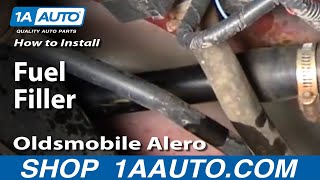
Typical fix: The entire fuel filler neck assembly must be replaced. 🎬 See this walkthrough on replacing the fuel filler neck This part can be sourced from a junkyard or purchased new from brands like Dorman or Spectra Premium. A popular aftermarket part number is Dorman 577-932, though this specific number is for Ford/Mercury and similar parts for the Grand Am exist.
Est. part cost: $20-$70 (Used), $150-$250 (New) - Rusted EVAP/Fuel Lines 🔴 High Probability The steel lines running from the gas tank to the engine are routed along the underbody and are prone to severe corrosion and perforation, especially in regions that use road salt. The brackets holding the lines can trap moisture, accelerating rust.
How to confirm: Visually inspect the metal lines running along the frame rails, particularly near the rear wheels and fuel filter. Look for wet spots, fuel drips, or heavily rusted sections that are flaking or swollen. A smoke test will confirm the exact location of the leak.
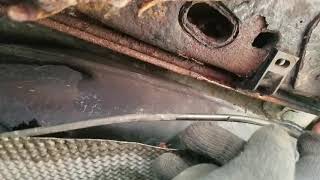
Typical fix: The rusted section of the line must be cut out and replaced. This can be done by splicing in a new section of high-pressure fuel/EVAP hose 🎬 Watch: A quick DIY repair for rusted fuel lines or nylon tubing. Do-it-yourself repair videos show this is a common and effective fix.
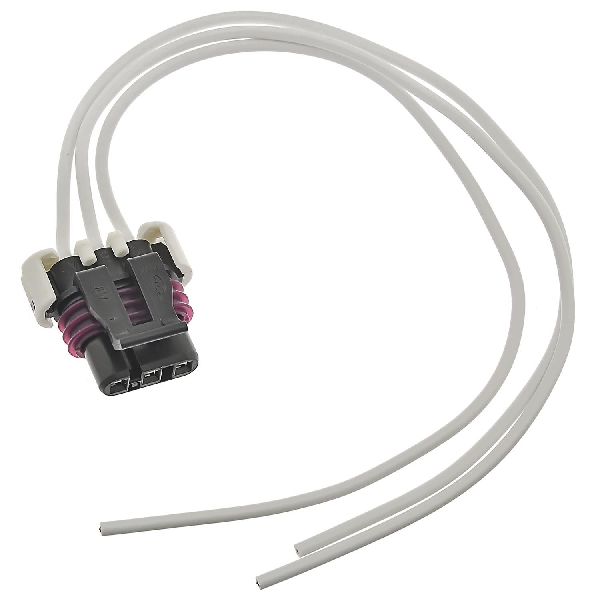
Est. part cost: $20-$50 (for splicing materials) - Faulty EVAP Canister Purge Solenoid/Valve 🟡 Medium Probability → Shop Vapor Canister This is a common failure on many GM vehicles of the era. Carbon particles from the charcoal canister can get into the valve, causing it to stick open.
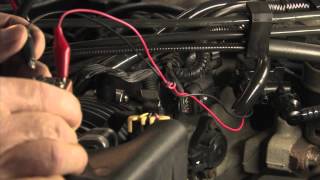
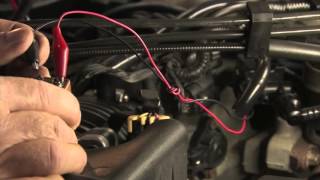
How to confirm: If the valve is stuck open, it will cause a vacuum leak, often leading to a rough idle and difficulty starting after refueling. To test, remove the valve (located in the engine bay, usually on the driver's side of the intake manifold) and try to blow through it. If air passes through, it is stuck open and faulty. A normally functioning purge valve is closed when no power is applied.
Typical fix: Replace the purge solenoid. It is typically a simple, two-hose, one-connector part. The ACDelco GM OE part number is 214-641.
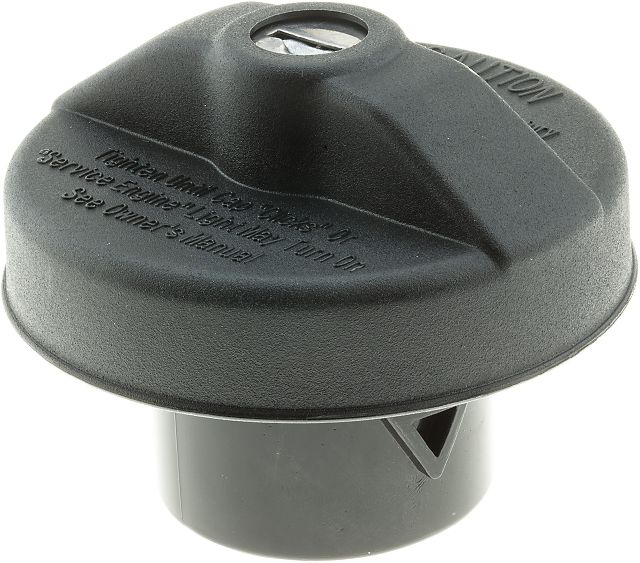
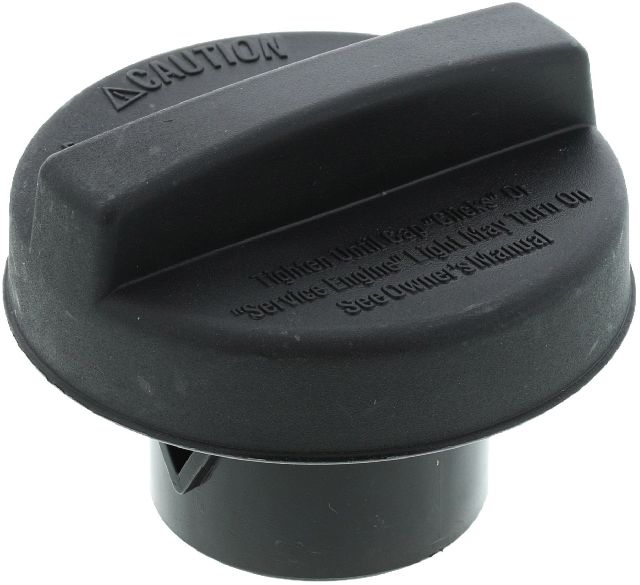
Est. part cost: $25-$60 - Loose or Defective Gas Cap ⚪ Low Probability → Shop Fuel Tank Cap
How to confirm: Check if the cap is tight (clicks at least once). Inspect the rubber O-ring seal on the cap for cracks, stiffness, or damage. While a common cause for EVAP codes in general, it's less likely to be the root cause on this specific car compared to rust issues.
Typical fix: Tighten the cap. If the seal is bad, replace the gas cap with a quality OEM or equivalent part, as some aftermarket caps do not seal properly.
Est. part cost: $15-$30 - Faulty EVAP Vent Solenoid/Valve ⚪ Low Probability → Shop Vapor Canister The solenoid is located at the rear of the vehicle near the charcoal canister, exposing it to road debris and moisture which can lead to failure or clogging.
How to confirm: This valve is normally open and is commanded closed by the computer to seal the system for testing. If it's stuck closed, it can cause issues with refueling. If it's stuck open or clogged with dirt, it can cause a leak code. It is located near the charcoal canister at the rear of the vehicle, above the rear axle. Testing usually requires a scan tool to command it closed, then performing a smoke test.
Typical fix: Replace the vent solenoid. A video for a 2000 Grand Am shows this is located by the passenger rear wheel and can be replaced in under 15 minutes.
Est. part cost: $30-$70
Rare But Worth Checking
- Cracked EVAP Charcoal Canister: → Shop Vapor Canister The plastic housing of the charcoal canister (located near the fuel tank) can become brittle and crack over time, causing a leak. This is usually found during a smoke test. Over-filling the fuel tank can also saturate the canister with liquid fuel, causing it to fail.
Diagnosis Steps
- Read the code with an OBD-II scanner to confirm P1440 and check for any other related codes.
- Inspect the Gas Cap: Ensure it is tight and the seal is in good condition. If in doubt, it's an inexpensive first step to replace with an OEM cap.
- Inspect the Purge Solenoid: Locate the purge solenoid in the engine bay (driver's side, on the intake). Disconnect it and attempt to blow through it. If air passes, it's stuck open and needs replacement. This directly addresses the code's definition.
- Visual Inspection: Thoroughly inspect the fuel filler neck area for heavy rust or signs of leaks. Then, safely raise the vehicle and inspect the metal fuel and EVAP lines that run along the frame, especially near the fuel filter and rear wheels, for rust and wetness.
- Perform a Smoke Test: This is the most crucial step. If no obvious leak is found, use an automotive smoke machine. Introduce smoke into the EVAP service port 🎬 Watch: How to use a smoke machine to find leaks and watch for where it escapes. This will definitively pinpoint the exact location of the leak, whether it's the filler neck, a rusted line, a cracked hose, or the canister itself.
- Test the Vent Solenoid: If the smoke test reveals no leaks, the vent solenoid (near the rear canister, above the axle) may be malfunctioning. Use a scan tool to command it closed and see if it holds pressure/vacuum. You can also check for dirt/debris clogging the valve.
Parts You'll Likely Need
- Fuel Tank Filler Neck — This is a very common point of failure due to rust, causing EVAP leaks on this specific vehicle platform.
Trusted brands: ACDelco, Dorman, Spectra Premium
OEM price range: $200-$250
Aftermarket price range: $150-$200 - Vapor Canister Purge Valve / Solenoid
(OEM #214-641)— A common failure item on many GM vehicles that can stick open, causing performance issues and EVAP codes. This part fits the Grand Am from 1999-2005.
Trusted brands: ACDelco, Standard Motor Products (SMP), Dorman
OEM price range: $40-$60
Aftermarket price range: $25-$45 - High-Pressure Fuel/Vapor Hose (for line repair) — Used to splice and repair sections of the main EVAP lines that have rusted through. A common DIY repair shown in multiple videos.
Trusted brands: Continental, Gates
Aftermarket price range: $5-$10 per foot
Related Codes That Often Appear With This One
- P0440 — General EVAP System Malfunction. P1440 is a more specific (though sometimes misleading) version of this general fault.
- P0441 — Incorrect Purge Flow. Often related to a faulty purge or vent solenoid.
- P0455 — EVAP System Leak Detected (Large Leak). A rusted-out filler neck or fuel line can be interpreted as a large leak.
- P0442 — EVAP System Leak Detected (Small Leak). This can be caused by the same issues, such as a small crack in a line or a bad filler neck seal.
Technical Service Bulletins (TSBs) & Recalls
- While no TSB is specific to P1440, GM TSB 23-NA-073 discusses various EVAP codes (P0442, P0446, P0455) caused by dust intrusion into the canister and vent solenoid in dusty environments, which could be a contributing factor.
- GM TSB 02-06-04-037J for other models recommends vent valve replacement and adding a filter box for recurring EVAP codes, highlighting the vent valve's vulnerability.
Platform-Specific Known Issues
- The fuel filler neck is a known weak point for corrosion, leading to fuel and vapor leaks. A YouTube video from 2010 shows a replacement on a Grand Am due to this exact issue causing fuel spots on a driveway.
- The metal fuel and EVAP lines routed under the car are highly susceptible to rust, especially in the 'rust belt'. Forum posts and videos dating back over a decade document owners cutting out and splicing these lines as a common repair.
Diagnostic Flowchart
Real Owner Stories
Aggregated from forums and TSBs cited above. Mileages and costs reflect what owners reported in those sources.
Pontiac Grand Am (model year unspecified)
Symptoms: Leaking fuel when the tank was full, causing fuel spots on the driveway.
What fixed it: The owner replaced the rusted-out fuel tank filler neck with a used part from a junkyard.
Source hint: YouTube - 'Replacing Fuel Tank Filler Neck: Grand Am Example' (User 'larchmere')
2001 Pontiac Grand Am
Symptoms: A fuel line leak from a rusted section of the line.
What fixed it: The rusted section of the fuel line was cut out and repaired by splicing in a new section of high-pressure fuel injection hose and clamps.
Source hint: YouTube - '01 pontiac grand am fuel line leak repair #HACK' (User 'SoSo Kustomz')
1993 Grand Am
Symptoms: A rusted fuel line was leaking.
What fixed it: The owner discussed repairing the rusted fuel line, indicating this has been a long-standing issue with the model.
Source hint: BobIsTheOilGuy Forums - 'Rusted fuel line leaking' (2005)
Related OBD-II Codes
Frequently Asked Questions
I smell gas near the fuel door on my Grand Am and have a P1440 code. Is this a common problem?
My car is hard to start right after I get gas. What part should I check first for a P1440?
Is there a specific part number for the purge solenoid on my 1999-2005 Grand Am?
I live in a state that uses road salt. Are there specific rust-prone areas I should inspect for this code?
My mechanic insists on a smoke test. Is that really necessary for this code on my Grand Am?
My Oldsmobile Alero has the same P1440 symptoms. Does this information apply to my car?
Helpful Videos
We Have This Part in Stock


The information in this article is provided for general reference and educational purposes only. Vehicle specifications, procedures, and part compatibility can vary by production date, trim level, and region. Always consult your vehicle's factory service manual and verify part numbers before purchasing or performing repairs. Safety-critical components such as airbags, seat belts, and braking systems should be installed by a qualified professional.
- Pontiac Grand Am:
- 🧭 Diagnostic Flowchart
- 🎬 Helpful Videos
- 🛍️ Shop This Part
- What's Unique About the 1999-2005 Pontiac Grand Am
- Symptoms You May Notice
- Most Likely Causes
- Rare But Worth Checking
- Diagnosis Steps
- Parts You'll Likely Need
- Related Codes That Often Appear With This One
- Technical Service Bulletins (TSBs) & Recalls
- Platform-Specific Known Issues
- Real Owner Stories
- Pontiac Grand Am (model year unspecified)
- 2001 Pontiac Grand Am
- 1993 Grand Am
- Related OBD-II Codes
- Frequently Asked Questions
- 🎟️ Get 5% Off