

P1440 on 1998-2004 Subaru Legacy: Fuel Tank Pressure Control System Causes and Fixes
On a 1998-2004 Subaru Legacy, P1440 most often points to a faulty EVAP Purge Control Solenoid Valve, which can be difficult to access under the intake manifold. For 1998-1999 models, a rusted fuel filler neck is also a very common cause. Expect to pay $50-$150 for the valve and $100-$250 for a filler neck.
- P1440 on a Subaru Legacy is an electrical fault code for the EVAP system, most often pointing to the purge control solenoid valve.
- For 1998-1999 models, your first major inspection after checking the gas cap should be the fuel filler neck for rust.
- For 2000-2004 models, the purge control solenoid valve is the most likely culprit.
- Be prepared for a difficult repair if the purge control solenoid needs replacement, as it is buried under the intake manifold.
- Using an OEM gas cap is recommended if you need to replace it, as aftermarket caps can cause sealing issues.
What's Unique About the 1998-2004 Subaru Legacy
This vehicle range spans two Legacy generations, with different likely failure points. On the earlier 1998-1999 models (2nd Gen, DOHC EJ25), a rusted fuel filler neck is a very common cause of EVAP codes, a known issue on Subarus of this era. For the 2000-2004 models (3rd Gen, SOHC EJ25), the fault is more frequently the purge control solenoid valve itself. On both generations, this valve is notoriously located under the intake manifold, making it much harder to access and replace than on many other vehicles.
Generation note: Yes, this range covers two generations: the end of the second generation (1998-1999) and the third generation (2000-2004). The most common cause for the 2nd gen is often a rusted fuel filler neck, a common issue for Subarus of that vintage. For the 3rd gen, the purge control solenoid valve is a more frequent culprit. The charcoal canister was also moved from the engine bay to the rear of the car around 1998.
Symptoms You May Notice
- Check Engine Light is on.
- A faint smell of fuel, especially after parking near the rear of the car.
- Intermittent rough idle or engine hesitation.
- Slightly reduced fuel economy.
- Difficulty starting the engine right after refueling.
- Gas pump nozzle clicks off repeatedly when trying to fill the tank.
- Replacing the charcoal canister before inspecting the fuel filler neck (on 1998-1999 models) or testing the purge control solenoid valve.
- Replacing oxygen (O2) sensors, which are unrelated to the EVAP system.
Most Likely Causes
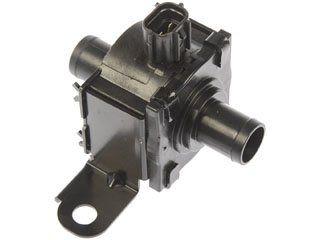
- Faulty Purge Control Solenoid Valve 🔴 High Probability → Shop Vapor Canister Purge Solenoid This solenoid is a common failure item. The 'Low Input' code definition specifically points to an electrical failure of this part or its circuit. It is also notoriously difficult to access, located under the intake manifold behind the power steering pump.
How to confirm: Locate the valve under the intake manifold. Disconnect its electrical connector and measure the resistance across the valve's two pins with a multimeter. A reading between 30-36 ohms is expected at room temperature. You can also apply 12V directly to the pins; a healthy valve will make an audible click and open, allowing air to pass through.
Typical fix: Replace the purge control solenoid valve. 🎬 Watch: How to replace the purge valve solenoid Due to its location, this can be a labor-intensive job requiring removal of other components for access.
Est. part cost: $50-$150 - Rusted Fuel Filler Neck 🔴 High Probability → Shop Fuel Filler Neck This is especially common on 1998-1999 models in areas that use road salt. A plastic shield in the rear passenger-side wheel well traps moisture and salt, causing the metal filler pipe to corrode and create a leak in the EVAP system.
How to confirm: Remove the rear passenger-side wheel and the plastic splash guard covering the filler neck. Visually inspect the entire length of the metal pipe for rust, flaking, and pinholes, paying close attention to the upper bend.
Typical fix: Replace the fuel filler neck assembly. 🎬 Watch: Step-by-step Subaru fuel filler neck replacement guide This can be difficult due to rusted bolts and hose clamps. An impact driver is recommended for the Phillips head screws near the fuel door to avoid stripping them.
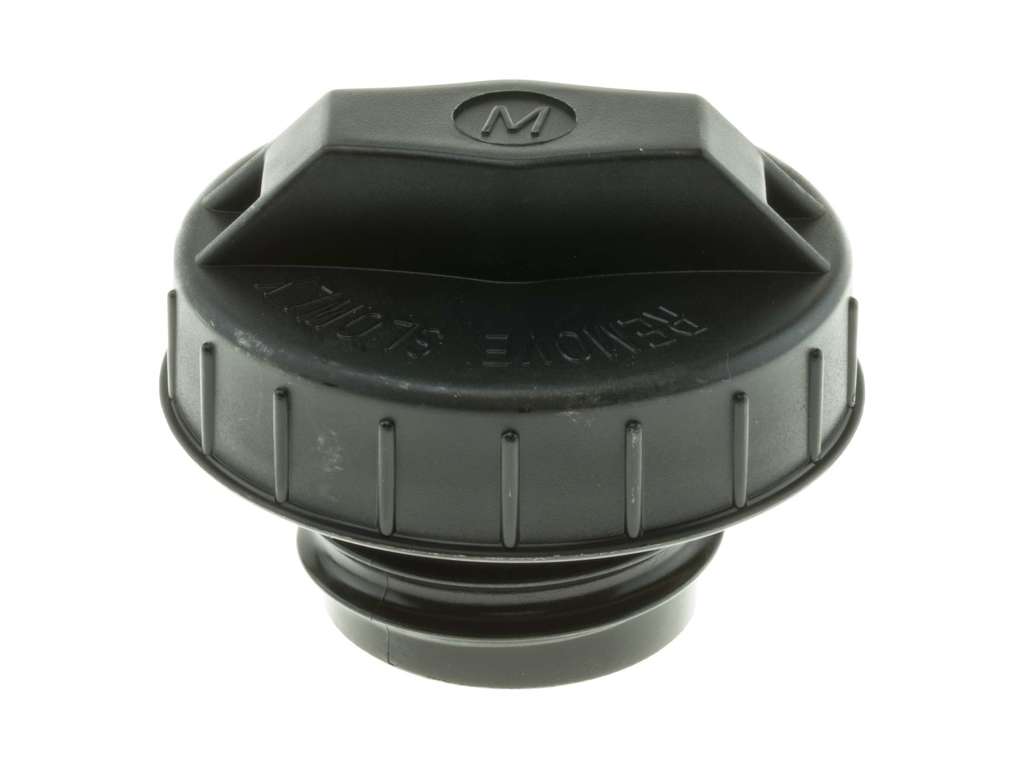
Est. part cost: $100-$250 - Loose or Faulty Gas Cap 🟡 Medium Probability → Shop Fuel Tank Cap
How to confirm: Ensure the cap is tightened until it clicks. Inspect the rubber O-ring seal on the cap for cracks, stiffness, or damage. A whooshing sound when opening the cap can indicate the system is holding pressure, and the cap is likely okay.
Typical fix: Replace the gas cap. It is highly recommended to use an OEM part, as many owners report that aftermarket caps do not seal correctly and fail to resolve EVAP codes.
Est. part cost: $15-$40 - Cracked or Disconnected EVAP Hoses ⚪ Low Probability Rubber hoses become brittle and crack over 20+ years of heat cycles and exposure to the elements.
How to confirm: Visually inspect all accessible EVAP vacuum lines in the engine bay and around the charcoal canister at the rear of the vehicle for visible cracks, loose connections, or deterioration. A smoke test is the most effective way to find small, hard-to-see leaks.
Typical fix: Replace the specific section of cracked hose.
Est. part cost: $10-$30
Rare But Worth Checking
- Faulty EVAP Canister Vent Valve: → Shop Vapor Canister This valve is located near the charcoal canister at the rear of the car. If it fails or gets clogged with dirt/debris (spiders are a known culprit), it can cause P1440 and is often associated with difficulty refueling. 🎬 Watch: How to test and replace the EVAP vent valve
- Damaged Wiring or Connector: Since P1440 is a 'Low Input' electrical code, the fault could be in the wiring harness or connector for the purge solenoid, not the solenoid itself. Check for corrosion, chafing, or breaks in the wires leading to the solenoid by testing for voltage at the connector with the key on.
Diagnosis Steps
- Check the Gas Cap: Ensure it is tight and the seal is not cracked or damaged. This is the simplest first step.
- Inspect the Fuel Filler Neck (Especially 1998-1999): Remove the rear passenger wheel and splash shield. Thoroughly inspect the metal filler pipe for any signs of rust, flaking, or holes. This is the most likely cause on earlier models.
- Inspect Engine Bay Hoses: Visually check the vacuum hoses around the intake manifold and connected to the purge solenoid for obvious cracks or disconnections.
- Test the Purge Control Solenoid Valve: Locate the valve, which is typically under the intake manifold. Disconnect the electrical connector and use a multimeter to check the resistance between the two pins on the solenoid; it should be approximately 30-36 ohms. If the resistance is out of spec or infinite (open circuit), the solenoid is bad.
- Check for Voltage at Connector: With the solenoid disconnected and the ignition on (engine off), use a multimeter to check for battery voltage (approx. 12V) at the electrical connector harness. A lack of voltage indicates a wiring problem upstream.
- Inspect Rear Components: If you have trouble filling the fuel tank, focus your inspection on the charcoal canister and vent valve at the rear of the car for blockages or damage.
- Perform a Smoke Test: If the cause is still not apparent, a smoke test is the most reliable way to find hairline cracks in hoses, the canister, or the filler neck that are not visible to the naked eye.
Parts You'll Likely Need
- EVAP Purge Control Solenoid Valve
(OEM #16102AA080 (Verify by VIN, platform-mate fit))— This is the most common electrical failure point that directly causes the 'Low Input' P1440 code.
Trusted brands: Subaru (OEM), Denso, Standard Motor Products
OEM price range: $100-$160
Aftermarket price range: $40-$80 - Fuel Filler Neck
(OEM #1998: 42066AC130; 1999: 42066AC150; 2000-2004: 42066AE01A (Verify by VIN))— A very common source of EVAP leaks on 1998-1999 models due to a design flaw that promotes rust.
Trusted brands: Subaru (OEM), Spectra Premium, Dorman
OEM price range: $180-$250
Aftermarket price range: $100-$160 - Gas Cap — A worn out seal on the gas cap is a common cause for all EVAP codes. Using a non-OEM cap is a frequent cause of repeat failures.
Trusted brands: Subaru (OEM), Stant
OEM price range: $25-$40
Aftermarket price range: $10-$20
Related Codes That Often Appear With This One
- P0440 — This is a general EVAP system malfunction code. A leak from a rusted filler neck or a faulty valve that triggers P1440 can also trigger the more generic P0440.
- P0442 — This code indicates a small EVAP leak. A pinhole in a rusted filler neck or a stuck-open purge valve can be interpreted by the ECU as a small leak, causing both codes to appear.
- P0443 — This code specifically points to an electrical circuit fault for the purge control solenoid. If the solenoid has failed electrically, it is common to see both P1440 and P0443 together.
Platform-Specific Known Issues
- The purge control solenoid valve is located in a difficult-to-access position under the intake manifold, making replacement more time-consuming than on many other vehicles.
- Second generation models (1998-1999) are highly susceptible to a rusted-through fuel filler neck, which is a primary cause for EVAP codes on these specific years.
Mechanic-Grade Diagnostic Values
- Purge Control Solenoid Valve Resistance — expected: 30 - 36 Ohms at room temperature. Failure: A reading outside this range, or an open circuit (infinite resistance), indicates a failed solenoid coil.
- Canister Vent Valve Solenoid Resistance — expected: 30 - 50 Ohms. Failure: A reading outside this range indicates a faulty solenoid. A 2013 video showed a reading of 26.1 Ohms being considered out of spec and grounds for replacement.
- Voltage at Purge Solenoid Connector — expected: Approximately 12V (battery voltage) on one of the two pins with Key On, Engine Off.. Failure: 0V or significantly low voltage points to a break in the wiring, a blown fuse, or an issue with the power supply from the ECM.
- Fuel Tank Pressure (FTP) Sensor Voltage (Gas Cap Off) — expected: ~2.5 Volts at atmospheric pressure.. Failure: A voltage significantly different from 2.5V with the cap off suggests a faulty sensor. The voltage should change as the system is put under vacuum or pressure during testing.
Scan Tool Commands That Help
- Subaru Select Monitor (SSM) or equivalent professional scanner: Evaporative System Leak Test — This is a dealer-level, automated, engine-off test that forces the EVAP system through its self-test procedure to check for leaks, pressure/vacuum holding, and valve function without needing to perform a full drive cycle.
- No Tool Required (Manual Test): Connect the two green 'Test Mode' connectors under the driver's side dashboard. — Connecting these two plugs and turning the key to 'ON' (engine off) puts the vehicle into a diagnostic mode that cycles all solenoids and relays on a one-second interval. This allows a technician to audibly or physically (by touch) confirm if a solenoid, like the purge or vent valve, is mechanically clicking, which helps differentiate a dead solenoid from a wiring or blockage issue.
Wiring & Ground Locations
- Purge Control Solenoid Valve — In the engine bay, located under the intake manifold, often near the power steering pump.. This is the primary component associated with P1440. Its connector is where voltage and resistance tests are performed. Its location makes access difficult.
- Charcoal Canister & Vent Valve — At the rear of the vehicle, typically behind the driver's or passenger's side rear wheel well liner.. This area contains the vent valve and multiple hoses that can crack or become blocked, leading to EVAP codes and refueling issues. It's a common area for rust and debris accumulation.
- Green Test Mode Connectors — Under the driver's side dashboard, near the steering column. They are typically un-mated green single-pin connectors.. Connecting these is a built-in diagnostic function to test solenoid operation without a scan tool, which is invaluable for DIY diagnosis.
- Intake Manifold Grounds — Various points on the intake manifold.. The ECU is often grounded via the manifold. A poor ground connection here can cause various erratic electrical issues and fault codes, including circuit codes like P1440.
Real Owner Repair Stories
- Subaru Forester P1440 Guide (compiling forum reports) (1997-2002 Subaru Forester (similar EVAP system)) — Check Engine Light with codes P0440 and P1440. Vehicle was very difficult to refuel, with the gas pump nozzle constantly clicking off.
❌ Tried (didn't work) Initial diagnosis might focus on the filler neck or purge solenoid in the engine bay.
✅ What actually fixed it The combination of the code and the refueling issue strongly pointed to a problem in the vent system. The final diagnosis was a clogged vent valve or a blocked charcoal canister at the rear of the vehicle.
"I Checked Everything" — The Actual Cause
- While no direct Subaru P1440 examples were found, a common failure pattern in GM vehicles with similar EVAP systems is relevant: If a smoke test is clean but an EVAP flow code returns, the cause can be a deteriorating charcoal canister. Small charcoal granules can break loose and travel down the EVAP lines, intermittently holding the purge or vent valve open. This causes a functional fault (flow when there shouldn't be) that won't show up as a static leak during a smoke test. The fix requires replacing the contaminated valve, the failed canister, and thoroughly blowing out all EVAP lines with compressed air to clear the debris.
OEM Part Supersession History
16102AA080→16102AA080 (no supersession found)— N/A
Heads up: This part number appears to be consistent for a wide range of non-turbo Subarus from 1996 to 2006, including the Legacy, Forester, and Impreza, suggesting good compatibility across the specified vehicle range.
Model Year Variations Within This Range
- 1998-1999: These 2nd generation models are highly prone to a rusted fuel filler neck causing EVAP leaks. While possible on later models, it is the prime suspect for these years, especially in salt-belt regions.
- 2000-2004: On these 3rd generation models, while the filler neck can still rust, the purge control solenoid valve itself becomes a more frequent primary cause of the P1440 electrical fault code.
Diagnostic Flowchart
Other Known Issues on This Vehicle
Issues unrelated to this code that are worth knowing about as an owner of this generation:
- Head Gasket Failure 🔴 High — Extremely common on all 2.5L EJ25 engines of this era, typically occurring between 80,000 and 150,000 miles. The failure mode differs by generation. 1998-1999 DOHC (Phase I) engines are prone to internal breaches, causing coolant and oil to mix, leading to overheating and potential engine destruction. 2000-2004 SOHC (Phase II) engines more commonly develop external oil and coolant leaks.
- Front Wheel Bearing Failure 🟠 Medium — Front wheel bearings are a common wear item that often fail prematurely on this platform, typically before 100,000 miles. Symptoms include a loud humming or grinding noise from the front of the car that gets louder with speed and changes pitch when turning.
- Oil Separator Plate Leak 🟠 Medium — The oil separator plate on the back of the engine block, originally made of plastic, is known to leak oil. The fix involves removing the transmission to access the plate and replacing it with an updated metal version. This is a common source of oil drips often misdiagnosed as a rear main seal leak.
Used vs. New Parts: Buying Guide for This Vehicle
When a used part is the smart pick: For structural, non-electrical components like the fuel filler neck, a used part from a dry, southern climate junkyard can be a cost-effective option if it is rust-free. Inspect it thoroughly before purchase.
Donor-vehicle mileage cap: roughly under 150000 miles for the part to have meaningful remaining life.
What to inspect on the donor part:
- For a used filler neck, check for any flaking paint, surface rust (especially on welds and bends), or pinholes. Bring a small pick to probe any suspect areas.
- For any used electronic solenoid (purge or vent valve), ask if the yard can test it or offer a warranty. Given the low cost of new aftermarket units, buying used is rarely worth the risk.
- Check rubber hoses for pliability. If they are hard, brittle, or show any cracking, they must be replaced with new hose.
OEM-only on this vehicle (don't cheap out):
- Gas Cap: Strongly recommended to use an OEM Subaru gas cap. Aftermarket caps are a very common source of persistent, difficult-to-diagnose EVAP leaks on this platform.
Aftermarket brands forum-validated for this vehicle:
- Fuel Filler Neck: Spectra Premium, Dorman.
- Purge Control Solenoid: Denso, Standard Motor Products (SMP).
Brands owners have reported issues with on this vehicle:
- No-name, unbranded electronic solenoids from online marketplaces should be avoided, as their coil windings and internal seals may not meet OEM specifications, leading to premature failure.
Real Owner Stories
Aggregated from forums and TSBs cited above. Mileages and costs reflect what owners reported in those sources.
1999 Subaru Legacy EJ25
Symptoms: Gas leak smell and difficulty filling the tank with fuel.
What fixed it: Replacement of the fuel filler neck assembly. The owner noted that the Phillips head screws near the fuel door were rusted and required an impact driver to remove without stripping.
Source hint: DIY: Fix your gas leak! Fuel Filler Neck replacement ALL MY [Archive] - Subaru Legacy International
1998 Subaru Legacy EJ25
Symptoms: EVAP codes and visible corrosion on the fuel pipe behind the rear passenger wheel.
What fixed it: Replacing the gas tank filler neck and choosing not to reinstall the plastic shield that traps moisture.
Source hint: Thread: Repacing gas tank filler neck - Subaru Legacy International
2002 Subaru Legacy EJ25 — ~115000 miles
Symptoms: Check Engine Light with P1440 code; resistance test on the purge valve showed an open circuit.
What fixed it: Replacement of the purge control solenoid valve located under the intake manifold.
Source hint: ARTICLE CONTEXT: common_causes (Faulty Purge Control Solenoid Valve)
Related OBD-II Codes
Frequently Asked Questions
Why does the gas pump nozzle keep clicking off when I try to fill my 1998-2004 Legacy?
I have a 1999 Legacy and live in the rust belt; what should I check first for P1440?
Where is the purge control solenoid located on the EJ25 engine?
Can I use an aftermarket gas cap to fix this code on my Subaru?
What is the correct resistance for a healthy purge valve on this model?
Should I put the plastic shield back on after replacing my rusted filler neck?
Helpful Videos
We Have This Part in Stock


The information in this article is provided for general reference and educational purposes only. Vehicle specifications, procedures, and part compatibility can vary by production date, trim level, and region. Always consult your vehicle's factory service manual and verify part numbers before purchasing or performing repairs. Safety-critical components such as airbags, seat belts, and braking systems should be installed by a qualified professional.
- Subaru Legacy:
- 🧭 Diagnostic Flowchart
- 🎬 Helpful Videos
- 🛍️ Shop This Part
- What's Unique About the 1998-2004 Subaru Legacy
- Symptoms You May Notice
- Most Likely Causes
- Rare But Worth Checking
- Diagnosis Steps
- Parts You'll Likely Need
- Related Codes That Often Appear With This One
- Platform-Specific Known Issues
- Mechanic-Grade Diagnostic Values
- Scan Tool Commands That Help
- Wiring & Ground Locations
- Real Owner Repair Stories
- "I Checked Everything" — The Actual Cause
- OEM Part Supersession History
- Model Year Variations Within This Range
- Other Known Issues on This Vehicle
- Used vs. New Parts: Buying Guide for This Vehicle
- Real Owner Stories
- 1999 Subaru Legacy EJ25
- 1998 Subaru Legacy EJ25
- 2002 Subaru Legacy EJ25 — ~115000 miles
- Related OBD-II Codes
- Frequently Asked Questions
- 🎟️ Get 5% Off