

P1440 on 2005-2009 Toyota 4Runner 4.7L V8: Secondary Air Injection Valve Causes and Fixes
On a 2005-2009 4Runner with the 4.7L V8, P1440 almost always indicates a failure in the Secondary Air Injection (SAI) system, specifically a circuit malfunction for the Bank 1 switching valve. This is often caused by a failed air pump that ingests moisture, disintegrates, and sends debris into the valves. A full OEM repair is notoriously expensive, leading many owners to install an aftermarket bypass kit as a permanent, cost-effective solution.
- P1440 on a 2005-2009 4Runner means you have a problem with the Secondary Air Injection (SAI) system on your 4.7L V8 engine.
- The root cause is typically a failing air pump under the intake manifold that sends debris into the air switching valves.
- This fault will trigger a Check Engine Light and put the truck into 'limp mode,' severely limiting power.
- You have two main fix options: a complete and expensive replacement of the pump and valves (often $1500+), or installing a much cheaper aftermarket bypass kit.
- If you choose to repair the system, you must address both the pump and the valves; replacing only one part will lead to a repeat failure.
What's Unique About the 2005-2009 Toyota 4RUNNER
This code is a notorious issue almost exclusively on the 2005 and later 4.7L V8 (2UZ-FE) engine used in the 4Runner, Tundra, Sequoia, and Land Cruiser, as earlier models and the V6 did not have this specific emissions system. The system's air pump is located in the valley of the engine under the intake manifold, where it is prone to ingesting moisture. This leads to the pump's internal foam filter disintegrating and the pump itself corroding, sending foam and metal debris into the air switching valves, causing them to fail and trigger codes like P1440.
Diagnostic Flowchart
Tap your situation to follow the diagnostic path that matches what you're seeing on this vehicle.
Symptoms You May Notice
- Check Engine Light is on
- VSC and TRAC lights are on
- Vehicle enters 'limp mode' (reduced engine power, difficulty accelerating).
- Loud whining or 'vacuum cleaner' noise from the engine bay for 30-90 seconds on a cold start.
- Failed emissions test.
- Replacing only the air pump without addressing the contaminated switching valves. Debris from the old pump will cause the new pump and old valves to fail again.
- Replacing only the faulty switching valve without inspecting the air pump. A failing pump will quickly destroy the new valve.
- Mistaking the limp mode for a transmission failure. The symptoms of reduced power and being stuck in a gear can be similar.
Most Likely Causes
- Failed Air Injection Switching Valve (Bank 1) 🔴 High Probability The valve is highly susceptible to contamination from a failing air pump. Debris from the pump's foam filter or corroded pump internals can get lodged in the valve, causing it to stick or the internal solenoid to short out.
How to confirm: Use a bidirectional scan tool to command the valve to open and close. If it doesn't respond, or if testing the connector shows power but the valve doesn't actuate, it has failed. The valves are located at the rear of the engine, under the intake manifold.
Typical fix: Replace the Air Injection Switching Valve for Bank 1. It is highly recommended to inspect the air pump at the same time, as it is the likely root cause.
Est. part cost: $150-$300 - Failed Secondary Air Injection Pump 🟡 Medium Probability → Shop Secondary Air Injection Pump The pump is located under the intake manifold and is prone to moisture and debris ingestion, which destroys its internal filter and fan blades. This debris then travels through the system, damaging the switching valves. This is the root cause of the vast majority of SAI system failures.
How to confirm: Listen for an unusually loud or grinding noise at cold start. When removed, the pump will often be full of water or disintegrated filter material. The pump is located under the intake manifold, requiring its removal for inspection.
Typical fix: Replace the air pump assembly. 🎬 Watch this step-by-step guide to replacing the pump and valves. When replacing the pump, it is critical to also clean or replace the switching valves, as they are almost certainly contaminated.
Est. part cost: $200-$500 - Wiring Harness or Connector Damage ⚪ Low Probability The wiring is located in the engine bay and can be susceptible to rodent damage or heat-related degradation over time. The connectors for the valves are at the back of the engine and can be difficult to inspect.
How to confirm: Visually inspect the wiring going to the Bank 1 switching valve for any signs of chewing, fraying, or corrosion at the connector. Use a multimeter to check for continuity and proper voltage at the connector when the system is commanded on.
Typical fix: Repair the damaged section of the wiring harness or replace the connector.
Est. part cost: $10-$50
Rare But Worth Checking
- Failed Air Injection Control Driver: This is the electronic module that controls the pump and valves. While less common, it can fail, especially if there's a short in the system. The TSB mentions replacing this part if codes P0418 and/or P2445 are present.
Diagnosis Steps
- Connect an OBD-II scanner and confirm P1440 and any other related codes. Note that VSC and TRAC lights will also be on.
- Start the engine from cold and listen for a loud vacuum/whining noise for the first 1-2 minutes. A very loud, grinding, or absent noise points to a failing air pump.
- If possible, use a bidirectional scan tool to activate the SAI pump and valves to test their function. Listen for clicks from the valves.
- Visually inspect the wiring and connector for the Bank 1 air switching valve (passenger side, rear of engine) for damage.
- Test for power and ground at the valve's electrical connector with the system commanded on. If power is present but the valve does not operate, the valve itself is faulty.
- If replacing any component, it is mandatory to remove the intake manifold to access the air pump and inspect it for water and debris. If the pump has failed, the entire system must be cleaned and all damaged components replaced.
- As an alternative to repair, investigate installing a Secondary Air Injection System bypass kit, which electronically simulates the system for the ECU. This is a popular, less expensive fix, especially for vehicles in areas without emissions testing. 🎬 Watch a Hewitt Technologies bypass kit installation walkthrough.
Parts You'll Likely Need
- Air Switching Valve Assembly
(OEM #25710-50022)— This is the component identified by the P1440 code. It frequently fails due to contamination from the air pump. This part number supersedes 25710-50020 and 25710-50021.
Trusted brands: Toyota (OEM), Dorman
OEM price range: $200-$400
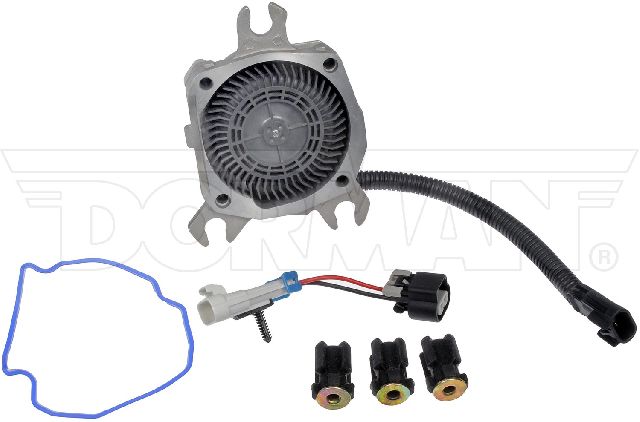
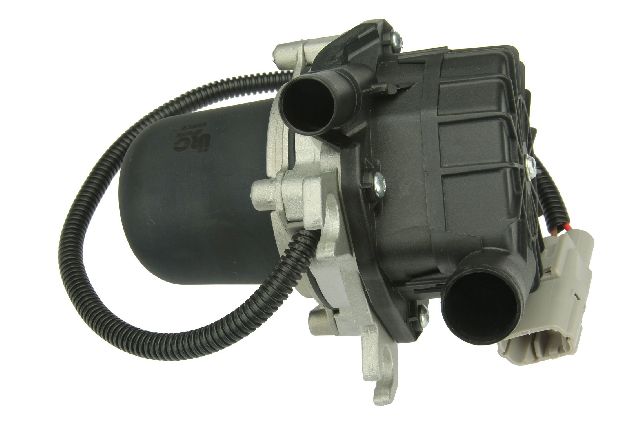
Aftermarket price range: $150-$250 - Air Pump Assembly
(OEM #17600-0F010)— This is the root cause of the problem in most cases. Its failure contaminates the entire system.
Trusted brands: Toyota (OEM), Dorman
OEM price range: $400-$600
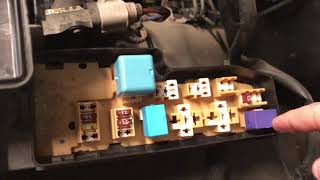
Aftermarket price range: $200-$350 - Secondary Air Injection System Bypass Kit — A popular and cost-effective alternative to a full system replacement. It tricks the ECU into thinking the system is functioning correctly, turning off the check engine light and disabling limp mode. 🎬 See how to install a Slyfox bypass kit yourself. Note: This may not be legal in states with strict emissions testing and may require splicing a wire into the MAF sensor harness.
Trusted brands: Hewitt-Tech, Slyfox75
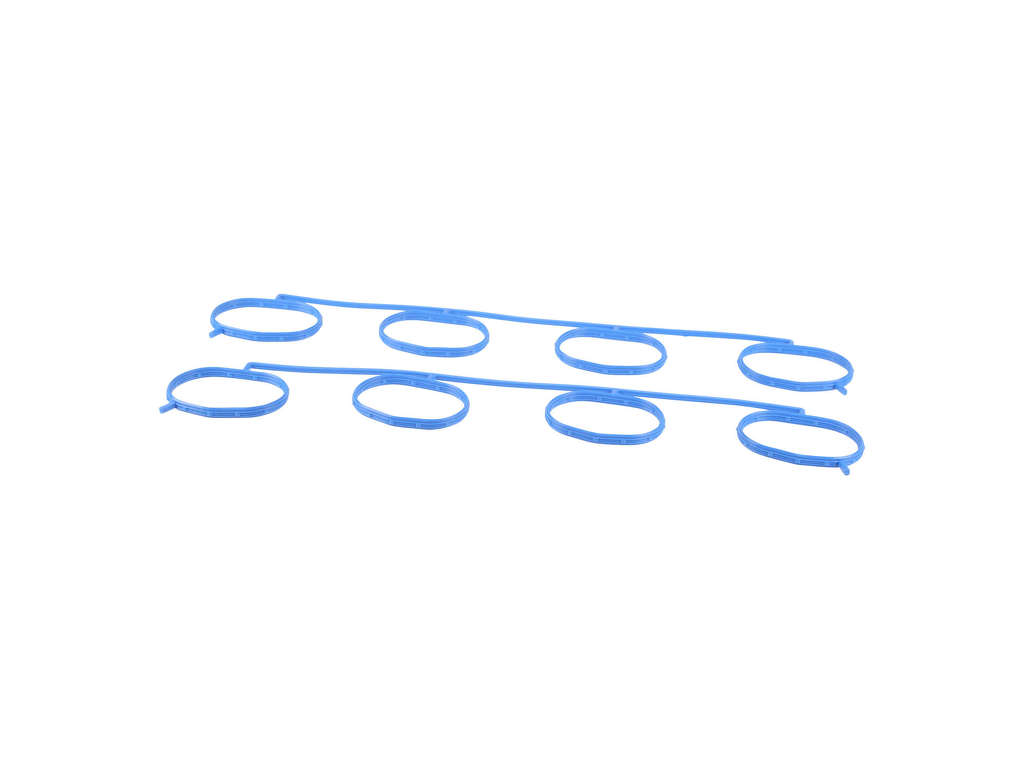
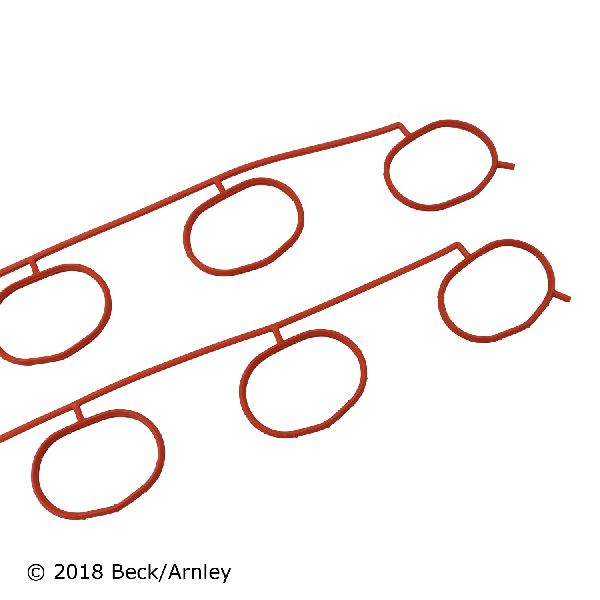
Aftermarket price range: $50-$350 - Intake Manifold Gaskets
(OEM #17171-50030)— Required when removing the intake manifold to access the air pump and switching valves.
Trusted brands: Toyota (OEM), Fel-Pro, Mahle
OEM price range: $25-$40
Aftermarket price range: $15-$30
Related Codes That Often Appear With This One
- P1443 — This is the corresponding circuit malfunction code for the Bank 2 (driver's side) valve. Failures often affect both banks simultaneously.
- P2440 — Indicates the Bank 1 switching valve is stuck open. This is a mechanical failure often caused by the same debris that causes the P1440 electrical fault.
- P2441 — Indicates the Bank 1 switching valve is stuck closed.
- P2442 — Indicates the Bank 2 switching valve is stuck open.
- P0418 — This code points to a circuit malfunction for the air pump itself, indicating a broader system failure.
- P2445 — Indicates the air pump is stuck off, a very common related failure.
Technical Service Bulletins (TSBs) & Recalls
- T-SB-0230-12 Rev - Air Injection System MIL 'ON'. This bulletin outlines the diagnostic trouble codes (including P1440) associated with the SAI system failure on the 2UZ-FE engine and confirms the cause is often debris passing through the air injection pump. It covers the 4Runner, Land Cruiser, Sequoia, and Tundra.
Platform-Specific Known Issues
- The Secondary Air Injection System on the 2005+ 4.7L V8 is a widely documented failure point. Toyota issued a Technical Service Bulletin (T-SB-0230-12 Rev) acknowledging the issue across multiple vehicle platforms.
- The failure progression is almost always the same: the air pump ingests moisture, the foam filter degrades, and the resulting debris is forced into the air switching valves, causing them to seize open, closed, or short circuit.
- Due to the high cost of OEM repair (often exceeding $1,500-$2,500), many owners choose to install an aftermarket bypass kit. These kits prevent the system from running and use electronics to prevent trouble codes and limp mode.
- Some owners have successfully negotiated with dealers for goodwill repairs even outside of warranty, given the widespread and well-documented nature of this specific failure.
Mechanic-Grade Diagnostic Values
- Torque Specification for Air Switching Valve — expected: 18 N·m (185 kgf·cm, 13 ft·lbf). Failure: N/A - This is an assembly specification.
- Torque Specification for Air Pump Assembly — expected: 16 N·m (163 kgf·cm, 12 ft·lbf). Failure: N/A - This is an assembly specification.
- Torque Specification for Intake Manifold to Head Gasket — expected: 18 N·m (185 kgf·cm, 13 ft·lbf). Failure: N/A - This is an assembly specification.
Scan Tool Commands That Help
- Techstream: Air Injection Check (Manual Mode) — This utility allows a technician to manually command the air pumps and switching valves (ASV) ON/OFF to test their functionality individually. This is critical for confirming if a valve is physically stuck or if the circuit is failing to command it. The path is Powertrain / Engine and ECT / Utility / Air Injection Check.
Wiring & Ground Locations
- Engine Block to Chassis Ground — A primary ground strap runs from the engine block to the chassis/frame. On the 4.7L V8, one key ground point is located on the side of the head, underneath the throttle body. Another is located near the lower control arm, connecting the engine block to the frame.. A poor ground connection can cause a variety of electrical faults and incorrect sensor readings. While not a primary cause for P1440, verifying engine grounds are clean and tight is a fundamental step in diagnosing any electrical circuit malfunction code.
- Battery Negative to Fender/Body Ground — The main negative battery cable has a smaller wire that branches off and bolts directly to the fender/inner body structure in the engine bay.. This is a primary ground point for the vehicle's body and many electronic modules. Corrosion or a loose connection here can lead to intermittent and difficult-to-diagnose electrical issues throughout the vehicle.
Real Owner Repair Stories
- YouTube user 'sailingmasterp' (Toyota Sequoia (with same 2UZ-FE engine and SAI system)) — Check engine light on with codes P1441 (valve stuck open) and P2440 (valve stuck open) that would return after being cleared, especially on a cold start.
❌ Tried (didn't work) Clearing the codes with a scanner provided only a temporary fix.
✅ What actually fixed it The owner installed a Hewitt-Tech (Slyfox75) bypass kit. The installation involved tapping into the Mass Air Flow sensor wiring harness and a starter relay wire to trick the ECU into thinking the system was functioning correctly. This permanently resolved the codes and check engine light.
OEM Part Supersession History
25710-50020→25710-50021, then 25710-50022— Revisions to improve durability and prevent failure. The design of the valve assembly was updated.
Heads up: The newest part number, 25710-50022, is the correct and recommended replacement for all previous versions.
Model Year Variations Within This Range
- 2005-2009: In 2005, the 4.7L 2UZ-FE engine was updated with VVT-i (Variable Valve Timing with intelligence) and a higher compression ratio (from 9.6:1 to 10:1). This resulted in a power increase for the 2005-2009 models compared to the 2003-2004 V8s. The problematic Secondary Air Injection system was also added starting in the 2005 model year for the 4Runner V8.
Helpful Videos
We Have This Part in Stock


The information in this article is provided for general reference and educational purposes only. Vehicle specifications, procedures, and part compatibility can vary by production date, trim level, and region. Always consult your vehicle's factory service manual and verify part numbers before purchasing or performing repairs. Safety-critical components such as airbags, seat belts, and braking systems should be installed by a qualified professional.
- Toyota 4RUNNER:
- 🧭 Diagnostic Flowchart
- 🎬 Helpful Videos
- 🛍️ Shop This Part
- What's Unique About the 2005-2009 Toyota 4RUNNER
- Symptoms You May Notice
- Most Likely Causes
- Rare But Worth Checking
- Diagnosis Steps
- Parts You'll Likely Need
- Related Codes That Often Appear With This One
- Technical Service Bulletins (TSBs) & Recalls
- Platform-Specific Known Issues
- Mechanic-Grade Diagnostic Values
- Scan Tool Commands That Help
- Wiring & Ground Locations
- Real Owner Repair Stories
- OEM Part Supersession History
- Model Year Variations Within This Range
- 🎟️ Get 5% Off