

P1440 on 2007-2014 Volvo XC90 3.2L: Leak Detection Pump Fault Causes and Fixes
On a 2007-2014 Volvo XC90 with the 3.2L engine, P1440 almost always means the EVAP Leak Detection Pump (LDP), also called a DMTL pump, has failed. The fix is to replace the pump, located under the vehicle near the spare tire. Expect to pay ~$100-$150 for the OEM-quality Bosch part (P/N 0261222019), and the job is DIY-friendly.
- For a 2007-2014 XC90 3.2L, P1440 means the Leak Detection Pump (LDP) or its circuit is faulty.
- Do not waste money on a new gas cap or engine bay purge valve for this code; the problem is at the rear of the vehicle.
- The most probable fix is replacing the LDP, which is a DIY-friendly job accessed by lowering the spare tire.
- The OEM part is made by Bosch (part no. 0 261 222 019), which can be purchased for significantly less than the Genuine Volvo-branded equivalent (part no. 30774518).
What's Unique About the 2002-2014 Volvo XC90
It is critical to note that P1440 has a different meaning on other Volvo engines. For example, on the 4.4L V8 XC90, this code often points to a faulty purge valve in the engine bay. For the 3.2L I6 engine (model years 2007-2014), the diagnostic logic for P1440 specifically isolates the fault to the Leak Detection Pump circuit at the rear of the vehicle. This makes diagnosis more straightforward than on many other vehicles where EVAP codes can have dozens of potential causes.
Generation note: The specified vehicle range (2002-2014) covers the entire first generation of the Volvo XC90. However, the SI6 3.2L I6 engine was only available in this platform from model years 2007 to 2014. This guide is only applicable to those specific years and engine configuration.
Symptoms You May Notice
- Check Engine Light is illuminated.
- Inability to pass an emissions inspection.
- No noticeable impact on vehicle performance or drivability.
- Replacing the gas cap. While a faulty gas cap can cause other EVAP codes (like P0455 for a large leak), it does not cause the P1440 electrical fault code.
- Replacing the EVAP purge valve/solenoid. The purge valve is located in the engine bay and typically sets different codes (like P0441). On the 3.2L engine, P1440 points specifically to the LDP circuit at the rear of the vehicle.
Most Likely Causes
- Failed Leak Detection Pump (LDP/DMTL) 🔴 High Probability The Bosch LDP is a known failure point on this platform after years of exposure to the elements, as it is mounted under the vehicle. The internal electric motor simply wears out or fails.
How to confirm: After visually inspecting the wiring, the most definitive test is to replace the pump. If a bi-directional scan tool is available, you can command the pump to activate; a lack of response or buzzing noise from the pump points to its failure. You can also test the circuit: with the ignition on, one pin on the connector should have 12V power, and another should have ground. The remaining pins are for the control signal from the ECM.
Typical fix: Replace the Leak Detection Pump module.
Est. part cost: $100-$300 - Damaged Wiring or Connector ⚪ Low Probability The pump's location under the vehicle exposes its wiring and connector to moisture, road salt, and physical damage, which can lead to corrosion or breaks in the circuit.
How to confirm: Visually inspect the electrical connector and wiring harness leading to the LDP for any signs of corrosion, chafing, or breaks. Use a multimeter to check for 12V power and good ground at the connector with the ignition on. Wiggle the harness while testing to check for intermittent connections.
Typical fix: Repair the damaged section of wiring or clean/replace the connector.
Est. part cost: $5-$50
Rare But Worth Checking
- Faulty Engine Control Module (ECM): This is extremely rare. Before condemning the ECM, all other possibilities, including the pump and its entire circuit, must be thoroughly tested and ruled out.
Diagnosis Steps
- Confirm the P1440 code is present using an OBD-II scanner.
- Safely raise the rear of the vehicle or use ramps. Lower the spare tire to gain access to the components above it.
- Locate the Leak Detection Pump (LDP). It is a black, plastic module mounted to the vehicle body, typically near the charcoal canister.
- Visually inspect the LDP, its electrical connector, and the surrounding wiring for any obvious signs of physical damage, corrosion, or loose connections.
- If visual inspection passes, test for power and ground at the connector with a multimeter. If power and ground are present, the pump has failed.
- If the visual inspection passes and power/ground are confirmed, the most common and effective step is to replace the LDP, as it is the overwhelming cause of this code.
- After replacing the pump, clear the trouble code with the OBD-II scanner and perform a drive cycle to ensure the code does not return.
Parts You'll Likely Need
- EVAP Leak Detection Pump (DMTL)
(OEM #30774518, 31392490, 8687956)— This is the component that fails in over 95% of cases for this specific code on this engine. The original part is manufactured by Bosch.
Trusted brands: Bosch (P/N: 0 261 222 019)
OEM price range: $200-$300
Aftermarket price range: $100-$180
Technical Service Bulletins (TSBs) & Recalls
- TSB 28-74 (2008 models) & RTJ-16629 (up to 2008 models): These technical bulletins mention 'Leakage diagnostic function improvements to remedy DTC's'. This refers to a dealer-installable software update that refines the sensitivity of the EVAP monitor. It is unlikely to fix a P1440 code caused by a mechanically or electrically failed pump but may address intermittent or borderline faults on applicable model years.
Mechanic-Grade Diagnostic Values
- DMTL Pump Motor Current Draw — expected: During a test cycle, the ECM first runs the pump against a known reference orifice (e.g., 0.5mm) to establish a baseline amperage value. It then compares this to the amperage draw while pressurizing the EVAP system. A normally functioning pump will show a stable current draw of around 0.5 amps at idle speed.. Failure: The P1440 code indicates an electrical fault (open or short circuit), which prevents the current draw test from running correctly. An ammeter reading of 0A would indicate an open circuit in the pump motor or wiring. An abnormally high current draw before a fuse blows would indicate a short circuit.
- DMTL Pump Connector Pin Voltage — expected: The 4-pin connector should have: one pin with 12V+ (battery voltage) with key on, one pin for chassis ground (0V), and two pins for control/communication with the ECM. The ground is provided via the wiring harness, not through the pump body.. Failure: Absence of 12V+ power points to a fuse or wiring issue upstream. A high resistance reading on the ground pin indicates a bad ground connection. Absence of a signal on the control pins during a commanded test points to a wiring or ECM issue.
Hidden / Shadow Codes Worth Checking
- ECM-XXXX (e.g., ECM-400D): While a generic OBD-II scanner will show P1440, Volvo's proprietary diagnostic tool, VIDA, will display a more specific manufacturer code (e.g., ECM-XXXX). This code allows for more precise fault tracing within the VIDA software, linking directly to specific test plans, wiring diagrams, and component locations. Note: Some online sources incorrectly link P1440 to ECM-400D 'Generator Faulty Signal'; this is not correct for the XC90 3.2L, where P1440 points to the LDP circuit. (see via Volvo VIDA (Vehicle Information & Diagnostics for Aftersales) software with a compatible DICE or J2534 interface.)
Scan Tool Commands That Help
- Volvo VIDA: Quick Test of Fuel Tank System — This is the primary bidirectional test to diagnose the EVAP system. Navigate to Diagnostics > Vehicle Communication > ECM > Advanced > 'Quick test of fuel tank system'. The function commands the DMTL pump to run and seals the system to check for leaks. It provides a definitive result of 'System Fine', 'Minor Leakage', or 'Major Leakage', confirming if a leak is present. For P1440, this test may fail to initiate, confirming the electrical fault in the pump circuit.
- Volvo VIDA: Activations / Fault Tracing — Within the 'Fault Tracing' tab for the specific DTC, VIDA provides step-by-step diagnostic plans. This includes the ability to activate individual components. A technician can attempt to activate the DMTL pump directly from this menu to listen for the motor running, which helps isolate the fault between the pump itself and the wiring/ECM.
Wiring & Ground Locations
- DMTL Pump Connector — Under the vehicle, mounted near the charcoal canister, accessible after lowering the spare tire. It is a 4-pin connector on the pump body.. This is the primary point for electrical testing. Checking for 12V power, ground, and signal continuity at this connector is the key to differentiating a failed pump from a wiring fault.
- Chassis Ground (e.g., 31/XX) — Volvo designates its ground points with a '31/XX' number in official wiring diagrams (e.g., '31/93' is on the left MacPherson strut tower). The specific ground point for the rear LDP circuit must be looked up in VIDA for the exact model year, but it is likely located in the rear of the vehicle near the pump or Rear Electronic Module (REM).. A corroded or loose chassis ground is a common cause of intermittent or persistent electrical faults. If power is present at the connector but the pump won't activate, verifying the integrity of the ground circuit back to its chassis point is a critical diagnostic step.
Real Owner Repair Stories
- YouTube user 'ztp def' (Volvo XC90) — Check Engine Light with a pending code for the leak detection pump.
❌ Tried (didn't work) Installed a used leak detection pump sourced from a junkyard vehicle with 119,000 miles.
✅ What actually fixed it The used pump from the junkyard was also faulty and did not resolve the code. The owner then purchased a new Bosch LDP from Amazon for approximately $63, and installing the new part successfully fixed the problem. - YouTube user 'DIY-Mechanic' (2007 Volvo XC90) — Check Engine Light with code for leak detection pump.
✅ What actually fixed it Replaced the original leak detection pump. The mechanic noted that the original factory hose clamps were single-use and did not want to reuse them for fear of a future vacuum leak. He installed new aftermarket worm-drive style hose clamps to ensure a tight seal on the new pump.
OEM Part Supersession History
8687956→30774518, 31392490, 31338272, 31405079— Standard part evolution and supplier changes over the vehicle's production life. All listed numbers refer to the same Bosch DMTL pump assembly.
Heads up: The primary OEM supplier is Bosch, with part number 0 261 222 019. This Bosch part is physically and functionally identical to the Genuine Volvo parts and can be used interchangeably.
Diagnostic Flowchart
Other Known Issues on This Vehicle
Issues unrelated to this code that are worth knowing about as an owner of this generation:
- Leaking Brake Vacuum Pump 🟠 Medium — Very common on higher-mileage 3.2L engines. Often misdiagnosed as other oil leaks as it drips down onto the transmission case. (Ref: Volvo offers a specific reseal kit (P/N 31401556) as an alternative to replacing the entire pump.)
- Power Steering Pump Whine and Failure 🟠 Medium — Common failure item. Symptoms start with a whining noise that changes with engine RPM, especially when cold, progressing to stiff or intermittent steering. (Ref: No specific TSB, but it's critical to replace the power steering fluid reservoir (which has an integrated, non-serviceable filter) when replacing the pump and to use the correct fluid (Pentosin CHF 202 or equivalent).)
- Premature Engine Mount Wear 🟠 Medium — The multiple hydraulic engine mounts, especially the upper torque mount, are known to collapse or leak fluid, typically after 100,000 miles, causing excessive engine vibration at idle and clunking noises.
- Rear Differential Bearing/Seal Failure 🔴 High — Less common than engine-related issues, but a known point of failure on AWD models. Symptoms include a whirring or grinding noise from the rear of the vehicle that changes with speed, not engine RPM.
- Torn PCV/Oil Trap Diaphragm 🔴 High — Extremely common failure. The diaphragm inside the PCV assembly tears, causing a large vacuum leak. The classic symptom is a loud whistling or 'tea kettle' noise from the engine at idle. (Ref: This will typically set lean codes like P0171/P0174, not P1440. The fix is to replace the entire oil filter housing assembly (P/N 31319642).)
Used vs. New Parts: Buying Guide for This Vehicle
When a used part is the smart pick: Almost never. The Bosch DMTL pump is a known high-failure component. The risk of a used pump from a junkyard being already faulty or failing shortly after installation is very high, as documented by owner experiences. It should only be considered as a temporary fix if a new part is unavailable.
Donor-vehicle mileage cap: roughly under 50000 miles for the part to have meaningful remaining life.
What to inspect on the donor part:
- Verify donor vehicle mileage is below the threshold.
- Inspect the electrical connector pins for any green/white corrosion or damage.
- Check the plastic housing for cracks, brittleness, or signs of heat stress.
- Ensure the hose nipples are intact and not cracked or broken.
- Avoid parts from vehicles that operated in the salt belt, as corrosion is more likely.
OEM-only on this vehicle (don't cheap out):
- While not strictly 'OEM-only', using the OE Manufacturer part (Bosch) is highly recommended over no-name aftermarket brands for reliability.
Aftermarket brands forum-validated for this vehicle:
- Bosch (P/N: 0 261 222 019) - This is the Original Equipment Manufacturer (OEM) and is the most reliable choice.
Brands owners have reported issues with on this vehicle:
- Unbranded or generic 'white-box' parts from online marketplaces. While cheaper, their reliability is unverified and may lead to repeat repairs.
Real Owner Stories
Aggregated from forums and TSBs cited above. Mileages and costs reflect what owners reported in those sources.
2008 Volvo XC90 3.2L I6
Symptoms: Check engine light with code P1440; confirmed the issue was the DMTL pump located by the spare tire.
What fixed it: Replacing the DMTL pump with Bosch part number 0261222019.
Source hint: SwedeSpeed Forums - Thread: 'DMTL pump?'
2002-2014 Volvo XC90 3.2L I6
Symptoms: P1440 code present; owner noted the job was straightforward and required lowering the spare tire for access.
What fixed it: DIY replacement of the leak detection pump using the Bosch-branded part.
Source hint: Matthews Volvo Site - Forum: 'XC90 3.2 P1440 Code'
Related OBD-II Codes
Frequently Asked Questions
Where is the Leak Detection Pump (LDP) located on my 2002-2014 Volvo XC90?
Is there a software update for EVAP codes on my 2008 XC90?
Can I use a cheaper aftermarket pump instead of the Genuine Volvo part?
Will a torn PCV diaphragm cause the P1440 code on my 3.2L engine?
How can I confirm the pump has failed before buying a new one?
Does the Land Rover LR2 share this same P1440 issue?
Helpful Videos
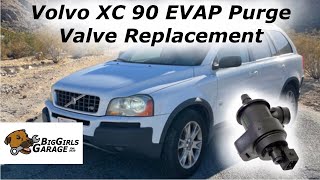
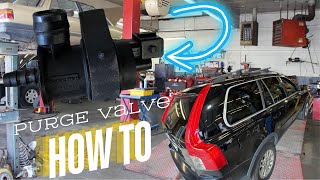
We Have This Part in Stock
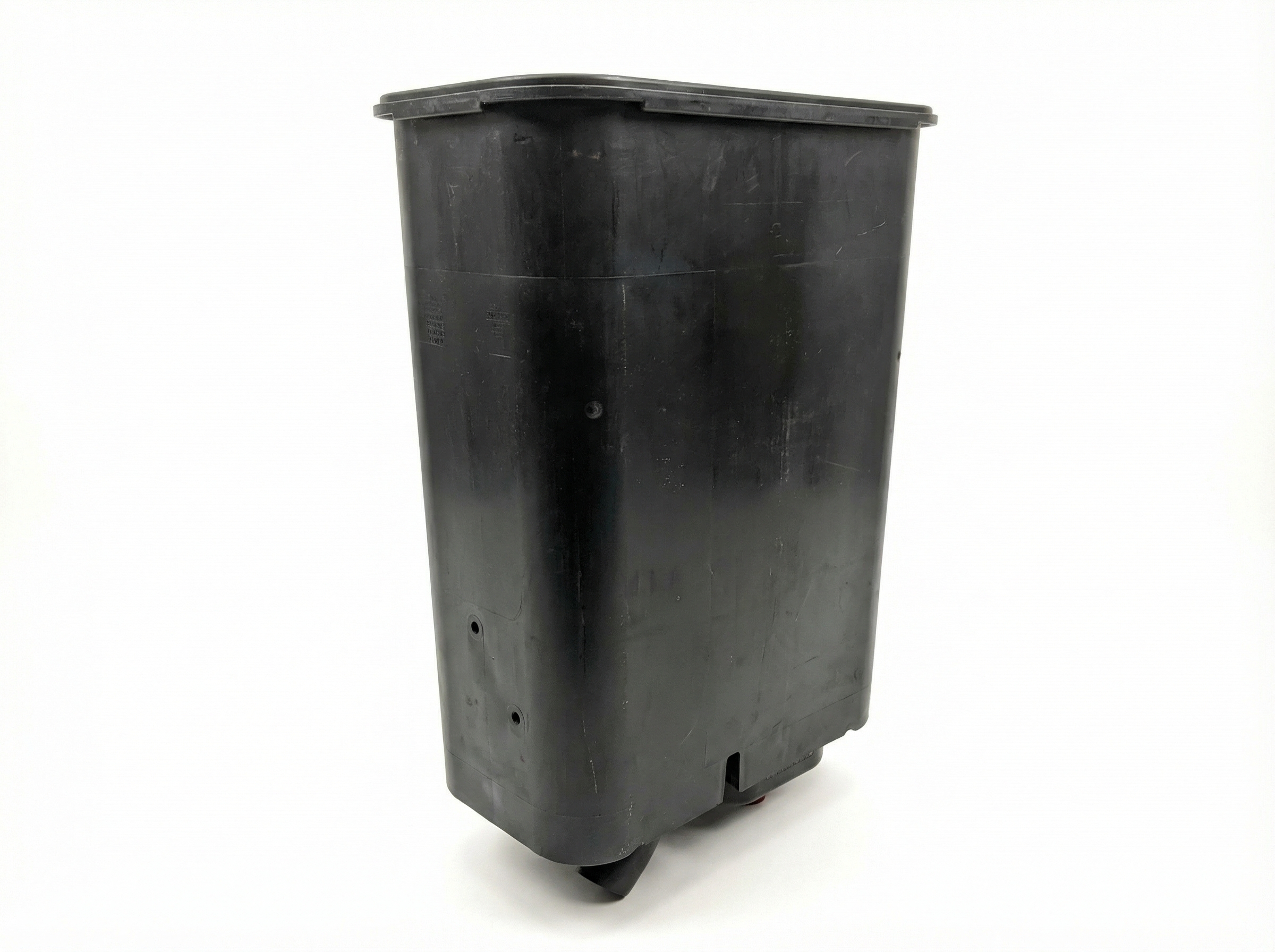

The information in this article is provided for general reference and educational purposes only. Vehicle specifications, procedures, and part compatibility can vary by production date, trim level, and region. Always consult your vehicle's factory service manual and verify part numbers before purchasing or performing repairs. Safety-critical components such as airbags, seat belts, and braking systems should be installed by a qualified professional.
- Volvo XC90:
- 🧭 Diagnostic Flowchart
- 🎬 Helpful Videos
- 🛍️ Shop This Part
- What's Unique About the 2002-2014 Volvo XC90
- Symptoms You May Notice
- Most Likely Causes
- Rare But Worth Checking
- Diagnosis Steps
- Parts You'll Likely Need
- Technical Service Bulletins (TSBs) & Recalls
- Mechanic-Grade Diagnostic Values
- Hidden / Shadow Codes Worth Checking
- Scan Tool Commands That Help
- Wiring & Ground Locations
- Real Owner Repair Stories
- OEM Part Supersession History
- Other Known Issues on This Vehicle
- Used vs. New Parts: Buying Guide for This Vehicle
- Real Owner Stories
- 2008 Volvo XC90 3.2L I6
- 2002-2014 Volvo XC90 3.2L I6
- Related OBD-II Codes
- Frequently Asked Questions
- 🎟️ Get 5% Off