

P1441 on 2005-2009 Toyota 4Runner: Secondary Air Injection Valve Failure Causes and Fixes
P1441 on a 4th Gen Toyota 4Runner means the Secondary Air Injection (SAI) system's switching valve for Bank 1 is stuck open. This is a very common failure, especially on the V8, caused by moisture or debris from the air pump. The official fix is an expensive replacement of the valves under the intake manifold (often $2,000+ at a dealer), but many owners opt for a more affordable (but not emissions-legal) electronic bypass kit from brands like Hewitt Technologies.
- P1441 on your 4Runner means an emissions valve is stuck open, which will trigger a 'limp mode' and severely limit engine power.
- The root cause is almost always a faulty air pump in the passenger fender allowing moisture or debris into the system.
- The official fix is very expensive ($2000+) because the valves are located under the engine's intake manifold.
- A complete repair should include replacing the pump and both switching valves to prevent a repeat failure.
- An electronic bypass kit is a much cheaper, popular alternative that will clear the code and restore power, but it is not legal for on-road use in areas with emissions testing.
What's Unique About the 2005-2009 Toyota 4RUNNER
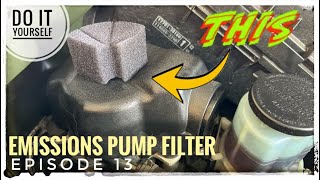
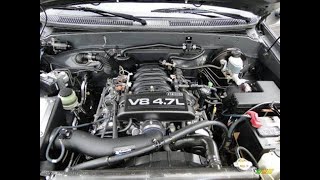
The SAI system on this generation of Toyota trucks and SUVs with the 2UZ-FE V8 engine (including the 4Runner, Tundra, Sequoia, Land Cruiser, and Lexus GX470/LX470) is notoriously prone to failure. The air pump is located in the passenger-side fender well, where it can ingest moisture. This moisture is then pumped into the switching valves, causing them to rust and seize. Additionally, the foam pre-filter inside the pump housing is known to disintegrate over time, sending black foam particles into the valves and causing them to jam. This widespread, predictable failure has led to a large aftermarket of electronic bypass kits designed to circumvent the costly OEM repair.
Diagnostic Flowchart
Tap your situation to follow the diagnostic path that matches what you're seeing on this vehicle.
Symptoms You May Notice
- Check Engine Light is on
- Vehicle enters 'limp mode' (reduced engine power, won't accelerate properly)
- Multiple warning lights illuminated on the dash, such as 'TRAC OFF' and a flashing '4LO' light, even though the 4WD system is fine.
- Loud vacuum cleaner-like noise from the engine bay or passenger fender for about 30-60 seconds after a cold start (this is the sound of the air pump running).
- In some cases, a booming or backfire-like sound from the exhaust on startup as unmetered air enters the hot exhaust manifold.
- Replacing only the air pump without addressing the stuck valves. If debris has already been sent to the valves, a new pump won't fix the code.
- Mistaking the accompanying TRAC/VSC/4LO lights as a problem with the drivetrain or ABS system. These lights are a secondary warning triggered by the primary engine fault code.
- Replacing the gas cap. While a faulty gas cap can cause other EVAP codes (like P0441), it is not related to the P1441 SAI system code on this vehicle.
Most Likely Causes
- Failed Air Switching Valve (Stuck Open) 🔴 High Probability Moisture and debris from the air pump assembly are forced into the valves, causing internal corrosion and mechanical failure. The valves are located in a hot area of the engine valley under the intake manifold, which can exacerbate the effects of moisture.
How to confirm: Confirming requires either using an advanced scan tool (like Toyota's Techstream) to command the valve to open and close while monitoring system pressure, or physically removing the intake manifold to access and inspect/test the valve. Once removed, the valve can often be tested by applying voltage (e.g., from a 9V battery) to its terminals to see if it actuates.
Typical fix: Replace the faulty air switching valve assembly. Due to the high labor cost (4-7 hours) to access the valves, it is highly recommended to replace both Bank 1 and Bank 2 valves at the same time, along with the air pump if it is contaminated.
Est. part cost: $150-$400 per valve assembly - Moisture/Debris Ingress from Air Pump 🔴 High Probability → Shop Secondary Air Injection Pump The air pump's location in the fender well makes it susceptible to water ingestion. Furthermore, the internal foam filter is known to degrade, break apart, and get sucked into the system, jamming the valves. This is considered the root cause of most SAI valve failures.
How to confirm: Remove the air pump from the passenger fender well and inspect its inlet and outlet for signs of water, rust, or black foam particles. If the pump is contaminated, the valves are almost certainly compromised.
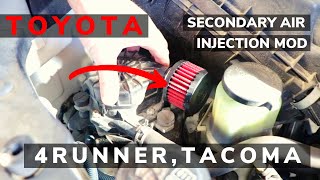
Typical fix: Replace the air pump assembly and clean or replace all associated hoses and valves. Many owners perform a preventative modification by removing the OEM foam filter and replacing it with a small, aftermarket Uni Filter (like the UP-107) clamped onto the pump's intake port to prevent future debris contamination.
Est. part cost: $150-$500 for a new air pump assembly - Wiring or Connector Issue ⚪ Low Probability The wiring harness for the valves is located at the back of the engine against the firewall and can become brittle from heat cycles. A video shows how the harness can rub against and break the vacuum nipple on the valve assembly.
How to confirm: Visually inspect the wiring harnesses and connectors going to the air switching valves (under the intake) and the Air Injection Control Driver. Check for chafed wires, loose connections, or corrosion.
Typical fix: Repair the damaged section of the wiring harness or replace the connector.
Est. part cost: $10-$50
Diagnosis Steps
- Scan the vehicle for all OBD-II codes. Note all codes present, as multiple SAI codes often appear together.
- On a cold start, listen for a loud 'vacuum cleaner' noise from the passenger side for 30-60 seconds. If the noise is present, the air pump is at least running. If absent, the pump or its relay may have failed.
- If possible, use a bidirectional scan tool (like Toyota Techstream) to perform an 'Active Test' of the SAI system. This will command the pump and valves to turn on and off, allowing you to monitor their response and system pressure readings.
- Inspect the air pump. It is located inside the passenger-side front fender well, requiring removal of the fender liner. Check the foam filter inside the pump's plastic housing for degradation. If it's falling apart, it's the source of the problem.
- Disconnect the air hose from the pump and inspect for moisture or rust residue.
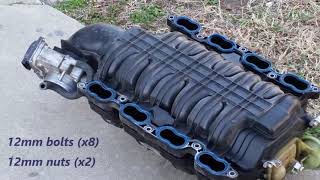
- If a stuck valve is confirmed by the code and active tests, the intake manifold must be removed for access. This is a complex, labor-intensive job (4-7 hours).
- Once the manifold is off, inspect the valves and the ports for carbon buildup, rust, or black foam debris. Replace the faulty valve assembly (or both, for preventative care).
- While the system is apart, thoroughly clean all air passages and hoses to remove any remaining debris before installing new parts.
Parts You'll Likely Need
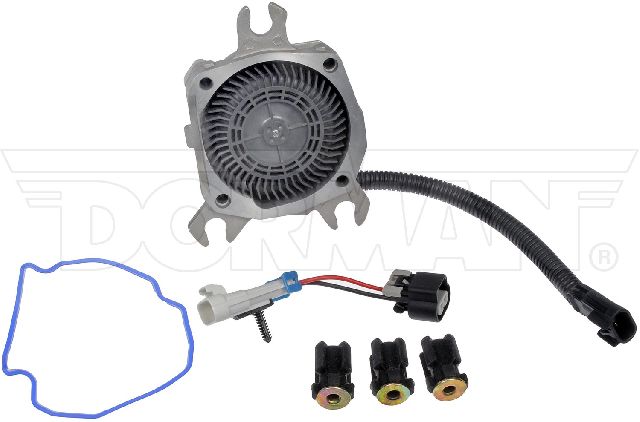
- Air Switching Valve Assembly (Bank 1)
(OEM #25720-50020)— This is the valve assembly that the code P1441 directly identifies as being stuck open. The repair requires removing the intake manifold.
Trusted brands: Toyota (OEM), Dorman (911-643)
OEM price range: $100-$250
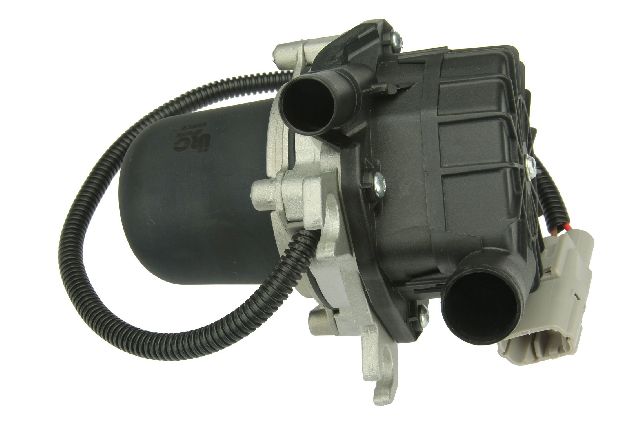
Aftermarket price range: $180-$375 - Secondary Air Injection Pump
(OEM #17600-0F010)— This pump is the origin of the moisture and debris that causes the valves to fail. It is almost always replaced as part of a complete repair to prevent a repeat failure.
Trusted brands: Toyota (OEM), Dorman
OEM price range: $400-$550
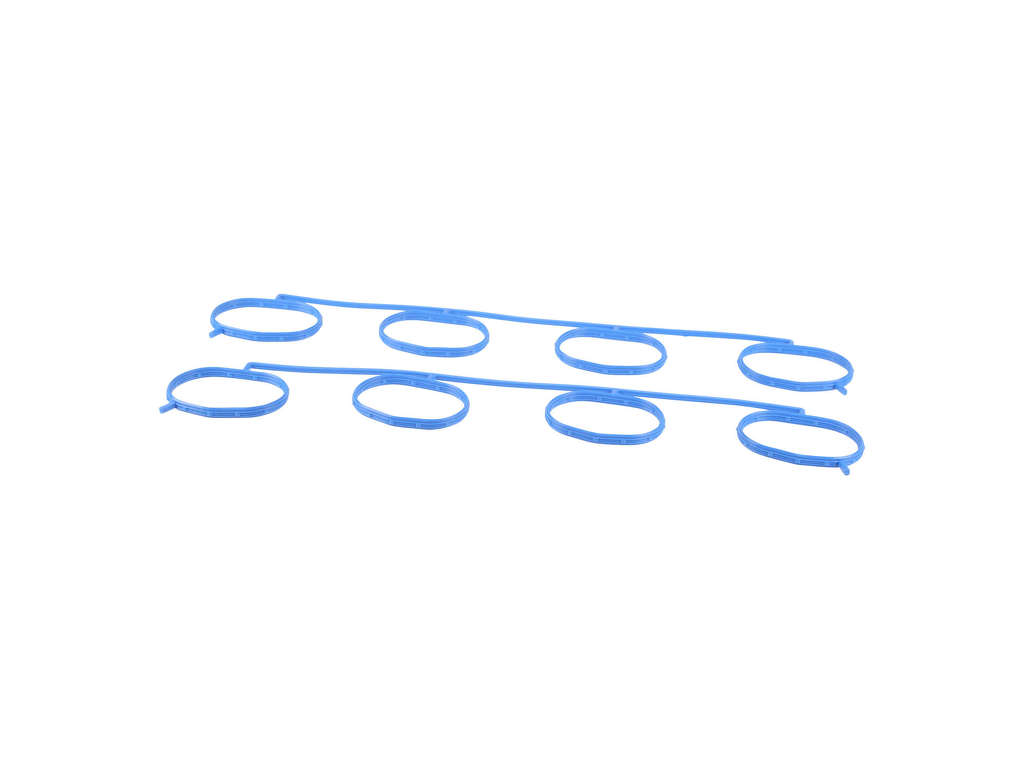
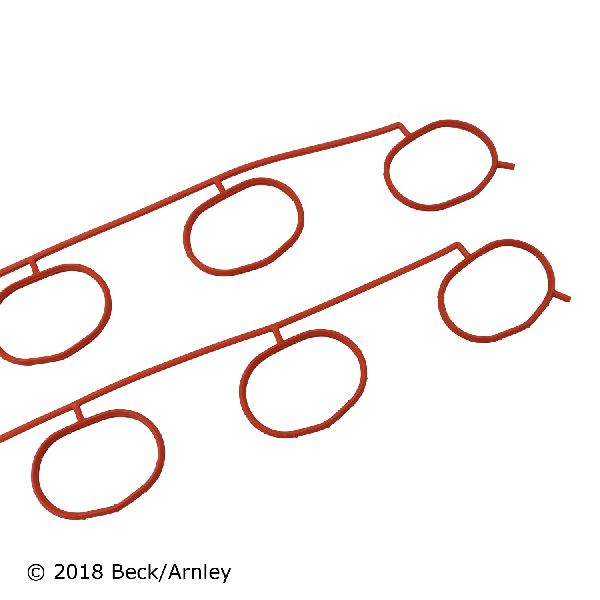
Aftermarket price range: $150-$300 - Intake Manifold Gaskets
(OEM #17171-50030)— These are single-use gaskets required for re-installing the intake manifold after accessing the air switching valves.
Trusted brands: Toyota (OEM), Fel-Pro, Mahle
OEM price range: $30-$50
Aftermarket price range: $20-$40 - SAI System Bypass Kit — A popular, cost-effective but not emissions-legal alternative to a full mechanical repair. It electronically simulates a working SAI system for the ECU, clearing the codes and limp mode without replacing the expensive mechanical parts.
Trusted brands: Hewitt Technologies, Slyfox Performance
Aftermarket price range: $150-$400
Related Codes That Often Appear With This One
- P2440 — This is an almost identical code, also for 'Switching Valve Stuck Open Bank 1'. Both P1441 and P2440 point to the same mechanical failure and are often listed together in TSBs.
- P1444 / P2442 — These are the corresponding 'Stuck Open' codes for Bank 2 (driver's side). It is very common for both valves (Bank 1 and Bank 2) to fail around the same time due to systemic moisture/debris issues.
- P1442 / P1445 / P2441 / P2443 — These are the 'Stuck Closed' codes for the switching valves. A valve may report being stuck closed before eventually failing in the open position, or vice-versa.
- P0418 / P2445 — These codes point to a problem with the air pump itself, its control driver, or its relay. A failing pump is the root cause of the valve failures, so these codes are common companions.
Technical Service Bulletins (TSBs) & Recalls
- T-SB-0230-12 Rev1 (October 17, 2013): Titled 'Air Injection System MIL ON', this bulletin lists DTCs P1441, P1444, P2440, among others, for 2005-2009 4Runner, Tundra, Sequoia, and Land Cruiser with the 2UZ-FE engine. It confirms the cause is often debris from the air pump contaminating the system.
Platform-Specific Known Issues
- Foam Filter Disintegration: The primary design flaw is the foam filter inside the air pump housing, located in the passenger fender well. Over time, this filter degrades and sends particles of foam through the system, which jam the delicate air switching valves, causing them to stick open or closed.
- Bypass Kit 'Cold Weather Glitch': Some aftermarket bypass kits can have issues in very cold weather (e.g., 40°F or below), potentially causing the vehicle to enter limp mode on a cold start even with the kit installed. Cycling the key or clearing the code typically resolves the issue temporarily. Hewitt Technologies notes a known 'Cold Weather Glitch' on some older 4.7L engines that can cause a P2445 code that their bypass kit cannot resolve.
Mechanic-Grade Diagnostic Values
- Secondary Air Injection System Pumping Pressure — expected: 1 kPa or more when the AIR system is commanded ON via scan tool.. Failure: Pressure below 1 kPa indicates a weak or failed air pump.
Hidden / Shadow Codes Worth Checking
- Mode $06, TID $53: This Test ID is often associated with manufacturer-specific misfire counters. While not directly for the SAI system, a severe SAI fault causing exhaust backfires could potentially be logged here. (see via Generic OBD-II scan tool with Mode $06 capability.)
- Mode $06, Secondary Air Monitor: This monitor group contains the results of the self-test for the Secondary Air Injection system. A failure here, even without a pending DTC, can indicate an emerging problem with the valves or pump. (see via Generic OBD-II scan tool with Mode $06 capability.)
Scan Tool Commands That Help
- Toyota Techstream: Utility -> Air Injection Check -> Manual Mode — This function allows a technician to individually command the air pumps (AIR PUMP 1/2) and air switching valves (ASV1/2) ON and OFF. It is the definitive way to test if the valves are mechanically stuck or if the pumps are operational without physically removing parts.
- Toyota Techstream: Utility -> Air Injection Check -> Automatic Mode — This function runs a complete, automated self-test of the SAI system. It can be used after a repair to confirm the fix and to check for pending codes before the main ECU monitor has completed its cycle.
Wiring & Ground Locations
- Air Injection Control Driver — Behind the right end of the dashboard, near the Engine Control Module (ECM).. This is the dedicated computer for the SAI system. All signals to and from the pumps and valves are processed here. A failure in this driver can mimic a mechanical part failure.
- EB — On the left front inner fender.. This is a major engine harness ground point. A poor ground here can cause erratic behavior or failure of various engine-related electronic components, including the SAI system.
- A/PUMP Fuse (50A) — In the engine room fuse block (R/B), on the left side of the engine compartment.. This is the main fuse for the secondary air pump. If the pump motor seizes, this fuse will blow. If the fuse is blown, the pump will not run at all.
Real Owner Repair Stories
- YouTube video from a mechanic (Toyota Tundra with 2UZ-FE V8 (same system as 4Runner)) — Check engine light, VSC lights, limp mode.
❌ Tried (didn't work) Initial diagnosis pointed to the common stuck valve failure.
✅ What actually fixed it Upon removing the intake manifold, the mechanic discovered the large engine wiring harness that runs behind the engine had rubbed against the vacuum nipple for the Bank 2 air switching valve, breaking it clean off. The fix required replacing the entire valve assembly because the nipple was not repairable. - Reddit user r/4thGen4Runner (2008 4Runner 4.7L V8, 161k miles) — Check engine light came on a few times for SAI codes, but not yet in limp mode.
✅ What actually fixed it The owner preemptively installed a bypass kit to avoid the inevitable failure and expensive repair. Many owners in the thread reported doing the same on their 2UZ-FE powered vehicles (4Runner, Sequoia) and never having issues again.
When the Usual Fixes Don't Work
- While the vast majority of P1441/P2440 codes are fixed by replacing the valves or installing a bypass kit, there are documented cases where the root cause is electrical. In one instance, a mechanic found the engine wiring harness had physically rubbed against and broken the vacuum nipple on the rear of the air switching valve assembly, causing a vacuum leak that triggered the code. This highlights the importance of inspecting the wiring and connectors at the back of the engine, near the firewall, during a valve replacement job.
OEM Part Supersession History
89580-34010, 89580-34011, 89581-34040, 89581-34041, 89581-71010→89580-34012— Component revision and consolidation.
Heads up: The newest part number (89580-34012) is the correct service replacement for all previous versions for this platform.25710-50020, 25710-50021→25710-50022— Component revision.
Helpful Videos


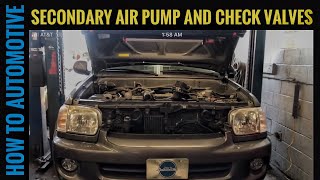
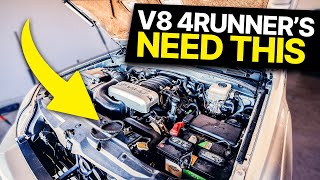
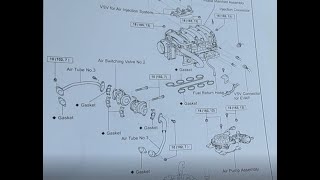
We Have This Part in Stock


The information in this article is provided for general reference and educational purposes only. Vehicle specifications, procedures, and part compatibility can vary by production date, trim level, and region. Always consult your vehicle's factory service manual and verify part numbers before purchasing or performing repairs. Safety-critical components such as airbags, seat belts, and braking systems should be installed by a qualified professional.
- Toyota 4RUNNER:
- 🧭 Diagnostic Flowchart
- 🎬 Helpful Videos
- 🛍️ Shop This Part
- What's Unique About the 2005-2009 Toyota 4RUNNER
- Symptoms You May Notice
- Most Likely Causes
- Diagnosis Steps
- Parts You'll Likely Need
- Related Codes That Often Appear With This One
- Technical Service Bulletins (TSBs) & Recalls
- Platform-Specific Known Issues
- Mechanic-Grade Diagnostic Values
- Hidden / Shadow Codes Worth Checking
- Scan Tool Commands That Help
- Wiring & Ground Locations
- Real Owner Repair Stories
- When the Usual Fixes Don't Work
- OEM Part Supersession History
- 🎟️ Get 5% Off