

P1442 on 2004-2008 Ford F-150 5.4L: EVAP Leak Causes and Fixes
On a 2004-2008 F-150, P1442 indicates a leak in the evaporative emissions (EVAP) system. The most common causes are a faulty canister purge valve, a cracked or rusted fuel filler neck, or a worn-out gas cap. Start by checking the gas cap and inspecting the filler neck for rust before replacing any parts.
- P1442 on a 2004-2008 F-150 is a Ford-specific code for a leak in the EVAP (emissions) system.
- Do not trust generic code definitions; this code is NOT related to the secondary air injection system on a Ford.
- Start your diagnosis with the easiest and most common fixes: check the gas cap seal and thoroughly inspect the fuel filler neck for rust before buying any parts.
- A faulty canister purge valve is another top suspect and can be easily tested at home with the engine running.
- If a visual inspection doesn't find the leak, a professional smoke test is the fastest way to pinpoint the exact source.
What's Unique About the 2004-2008 Ford F-150
For the 11th generation F-150 (2004-2008) with the 5.4L 3V Triton engine, age is a primary factor for this code. Rubber and plastic components in the EVAP system, particularly hoses and the canister purge valve, become brittle and fail. A well-documented weak point on these trucks is the steel fuel filler neck, which is highly susceptible to rusting through, especially in the salt belt, creating a leak that a new gas cap alone cannot fix. While the canister purge valve is a common failure on many Fords, the combination of a rust-prone filler neck and aging hoses makes these trucks particularly susceptible to P1442 and other EVAP codes.
Generation note: The 2004 model year was a transition period. Ford sold both the older 10th generation F-150 (as the 'Heritage' model) and the new 11th generation. This guide specifically covers the 11th generation F-150 produced from 2004 to 2008.
Symptoms You May Notice
- Check Engine Light is on
- A faint smell of gasoline, particularly around the rear of the truck
- Stalling or rough idle, especially after refueling (if the purge valve is stuck open)
- A "Check Fuel Cap" message may appear on the instrument cluster
- Replacing oxygen (O2) sensors. While EVAP issues can sometimes cause lean or rich codes, P1442 points specifically to a leak in the EVAP system, not a sensor malfunction.
- Replacing the fuel pump. A faulty fuel pump will not cause an EVAP leak code. However, a faulty Fuel Pump Driver Module (FPDM) can cause starting issues and is another common problem on these trucks, but it will set different codes (like P0191 or P1233).
Most Likely Causes
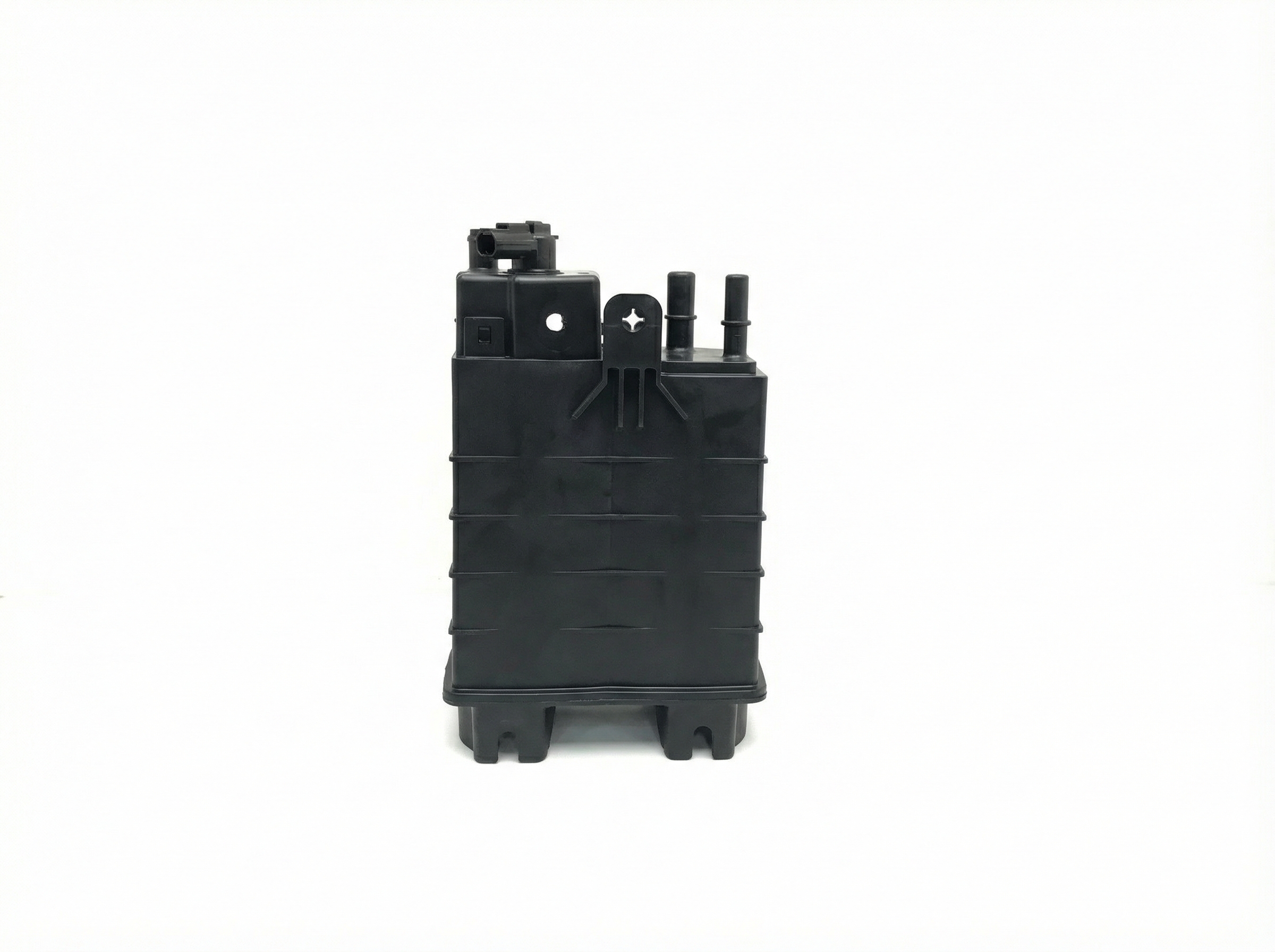
- Faulty or stuck-open canister purge valve 🔴 High Probability → Shop Vapor Canister The canister purge valve on this generation of Ford trucks is a very common failure point. It can get stuck open or closed, or leak intermittently, and is known to cause various EVAP codes.
How to confirm: With the engine running, disconnect the EVAP hose from the purge valve. There should be no vacuum present at idle. If you feel suction with your finger, the valve is stuck open and needs to be replaced.
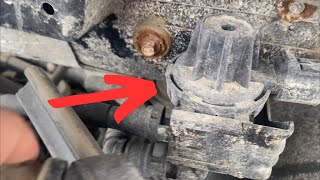
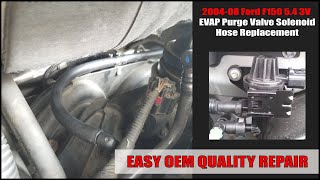
Typical fix: Replace the canister purge valve. It is located on the engine's intake manifold and is held on by two 8mm bolts. 🎬 Watch: How to replace the canister purge valve
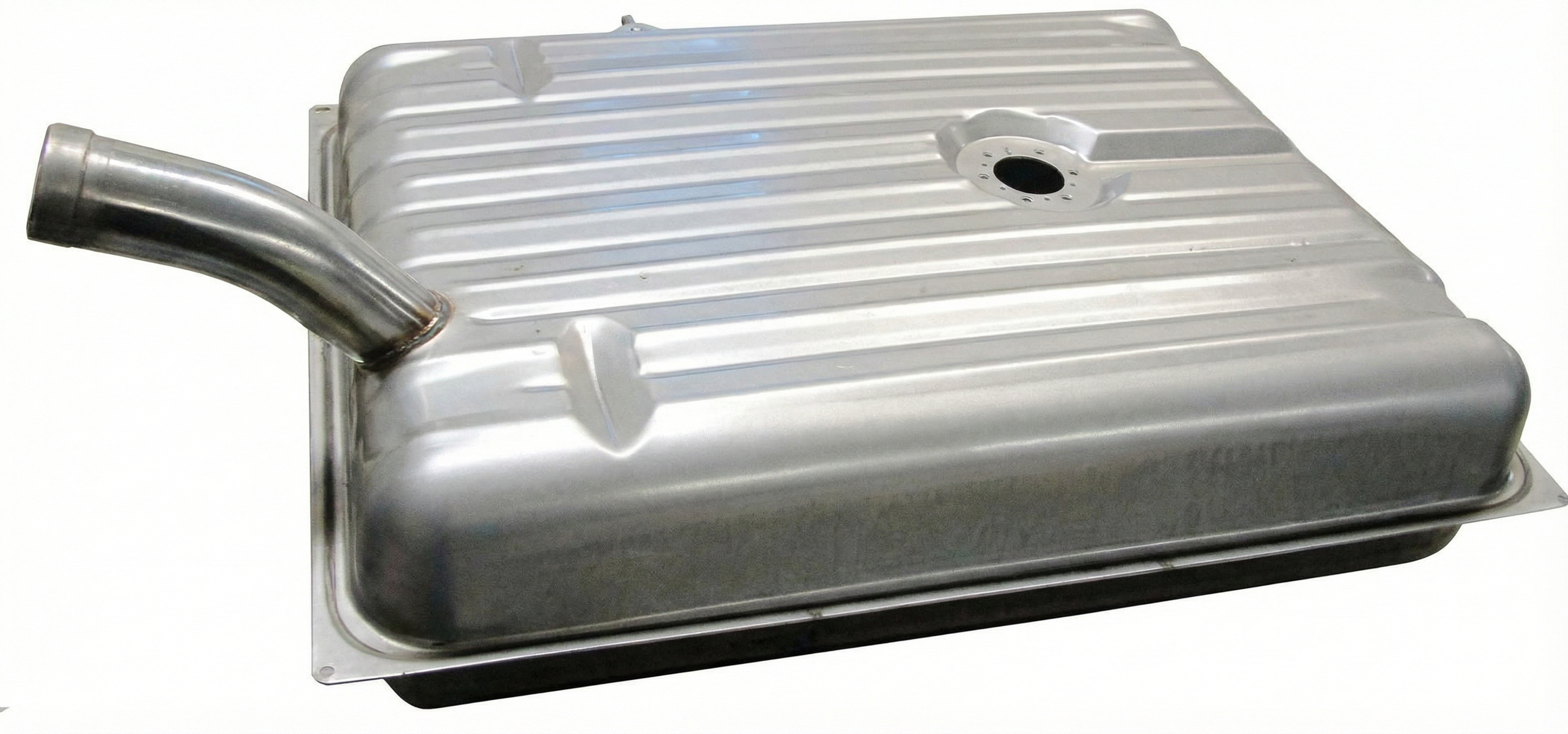
Est. part cost: $30-$60 - Rusted or cracked fuel filler neck 🔴 High Probability → Shop Fuel Filler Neck The steel fuel filler neck is exposed to the elements and is notorious for rusting through, especially in regions that use road salt. The rust creates holes that prevent the gas cap from sealing properly.
How to confirm: Perform a close visual inspection of the entire fuel filler neck, from the gas cap opening down to where it connects to the tank. Pay special attention to the area where the neck passes near the frame, as this is a common spot for corrosion.
Typical fix: Replace the fuel filler neck assembly. Aftermarket brands like Spectra Premium are a popular choice.
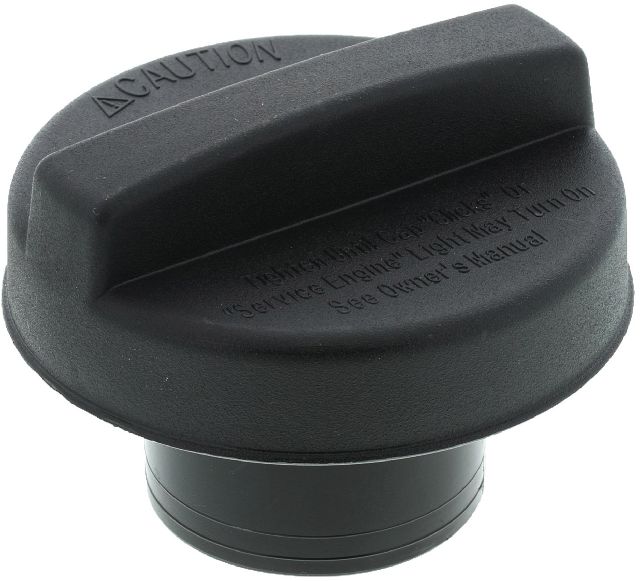
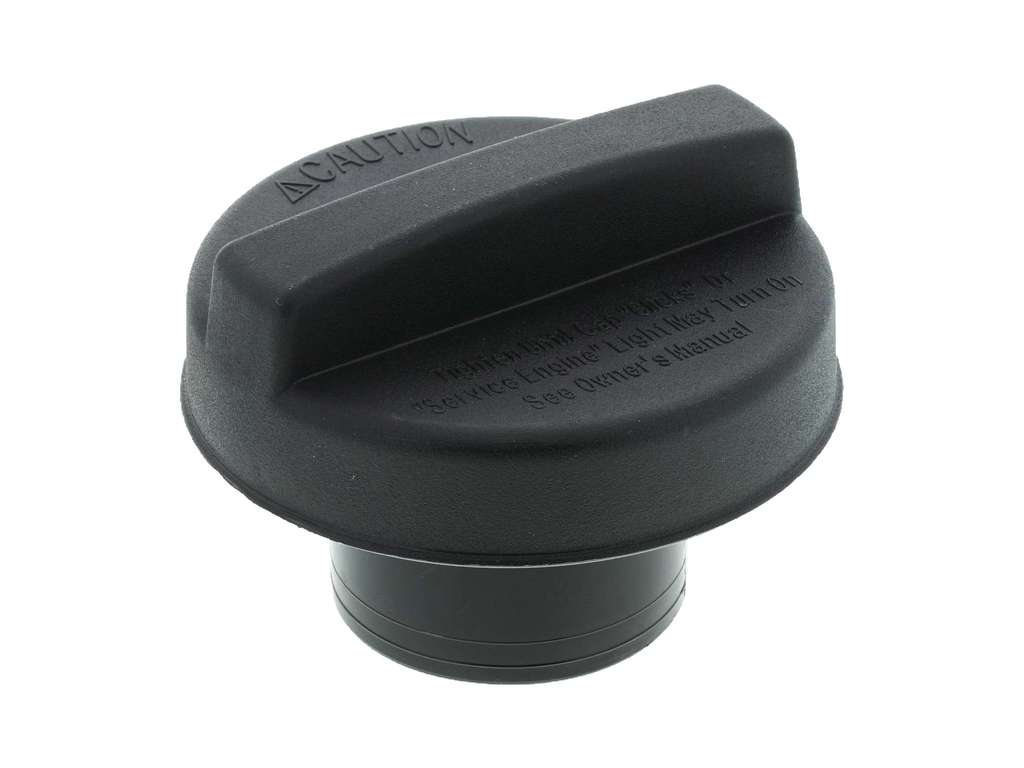
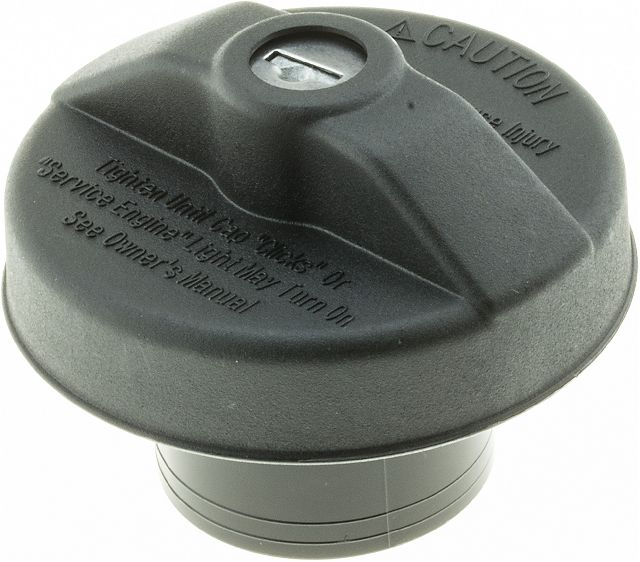
Est. part cost: $60-$150 - Loose or faulty gas cap 🟡 Medium Probability → Shop Fuel Tank Cap The gas cap's rubber O-ring seal can dry out, crack, or become stiff with age, preventing a proper seal. This was noted as a primary potential cause in Ford TSB 03-20-03.
How to confirm: Inspect the gas cap's seal for any visible cracks or damage. Ensure the cap clicks several times when tightened. If you have a capless system, clean the inlet area with a funnel to ensure the flap seals correctly.
Typical fix: Replace the gas cap. It is highly recommended to use an OEM Motorcraft cap for a reliable seal.
Est. part cost: $15-$30 - Cracked or disconnected EVAP hoses 🟡 Medium Probability Over time, the rubber and plastic hoses in the EVAP system become brittle from heat and age, leading to cracks and small leaks. This is especially true for elbow connectors.
How to confirm: Visually inspect all accessible EVAP lines, especially rubber elbows and connection points near the engine and around the charcoal canister under the truck. A smoke test is the most effective way to find a leak that isn't visually obvious.
Typical fix: Replace the cracked section of hose or the faulty connector.
Est. part cost: $10-$40
Rare But Worth Checking
- Faulty EVAP canister vent solenoid: → Shop Vapor Canister Located near the charcoal canister under the truck, this valve can get stuck or fail electrically. It's less common than the purge valve but is a key part of the system.
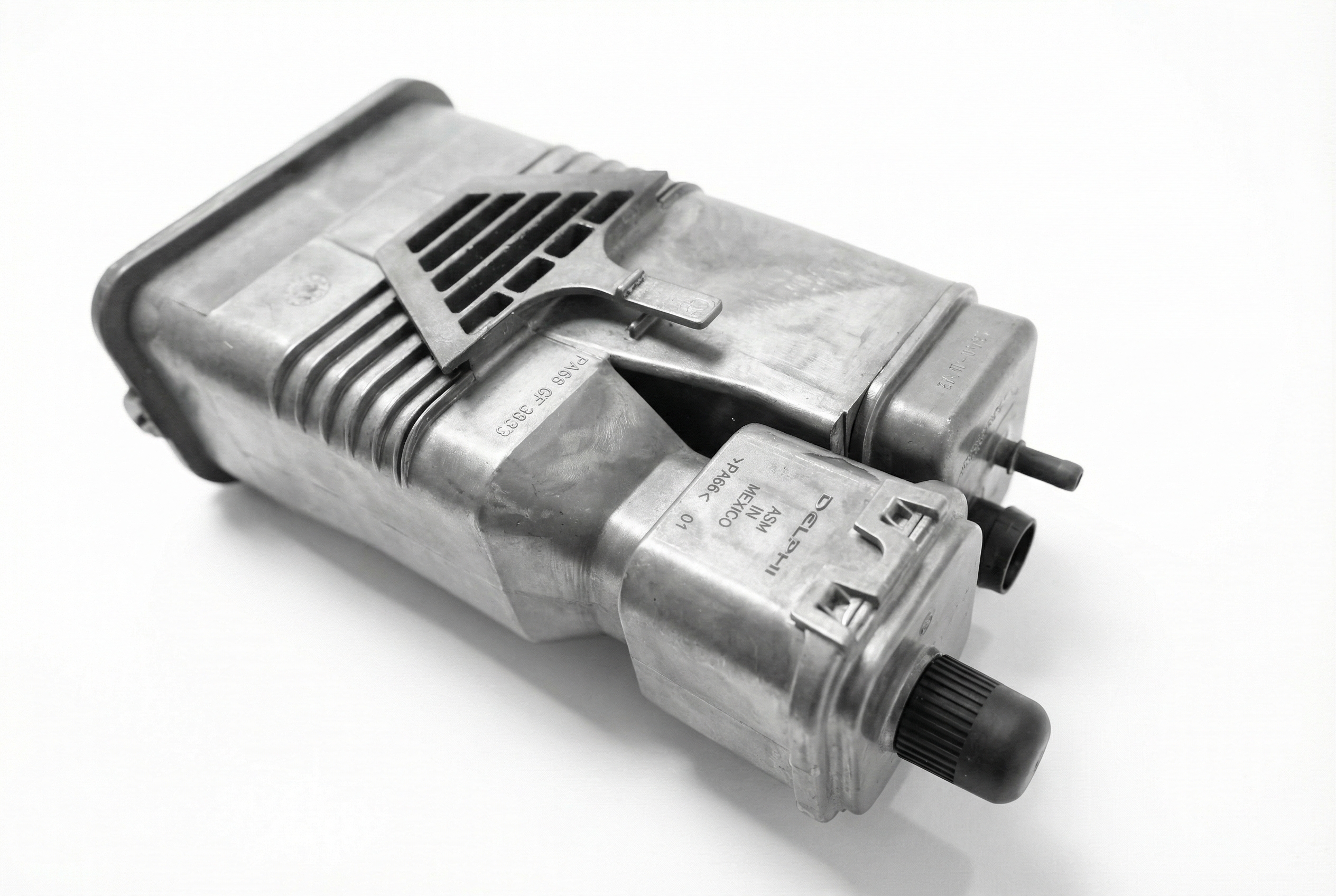
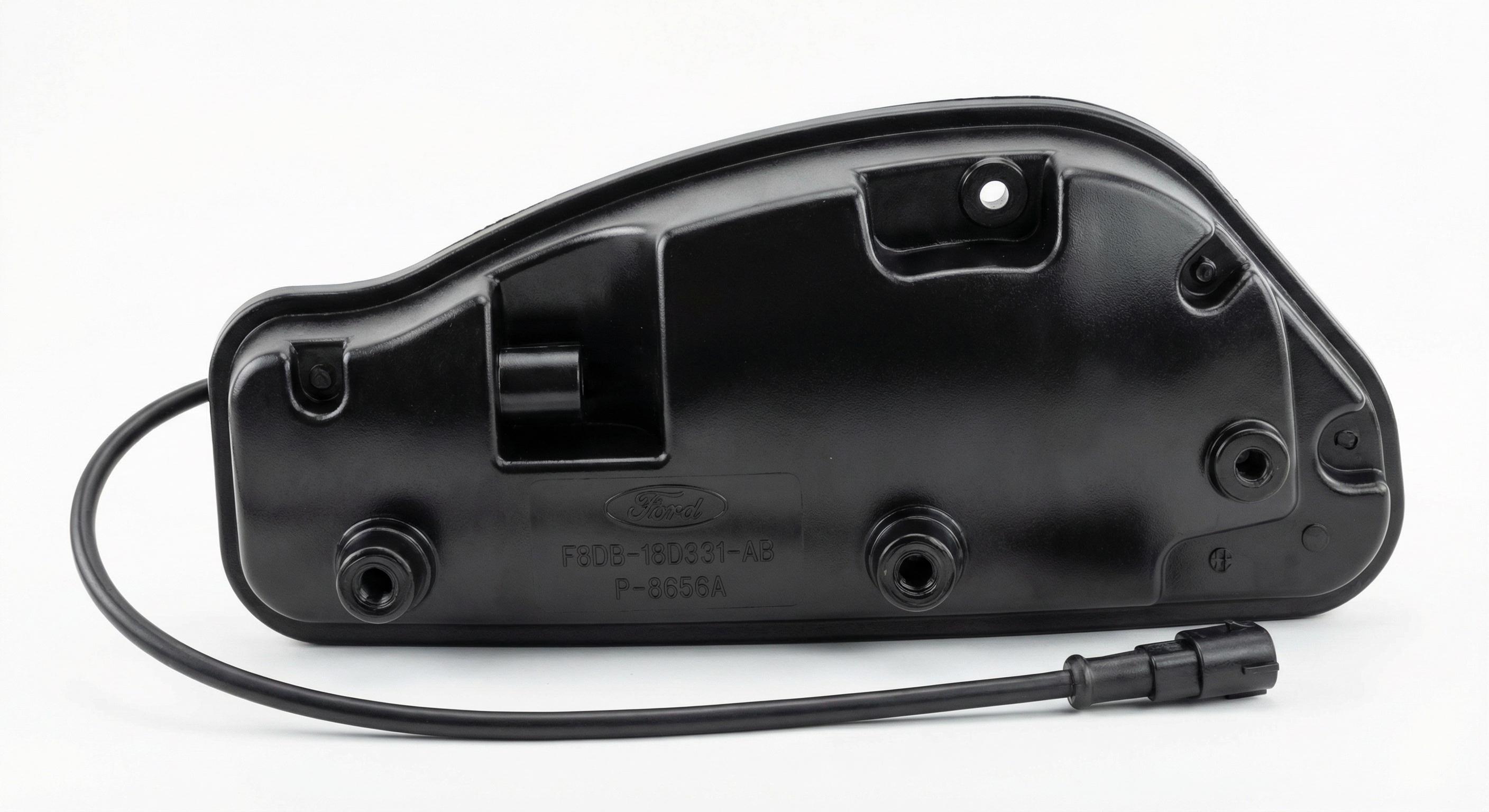
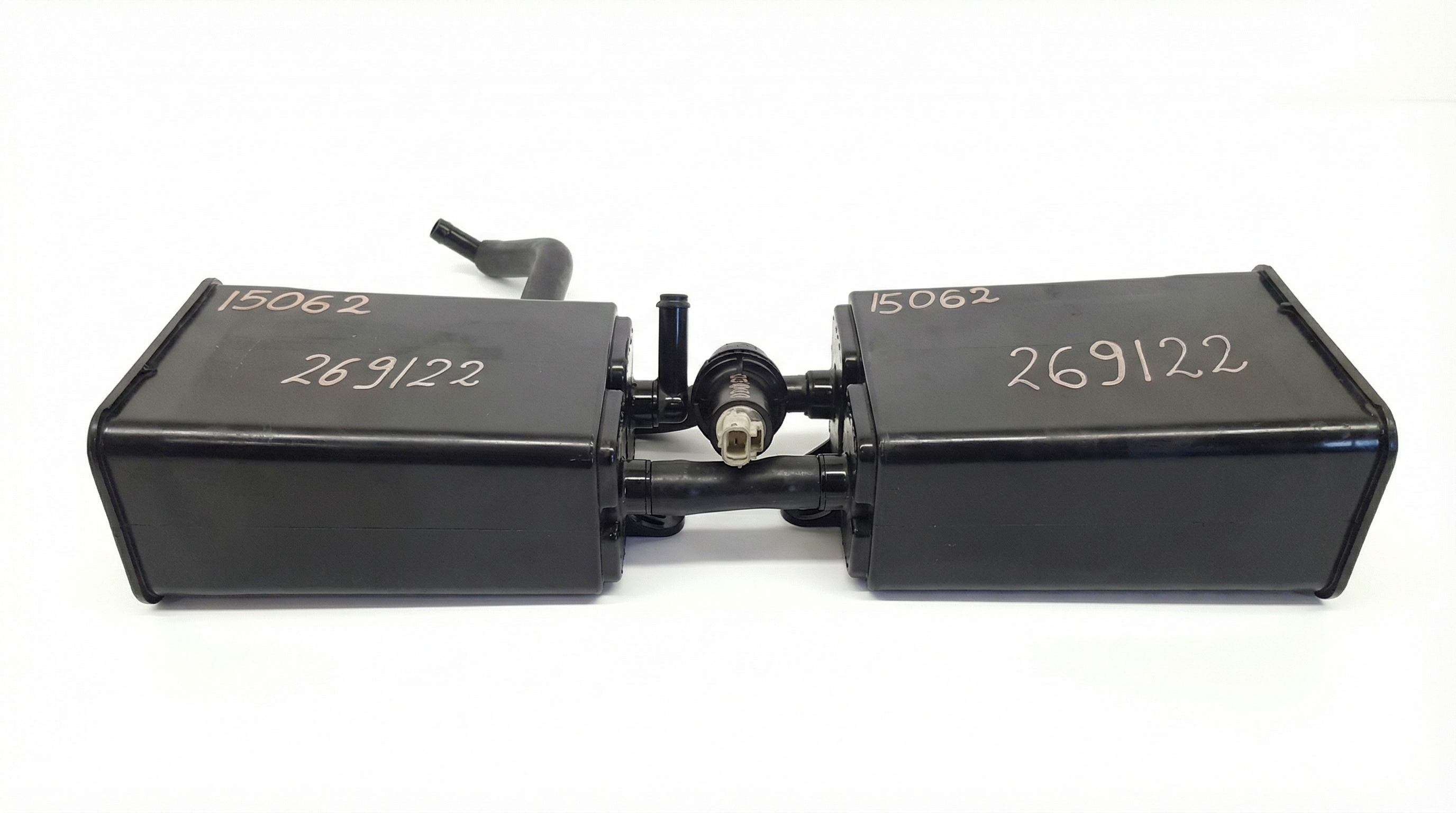
- Cracked charcoal canister: → Shop Vapor Canister The plastic housing of the canister itself can develop cracks over time, leading to a leak. This is usually found during a smoke test.
Diagnosis Steps
- Check the Gas Cap: Ensure the gas cap is tight and clicks multiple times. Inspect the rubber seal for cracks or damage. Clean the sealing surface on the cap and filler neck.
- Inspect the Fuel Filler Neck: Carefully examine the entire metal filler neck for any signs of rust, corrosion, or cracks. This is a very common failure point. Use a mirror and flashlight to inspect the backside near the frame.
- Inspect Visible EVAP Hoses: Check all accessible EVAP hoses in the engine bay and under the truck for obvious cracks, breaks, or loose connections. Pay close attention to rubber elbows.
- Test the Canister Purge Valve: With the engine at idle, disconnect the hose leading from the canister to the purge valve. Place your finger over the valve's port; if you feel any suction, the valve is stuck open and must be replaced.
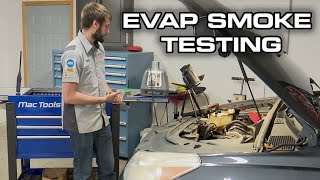
- Perform a Smoke Test: If no obvious issues are found, the most reliable way to locate the leak is to introduce smoke into the EVAP system using a smoke machine. The smoke will exit from any cracks or bad seals, pinpointing the source of the leak.
- Inspect the Vent Solenoid and Canister: During the smoke test, pay close attention to the EVAP canister and vent solenoid (located under the truck 🎬 Watch: How to replace the canister vent solenoid near the spare tire) as potential leak sources.
Parts You'll Likely Need
- Canister Purge Valve
(OEM #4L3Z-9C915-AB (superseded by 6L3Z-9C915-A))— This is one of the most frequent failure items in the Ford EVAP system for this generation, causing leaks and sometimes drivability issues.
Trusted brands: Motorcraft, Dorman (p/n 911-228)
OEM price range: $40-$70
Aftermarket price range: $25-$50 - Fuel Filler Neck
(OEM #Varies by bed length and model year. Example: 5L3Z-9034-D)— Highly prone to rusting on the 11th generation F-150, creating a leak that the gas cap cannot seal.
Trusted brands: Motorcraft, Spectra Premium (e.g., FN801), Dorman
OEM price range: $120-$200
Aftermarket price range: $60-$150 - Fuel Cap
(OEM #FC961 (verify by VIN))— A worn seal on the gas cap is a simple but common reason for the EVAP system to fail its leak test.
Trusted brands: Motorcraft
OEM price range: $20-$35
Aftermarket price range: $10-$20
Related Codes That Often Appear With This One
- P0442 — This is the generic SAE code for a small EVAP leak. P1442 is Ford's manufacturer-specific equivalent, and they often point to the same set of problems.
- P0455 — This code indicates a large EVAP leak. If the leak that triggers P1442 gets worse (e.g., a hose completely disconnects), P0455 may appear.
- P0457 — This code specifically indicates an EVAP leak detected due to a loose or missing fuel cap. It is often seen alongside P1442 and is mentioned in the same TSB.
Technical Service Bulletins (TSBs) & Recalls
- TSB 03-20-03 (also listed as 03-9-8): Addresses MIL illumination with various EVAP codes including P1442, P0442, P0455, P0456, and P0457, or a 'Check Fuel Cap' lamp. Points to causes like a loose/leaking fuel cap, leaking hoses, a leak at the top of the fuel filler pipe, or a faulty canister purge valve.
Platform-Specific Known Issues
- Owner Experience: Filler Neck Rust: A user on Ford-Trucks.com with a 2000 F-150 (similar design) reported a persistent P0442 code that returned after refueling. The cause was a chipped plastic sleeve inside the fuel filler neck, preventing the gas cap from sealing. The recommended fix was to replace the entire filler neck assembly.
- Owner Experience: Multiple Part Failures: On F150forum.com, an owner of a newer F-150 chased a P0442 code by replacing the charcoal canister, vent valve, and purge valve. The code persisted until they found a disconnected vacuum line clip at the intake, highlighting the importance of checking all connections, not just parts.
Mechanic-Grade Diagnostic Values
- Canister Purge Valve (Solenoid) Coil Resistance — expected: 30 to 38 Ohms. Failure: A reading of 0 Ohms (short), OL/infinity (open), or significantly outside the expected range indicates a failed coil.
- Canister Vent Solenoid Coil Resistance — expected: 48 to 65 Ohms. Failure: Readings outside this range, especially 0 Ohms or OL/infinity, point to a faulty solenoid coil.
- Fuel Tank Pressure (FTP) Sensor Voltage (Key On, Engine Off, Gas Cap Off) — expected: ~2.5 to 2.6 Volts DC. Failure: A reading that is significantly different at atmospheric pressure (e.g., below 2.4V or above 2.7V) suggests a biased or failed sensor.
- FTP Sensor Live Data (During Purge) — expected: Should read a slight negative pressure, approximately -2.0 to -4.0 inH2O.. Failure: No change in pressure when the purge valve is commanded open indicates a blockage or a non-functioning valve.
Hidden / Shadow Codes Worth Checking
- Mode 6, EVAP Monitor Test ID: Mode 6 data reveals the results of the PCM's self-tests before a fault is bad enough to set a Diagnostic Trouble Code (DTC) and turn on the Check Engine Light. A failing value on the EVAP system leak test can indicate an intermittent or emerging problem that hasn't yet met the threshold to trigger P1442. (see via A scan tool that can display Mode 6 data, such as FORScan or professional-grade scanners. The specific Test ID (TID) and Component ID (CID) for the EVAP leak test must be referenced against Ford's service information for the specific year.)
Scan Tool Commands That Help
- Ford IDS (Integrated Diagnostic System) or equivalent professional scanner: EVAP System Test / Manual EVAP Test — This is a powerful bidirectional control that allows a technician to manually command the canister vent solenoid closed and the purge solenoid open to create a vacuum in the tank. The scan tool then monitors the Fuel Tank Pressure (FTP) sensor to see if the system holds the vacuum, confirming a leak's presence and testing the function of all three components in a controlled manner.
Wiring & Ground Locations
- Canister Vent Solenoid Wiring — The wiring harness leading to the vent solenoid, which is located near the spare tire and charcoal canister.. This wiring is highly exposed to road debris, moisture, and corrosion. A common failure is a broken or corroded wire right at the connector, which can cause an electrical fault (like P0446) but can also prevent the valve from closing properly during a leak test, leading to a leak code like P1442.
- G103 / G104 — Reported to be on or near the bellhousing, behind the oil pan area.. These are major engine and PCM ground points. While not exclusive to the EVAP system, a poor ground here can cause erratic behavior in various sensors and actuators, including the Fuel Tank Pressure sensor, potentially leading to false readings and incorrect codes.
- Passenger Kick Panel Grounds — Located behind the plastic kick panel in the front passenger footwell, near the fuse box (SJB).. This is a critical grounding area for many interior and body-related electronic modules. A loose or corroded ground here can cause a wide array of difficult-to-diagnose electrical issues.
"I Checked Everything" — The Actual Cause
- If a comprehensive smoke test reveals no visible leaks, the fault may not be a physical hole or crack. The next step should be to suspect an intermittent or functional failure. A common culprit is a faulty Fuel Tank Pressure (FTP) sensor that is providing inaccurate readings to the PCM, making it believe a leak exists when one does not. Another possibility is a canister vent or purge solenoid that is not closing completely when commanded during the EVAP self-test, but seals well enough under the low pressure of a smoke test. This requires testing the solenoids electrically and with a bidirectional scan tool, not just visually with smoke.
OEM Part Supersession History
4L3Z-9C915-AB, 5L3Z-9C915-AA→6L3Z-9C915-A (Motorcraft CX-2082)— Updated part design for improved reliability.
Heads up: While the parts may look similar, using the incorrect version for your vehicle's production date can lead to fitment or performance issues.
Model Year Variations Within This Range
- 2004-2005 (pre-12/05/2005): These models use a specific canister purge valve, part number 6L3Z-9C915-A (which supersedes earlier numbers).
- 2006-2008 (post-12/05/2005): Models built after December 5, 2005, may use a different purge valve. For example, 2007-2008 models may use part number CX2094. Always verify the correct part number with the vehicle's VIN before purchasing.
Diagnostic Flowchart
Other Known Issues on This Vehicle
Issues unrelated to this code that are worth knowing about as an owner of this generation:
- Ford 5.4L 3V Cam Phaser Failure 🔴 High — Extremely common, often starting as a diesel-like ticking noise around 80,000-120,000 miles. Caused by worn phasers, failing timing chain tensioner seals, and/or low oil pressure.
- Two-Piece Spark Plug Breakage 🔴 High — A notorious design flaw on 2004-2008 5.4L 3V engines. The original-spec spark plugs seize in the cylinder head and break during removal, requiring a special extraction tool.
- Fuel Pump Driver Module (FPDM) Failure 🟠 Medium — Very common. The module is mounted directly to the steel frame above the spare tire, causing the aluminum housing to corrode and fail. This leads to crank-no-start or stalling conditions.
- Cracked or Leaking Exhaust Manifold 🟠 Medium — The factory exhaust manifold studs, particularly those near the firewall, are prone to rusting and breaking, causing an exhaust leak and a ticking noise that can be mistaken for cam phaser issues.
Used vs. New Parts: Buying Guide for This Vehicle
When a used part is the smart pick: For this repair, sourcing a used Fuel Filler Neck from a junkyard can be a cost-effective option, provided the donor vehicle is from a dry, rust-free climate. A used charcoal canister is also a possibility if it is visually inspected for cracks and is not saturated with fuel.
Donor-vehicle mileage cap: roughly under 100000 miles for the part to have meaningful remaining life.
What to inspect on the donor part:
- For a Fuel Filler Neck: Inspect thoroughly for any signs of rust, especially around the mounting bracket and the sealing surface for the gas cap. Ensure there are no dents or kinks.
- For a Charcoal Canister: Check the plastic housing for any cracks or damage. Shake it gently; there should be no sound of loose charcoal pellets inside. Ensure all hose ports are intact.
OEM-only on this vehicle (don't cheap out):
- Fuel Cap: Aftermarket gas caps are notoriously unreliable. To ensure a proper seal, it is strongly recommended to use a genuine Motorcraft cap.
- Canister Purge Valve / Vent Solenoid: While some aftermarket brands are acceptable, OEM Motorcraft solenoids generally offer the best reliability and compatibility, reducing the risk of needing to do the job twice.
Aftermarket brands forum-validated for this vehicle:
- Spectra Premium: A well-regarded brand for replacement Fuel Filler Necks.
- Dorman: Offers a wide range of replacement EVAP components, including purge valves and filler necks, that are readily available.
Brands owners have reported issues with on this vehicle:
- Unbranded or 'white-box' electronic parts (purge/vent solenoids) from online marketplaces should be avoided. They often have high failure rates and can cause persistent, hard-to-diagnose issues.
Real Owner Stories
Aggregated from forums and TSBs cited above. Mileages and costs reflect what owners reported in those sources.
2000 Ford F-150
Symptoms: Persistent P0442 code that returned specifically after refueling.
What fixed it: Replacement of the entire fuel filler neck assembly because a plastic sleeve inside the neck was chipped, preventing the gas cap from sealing.
Source hint: Ford-Trucks.com thread titled 'Resolving P0442 Code Issue'
2004-2008 Ford F-150
Symptoms: Chased a P0442 code by replacing the charcoal canister, vent valve, and purge valve, but the code persisted.
What fixed it: Found and reconnected a disconnected vacuum line clip at the intake manifold.
Source hint: F150forum.com
Related OBD-II Codes
Frequently Asked Questions
Does TSB 03-20-03 apply to my 2004-2008 Ford F-150 regarding the P1442 code?
Why does my F-150 smell like gasoline near the rear and display a 'Check Fuel Cap' message?
Is there a specific part I should use if I need to replace my gas cap to fix P1442?
Where is the canister purge valve located on the 5.4L V8 engine?
Could my F-150's rough idle after refueling be related to the P1442 code?
I live in a state that uses road salt; does this affect my EVAP system?
Helpful Videos


Used OEM Parts in Stock
New Aftermarket Parts Available


The information in this article is provided for general reference and educational purposes only. Vehicle specifications, procedures, and part compatibility can vary by production date, trim level, and region. Always consult your vehicle's factory service manual and verify part numbers before purchasing or performing repairs. Safety-critical components such as airbags, seat belts, and braking systems should be installed by a qualified professional.
- Ford F-150:
- 🧭 Diagnostic Flowchart
- 🎬 Helpful Videos
- 🛍️ Shop This Part
- What's Unique About the 2004-2008 Ford F-150
- Symptoms You May Notice
- Most Likely Causes
- Rare But Worth Checking
- Diagnosis Steps
- Parts You'll Likely Need
- Related Codes That Often Appear With This One
- Technical Service Bulletins (TSBs) & Recalls
- Platform-Specific Known Issues
- Mechanic-Grade Diagnostic Values
- Hidden / Shadow Codes Worth Checking
- Scan Tool Commands That Help
- Wiring & Ground Locations
- "I Checked Everything" — The Actual Cause
- OEM Part Supersession History
- Model Year Variations Within This Range
- Other Known Issues on This Vehicle
- Used vs. New Parts: Buying Guide for This Vehicle
- Real Owner Stories
- 2000 Ford F-150
- 2004-2008 Ford F-150
- Related OBD-II Codes
- Frequently Asked Questions
- 🎟️ Get 5% Off