

P1442 on 1998-2007 Honda Accord: EVAP Vacuum Switch Malfunction Causes and Fixes
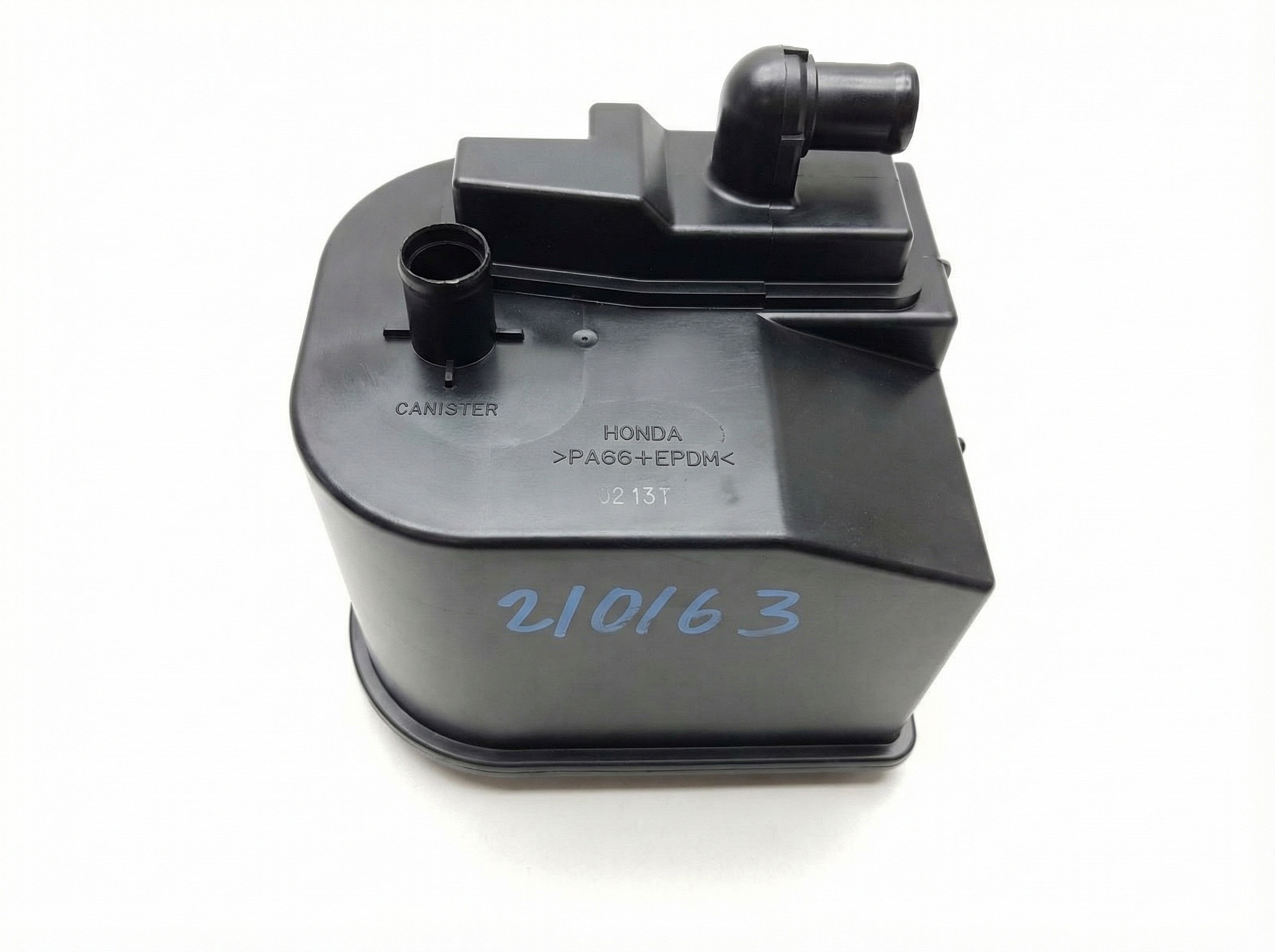
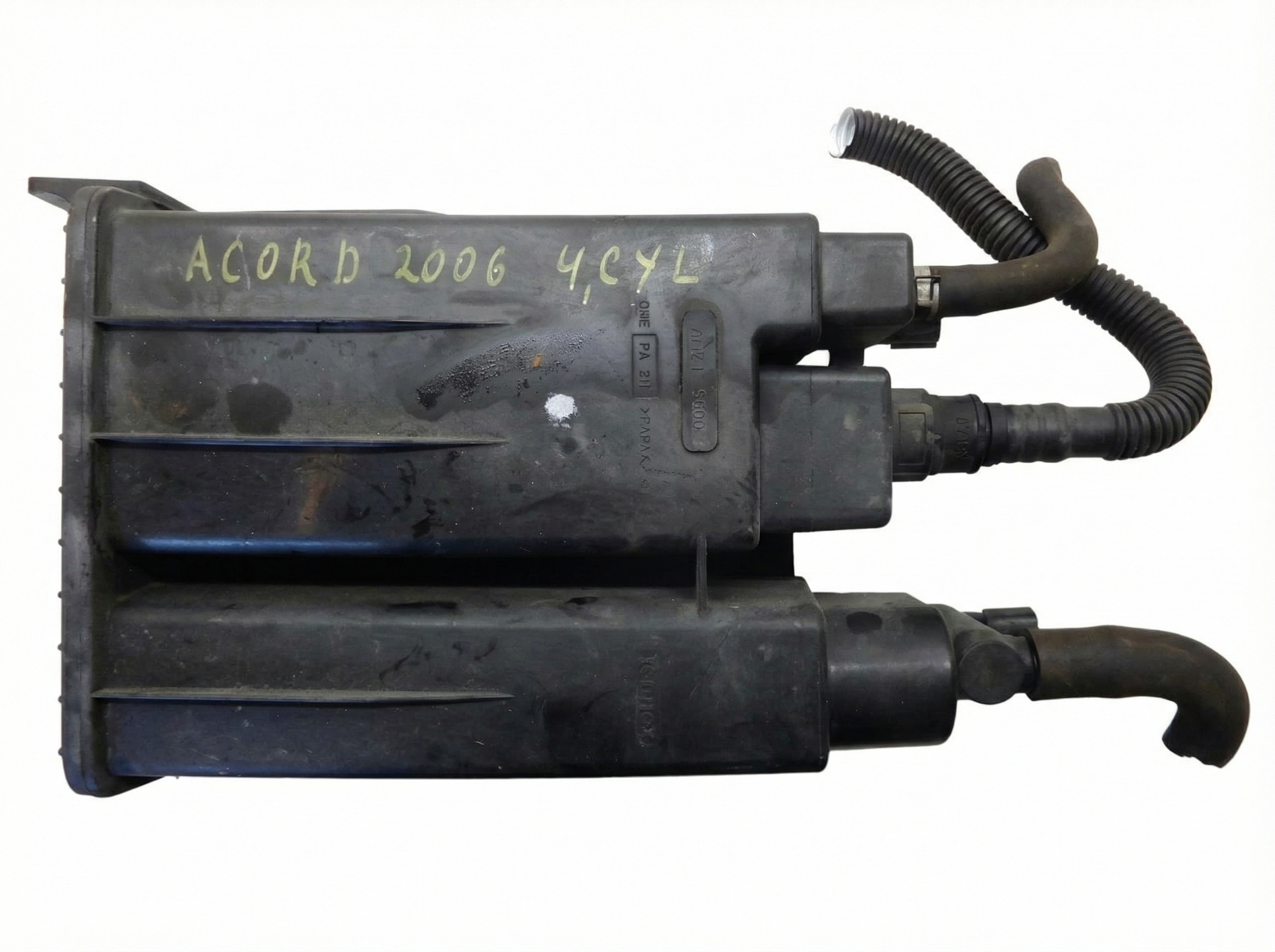
For 1998-2002 Accords, this code almost always means the EVAP Bypass Solenoid Valve on the charcoal canister is bad due to corrosion. It's a common DIY fix with a part cost of $40-$80. The issue is so common it was addressed in Honda TSB 03-001.
- For a 1998-2002 Honda Accord, P1442 almost certainly means you need a new EVAP Bypass Solenoid Valve.
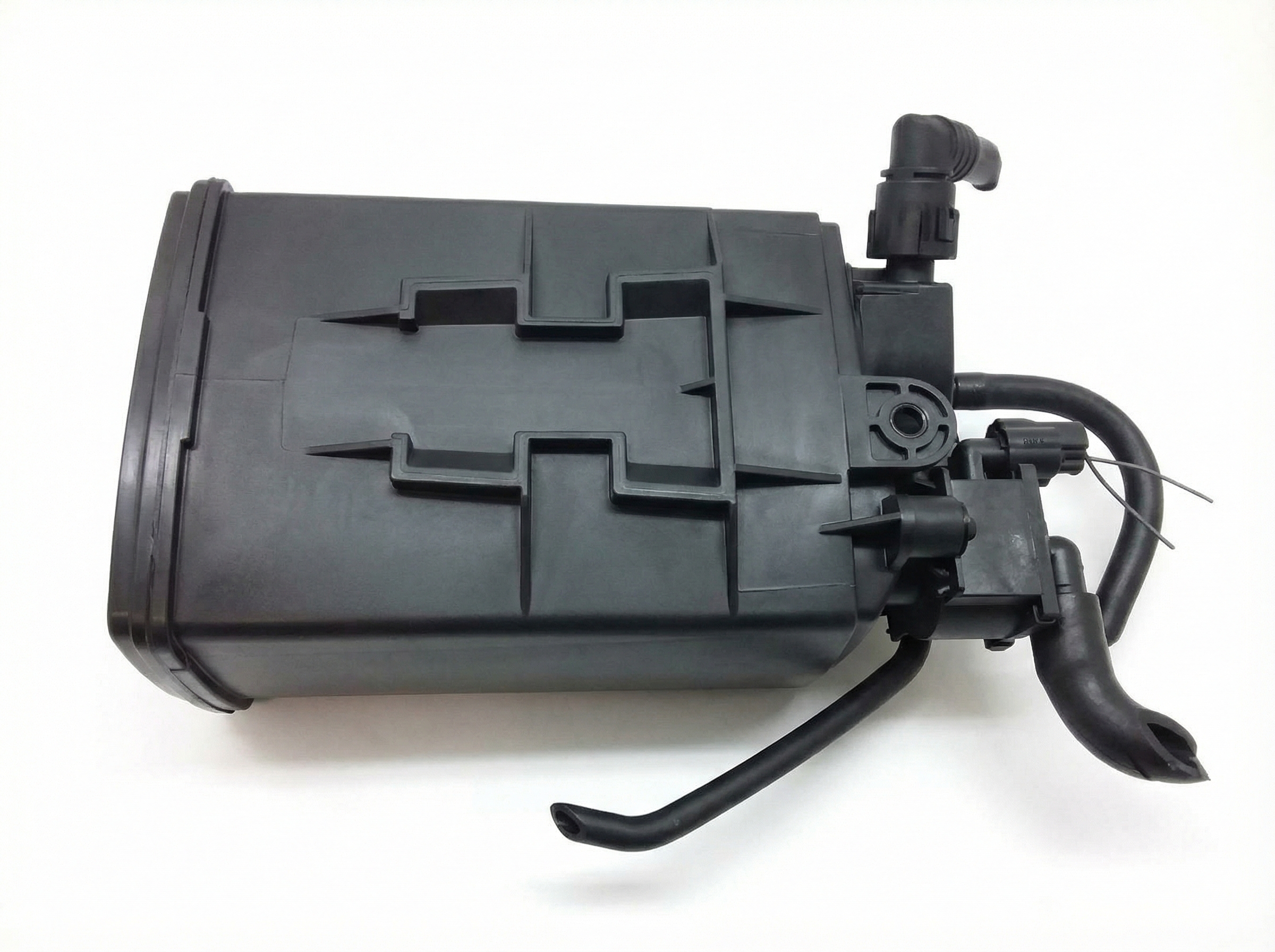
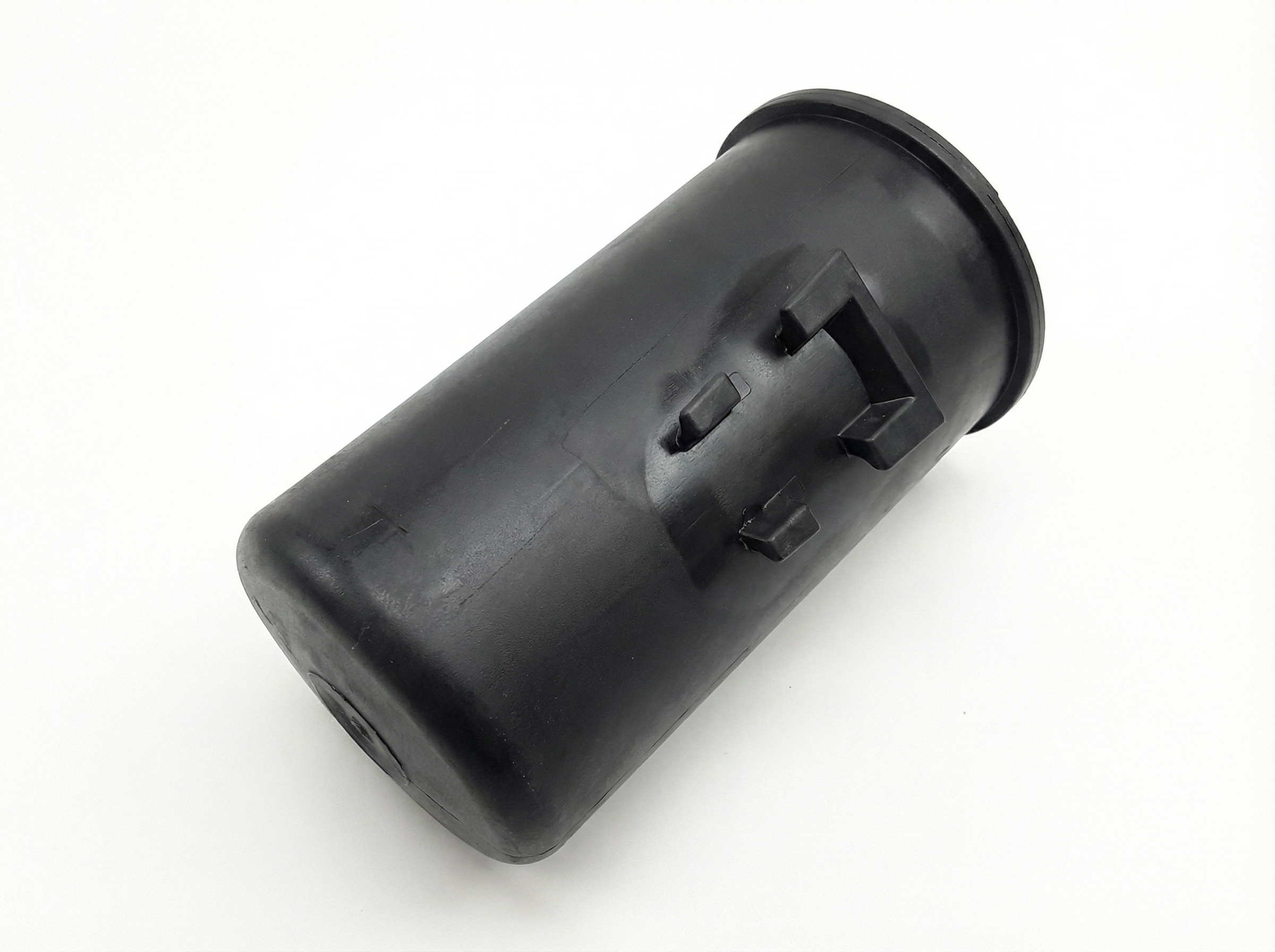
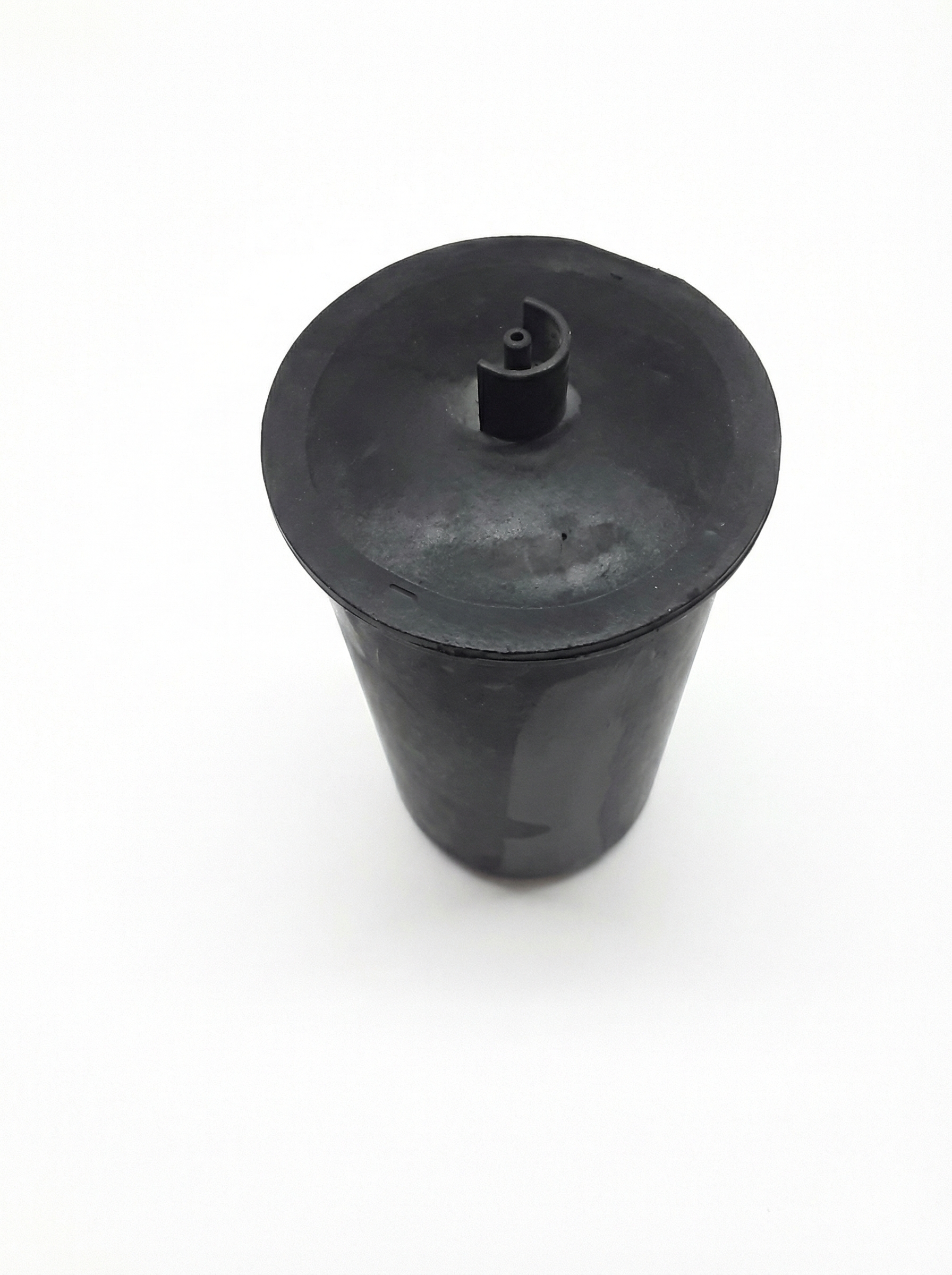
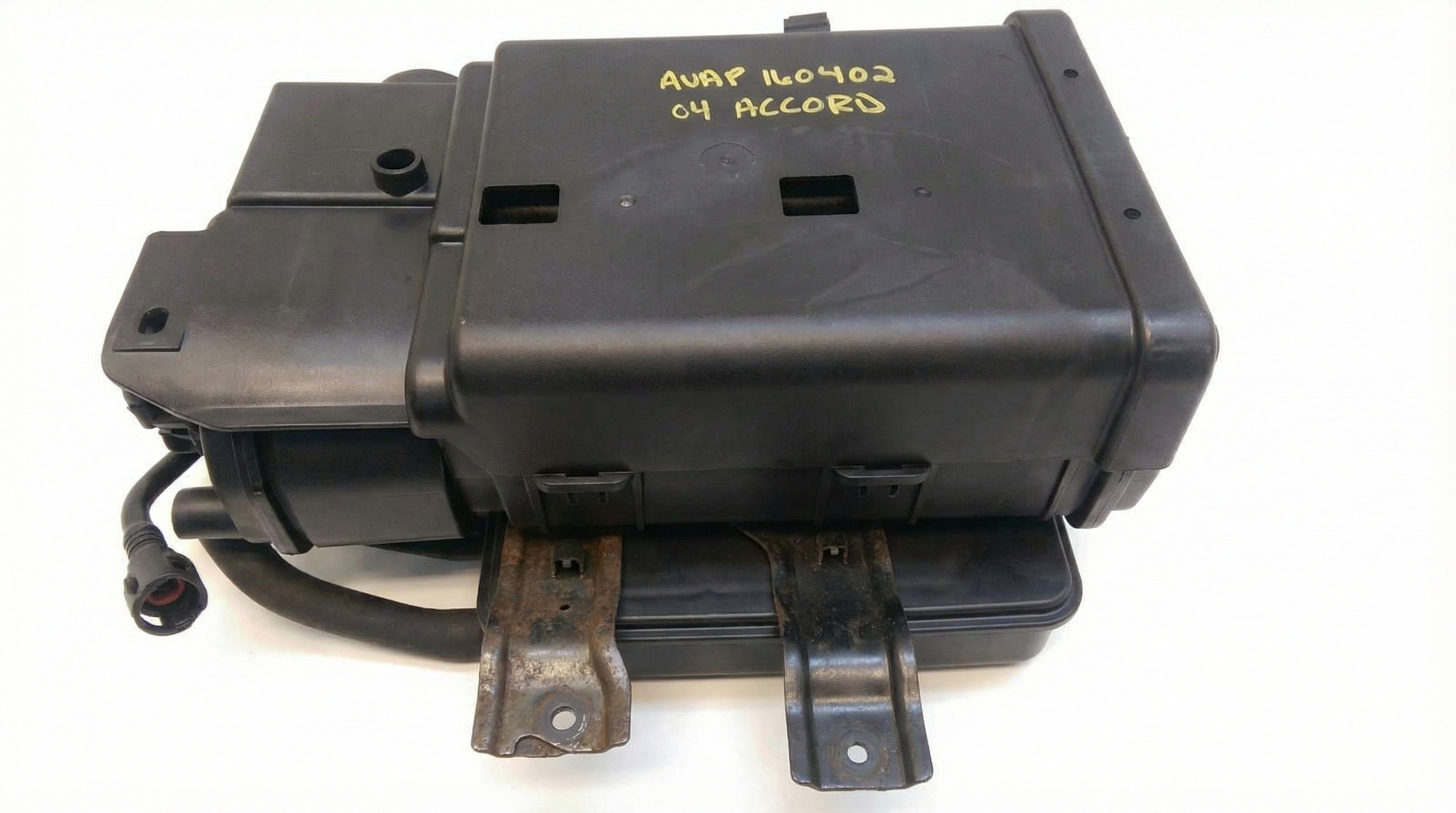
- The faulty part is located on the charcoal canister under the rear of the car; its mounting bolts are often very rusty.
- A key symptom is having trouble starting the car right after you fill up the gas tank.
- This code is not common on 2003-2007 Accords, which have a different EVAP system design.
- Don't waste money on a new gas cap; it is not the cause for this specific code.
What's Unique About the 1998-2007 Honda Accord
This code is extremely common on the 6th generation Accord (1998-2002) and almost always points to a single, well-documented failure: a corroded EVAP bypass solenoid valve on the charcoal canister. This failure is so prevalent that Honda issued Technical Service Bulletin (TSB) 03-001 to address it, noting that vehicles in salt-belt regions are most susceptible. In contrast, code P1442 is very rarely reported for the 7th generation Accord (2003-2007). The EVAP system was redesigned for the 7th generation, and different trouble codes (like P0456 or P0496) are more common for diagnosing EVAP faults on those later models.
Generation note: This range covers the 6th (1998-2002) and 7th (2003-2007) Accord generations. The information in this guide is primarily applicable to the 1998-2002 models, as P1442 is a very common and well-documented issue for them. The code is not commonly reported for 2003-2007 models, which use a different EVAP system design.
Symptoms You May Notice
- Check Engine Light is on
- Difficulty starting the engine immediately after refueling
- A faint fuel smell, particularly around the rear of the car
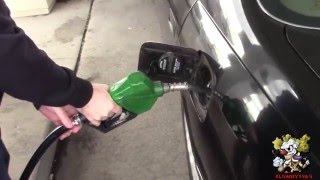
- Gas pump nozzle clicks off repeatedly when refueling 🎬 Watch: How to fix a gas pump that keeps shutting off
- Replacing the gas cap. A faulty gas cap typically causes other EVAP codes like P1456 (small leak), not P1442, which points to a specific component malfunction.
- Replacing the EVAP Purge Valve. The purge valve is located in the engine bay, while the component causing P1442 (the bypass solenoid/vent shut valve) is located under the car at the rear.
Most Likely Causes
- Failed EVAP Bypass Solenoid Valve (1998-2002 Models) 🔴 High Probability → Shop Vapor Canister The solenoid is mounted under the car on the EVAP canister, exposing it to moisture and road salt which causes internal corrosion. This is a well-documented failure on many Hondas from this era, as detailed in Honda TSB 03-001. The water and salt mixture can cause the solenoid windings to corrode and fail.
How to confirm: The valve is located on the charcoal canister near the fuel tank. With a bi-directional scan tool, command the valve to close; you should hear an audible click. If not, the valve is likely bad. Alternatively, you can remove the valve and test it by applying 12V power; a healthy valve will 'click' and close. The bolts holding it are notoriously prone to rusting and breaking, so pre-soaking with penetrating oil is highly recommended.
Typical fix: Replace the EVAP Bypass Solenoid Valve. The bolts are often very rusted and may need to be cut or extracted, so be prepared with rust penetrant and potentially new hardware (M6-1.0 x 20mm is a common size).
Est. part cost: $40-$100
Rare But Worth Checking
- Damaged Wiring or Corroded Connector: Before replacing the solenoid, always inspect the wiring harness and connector leading to it. A wire could be chafed or the connector pins could be corroded, causing the fault. This is especially true in salt-belt regions.
- Cracked or Disconnected EVAP Hoses: While less common for this specific code, a visual inspection of all vacuum and vapor hoses around the canister is a wise step. A large crack could potentially contribute to the fault.
- Faulty Powertrain Control Module (PCM): This is extremely rare. Honda TSB 03-001/16 notes that in rare instances, severe corrosion in the solenoid can cause an internal short, damaging the PCM. The PCM should only be considered after the solenoid and its wiring have been definitively ruled out.
Diagnosis Steps
- Verify the code with an OBD-II scanner. Note if any other codes, especially P1457, are present.
- Focus on 1998-2002 models. The following steps apply primarily to the 6th generation Accord.
- Raise and safely support the rear of the vehicle to access the EVAP canister, located in front of the rear subframe, usually on the driver's side.
- Visually inspect the EVAP Bypass Solenoid Valve, its connector, and nearby wiring for any obvious signs of corrosion, damage, or disconnected hoses. Expect heavy rust on the mounting bolts.
- If you have a bi-directional scanner, command the bypass solenoid 'ON' and 'OFF'. You should hear an audible click from the solenoid. If there is no click, the solenoid is likely faulty.
- If you do not have a scanner, disconnect the solenoid's electrical connector. Use a multimeter to check for battery voltage at one pin and ground at the other (with the key on). If power and ground are present, the solenoid itself is the primary suspect.
- To confirm a failed solenoid, you can remove it from the canister and apply 12V directly to its pins. If it doesn't click, it needs to be replaced. Be prepared for the mounting bolts to break during removal.
- If the solenoid tests good, the problem may be in the wiring between the solenoid and the PCM. Check for continuity and for shorts to ground or power.
- For 2003-2007 models where this code is rare, diagnosis would start with checking the EVAP system diagram for that specific year/engine and testing the equivalent components, though other EVAP codes are more likely to be present.
Parts You'll Likely Need
- EVAP Canister Bypass Solenoid Valve
(OEM #17310-S0X-A02)— This is the most common failure point for code P1442 on 1998-2002 Accords, typically failing due to corrosion. This part number supersedes older numbers like 17310-S84-A02.
Trusted brands: Honda (Genuine), Dorman (P/N: 911-762), Standard Motor Products (SMP)
OEM price range: $70-$120
Aftermarket price range: $40-$80
Related Codes That Often Appear With This One
- P1457 — This code also indicates a leak in the EVAP canister system and is very frequently caused by the exact same failed bypass solenoid valve. Honda TSB 03-001/16 was written specifically for P1457 but the root cause and fix are identical for P1442.
Technical Service Bulletins (TSBs) & Recalls
- Honda TSB 03-001/16 (January 28, 2003): Titled 'MIL Comes On With DTC P1457: EVAP Bypass Solenoid Valve Failure'. This is the primary document for this issue. It explicitly states the cause is water and road salt causing corrosion in the solenoid valve. It notes that in rare cases, a shorted solenoid can damage the PCM. It applies to 1998-02 Accords among other Hondas.
- Honda TSB A99-075 - While not found in full, it is widely cited in forums as addressing EVAP component failures on the canister for this generation.
Platform-Specific Known Issues
- Rusted Mounting Bolts: Owners consistently report that the two bolts holding the bypass solenoid to the canister are extremely prone to rusting and seizing. It is very common for the bolts to snap during removal. It is advisable to have replacement bolts (size M6-1.0 x 20mm) and a screw extractor kit on hand before starting the repair.
Mechanic-Grade Diagnostic Values
- EVAP Bypass Solenoid / Canister Vent Shut Valve Coil Resistance — expected: 20 - 30 Ohms at room temperature.. Failure: A reading significantly outside this range (e.g., open circuit/infinite resistance or a dead short/zero resistance) indicates a failed solenoid coil.
- Voltage at EVAP Bypass Solenoid Connector — expected: With the key in the ON (II) position and the connector unplugged, one terminal should show battery voltage (~12V).. Failure: No voltage suggests a blown fuse (check the under-dash Cruise Control 15A fuse) or an open in the power wire.
Scan Tool Commands That Help
- Honda HDS (or equivalent professional scanner): EVAP System Functional Test: CVS ON / CVS OFF or BPS ON / BPS OFF — This bidirectional command is used to manually activate and deactivate the EVAP Bypass Solenoid (also called Canister Vent Shut valve). A technician should listen for an audible 'click' from the valve when commanded. No click indicates a seized valve or an electrical circuit problem.
Wiring & Ground Locations
- EVAP Bypass Solenoid Connector — On the EVAP bypass solenoid valve, which is mounted to the charcoal canister under the rear of the vehicle, near the driver's side.. This 2-pin connector is the primary test point. Terminal 1 receives power (check for battery voltage) and Terminal 2 is the control wire that is grounded by the PCM to activate the solenoid.
- PCM Connector A, Pin A3 — At the Powertrain Control Module (PCM), which is typically located behind the center console in the passenger footwell.. This is the specific pin on the PCM that provides the ground signal to the EVAP bypass solenoid. A continuity test between this pin and Terminal 2 of the solenoid connector will verify the integrity of the control wire. A short to ground on this wire would cause the solenoid to be stuck on.
Real Owner Repair Stories
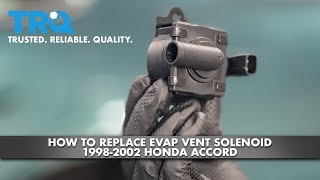
- YouTube video by '1A Auto' (2002 Honda Accord EX 3.0L) — Check Engine Light (code not specified, but repair is for the common EVAP vent solenoid failure).
❌ Tried (didn't work) The video directly addresses the common failure and does not list other failed attempts.
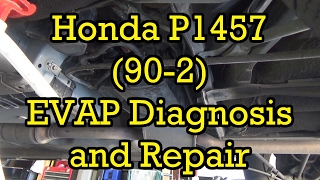
✅ What actually fixed it The EVAP vent solenoid was replaced. The video highlights the severe rust on the mounting bolts, requiring penetrating oil and specialized twist sockets for removal. It also recommends applying anti-seize to the new bolts. - YouTube video by 'Repairs and Reviews' (Honda with P1457 (problem applies to 1998-2002 Accord)) — Check Engine Light with code P1457.
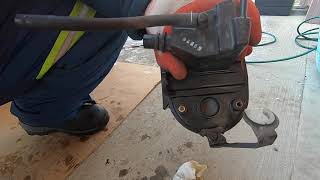
✅ What actually fixed it The EVAP canister purge vent valve (bypass solenoid) was replaced. The video notes that the metal bracket on the original part rusts, causing the plastic housing to warp and the seal to fail. It provides the OEM part number for the replacement screws: 93893-05010-08.
OEM Part Supersession History
17310-S84-A01, 17310-S84-A02, 17310-S0X-A01, 17310-S04-A01, 17310-S01-A01→17310-S0X-A02— Part redesign to improve corrosion resistance and reliability.
Heads up: None. The latest part number, 17310-S0X-A02, is the correct and backward-compatible replacement for all 1998-2002 Accords.
Model Year Variations Within This Range
- 1998-2002: This entire generation is prone to the P1442/P1457 failure caused by the corroding EVAP bypass solenoid. The part and repair procedure are consistent for both 4-cylinder (2.3L) and V6 (3.0L) models within this range.
- 2003-2007: The EVAP system was significantly redesigned for the 7th generation Accord. Code P1442 is not common on these models. Different codes (e.g., P2422, P0455, P0456) and different components are associated with EVAP faults on these later years.
Diagnostic Flowchart
Other Known Issues on This Vehicle
Issues unrelated to this code that are worth knowing about as an owner of this generation:
- Automatic Transmission Failure 🔴 High — Extremely common on 1998-2003 models (both V6 and I4), often failing before 100,000 miles. Symptoms include slipping, harsh shifts, and flashing 'D4' light. (Ref: Led to class-action lawsuits and warranty extensions, but these have long since expired.)
- Faulty Ignition Switch 🔴 High — Widespread on 1998-2002 models, could cause the engine to stall while driving. (Ref: Subject of multiple recalls by Honda (e.g., NHTSA campaign 02V120000).)
- Excessive Oil Consumption (2003-2007 4-Cylinder) 🟠 Medium — Some 2.4L 4-cylinder engines in 7th gen Accords can consume excessive oil, often starting after 100,000 miles, potentially due to piston ring issues. (Ref: No recall, but a well-documented issue among owners. A clogged PCV valve can be a contributing factor.)
- Ignition Key Interlock Failure (2003-2004) 🟠 Medium — The mechanism preventing key removal unless the car is in Park could fail, creating a rollaway risk. (Ref: Subject of a recall (e.g., NHTSA campaign 10V364000).)
- Clogged EGR Ports 🟡 Low — Common on higher mileage 6th gen Accords, can cause rough idle and poor performance. Requires cleaning the intake manifold ports.
- Failing Clear Coat / Peeling Paint 🟡 Low — Very common on 6th generation Accords, particularly on horizontal surfaces like the roof, hood, and trunk.
Used vs. New Parts: Buying Guide for This Vehicle
When a used part is the smart pick: A used EVAP bypass solenoid is generally not recommended due to the high failure rate from corrosion. It should only be considered if sourced from a low-mileage donor vehicle from a dry, rust-free climate (e.g., Arizona, Texas).
Donor-vehicle mileage cap: roughly under 80000 miles for the part to have meaningful remaining life.
What to inspect on the donor part:
- Visually inspect the metal bracket for any signs of rust or bubbling paint.
- Check the plastic housing for cracks or brittleness.
- If possible, use a multimeter to test the resistance across the two pins; it should be between 20-30 Ohms.
- Ensure the donor vehicle is from a salt-free region.
OEM-only on this vehicle (don't cheap out):
- Gas Cap - If replacing the gas cap during diagnosis, it is highly recommended to use a genuine Honda OEM part, as aftermarket caps are frequently reported to have sealing issues that can cause other EVAP codes.
Aftermarket brands forum-validated for this vehicle:
- Dorman (P/N: 911-762) - A widely available and commonly used replacement with generally positive, though mixed, reviews.
- Standard Motor Products (SMP) - A reputable aftermarket manufacturer of electronic components.
Brands owners have reported issues with on this vehicle:
- While no specific brand is universally condemned, be cautious of unbranded, low-cost parts from online marketplaces, as some owner reviews for various aftermarket brands mention failure in under a year.
Real Owner Stories
Aggregated from forums and TSBs cited above. Mileages and costs reflect what owners reported in those sources.
1999 Honda Accord 2.3L
Symptoms: The owner reported the 'dreaded' P1457 code appearing on their vehicle.
What fixed it: Replaced the EVAP bypass solenoid after confirming the failure via TSB 03-001/16 and the 'click test'.
Source hint: honda-tech.com - Thread 'The dreaded P1457 Code - 99 Accord 2.3'
2003 Honda CR-V
Symptoms: The vehicle triggered a P1457 code, which a technician described as a 'very, very, very common problem' for this era of Honda.
What fixed it: Replacement of the canister vent shut valve and potentially the charcoal canister itself.
Source hint: honda-tech.com - 'p1457 on a 2003 CR-v'
2000-2003 Honda S2000
Symptoms: Owner experienced a DTC P1457 and sought advice on the commonality of the failure.
What fixed it: The issue was traced to the EVAP bypass solenoid valve failure as detailed in TSB 03-001.
Source hint: s2ki.com - 'DTC Code P1457'
Related OBD-II Codes
Frequently Asked Questions
Does Honda TSB 03-001/16 apply to my 2001 Accord regarding the P1442 or P1457 codes?
I'm trying to replace the solenoid on my 6th gen Accord but the bolts won't budge. Is this common?
Can a failed EVAP solenoid damage other parts of my Honda?
Where is the EVAP canister located on my 1998-2002 Accord?
Is there a simple way to test if the solenoid is actually bad before I buy a new one?
Why does the gas pump nozzle keep clicking off when I try to refuel my Accord?
Helpful Videos
We Have This Part in Stock

The information in this article is provided for general reference and educational purposes only. Vehicle specifications, procedures, and part compatibility can vary by production date, trim level, and region. Always consult your vehicle's factory service manual and verify part numbers before purchasing or performing repairs. Safety-critical components such as airbags, seat belts, and braking systems should be installed by a qualified professional.
- Honda Accord:
- 🧭 Diagnostic Flowchart
- 🎬 Helpful Videos
- 🛍️ Shop This Part
- What's Unique About the 1998-2007 Honda Accord
- Symptoms You May Notice
- Most Likely Causes
- Rare But Worth Checking
- Diagnosis Steps
- Parts You'll Likely Need
- Related Codes That Often Appear With This One
- Technical Service Bulletins (TSBs) & Recalls
- Platform-Specific Known Issues
- Mechanic-Grade Diagnostic Values
- Scan Tool Commands That Help
- Wiring & Ground Locations
- Real Owner Repair Stories
- OEM Part Supersession History
- Model Year Variations Within This Range
- Other Known Issues on This Vehicle
- Used vs. New Parts: Buying Guide for This Vehicle
- Real Owner Stories
- 1999 Honda Accord 2.3L
- 2003 Honda CR-V
- 2000-2003 Honda S2000
- Related OBD-II Codes
- Frequently Asked Questions
- 🎟️ Get 5% Off