

P1449 on 2015-2024 Ford Edge 2.0L: Evaporative Check Solenoid Circuit Malfunction Guide
P1449 is an uncommon code on the 2015-2024 Ford Edge that indicates an electrical circuit fault with an EVAP system solenoid. The issue is likely a faulty EVAP Purge Valve in the engine bay or the Canister Vent Solenoid near the rear charcoal canister, or their wiring. It is not a leak code, but a problem with the self-test circuit.
- P1449 means there is an electrical problem with an EVAP solenoid, not a leak.
- This code is very rare on a 2015-2024 Ford Edge; other EVAP codes like P1450 are more common.
- The most likely culprits are a failed EVAP Purge Valve (in the engine bay) or the Canister Vent Solenoid (at the rear of the car).
- Diagnosis involves testing the electrical integrity of these two solenoids and their wiring.
- Do not start with a smoke test, as this is an electrical code.
What's Unique About the 2015-2024 Ford Edge
While the Ford-specific definition for P1449 is 'Evaporative Check Solenoid Circuit Malfunction', this particular code is exceptionally rare on the 2015-2024 Ford Edge. Owners more commonly report other EVAP codes like P1450 (Unable to Bleed Up Fuel Tank Vacuum) or P0456 (Small EVAP Leak), which often lead to replacing the EVAP Purge Valve. Therefore, P1449 likely points to an electrical failure of either the Purge Valve or the Canister Vent Valve, the two primary solenoids in this vehicle's EVAP system. Additionally, TSB 19-2171 for the platform-mate Ford Escape/Lincoln MKC notes that similar EVAP codes can be triggered by loose vapor line quick-connect fittings.
Symptoms You May Notice
- Check Engine Light is on
- Possible faint fuel odor
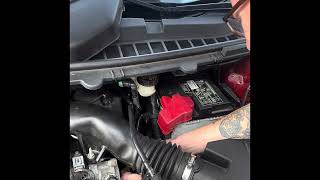
- Potential difficulty filling the gas tank (pump clicks off repeatedly), which is a common symptom of a failed Canister Vent Solenoid 🎬 Watch: Diagnosing a hard start after refueling
- Replacing the gas cap. A gas cap issue typically causes a leak-related code (like P0455 or P0457), not a circuit malfunction code like P1449.
- Performing an EVAP smoke test. A smoke test is used to find physical leaks in the system. P1449 points to an electrical problem, so a smoke test is not the correct first step.
Most Likely Causes
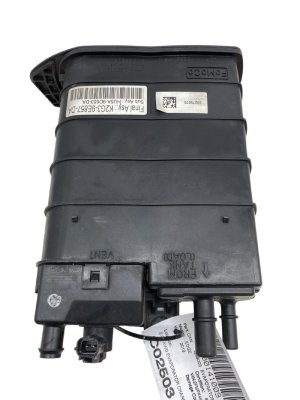
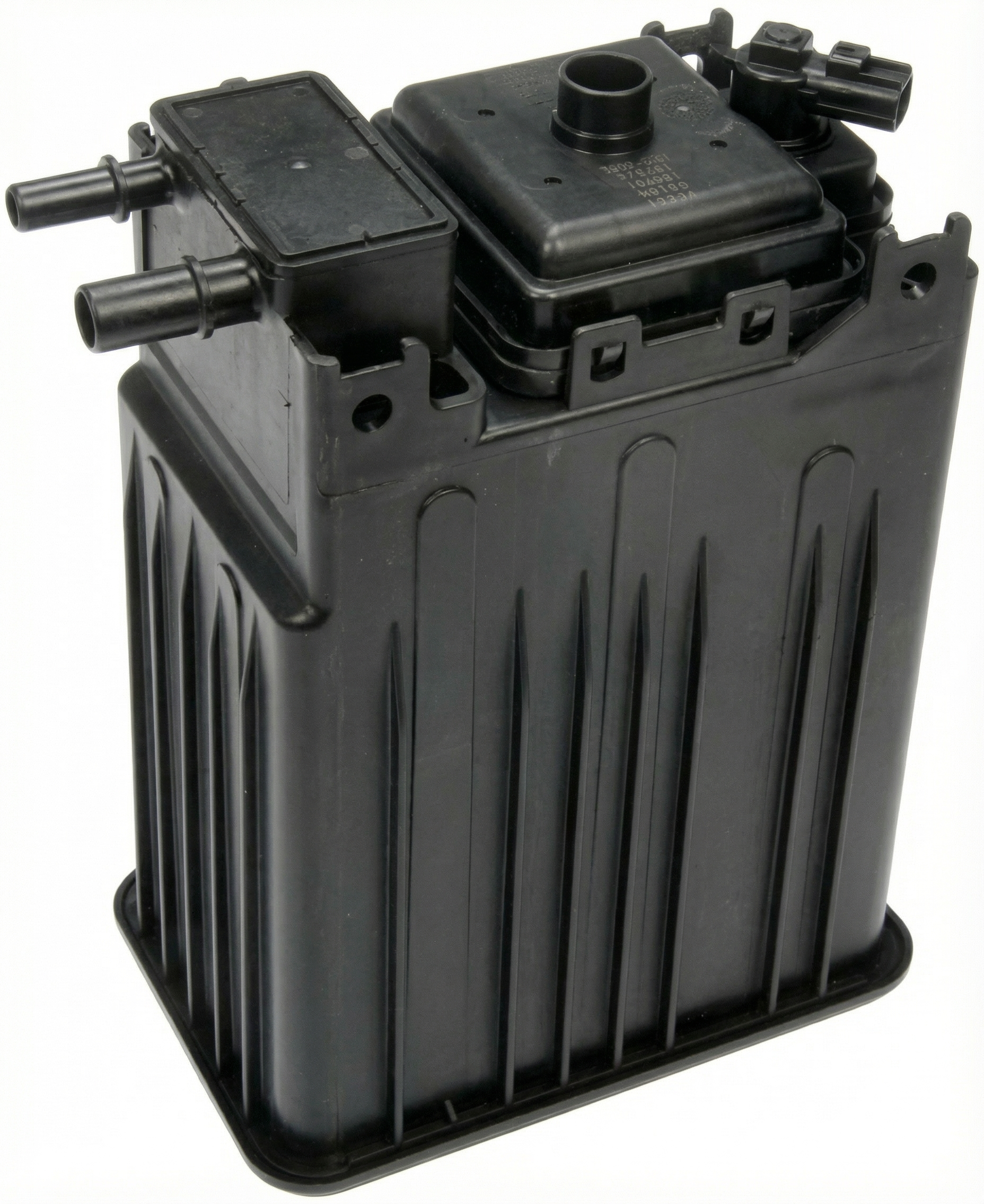
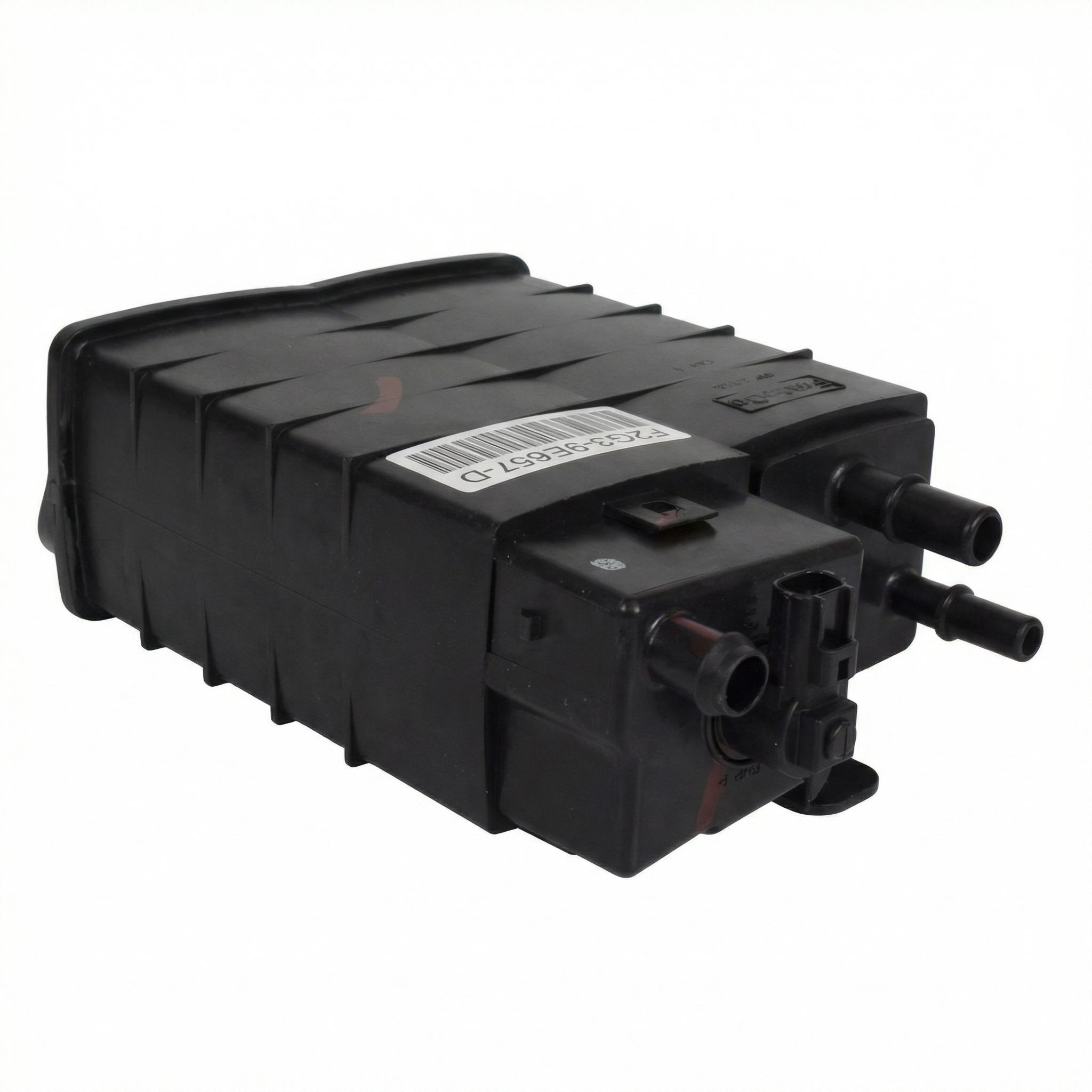
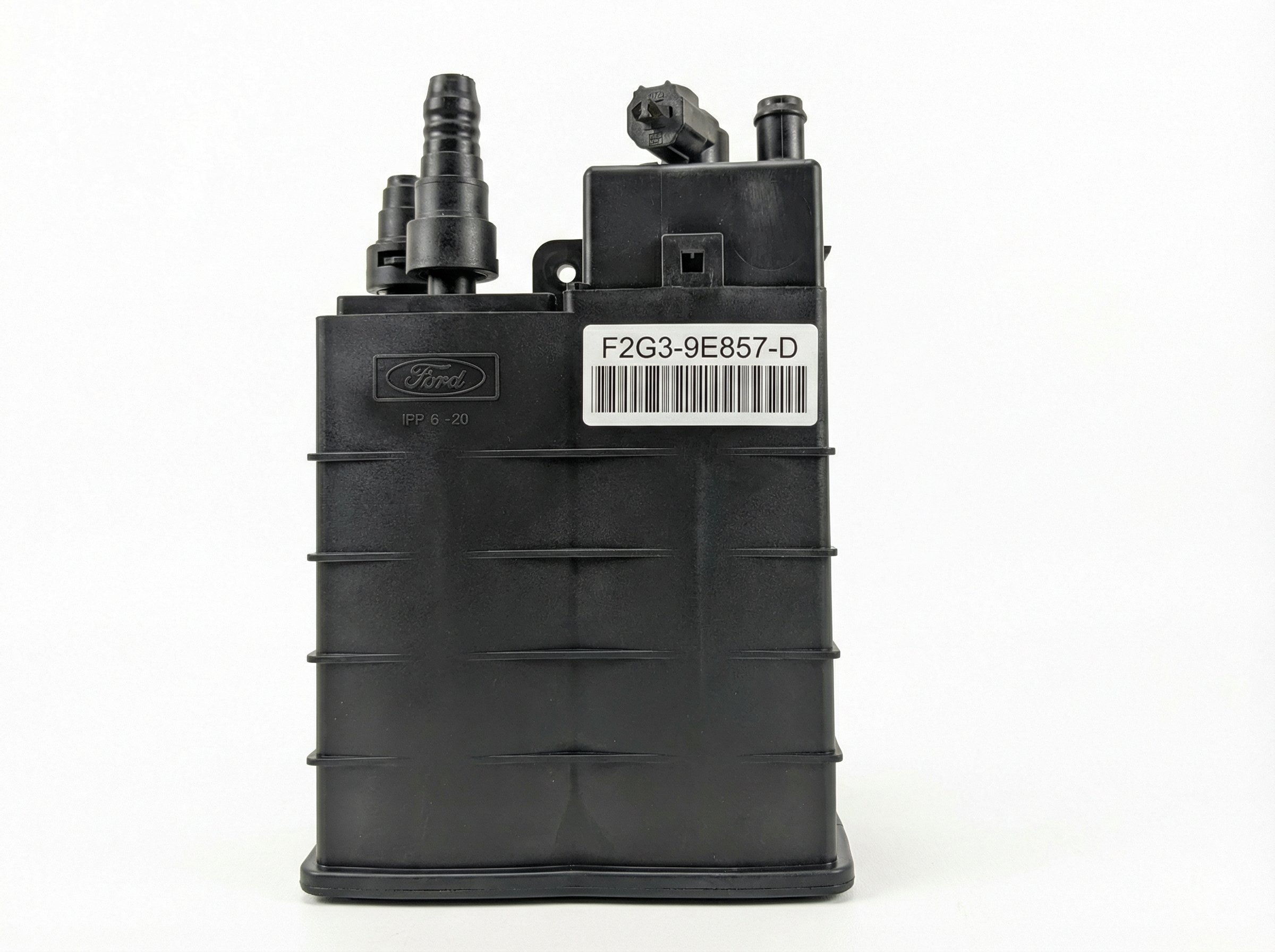
- Failed EVAP Canister Purge Valve (Solenoid) 🟡 Medium Probability → Shop Vapor Canister This part is a very common failure item on many Ford EcoBoost vehicles, often causing the related code P1450. An internal electrical short or open circuit in the solenoid coil would trigger P1449.
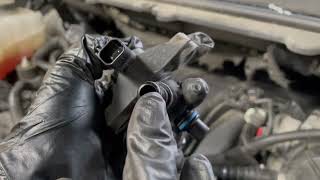
How to confirm: Disconnect the electrical connector and measure the resistance across the two pins of the solenoid. An open circuit (infinite resistance) or a dead short (zero resistance) confirms failure. A good solenoid should have a specific resistance value (typically 15-30 ohms). You can also use a bi-directional scan tool to command the valve to open and close while listening for an audible click. 🎬 Watch: How to test and replace the purge valve
Typical fix: Replace the EVAP Canister Purge Valve assembly located in the engine bay.
Est. part cost: $30-$60 - Failed EVAP Canister Vent Valve (Solenoid) 🟡 Medium Probability → Shop Vapor Canister This solenoid is exposed to the elements near the rear of the vehicle, making it susceptible to corrosion and damage. It is commonly replaced to fix fueling issues and code P0446.
How to confirm: Locate the valve near the charcoal canister, under the vehicle near the driver's side. Inspect the wiring for damage. Disconnect it and test the solenoid's resistance as you would the purge valve. A good solenoid should have a resistance of approximately 20-30 ohms. Use a scan tool to command it open and closed and listen for a click.
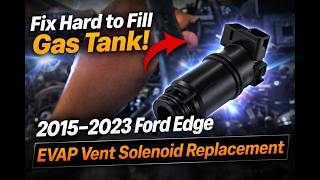
Typical fix: Replace the EVAP Canister Vent Valve. 🎬 See this step-by-step vent solenoid replacement walkthrough
Est. part cost: $40-$75 - Damaged Wiring or Loose Connector ⚪ Low Probability TSB 19-2171, issued for the platform-mate Escape/MKC, highlights that EVAP vapor lines can become loose or partially disconnected at their quick-connect fittings, triggering EVAP codes. This suggests the connections themselves can be a weak point.
How to confirm: Visually inspect the wiring harness leading to both the purge valve and vent solenoid. Look for chafed, broken, or corroded wires. Physically push and pull on the quick-connect fittings for the EVAP lines at the canister and purge valve to ensure they are fully seated.
Typical fix: Repair the damaged section of the wiring harness or replace the connector pigtail. Ensure all EVAP line connectors are securely fastened.
Est. part cost: $10-$30
Rare But Worth Checking
- Faulty Powertrain Control Module (PCM): This is extremely rare. The PCM's internal driver for the solenoid circuit can fail. This should only be considered after both the solenoid and its wiring have been proven to be good.
Diagnosis Steps
- Verify the Code: Use an OBD-II scanner to confirm that P1449 is the only code present. If other EVAP codes are present, they may provide more clues.
- Identify the 'Check Solenoid': Since Ford's documentation isn't specific for this vehicle, you must inspect the two primary EVAP solenoids: the Purge Valve (engine bay) and the Vent Solenoid (rear, near charcoal canister).
- Inspect the Purge Valve Circuit: Locate the purge valve on the engine. Visually inspect its electrical connector and wiring for any obvious damage, corrosion, or looseness. Check that the associated EVAP line quick-connectors are fully seated.
- Test the Purge Valve: Disconnect the connector. Use a multimeter to measure the resistance between the two pins on the valve. A reading of infinity (open) or near zero (short) indicates a bad solenoid. A good valve should read between 15-30 Ohms. If you have a bi-directional scanner, command the solenoid on and off and listen for a click.
- Inspect the Vent Solenoid Circuit: Locate the vent solenoid near the charcoal canister under the rear of the vehicle, typically below the driver's seat area. Inspect its wiring and connector for damage from road debris or corrosion.
- Test the Vent Solenoid: Perform the same resistance test on the vent solenoid as you did on the purge valve. Check for an open or shorted coil. A good solenoid should read between 20-30 Ohms.
- Check for Power and Ground: If both solenoids test good, you must check the wiring. For the purge valve, Pin 1 (Violet/Red wire) of connector C158 should have battery voltage with the key on. Pin 2 is the ground signal controlled by the PCM. If power is present, the issue may be in the ground control wire back to the PCM or the PCM itself (rare).
Parts You'll Likely Need
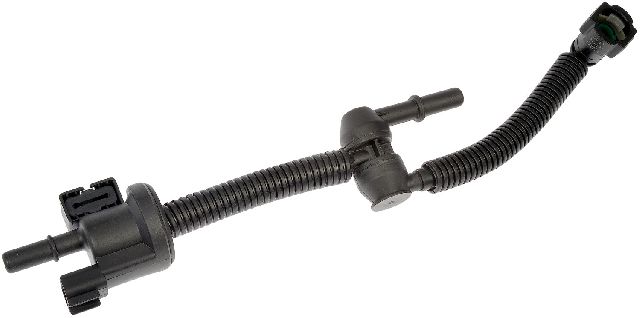
- EVAP Canister Purge Valve
(OEM #F2GZ-9C915-A / F2GZ-9D289-A / Motorcraft CX-2776)— This is a very common failure point in the Ford EVAP system for this vehicle, typically causing code P1450. An electrical failure of this part is a primary suspect for P1449.
Trusted brands: Motorcraft, Bosch, Standard Motor Products
OEM price range: $45-$60
Aftermarket price range: $30-$50 - EVAP Canister Vent Valve / Solenoid
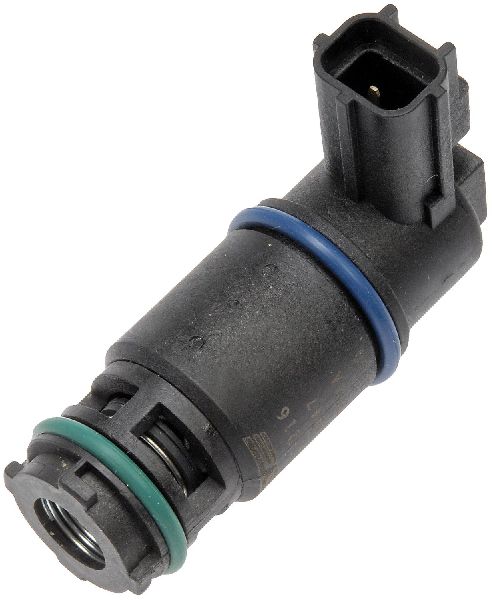
(OEM #9U5Z-9F945-C)— This solenoid is the other key component in the system. Its failure can cause fueling issues and EVAP codes, making its circuit a possible culprit for P1449.
Trusted brands: Motorcraft, Dorman (p/n 911-216), Standard Motor Products (p/n CVS150)
OEM price range: $60-$80
Aftermarket price range: $20-$60
Related Codes That Often Appear With This One
- P1450 — P1450 (Unable to Bleed Up Fuel Tank Vacuum) is extremely common on this platform and is often caused by a faulty purge valve. If the valve fails electrically, it could theoretically present as P1449 instead.
- P0446 — This code relates to the EVAP vent control circuit. A failure in the vent solenoid could potentially trigger P1449 or P0446 depending on the exact nature of the electrical fault.
- P144C — This code, referenced in TSB 19-2171 for platform mates, relates to EVAP system performance and can be caused by loose vapor line connections, a plausible root cause for a P1449 circuit fault as well.
Technical Service Bulletins (TSBs) & Recalls
- TSB 19-2171: '1.5L/2.0L/2.3L EcoBoost - Illuminated MIL With DTC P04F0 And/Or P144C' - While for the Escape/MKC, it points to a relevant potential failure of loose EVAP line connections on the same basic powertrain and EVAP system.
Platform-Specific Known Issues
- Loose EVAP Line Connections: TSB 19-2171 was issued for the Ford Escape and Lincoln MKC (which share the 2.0L EcoBoost) for EVAP codes P04F0 and P144C. The cause was identified as loose or partially connected EVAP vapor line quick-connect fittings. It is plausible this could also occur on an Edge and potentially trigger a P1449 circuit fault code. A physical inspection ensuring all connections are secure is recommended.
Mechanic-Grade Diagnostic Values
- EVAP Canister Purge Valve Solenoid Resistance — expected: 15 to 30 Ohms. Failure: An open circuit (infinite resistance) or a short circuit (near-zero resistance) indicates a failed coil.
- EVAP Canister Vent Solenoid Resistance — expected: 20 to 30 Ohms. Failure: A reading significantly outside this range indicates a damaged solenoid winding.
- Purge Valve Connector (C158) Voltage — expected: Pin 1 (Violet/Red wire) should have ~12V with Key On, Engine Off. Pin 2 (Yellow/Violet wire) is the ground, controlled by the PCM.. Failure: No voltage on Pin 1 indicates a problem with the power supply (fuse, wiring). If power is present but the valve doesn't operate, the fault may be the ground wire or PCM driver.
- Fuel Tank Pressure (FTP) Sensor Voltage (KOEO) — expected: Approximately 2.4V to 2.8V at atmospheric pressure.. Failure: A reading significantly outside this range can indicate a faulty sensor, which could affect the EVAP monitor's ability to run its self-tests.
Hidden / Shadow Codes Worth Checking
- Mode $06: Mode $06 provides raw test data from the PCM's non-continuous monitors, including the EVAP system. For CAN-bus vehicles like the 2015+ Edge, Monitor IDs (MIDs) are standardized, but interpreting the specific Test ID (TID) values for the EVAP monitor often requires manufacturer-specific documentation. A technician can see if the EVAP monitor tests have run and passed or failed, but it may not pinpoint the exact electrical fault of P1449 without a dealer-level scan tool and reference charts. (see via A professional scan tool or an advanced OBD-II app capable of displaying Mode $06 data.)
Scan Tool Commands That Help
- Ford IDS, FORScan, or other professional bi-directional scanner: EVAP System Test / Purge Valve Active Test / Vent Valve Active Test — This is a critical diagnostic step. It allows the technician to manually command the purge and vent solenoids on and off. Listening for an audible click from the solenoid confirms the coil is activating and the PCM driver is working. This helps isolate the problem to the solenoid itself versus a wiring issue between the PCM and the component.
Wiring & Ground Locations
- Purge Valve Connector C158 — On the EVAP purge valve assembly, located in the engine bay between the battery and the engine.. This is the primary electrical connection for the purge valve. Pin 1 (Violet/Red) is the power feed, and Pin 2 (Yellow/Violet) is the PCM ground control. All electrical tests for the purge valve circuit start at this connector.
- Main Chassis Ground Stud — On the driver's side firewall, to the right of the battery (when looking from the front of the vehicle).. This is a primary grounding point for various under-hood electronics. While not exclusive to the EVAP system, a loose or corroded main ground can cause intermittent and strange electrical faults across multiple systems, including setting circuit codes like P1449. It should be inspected for corrosion and tightness.
OEM Part Supersession History
F2GZ-9D289-A→F2GZ-9D289-B— Standard part revision by the manufacturer. The new part is a direct replacement.7U5Z-9F945-D / 7U5Z-9F945-E→9U5Z-9F945-C (Motorcraft CX-2776)— Standard part revision for the canister vent solenoid.
Diagnostic Flowchart
Other Known Issues on This Vehicle
Issues unrelated to this code that are worth knowing about as an owner of this generation:
- 2.0L EcoBoost Coolant Intrusion 🔴 High — Common on 2015-2018 models. A design flaw in the open-deck engine block can allow coolant to leak into the cylinders, typically causing misfires (P030x), white smoke, and eventual engine failure. (Ref: TSB 19-2346 (supersedes 19-2208).)
- Power Transfer Unit (PTU) Failure 🔴 High — A common issue on AWD models across all years. The PTU is located near the hot catalytic converter with no drain plug or cooling, causing the gear oil to break down and cook the seals, leading to leaks and unit failure.
- Brake Booster Failure / Leaks 🔴 High — Affects various model years, leading to a hard brake pedal or a pedal that sinks to the floor. A hissing noise may be heard when applying the brakes. This is a significant safety concern. (Ref: Customer Satisfaction Program 13N02 (extended warranty for certain 2010-2014 models) and Recall 16S24/16V345 for brake fluid loss on some models.)
- Infotainment Screen Delamination 🟡 Low — Widespread cosmetic and functional issue on 2015-2020 models with the 8-inch SYNC 3 touchscreen. The top layer separates from the glass, creating bubbles and causing erratic or non-responsive touch inputs ('ghost touch').
Used vs. New Parts: Buying Guide for This Vehicle
When a used part is the smart pick: For the EVAP canister vent solenoid, a used OEM part from a low-mileage donor vehicle can be a cost-effective option as it is less prone to failure than the purge valve. For wiring pigtails or connectors, a used part is often the only option besides custom repair.
Donor-vehicle mileage cap: roughly under 60000 miles for the part to have meaningful remaining life.
What to inspect on the donor part:
- Check for corrosion on electrical pins.
- Ensure plastic housings are not brittle or cracked.
- For solenoids, test the resistance with a multimeter before purchase if possible; it should be within 15-30 Ohms.
OEM-only on this vehicle (don't cheap out):
- EVAP Canister Purge Valve: While aftermarket is available, the OEM Motorcraft part is highly recommended due to the high failure rate of this component on EcoBoost engines. Cheaper aftermarket versions are known to fail prematurely, leading to a repeat of the repair.
Aftermarket brands forum-validated for this vehicle:
- Dorman (for vent solenoid and connectors)
- Standard Motor Products (SMP)
Brands owners have reported issues with on this vehicle:
- Unbranded, no-name parts from online marketplaces are a significant gamble for critical emissions components like solenoids.
Real Owner Stories
Aggregated from forums and TSBs cited above. Mileages and costs reflect what owners reported in those sources.
2015 Ford Edge 2.0L EcoBoost
Symptoms: Owner experienced hard starting specifically after fueling the vehicle.
What fixed it: Replacement of the canister purge valve, which was identified as the common failure part for these symptoms.
Source hint: fordedgeforum.com - Thread 'Code P1450 - problem starting after filling up'
2017-2019 Ford Escape 2.0L EcoBoost
Symptoms: Illuminated MIL (Check Engine Light) with EVAP-related fault codes.
What fixed it: Securing loose or partially connected EVAP vapor line quick-connect fittings.
Source hint: TSB 19-2171: '1.5L/2.0L/2.3L EcoBoost - Illuminated MIL With DTC P04F0 And/Or P144C'
Related OBD-II Codes
Frequently Asked Questions
Does TSB 19-2171 apply to my 2015-2024 Ford Edge 2.0L EcoBoost?
I'm having trouble filling my gas tank and the pump keeps clicking off; is this related to P1449?
Where is the Purge Valve located on my 2.0L EcoBoost Edge?
What resistance should I look for when testing the EVAP solenoids on my Edge?
Could my P1449 code be related to the coolant intrusion issues common on 2015-2018 models?
Is there a specific wire I should check for power if my solenoids test okay?
Helpful Videos
Used OEM Parts in Stock

New Aftermarket Parts Available


The information in this article is provided for general reference and educational purposes only. Vehicle specifications, procedures, and part compatibility can vary by production date, trim level, and region. Always consult your vehicle's factory service manual and verify part numbers before purchasing or performing repairs. Safety-critical components such as airbags, seat belts, and braking systems should be installed by a qualified professional.
- Ford Edge:
- 🧭 Diagnostic Flowchart
- 🎬 Helpful Videos
- 🛍️ Shop This Part
- What's Unique About the 2015-2024 Ford Edge
- Symptoms You May Notice
- Most Likely Causes
- Rare But Worth Checking
- Diagnosis Steps
- Parts You'll Likely Need
- Related Codes That Often Appear With This One
- Technical Service Bulletins (TSBs) & Recalls
- Platform-Specific Known Issues
- Mechanic-Grade Diagnostic Values
- Hidden / Shadow Codes Worth Checking
- Scan Tool Commands That Help
- Wiring & Ground Locations
- OEM Part Supersession History
- Other Known Issues on This Vehicle
- Used vs. New Parts: Buying Guide for This Vehicle
- Real Owner Stories
- 2015 Ford Edge 2.0L EcoBoost
- 2017-2019 Ford Escape 2.0L EcoBoost
- Related OBD-II Codes
- Frequently Asked Questions
- 🎟️ Get 5% Off