

P1450 on 2009-2017 Audi Q5: 'Unable to Bleed Fuel Tank Vacuum' Causes and Fixes
This code means your fuel tank can't vent properly, creating excessive vacuum. The most likely causes on the Audi Q5 are a faulty EVAP Purge Valve (N80) in the engine bay or a stuck/clogged canister vent valve, which is part of the Leak Detection Pump (LDP) at the rear of the vehicle. A stuck-open N80 valve is a very common failure. Expect to pay $70-$150 for a purge valve or $200-$400 for a leak detection pump.
- P1450 on your Audi Q5 means the fuel tank's EVAP system is blocked and cannot vent.
- Do not start by replacing the gas cap; this code is for a blockage, not a leak.
- The two most likely culprits are the N80 Purge Valve in the engine bay or the Leak Detection Pump (LDP)/Vent Valve in the rear wheel well.
- A key symptom is a loud 'whoosh' of air when you open the gas cap after driving.
- Diagnosis involves testing the two main valves (N80 and Vent Valve) to see if they are stuck or if their pathways are blocked.
What's Unique About the 2009-2017 Audi Q5
While P1450 is a common code across various manufacturers, particularly Ford, its appearance on an Audi Q5 points to failures in the VAG-specific EVAP system components. The primary culprits are typically the engine-mounted N80 purge valve or the rear-mounted Leak Detection Pump (LDP), which contains the vent solenoid. These components are known weak points across many VW and Audi models sharing the EA888 engine and are often the cause for a variety of other EVAP system trouble codes, not just P1450. The N80 valve, in particular, is prone to sticking open, which directly applies engine vacuum to the EVAP system when it shouldn't, leading to this code.
Symptoms You May Notice
- Check Engine Light (Malfunction Indicator Lamp) is on.
- A 'whoosh' sound of air rushing in when opening the gas cap, indicating a vacuum.
- Difficulty refueling (the fuel pump nozzle clicks off repeatedly).
- Slightly reduced fuel economy.
- Rough or unstable idle, especially after refueling or at low speeds, if the purge valve is stuck open.
- In some cases, difficulty starting the engine immediately after filling the gas tank.
- Replacing the gas cap. A bad gas cap typically causes a leak code (like P0456 Small Leak or P0455 Gross Leak), not a 'failure to vent' or 'excessive vacuum' code like P1450.
- Performing a smoke test. A smoke test is designed to find leaks in the EVAP system. P1450 is caused by a blockage or a stuck-open purge valve creating vacuum, not a leak letting vapor out. A smoke test will almost always show no faults and waste time and money.
Most Likely Causes
- Faulty EVAP Purge Valve (N80) Stuck Open 🔴 High Probability → Shop Vapor Canister The N80 purge valve is a very common failure item on the EA888 engine. It can get stuck internally, usually in the open position, which allows the engine's intake manifold vacuum to constantly pull on the fuel tank, creating the exact condition for a P1450 code.
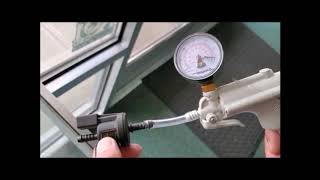
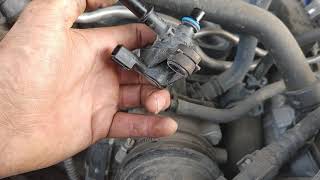
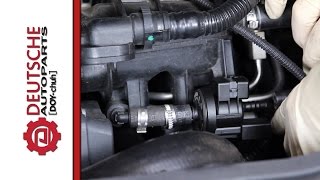
How to confirm: Remove the valve (located on the 2.0T engine). With the vehicle off, try to blow through it; it should be completely sealed and pass no air. If you can blow through it, it is stuck open and faulty. 🎬 Watch: How to test the N80 purge valve You can also disconnect the electrical connector and the hose leading to the intake manifold, start the engine, and feel for suction on the valve's port with your finger; there should be none at idle.
Typical fix: Replace the N80 purge valve. It is recommended to also inspect its associated hoses for brittleness or cracks, 🎬 See this step-by-step N80 valve replacement walkthrough but the valve itself is the typical point of failure.
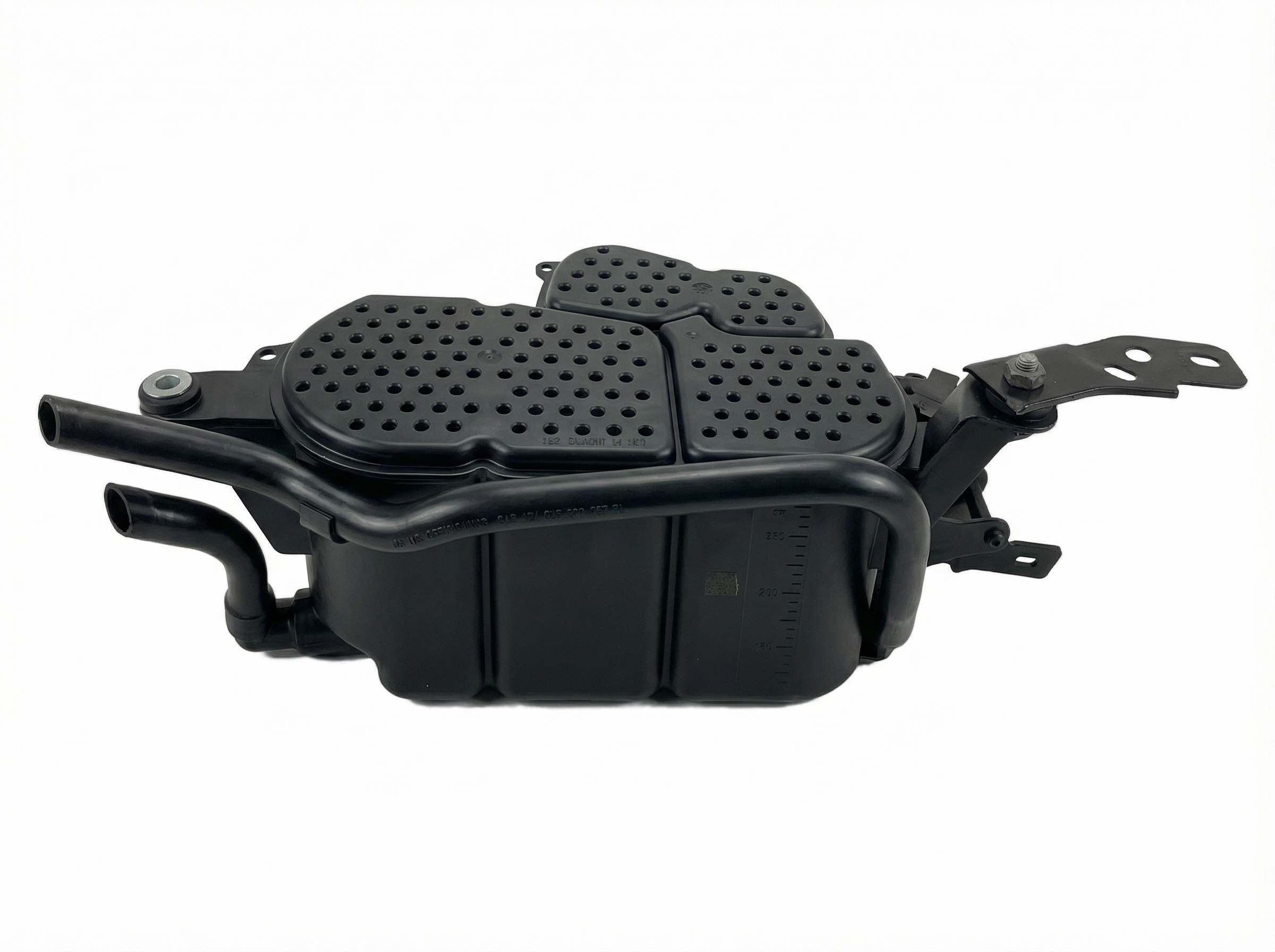
Est. part cost: $70-$150 - Stuck or Blocked Canister Vent Valve / Leak Detection Pump (LDP) 🟡 Medium Probability → Shop Vapor Canister The vent valve is integrated into the Leak Detection Pump (LDP) on this vehicle, located near the charcoal canister in the rear passenger-side wheel well area. The valve can stick closed, or its vent filter can become clogged with road dust, dirt, or spider webs, preventing it from letting fresh air into the system to bleed vacuum.
How to confirm: Locate the LDP assembly. Inspect the vent hose/filter for blockages. The valve itself is normally open; you should be able to blow air through the vent path. If you cannot, the valve is stuck closed or the path is blocked. Applying 12V is supposed to close the valve for testing.
Typical fix: Clean the vent filter if it's merely clogged. If the valve itself is stuck, the entire Leak Detection Pump (LDP) assembly must be replaced as the valve is integrated.
Est. part cost: $200-$400 - Blocked or Kinked EVAP Hoses ⚪ Low Probability Over time, rubber and plastic hoses can become brittle, collapse internally, or get pinched during other repairs, creating a restriction that traps vacuum.
How to confirm: Visually inspect all EVAP lines running from the engine bay to the rear of the vehicle, paying close attention to bends and connection points for any signs of damage, kinks, or collapse. This is often done after confirming the main valves are operational.
Typical fix: Replace the damaged section of hose.
Est. part cost: $20-$60 - Clogged Charcoal Canister ⚪ Low Probability → Shop Vapor Canister Consistently overfilling the fuel tank ('topping off') can force liquid gasoline into the charcoal canister, which is designed only for vapor. This saturates the charcoal, turning it into a solid blockage that prevents airflow.
How to confirm: This is a diagnosis by elimination. If the purge and vent valves are confirmed to be working correctly, the canister is the next suspect. Disconnecting the lines to the canister and checking for airflow can help diagnose a blockage. A fuel smell from the canister is also a strong indicator.
Typical fix: Replace the charcoal canister.
Est. part cost: $250-$500
Rare But Worth Checking
- Faulty Fuel Tank Pressure (FTP) Sensor: → Shop Fuel Tank While uncommon, the sensor that reads the fuel tank pressure can fail and send incorrect data to the ECM, making the computer believe there is a vacuum when there isn't. This should only be considered after all other mechanical possibilities (valves, hoses) have been thoroughly ruled out.
Diagnosis Steps
- Scan for codes and confirm P1450 is the primary or only code present. If other EVAP codes exist, their diagnostic procedures may take priority.
- Listen for a 'whoosh' when opening the gas cap after driving. A strong, consistent vacuum sound confirms the tank is not venting properly.
- Locate the EVAP Purge Valve (N80) on the engine. It's easily accessible. Disconnect the valve from its hoses. Attempt to blow through it. It should be closed (no airflow) when unpowered. If air passes through, it has failed and must be replaced. This is the most common fix.
- If the N80 valve test passes, move to the rear of the vehicle. Locate the Leak Detection Pump (LDP) and charcoal canister, typically behind the rear passenger-side wheel well liner.
- Inspect the LDP's vent port and any attached hoses for blockages from dirt, debris, or insects. The vent path should be clear.
- Test the LDP's vent solenoid. It is normally open. If you can't blow through the vent path, the valve is stuck closed or the path is blocked. The valve should close when 12V is applied.
- If both the purge valve and vent valve/path are confirmed to be working correctly, perform a detailed visual inspection of all EVAP lines for kinks, collapses, or damage.
- As a final, less likely step, consider the charcoal canister may be clogged or the Fuel Tank Pressure sensor may be faulty.
Parts You'll Likely Need
- Vapor Canister Purge Valve (N80)
(OEM #06H906517H (or 06E906517A, check VIN))— This is a very common failure point on the EA888 engine. 🎬 Watch: Diagnosing a bad purge valve on an Audi Q5 It gets stuck open, causing a constant vacuum pull on the fuel tank which triggers P1450. It is the first and easiest part to check.
Trusted brands: Bosch (often the OEM supplier), Pierburg, Genuine VW/Audi
OEM price range: $100-$150
Aftermarket price range: $70-$120 - EVAP Leak Detection Pump (LDP)
(OEM #8K0906253L (or 8K0906253H, check VIN))— This assembly contains the vent solenoid responsible for letting fresh air into the system to release vacuum. The solenoid can stick closed or the pump's air filter can become clogged with road debris, causing a blockage.
Trusted brands: Bosch, Genuine VW/Audi
OEM price range: $300-$400
Aftermarket price range: $200-$300
Platform-Specific Known Issues
- Owner Experience: N80 Valve is the Usual Suspect: In numerous forum discussions on AudiWorld and Audizine, owners of Q5s and related A4/A5 models report that P1450 is most frequently resolved by replacing the N80 purge valve. Many recommend it as the first step after checking the gas cap, as it's an inexpensive and simple DIY job that takes less than 30 minutes.
- LDP Failure in Dusty/Winter Climates: Owners in regions with dusty roads or heavy use of winter road salt/sand report a higher incidence of LDP failure. The debris clogs the pump's vent filter, preventing it from drawing in fresh air to release the tank vacuum. Some have had temporary success cleaning the filter, but replacement of the LDP assembly is the permanent fix.
Mechanic-Grade Diagnostic Values
- EVAP Purge Valve (N80) Coil Resistance — expected: 22 to 30 Ohms. Failure: A reading of 'OL' (open circuit) or a value significantly outside the specified range indicates a faulty coil.
- Voltage to EVAP Purge Valve (N80) Connector — expected: Battery voltage should be present at terminal 1 of the harness connector (relative to ground) when the engine is starting or running.. Failure: No voltage suggests a wiring issue or a problem with the Engine Component Power Supply Relay (J757).
Scan Tool Commands That Help
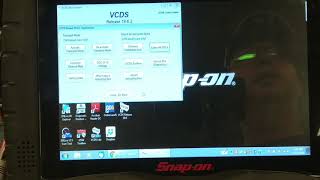
- VCDS (VAG-COM): Engine -> Output Tests -> EVAP Purge Valve (N80) — This test directly commands the N80 valve to cycle on and off. A technician should hear an audible clicking from the valve, confirming the ECM can control it and the solenoid is not seized.
- VCDS (VAG-COM): Engine -> Output Tests -> EVAP Leak Detection Pump (V144) — This test manually activates the Leak Detection Pump (LDP) motor. It's used to verify the LDP's electrical circuit and motor are functioning. Lack of sound from the pump during this test (when power/ground is confirmed) points to a failed LDP.
- VCDS (VAG-COM): Engine -> Basic Settings -> Group 071 — This manually initiates the entire EVAP system's self-test sequence. It allows a technician to force the test to run and observe the results in real-time without waiting for specific drive cycle conditions. A failure or abort during this test can help pinpoint the stage at which the fault occurs.
Wiring & Ground Locations
- N80 Valve Wiring — The N80 valve is located on the intake manifold. Pin 2 of its connector runs to the Engine Control Module (ECM) connector T94, terminal 49. Pin 1 receives power via the Engine Component Power Supply Relay J757.. An open or short in the wiring to the N80 valve can prevent it from closing, allowing constant vacuum pull on the fuel tank.
- LDP Ground Connection — The Leak Detection Pump (LDP) is located in the rear passenger-side wheel well. A key ground connection for components in this area is 'Ground Connection (in right rear side panel)', designated as 663 in some diagrams, located behind the interior trim.. The LDP contains the vent valve. A poor ground can prevent this valve from operating correctly, causing it to stick closed and fail to bleed vacuum.
- Main Chassis Grounds — Key chassis ground points for the B8 platform include point 638 on the right A-pillar and point 639 on the left A-pillar.. Corrosion or looseness at main ground points can cause intermittent and difficult-to-diagnose electrical issues across various systems, including EVAP components.
Real Owner Repair Stories
- AudiWorld Forums (2005 Audi A4 (B7 platform, similar EVAP system)) — Check Engine Light would illuminate when the fuel tank reached approximately 1/4 full.
❌ Tried (didn't work) Tightening the gas cap (dealer suggestion, tried twice)., Initial dealer replacement of the N80 valve did not solve the issue.
✅ What actually fixed it The user's post implies the issue was ongoing and would be the fourth visit to the dealership. Another user in the same thread provided detailed diagnostic steps, emphasizing that if you can blow air through a disconnected N80 valve, it is faulty and leaking internally, which is the direct cause of the vacuum issue.
OEM Part Supersession History
06E906517A→06H906517H (and other revisions like K, T)— Part has been updated multiple times by VW/Audi for improved reliability and to address failure modes like sticking open.
Heads up: Newer revisions are generally backward compatible for this application, but it is always best to confirm the latest part number with a vehicle's VIN. Some aftermarket versions may have incorrect connector shapes.8K0906253A / C / E / G / H / J→8K0906253L / N— Standard component revisions for manufacturing changes and potentially improved durability of the internal pump and valve mechanism.
Heads up: All listed part numbers are generally considered interchangeable for this platform.
Model Year Variations Within This Range
- 2009-2012 vs 2013-2017: While the fundamental EVAP system design and common failure points (N80, LDP) are consistent, some part numbers for components like the Leak Detection Pump (LDP) may have been revised during the 2013 model year facelift. It is always critical to verify part fitment using the vehicle's VIN.
Diagnostic Flowchart
Other Known Issues on This Vehicle
Issues unrelated to this code that are worth knowing about as an owner of this generation:
- Timing Chain Tensioner Failure 🔴 High — Common on pre-2013 models. Failure can occur with little warning, often between 60k-120k miles. A rattle on cold start is the primary symptom. (Ref: No recall, but updated tensioner parts were released. A class-action lawsuit existed for this issue.)
- Excessive Oil Consumption 🔴 High — Very common on 2009-2011 models, less so on later years. Caused by faulty piston ring design. Can start as early as 50k miles. (Ref: Subject of a class-action lawsuit which extended warranty coverage for this specific issue.)
- PCV Valve Failure 🟠 Medium — Common failure item across all model years, typically every 60k-80k miles. Can cause oil leaks, high oil consumption, and rough idle.
- Water Pump / Thermostat Housing Leak 🟠 Medium — The plastic housing is prone to cracking and leaking coolant. Common failure around 70k-100k miles. Often replaced with an aluminum-housing aftermarket part.
- Intake Valve Carbon Buildup 🟠 Medium — A consequence of Direct Injection (GDI) engines. Requires cleaning (walnut blasting) every 60k-80k miles to prevent misfires and performance loss.
Used vs. New Parts: Buying Guide for This Vehicle
When a used part is the smart pick: For this repair, using a used part is generally not recommended. The primary failure components (N80 Purge Valve, LDP) are electronic solenoids and pumps that fail due to internal wear, heat cycles, and contamination. A used part from a junkyard carries a high risk of having the same issue or a very limited remaining service life.
Donor-vehicle mileage cap: roughly under 40000 miles for the part to have meaningful remaining life.
What to inspect on the donor part:
- Verify the part number on the used component matches the latest superseded version if possible.
- Inspect plastic housings for any cracks, especially around hose connections.
- Check electrical connector pins for any signs of corrosion or damage.
- If possible, perform a bench test (e.g., blowing through the N80 valve to ensure it's closed, applying 12V to check for actuation) before installation.
OEM-only on this vehicle (don't cheap out):
- While not strictly 'OEM-only', using a reputable OEM supplier like Bosch or Pierburg for the N80 valve and LDP is strongly advised. These parts are critical for emissions compliance and engine performance, and cheap, unbranded aftermarket versions are known to have high failure rates.
Aftermarket brands forum-validated for this vehicle:
- Bosch (often the original equipment manufacturer for these parts)
- Pierburg
Brands owners have reported issues with on this vehicle:
- Unbranded, no-name parts from online marketplaces should be avoided. While they may be cheap, they often fail quickly, leading to the code returning and requiring the job to be done a second time.
Real Owner Stories
Aggregated from forums and TSBs cited above. Mileages and costs reflect what owners reported in those sources.
2012 Audi Q5 2.0T
Symptoms: Whistling noise and high oil consumption.
What fixed it: The source suggests the whistling could be related to the EVAP system or PCV, though the N80 is the standard fix for P1450 vacuum issues.
Source hint: Reddit r/Audi - A user with a 2012 Q5 experiencing high oil consumption and a whistling noise
Audi A4 (B8) 2.0T
Symptoms: Rough idle and refueling issues; unable to bleed up fuel tank vacuum.
What fixed it: Replacing the N80 purge valve.
Source hint: Audizine Forums - A thread titled 'P1450 - Unable to bleed up fuel tank vacuum' for a B8 A4
Audi Q5 2.0T (8R platform)
Symptoms: P1450 code present; vacuum issues in the fuel system.
What fixed it: Replacing the N80 purge valve, which is frequently cited as the primary culprit.
Source hint: AudiWorld Forums - Multiple threads discuss P1450 on the B8/8R platform
Related OBD-II Codes
Frequently Asked Questions
Where is the N80 purge valve located on my 2.0L TFSI engine?
Why does my Q5 make a 'whoosh' sound when I open the gas cap?
I'm having trouble refueling my 2012 Q5; the pump keeps clicking off. Is this related to P1450?
Can I just clean the Leak Detection Pump (LDP) filter instead of replacing the whole unit?
Is the P1450 code related to the excessive oil consumption issues on the 2009-2011 Q5?
How can I test the N80 purge valve myself?
Helpful Videos
Used OEM Parts in Stock

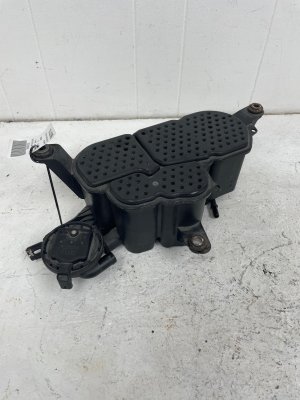
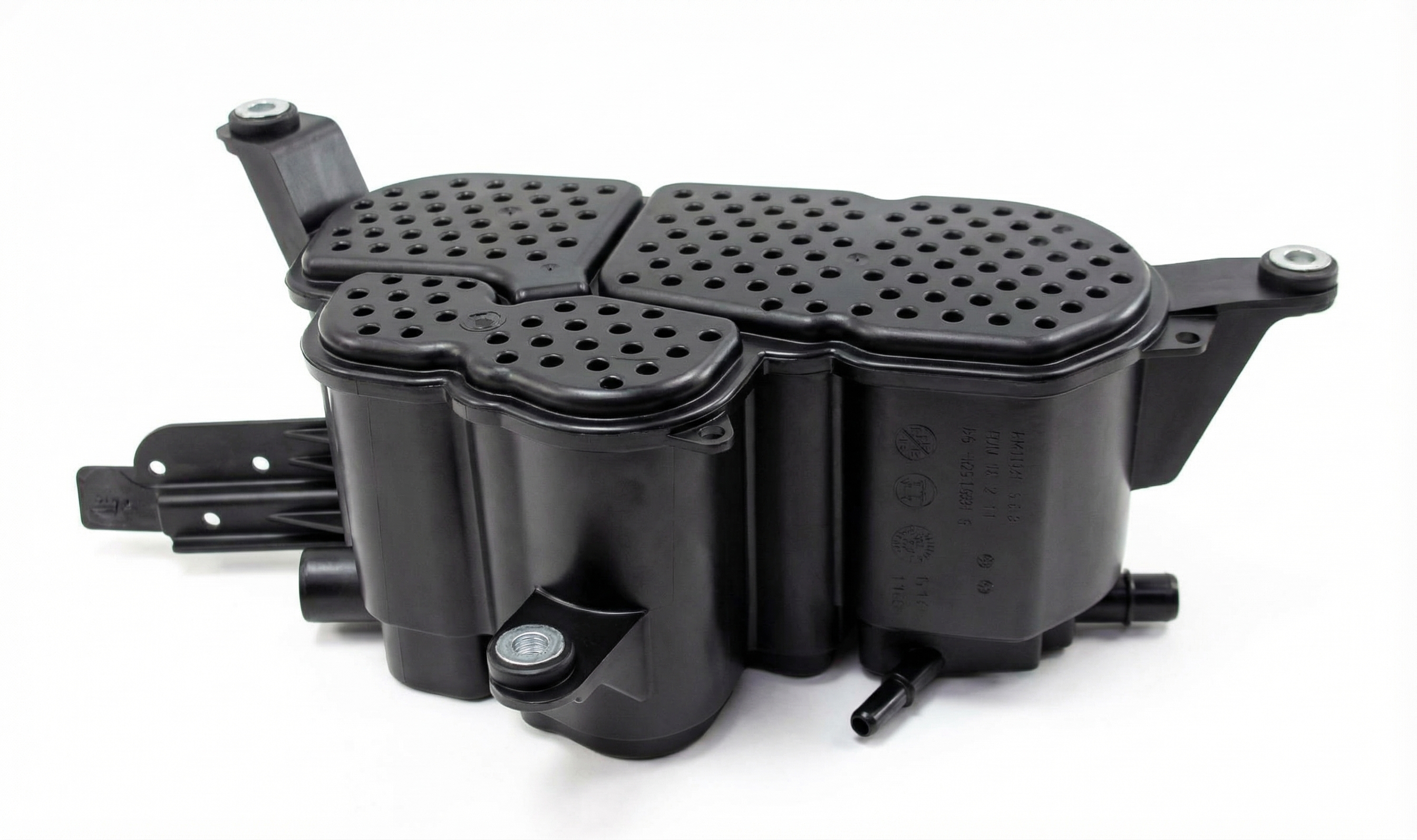
New Aftermarket Parts Available

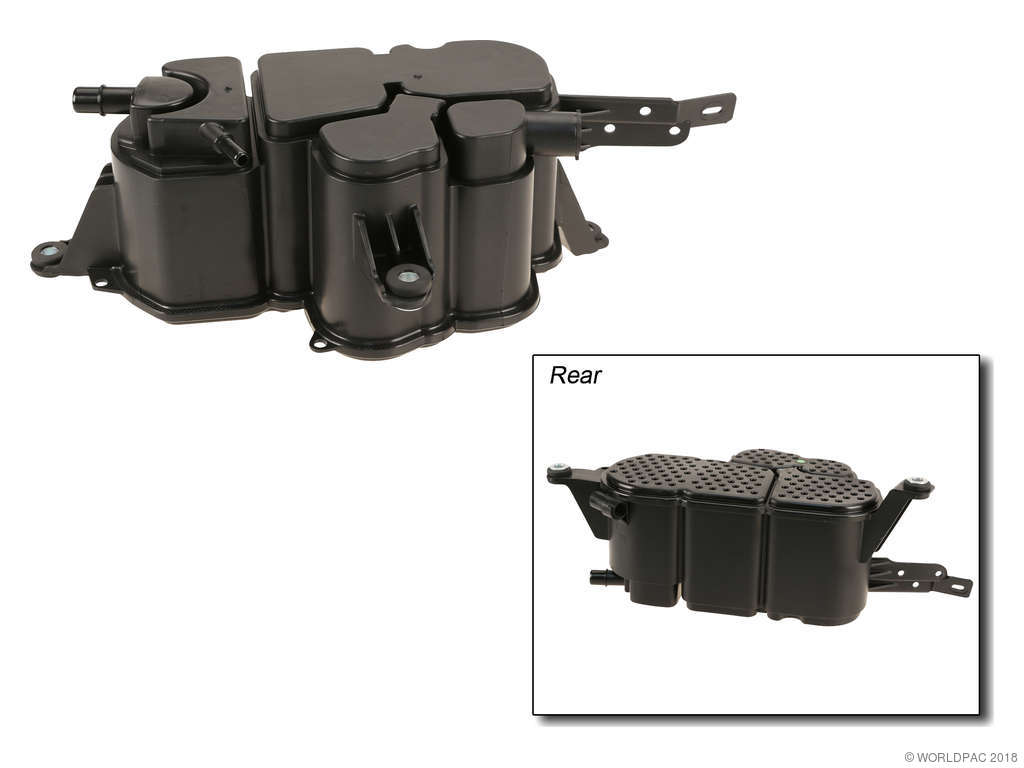

The information in this article is provided for general reference and educational purposes only. Vehicle specifications, procedures, and part compatibility can vary by production date, trim level, and region. Always consult your vehicle's factory service manual and verify part numbers before purchasing or performing repairs. Safety-critical components such as airbags, seat belts, and braking systems should be installed by a qualified professional.
- Audi Q5:
- 🧭 Diagnostic Flowchart
- 🎬 Helpful Videos
- 🛍️ Shop This Part
- What's Unique About the 2009-2017 Audi Q5
- Symptoms You May Notice
- Most Likely Causes
- Rare But Worth Checking
- Diagnosis Steps
- Parts You'll Likely Need
- Platform-Specific Known Issues
- Mechanic-Grade Diagnostic Values
- Scan Tool Commands That Help
- Wiring & Ground Locations
- Real Owner Repair Stories
- OEM Part Supersession History
- Model Year Variations Within This Range
- Other Known Issues on This Vehicle
- Used vs. New Parts: Buying Guide for This Vehicle
- Real Owner Stories
- 2012 Audi Q5 2.0T
- Audi A4 (B8) 2.0T
- Audi Q5 2.0T (8R platform)
- Related OBD-II Codes
- Frequently Asked Questions
- 🎟️ Get 5% Off