

P1450 (or P0496) on 2004-2012 Chevrolet Malibu: Causes for Hard Starting After Fueling
If your scanner shows P1450 on a Malibu, it's a tool error. The actual code is P0496, which is almost always caused by a faulty EVAP purge solenoid valve stuck open. This is a common, easy, sub-30-minute DIY fix with a part costing between $25 and $60. The key symptom is difficulty starting the engine immediately after refueling.
- The code P1450 is not used on Chevrolet vehicles; the correct code for this issue is P0496.
- The most common symptom of P0496 is the engine struggling to start right after you get gas.
- The problem is almost always a bad EVAP purge solenoid valve, which is located on the engine.
- This is a very easy and inexpensive repair that most DIYers can complete in under 30 minutes with basic tools.
- Ensure you purchase the correct part number for your specific engine (2.4L I4 vs 3.5L/3.6L V6).
What's Unique About the 2004-2012 Chevrolet Malibu
The issue of a hard start after refueling, linked to code P0496, is exceptionally common across GM vehicles of this era built on the Epsilon platform, including the Malibu, Pontiac G6, and Saturn Aura. The cause is almost always a failed EVAP purge solenoid. Unlike on some vehicles where this code can lead to a difficult diagnosis, the problem on the 6th (2004-2007) and 7th (2008-2012) generation Malibu is notoriously straightforward. The faulty valve is located directly on the engine, making it one of the simplest and most cost-effective emission system repairs for a DIYer.
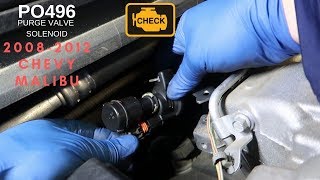
Generation note: This guide covers the 6th generation (2004-2007) and 7th generation 🎬 Watch this 2004 Malibu V6 purge valve replacement guide (2008-2012) Chevrolet Malibu. The primary cause, a faulty EVAP purge solenoid, is a common failure on both generations and their platform mates like the Pontiac G6 and Saturn Aura.
Symptoms You May Notice
- Engine is difficult to start or stalls immediately after refueling
- Check Engine Light is on
- Rough or unstable idle
- Slightly reduced fuel economy
- A 'whoosh' sound of rushing air when opening the gas cap (indicates vacuum buildup)
- Replacing the gas cap. While a loose or faulty gas cap can cause other EVAP codes (like P0442 for a small leak), it is not the cause of a P0496 flow code.
- Replacing the fuel pump. A hard-starting issue might lead some to suspect the fuel pump, but if the problem only occurs after refueling, the EVAP purge valve is the prime suspect.
Most Likely Causes
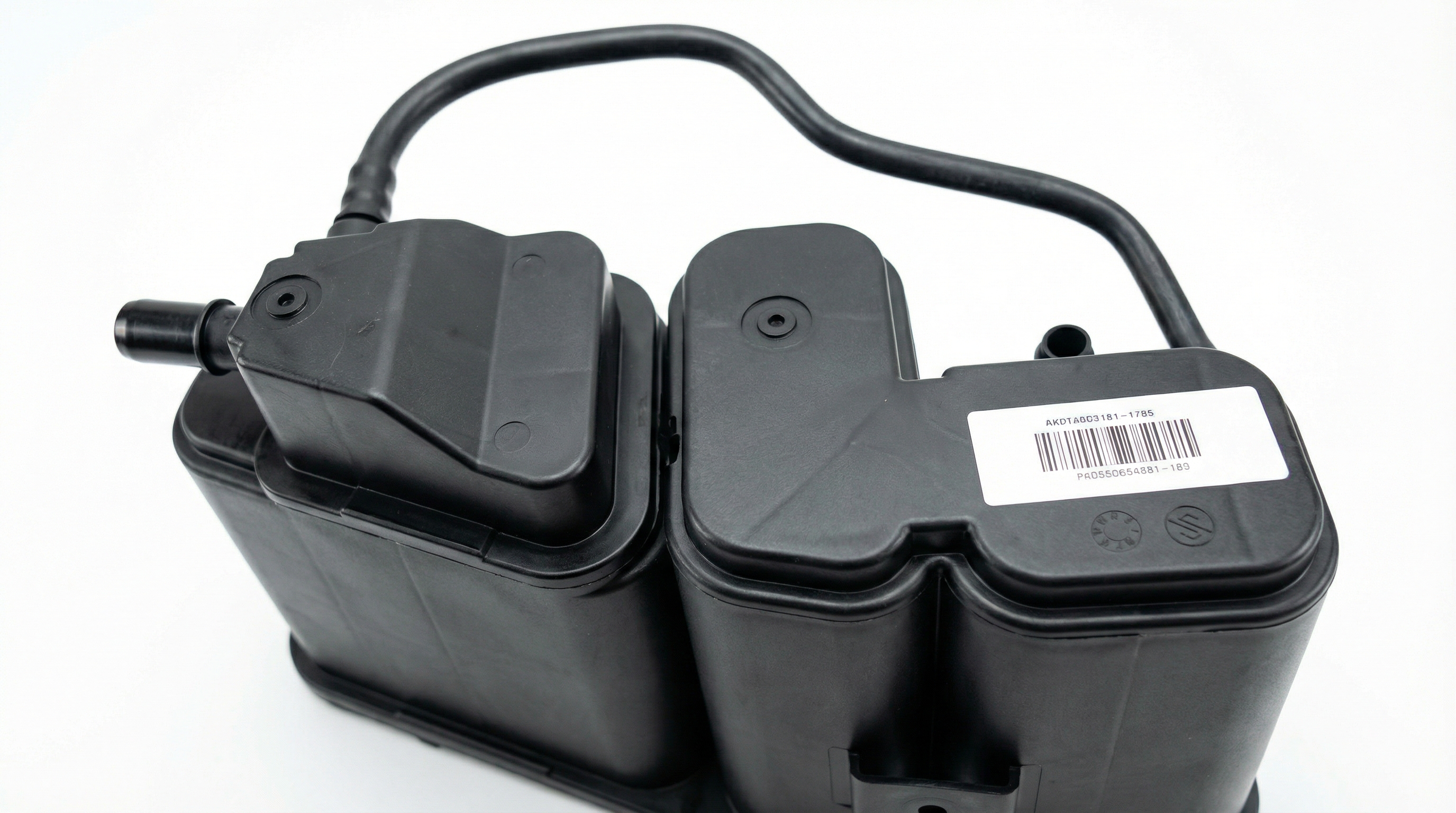
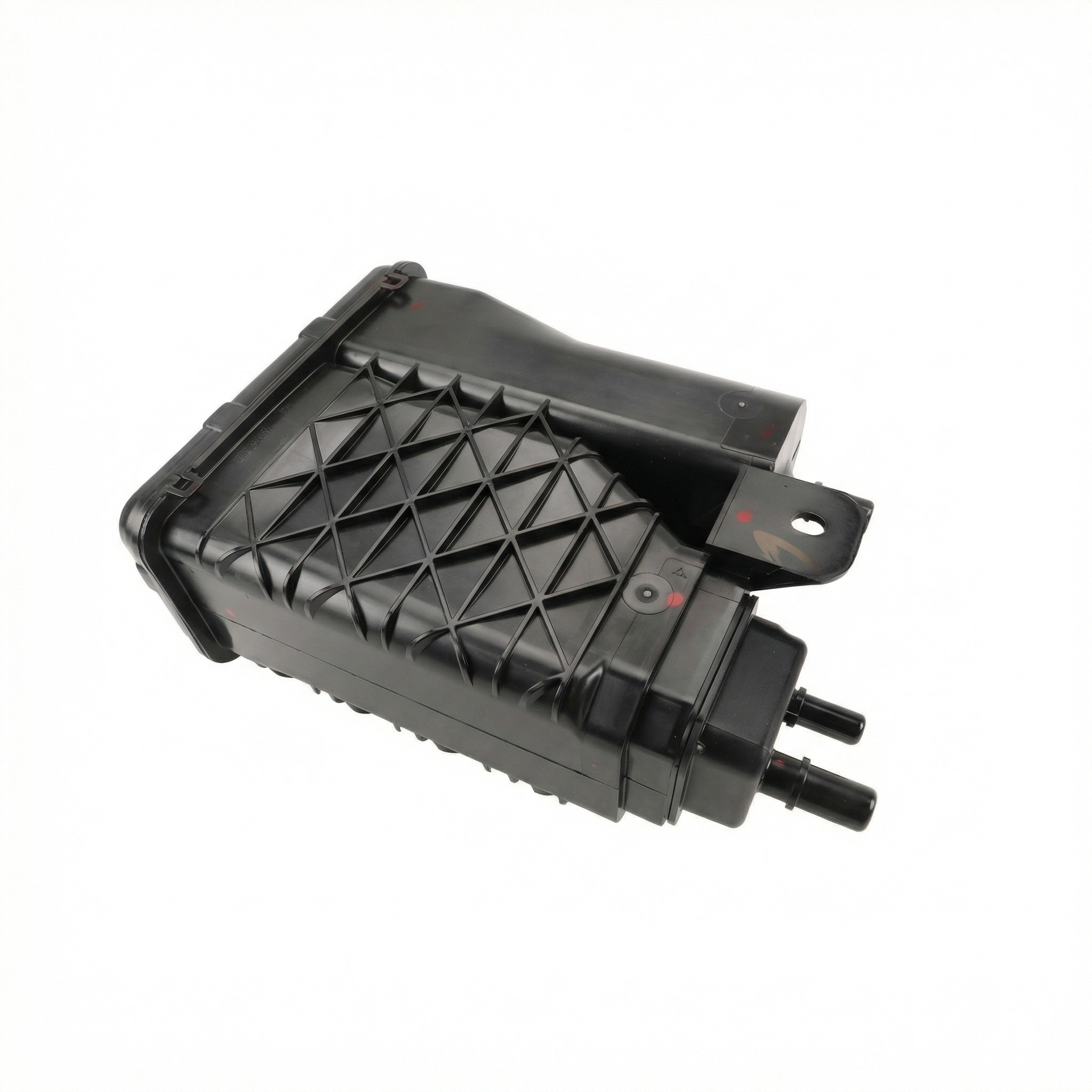
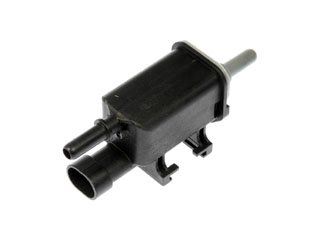
- Stuck-Open EVAP Canister Purge Solenoid/Valve 🔴 High Probability → Shop Vapor Canister This specific part has a very high failure rate across many GM platforms from this period. The internal valve mechanism fails, causing it to remain open and allow un-commanded vapor flow.
How to confirm: With the engine running at idle, disconnect the EVAP hose from the purge solenoid. Place your finger over the valve's inlet port. If you feel suction, the valve is stuck open and must be replaced. A second test is to remove the valve completely and try to blow through it. A good, unpowered valve should be sealed closed and not allow air to pass.
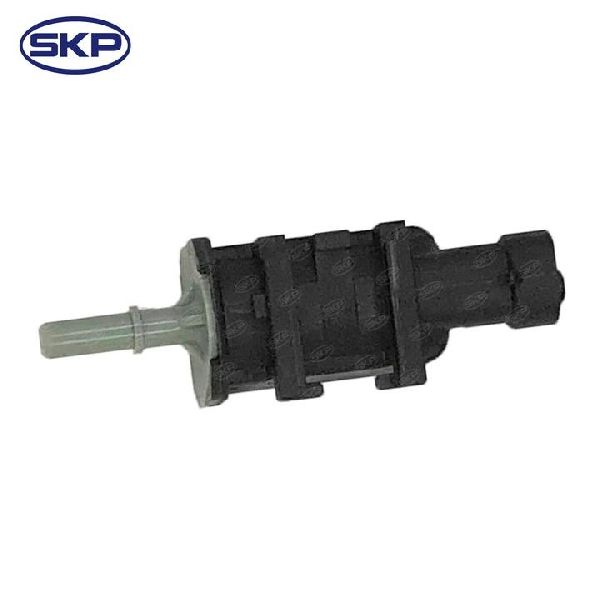
Typical fix: Replace the EVAP canister purge solenoid. It is typically held to the engine or a bracket by a single 10mm bolt and has two hoses and one electrical connector.
Est. part cost: $25-$60
Rare But Worth Checking
- Faulty Fuel Tank Pressure (FTP) Sensor: → Shop Fuel Tank A bad FTP sensor can send incorrect vacuum readings to the computer, triggering the P0496 code even if the purge valve is working correctly. This is much less common than a failed purge valve.
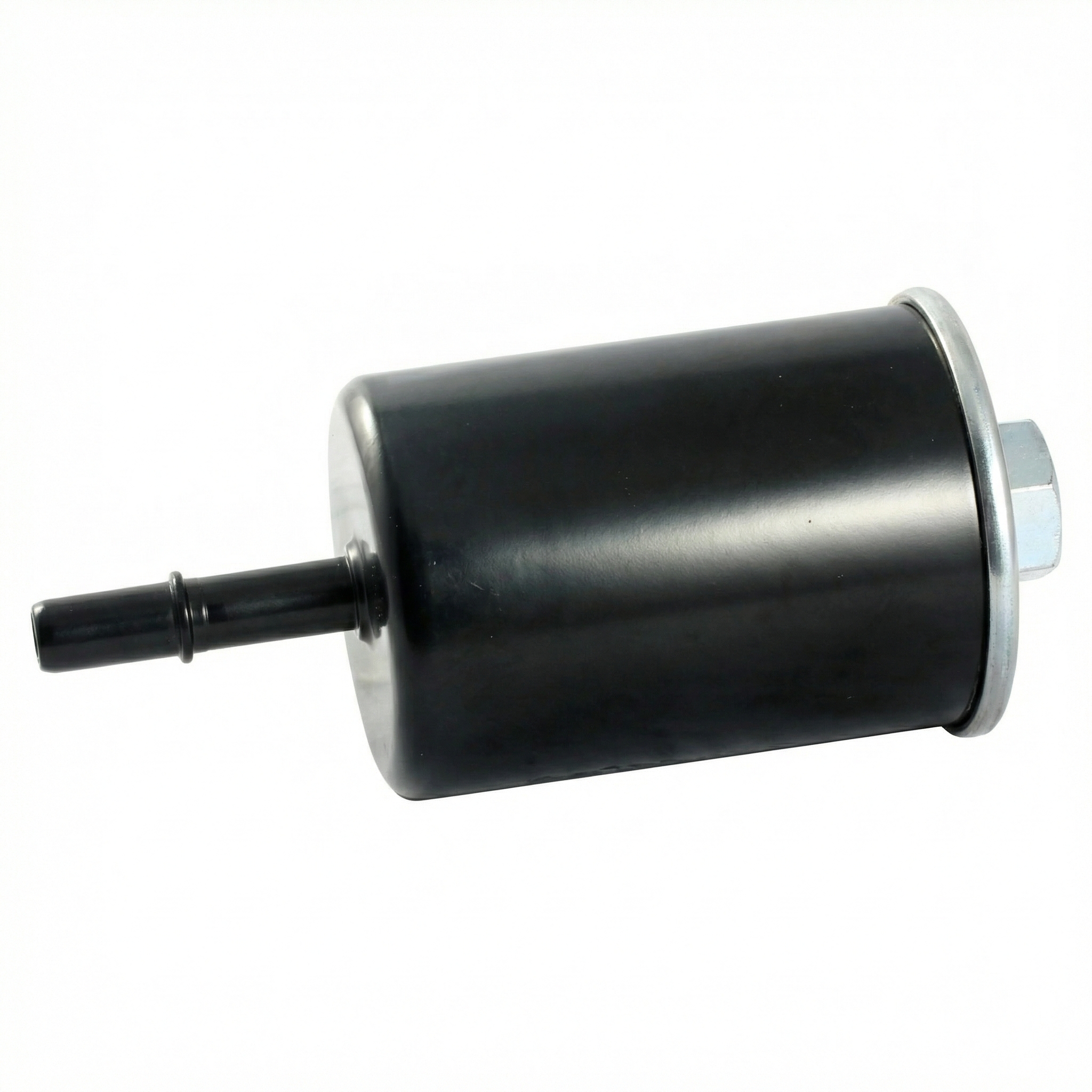
- Clogged or Saturated EVAP Charcoal Canister: → Shop Vapor Canister If you frequently 'top off' your fuel tank after the pump clicks off, you can force liquid gasoline into the charcoal canister. This can saturate the canister and cause various EVAP codes. Importantly, a failing canister can release charcoal granules that travel up the EVAP line and jam the new purge valve open, leading to repeat failures. Some owners have added an inline fuel filter before the purge valve to prevent this.
- Blocked or Kinked EVAP Vent Solenoid or Hoses: → Shop Vapor Canister The EVAP vent solenoid (located near the fuel tank) can get stuck closed, or its associated hoses can get blocked with dirt or debris, trapping vacuum in the system. This is less likely to cause P0496 than a faulty purge valve, and is more often associated with other EVAP codes.
Diagnosis Steps
- Confirm the primary symptom: Does the vehicle only have trouble starting immediately after a fuel fill-up? If yes, proceed.
- Verify the code with a reliable OBD-II scanner. If it shows P1450, understand it is likely a scanner error for the true code, P0496.
- Locate the EVAP purge solenoid on the engine. On the 2.4L I4, it's on the passenger side of the intake manifold. On V6 models, it's often on top of the engine near the intake.
- Start the engine and let it idle.
- Disconnect the electrical connector and the EVAP hose that runs from the solenoid towards the rear of the car.
- Test for vacuum at the solenoid's port where you just removed the hose. If there is any suction at idle, the valve has failed and needs to be replaced.
- Alternatively, remove the valve from the vehicle. Try to blow air through it. If air passes through, the valve is stuck open and faulty.
- If there is no vacuum and the valve is sealed, the problem may be more complex, such as an issue with the Fuel Tank Pressure sensor or the wiring. At this point, a smoke test of the EVAP system may be needed to check for other leaks or blockages.
Parts You'll Likely Need
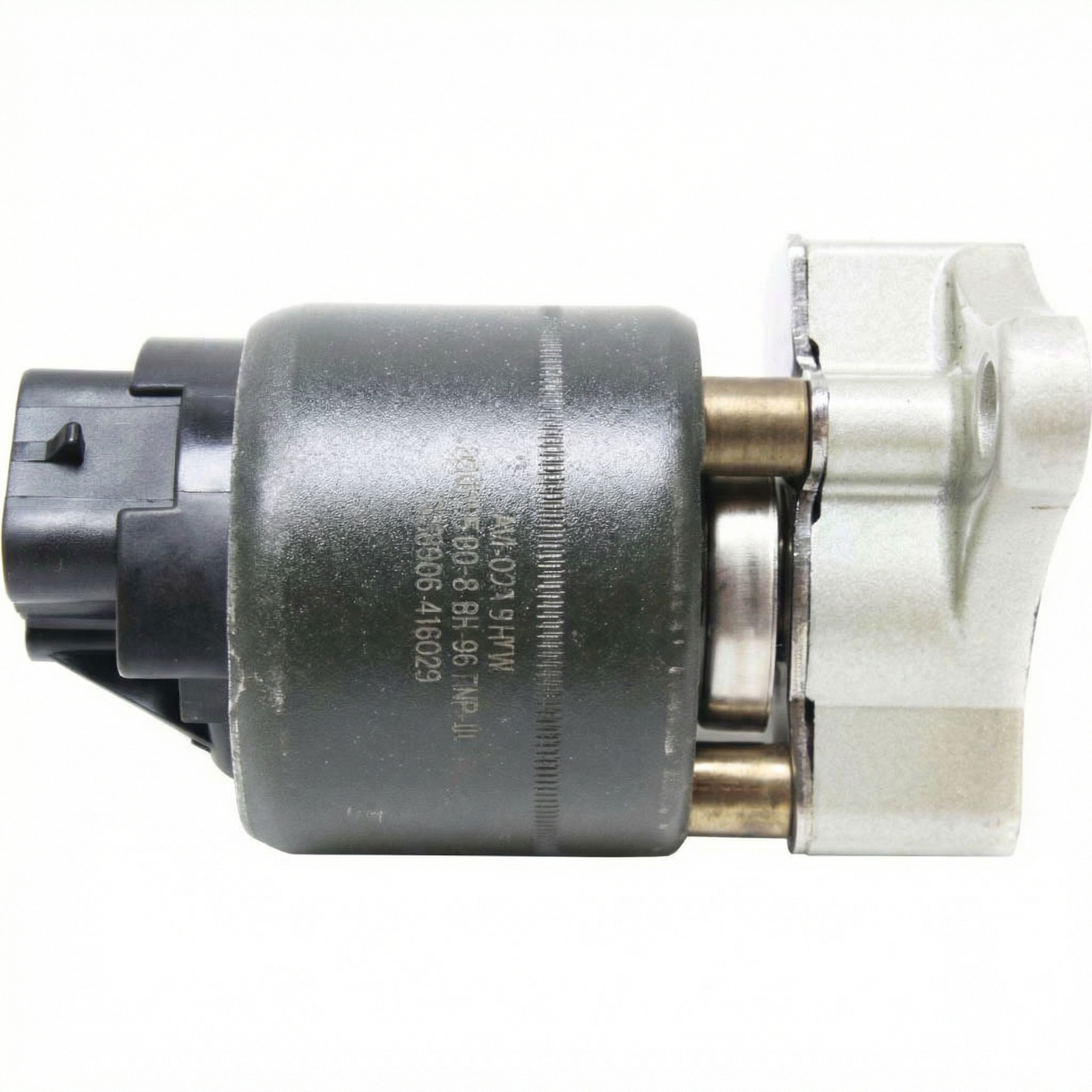
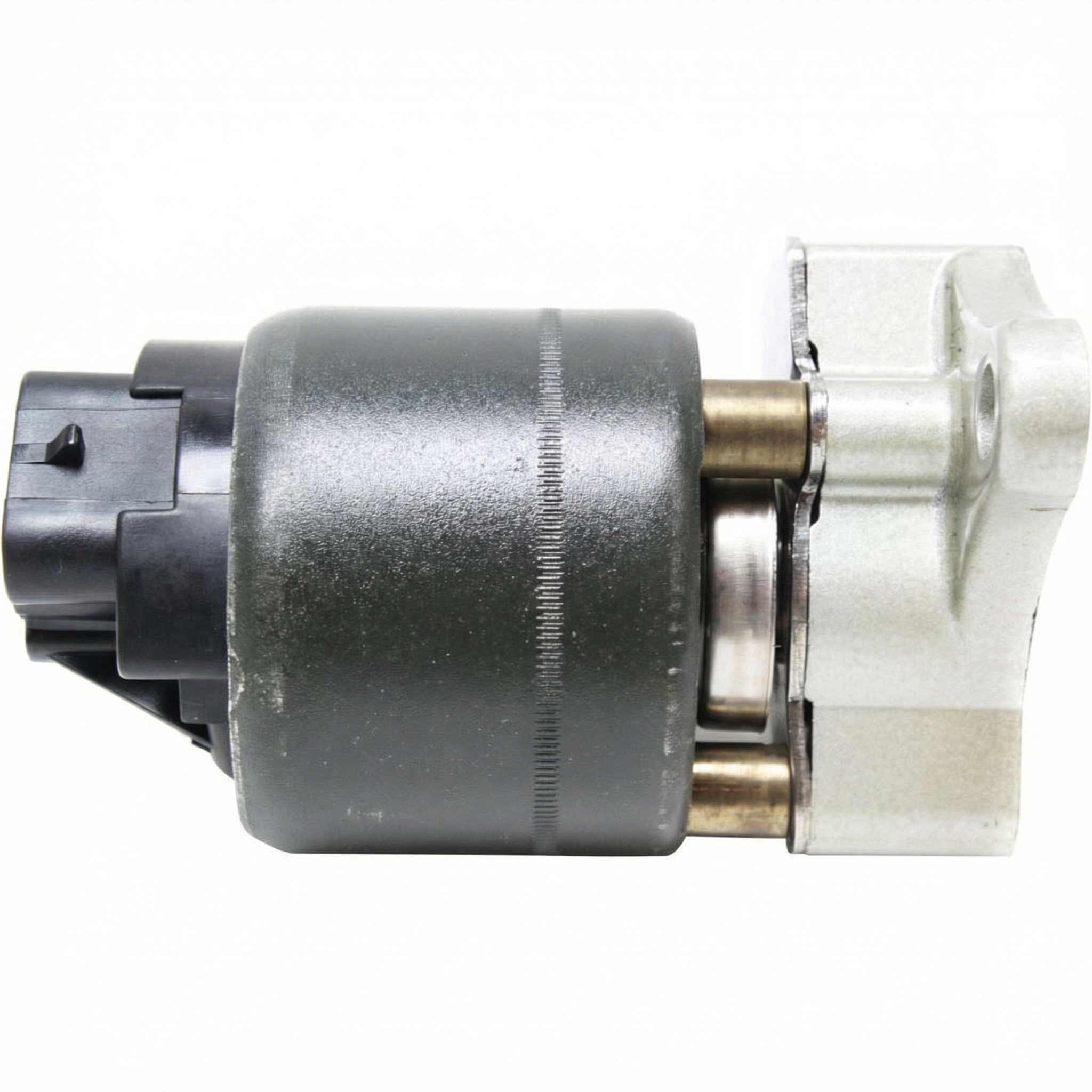
- EVAP Vapor Canister Purge Solenoid (for 2.4L I4 & 3.5L V6)
(OEM #12597567)— This is the most common failure point for code P0496 on Malibus with the 4-cylinder and 3.5L V6 engines, causing the classic symptom of hard starting after refueling.
Trusted brands: ACDelco (214-1680), Dorman (911-032)
OEM price range: $40-$60
Aftermarket price range: $25-$45 - EVAP Vapor Canister Purge Solenoid (for 3.6L V6)
(OEM #12610560)— This is the correct part for the 3.6L V6 engine, which is also 🎬 Watch this step-by-step 7th-gen Malibu purge valve replacement highly prone to this failure. It serves the same function and fails in the same manner.
Trusted brands: ACDelco (214-2137), Dorman (911-082)
OEM price range: $45-$65
Aftermarket price range: $30-$50
Technical Service Bulletins (TSBs) & Recalls
- GM Special Coverage #14404A: Addressed the 3-5-R wave plate failure in 6T70/6T75 transmissions.
- GM Recall #14V252000 / Special Coverage #15356: Addressed the sudden loss of electric power steering.
Platform-Specific Known Issues
- Purge Valve Location Varies by Engine: → Shop Vapor Canister The location of the failure-prone purge valve differs slightly. For the 2.4L Ecotec I4 engine, the valve is mounted on the passenger side of the intake manifold. For the 3.5L/3.6L V6 engines, it is typically located on top of the engine, easily accessible.
Mechanic-Grade Diagnostic Values
- EVAP Purge Solenoid Coil Resistance — expected: 20-40 Ohms. Failure: A reading of infinity (open circuit) or near-zero (short circuit) indicates a failed solenoid coil.
- Voltage at Purge Solenoid Connector (Key On, Engine Off) — expected: ~12V (Battery Voltage) at Pin A (Pink wire).. Failure: No voltage suggests a blown 'EMIS 2' 10A fuse in the underhood fuse block or a break in the power wire.
- Fuel Tank Pressure (FTP) Sensor Voltage (Key On, Engine Off) — expected: Approximately 1.5V - 2.5V, representing atmospheric pressure.. Failure: A voltage significantly outside this range may indicate a faulty sensor.
- Scan Tool Live Data: Fuel Tank Pressure (FTP) — expected: -0.5 to +0.5 inches H2O at idle with purge solenoid disconnected.. Failure: A significant negative reading (e.g., less than -1.0 in. H2O) indicates vacuum is still being pulled, confirming the purge valve is mechanically stuck open. 🎬 See how to diagnose GM EVAP codes with a scan tool
Scan Tool Commands That Help
- GDS2 / Tech2: EVAP Purge/Seal — This function commands the EVAP system to seal (closing the vent valve) and then allows the technician to command the purge solenoid ON and OFF to check for operation and vacuum response on the FTP sensor. It's the definitive professional test.
- GDS2 / Tech2: EVAP Canister Purge Solenoid Valve Control — Allows the technician to command the purge solenoid to a specific duty cycle percentage (e.g., 0% to 50%) while the engine is off. A clicking sound should be heard from the valve as it's commanded on, and the clicking should stop when commanded to 0%. This directly tests the solenoid's electrical function.
Wiring & Ground Locations
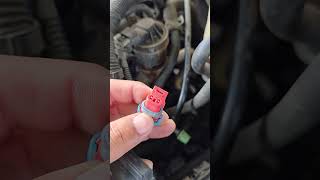
- EVAP Purge Solenoid Connector — On the purge solenoid itself, located on the top/side of the engine.. This is where all electrical tests are performed. Pin A (Pink wire) is the 12V ignition supply. Pin B (Dark Green/White wire on 2.4L) is the ground-side control from the ECM. A bad connection or chafed wire here can cause a P0443 (circuit code) and sometimes accompany a P0496.
- G107 (2.4L Engine) — On the lower left side of the 2.4L engine block.. This is a primary engine ground for the Engine Control Module (ECM). A poor connection here could cause erratic behavior from multiple components controlled by the ECM, including the purge solenoid driver.
- G110 (V6 Engines) — On the right rear of the engine.. This is a key ground point on V6 models. Similar to G107 on the I4, a bad ground here can cause various engine performance and emissions control issues.
- G103 / G104 — Located on the left side of the engine compartment, sometimes on the strut tower or cowl.. These are major chassis grounds that provide the ground path for the BCM and other modules. While less direct, a corroded main ground can cause widespread electrical issues that are difficult to diagnose.
Real Owner Repair Stories
- YouTube channel 'Grim Repair' (GMC Denali with 6.0L V8 (similar GM EVAP system design)) — Check Engine Light with code P0496.
✅ What actually fixed it The purge valve was confirmed bad by applying vacuum and seeing it leak down. Replacing the purge valve solenoid fixed the issue. - YouTube channel 'Watch Wes Work' (2017 Buick Equinox with 3.6L V6 (uses same purge valve P/N 12610560)) — Check Engine Light with code P0496.
✅ What actually fixed it The technician confirmed the purge valve was stuck open by feeling for vacuum at the valve's port with the engine running and the electrical connector unplugged. Replacing the purge valve (Standard Motor Products CP612) resolved the code.
OEM Part Supersession History
12597567 (For 2.4L/3.5L)→12735397— Standard part evolution for improved reliability or manufacturing changes.
Heads up: The new part number is a direct replacement for the old one and several others, including 12606684 and 12597341.12610560 (For 3.6L)→12737252— Standard part evolution. Also listed as superseding to 12690512 and 12661763 in some aftermarket catalogs.
Model Year Variations Within This Range
- 2004-2007 (6th Gen) vs 2008-2012 (7th Gen): While the cause (purge valve) is identical, the specific ground point locations and wiring diagrams differ between the generations. The 6th generation (2004-2007) uses ground points like G105 (right rear of engine) and G103 (top of left front strut tower). The 7th generation (2008-2012) uses grounds like G107 (lower left of 2.4L engine) and G110 (right rear of V6 engine). Always consult the correct diagram for the specific model year.
Diagnostic Flowchart
Other Known Issues on This Vehicle
Issues unrelated to this code that are worth knowing about as an owner of this generation:
- Sudden Loss of Electric Power Steering (EPS) 🔴 High — Very common across the entire generation, can occur at any mileage. Leads to a very heavy steering feel, especially at low speeds. (Ref: Recall #14V252000 (also GM bulletin 14116/14117) and Special Coverage #15356 were issued to replace the steering column torque sensor and/or EPS motor.)
- Stretched Timing Chain (2.4L Ecotec & 3.6L V6) 🔴 High — A notorious issue on both primary engines, often appearing between 70,000 and 120,000 miles. Caused by chain stretch, guide failure, or faulty tensioners. (Ref: GM TSB #12-06-01-009F addresses updated timing chain kits for the V6. TSB #PIP4716F discusses rattle noise at startup related to this issue.)
- Broken 3-5-R Transmission Wave Plate (6T70/6T75) 🔴 High — Common in 2008-2009 models with the 6-speed automatic. The wave plate fractures, sending metal debris through the transmission and causing loss of 3rd, 5th, and Reverse gears, often requiring a full rebuild. (Ref: GM Special Coverage Adjustment #14404A extended the warranty to 10 years/120,000 miles for this specific failure, though it has since expired.)
- Excessive Oil Consumption (2.4L Ecotec) 🟠 Medium — Widespread issue due to faulty piston ring design, leading to low oil levels that can accelerate timing chain wear. (Ref: GM issued Special Coverage program #14404 to address this by replacing pistons and rings.)
Used vs. New Parts: Buying Guide for This Vehicle
When a used part is the smart pick: A used OEM (ACDelco) purge solenoid from a low-mileage donor vehicle is a reasonable choice for this repair. The part is not a major wear item, but rather fails due to internal valve or coil issues. A used part can be easily tested before purchase.
Donor-vehicle mileage cap: roughly under 80000 miles for the part to have meaningful remaining life.
What to inspect on the donor part:
- Ask the seller to test the part. It should hold vacuum/pressure and not allow air to be blown through it when unpowered.
- Inspect the plastic housing for cracks or heat damage.
- Ensure the electrical connector pins are clean, straight, and free of corrosion.
- Check that the hose ports are intact and not brittle.
OEM-only on this vehicle (don't cheap out):
- For this specific P0496 issue, no parts are strictly 'OEM-only', as reputable aftermarket brands are widely available and successful. However, for overall system health, using an OEM gas cap is often recommended as some aftermarket caps have sealing issues that can cause other EVAP codes.
Aftermarket brands forum-validated for this vehicle:
- ACDelco (OEM supplier)
- Dorman
- Standard Motor Products (SMP)
- Delphi
Brands owners have reported issues with on this vehicle:
- No-name, unbranded parts from online marketplaces should be avoided, as their internal valve quality and coil windings may not meet specifications, leading to premature failure.
Real Owner Stories
Aggregated from forums and TSBs cited above. Mileages and costs reflect what owners reported in those sources.
2010 Chevrolet Malibu
Symptoms: The vehicle had a P0496 code and was difficult to start specifically after refueling.
What fixed it: Replacement of the purge valve solenoid.
Source hint: YouTube - '2008-2012 Chevy Malibu purge valve solenoid replacement (PO496)'
2008-2012 Chevrolet Malibu
Symptoms: Rough idle and hard starting after getting gas, accompanied by code P0496.
What fixed it: Replacing the purge solenoid valve.
Source hint: chevymalibuforum.com
Chevrolet Tahoe (GM Platform)
Symptoms: A new purge valve failed after only two months of use.
What fixed it: The owner proposed adding an inline fuel filter before the valve to prevent charcoal debris from the EVAP canister from clogging the new solenoid.
Source hint: Chevrolet Forum - 'My P0496 Solution'
Related OBD-II Codes
Frequently Asked Questions
My scanner is showing P1450 on my Chevrolet Malibu, but I can't find much info on it. Is this the right code?
Where is the purge valve located on my 2010 Malibu with the 2.4L Ecotec engine?
Does GM Special Coverage #14404A cover my EVAP system issues?
Is there a recall for the hard starting issue after I get gas?
Can I use an aftermarket purge solenoid, or should I stick with ACDelco?
Why does my Malibu make a 'whoosh' sound when I open the gas cap?
Helpful Videos

Used OEM Parts in Stock
New Aftermarket Parts Available


The information in this article is provided for general reference and educational purposes only. Vehicle specifications, procedures, and part compatibility can vary by production date, trim level, and region. Always consult your vehicle's factory service manual and verify part numbers before purchasing or performing repairs. Safety-critical components such as airbags, seat belts, and braking systems should be installed by a qualified professional.
- Chevrolet Malibu:
- 🧭 Diagnostic Flowchart
- 🎬 Helpful Videos
- 🛍️ Shop This Part
- What's Unique About the 2004-2012 Chevrolet Malibu
- Symptoms You May Notice
- Most Likely Causes
- Rare But Worth Checking
- Diagnosis Steps
- Parts You'll Likely Need
- Technical Service Bulletins (TSBs) & Recalls
- Platform-Specific Known Issues
- Mechanic-Grade Diagnostic Values
- Scan Tool Commands That Help
- Wiring & Ground Locations
- Real Owner Repair Stories
- OEM Part Supersession History
- Model Year Variations Within This Range
- Other Known Issues on This Vehicle
- Used vs. New Parts: Buying Guide for This Vehicle
- Real Owner Stories
- 2010 Chevrolet Malibu
- 2008-2012 Chevrolet Malibu
- Chevrolet Tahoe (GM Platform)
- Related OBD-II Codes
- Frequently Asked Questions
- 🎟️ Get 5% Off