

P1450 on 2012-2018 Chevrolet Sonic 1.8L: Causes and Fixes for Unable to Bleed Up Fuel Tank Vacuum
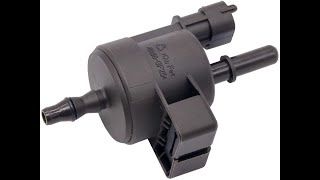
On a 2012-2018 Sonic with the 1.8L engine, code P1450 is almost always caused by a failed vapor canister purge valve. It's an easy DIY replacement, with the part costing between $25 for an aftermarket version and $50 for an OEM part. The most common OEM part number is 55567453, with an ACDelco equivalent of 214-2137.
- P1450 on your 1.8L Sonic means there's too much vacuum in the fuel tank.
- The most likely cause by far is a bad vapor canister purge valve on the engine, part number 55567453 (or ACDelco 214-2137).
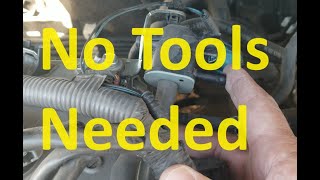
- This is a very simple and cheap DIY repair that requires minimal tools and can be done in under 15 minutes.
- Do not start by replacing the gas cap; it is not the cause for this specific code.
- If you have trouble starting after getting gas, this is a classic symptom of the bad purge valve associated with this code.
What's Unique About the 2012-2020 Chevrolet Sonic
The 1.8L Ecotec engine used in the Sonic and Chevrolet Cruze is well-known for having a high failure rate of the vapor canister purge valve. This specific part, often made by Delphi or Bosch for GM, tends to fail by sticking open or closed. While the code P1450 is common on Ford vehicles, on this specific GM platform, it almost always points directly to the purge valve as the primary culprit before other, more complex EVAP system components. The failure is so common that it frequently appears with the related code P0496 (EVAP Flow During a Non-Purge Condition).
Generation note: The Chevrolet Sonic had one generation (2012-2020), with a significant facelift for the 2017 model year. The 1.8L engine was only offered in model years 2012 through 2018. This guide is specific to those years and that engine.
Symptoms You May Notice
- Check Engine Light is on.
- A 'whoosh' sound of air rushing in when opening the gas cap.
- Difficulty starting the engine immediately after refueling, may require holding the throttle slightly open. 🎬 Watch: Why your car won't start after getting gas
- Slightly reduced fuel economy.
- Possible rough idle or engine stalling, especially after refueling.
- A faint fuel odor may be present in some cases.
- Replacing the gas cap. While a loose gas cap can cause other EVAP codes (like P0455, a large leak), it will not cause a P1450, which is an issue with EXCESS vacuum, not a lack of it.
- Replacing the fuel tank pressure sensor first. This is rarely the cause and other, more common mechanical failures like the purge valve should be ruled out first.
Most Likely Causes
- Faulty Vapor Canister Purge Valve (Solenoid) 🔴 High Probability → Shop Vapor Canister This specific part is a known high-failure item on the 1.8L Ecotec engine platform used in the Sonic and Cruze. The internal diaphragm can tear or the valve mechanism can get stuck, preventing it from closing properly.
How to confirm: With the engine off, unplug the electrical connector and the two EVAP lines from the purge valve. Try to blow through the valve from the port that goes to the intake manifold. If you can blow through it at all, the valve is stuck open and is faulty. A normally functioning valve is closed when unpowered and no air should pass. 🎬 Watch: How to test if your purge valve is stuck open
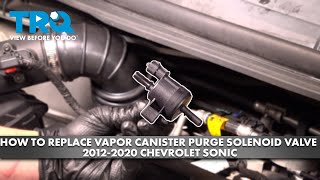
Typical fix: Replace the vapor canister purge valve. It is located on top of the intake manifold and is held by a small bracket or bolts, making it very easy to access and replace in under 15 minutes. 🎬 Watch: Step-by-step Chevy Sonic purge valve replacement guide
Est. part cost: $25-$60 - Blocked or Faulty EVAP Vent Solenoid 🟡 Medium Probability → Shop Vapor Canister The vent solenoid is located near the charcoal canister by the fuel tank and is exposed to road debris and moisture, which can cause it to fail or its filter to become clogged with dust or spider webs.
How to confirm: Use a scan tool to command the vent solenoid to close (it is normally open). If the fuel tank pressure does not change, or if the valve does not click, it may be faulty. A visual inspection for a clogged filter or damaged wiring is also necessary. It is located near the rear of the vehicle, by the charcoal canister.
Typical fix: Replace the EVAP vent solenoid and/or its associated filter. Part numbers can include Dorman 911-140 or SKP SK911140.
Est. part cost: $30-$70 - Kinked or Blocked EVAP Hose ⚪ Low Probability
How to confirm: Visually inspect all accessible EVAP hoses between the engine, fuel tank, and charcoal canister for obvious kinks, collapses, or blockages. A smoke test can be performed to confirm a blockage if a visual inspection is inconclusive.
Typical fix: Repair or replace the damaged section of hose.
Est. part cost: $10-$30
Rare But Worth Checking
- Faulty Fuel Tank Pressure (FTP) Sensor: → Shop Fuel Tank This is rare. The sensor itself can fail and send incorrect vacuum readings to the PCM, tricking it into setting the P1450 code even if the rest of the system is working. This is usually diagnosed after all other components have been checked.
- Saturated or Blocked Charcoal Canister: → Shop Vapor Canister Consistently overfilling the fuel tank (topping off) can force liquid fuel into the charcoal canister, saturating it and causing a blockage. This is an expensive part to replace, so it should be the last item to consider.
Diagnosis Steps
- Verify the code with an OBD-II scanner. Note any other codes present, especially P0496.
- Listen for a 'whoosh' when opening the gas cap. A strong, sustained vacuum sound strongly suggests a P1450 condition.
- Locate the vapor canister purge valve on the engine's intake manifold. It will have two hoses and an electrical connector.
- Test the purge valve: Disconnect it and attempt to blow air through it. If air passes, it is stuck open and must be replaced. This is the most likely failure.
- If the purge valve is good, inspect the EVAP hoses for any visible kinks, damage, or blockages.
- If hoses are clear, locate the EVAP vent solenoid near the fuel tank. Use a scan tool to command it open and closed, listening for a click. Inspect its filter for blockages.
- If all components test good, the issue may be a faulty fuel tank pressure sensor or a blocked charcoal canister, which may require professional diagnosis with a smoke machine.
Parts You'll Likely Need
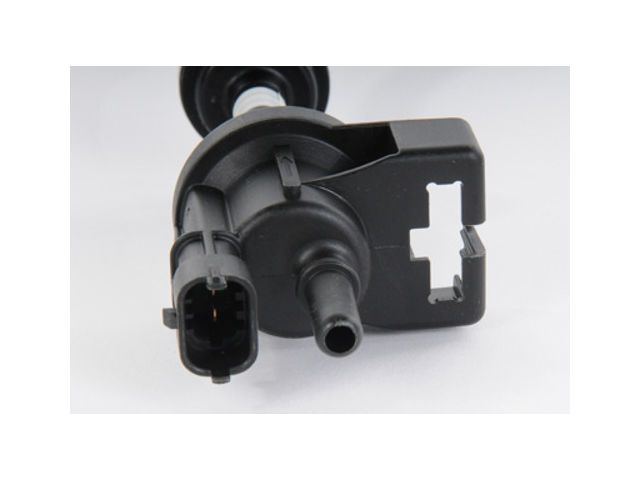
- Vapor Canister Purge Valve
(OEM #55567453)— This is the most common failure point for the EVAP system on the 1.8L Sonic, directly causing the P1450 code when it sticks open or closed.
Trusted brands: ACDelco (Part No. 214-2137), GM Genuine Parts (Part No. 55567453), Dorman (Part No. CP780), Bosch
OEM price range: $40-$60
Aftermarket price range: $25-$45
Related Codes That Often Appear With This One
- P0496 — This code indicates 'EVAP Flow During a Non-Purge Condition' and is often caused by the same faulty purge valve being stuck open, which directly relates to the P1450 condition. They frequently appear together.
- P0171 — System Too Lean (Bank 1). A stuck-open purge valve can create a vacuum leak, allowing unmetered air into the intake manifold, which can lead to a lean condition.
Technical Service Bulletins (TSBs) & Recalls
- While no TSB is specific to P1450 on the Sonic, GM has issued Special Coverage Adjustments (e.g., N192210240) for the purge valve on related 1.4L models for code P0496. This highlights the known high failure rate of the component family across Sonic and Cruze platforms. Owners should check with a dealer for any open campaigns on their VIN.
Platform-Specific Known Issues
- Owner Experience: A user on chevysonic.org with a 2014 Sonic 1.8L reported a P1450 code along with difficulty starting after refueling. They replaced the purge valve (part #55567453) in their driveway in 10 minutes, which completely resolved both the code and the starting issue.
- Repair Story: On YouTube, multiple videos for the Chevy Sonic and Cruze show that the 'blow through' test on the original purge valve is the definitive diagnostic step. When air can be blown through the unpowered valve, it confirms the failure; the new replacement part will not allow air to pass.
Mechanic-Grade Diagnostic Values
- Vapor Canister Purge Valve Solenoid Coil Resistance — expected: 15 to 30 Ohms. Failure: A reading of infinite (OL) or near-zero ohms indicates a failed coil.
- EVAP Canister Vent Valve Solenoid Coil Resistance — expected: 20 to 30 Ohms. Failure: A reading outside this range, or infinite resistance (OL), suggests a faulty coil.
- Fuel Tank Pressure (FTP) Sensor Voltage (Key On, Engine Off, Gas Cap Off) — expected: Approximately 1.3V to 1.7V. Failure: A voltage that is stuck high (near 5V) or low (near 0V), or does not change when vacuum is applied, indicates a faulty sensor.
- FTP Sensor 5V Reference Wire — expected: Approximately 5 Volts. Failure: No voltage indicates an open in the wiring or an issue with the ECM.
Scan Tool Commands That Help
- GDS2 / Tech2 / Professional Scan Tool: EVAP Purge/Seal — This command allows the technician to seal the EVAP system (by closing the vent solenoid) and then command the purge solenoid on and off to verify its operation while monitoring the Fuel Tank Pressure sensor. It's a definitive test for both solenoid functions.
- GDS2 / Tech2 / Professional Scan Tool: EVAP Service Bay Test — This is an automated test sequence run by the scan tool that commands the EVAP solenoids through their cycles and monitors the FTP sensor to determine if the system can hold a vacuum and vent properly. It can quickly identify a failure to vent, pointing to a P1450 condition.
Wiring & Ground Locations
- G105 — On the left frame rail, located under the battery tray.. This is a primary ground point for the front of the vehicle, including the Engine Control Module (ECM). A poor connection here due to corrosion or looseness can cause various intermittent electrical issues, including faulty sensor readings and improper solenoid operation. GM issued a preliminary bulletin (PIC5574A) advising inspection of this ground for paint or weld slag from the factory.
- G104 — On the lower right rear of the engine block.. This is another critical ground for the ECM. A loose or corroded G104 can lead to erratic engine sensor data and communication codes.
- ECM Connector X2, Pin 38 — At the Engine Control Module (ECM).. This specific pin is the control circuit for the EVAP Canister Vent Solenoid. Technicians can test for voltage and continuity at this pin to diagnose a circuit fault between the ECM and the vent solenoid if a component-level test passes.
OEM Part Supersession History
55567453→28289971— Part redesign or change in manufacturer.
Heads up: The new part number is a direct, backward-compatible replacement for the original.
Diagnostic Flowchart
Other Known Issues on This Vehicle
Issues unrelated to this code that are worth knowing about as an owner of this generation:
- Cracked Plastic Thermostat Housing 🔴 High — Very common failure item. The plastic becomes brittle with heat cycles and cracks, causing coolant leaks and potential overheating. Often fails between 60,000 and 120,000 miles.
- Leaking Oil Cooler / Filter Housing Gaskets 🔴 High — Extremely common. The gaskets between the oil cooler and the engine block fail, causing oil to leak externally or, more seriously, mix with the engine coolant, creating a 'milkshake' in the coolant reservoir.
- Timing Belt Replacement Interval 🔴 High — This is a maintenance item, but critical. The 1.8L is an interference engine, meaning a snapped timing belt will cause catastrophic engine damage. The recommended replacement interval is approximately every 97,500 miles or 10 years.
- PCV System Failure 🟠 Medium — The PCV system, often integrated into the valve cover, can fail, leading to oil consumption, rough idle, and lean codes (P0171). (Ref: GM issued extended warranties for this issue on some related engines, but they may be expired.)
- Intake Manifold Tuning Valve Arm Failure 🟠 Medium — The plastic linkage arm for the intake manifold tuning valve can break or pop off, causing a P2076 trouble code and affecting performance.
Used vs. New Parts: Buying Guide for This Vehicle
When a used part is the smart pick: For this vehicle and code, buying a used Vapor Canister Purge Valve is generally not recommended. The part has a very high failure rate and is considered a wear item. The cost of a new, reliable aftermarket part (around $25-$40) is low enough that the risk of getting a used part that is already near the end of its life is not worth the small savings.
Donor-vehicle mileage cap: roughly under 40000 miles for the part to have meaningful remaining life.
What to inspect on the donor part:
- If you must buy used, visually inspect the plastic housing for any cracks or heat damage.
- Check the o-rings on the ports for dryness or cracking; they should be pliable.
- Perform the 'blow-through' test on the spot. If you can blow air through it, it's already failed and worthless.
OEM-only on this vehicle (don't cheap out):
- While not strictly 'OEM-only', many forum users recommend using an OEM gas cap (ACDelco) if it needs replacement, as some aftermarket caps have been reported to have sealing issues, causing other EVAP codes.
Aftermarket brands forum-validated for this vehicle:
- ACDelco (OEM supplier)
- Bosch
- Dorman
Brands owners have reported issues with on this vehicle:
- Unbranded, no-name parts from online marketplaces should be avoided, as their internal components may not meet the required specifications for long-term reliability.
Real Owner Stories
Aggregated from forums and TSBs cited above. Mileages and costs reflect what owners reported in those sources.
2014 Chevrolet Sonic 1.8L
Symptoms: Check engine light P1450 and difficulty starting the vehicle immediately after refueling.
What fixed it: Replaced the purge valve (part #55567453) in a driveway repair.
Source hint: chevysonic.org user report in vehicle_specific_issues
2012-2020 Chevrolet Sonic 1.8L
Symptoms: Check engine light on; confirmed failure by performing a 'blow through' test on the unpowered original valve.
What fixed it: Replacement of the purge valve after confirming air could pass through the faulty original unit.
Source hint: YouTube diagnostic videos cited in vehicle_specific_issues
2012-2020 Chevrolet Sonic 1.8L
Symptoms: Check engine light with code P0496 (a companion to P1450).
What fixed it: Replacement of the purge solenoid as advised by community consensus.
Source hint: chevysonic.org thread titled 'Code p0496'
Related OBD-II Codes
Frequently Asked Questions
Is there a GM Special Coverage Adjustment for the purge valve on my 2012-2020 Chevrolet Sonic 1.8L?
What specific part number do I need to fix the P1450 code on my Sonic 1.8L?
Can I use a used purge valve from a salvage yard to save money?
Why does my Sonic have trouble starting only after I fill up the gas tank?
Where is the purge valve located on the 1.8L engine, and is it hard to change?
Does the P1450 code on my Sonic share parts with the Chevy Cruze?
Helpful Videos
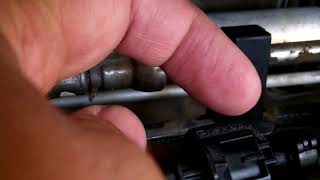


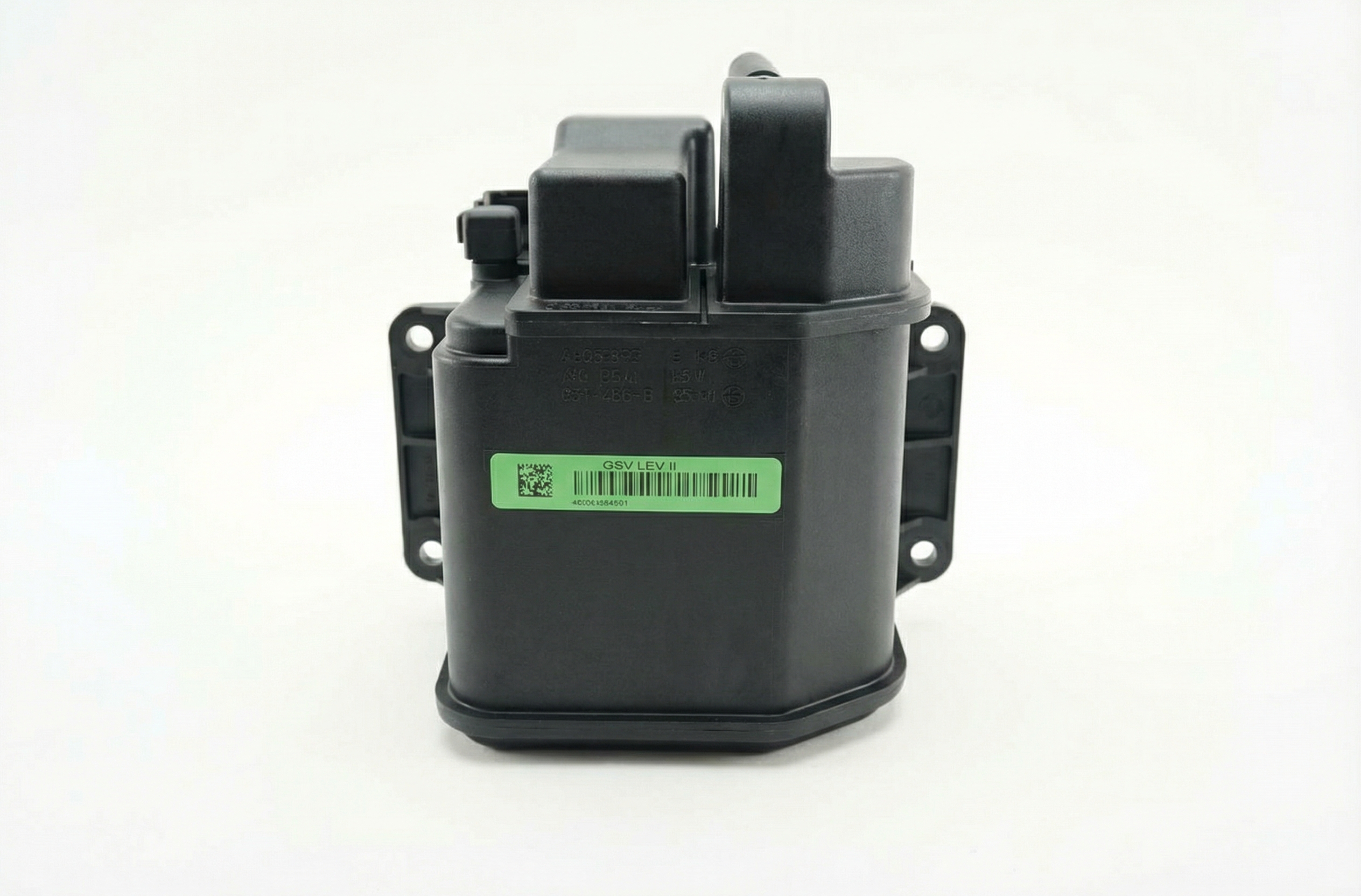
Used OEM Parts in Stock
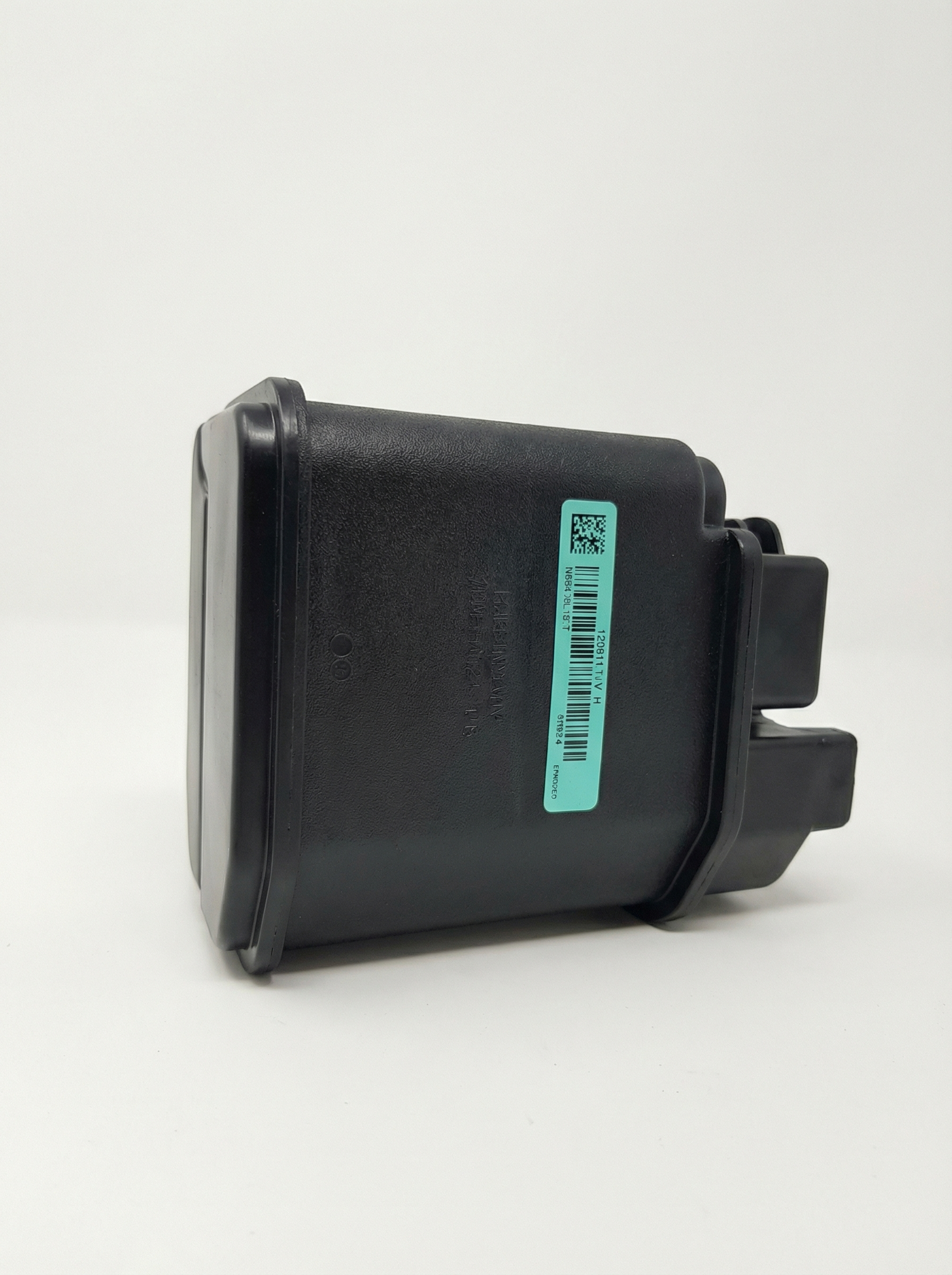
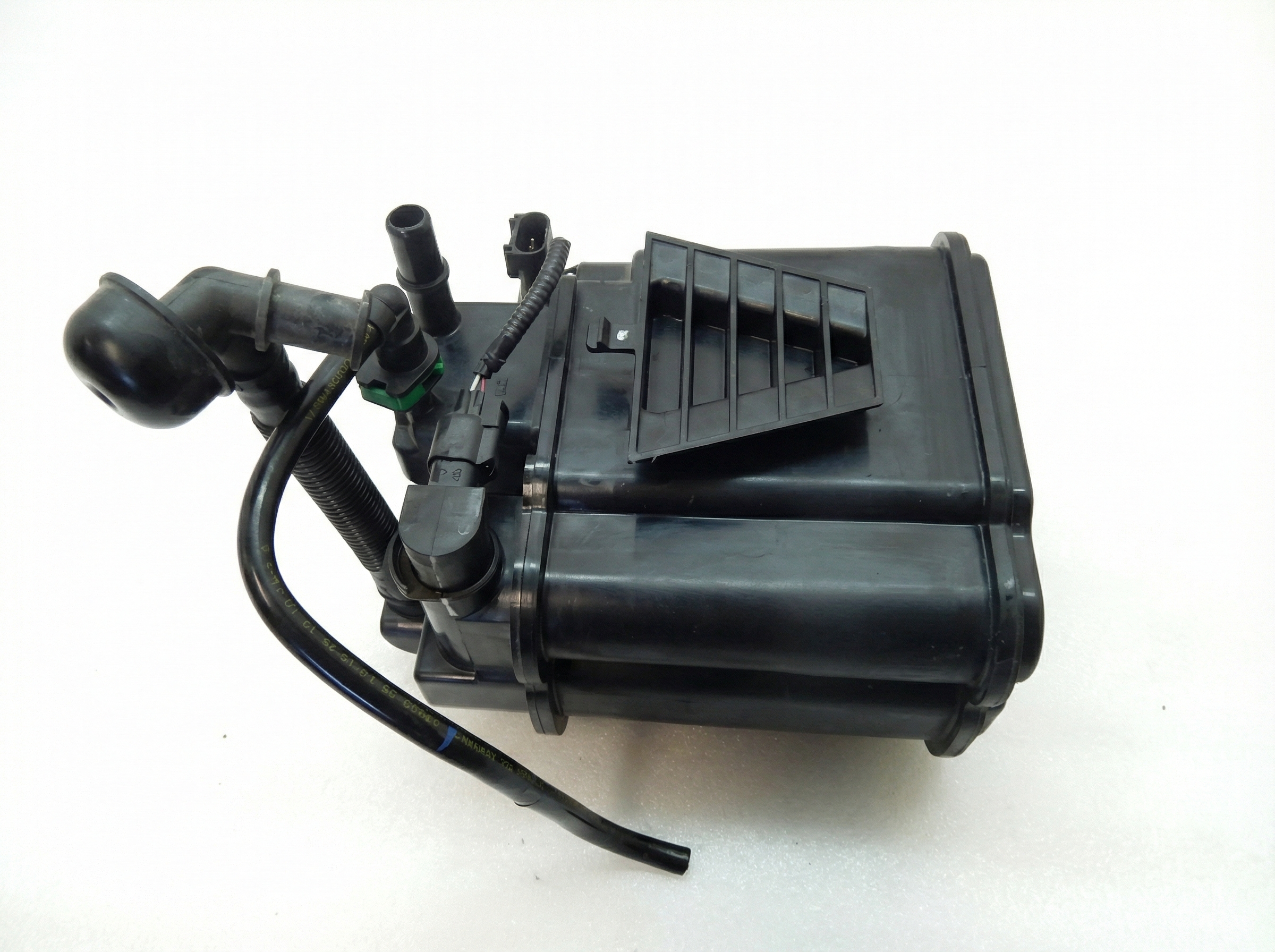
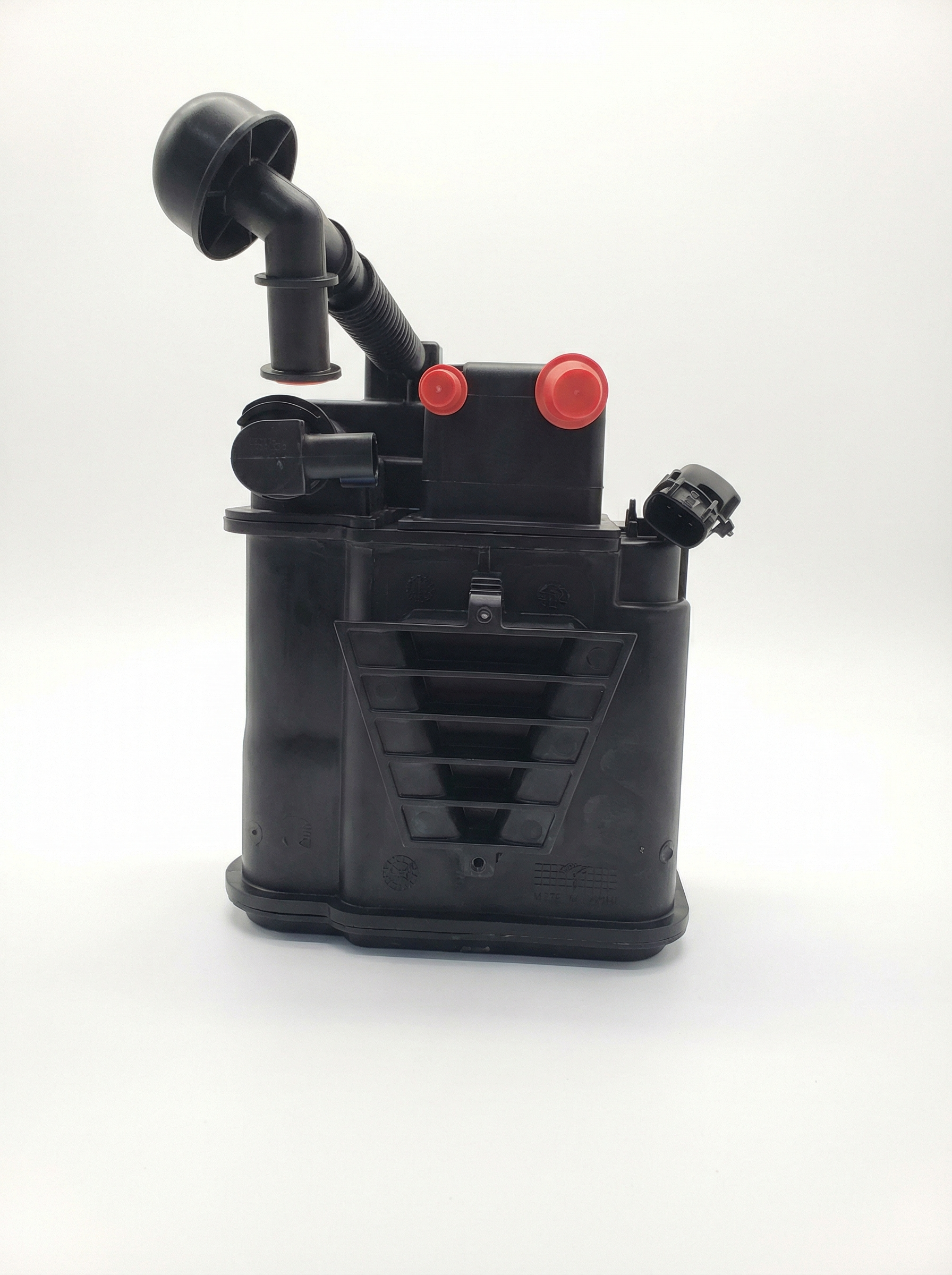
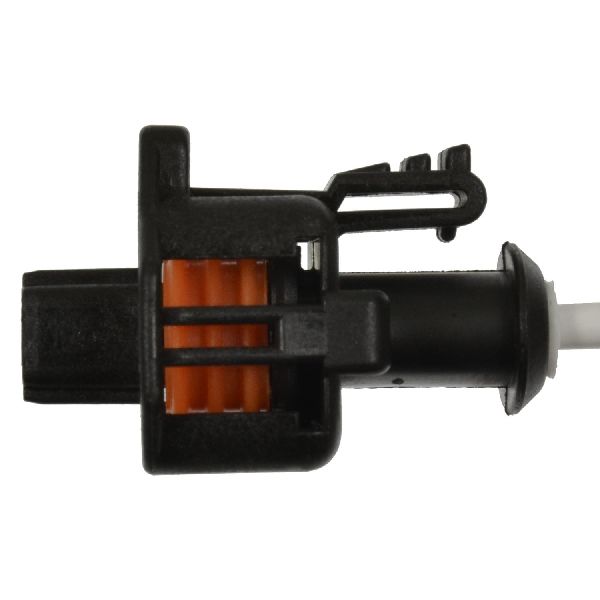
New Aftermarket Parts Available


The information in this article is provided for general reference and educational purposes only. Vehicle specifications, procedures, and part compatibility can vary by production date, trim level, and region. Always consult your vehicle's factory service manual and verify part numbers before purchasing or performing repairs. Safety-critical components such as airbags, seat belts, and braking systems should be installed by a qualified professional.
- Chevrolet Sonic:
- 🧭 Diagnostic Flowchart
- 🎬 Helpful Videos
- 🛍️ Shop This Part
- What's Unique About the 2012-2020 Chevrolet Sonic
- Symptoms You May Notice
- Most Likely Causes
- Rare But Worth Checking
- Diagnosis Steps
- Parts You'll Likely Need
- Related Codes That Often Appear With This One
- Technical Service Bulletins (TSBs) & Recalls
- Platform-Specific Known Issues
- Mechanic-Grade Diagnostic Values
- Scan Tool Commands That Help
- Wiring & Ground Locations
- OEM Part Supersession History
- Other Known Issues on This Vehicle
- Used vs. New Parts: Buying Guide for This Vehicle
- Real Owner Stories
- 2014 Chevrolet Sonic 1.8L
- 2012-2020 Chevrolet Sonic 1.8L
- 2012-2020 Chevrolet Sonic 1.8L
- Related OBD-II Codes
- Frequently Asked Questions
- 🎟️ Get 5% Off