

P1450 on 2012-2018 Ford Focus 1.0L: Causes and Fixes for 'Unable to Bleed Up Fuel Tank Vacuum'
On a 2012-2018 Ford Focus 1.0L, code P1450 is almost always caused by a stuck-open canister purge valve in the engine bay. This is a common, inexpensive DIY fix (around $50-$100 for the part) that resolves symptoms like stalling after refueling.
- P1450 on a 1.0L Focus almost always means the canister purge valve has failed.
- The most common symptom is the engine stalling or running rough right after you get gas.
- Before buying parts on a 2015-2016 model, check with a dealer about TSB 16-0055, as a software update might be the only fix needed.
- Diagnosing the purge valve is simple: if you can feel vacuum on it with the engine running and the valve unplugged, it's bad.
- Check if your vehicle is covered by Safety Recall 18S32, as the repair could be free.
What's Unique About the 2012-2018 Ford Focus
While P1450 is a common Ford code, the Focus platform has specific, well-documented issues. Ford issued a major safety recall (18S32) for 2012-2018 Focus models due to the canister purge valve sticking open, which could deform the fuel tank and cause stalling. For the 1.0L EcoBoost engine specifically, a Technical Service Bulletin (TSB 16-0055) was released for 2015-2016 models, indicating that a simple software update could fix the code, making a dealership check a wise first step for those years before replacing parts.
Symptoms You May Notice
- Check Engine Light illuminated
- Engine stalls or is difficult to start immediately after refueling
- Rough or unstable idle
- A 'whoosh' sound from the fuel filler area when opening the cap
- Difficulty filling the fuel tank (the pump nozzle clicks off repeatedly)
- Reduced fuel economy
- Erratic or inaccurate fuel gauge reading due to tank deformation
- Replacing the charcoal canister. While it can become saturated with fuel due to a stuck purge valve, the canister itself is rarely the root cause of the P1450 code. The recall procedure does call for inspection and replacement if liquid fuel is found inside.
- Replacing the fuel cap. On capless systems like the Focus, this isn't a user-replaceable item. While the capless filler neck can fail, it's much less common than the purge valve for this specific code.
Most Likely Causes
- Stuck-Open Canister Purge Valve (CPV) 🔴 High Probability → Shop Vapor Canister This is a widespread, documented failure on this platform, leading to Ford Safety Recall 18S32. The valve fails internally, allowing constant, uncommanded engine vacuum to pull on the fuel tank. This is a very common failure across many Ford models of this era.
How to confirm: Locate the purge valve in the engine bay. Disconnect its electrical connector, then start the engine. Place your finger over the port on the valve that connects to the hose running to the rear of the car. If you feel suction, the valve is stuck open and has failed.
Typical fix: Replace the canister purge valve and its associated hoses, which are often sold as a single assembly. Some owners recommend buying the entire assembly as swapping the old hoses onto a new valve can be difficult.
Est. part cost: $50-$100 - Outdated PCM Software 🟡 Medium Probability Specific to 2015-2016 Focus models with the 1.0L engine built on or before October 19, 2015. Ford TSB 16-0055 states the code can be triggered by a software glitch where the PCM is not adequately detecting the valve's state.
How to confirm: A Ford dealer or a shop with Ford's diagnostic software (IDS) can check the current software calibration level and determine if the update from TSB 16-0055 is available and has not been performed.
Typical fix: Reprogram the Powertrain Control Module (PCM) to the latest calibration. This must be done by a professional. The recall service includes this reprogram.
Est. part cost: $0
Rare But Worth Checking
- Blocked Canister Vent Solenoid or Hose: → Shop Vapor Canister The vent solenoid is normally open to allow air into the system. If it gets stuck closed or its hose is clogged with dirt or spider webs, the system cannot vent, trapping vacuum and causing a P1450. This is a logical next step if a new purge valve doesn't fix the code.
- Kinked or Collapsed EVAP Hose: A physically damaged, pinched, or blocked hose anywhere between the fuel tank, charcoal canister, and purge valve can trap vacuum in the system.
- Faulty Aftermarket Purge Valve: → Shop Vapor Canister Some owners on forums have reported that using a non-OEM purge valve led to the P1450 code returning within a short period. One user on Reddit reported their issue returned after 100-150 miles with an aftermarket part. Sticking with a genuine Motorcraft part is often recommended for longevity.
Diagnosis Steps
- For 2015-2016 models, first check with a dealer if TSB 16-0055 (PCM reprogram) applies to your vehicle and has been performed. Also, check if your VIN is covered under Safety Recall 18S32, as the repair may be free.
- Scan for any other accompanying codes. Codes like P2196 or P0316 strongly suggest the purge valve is the culprit.
- Perform a 'thumb test' on the canister purge valve (CPV). Locate the valve in the engine bay. Unplug its electrical connector.
- Start the engine. With the engine idling, place your thumb or finger over the port on the valve that leads back to the fuel tank.
- If you feel any suction, the valve is stuck open and must be replaced. A healthy valve should be closed with no power applied.
- If the purge valve tests good (or a new one didn't fix the issue), the next step is to inspect the EVAP hoses for kinks, collapses, or blockages.
- If hoses are clear, the canister vent solenoid (usually located near the charcoal canister under the car) should be inspected to ensure it is not stuck closed or clogged.
Parts You'll Likely Need
- Canister Purge Valve / Solenoid Assembly
(OEM #BV6Z-9D289-E (or superseding numbers like BV6Z-9D289-R))— This is the most common failure point for code P1450 on this vehicle, confirmed by owner experiences, mechanic videos, and a Ford recall. The part is an assembly that includes the valve and attached vapor lines.
Trusted brands: Motorcraft (OEM, Part # CX-2349), Dorman (Aftermarket, Part # 911-777), BWD (Aftermarket, Part # CP894)
OEM price range: $70-$120
Aftermarket price range: $40-$80
Related Codes That Often Appear With This One
- P2196 — This code indicates an O2 sensor is stuck rich. A leaking purge valve allows un-metered fuel vapors into the engine, creating a rich condition that the O2 sensors detect. This code is frequently seen with P1450.
- P0316 — Misfire Detected on Startup. The excess fuel vapor drawn in by the stuck purge valve can cause a rich misfire immediately after starting the engine, especially a warm start after a short stop.
- P0456 — EVAP System Small Leak Detected. This can sometimes accompany P1450 if the purge valve is not sealing correctly, causing the system to fail a leak test.
- P0443 — EVAP Purge Control Valve Circuit Malfunction. This electrical code points directly to the purge valve circuit and is often listed in the same TSBs and recall notices as P1450.
Technical Service Bulletins (TSBs) & Recalls
- 16-0055 - For some 2015-2016 Focus 1.0L vehicles, an illuminated MIL with DTC P1450 may be resolved by reprogramming the PCM.
Platform-Specific Known Issues
- Ford Safety Recall 18S32 (NHTSA ID 18V-735): Issued for 2012-2018 Ford Focus vehicles for a canister purge valve that may stick open, causing excessive vacuum that could deform the plastic fuel tank, lead to an engine stall while driving, and/or cause an inaccurate fuel gauge, increasing the risk of a crash. The remedy involves a PCM reprogram and, if DTCs are present, replacement of the purge valve and potentially the fuel tank.
- TSB 16-0055: Issued for 2015-2016 Focus 1.0L models built on or before 10/19/2015, indicating a PCM re-flash may solve the P1450 code without replacing any parts.
Mechanic-Grade Diagnostic Values
- Canister Purge Valve (Solenoid) Coil Resistance — expected: 12 to 35 Ohms. Failure: A reading outside this range, or an open circuit (infinite resistance), indicates a failed solenoid coil.
- Canister Purge Valve Connector Voltage (Key On, Engine Off) — expected: ~12 Volts (Battery Voltage). Failure: No voltage at the harness connector points to a wiring, fuse, or PCM driver issue upstream of the valve.
- Fuel Tank Pressure (FTP) Sensor Voltage (Key On, Engine Off, atmospheric pressure) — expected: Approximately 2.4V to 2.8V. Failure: A voltage significantly lower than ~2.4V with the engine running and purge commanded off indicates excessive vacuum, confirming the P1450 condition.
Hidden / Shadow Codes Worth Checking
- P1450-00: This is a common way for Ford-specific scan tools (like IDS or FORScan) to display the P1450 code. The '-00' suffix indicates 'No Subtype Information' and does not change the diagnostic approach from the base P1450 code. (see via Ford IDS (Integrated Diagnostic System) or FORScan software.)
Scan Tool Commands That Help
- Ford IDS or FORScan: EVAP System Test — This is a comprehensive, automated test that commands the purge and vent solenoids through their cycles to check for leaks and proper function. It can be used to verify a repair is successful without performing a full drive cycle.
- Advanced Scan Tool (e.g., FORScan): Graphing FTP Sensor Voltage vs. Manifold Absolute Pressure (MAP) — With the purge valve electrically disconnected, graph both PIDs. Snap the throttle. If the FTP voltage changes in correlation with the MAP sensor reading, it provides definitive proof that the purge valve is mechanically stuck open and leaking vacuum into the EVAP system.
Wiring & Ground Locations
- G104 — Located on the left-hand front of the engine compartment, near the strut tower.. This is a primary engine bay ground point. While not exclusive to the EVAP system, a poor connection at G104 can cause erratic behavior in various PCM-controlled components, including solenoids like the purge valve. Verifying this ground is clean and tight is a good practice when diagnosing electrical-related EVAP codes.
- Canister Purge Valve Connector — In the engine bay, on the purge valve which is part of a hose assembly running near the intake manifold.. This 2-pin connector provides power and ground-side control to the purge valve. One pin should have battery voltage with the key on. The other is the control wire from the PCM. Testing for voltage and continuity here can rule out a wiring issue before condemning the valve itself.
Real Owner Repair Stories
- Reddit user in r/FordFocus (2014 Ford Focus SE) — Check Engine Light with code P1450.
❌ Tried (didn't work) Replaced the canister purge valve.
✅ What actually fixed it The user took the car to a Ford dealership after the new part didn't fix the issue. The technician found a wiring harness was rubbing against a component, causing damage and sending erroneous codes. The final fix was repairing the damaged wiring, not replacing any EVAP components.
OEM Part Supersession History
BV6Z-9D289-D→BV6Z-9D289-E— Part revision by the manufacturer, likely to improve reliability and address the common sticking issue.
Heads up: The newer part number is a direct replacement for the older one.
Model Year Variations Within This Range
- 2015-2016 (built on or before 10/19/2015): These specific model years with the 1.0L engine may have the P1450 code triggered by a software glitch. Ford TSB 16-0055 advises a PCM reprogram as the first step, which may solve the issue without any part replacement.
Diagnostic Flowchart
Other Known Issues on This Vehicle
Issues unrelated to this code that are worth knowing about as an owner of this generation:
- Wet Timing Belt Degradation ('Ecoboom') 🔴 High — A widely documented design flaw. The rubber timing belt runs in oil, which causes it to degrade over time (often cited around 60,000-100,000 miles). Belt particles clog the oil pump pickup, leading to oil starvation and catastrophic engine failure. (Ref: Recall 23S64 (NHTSA 23V-905) was issued for 2016-2018 Focus models for a related oil pump drive belt tensioner failure that also causes loss of oil pressure.)
- Cooling System Failures (Degas Hose/Bottle) 🟠 Medium — The small coolant hose running from the expansion tank (degas bottle) to the cylinder head is prone to cracking due to heat from the nearby turbocharger, causing coolant loss and overheating. (Ref: A Field Service Action was issued for 2012-2014 models to replace the hose, but the problem persists on later models.)
- PowerShift (DPS6) Automatic Transmission Failure 🔴 High — While many 1.0L models were equipped with manual transmissions, any Focus from this generation with the DPS6 automatic is highly susceptible to severe shuddering, hesitation, and outright transmission failure. This was the subject of massive owner complaints and a class-action lawsuit. (Ref: Multiple recalls and extended warranties were issued, but the fundamental design flaw remains a major issue for the platform.)
- Manual Transmission Clutch Fracture 🔴 High — Specific to 1.0L models with the 6-speed manual transmission. The clutch pressure plate can fracture, potentially damaging the transmission case and causing a fluid leak. (Ref: Ford Safety Recall 18S07 (NHTSA 18V-169) was issued to address this by updating software and replacing the clutch if necessary.)
Used vs. New Parts: Buying Guide for This Vehicle
When a used part is the smart pick: A used part is generally not recommended for this specific repair. The canister purge valve is a known high-failure item due to a design flaw. A used part from a donor vehicle is likely to have the same defect or have significant wear, leading to premature failure.
Donor-vehicle mileage cap: roughly under 30000 miles for the part to have meaningful remaining life.
What to inspect on the donor part:
- If considering used, verify the part is a newer revision (e.g., suffix -E or later).
- Perform a 'blow-through' test before purchase. With no power applied, you should NOT be able to blow air through the valve. If air passes through, it is already faulty.
OEM-only on this vehicle (don't cheap out):
- Canister Purge Valve Assembly
Aftermarket brands forum-validated for this vehicle:
- Bosch (Often the OEM supplier)
- Dorman (Widely available, but some forum users report mixed longevity)
Brands owners have reported issues with on this vehicle:
- Unbranded, low-cost online marketplace parts have a higher reported failure rate. Given the relatively low cost of a quality part, it is not worth the risk of repeated repairs.
Real Owner Stories
Aggregated from forums and TSBs cited above. Mileages and costs reflect what owners reported in those sources.
2016 Ford Focus 1.0L EcoBoost
Symptoms: Issues filling up with gas (pump would click stop after a few seconds) and eventually triggered a P1450 code.
What fixed it: Replaced the purge valve with a part from O'Reilly's and cleared the codes.
Source hint: owner_reports - Reddit r/FordFocus
2016 Ford Focus SE 1.0L EcoBoost
Symptoms: Check engine light with codes P1450 and P2196.
What fixed it: Installed a Dorman 911-777 purge valve; the job took approximately 15 minutes.
Source hint: Reddit r/FordFocus - 'changing_purge_valve_on_2016_ford_focus_se/'
2015 Ford Focus 1.0L EcoBoost
Symptoms: Check engine light with code P1450.
What fixed it: Dealer replaced the stuck canister purge valve (CPV) under Safety Recall 18S32.
Source hint: Reddit r/FocusST - '18S32_recall_tied_to_p1450_code/'
Ford Fiesta 1.0L EcoBoost
Symptoms: Codes P1450 and P219A; owner noted fuel contamination in the engine oil.
What fixed it: Replaced the entire purge valve and hose assembly and performed an oil change to remove fuel contaminants.
Source hint: Fiesta ST Forum - 'purge-valve-fix-codes-p1450-p219a.20815/'
Related OBD-II Codes
Frequently Asked Questions
Is my 2012-2018 Ford Focus covered under a recall for the P1450 code?
I have a 2015 Focus 1.0L EcoBoost with P1450; do I definitely need to replace the purge valve?
Why is it so hard to fill my gas tank and why does the pump nozzle keep clicking off?
Can I just replace the purge valve itself, or do I need the whole hose assembly?
Is the 1.0L EcoBoost engine in the Focus prone to other major failures besides the EVAP system?
Why is my fuel gauge acting erratic after getting the P1450 code?
Helpful Videos


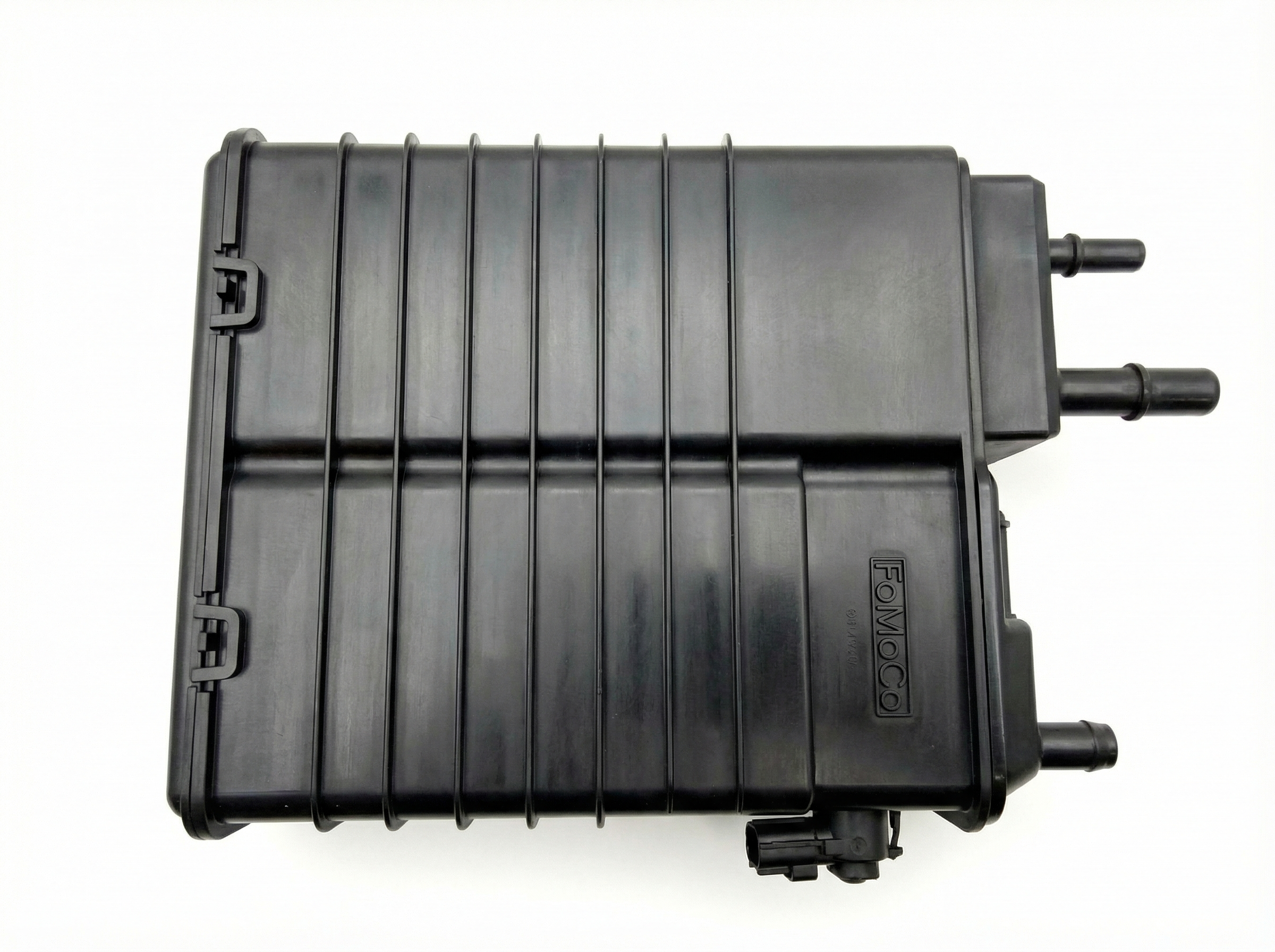
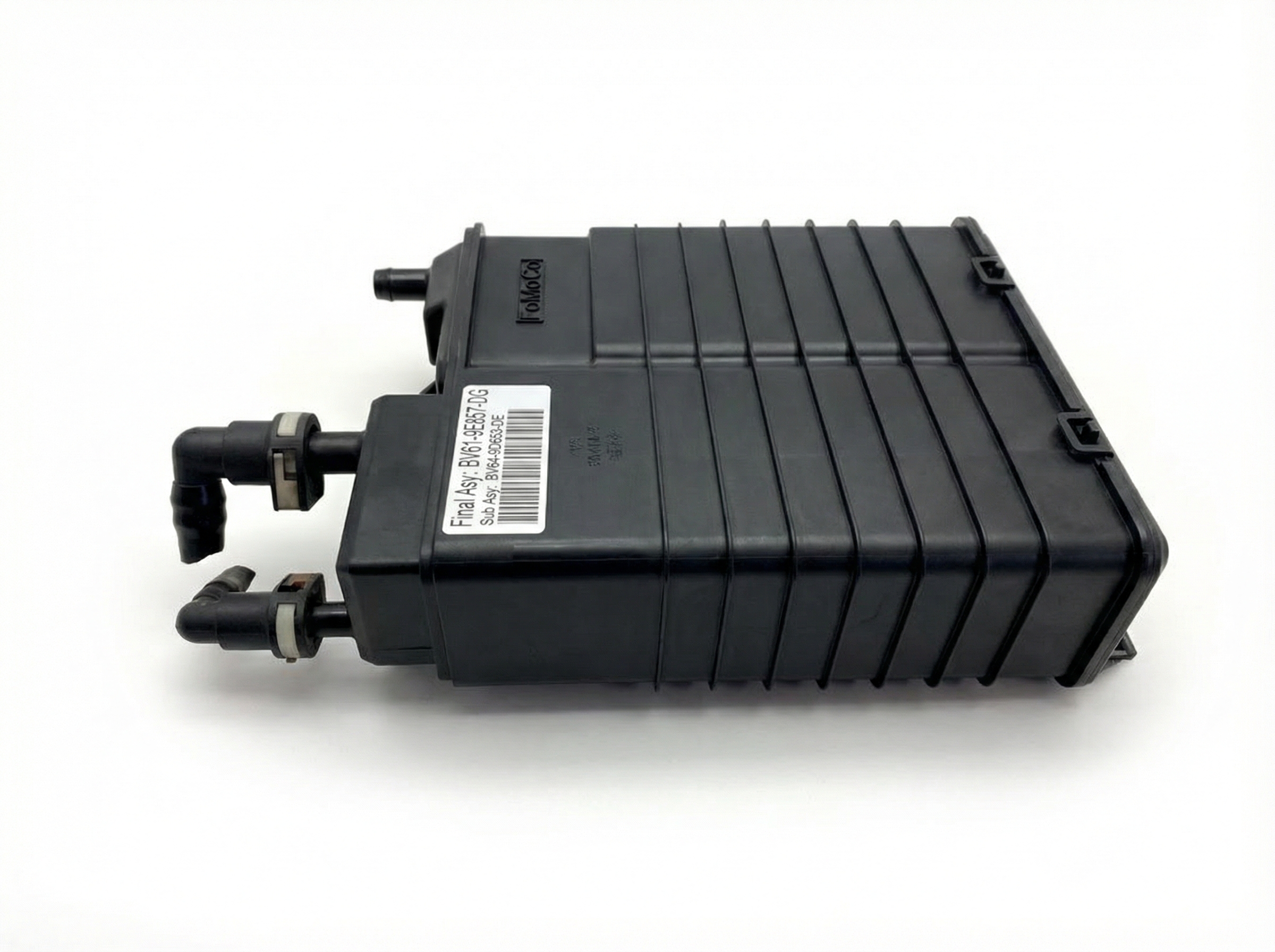
Used OEM Parts in Stock
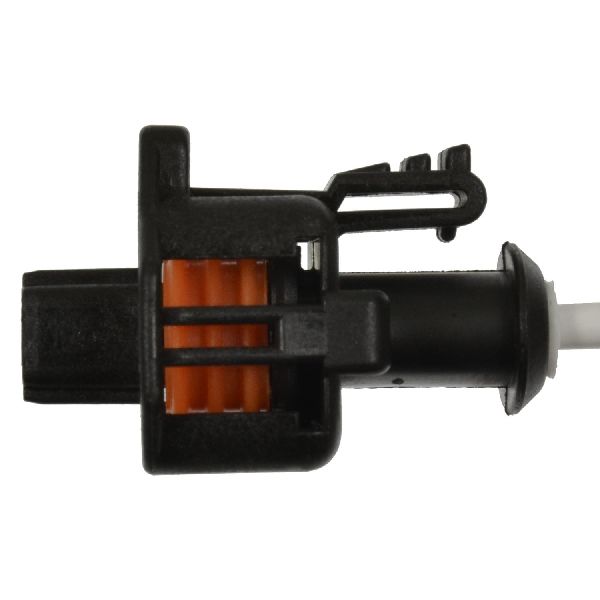
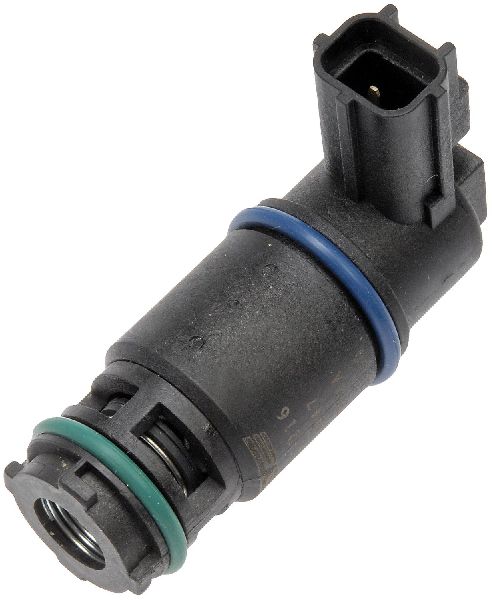
New Aftermarket Parts Available


The information in this article is provided for general reference and educational purposes only. Vehicle specifications, procedures, and part compatibility can vary by production date, trim level, and region. Always consult your vehicle's factory service manual and verify part numbers before purchasing or performing repairs. Safety-critical components such as airbags, seat belts, and braking systems should be installed by a qualified professional.
- Ford Focus:
- 🧭 Diagnostic Flowchart
- 🎬 Helpful Videos
- 🛍️ Shop This Part
- What's Unique About the 2012-2018 Ford Focus
- Symptoms You May Notice
- Most Likely Causes
- Rare But Worth Checking
- Diagnosis Steps
- Parts You'll Likely Need
- Related Codes That Often Appear With This One
- Technical Service Bulletins (TSBs) & Recalls
- Platform-Specific Known Issues
- Mechanic-Grade Diagnostic Values
- Hidden / Shadow Codes Worth Checking
- Scan Tool Commands That Help
- Wiring & Ground Locations
- Real Owner Repair Stories
- OEM Part Supersession History
- Model Year Variations Within This Range
- Other Known Issues on This Vehicle
- Used vs. New Parts: Buying Guide for This Vehicle
- Real Owner Stories
- 2016 Ford Focus 1.0L EcoBoost
- 2016 Ford Focus SE 1.0L EcoBoost
- 2015 Ford Focus 1.0L EcoBoost
- Ford Fiesta 1.0L EcoBoost
- Related OBD-II Codes
- Frequently Asked Questions
- 🎟️ Get 5% Off