

P1450 on 2017-2021 Ford Transit: Causes and Fixes for 'Unable to Bleed Up Fuel Tank Vacuum'
On a 2017-2021 Ford Transit, code P1450 is most often caused by a blocked EVAP vent path or a stuck-open canister purge valve. The most likely fix is securing a kinked vent hose as described in Ford TSB 21-2106, or replacing the faulty canister purge valve (Motorcraft CU5Z-9F945-A). The parts are relatively inexpensive and accessible.
- P1450 means your Transit's fuel tank can't relieve vacuum, usually due to a blockage.
- Before buying parts, check for a kinked EVAP hose near the charcoal canister, as this is a known issue with a free fix (TSB 21-2106).
- The most common failed parts are the canister purge valve (on the engine) and the canister vent solenoid (near the tank).
- A primary symptom is the gas pump repeatedly shutting off during refueling.
- The problem is not a critical safety issue, but it will prevent you from passing an emissions test.
What's Unique About the 2017-2021 Ford TRANSIT
The Ford Transit within this year range is known for a specific manufacturing or service-related issue where an EVAP fresh air vent line can become kinked. This problem is so prevalent that Ford issued Technical Service Bulletin #TSB 21-2106, which details a simple fix of securing the hose with a zip tie to prevent the kink. This makes a visual inspection of the EVAP hoses a critical first step that can often solve the problem without replacing any parts. Additionally, the canister purge valve is an extremely common failure point on the 3.7L and 3.5L engines, leading to a specific and easily identifiable symptom of stalling or rough running immediately after refueling.
Diagnostic Flowchart
Tap your situation to follow the diagnostic path that matches what you're seeing on this vehicle.
Symptoms You May Notice
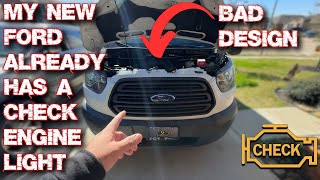
- Check Engine Light is on. 🎬 Watch: A complete walkthrough of fixing the P1450 check engine light.
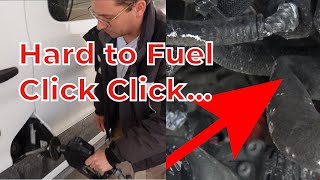
- Difficulty filling the fuel tank (gas pump nozzle clicks off repeatedly 🎬 See how to fix a Ford Transit that's hard to fuel.).
- A 'whoosh' sound of air rushing in when opening the gas cap or inserting the fuel nozzle.
- Rough idle, extended cranking, or stalling immediately after refueling. This happens because a stuck-open purge valve allows raw fuel vapors to be sucked directly from the freshly filled tank into the intake manifold, flooding the engine.
- Possible fuel smell around the vehicle.
- Slightly elevated fuel trim values (lean condition) may be seen on a scan tool due to the un-metered air (vacuum leak) from a stuck-open purge valve.
- Replacing the gas cap. While a faulty gas cap can cause other EVAP codes (like for leaks), it is not a typical cause for P1450, which indicates a restriction, not a leak. The Transit uses a capless system, making this even less likely.
Most Likely Causes
- Kinked EVAP Fresh Air Vent Line 🔴 High Probability A known issue documented by Ford in TSB 21-2106 for 2017-2021 models built before November 30, 2020.
How to confirm: Visually inspect the EVAP hoses, particularly the fresh air vent line running to the charcoal canister, for any sharp bends, kinks, or collapses. The TSB specifies the location to check.
Typical fix: Straighten the hose and secure it with a zip tie to prevent it from kinking again, as per the TSB instructions.
Est. part cost: $0-$5 - Faulty Canister Purge Valve 🔴 High Probability → Shop Vapor Canister This is a very common failure point on many Ford vehicles, including the Transit with both 3.7L and 3.5L engines, often getting stuck open.
How to confirm: With the engine off, disconnect the valve. Try to blow through it from the port that goes to the EVAP canister. A healthy valve should be closed and block all airflow. If air passes through, it's stuck open and needs replacement. Alternatively, with the engine running, disconnect the hose leading from the valve to the canister and feel for suction with your finger; there should be none if the valve is unplugged.
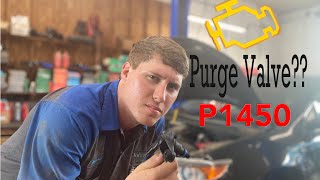
Typical fix: Replace the canister purge valve assembly. 🎬 Watch: How to diagnose and replace a faulty purge valve. It is located on top of the intake manifold and is typically held on by two 8mm bolts.
Est. part cost: $40-$80 - Faulty Canister Vent Solenoid 🟡 Medium Probability → Shop Vapor Canister The vent solenoid can get stuck closed, directly preventing the tank from bleeding off vacuum. It can also get clogged with dust or debris, especially on work vans that frequent dirty environments.
How to confirm: Locate the solenoid (usually on or near the charcoal canister under the vehicle) and apply 12V power to it. A working solenoid will make an audible click and open. Check that air can pass through it when energized and is blocked when de-energized.
Typical fix: Replace the canister vent solenoid.
Est. part cost: $30-$70 - Blocked or Restricted EVAP Hoses/Canister ⚪ Low Probability Spiders, insects, or road debris can build nests or clog the vent lines or the charcoal canister itself. This is more common on vehicles that sit for extended periods or are operated in dusty/muddy conditions.
How to confirm: Disconnect hoses and visually inspect for blockages. A smoke test can also be performed; smoke introduced into the system should exit freely from the vent path when the vent solenoid is commanded open.
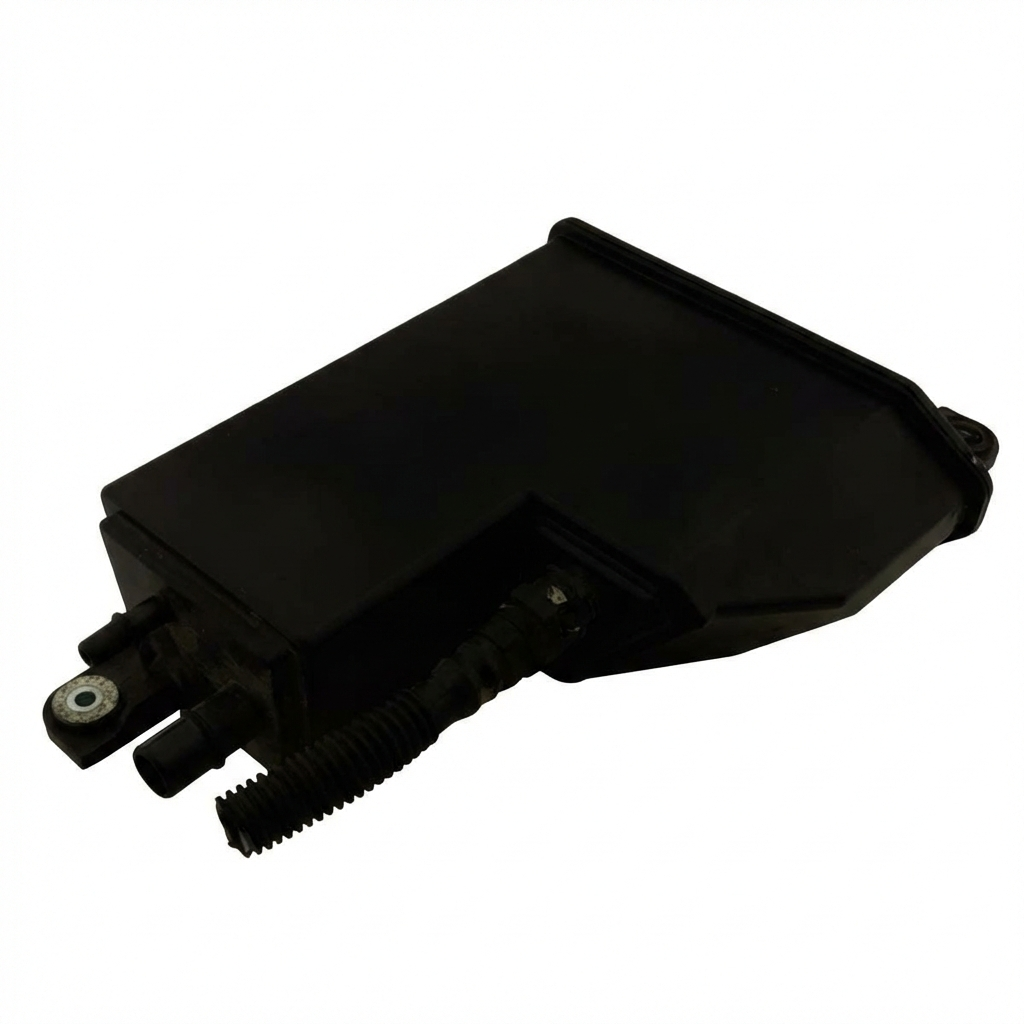
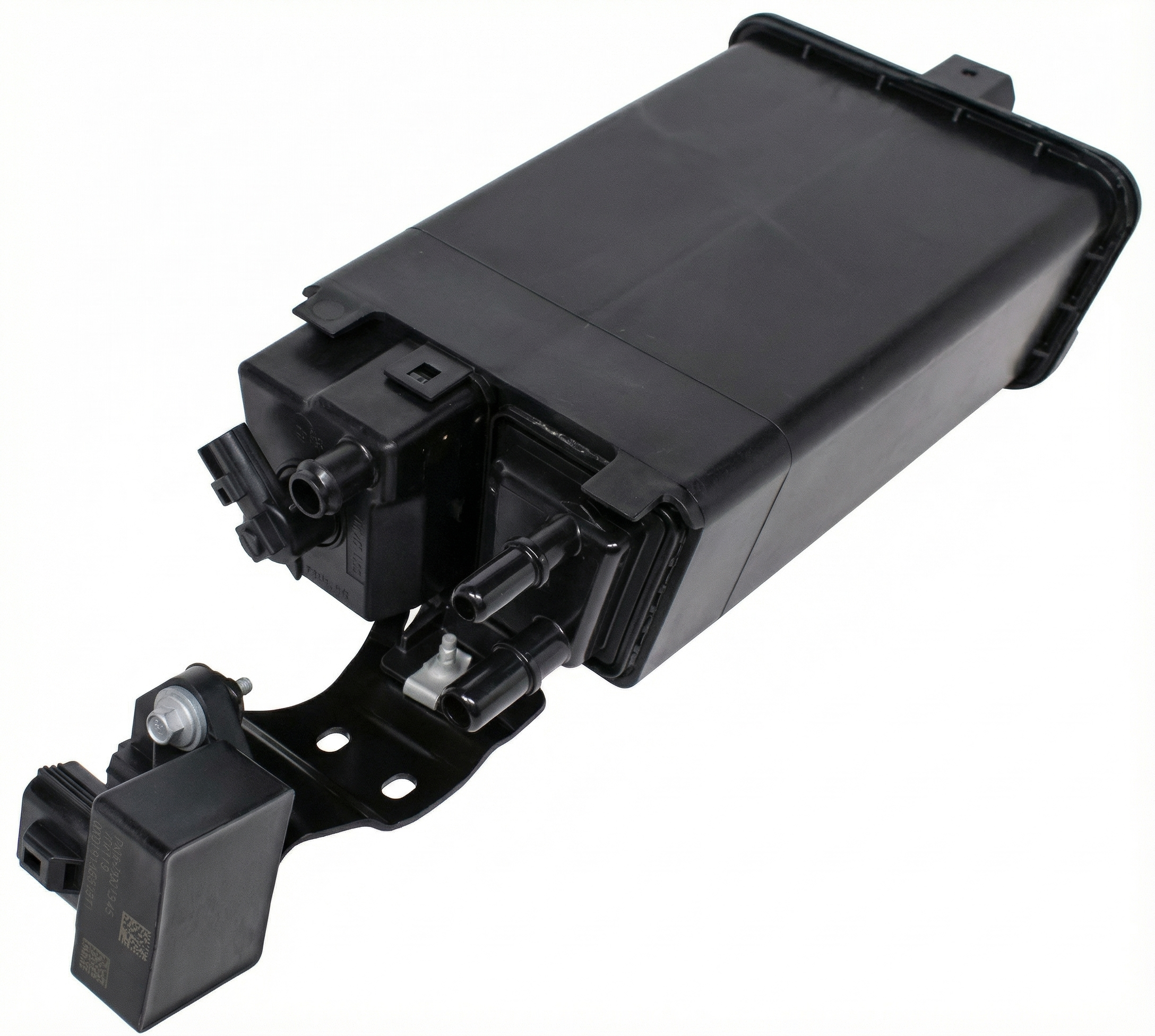
Typical fix: Clean out the blockage from the hose or replace the clogged charcoal canister. Over-filling the fuel tank past the first click can saturate the canister with liquid fuel, causing a permanent blockage.
Est. part cost: $50-$200
Rare But Worth Checking
- Faulty Fuel Tank Pressure (FTP) Sensor: → Shop Fuel Tank The sensor can fail and send incorrect vacuum readings to the computer, making it think there's a problem when there isn't. This should be considered after all mechanical parts and hoses have been checked.
- Damaged or Blocked Fuel Filler Neck: Less common, but damage to the fuel filler neck or a problem with the capless fuel filler assembly can prevent proper venting, leading to a P1450 code.
Diagnosis Steps
- Read all stored DTCs to see if other codes are present, paying close attention to P2196/P2198 which strongly point to the purge valve.
- Visually inspect the EVAP fresh air vent line for kinks or collapses, as detailed in TSB 21-2106.
- Listen for a loud 'whoosh' when inserting the fuel nozzle, which indicates a vacuum is being held in the tank and confirms a venting issue.
- Test the Canister Purge Valve. Locate it on the engine's intake manifold. With the engine off, remove it and try to blow through the port that connects to the EVAP lines. If air passes, it is stuck open and bad.
- Test the Canister Vent Solenoid. Locate it near the charcoal canister. Test its operation by applying 12V power and listening for a click. Check if air can pass through when open and is blocked when closed.
- Inspect all accessible EVAP hoses for blockages from debris or insect nests, especially the vent filter outlet.
- If other components check out, monitor the Fuel Tank Pressure (FTP) sensor reading on a scan tool to see if it is providing plausible data. At rest with the gas cap off, it should read near 0 PSI or ~2.5 volts.
Parts You'll Likely Need
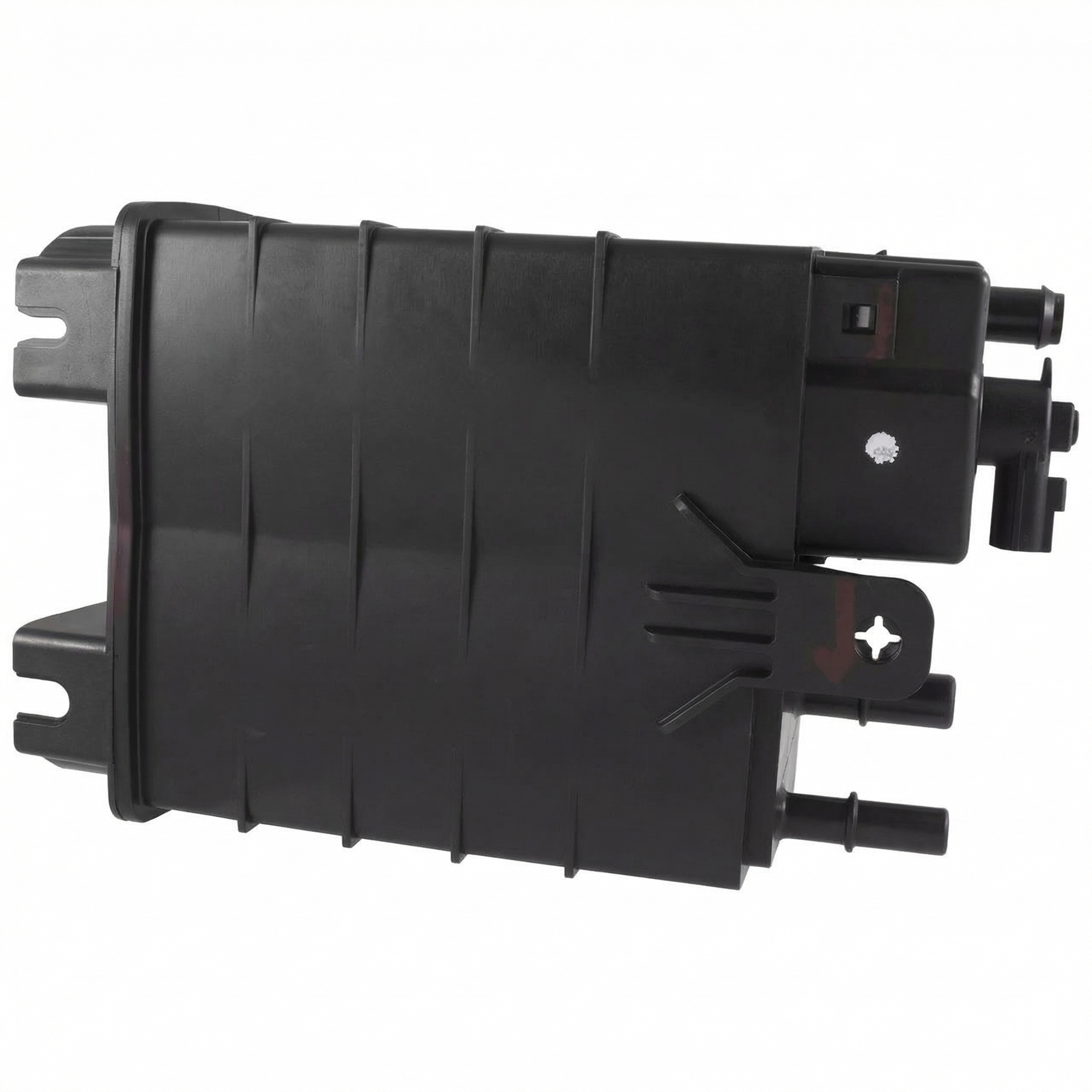
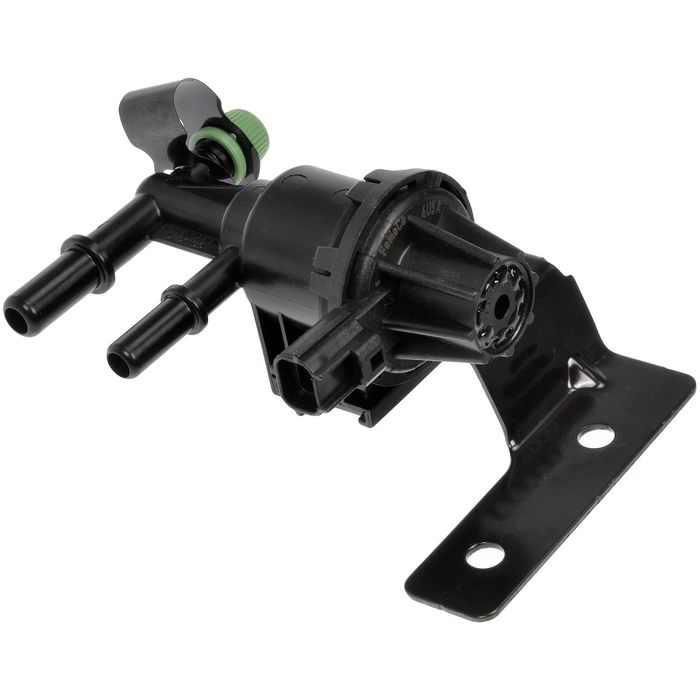
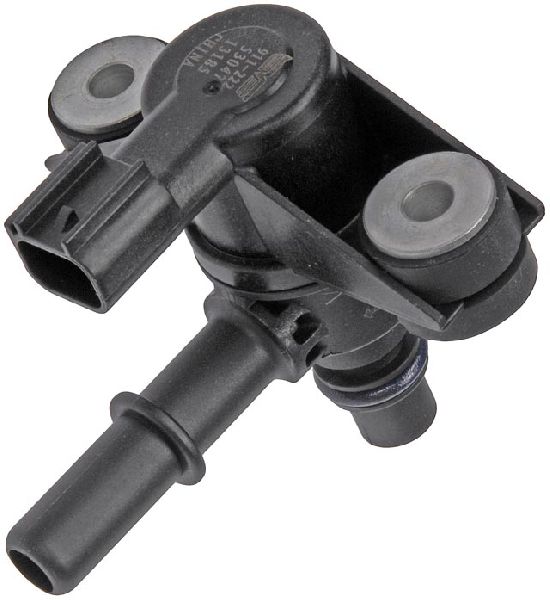
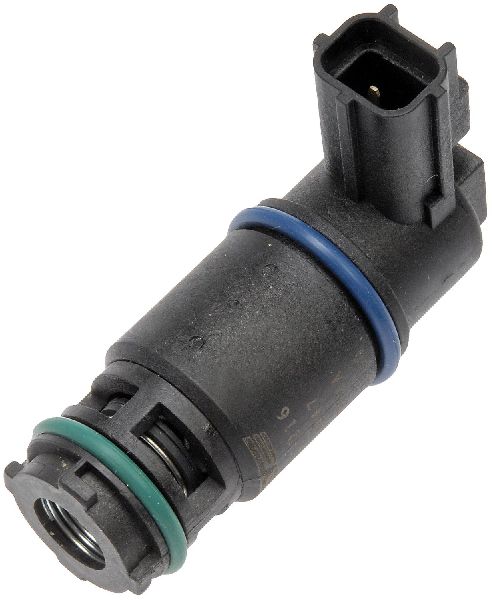
- Vapor Canister Purge Valve
(OEM #CU5Z-9F945-A)— This valve is a very common failure item on Ford vehicles and can get stuck open, causing a constant vacuum pull on the fuel tank and stalling after refueling.
Trusted brands: Motorcraft, Dorman, Standard Motor Products
OEM price range: $45-$80
Aftermarket price range: $25-$50 - Vapor Canister Vent Solenoid
(OEM #9U5Z-9C915-H (Motorcraft CX2327))— This solenoid controls the flow of fresh air into the EVAP system. If it's stuck closed or clogged, it will directly cause the P1450 code by preventing the tank from venting.
Trusted brands: Motorcraft, Dorman, SKP
OEM price range: $50-$90
Aftermarket price range: $25-$60 - Heavy Duty Zip Tie — Required for the official fix described in TSB 21-2106 to prevent the fresh air vent line from kinking.
OEM price range: $1
Aftermarket price range: $1
Related Codes That Often Appear With This One
- P0451 — This code for the Fuel Tank Pressure Sensor can appear if the restriction from P1450 causes pressure readings outside the expected range. It is explicitly mentioned in TSB 21-2106.
- P0455/P0456 — A restriction in the vent system can throw off the entire EVAP pressure test, sometimes leading the computer to incorrectly flag a leak as well. These are also listed in TSB 21-2106.
- P0496 — This 'High Purge Flow' code can be set alongside P1450, as noted in TSB 21-2106, likely due to the imbalanced vacuum conditions in the system when a purge or vent valve malfunctions.
- P2196/P2198 — If the purge valve is stuck open, it can suck raw fuel vapors into the intake, causing a rich condition and triggering these O2 sensor 'Stuck Rich' codes. This is a strong indicator that the purge valve is the culprit.
Technical Service Bulletins (TSBs) & Recalls
- TSB 21-2106: Notes that a slo
Platform-Specific Known Issues
- A kinked evaporator emissions fresh air vent line is a known issue for 2017-2021 models, addressed by Ford TSB 21-2106. The fix is to secure the line with a zip tie.
- The canister purge valve, located on top of the intake manifold, is a frequent failure point causing P1450 and a distinct 'stall after fueling' symptom. The replacement is straightforward, requiring removal of the main air intake tube for access.
- On work vans, the canister vent solenoid and its associated filter, located underneath the vehicle near the spare tire, are susceptible to clogging from dirt, mud, and road debris, which can cause a P1450 code.
Mechanic-Grade Diagnostic Values
- Fuel Tank Pressure (FTP) Sensor Voltage — expected: 2.4V to 2.8V at rest (atmospheric pressure). Failure: Voltage significantly outside this range at rest, or voltage not changing when vacuum is applied/released.
- EVAP Canister Purge Valve Resistance — expected: 30 to 38 ohms (for standard type). Failure: Reading shows an open circuit (infinite resistance) or is significantly outside the expected range.
- EVAP Canister Vent Solenoid Resistance — expected: 48 to 65 ohms. Failure: Reading shows an open circuit or is significantly outside the expected range.
- Long-Term Fuel Trim (with stuck-open purge valve) — expected: Close to 0%. Failure: Elevated positive values, such as 7.8% on Bank 1, indicating a lean condition caused by the vacuum leak.
Hidden / Shadow Codes Worth Checking
- P1450-00: This is a sub-code sometimes displayed on more advanced scan tools. The '-00' suffix does not change the diagnostic direction but confirms it's a primary fault without specific circuit or component flags. (see via Ford IDS, FORScan, or other professional-grade scan tools.)
- Permanent DTC (P-DTC): After a repair, a standard 'Erase Codes' command may not clear P1450 immediately. It may remain as a 'Permanent DTC' in the background until the vehicle's computer successfully runs the EVAP monitor test over several drive cycles, at which point it will clear itself. (see via Any OBD-II scanner that can display permanent codes.)
Scan Tool Commands That Help
- Ford IDS, FORScan, or similar bidirectional scanner: EVAP System Test — This is a guided test that commands the purge and vent solenoids to open and close while monitoring the FTP sensor. It can quickly verify if the system can build and hold a vacuum, and then successfully vent it, pinpointing a failure in the sequence.
- Ford IDS, FORScan, or similar bidirectional scanner: Output State Control (OSC) for Purge Valve or Vent Valve — This allows a technician to manually command a specific valve (e.g., the vent solenoid) to open or close while performing other tests, such as a smoke test, to confirm if the valve is physically responding to the command and if the system is flowing correctly.
Real Owner Repair Stories
- Ford F150 Forum user 'ahlbe1cl' (Ford F-150 (similar EVAP system design)) — P1450 code, hard starting after filling the fuel tank.
❌ Tried (didn't work) Initial visual inspection.
✅ What actually fixed it The user removed the entire EVAP canister assembly and found a small rectangular 'pre-filter' box on top of it was completely filled with dirt. After blowing out the pre-filter with compressed air and reassembling, the issue was resolved. - YouTube channel 'Grim Repair' (2017 Ford Transit 250) — Check Engine Light with code P1450 'unable to bleed up fuel tank vacuum'.
✅ What actually fixed it The canister purge valve on the engine was replaced. The video demonstrates that the old valve was not sealing and allowed vacuum to pass through when it should have been closed. The replacement fixed the code.
OEM Part Supersession History
CU5Z-9F945-A→HU5Z-9F945-A— Standard part revision and update by the manufacturer.
Heads up: The new part number (HU5Z-9F945-A) is the direct replacement for the old one and should be fully compatible.9U5Z-9C915-H→9U5Z-9C915-J— Standard part revision and update by the manufacturer.
Heads up: The new part number (9U5Z-9C915-J) is the direct replacement for the old one and should be fully compatible.
Model Year Variations Within This Range
- 2017 - Nov 30, 2020: Vehicles built before November 30, 2020, are specifically called out in TSB 21-2106 as being susceptible to the kinked evaporator emissions fresh air vent line. Vehicles built after this date may have had a production change to address the issue, making it a less likely cause.
Helpful Videos

Used OEM Parts in Stock
New Aftermarket Parts Available


The information in this article is provided for general reference and educational purposes only. Vehicle specifications, procedures, and part compatibility can vary by production date, trim level, and region. Always consult your vehicle's factory service manual and verify part numbers before purchasing or performing repairs. Safety-critical components such as airbags, seat belts, and braking systems should be installed by a qualified professional.
- Ford TRANSIT:
- 🧭 Diagnostic Flowchart
- 🎬 Helpful Videos
- 🛍️ Shop This Part
- What's Unique About the 2017-2021 Ford TRANSIT
- Symptoms You May Notice
- Most Likely Causes
- Rare But Worth Checking
- Diagnosis Steps
- Parts You'll Likely Need
- Related Codes That Often Appear With This One
- Technical Service Bulletins (TSBs) & Recalls
- Platform-Specific Known Issues
- Mechanic-Grade Diagnostic Values
- Hidden / Shadow Codes Worth Checking
- Scan Tool Commands That Help
- Real Owner Repair Stories
- OEM Part Supersession History
- Model Year Variations Within This Range
- 🎟️ Get 5% Off