

P1450 on 2015-2019 Lincoln MKC: Causes and Fixes for Unable to Bleed Up Fuel Tank Vacuum
On a 2015-2019 Lincoln MKC, the P1450 code is almost always caused by a faulty canister purge valve stuck open in the engine bay. This is a common, inexpensive, and easy DIY fix, with the part typically costing between $30 and $90. The most common symptom, besides the check engine light, is difficulty starting the engine right after refueling.
- P1450 on your MKC means the fuel tank has too much vacuum, almost certainly due to a bad canister purge valve.
- The most common symptom you'll notice is the vehicle being difficult to start right after you get gas.
- The easiest way to confirm the problem is to check for suction at the purge valve in the engine bay while the car is running. If you feel suction, the part is bad.
- This is a very beginner-friendly DIY repair that can be done with basic hand tools in under 30 minutes.
- To prevent recurrence, avoid the habit of 'topping off' your fuel tank after the pump automatically shuts off.
What's Unique About the 2015-2019 Lincoln MKC
The Lincoln MKC, which is based on the Ford Escape platform, is highly susceptible to this issue, like many other Ford and Lincoln vehicles. The problem is almost always a canister purge valve that has failed and is stuck partially or fully open. While Ford has issued Technical Service Bulletins (TSBs) and even recalls for this exact problem on platform-mates like the Focus, Escape, and Fusion, the root cause and repair are identical for the MKC. Owner reports specifically for the MKC confirm that overfilling the fuel tank can saturate the EVAP system and trigger this code.
Symptoms You May Notice
- Check Engine Light is on
- Difficulty starting the engine, stalling, or running rough, especially right after refueling.
- Rough or unstable idle as un-metered fuel vapors are drawn into the intake.
- Loud 'whoosh' of air rushing in when opening the fuel filler cap.
- Slightly reduced fuel economy, though some owners report an MPG increase after the fix.
- Replacing the gas cap. A bad gas cap typically causes a large leak code (like P0455), not a code for excessive vacuum like P1450.
Most Likely Causes
- Faulty Canister Purge Valve 🔴 High Probability → Shop Vapor Canister The OEM purge valve has a very high failure rate across the Ford/Lincoln lineup from this era. The valve's internal seal fails, causing it to remain stuck open and constantly apply engine vacuum to the fuel tank.
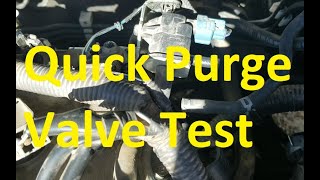
How to confirm: With the engine idling, disconnect the EVAP hose from the purge valve. Place your finger over the port on the valve itself. If you feel any suction, the valve is leaking internally and must be replaced. This is a definitive test. 🎬 Watch: How to test the purge valve with no tools
Typical fix: Replace the canister purge valve assembly. This is typically located in the engine bay and is accessible for DIY replacement in under an hour. 🎬 See this step-by-step EcoBoost purge valve replacement walkthrough
Est. part cost: $30-$90 - Blocked EVAP Canister Vent Solenoid or Filter ⚪ Low Probability → Shop Vapor Canister The vent solenoid is located near the rear of the vehicle by the charcoal canister and can become clogged with dirt, debris, or even spider nests, preventing fresh air from entering the system to relieve vacuum.
How to confirm: Inspect the vent solenoid, filter, and associated hoses for blockages. A smoke test can confirm if the vent path is restricted. This is typically only investigated if a new purge valve does not fix the code.
Typical fix: Clean or replace the EVAP canister vent solenoid and/or its filter.
Est. part cost: $40-$75 - Saturated Charcoal Canister from Overfilling ⚪ Low Probability → Shop Vapor Canister Repeatedly topping off the fuel tank after the pump clicks off can force liquid gasoline into the charcoal canister, which is only designed for vapor. This saturates the charcoal, restricting airflow and potentially triggering this code.
How to confirm: Diagnosis is difficult without ruling out other causes first. A mechanic may remove the canister to check for evidence of liquid fuel saturation or a strong fuel smell. A saturated canister can also damage the new purge valve over time.
Typical fix: Replace the charcoal canister and advise the owner to avoid overfilling the fuel tank.
Est. part cost: $150-$250
Rare But Worth Checking
- Kinked or Collapsed EVAP Hose: A hose between the fuel tank, purge valve, or canister can become pinched or collapse internally, creating a blockage that mimics a valve failure.
- Faulty Fuel Tank Pressure (FTP) Sensor: → Shop Fuel Tank While rare, the sensor that measures tank vacuum can fail and send incorrect readings to the computer, causing the code to be set even if there is no actual vacuum issue.
Diagnosis Steps
- Verify the code with an OBD-II scanner. Confirm P1450 is present.
- Check for the most common symptom: Ask if the vehicle has trouble starting, stalls, or runs rough immediately after refueling.
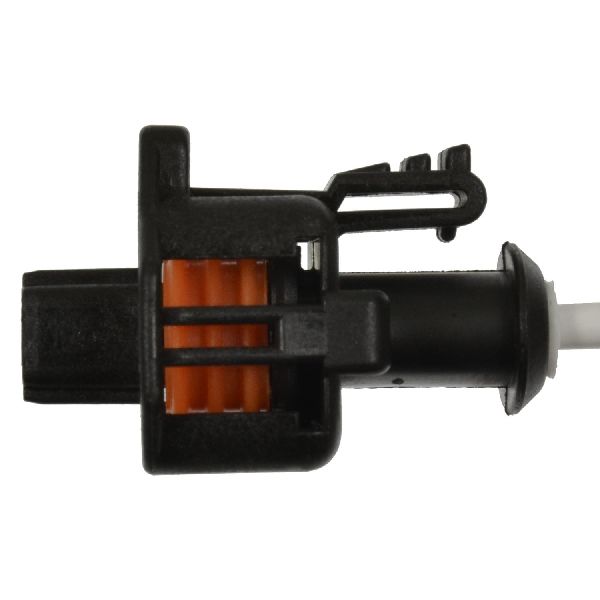
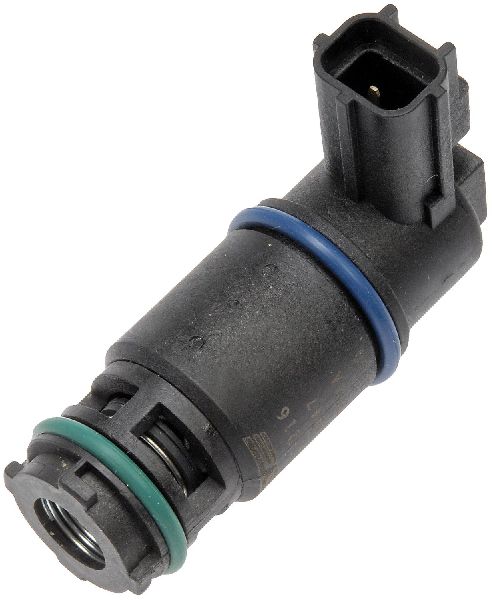
- Perform the primary diagnostic test: With the engine idling, locate the canister purge valve in the engine bay. It will have several plastic lines and one electrical connector.
- Disconnect the electrical connector from the purge valve to ensure it is not being commanded by the PCM.
- Disconnect the vapor line that runs from the valve back towards the fuel tank. This connector may have green or grey tabs that need to be squeezed or pried to release.
- Place your finger over the open port on the valve itself. If you feel any vacuum or suction, the purge valve has failed and is stuck open. It must be replaced.
- If there is no vacuum at the purge valve (which is highly unlikely), the issue lies elsewhere. The next step is to inspect the vent side of the system near the rear of the vehicle.
- Raise the vehicle and locate the EVAP canister and vent solenoid near the fuel tank. Inspect the vent filter and hoses for any obvious blockages, dirt, or kinks.
- If no blockages are visible, a professional-grade smoke test may be required to find a restriction in the EVAP lines or confirm a stuck-closed vent solenoid.
Parts You'll Likely Need
- Canister Purge Valve / Solenoid (with Hoses)
(OEM #GV6Z-9D289-F (Full Assembly for 2.0L), AU5Z-9C915-E (Valve only, supersedes AU5Z-9C915-A/B/C/D))— This is the most common failure item for code P1450 by a wide margin. The valve gets stuck open, causing constant, uncommanded vacuum on the fuel tank. On many EcoBoost models, it is sold as a complete assembly with pre-formed hoses. The 'E' revision of the valve is the latest version from Ford.
Trusted brands: Motorcraft (OEM), Dorman, Standard Motor Products (SMP), Bosch
OEM price range: $60-$100
Aftermarket price range: $30-$70
Related Codes That Often Appear With This One
- P0456 - EVAP System Small Leak Detected: Mentioned in TSBs as a potential companion code.
- P2195 / P2197 - O2 Sensor Signal Stuck Lean: The un-commanded vacuum leak from the purge valve can cause the engine to run lean, triggering these codes.
- P0316 - Misfire Detected on Startup: The rich condition caused by excess fuel vapor being ingested on startup can cause a misfire.
Technical Service Bulletins (TSBs) & Recalls
- While no TSB is specifically for the Lincoln MKC and P1450, TSBs for platform mates are directly applicable.
- Bulletin #SSM 46525 notes that MKC vehicles with 1.5L, 2.0L, or 2.3L engines may exhibit an illuminated MIL with DTC P1450, potentially accompanied by a rough idle or slow fuel fill concern.
- TSB 16-0075: Covers 2013 Escape, 2013-2014 Fusion/MKZ for hard start/no start/stall after refueling with DTC P1450, pointing to a faulty canister purge valve.
- Ford Safety Recall 19S22 / 18S32: While for the Ford Focus, this recall details the entire failure mode of the stuck purge valve causing P1450, stalling, and potential fuel tank damage, which is identical to the issue on the MKC.
Platform-Specific Known Issues
- A recall on the Ford Focus (19S22) for the same P1450 issue highlights the potential severity. Constant vacuum from the stuck purge valve could deform the plastic fuel tank, leading to inaccurate fuel gauge readings and stalling. The fix involved reprogramming the PCM to better detect the fault and, if necessary, replacing the valve, carbon canister, and fuel tank. While the MKC was not in this specific recall, it shares the same fundamental system design and risks.
Mechanic-Grade Diagnostic Values
- Canister Purge Valve internal resistance — expected: 15 to 30 Ohms. Failure: A reading of infinite resistance (open circuit) or very low resistance (short circuit). One owner reported a failed part reading 10.5 Ohms.
- Fuel Tank Pressure (FTP) Sensor Voltage (Key On, Engine Off) — expected: Approximately 2.4V to 2.8V at atmospheric pressure.. Failure: A voltage significantly outside this range with the gas cap off suggests a biased or failed sensor. The P1450 code may trip if the voltage drops below 2.4V when no purge is commanded.
- Canister Purge Valve Connector Voltage (Key On, Engine Off) — expected: 11 to 12 Volts DC on one pin (power supply).. Failure: No voltage at the harness connector suggests a wiring or fuse issue upstream of the valve.
- Canister Vent Solenoid Resistance — expected: 48 to 65 Ohms.. Failure: Readings outside this range indicate a faulty solenoid coil.
Hidden / Shadow Codes Worth Checking
- P1450-00: This is the standard display for the P1450 code on Ford-specific scan tools like IDS or FORScan. The '-00' suffix indicates 'No Subtype Information' and does not alter the diagnostic procedure. (see via Ford IDS (Integrated Diagnostic System) or FORScan software.)
Scan Tool Commands That Help
- Ford IDS / FORScan: EVAP Purge Valve Command (Duty Cycle %) — This is the definitive test for a stuck purge valve. With the engine running, command the purge valve to 0% (closed). If the Fuel Tank Pressure (FTP) PID still shows vacuum building (voltage dropping), the valve is mechanically stuck open and must be replaced.
- Ford IDS / FORScan: EVAP Vent Valve Command (On/Off) — Use this to test the vent side of the system if a new purge valve doesn't fix the code. The vent valve is normally open. Commanding it 'On' (closed) should seal the system. If the system fails to seal (e.g., during a smoke test), the vent valve may be stuck open or faulty.
- Ford IDS / FORScan: EVAP System Test — This is a comprehensive, automated test that commands the purge and vent solenoids through a sequence to check for leaks and proper function. It's the dealership-level method to verify the entire system's integrity after a repair or during complex diagnosis.
Real Owner Repair Stories
- Ford Edge Forum (2017 Ford Edge 2.0L EcoBoost (platform mate) at 75,000 miles) — P1450 code returned one month after replacing the purge valve.
❌ Tried (didn't work) Initial replacement of the canister purge valve.
✅ What actually fixed it The user was left questioning if the replacement part had failed or if there was another cause. Another user on a different forum experienced a similar issue and found that a cheap aftermarket purge valve from Amazon failed within weeks, and the code was only resolved after installing a genuine Ford OEM part. - NHTSA ODI #11578507 — An owner reported that their vehicle experienced the RPM gauge moving from 0-2 on its own while stopped. A diagnostic device confirmed error code P1450.
OEM Part Supersession History
AU5Z-9C915-A, AU5Z-9C915-B, AU5Z-9C915-C, AU5Z-9C915-D→AU5Z-9C915-E— Standard part revision and improvement by the manufacturer to address high failure rates.
Heads up: All previous versions are replaced by the -E revision, which is the current recommended OEM replacement.
Diagnostic Flowchart
Other Known Issues on This Vehicle
Issues unrelated to this code that are worth knowing about as an owner of this generation:
- AWD Power Transfer Unit (PTU) Failure 🔴 High — Common issue, especially on vehicles over 60,000 miles. Failure is caused by the 'lifetime' gear oil overheating due to proximity to the exhaust, leading to sludge and lubrication breakdown. (Ref: While no recall exists, preventative maintenance (fluid changes every 30k miles) is the community-accepted solution.)
- Parasitic Battery Drain 🟠 Medium — Frequently reported, especially on 2015-2017 models. Owners report the battery dying overnight or after a few days. Diagnosis is complex, often involving modules that fail to 'sleep', causing a significant amp draw. (Ref: SSM 44861 was issued for early-build 2015 models where welcome lighting could cause a drain, fixed by an RTM reprogram.)
- Engine Compartment Fire Risk 🔴 High — Affects all 2015-2019 MKC models. A short circuit at the battery monitoring sensor could cause overheating and fire, even when the vehicle is parked and off. (Ref: Recall 23S27 (NHTSA 23V-379) was issued to install an in-line fuse on the sensor power circuit to prevent this.)
- Transmission Shudder / Harsh Shifting 🟡 Low — Some owners report shuddering during acceleration or harsh gear changes. Often related to fluid condition or software calibration.
Used vs. New Parts: Buying Guide for This Vehicle
When a used part is the smart pick: For the expensive charcoal canister, a used part from a junkyard can be a cost-effective option, but only if it can be verified to be dry and from a vehicle that was not in a flood.
Donor-vehicle mileage cap: roughly under 80000 miles for the part to have meaningful remaining life.
What to inspect on the donor part:
- For a charcoal canister, ensure it does not smell strongly of liquid fuel.
- Check that the donor vehicle is from a dry climate if possible, to minimize corrosion on electrical connectors.
- Avoid parts from vehicles that show signs of being stored outdoors with missing components (like a hood), which could allow water intrusion.
OEM-only on this vehicle (don't cheap out):
- Canister Purge Valve: Due to the extremely high failure rate of the original design and reports of premature failure of some aftermarket units, using the latest revision OEM Motorcraft part (AU5Z-9C915-E or the full GV6Z-9D289-F assembly) is strongly recommended to ensure a lasting repair.
Aftermarket brands forum-validated for this vehicle:
- Bosch (often the OEM supplier)
- Standard Motor Products (SMP)
Brands owners have reported issues with on this vehicle:
- Unbranded, low-cost parts from online marketplaces like Amazon or eBay are frequently reported to fail within a short period, causing the P1450 code to return.
Real Owner Stories
Aggregated from forums and TSBs cited above. Mileages and costs reflect what owners reported in those sources.
2018 Lincoln MKC
Symptoms: The vehicle experienced a no-start condition specifically after fueling. The owner also noted the P1450 code was present.
What fixed it: Replacement of the canister purge valve. The owner confirmed the old valve was stuck open by blowing through it.
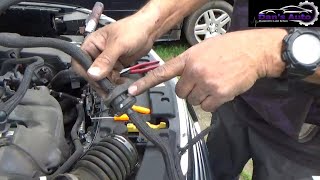
Source hint: YouTube - Dan's Auto Diagnostics And Repair (2018 Lincoln MKC Purge Valve...)
2018 Ford Escape 2.0L Ecoboost
Symptoms: Difficulty starting the engine and stalling immediately after visiting the gas station.
What fixed it: Replacement of the purge valve assembly (Part # GV6Z-9D289-F).
Source hint: YouTube - Car Nut Fu (STEP BY STEP FIX!!! 2018 Ford Escape 2.0L Ecoboost - P1450...)
2013-2019 Ford Escape
Symptoms: Difficulty starting after being at the gas station; multiple users confirmed this as a common symptom for the P1450 code.
What fixed it: Replacement of the canister purge valve.
Source hint: Reddit - r/fordescape thread titled 'Difficulty start after gas station'
2013-2018 Ford Focus 2.0L
Symptoms: Stalling, P1450 code, and inaccurate fuel gauge readings caused by a deformed plastic fuel tank.
What fixed it: Reprogramming the PCM and replacing the purge valve, carbon canister, and fuel tank as necessary under recall protocols.
Source hint: Ford Safety Recall 19S22 / 18S32
Related OBD-II Codes
Frequently Asked Questions
Does the Ford Focus recall (19S22) for P1450 apply to my 2015-2019 Lincoln MKC?
Does TSB 16-0075 apply to my Lincoln MKC?
Can topping off my gas tank cause the P1450 code on my MKC?
How can I tell if my MKC's purge valve is actually bad?
What is the specific part number for the replacement purge valve assembly?
Will fixing the P1450 code improve my Lincoln MKC's fuel economy?
Helpful Videos
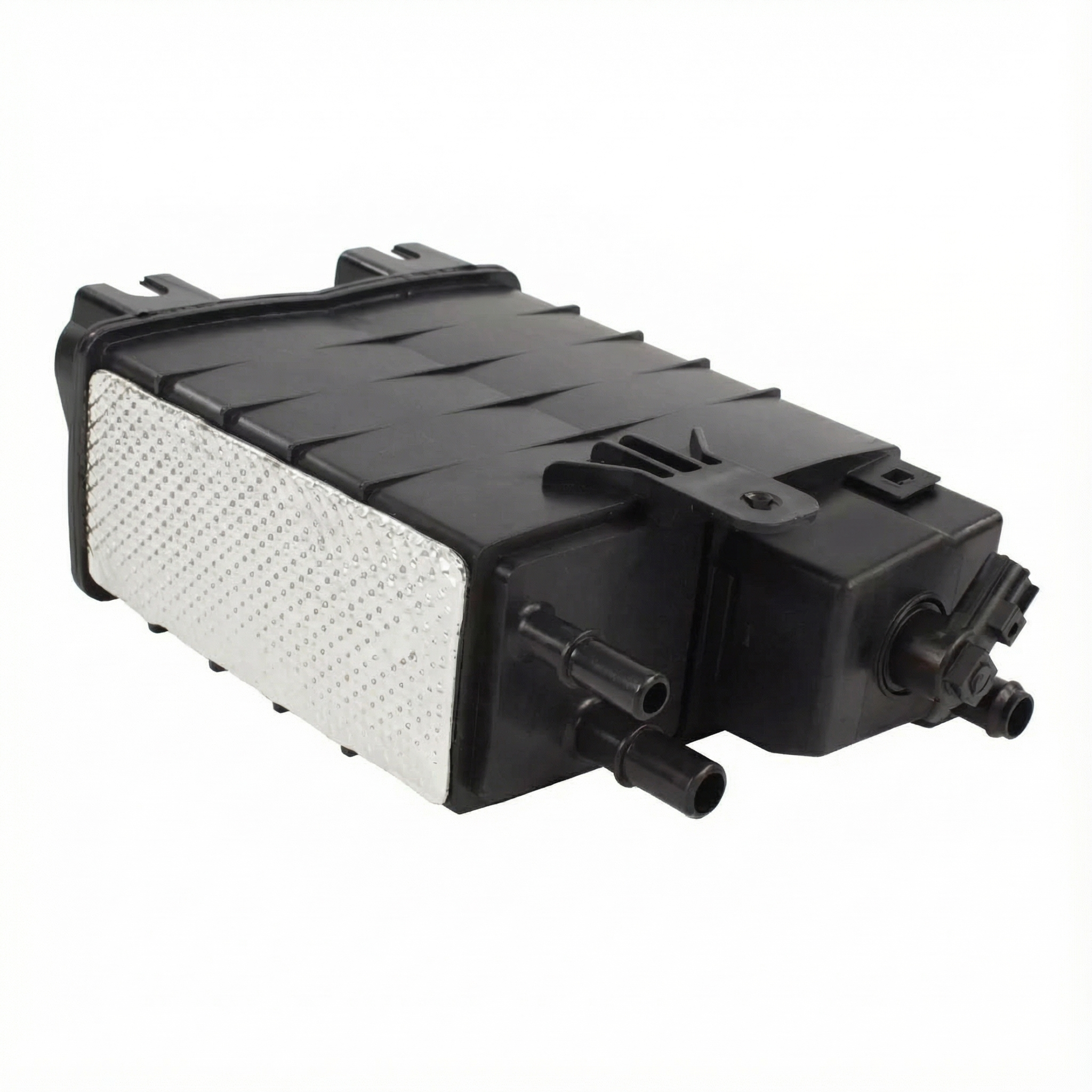
Used OEM Parts in Stock
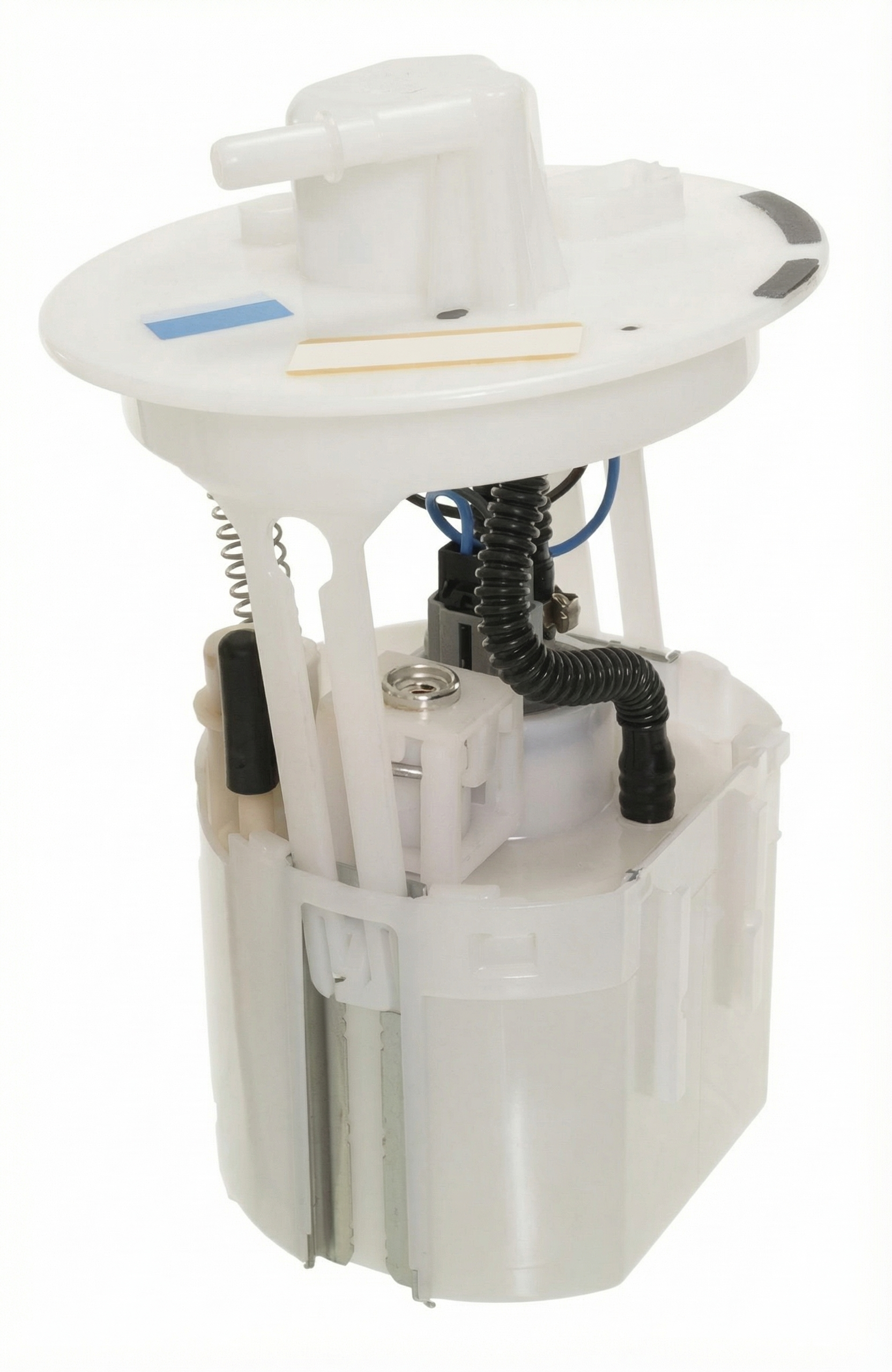
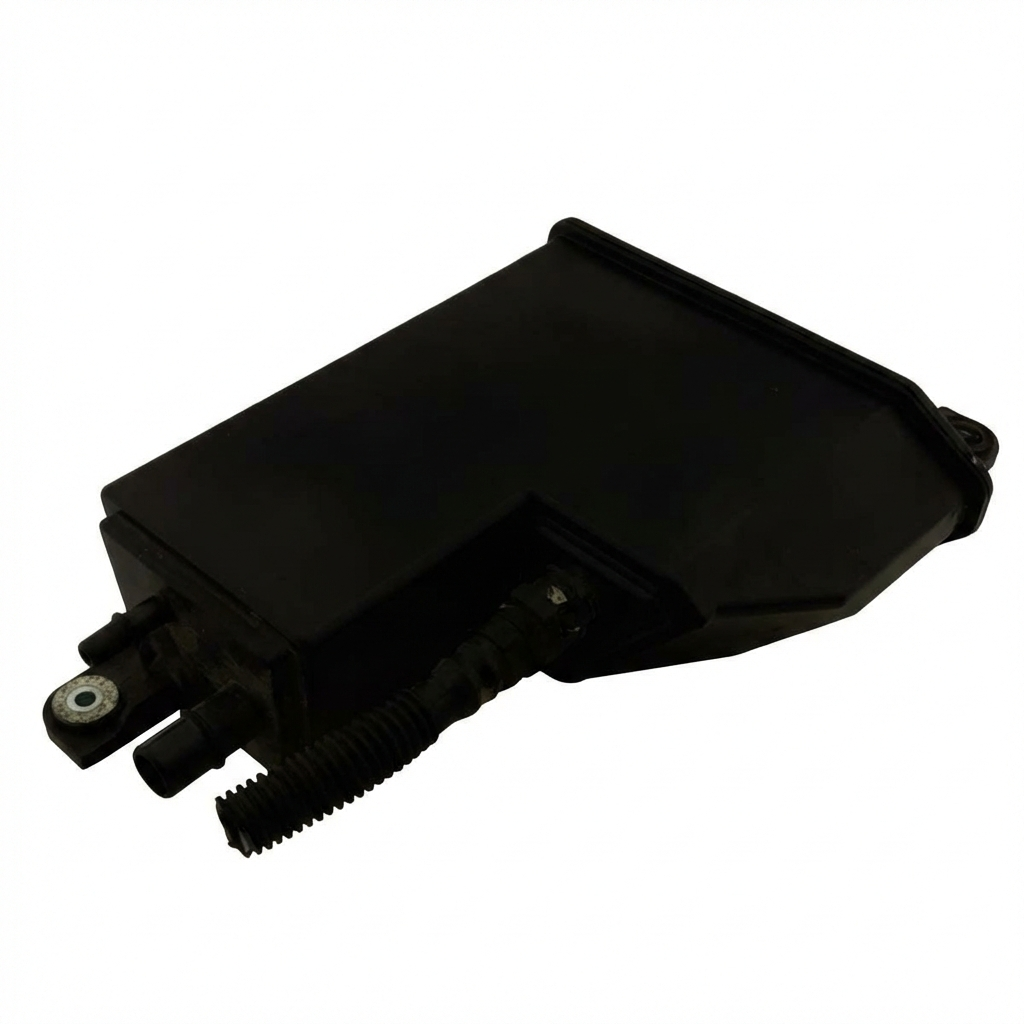
New Aftermarket Parts Available


The information in this article is provided for general reference and educational purposes only. Vehicle specifications, procedures, and part compatibility can vary by production date, trim level, and region. Always consult your vehicle's factory service manual and verify part numbers before purchasing or performing repairs. Safety-critical components such as airbags, seat belts, and braking systems should be installed by a qualified professional.
- Lincoln MKC:
- 🧭 Diagnostic Flowchart
- 🎬 Helpful Videos
- 🛍️ Shop This Part
- What's Unique About the 2015-2019 Lincoln MKC
- Symptoms You May Notice
- Most Likely Causes
- Rare But Worth Checking
- Diagnosis Steps
- Parts You'll Likely Need
- Related Codes That Often Appear With This One
- Technical Service Bulletins (TSBs) & Recalls
- Platform-Specific Known Issues
- Mechanic-Grade Diagnostic Values
- Hidden / Shadow Codes Worth Checking
- Scan Tool Commands That Help
- Real Owner Repair Stories
- OEM Part Supersession History
- Other Known Issues on This Vehicle
- Used vs. New Parts: Buying Guide for This Vehicle
- Real Owner Stories
- 2018 Lincoln MKC
- 2018 Ford Escape 2.0L Ecoboost
- 2013-2019 Ford Escape
- 2013-2018 Ford Focus 2.0L
- Related OBD-II Codes
- Frequently Asked Questions
- 🎟️ Get 5% Off