

P1450 on 2009-2013 Mazda MAZDA6: Causes and Fixes for EVAP Vacuum Issues
For the 2009-2013 Mazda6, the P1450 code is almost always caused by a faulty purge solenoid valve. For the 3.7L V6, Mazda issued a Technical Service Bulletin (TSB 01-012/14) for this exact issue, indicating a modified part is the solution. The 2.5L I4 engine experiences the same issue but uses a different part. Replacing the correct purge valve for your engine is a straightforward, low-cost repair that typically resolves the code.
- P1450 on a 2009-2013 Mazda6 means the EVAP system can't get rid of the vacuum it created during a self-test.
- The most likely cause, by far, is a faulty purge solenoid valve. A Mazda TSB confirms this for the 3.7L V6.
- The 3.7L V6 and 2.5L I4 engines use different purge valve parts; ensure you purchase the correct one for your vehicle.
- Replacing the purge solenoid valve is a relatively easy and inexpensive DIY repair that usually takes less than an hour.
- Ignoring the code long-term could potentially damage the fuel tank, so it's best to address it promptly.
What's Unique About the 2009-2013 Mazda MAZDA6
This issue is so well-documented on this platform that Mazda released a Technical Service Bulletin (TSB 01-012/14) specifically for the 3.7L V6 model. The TSB identifies the original purge solenoid valve as the culprit, stating "This concern may be caused by the purge valve, which has been modified to eliminate this concern." This takes much of the guesswork out of the diagnosis for the V6, as the manufacturer has directly pointed to the most common point of failure and provided an updated part.
Diagnostic Flowchart
Tap your situation to follow the diagnostic path that matches what you're seeing on this vehicle.
Symptoms You May Notice
- Check Engine Light is on
- A 'whoosh' sound of air rushing in when opening the gas cap
- Difficulty starting or stalling immediately after refueling. 🎬 See why your car is hard to start after refueling
- Rough or unstable idle
- Replacing the gas cap. While a faulty gas cap can cause other EVAP codes (like for small or large leaks), it is not a typical cause for P1450, which relates to an inability to *release* vacuum, not an inability to *hold* it.
Most Likely Causes
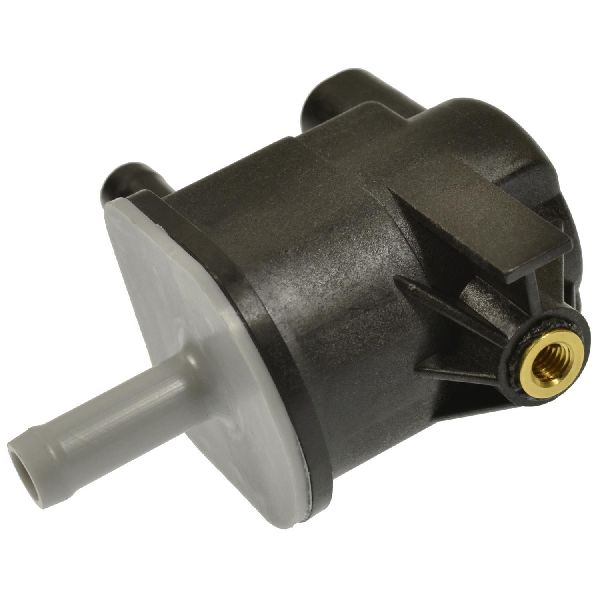
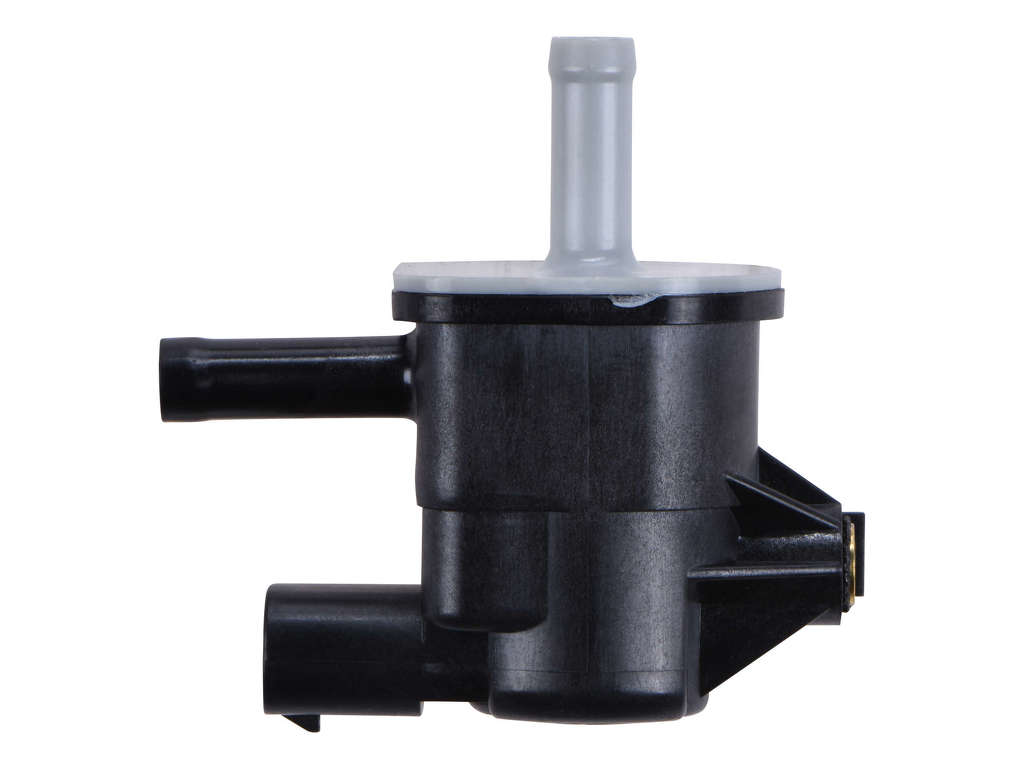
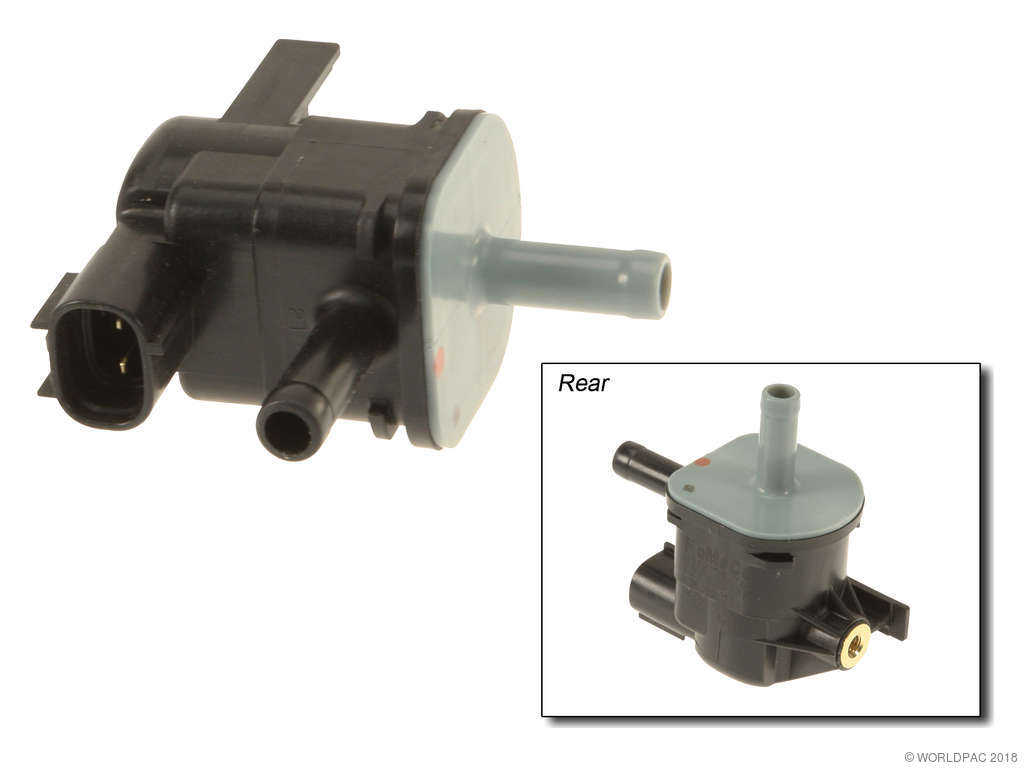
- Faulty Purge Solenoid Valve 🔴 High Probability → Shop Vapor Canister Mazda issued TSB #01-012/14 for the 3.7L engine, specifically identifying a fault with the original purge valve and releasing a modified part to correct the issue. The valve can get stuck open or leak, causing constant engine vacuum to be applied to the fuel tank.
How to confirm: With the engine running, disconnect the electrical connector and the EVAP line from the canister side of the purge valve. Place your finger over the valve's port. If you feel suction, the valve is leaking internally and must be replaced. When off, the valve should be sealed closed.
Typical fix: Replace the purge solenoid valve with the updated part for your specific engine (3.7L V6 and 2.5L I4 use different parts).
Est. part cost: $30-$80 - Blocked or Clogged Canister Vent Solenoid/Hose 🟡 Medium Probability → Shop Vapor Canister The vent valve is open to the atmosphere (through a filter) and can become clogged with dirt, debris, or even spider webs, preventing air from entering the system to relieve vacuum.
How to confirm: Locate the EVAP canister and vent solenoid, typically near the rear of the vehicle by the fuel tank. Inspect the vent hose and filter for blockages. The valve itself can be tested with a scan tool to command it open and closed, or by applying 12V to see if it actuates.
Typical fix: Clean the vent hose or replace the canister vent solenoid if it is stuck closed.
Est. part cost: $40-$90 - Kinked or Pinched EVAP Hose ⚪ Low Probability Hoses can be inadvertently pinched or incorrectly routed during other repairs, blocking the path for air to bleed off the vacuum.
How to confirm: Visually inspect all EVAP lines between the engine bay, the fuel tank, and the charcoal canister for any visible kinks, collapses, or sharp bends.
Typical fix: Reroute or replace the damaged section of hose.
Est. part cost: $10-$30
Rare But Worth Checking
- Faulty Fuel Tank Pressure (FTP) Sensor: → Shop Fuel Tank While less common, the sensor that reads the tank pressure can fail and give a false reading, making the computer think there is a vacuum when there isn't. This can be diagnosed by observing the FTP sensor reading on a scan tool with the gas cap off; it should read at or very near atmospheric pressure (zero vacuum).
- Fuel-Saturated Charcoal Canister: → Shop Vapor Canister Repeatedly overfilling the fuel tank (topping off) can force liquid gasoline into the charcoal canister, which is designed only for vapor. A saturated canister can become blocked, preventing proper airflow and causing this code.
Diagnosis Steps
- Read the code with an OBD-II scanner to confirm P1450 is present.
- After driving, listen for a loud 'whoosh' of air when opening the fuel cap. This indicates a strong vacuum is being held in the tank.
- Locate the purge solenoid valve in the engine bay, typically mounted on or near the intake manifold.
- Confirm the failure: With the engine running, disconnect the valve's electrical plug. Then, disconnect the vacuum line on the side of the valve that leads back to the charcoal canister. Place your finger on the open port of the valve. If you feel any suction, the valve has failed and must be replaced.
- If the purge valve tests good, locate the canister vent valve assembly near the fuel tank. Inspect its inlet and any associated filter/hose for blockage from dirt or debris.
- Test the vent valve's operation. Using a capable scan tool, command the vent valve to open and close to check for function. Alternatively, you can apply 12V power and ground to the valve's terminals to listen for a 'click', indicating it is actuating.
- If both valves appear to be working, trace all EVAP hoses to check for kinks, collapses, or blockages.
- As a final check, monitor the Fuel Tank Pressure (FTP) sensor data on a scan tool. With the gas cap removed, the pressure should be 0. If it shows a significant vacuum, the sensor itself may be faulty. 🎬 Watch this before replacing parts for P1450 or P0451 codes
Parts You'll Likely Need
- Vapor Canister Purge Valve (3.7L V6)
(OEM #CA07-20-370H)— This is the updated, modified part specified by Mazda in TSB 01-012/14 to fix P1450 on the 3.7L V6. It replaces older versions ending in C, D, E, F, and G. It often comes as an assembly with hoses.
Trusted brands: Mazda OE, Dorman, Standard Motor Products
OEM price range: $60-$90
Aftermarket price range: $40-$70 - Vapor Canister Purge Solenoid (2.5L I4)
(OEM #LF15-18-741)— This is the common failure point for the P1450 code on models with the 2.5L 4-cylinder engine. This is the solenoid only, not a hose assembly.
Trusted brands: Mazda OE, Dorman 911-909, Standard Motor Products, SKP
OEM price range: $50-$70
Aftermarket price range: $25-$50
Technical Service Bulletins (TSBs) & Recalls
- 01-012-14-2908A / 01-012/14: "2009-2013 MAZDA6 3.7L - CHECK ENGINE LIGHT ON WITH DTC P1450:00". Addresses the Check Engine Light on with DTC P1450, identifying the cause as the purge valve and instructing technicians to replace it with a modified part.
Platform-Specific Known Issues
- Mazda Technical Service Bulletin 01-012/14 was issued for 2009-2013 Mazda6 models with the 3.7L engine (produced before March 31, 2012) for the P1450 code, directly pointing to a faulty purge solenoid valve and providing an updated part number (CA07-20-370H) for the repair.
Helpful Videos
We Have This Part in Stock


The information in this article is provided for general reference and educational purposes only. Vehicle specifications, procedures, and part compatibility can vary by production date, trim level, and region. Always consult your vehicle's factory service manual and verify part numbers before purchasing or performing repairs. Safety-critical components such as airbags, seat belts, and braking systems should be installed by a qualified professional.
- Mazda MAZDA6:
- 🧭 Diagnostic Flowchart
- 🎬 Helpful Videos
- 🛍️ Shop This Part
- What's Unique About the 2009-2013 Mazda MAZDA6
- Symptoms You May Notice
- Most Likely Causes
- Rare But Worth Checking
- Diagnosis Steps
- Parts You'll Likely Need
- Technical Service Bulletins (TSBs) & Recalls
- Platform-Specific Known Issues
- 🎟️ Get 5% Off