

P1451 on 2001-2005 Ford Explorer Sport Trac: EVAP Vent Solenoid Circuit Fixes
P1451 on a 2001-2005 Explorer Sport Trac almost always points to an electrical issue with the EVAP Canister Vent Solenoid, located near the spare tire. The most likely fix is repairing a broken or corroded wire at the solenoid's connector, or replacing the solenoid itself for about $25-$75. Before buying parts, a thorough visual inspection of the wiring harness in this exposed area is critical.
- P1451 is an electrical circuit code, not a leak code. Do not start by replacing the gas cap or running a smoke test.
- Before buying any parts, crawl under the truck and thoroughly inspect the wiring and connector for the vent solenoid near the spare tire. A simple wiring repair is the most frequent fix.
- The component in question is the 'canister vent solenoid' by the fuel tank, NOT the 'purge valve' in the engine bay.
- You can confirm a bad solenoid with a multimeter; its resistance should be between 48-65 ohms.
- Check fuse #41 (15A) in the under-hood fuse box if you don't have power at the solenoid connector.
What's Unique About the 2001-2005 Ford Explorer Sport Trac
On this generation of Explorer Sport Trac, the P1451 code is most frequently caused by a simple wiring failure. The harness for the vent solenoid is routed near the spare tire and along the frame rail, where it is exposed to moisture, road salt, and physical damage. Over time, the wires, particularly right at the connector, tend to corrode and break, causing an open circuit that triggers the code. This is a well-documented issue on many Ford trucks and SUVs from this era, including its platform-mate, the Ford Ranger.
Symptoms You May Notice
- Check Engine Light is on.
- Vehicle will fail an emissions inspection.
- Possible 'whoosh' sound of pressure or vacuum when removing the gas cap.
- In rare cases, difficulty starting immediately after refueling.
- Occasionally, the 'Check Fuel Cap' light may also illuminate.
- Replacing the gas cap. A bad gas cap causes EVAP leak codes (e.g., P0442, P0455), not an electrical circuit code like P1451.
- Replacing the EVAP Purge Valve/Solenoid. P1451 refers specifically to the VENT solenoid circuit located near the fuel tank, not the PURGE valve located in the engine bay.
- Performing a smoke test. A smoke test is used to find physical vapor leaks and will not identify an electrical circuit malfunction.
Most Likely Causes
- Damaged or Corroded Wiring to Vent Solenoid 🔴 High Probability The wiring harness for the vent solenoid is located in an exposed area near the spare tire, making it susceptible to moisture, road salt, and chafing that leads to breaks, especially at the connector. This is the most common point of failure for this code on Ford trucks of this era.
How to confirm: Visually inspect the wires leading to the canister vent solenoid connector for any signs of green corrosion, chafing, or clean breaks. Gently tug on each wire at the connector to see if it pulls out. Also, trace the harness forward and check larger multi-wire connectors on the frame rail for corrosion, as this is another common failure point.
Typical fix: Repair the broken wire(s) using a weatherproof butt connector or solder and heat shrink. If the connector itself is damaged, replace it with a new pigtail connector, such as Dorman 645-212.
Est. part cost: $5-$25 - Failed Canister Vent (CV) Solenoid 🟡 Medium Probability → Shop Vapor Canister The solenoid is an electromechanical valve exposed to the elements under the vehicle, and its internal coil can fail over time, creating an open circuit.
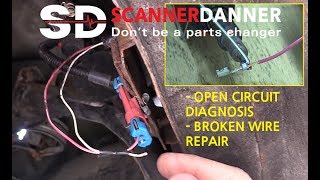
How to confirm: Disconnect the solenoid and measure the electrical resistance across its two pins using a multimeter. A good solenoid should read between 48 and 65 ohms. A reading of infinity (OL) indicates a failed, open coil. 🎬 See: How to test open circuits and repair wiring
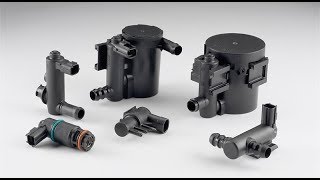
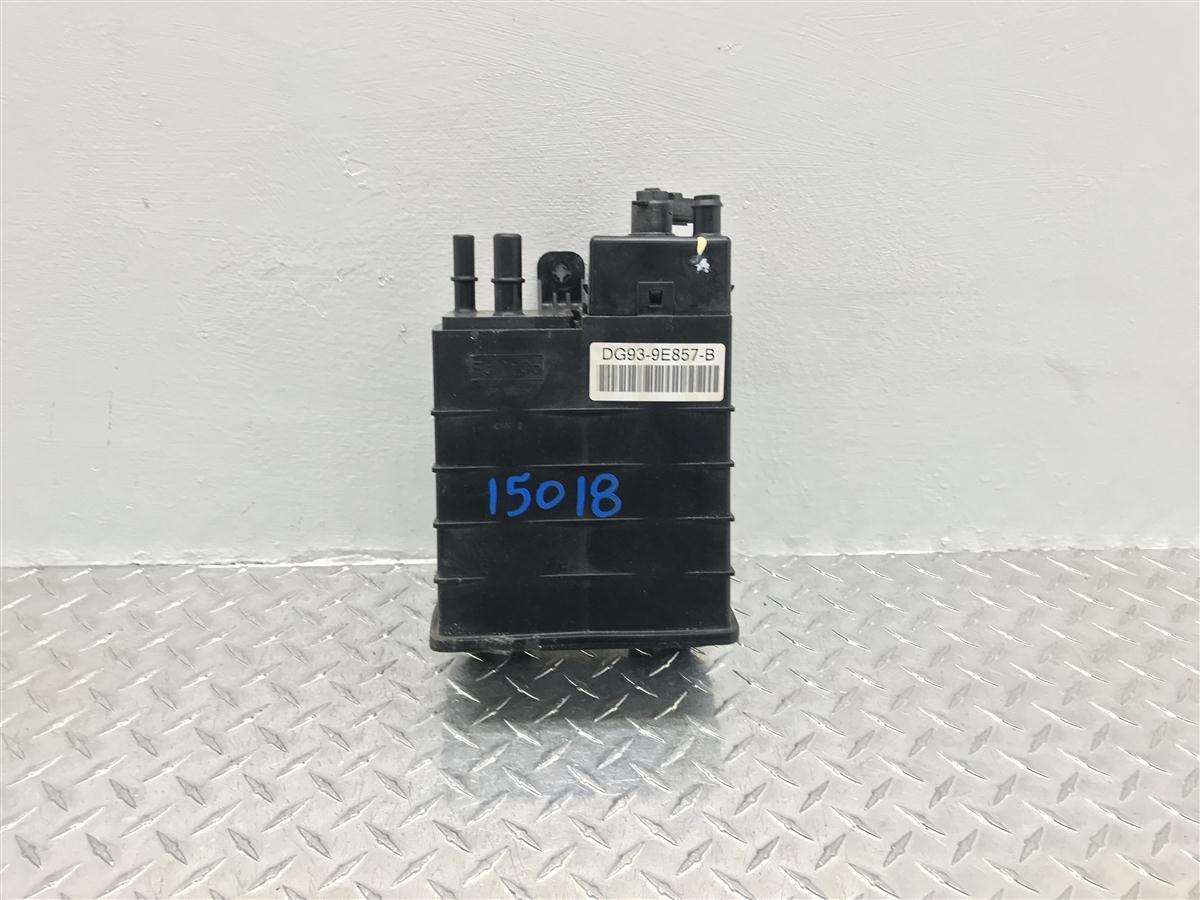
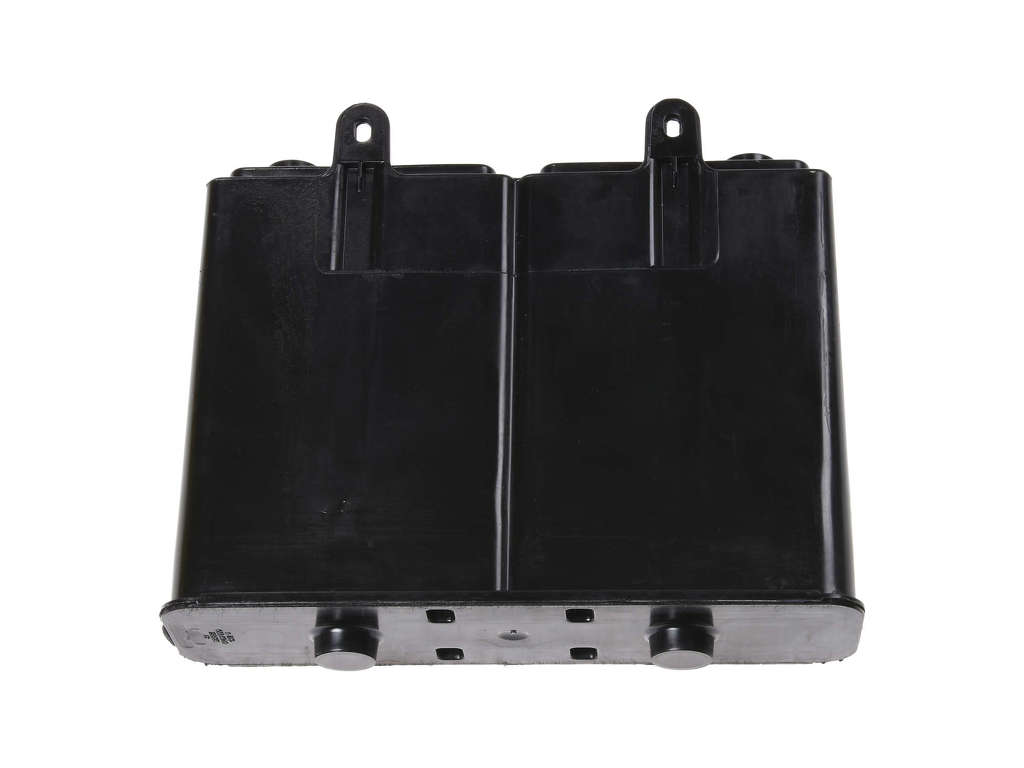
Typical fix: Replace the canister vent solenoid. It is typically mounted on or near the charcoal canister by the fuel tank.
Est. part cost: $25-$75 - Open VPWR (Vehicle Power) Circuit / Blown Fuse ⚪ Low Probability
How to confirm: With the key in the 'ON' position, use a multimeter to check for battery voltage (approx. 12V) at the power wire in the vent solenoid's electrical connector. If no voltage is present, check the fuse that supplies power to the circuit. For the Sport Trac, this is often fuse #41 (15A) in the under-hood fuse box (Battery Junction Box).
Typical fix: Replace the blown fuse. If the fuse blows again immediately, there is a short circuit in the harness that must be located and repaired.
Est. part cost: $1-$5
Rare But Worth Checking
- Faulty Powertrain Control Module (PCM): → Shop Engine Control Module (ECM) This is extremely rare and should only be considered after all other possibilities, including wiring and the solenoid itself, have been exhaustively tested and ruled out.
Diagnosis Steps
- Retrieve the P1451 code using an OBD-II scanner and verify it is the only code present.
- Locate the EVAP canister and the attached vent solenoid. On the Sport Trac, this is near the rear of the truck, often in front of the spare tire.
- Perform a thorough visual inspection of the vent solenoid's electrical connector and the nearby wiring harness. Look for obvious signs of damage, corrosion, or broken wires. Pay close attention to the point where the wires enter the connector.
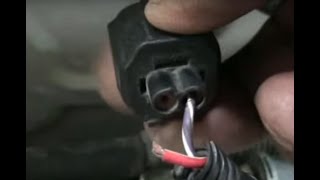
- Inspect larger harness connectors along the frame rail for corrosion or broken pins. On the similar Ford Ranger, a large connector (C309) above the fuel filter is a known failure point. 🎬 Watch: Diagnosing and fixing a Ford EVAP vent circuit fault
- Disconnect the solenoid. Test for power at the connector's power wire (often Yellow or Red on Fords) using a multimeter (should be ~12V with the key on).
- Test the resistance of the solenoid itself by placing multimeter probes on its two electrical pins. The reading should be between 48-65 ohms. If it's out of spec or shows an open circuit (OL), the solenoid is bad.
- If wiring looks good and the solenoid tests good, check for continuity on the control wire (often Violet/White) between the solenoid connector and the PCM.
- If a scan tool with bidirectional controls is available, command the vent solenoid (EVAPCV) on and off. Listen for an audible click from the solenoid and watch the voltage PID to see if it changes as expected.
Parts You'll Likely Need
- EVAP Canister Vent Solenoid
(OEM #1L2Z-9C985-AA (Motorcraft CX-2109))— The solenoid's internal coil can fail, creating an open circuit that triggers the P1451 code.
Trusted brands: Motorcraft, Dorman (911-105), Standard Motor Products (CVS17)
OEM price range: $50-$90
Aftermarket price range: $25-$60 - EVAP Vent Solenoid Connector Pigtail — The connector itself or the wires leading directly into it are common failure points due to corrosion and stress. Replacing the pigtail is often a more robust repair than splicing a single wire.
Trusted brands: Motorcraft, Dorman (e.g., 645-212)
OEM price range: $25-$40
Aftermarket price range: $10-$25
Related Codes That Often Appear With This One
- P0455 - EVAP System Leak Detected (Gross Leak). A P1451 fault can cause the vent solenoid to be stuck open, which the PCM may interpret as a large leak.
Platform-Specific Known Issues
- Corrosion at Frame Harness Connector: A user on Ranger-Forums.com with a P1451 code found the issue was not at the solenoid pigtail, but at a large multi-wire harness connector located on the frame rail above the fuel filter. Corrosion had caused several pins to break off inside the connector, creating an open circuit.
- Fuse #41 Confirmed: A 2001 Sport Trac owner on FordSportTrac.com confirmed that checking fuse #41 (15 amp) in the battery junction box is a valid first step when diagnosing P1451, especially if the 'Check Fuel Cap' light also appears.
Mechanic-Grade Diagnostic Values
- Canister Vent Solenoid Resistance — expected: 48 to 65 ohms. Failure: A reading of infinity (OL) or near zero ohms.
- Scan Tool PID: EVAPCV (Solenoid Commanded State) — expected: 0% duty cycle (open/off) or 100% duty cycle (closed/on). Failure: The PCM is unable to command the state, or the state does not match the command.
- Voltage at Control Wire (Solenoid Commanded Open) — expected: Approximately equal to battery voltage (~12V). Failure: Significantly lower or no voltage, indicating an open or short in the circuit.
- Voltage Drop at Control Wire (Solenoid Commanded Closed) — expected: A minimum voltage drop of 4 volts from the open-state reading.. Failure: Little to no voltage drop, indicating the solenoid coil is not creating a load or the circuit is open.
Scan Tool Commands That Help
- Ford IDS (or equivalent): Output Test Mode / Manual EVAP Test — This function allows a technician to manually command the canister vent solenoid ON and OFF to verify electrical and mechanical function. It's used to confirm if the PCM's command is being sent and if the circuit voltage responds correctly, which helps isolate a wiring, solenoid, or PCM fault.
Wiring & Ground Locations
- CV Solenoid Power Wire — Red/Yellow wire at the 2-pin connector for the EVAP Canister Vent Solenoid, located near the spare tire.. This wire provides battery voltage to the solenoid. A break anywhere along this wire will cause a P1451 code due to loss of power.
- CV Solenoid Control Wire — Violet/White wire at the 2-pin connector for the EVAP Canister Vent Solenoid. It runs from the solenoid back to the PCM.. The PCM provides a ground path through this wire to activate the solenoid. An open or short on this wire will prevent the solenoid from functioning and trigger the code.
- Connector C309 — On the driver's side frame rail, often near or above the fuel filter. This is based on data from the platform-mate Ford Ranger.. This is a major 16-pin harness-to-harness connector that carries the wiring for the EVAP vent solenoid. It is highly prone to water intrusion and corrosion, which can cause an open circuit and trigger P1451.
Real Owner Repair Stories
- Ford F150 Forum (1999 Ford F-150 4.2L V6) — P1451 code present, no voltage measured at the vent solenoid connector.
❌ Tried (didn't work) Initial inspection at the solenoid did not reveal the fault.
✅ What actually fixed it The red power wire was found to be completely severed where the wiring harness passed over a metal bracket under the air filter housing. Repairing the wire restored power and fixed the code. - YouTube video (GabrielAutoTech) (2001 Lincoln Town Car 4.6L (salt-belt vehicle)) — P1451 code present.
❌ Tried (didn't work) The wiring appeared intact from a visual inspection.
✅ What actually fixed it The problem was a corroded electrical terminal inside the plastic connector for the vent solenoid. The pin had lost contact with the wire. The owner removed the terminal from the connector and soldered it directly to the wire to establish a solid connection, which resolved the code.
OEM Part Supersession History
1L2Z-9C985-AA→4L5Z-9C985-AA— Standard part number update by Ford.
Diagnostic Flowchart
Other Known Issues on This Vehicle
Issues unrelated to this code that are worth knowing about as an owner of this generation:
- 4.0L SOHC Timing Chain Cassette Rattle 🔴 High — Very common, especially on earlier models (2001-2003). Noise, often described as a rattle similar to spark knock, typically occurs under acceleration around 2500 RPM. Failure of the plastic guides can lead to catastrophic engine damage. (Ref: TSB 02-08-01 (later superseded) addressed this issue by recommending replacement of tensioners, guides, and sprockets with an updated kit.)
- Cracked Plastic Thermostat Housing 🟠 Medium — Extremely common failure point leading to coolant leaks. The OEM plastic housing is prone to cracking with age and heat cycles. Many owners upgrade to a more durable all-aluminum aftermarket housing.
- 5R55E Automatic Transmission Failures 🔴 High — This transmission is known for issues including delayed/harsh shifting, loss of gears, and complete failure, often related to servo bore wear or solenoid body problems. Problems were frequently reported for the 2002 and 2004 model years in particular.
- Intermittent Instrument Cluster Failure 🟡 Low — A common electrical issue where the entire gauge cluster will intermittently shut off and turn back on while driving. This is often caused by cold or cracked solder joints on the cluster's main circuit board.
- Front Wheel Bearing Failure 🟠 Medium — The front wheel bearings on 2WD models require periodic repacking and adjustment. If neglected, or if the seals fail allowing moisture entry, the bearings can wear out prematurely causing a humming or grinding noise.
Used vs. New Parts: Buying Guide for This Vehicle
When a used part is the smart pick: A used part is a smart choice for the connector pigtail. If your original connector is corroded or broken, sourcing a clean pigtail from a junkyard vehicle in a dry climate is often cheaper and faster than buying a new aftermarket one.
Donor-vehicle mileage cap: roughly under 150000 miles for the part to have meaningful remaining life.
What to inspect on the donor part:
- For a connector pigtail, inspect for flexible, non-brittle wires.
- Ensure the plastic locking tab on the connector is intact and not broken.
- Check for any signs of green or white corrosion on the metal pins inside the connector.
- For a used solenoid, look for one from a vehicle with no visible rust on the frame or underbody components, suggesting it lived in a dry climate.
Aftermarket brands forum-validated for this vehicle:
- Dorman
- Standard Motor Products (SMP)
Real Owner Stories
Aggregated from forums and TSBs cited above. Mileages and costs reflect what owners reported in those sources.
2001 Ford Explorer Sport Trac
Symptoms: Check engine code P1451 (Evap system canister vent solenoid circuit malfunction) and the 'Check Fuel Cap' light appeared.
What fixed it: Checked and replaced fuse #41 (15 amp) in the battery junction box.
Source hint: FordSportTrac.com - A thread titled 'Check engine code P1451'
Ford Ranger (Platform Mate)
Symptoms: P1451 code present; the issue was not the solenoid itself but an open circuit in the wiring.
What fixed it: Repaired a large multi-wire harness connector located on the frame rail above the fuel filter where corrosion caused pins to break off.
Source hint: Ranger-Forums.com - A detailed thread titled 'P1451/Purge Valve Solenoid Issue'
Ford Ranger (Platform Mate)
Symptoms: P1451 code triggered by high resistance in the EVAP circuit due to oxidation.
What fixed it: Disconnected, cleaned, and reconnected the various harness connectors between the solenoid and the engine bay.
Source hint: Reddit (r/fordranger)
Related OBD-II Codes
Frequently Asked Questions
Where is the EVAP canister vent solenoid located on my Ford Explorer Sport Trac?
Which fuse should I check for a P1451 code on a 2001 Sport Trac?
Is there a specific connector known to fail on the Sport Trac besides the one at the solenoid?
What should the resistance reading be for a healthy vent solenoid on this vehicle?
My 'Check Fuel Cap' light is on along with P1451; are they related?
What is the recommended replacement part if my vent solenoid connector is corroded?
Does the 4.0L SOHC engine in my Sport Trac have any other major known issues I should watch for?
Helpful Videos

Used OEM Parts in Stock
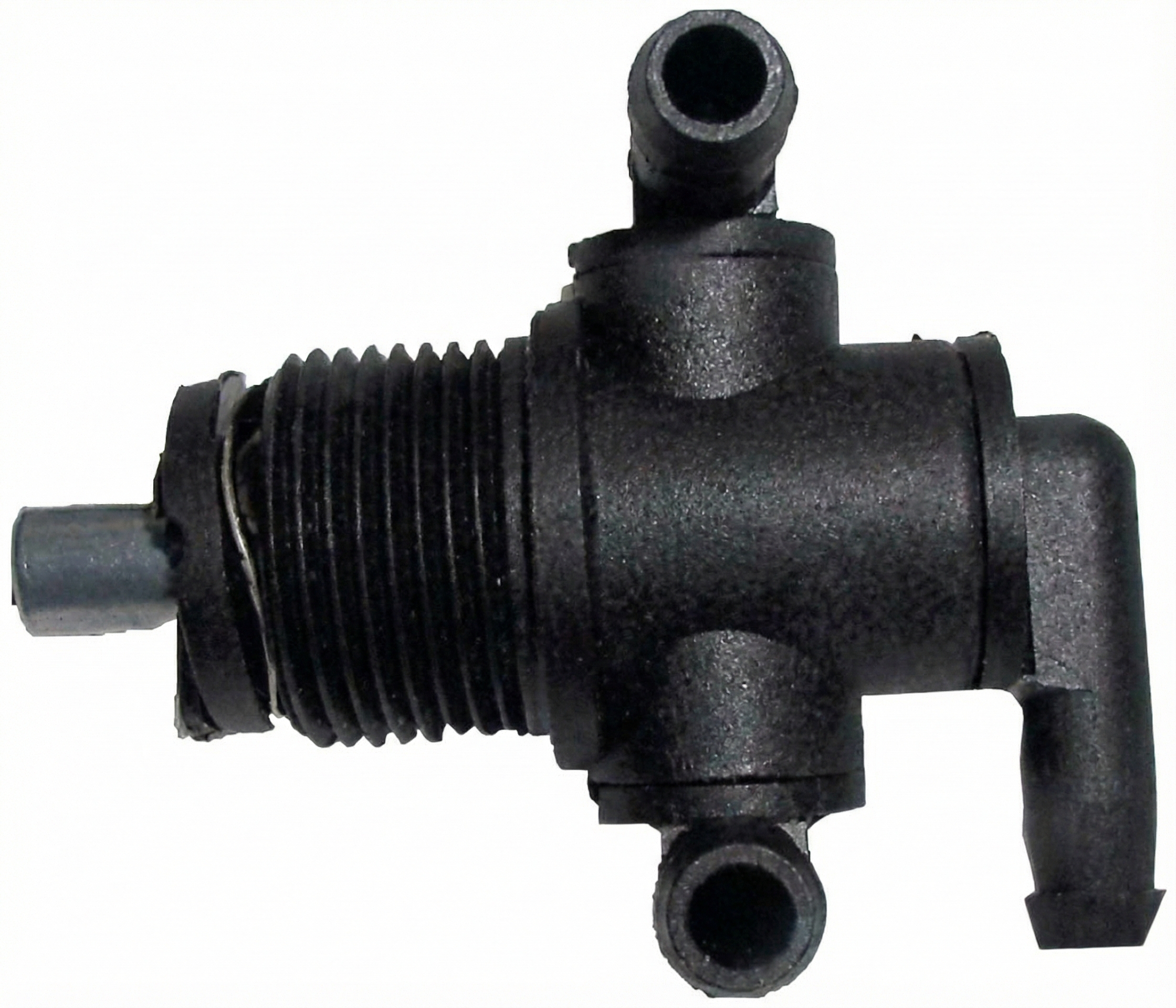
New Aftermarket Parts Available


The information in this article is provided for general reference and educational purposes only. Vehicle specifications, procedures, and part compatibility can vary by production date, trim level, and region. Always consult your vehicle's factory service manual and verify part numbers before purchasing or performing repairs. Safety-critical components such as airbags, seat belts, and braking systems should be installed by a qualified professional.
- Ford Explorer Sport Trac:
- 🧭 Diagnostic Flowchart
- 🎬 Helpful Videos
- 🛍️ Shop This Part
- What's Unique About the 2001-2005 Ford Explorer Sport Trac
- Symptoms You May Notice
- Most Likely Causes
- Rare But Worth Checking
- Diagnosis Steps
- Parts You'll Likely Need
- Related Codes That Often Appear With This One
- Platform-Specific Known Issues
- Mechanic-Grade Diagnostic Values
- Scan Tool Commands That Help
- Wiring & Ground Locations
- Real Owner Repair Stories
- OEM Part Supersession History
- Other Known Issues on This Vehicle
- Used vs. New Parts: Buying Guide for This Vehicle
- Real Owner Stories
- 2001 Ford Explorer Sport Trac
- Ford Ranger (Platform Mate)
- Ford Ranger (Platform Mate)
- Related OBD-II Codes
- Frequently Asked Questions
- 🎟️ Get 5% Off