

P1451 on 2008-2011 Ford Focus 2.0L: EVAP Vent Solenoid Circuit Failure Causes & Fixes
This code almost always means the EVAP canister vent solenoid has failed or its wiring is damaged. The solenoid is located at the rear of the car on the charcoal canister. Expect to pay $30-$75 for a new solenoid, which is often the fix. DIY difficulty is 2/5 if you're comfortable working under your car.
- P1451 is an electrical circuit code for the EVAP vent solenoid, not a system leak.
- The most likely culprit is the vent solenoid itself or its wiring/connector.
- The solenoid is located at the rear of the car, attached to the charcoal canister.
- Diagnosis involves a visual inspection and basic electrical tests with a multimeter.
- The repair is DIY-friendly and does not affect vehicle drivability.
What's Unique About the 2008-2011 Ford Focus
On the 2008-2011 Focus, the canister vent solenoid is mounted directly onto the charcoal canister assembly, located at the rear of the vehicle behind the fuel tank. While many Ford trucks with this code suffer from wiring damage near the spare tire, the Focus is more prone to the solenoid itself failing due to its exposed location under the car. It's critical not to confuse this code with the very common P1450, which affects the purge valve in the engine bay and was subject to a major recall on the next generation of Focus.
Symptoms You May Notice
- Check Engine Light is on
- Failing a state emissions inspection
- In rare cases, a faint fuel odor may be noticeable near the rear of the car.
- Replacing the gas cap. A bad gas cap typically causes a leak-related code (like P0455), not a circuit code like P1451.
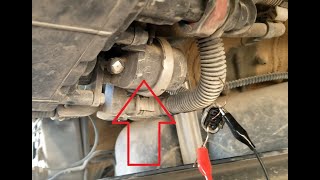
- Replacing the EVAP Purge Valve/Solenoid. The purge valve is in the engine bay and typically sets a P1450 code. P1451 points specifically to the vent solenoid circuit at the rear of the car. 🎬 Watch: Understanding Ford P1451 causes and fixes
Most Likely Causes
- Failed EVAP Canister Vent Solenoid 🔴 High Probability → Shop Vapor Canister The solenoid is located under the rear of the vehicle, making it highly susceptible to moisture, corrosion, and road debris over time, leading to internal electrical failure of the coil.
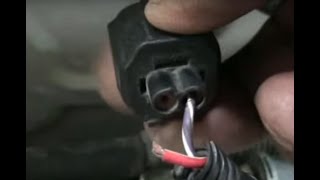
How to confirm: Disconnect the solenoid and test the resistance between its two pins with a multimeter. 🎬 See how to test the vent valve and its wiring A reading far outside the typical Ford range of 48-65 ohms (e.g., infinite for an open circuit or near zero for a short) confirms failure. You can also try to command the solenoid on and off with a bi-directional scan tool and listen for a click.
Typical fix: Replace the canister vent solenoid. It is attached to the charcoal canister and can usually be removed by twisting it counter-clockwise after removing the canister from the vehicle.
Est. part cost: $30-$75 - Damaged Wiring or Connector 🟡 Medium Probability The wiring harness to the vent solenoid runs underneath the car and is exposed to the elements, road salt, and potential physical damage from road debris or improper jacking. Corrosion often builds up inside the connector itself.
How to confirm: Visually inspect the wires leading to the vent solenoid connector for cracks, chafing, or corrosion. With the key on, engine off, check for battery voltage at the power wire (typically the Red or Violet/White wire) in the connector using a multimeter. Check the ground-side control wire for continuity back to the PCM.
Typical fix: Repair the damaged section of wire or replace the connector pigtail. If corrosion is found, clean the terminals with an electrical contact cleaner and apply dielectric grease.
Est. part cost: $5-$25 - Clogged Charcoal Canister or Vent Hose ⚪ Low Probability → Shop Vapor Canister The vent hose opening, which is often integrated into the canister assembly, can be clogged by insects, mud, or road debris, preventing the system from venting. This is less likely to cause a circuit code but can happen.
How to confirm: Remove the vent hose from the canister and inspect it and the canister port for physical blockages. Try to blow low-pressure air through the hose. A canister saturated with fuel (often from overfilling the gas tank) will also need replacement.
Typical fix: Clean the blockage from the hose or canister. If the canister is saturated with fuel, it must be replaced.
Est. part cost: $0-$200
Rare But Worth Checking
- Faulty Powertrain Control Module (PCM): → Shop Engine Control Module (ECM) This is extremely rare. The PCM should only be considered after all other possibilities, including the solenoid and its entire circuit, have been thoroughly tested and ruled out.
- Wiring Harness Damage Near PCM: In very rare cases, the control wire for the vent solenoid circuit can be damaged closer to the PCM, often due to rodent damage or chafing against other components in the engine bay.
Diagnosis Steps
- Retrieve the P1451 code with an OBD-II scanner.
- Safely raise and support the rear of the vehicle.
- Locate the EVAP charcoal canister behind the fuel tank. The vent solenoid is the electrical component attached to it.
- Visually inspect the electrical connector and wiring going to the vent solenoid for any signs of corrosion, damage, or loose connections.
- Disconnect the electrical connector. With the ignition key in the 'On' position, use a multimeter to check for battery voltage (approx. 12V) on the power supply wire.
- If voltage is present, test the resistance of the vent solenoid itself. Measure across the two pins on the solenoid. A reading between 48 and 65 ohms is typical. A reading of infinity (open) or near zero (short) indicates a faulty solenoid.
- If the solenoid tests good, check the continuity of the control wire from the solenoid connector back to the PCM to rule out a broken wire.
- Inspect the canister and vent hoses for any physical blockages from dirt, insects, or debris.
- Based on the findings, replace the faulty component (most often the solenoid) or repair the wiring.
- Clear the code and drive the vehicle to allow the EVAP monitor to run and confirm the fix.
Parts You'll Likely Need
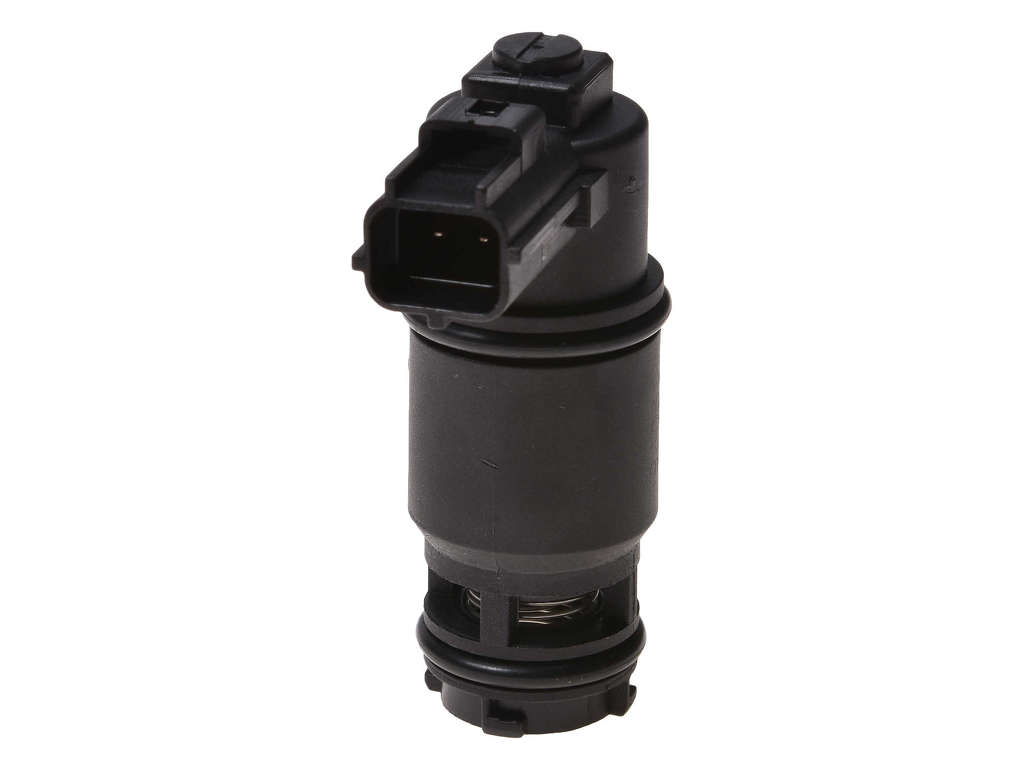
- Vapor Canister Vent Solenoid
(OEM #9U5Z-9F945-C)— This solenoid is the most common point of failure for a P1451 code, due to either an internal electrical fault or being mechanically stuck. This part number supersedes previous versions 7U5Z-9F945-D and 7U5Z-9F945-E.
Trusted brands: Motorcraft, Dorman, Standard Motor Products
OEM price range: $45-$75
Aftermarket price range: $30-$50
Technical Service Bulletins (TSBs) & Recalls
- TSB-WBF: Addresses common rear wheel bearing failures on Focus models up to 2008 with drum brakes, a frequent non-engine-related issue for this platform.
Platform-Specific Known Issues
- Owners on forums like FocusFanatics often confirm that replacing the vent solenoid (part 9U5Z-9F945-C) resolves the P1451 code immediately. The repair is considered straightforward, with the main difficulty being the removal of the charcoal canister to access the solenoid, which can be tricky due to tight space and potentially corroded hose clips.
Mechanic-Grade Diagnostic Values
- EVAP Canister Vent Solenoid Coil Resistance — expected: 48 - 65 Ohms. Failure: A reading of infinity (OL) indicates an open circuit, while a reading near 0 Ohms indicates a short circuit.
- Voltage at Solenoid Connector Power Wire (Key On, Engine Off) — expected: ~12V (Battery Voltage). Failure: 0V or significantly low voltage points to a break in the power supply wire or a blown fuse.
- Scan Tool PID 'EVAPCV' (Vent Solenoid Duty Cycle) — expected: 0% when valve is commanded open (de-energized), 100% when commanded closed (energized).. Failure: The PCM logs P1451 if the circuit's voltage feedback doesn't match the commanded state.
- Control Wire Voltage Drop (During Bidirectional Test) — expected: A minimum voltage drop of 4 volts when the solenoid is commanded from open (0%) to closed (100%).. Failure: If the voltage does not drop significantly, it indicates a faulty PCM driver or a break in the control wire.
Scan Tool Commands That Help
- Ford IDS, Autel, Snap-on (or equivalent bidirectional scanner): Output Test Mode / EVAP Canister Vent Solenoid On/Off Test — Use this to actively command the solenoid to cycle. This allows you to listen for an audible click from the solenoid to confirm mechanical operation and simultaneously measure voltage changes on the control wire to verify the integrity of the circuit and PCM driver.
Wiring & Ground Locations
- EVAP Vent Solenoid Connector — Plugged directly into the vent solenoid, which is mounted on the charcoal canister assembly behind the fuel tank at the rear of the vehicle.. This connector is the most common location for corrosion or wiring breaks due to its exposed position under the car.
- G410 — In the bottom rear of the trunk.. This is a potential primary ground point for rear-body electrical components, including the EVAP system. A corroded or loose ground here could cause a circuit fault like P1451.
Real Owner Repair Stories
- YouTube video 'GabrielAutoTech' (2001 Lincoln Town Car (uses a similar Ford EVAP system and P1451 code logic)) — Check Engine Light with code P1451.
❌ Tried (didn't work) Initial diagnosis pointed towards a bad solenoid.
✅ What actually fixed it The solenoid itself tested good. The problem was a corroded wire terminal inside the electrical connector. The fix was to remove the terminal from the connector housing, cut the corroded section, and solder the wire directly to the cleaned terminal before re-inserting it. - Ford Truck Enthusiasts Forum user 'nepa-expedition' (Ford Expedition (unknown year, but uses same P1451 logic)) — Check Engine Light with code P1451.
❌ Tried (didn't work) The user was considering replacing the PCM after testing the solenoid.
✅ What actually fixed it The user tested the solenoid and found its resistance was good (54 ohms). However, testing the wiring harness connector only showed 2.59 volts instead of battery voltage. This indicated a high-resistance fault in the wiring or a corroded connection, not a failed solenoid or PCM.
"I Checked Everything" — The Actual Cause
- P1451 is an electrical circuit code, not a system leak code. Performing a smoke test is an incorrect diagnostic step and will not reveal any faults. The EVAP system will appear to be sealed (or not, depending on the solenoid's default position), but this provides no information about the electrical integrity of the circuit, which is the root cause of the code.
OEM Part Supersession History
7U5Z-9F945-D, 7U5Z-9F945-E→9U5Z-9F945-C— Standard part revision and consolidation by the manufacturer.
Heads up: None. The new part number is a direct, backward-compatible replacement for the older versions.
Diagnostic Flowchart
Other Known Issues on This Vehicle
Issues unrelated to this code that are worth knowing about as an owner of this generation:
- Passenger-Side Engine Mount Failure 🔴 High — Very common. The hydraulic-filled mount is prone to leaking and collapsing, causing severe vibration in the cabin at idle and a clunking noise.
- Automatic Transmission (4F27E) Shifting Problems 🟠 Medium — Moderately common, especially on early 2008 models. Issues include harsh shifting, hesitation, or failure to shift into 3rd/4th gear. A TSB (08-4-16) was issued for some 2008 models built before 1/29/2008 for a no 3rd/4th gear condition. (Ref: TSB 08-4-16)
- Rear Wheel Bearing Failure 🟠 Medium — Common issue causing a humming, growling, or throbbing noise from the rear of the vehicle that changes with speed. (Ref: TSB-WBF (applies to models up to 2008 with drum brakes))
- Frozen or Failed Door Latches 🟡 Low — Commonly reported problem where moisture intrusion causes the door latch mechanism to rust or freeze, preventing the door from opening or closing properly.
- Lower Engine Mount (Torque Strut) Wear 🟠 Medium — This mount also fails frequently, contributing to drivetrain movement, dash rattles, and a 'clunk' when shifting from Park to Drive or Reverse.
Used vs. New Parts: Buying Guide for This Vehicle
When a used part is the smart pick: A used part is a reasonable option for the entire charcoal canister assembly, which includes the solenoid. This can be cost-effective if sourced from a low-mileage vehicle from a dry, non-salt-belt region. However, given the low cost of a new aftermarket solenoid ($30-$50), buying just the solenoid new is often the smarter, more reliable choice.
Donor-vehicle mileage cap: roughly under 80000 miles for the part to have meaningful remaining life.
What to inspect on the donor part:
- Inspect the electrical connector pins on the solenoid for any green or white powder (corrosion).
- Check the plastic housing of the solenoid and canister for cracks or physical damage.
- Ensure the donor vehicle shows no signs of heavy rust or undercarriage damage.
Aftermarket brands forum-validated for this vehicle:
- Dorman
- Standard Motor Products (SMP)
- TRQ
Real Owner Stories
Aggregated from forums and TSBs cited above. Mileages and costs reflect what owners reported in those sources.
2008 Ford Focus 2.0L
Symptoms: Check engine light was on with code P1451. The community identified the vent solenoid as the likely culprit.
What fixed it: Replacing the vent solenoid.
Source hint: Reddit thread titled 'p1451_code_on_2008_ford_focus'
Ford Focus 2.0L
Symptoms: The owner diagnosed a P1451 EVAP canister vent solenoid circuit malfunction.
What fixed it: Replacing the vent solenoid (part 9U5Z-9F945-C). The repair was straightforward but required removing the charcoal canister to access the solenoid.
Source hint: FocusFanatics.com thread titled 'p1451-evap-canister-vent-solenoid-circuit-malfunction.302381/'
Related OBD-II Codes
Frequently Asked Questions
I have a 2008 Ford Focus with a humming noise from the rear; is this related to the P1451 code?
Which specific part number should I look for to fix P1451 on my Focus?
Is the P1451 code caused by the purge solenoid under the hood?
Can I use a used charcoal canister from a different Ford model to fix this?
Why is the vent solenoid so prone to failure on the 2008-2011 Focus?
My 2008 Focus is also having trouble shifting into 3rd and 4th gear; is there a TSB for this?
Helpful Videos


Used OEM Parts in Stock
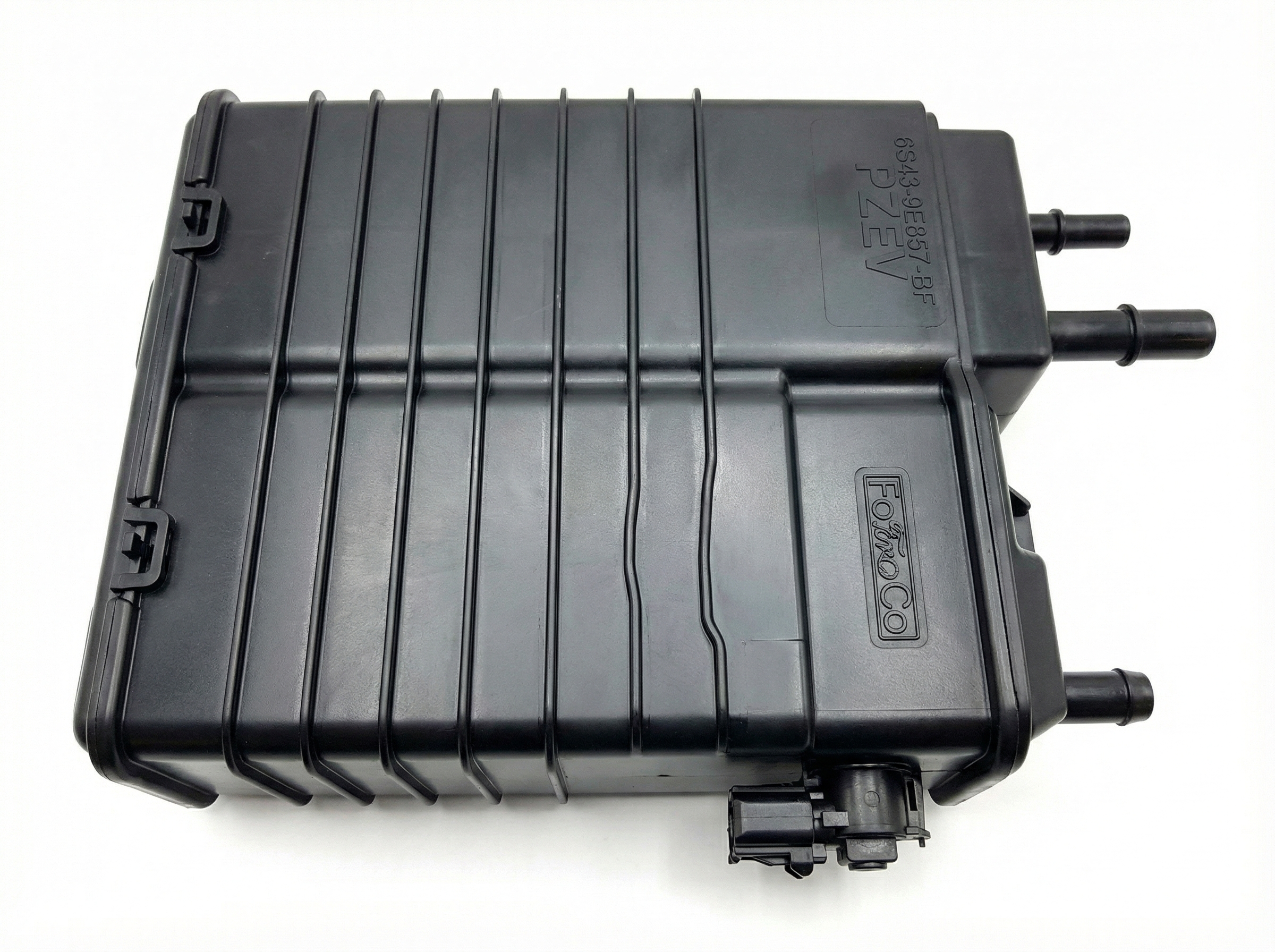
New Aftermarket Parts Available


The information in this article is provided for general reference and educational purposes only. Vehicle specifications, procedures, and part compatibility can vary by production date, trim level, and region. Always consult your vehicle's factory service manual and verify part numbers before purchasing or performing repairs. Safety-critical components such as airbags, seat belts, and braking systems should be installed by a qualified professional.
- Ford Focus:
- 🧭 Diagnostic Flowchart
- 🎬 Helpful Videos
- 🛍️ Shop This Part
- What's Unique About the 2008-2011 Ford Focus
- Symptoms You May Notice
- Most Likely Causes
- Rare But Worth Checking
- Diagnosis Steps
- Parts You'll Likely Need
- Technical Service Bulletins (TSBs) & Recalls
- Platform-Specific Known Issues
- Mechanic-Grade Diagnostic Values
- Scan Tool Commands That Help
- Wiring & Ground Locations
- Real Owner Repair Stories
- "I Checked Everything" — The Actual Cause
- OEM Part Supersession History
- Other Known Issues on This Vehicle
- Used vs. New Parts: Buying Guide for This Vehicle
- Real Owner Stories
- 2008 Ford Focus 2.0L
- Ford Focus 2.0L
- Related OBD-II Codes
- Frequently Asked Questions
- 🎟️ Get 5% Off