

P1451 on 2002-2005 Ford Thunderbird: EVAP Vent Solenoid Circuit Causes and Fixes
This code indicates an electrical fault with the EVAP Canister Vent Solenoid, not a leak. The most likely causes are a failed solenoid (Part No. 1W6Z-9C985-AA) or damaged wiring near the rear of the vehicle. Expect to pay $50-$115 for an aftermarket solenoid, with professional replacement costing $150-$550 due to extremely difficult access above the rear differential.
- P1451 is an electrical circuit code for the EVAP vent solenoid, not a gas cap or leak issue.
- The most likely fix is replacing the vent solenoid itself (OEM Part #1W6Z-9C985-AA), which is located with the charcoal canister above the rear suspension.
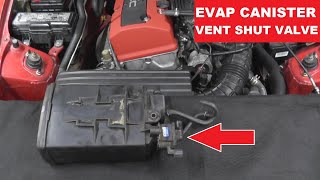
- Do NOT confuse the vent solenoid (rear of car) with the purge valve (in the engine bay). Replacing the purge valve will not fix this code.
- Accessing the vent solenoid is very difficult and may require lowering the rear differential, significantly increasing labor time.
- Before replacing parts, test the solenoid for a resistance between 48-65 ohms and check its connector for 12V power and for any signs of corrosion or broken wires.
What's Unique About the 2002-2005 Ford Thunderbird
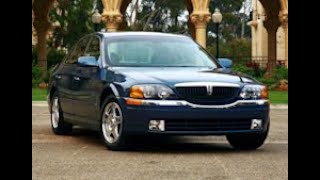
The 2002-2005 Thunderbird is built on the Ford DEW98 platform, which it shares with the 2000-2006 Lincoln LS. This means parts and diagnostic information for the P1451 code are often interchangeable between these two models. On this platform, the EVAP charcoal canister and the associated vent solenoid are mounted above the rear suspension carrier and differential, making them exceptionally difficult to see and access compared to other vehicles where they might be more exposed. Many owners and mechanics report having to lower the rear differential to gain enough clearance for the repair.
Symptoms You May Notice
- Check Engine Light is on
- Will fail an emissions inspection
- Possible fuel odor near the rear of the vehicle
- Difficulty filling the fuel tank (gas pump nozzle clicks off prematurely)
- Replacing the EVAP Purge Valve/Solenoid. The P1451 code refers specifically to the vent solenoid circuit near the fuel tank, not the purge valve (Part No. 3U5Z-9C915-C) located in the engine bay. Replacing the purge valve will not fix this code.
- Replacing the gas cap. A bad gas cap typically causes a leak-related code (like P0455 or P0442), not a circuit code like P1451.
Most Likely Causes
- Failed EVAP Canister Vent Solenoid 🔴 High Probability → Shop Vapor Canister The solenoid is an electromechanical part constantly exposed to the elements under the car, making it prone to failure from moisture intrusion, corrosion, or internal coil failure. It is the most common cause for P1451 on this platform.
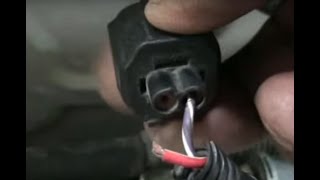
How to confirm: After checking wiring, test the solenoid's resistance with a multimeter. A good solenoid should measure between 48-65 ohms. A reading of infinity (OL) indicates an open circuit, while a reading near zero indicates a short. 🎬 See how to diagnose and fix a Ford P1451 code You can also use a bi-directional scan tool to command the valve to open and close; you should hear an audible click.
Typical fix: Replace the canister vent solenoid. The solenoid is located above the rear suspension, which often requires lowering the differential or other components for access.
Est. part cost: $50-$115 - Damaged Wiring or Electrical Connector 🟡 Medium Probability The wiring harness running to the rear of the vehicle is susceptible to damage from road debris, moisture, and corrosion. The connector pins themselves can corrode and break, or the wires can chafe against the subframe.
How to confirm: Visually inspect the wiring harness leading to the vent solenoid for any breaks, chafing, or corrosion (green/white powder). Use a multimeter to check for battery voltage (around 12V) at the power pin on the connector with the ignition on.
Typical fix: Repair the damaged section of wire or replace the connector pigtail. Ensure any repairs are sealed against moisture.
Est. part cost: $5-$30 - Clogged EVAP Canister or Vent Hose ⚪ Low Probability → Shop Vapor Canister Insects, particularly spiders, can build nests and block the fresh air inlet hose for the EVAP system. While this typically causes a vent control performance code (like P0446), a severe blockage could potentially be misinterpreted by the PCM as a circuit fault in some scenarios.
How to confirm: Disconnect the vent hose from the canister and inspect it and the canister's vent port for any physical blockages.
Typical fix: Clear the blockage from the hose or replace the charcoal canister if it is saturated with fuel or internally blocked.
Est. part cost: $0-$250
Rare But Worth Checking
- Faulty Powertrain Control Module (PCM): → Shop Engine Control Module (ECM) This is very rare. All other possibilities, especially the solenoid and its wiring, should be exhaustively ruled out before considering PCM replacement.
Diagnosis Steps
- Retrieve the P1451 code and any other codes from the PCM using an OBD-II scanner.
- Safely raise and support the rear of the vehicle. Locate the EVAP canister assembly above the rear differential.
- Visually inspect the wiring harness and connector for the EVAP canister vent solenoid. Look for any signs of chafing, corrosion, broken wires, or previous poor repairs.
- Disconnect the electrical connector. With the ignition key in the 'On' position (engine off), use a multimeter to verify that one of the pins on the connector has battery voltage (approx. 12V).
- If voltage is present, turn the ignition off. Measure the resistance across the two pins on the solenoid itself. A typical reading for a good Ford solenoid is between 48 and 65 ohms. 🎬 Watch: How to test and replace a vent solenoid A reading of infinity (OL) indicates an open circuit (bad solenoid), while a reading near zero indicates a short (bad solenoid).
- If you have a bi-directional scanner, command the EVAPCV/vent solenoid to close and listen for an audible click from the solenoid, indicating it is trying to function.
- Inspect the vent hose attached to the charcoal canister for any blockages from insects or debris.
- If wiring, voltage, and the solenoid itself all test good, the fault may lie within the PCM, but this is extremely uncommon.
Parts You'll Likely Need
- EVAP Canister Vent Solenoid
(OEM #1W6Z-9C985-AA)— This solenoid is the most common point of failure for the P1451 code, either due to an internal electrical fault or physical damage from its exposed location.
Trusted brands: Motorcraft, Standard Motor Products, Dorman, Wells
OEM price range: $90-$150
Aftermarket price range: $50-$115
Related Codes That Often Appear With This One
- P0455 — While P1451 is a circuit fault, a failure of the vent solenoid to close can lead to the system failing a subsequent leak test, triggering a gross leak code.
- P0135, P0141, P0155, P0161 — On many Ford platforms, the EVAP vent solenoid shares a power circuit and fuse with the heated oxygen sensor (HO2S) heaters. A short circuit in the vent solenoid or its wiring could blow the shared fuse, causing codes for both systems to appear simultaneously.
Platform-Specific Known Issues
- The location of the EVAP canister and vent solenoid is above the rear suspension subframe, making access significantly more difficult than on many other vehicles. This increases labor time and DIY difficulty. Many owners report that lowering the rear differential is necessary to gain sufficient access to replace the solenoid.
Mechanic-Grade Diagnostic Values
- EVAP Canister Vent Solenoid Resistance — expected: 48 - 65 Ohms. Failure: A reading of infinity (OL) indicates an open coil; a reading near zero indicates a shorted coil.
- Voltage at Vent Solenoid Connector (Power Wire) — expected: 12V+ (Battery Voltage) with Key On, Engine Off. Failure: No voltage indicates a break in the power supply wire or a blown fuse.
- Fuel Tank Pressure (FTP) Sensor Voltage (Static) — expected: Approximately 2.6V with the gas cap off (system vented to atmosphere).. Failure: A significantly different voltage may indicate a sensor issue, though this would typically set a different code.
Scan Tool Commands That Help
- Ford IDS (Integrated Diagnostic System): Output Test Mode / Active Command for Canister Vent (CV) Solenoid — This bidirectional command allows a technician to manually command the vent solenoid on and off to verify its function audibly (listening for a click) and electrically by monitoring circuit voltage.
- Ford IDS (Integrated Diagnostic System): EVAP System Test — This is a comprehensive, automated test that runs the entire EVAP monitor sequence. It will command the vent solenoid closed and use the engine or a pump to pull a vacuum, verifying the entire system's integrity, including the function of the vent solenoid circuit.
- High-End Bi-Directional Scanner (e.g., iCarsoft, Autel, Launch): EVAP Vent Solenoid On/Off Command or Duty Cycle Control — Used to functionally test the solenoid. Commanding the solenoid on (closed) and off (open) should produce an audible click and change the state of the system, which can be verified with a smoke machine or vacuum gauge.
Wiring & Ground Locations
- Vent Solenoid Power Wire — At the two-pin connector for the EVAP canister vent solenoid, located above the rear differential.. This wire, often Red or Red/Yellow on Ford platforms, should have battery voltage with the key on. Lack of voltage points to a blown fuse or a break in the wire between the fuse box and the solenoid.
- Vent Solenoid Control Wire — At the two-pin connector for the EVAP canister vent solenoid, running back to the Powertrain Control Module (PCM).. This wire, often Violet/White on similar Fords, is what the PCM uses to ground and control the solenoid. A break or short-to-ground on this wire will cause the P1451 code.
- Shared Fuse - HO2S Heaters & EVAP Solenoid — In the engine compartment fuse box. While the specific fuse number for the Thunderbird is not explicitly detailed in search results, Ford wiring practices often group the EVAP vent solenoid with the Heated Oxygen Sensor (HO2S) heaters.. A short in the vent solenoid circuit can blow this shared fuse, causing P1451 along with multiple O2 sensor heater codes (P0135, P0141, etc.). If these codes are present together, checking this fuse is the first step.
Real Owner Repair Stories
- YouTube video by 'Gabriel Auto Tech' (2001 Lincoln Town Car (shares similar EVAP components and wiring logic)) — Check Engine Light with code P1451.
❌ Tried (didn't work) Initial diagnosis pointed towards the vent solenoid itself.
✅ What actually fixed it The problem was a corroded wire terminal inside the electrical connector for the vent solenoid. The final fix was to remove the affected terminal and solder the wire directly to fix the bad connection. - Ford Truck Enthusiasts forum user (2003 Ford F-150 (demonstrates common Ford wiring issue)) — Check Engine Light with code P1451 after wires to the solenoid were severed.
❌ Tried (didn't work) Replacing the connector and re-wiring it did not initially clear the code.
✅ What actually fixed it A forum expert confirmed that the EVAP vent solenoid is a simple DC coil and is not polarity-sensitive, so swapping the wires would not make a difference. The advice was to re-verify voltage on the power wire (Yellow on that model) and continuity on the control wire (Violet/White) back to the PCM, implying the fault remained in the wiring or the solenoid itself.
Diagnostic Flowchart
Other Known Issues on This Vehicle
Issues unrelated to this code that are worth knowing about as an owner of this generation:
- Coil-On-Plug (COP) Failure 🔴 High — Extremely common, often occurring between 20,000-50,000 miles. Caused by oil from leaking valve cover gaskets or water from a leaking cowl seal fouling the plug wells. (Ref: TSB 05-22-8 provides diagnostic tips. Ford offered extended coverage for 2003-2005 models, but not 2002.)
- Hydraulic Radiator Cooling Fan Failure (2002 model only) 🔴 High — A very common and expensive failure point unique to the 2002 model. The system can leak from the pump or hoses, or the solenoid actuator can fail, causing the fan to run at minimum speed leading to overheating. Many owners convert to the 2003-2005 electric fan setup.
- Leaking Valve Cover Gaskets 🟠 Medium — Common issue. The primary consequence is oil leaking into the spark plug wells, which directly causes the prevalent Coil-On-Plug failures.
- Cracked Degas Bottle (Coolant Reservoir) 🟠 Medium — The plastic coolant reservoir located near the firewall is prone to cracking with age and heat cycles, leading to coolant leaks and potential air pockets in the cooling system.
- Secondary Timing Chain Tensioner Wear (2002 AJ-30) 🔴 High — The early plastic tensioners on the 2002 AJ-30 engine are a known failure point. Later AJ-35 engines (2003-2005) came with updated, more robust metal-bodied tensioners. Failure can be catastrophic.
Used vs. New Parts: Buying Guide for This Vehicle
When a used part is the smart pick: A used EVAP canister vent solenoid can be a viable option if sourced from a low-mileage, dry-climate vehicle to minimize the risk of corrosion and wear. However, given the relatively low cost of new aftermarket parts ($50-$115), a new part with a warranty is often the smarter choice.
Donor-vehicle mileage cap: roughly under 50000 miles for the part to have meaningful remaining life.
What to inspect on the donor part:
- Source the part from a dry, non-salt-belt state to avoid pre-existing corrosion.
- Inspect the electrical connector pins for any green or white powder (corrosion).
- Test the resistance with a multimeter before purchase; it must be between 48-65 ohms.
- Visually inspect the plastic housing for any cracks or physical damage.
OEM-only on this vehicle (don't cheap out):
- No parts in this specific repair strongly require OEM-only, but Motorcraft is the most trusted brand for electrical components on this platform.
Aftermarket brands forum-validated for this vehicle:
- Standard Motor Products (SMP)
- Dorman (often a cost-effective option, confirmed to fit this vehicle)
Brands owners have reported issues with on this vehicle:
- No specific brands are consistently reported as problematic for this part, but ultra-cheap, unbranded parts from online marketplaces carry a higher risk of premature failure.
Real Owner Stories
Aggregated from forums and TSBs cited above. Mileages and costs reflect what owners reported in those sources.
2003 Ford Thunderbird 3.9L V8
Symptoms: Engine code PO442 indicating a small leak in the evap system.
What fixed it: Diagnosing the EVAP system for leaks (contextualized within platform EVAP discussions).
Source hint: forums.fordthunderbirdforum.com thread titled '2003 PO442 Engine code Small leak in evap system'
2002 Ford Thunderbird 3.9L V8
Symptoms: The owner experienced a P1451 code; the solenoid is an electromechanical part exposed to elements under the car, prone to moisture intrusion and corrosion.
What fixed it: Replacing the canister vent solenoid, which required navigating the difficult access above the rear suspension.
Source hint: vehicle_specific_issues and common_causes
Related OBD-II Codes
Frequently Asked Questions
Where is the EVAP canister vent solenoid located on my 2002-2005 Thunderbird?
I'm having trouble filling my gas tank and the pump clicks off; is this related to P1451?
Can I use parts from a Lincoln LS to fix my Thunderbird's P1451 code?
What should the resistance be for a healthy vent solenoid on the 3.9L V8?
Does TSB 05-22-8 apply to my P1451 code?
Is it true I have to lower the differential to fix this?
Helpful Videos

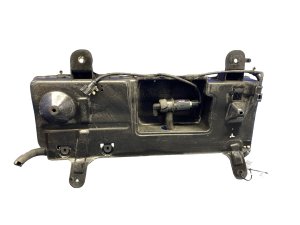
Used OEM Parts in Stock
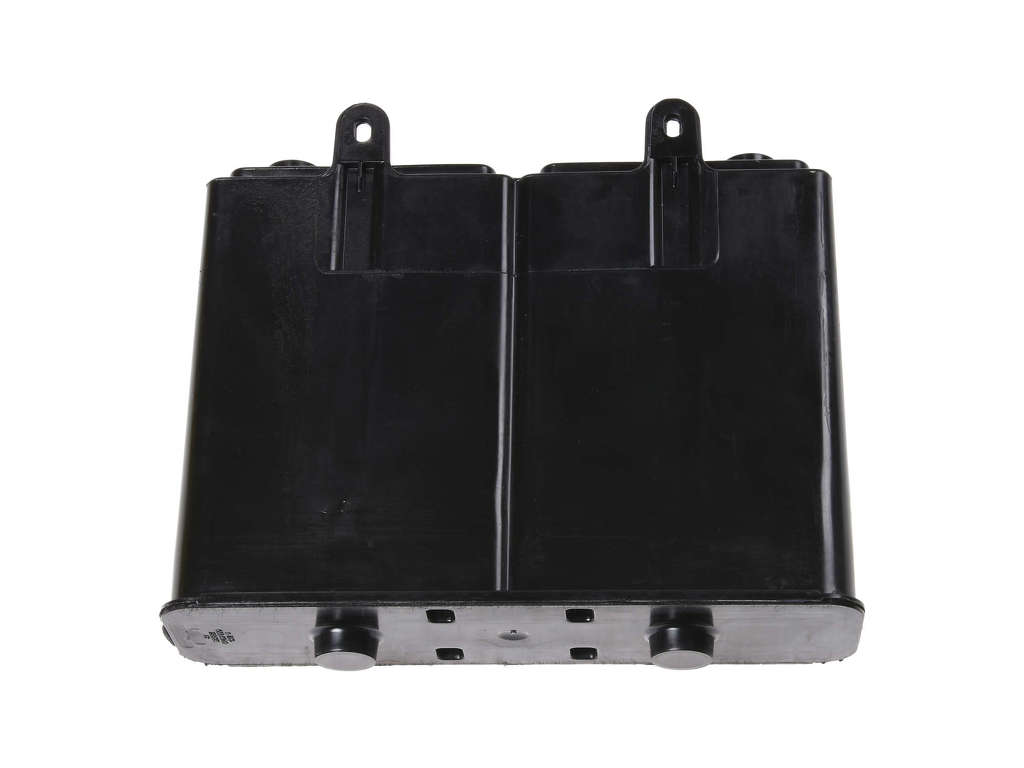
New Aftermarket Parts Available


The information in this article is provided for general reference and educational purposes only. Vehicle specifications, procedures, and part compatibility can vary by production date, trim level, and region. Always consult your vehicle's factory service manual and verify part numbers before purchasing or performing repairs. Safety-critical components such as airbags, seat belts, and braking systems should be installed by a qualified professional.
- Ford Thunderbird:
- 🧭 Diagnostic Flowchart
- 🎬 Helpful Videos
- 🛍️ Shop This Part
- What's Unique About the 2002-2005 Ford Thunderbird
- Symptoms You May Notice
- Most Likely Causes
- Rare But Worth Checking
- Diagnosis Steps
- Parts You'll Likely Need
- Related Codes That Often Appear With This One
- Platform-Specific Known Issues
- Mechanic-Grade Diagnostic Values
- Scan Tool Commands That Help
- Wiring & Ground Locations
- Real Owner Repair Stories
- Other Known Issues on This Vehicle
- Used vs. New Parts: Buying Guide for This Vehicle
- Real Owner Stories
- 2003 Ford Thunderbird 3.9L V8
- 2002 Ford Thunderbird 3.9L V8
- Related OBD-II Codes
- Frequently Asked Questions
- 🎟️ Get 5% Off